
9 Dog Breeds That Are Recommended by Grief Counselors to People Who Have Experienced Significant Loss
There’s a moment after a major loss when the house feels almost too quiet, like the silence itself is pressing on your chest. For many people, that’s where a dog quietly walks in, curls up nearby, and somehow makes breathing a little easier again. It is not magic, and it does not erase grief, but the steady presence of a dog can soften the sharpest edges of heartbreak.
Grief counselors often talk about how dogs help people re-learn daily routines, feel safe enough to cry, and experience small moments of comfort when everything else feels broken. Some breeds tend to be especially good at this because of their temperament, sensitivity, and attachment to humans. Below are nine breeds that are frequently recommended, not because they fix the pain, but because they walk through it with you, step by gentle step.
1. Golden Retriever: The Classic Comfort Companion
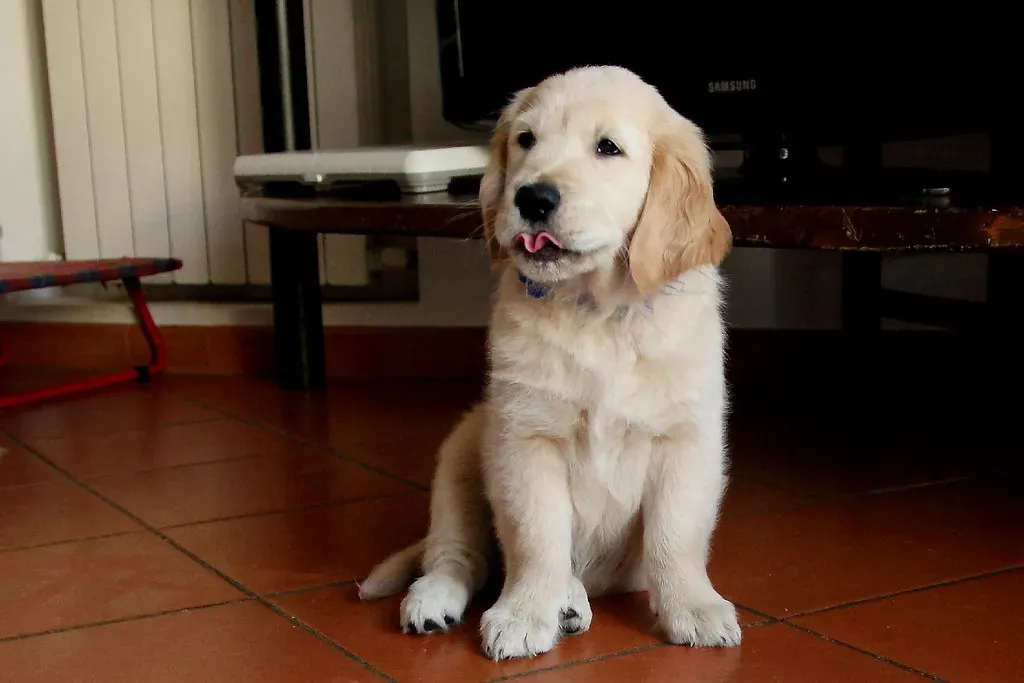
When people picture a comforting family dog, they’re usually picturing a Golden Retriever without even realizing it. Goldens are known for being gentle, patient, and extremely people-focused, which makes them natural emotional support partners for someone trying to navigate deep grief. They are often very tuned in to human moods and will quietly lean into you or rest their head on your lap when you’re upset, almost like they are saying they’re not going anywhere.
Because they thrive on routine and interaction, Golden Retrievers can help pull you out of bed on days when you’d rather disappear under the covers. Walks, brushing, feeding, and simple games become tiny anchors in days that might otherwise blur together. The flip side is that Goldens need time, training, and regular exercise, so they tend to work best for people who are ready (or willing to try) to step slowly back into everyday life rather than those who truly cannot manage daily care yet.
2. Labrador Retriever: Steady, Playful, and Grounding
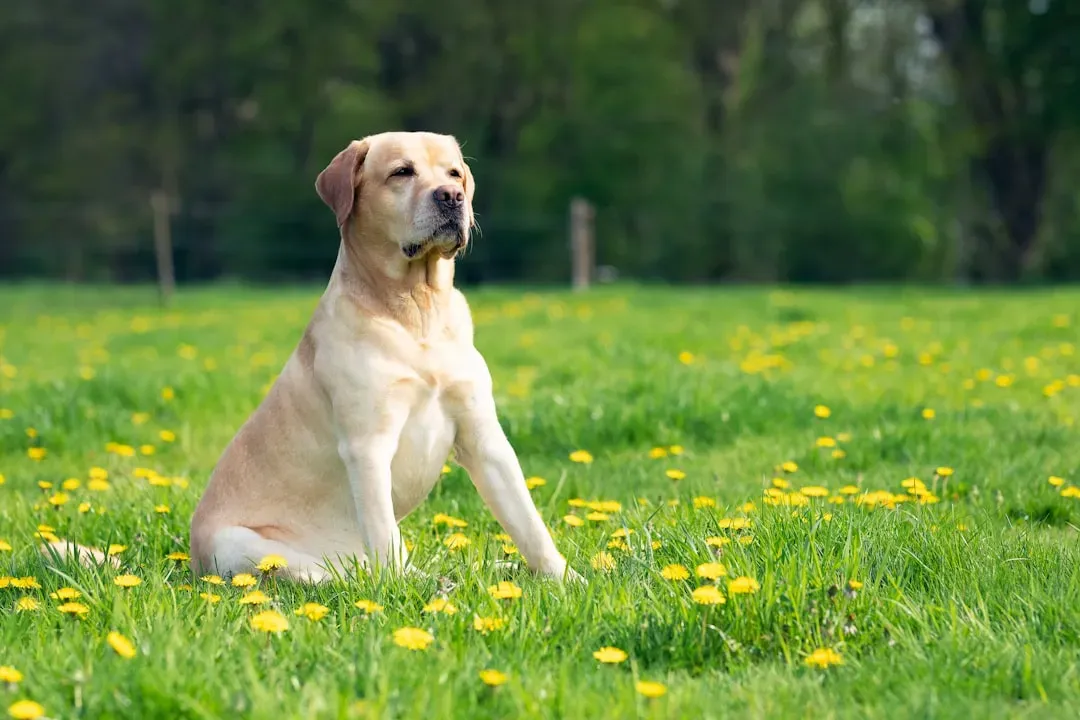
Labrador Retrievers are often described as big-hearted optimists, and that energy can be incredibly healing when you’re in a dark place. Labs are loyal, people-oriented, and generally easygoing, which helps create a sense of safety and stability after a major loss. Many counselors like that Labs are usually very forgiving of human inconsistency; if you have a low-energy day or you suddenly start crying, they typically just stay close instead of becoming anxious.
One of the things I personally love about Labs is that they seem to bring lightness back into a home without forcing it. Their goofy, playful nature can coax out the first genuine laugh you have had in weeks, whether it’s from an awkward attempt to catch a ball or a dramatic belly flop onto the floor. They do need plenty of exercise and mental stimulation, though, so they’re often recommended to people who either already had an active lifestyle or want a gentle push to get outside again and reconnect with the world.
3. Cavalier King Charles Spaniel: A Small Dog With a Big Heart

If you want a dog that feels almost like a living, breathing weighted blanket, the Cavalier King Charles Spaniel is often at the top of the list. Cavaliers are famously affectionate and love to be physically close to their people, often choosing to curl up right against your side or on your lap for hours. That close contact can be deeply soothing when you’re dealing with the empty space left by someone you loved.
Cavaliers tend to have soft, gentle personalities and adapt well to quieter lifestyles, which can be ideal during the raw stages of grief when you do not have the energy for intense training or activity. They usually get along well in apartments or smaller homes and can be a good fit for older adults or people with low stamina. The main trade-off is that they can be very emotionally dependent; their clinginess is comforting for many, but it also means they need plenty of attention and are not usually happy being left alone for long stretches.
4. Poodle (Standard or Miniature): Sensitive, Smart, and Hypoallergenic-Friendly
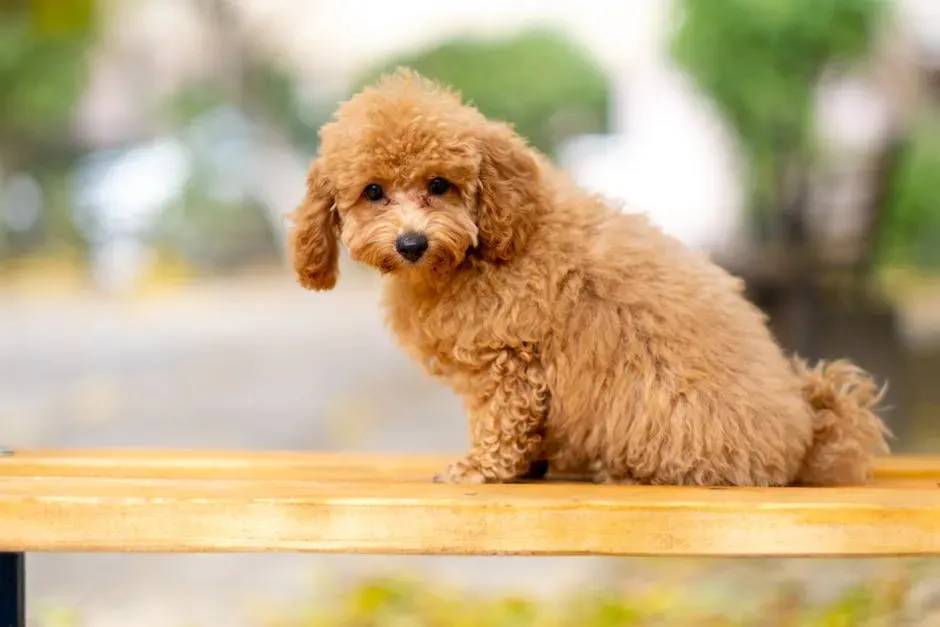
Poodles, whether standard or miniature, are often recommended to grieving individuals who also deal with allergies or who want a highly intelligent dog that can pick up on subtle emotional cues. They are exceptionally observant and tend to form very strong bonds with their primary person. That sensitivity means they often respond calmly when you’re upset, offering quiet companionship rather than demanding play or interaction at the wrong time.
Another reason grief counselors sometimes suggest Poodles is their trainability. Working on simple cues, tricks, or even basic grooming routines together can give your brain something structured and non-overwhelming to focus on. It becomes a small project that keeps your hands busy when your thoughts feel like they’re spinning. The one caution is that their intelligence means they can become anxious or bored without structure, so they fit best with someone who can provide at least a gentle rhythm to the day.
5. Havanese: The Cheerful Shadow Dog
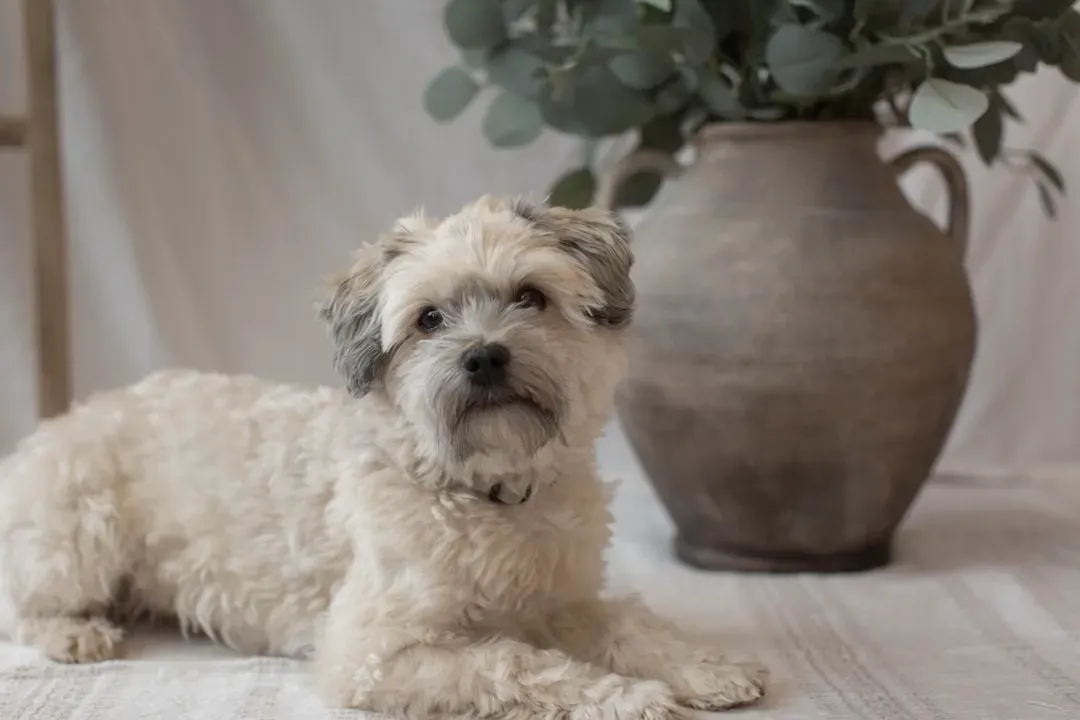
The Havanese is a small breed that often ends up glued to their person in the best possible way. They are affectionate, playful, and incredibly people-centered, which can feel like a warm beam of sunlight in a house that suddenly feels dim. Many people appreciate that Havanese dogs are generally friendly but tend to bond especially tightly with their core family, making them feel like a true emotional sidekick.
Because they are small and typically adaptable, Havanese work well for people who live in apartments, have limited mobility, or simply do not want a large, high-energy dog. Their moderate exercise needs mean that a few short walks and some playtime can be enough, leaving lots of room for cuddling on the couch. They do require grooming and thrive on human interaction, so they are best for someone who wants constant company rather than a more independent-type dog.
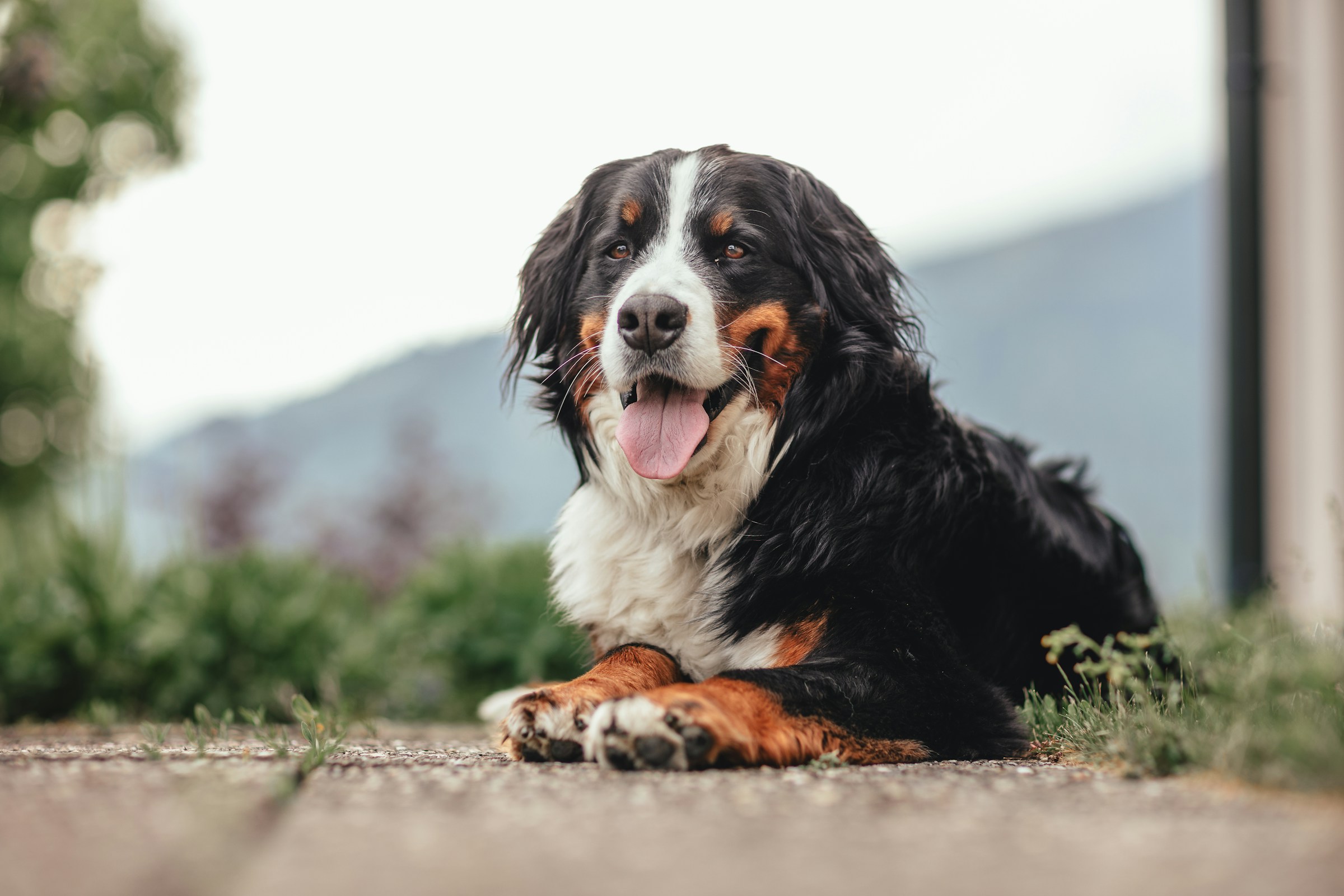
6. Bernese Mountain Dog: The Gentle Giant Guardian
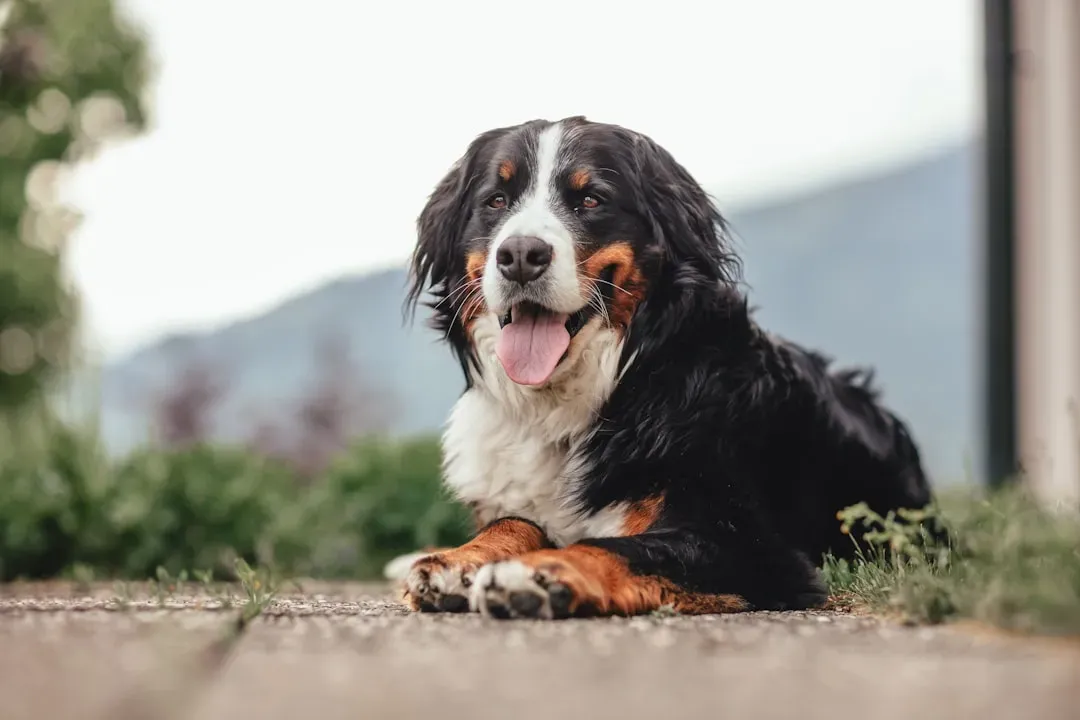
Bernese Mountain Dogs are often described as gentle giants, and that combination of large physical presence with a calm, affectionate temperament can be incredibly comforting after a big loss. There is something grounding about a big dog quietly lying at your feet or leaning against you while you sit in silence. Their natural steadiness can make you feel less alone, almost like you have a quiet guardian watching over you during the hardest nights.
These dogs tend to be good for people who have a bit more space and can handle the responsibilities that come with a large breed. They do not need intense exercise but do appreciate long, unhurried walks that can become a form of moving meditation. Because some large breeds can have shorter lifespans and certain health concerns, counselors often recommend that potential owners think carefully about whether they are emotionally ready to love another being whose time might feel too short again, even though the years together are often deeply meaningful.
7. Bichon Frise: A Soft Cloud of Joy and Routine
The Bichon Frise looks like a tiny white cloud, and in many ways, they bring that same light, airy feeling into a grieving home. They’re usually cheerful, affectionate, and relatively easygoing, which can gently nudge you toward small daily joys without feeling overwhelming. Their playful nature can invite you to engage in small, manageable moments of fun, like tossing a toy a few times or teaching a simple trick.
Bichons are also popular because they are low-shedding and tend to do well in smaller spaces, which is helpful for people who might not want to constantly clean or manage heavy shedding on top of everything else. Grooming appointments and short walks can become simple, recurring tasks that structure your week and keep you from completely collapsing into isolation. Still, they are social dogs and generally do best when they can be near you frequently, so they fit best when you have time and space for a close bond.
8. Greyhound (or Retired Racing Greyhound): Calm, Quiet, and Surprisingly Cuddly
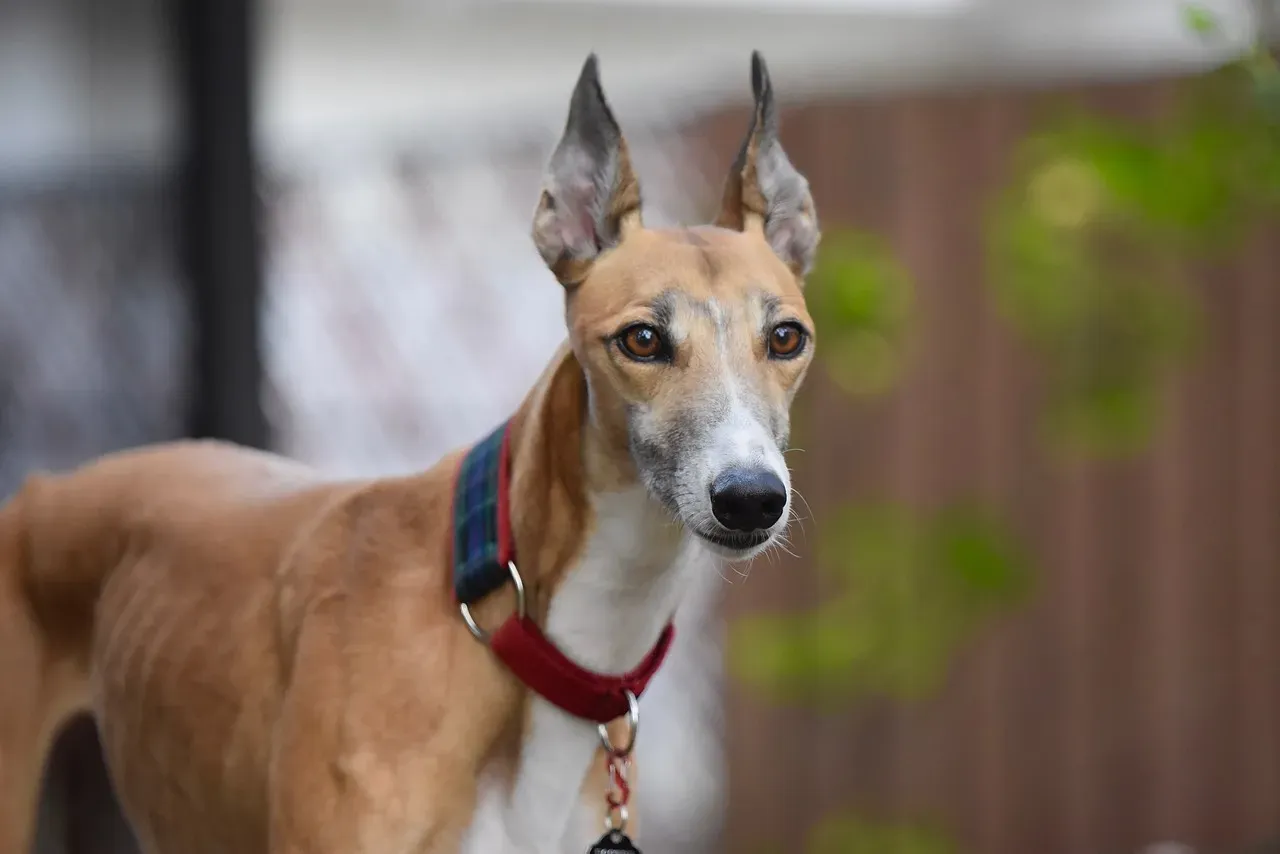
Greyhounds surprise a lot of people. Despite their reputation as racing dogs, retired Greyhounds are often extremely calm, gentle, and almost cat-like inside the home. Their laid-back nature and quiet demeanor can be very soothing for someone who feels emotionally drained and cannot handle constant barking or frenetic energy. Many former racers are used to living in kennels, so they often adapt quickly to a slower, cozier life with a soft bed and a loving person.
These dogs are usually content with a couple of moderate walks and then spend much of the day lounging nearby, which can be ideal for someone who wants company but not constant demands. In a way, they mirror the emotional state of many grieving people: bursts of movement followed by long stretches of stillness. Adopting a retired Greyhound can also carry a sense of giving a second chance to a dog whose first chapter was rough, which sometimes resonates deeply with people trying to rebuild their own lives after loss.
9. Mixed-Breed Rescue Dogs: Healing Together Through Second Chances
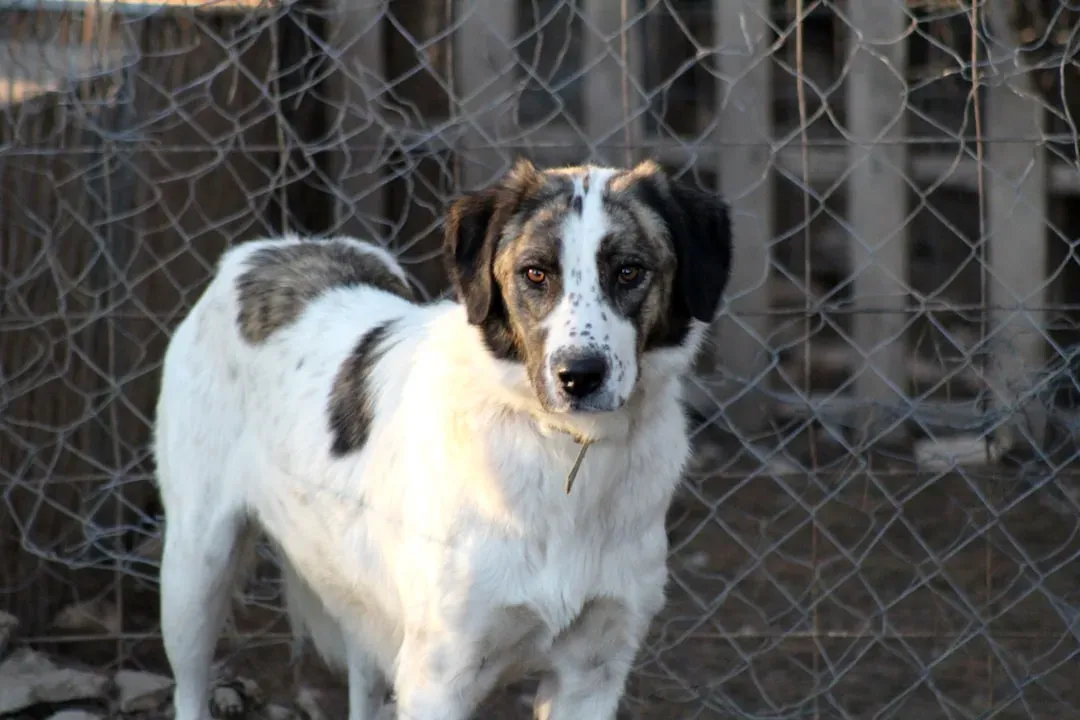
Many grief counselors gently remind people that healing does not require a purebred dog. Mixed-breed rescue dogs can be some of the most loving, grateful companions you will ever meet, and choosing one can feel like a small act of hope. There is something powerful about looking at a dog with an unknown or difficult past and deciding to build a new future together, especially when you’re trying to do the same for yourself.
Rescue organizations and shelters often have staff or volunteers who get to know the dogs’ personalities and can help match you with a calm, affectionate animal that suits your lifestyle and emotional needs. Sometimes the best grief companion is not the dog you saw in a list online but the one who quietly leans against your leg at the shelter and refuses to leave. That mutual choosing can become a turning point, a reminder that even after devastation, connection is still possible.
Conclusion: The Right Dog Will Walk Beside Your Grief, Not Replace It
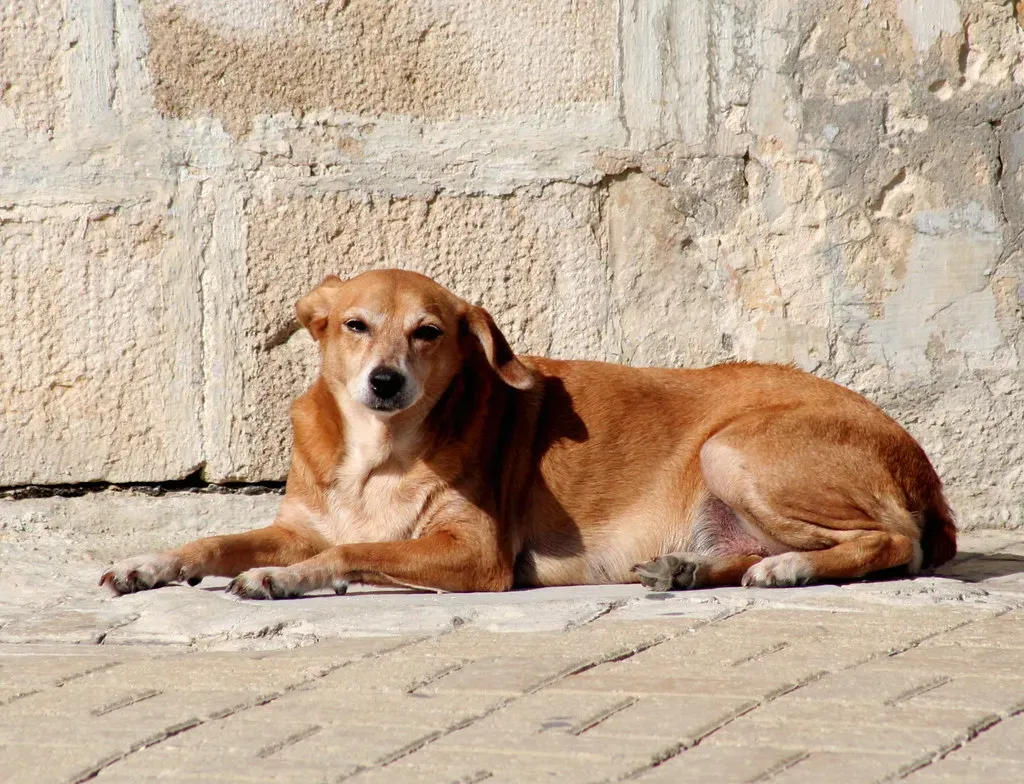
A dog, no matter how loving or intuitive, will never replace the person you lost – and honestly, they shouldn’t. Grief is not a problem to be fixed; it is a story you’re still living through, and the right dog simply becomes a character in the next chapter. The breeds above are often recommended because they tend to be affectionate, steady, and emotionally attuned, but what really matters is the individual dog and the bond you build together.
My own view is that you should never get a dog to fill a hole; you get a dog to share the space around that hole – the daily walks, the quiet evenings, the mornings when getting up feels impossible but a pair of hopeful eyes convinces you to try. Whether you choose a Golden Retriever, a tiny Havanese, or an older mixed-breed rescue, the real healing comes from showing up for each other, day after day. In the end, maybe the better question is not which dog will help you grieve less, but which dog you are ready to love fiercely, even knowing how much it hurts when love eventually means saying goodbye again – and are you ready for that kind of courage?