
10 Dog Behaviors That Only Appear When Your Dog Has Decided They Are Responsible for Keeping You Alive
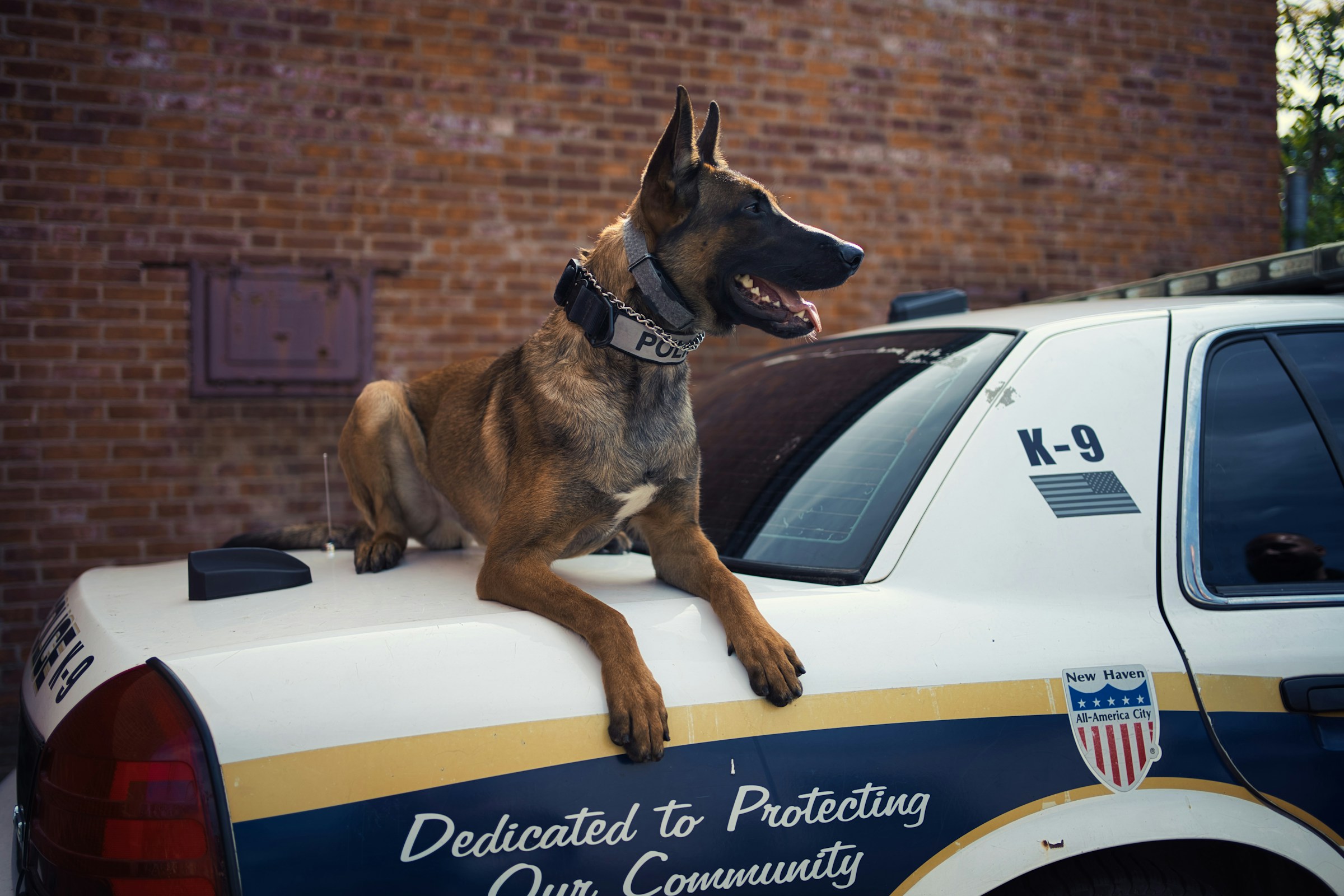
Spend enough time with dogs and you eventually realize something wild: some of them are not just your pets anymore. In their minds, they are your security detail, bodyguard, therapist, and personal paramedic all rolled into one very determined fur missile. This is when their behavior shifts from “I love you” to “Your survival is now my full-time job.”
These changes can be subtle at first – a dog who suddenly refuses to sleep in another room, or who starts inserting themselves between you and strangers. But over time, a clear pattern emerges. Below are ten dog behaviors that tend to show up when your dog has quietly promoted themselves to Head of Human Safety Operations.
1. The “Human Perimeter Sweep” Around the House
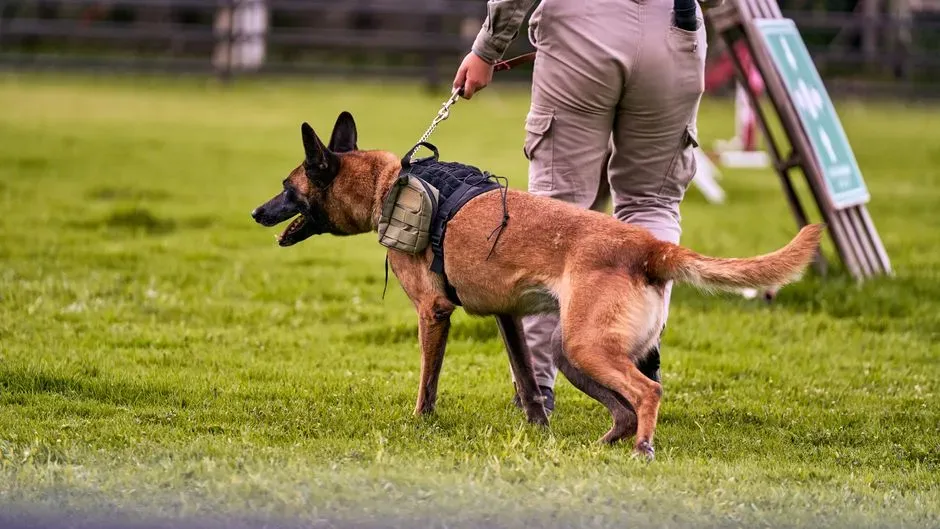
One of the first things many owners notice is that their dog starts doing what can only be described as security rounds. They walk the house, nose working, ears pricked, drifting from window to door and back again, but always circling back to wherever you are. It is less wandering and more patrolling, like a night guard making sure all the exits are secure before the building closes.
This goes beyond simple curiosity. A dog who has taken responsibility for you often checks potential entry points more regularly, especially at night or when there are unusual sounds outside. You might see them pause at the door, stare out into the dark, or listen intensely to a distant noise that you completely missed. They are not just aware of the environment – they are actively evaluating it for anything that could threaten what matters most to them: you.
2. Strategic Positioning: Always Between You and “Danger”
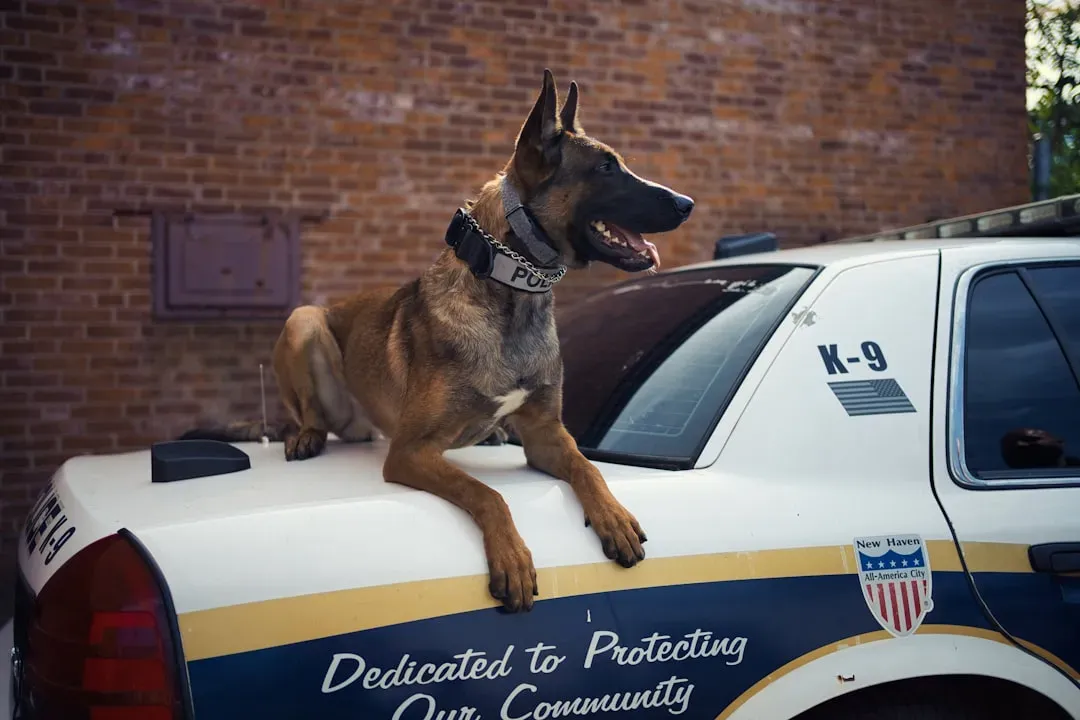
If your dog consistently puts their body between you and a perceived threat – whether it is a stranger, another dog, or even a suspicious-looking trash bag – that is not random. It is a classic protective move called blocking or body shielding. You might notice it most on walks: a person approaches, and your dog subtly shifts so they are now between you and that person, even if they do not bark or growl.
Over time, this can look almost comical. You lean over a balcony, and suddenly your dog wedges themselves between you and the rail. You hug someone, and your dog squeezes into the space, just in case. It is not always about aggression; many dogs never escalate beyond quiet watchfulness. But the clear message in their body language is: “If anything happens, it goes through me first.”
3. Hyper-Vigilance to Your Mood and Micro-Reactions
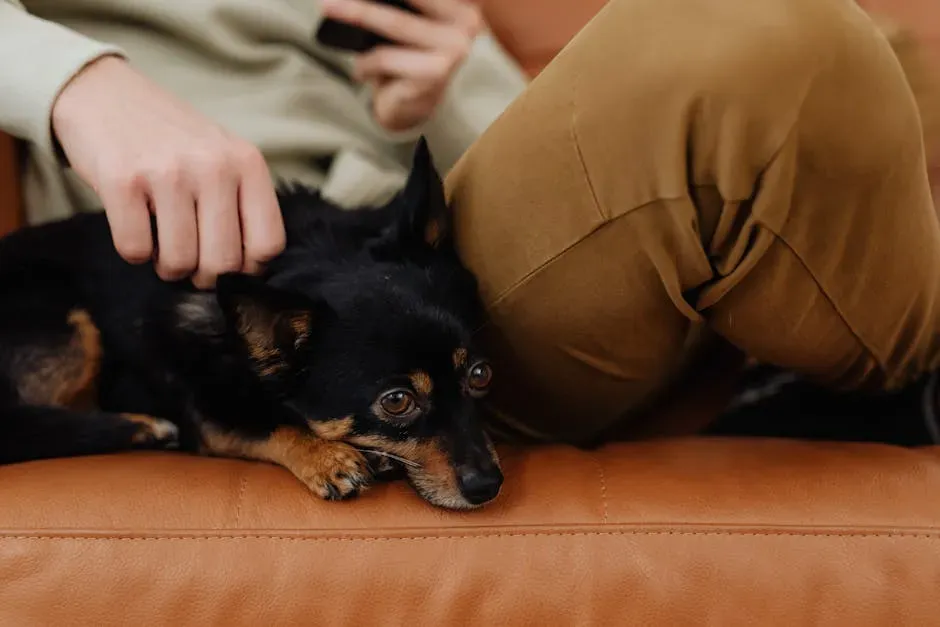
Dogs are naturally good at reading human emotions, but when a dog feels responsible for your wellbeing, that talent gets dialed up. They start reacting to tiny changes in your voice, breathing, or facial expressions long before other people notice. A tiny sigh, a longer pause, a slight tension in your shoulders – your dog is on it like it is breaking news.
For some owners, this becomes crystal clear during stressful times. You might not even realize you are anxious yet, but your dog suddenly appears, head on your leg, staring up at you as if waiting for instructions or offering support. It can feel almost spooky, like they can read your mind. Really, they are just reading your body with an attention level that would put most therapists to shame.
4. Night Shift: The Dog Who Refuses to Truly Sleep

Plenty of dogs sleep deeply and shamelessly, paws twitching, snoring like tiny engines. But the dog who believes they are keeping you alive sleeps differently. They may lie near you instead of in another room, and they wake at the faintest unusual sound – door creaks, distant footsteps, a car in the driveway – then settle again once they decide it is safe. Their rest becomes lighter because, in their mind, someone needs to be on duty.
If you wake up in the middle of the night, you might notice it most. You sit up, and their head pops up instantly. You go to the bathroom, and they follow, even if they were fully sprawled out seconds earlier. It is almost like owning a furry, four-legged security camera that never fully goes offline. The trade-off is that their sense of duty sometimes means they rest less so you can rest more.
5. Reluctance to Leave You Behind (Even When It Makes No Sense)
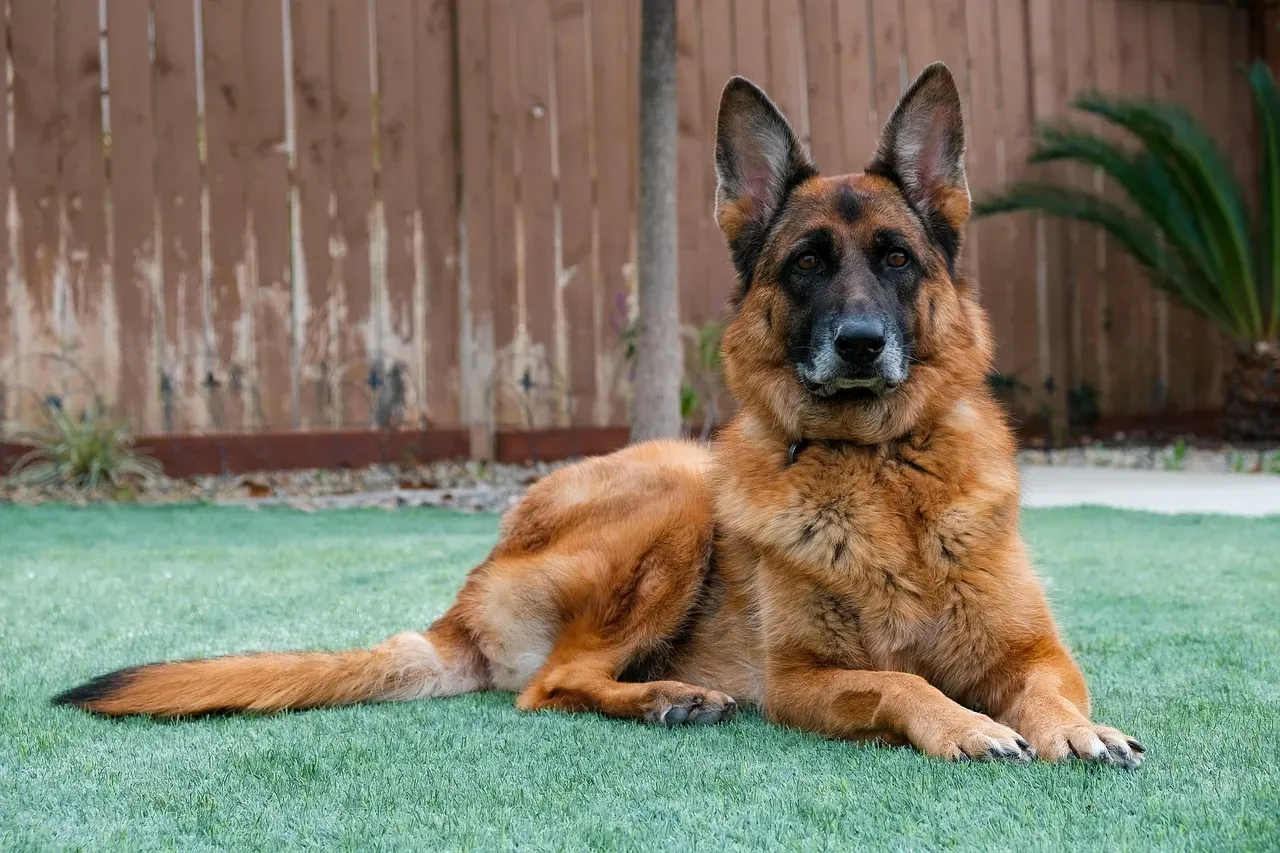
When a dog decides they are responsible for your survival, separation can become a problem not just emotionally, but practically. This is the dog who drags their paws when you try to leave them at daycare, or who plants themselves at the door whenever you pick up your keys. They are not just sad you are leaving; they seem genuinely convinced you should not go anywhere without your bodyguard.
This can show up in smaller everyday ways too. You move to another room, and they immediately follow, even if they were perfectly comfortable. You go to shower, and they lie outside the bathroom door like a furry bouncer. It is not always about classic separation anxiety, either. Sometimes it is a more grounded, watchful loyalty, as if they have decided, “Where you go, I go. That is the job.”
6. Intense Reactions to Strangers Who “Don’t Feel Right”
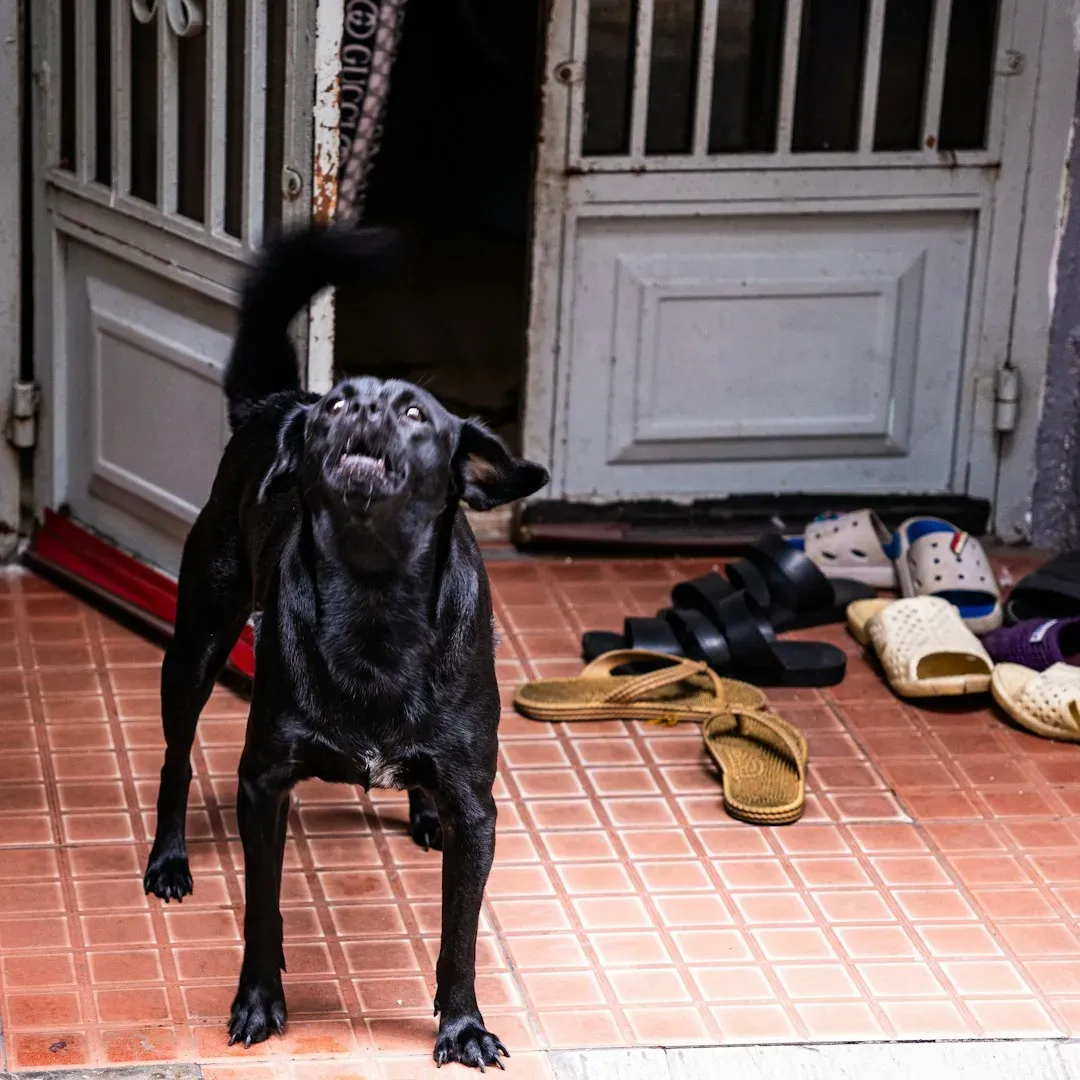
Not every dog is a good judge of character, but many owners swear their most protective dogs react differently to certain people. You might notice your dog is totally relaxed with most strangers, then suddenly bristles, stares, or moves closer to you around one specific person. The behavior can be subtle – ears slightly forward, body tense, eyes fixed – or more obvious, like a low warning bark.
What is striking is how consistent it can be. A dog who thinks they are responsible for you is constantly assessing people not just for friendliness, but for threat level. They use scent, posture, energy, and their past experiences to form quick evaluations. While they are not magical lie detectors, there are certainly moments when your dog refuses to greet someone and you feel that little chill of “Okay, what do you know that I do not?”
7. The “Health Monitor” Behavior: Checking on You Physically
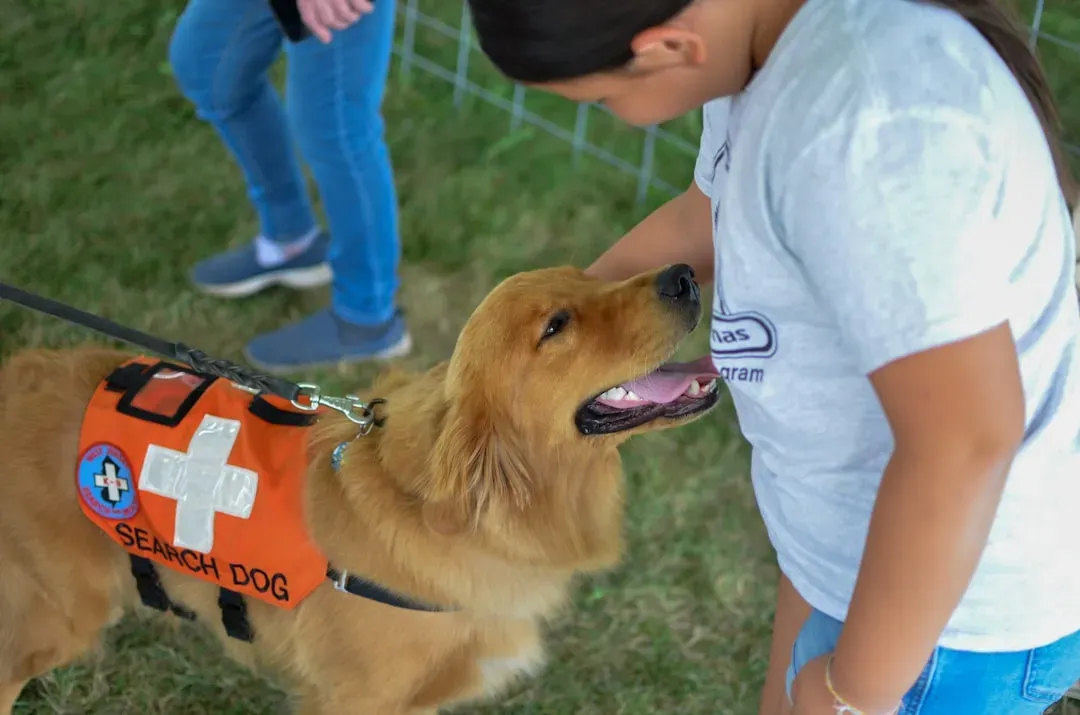
Some dogs seem especially tuned in to their humans’ physical state. Dogs working in service roles can be trained to detect things like blood sugar changes, oncoming seizures, or panic attacks, but even non-trained dogs sometimes start showing little “health monitor” behaviors. They sniff you more intensely when you are unwell, refuse to leave your side when you are sick, or paw at you insistently when something about you feels “off” to them.
Many owners notice this during illness or recovery periods. You get the flu, and your dog essentially glues themselves to your bed, only moving to eat or go outside. You injure a leg, and suddenly your dog walks more slowly beside that side of your body, almost like they are adjusting to protect it. It is not perfect or scientific, but it absolutely can feel like your dog is quietly watching your health dashboard and flagging any alerts.
8. Overruling Your Choices When They Seem Unsafe
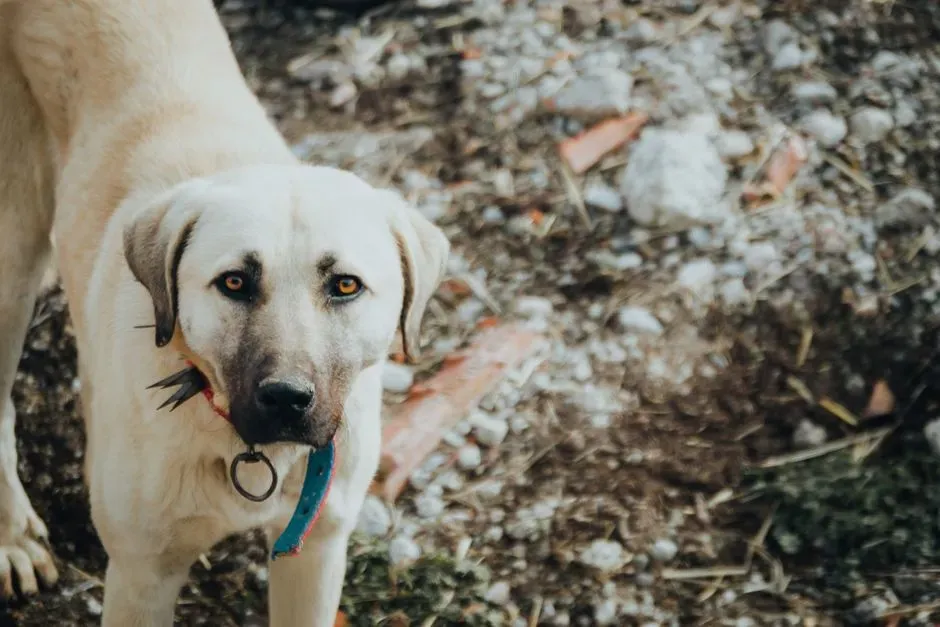
There is a particular kind of protective dog who will flat-out override your decisions if they interpret them as dangerous. Try walking down a dark, unfamiliar alley, and they plant their feet and refuse to go. Invite in someone they do not trust, and they wedge themselves between you and the person, tail stiff, eyes locked. In those moments, they are not just following commands – they are making judgment calls.
Sometimes it is smaller and almost funny. You stand too close to a balcony rail, and they herd you back inside. You jump up quickly and they block your knees like they are worried you will fall. They may be wrong in their assessment, but what matters is that they feel authorized to act. Their internal rulebook has been updated to: “I take her wishes into account, unless they conflict with staying alive.”
9. Constant “Check-Ins” Throughout the Day
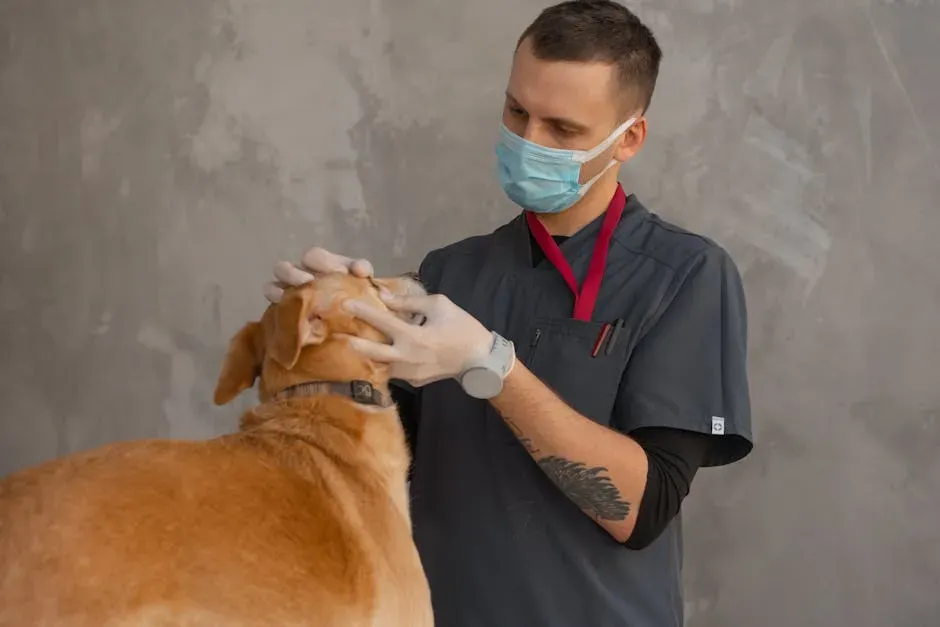
Some dogs act like managers doing regular welfare check-ins. They might roam the house, but every few minutes they trot back into the room where you are, glance at you, maybe sniff your hand or give a quick nudge, then head off again. It is not full clinginess, but a steady pattern of “Just verifying my human is still okay and breathing.”
You might notice this especially in larger homes or when you are doing tasks that involve more movement, like housework or gardening. Your dog is not just lazing in one sunny spot – they are actively tracking your location and status, like they have a mental GPS pinging your position. The moment something breaks the pattern – a loud thud, a sudden quiet – they materialize instantly, eyes wide, ready to confirm you are safe.
10. Adopting a Serious “On-Duty” Persona in Certain Contexts
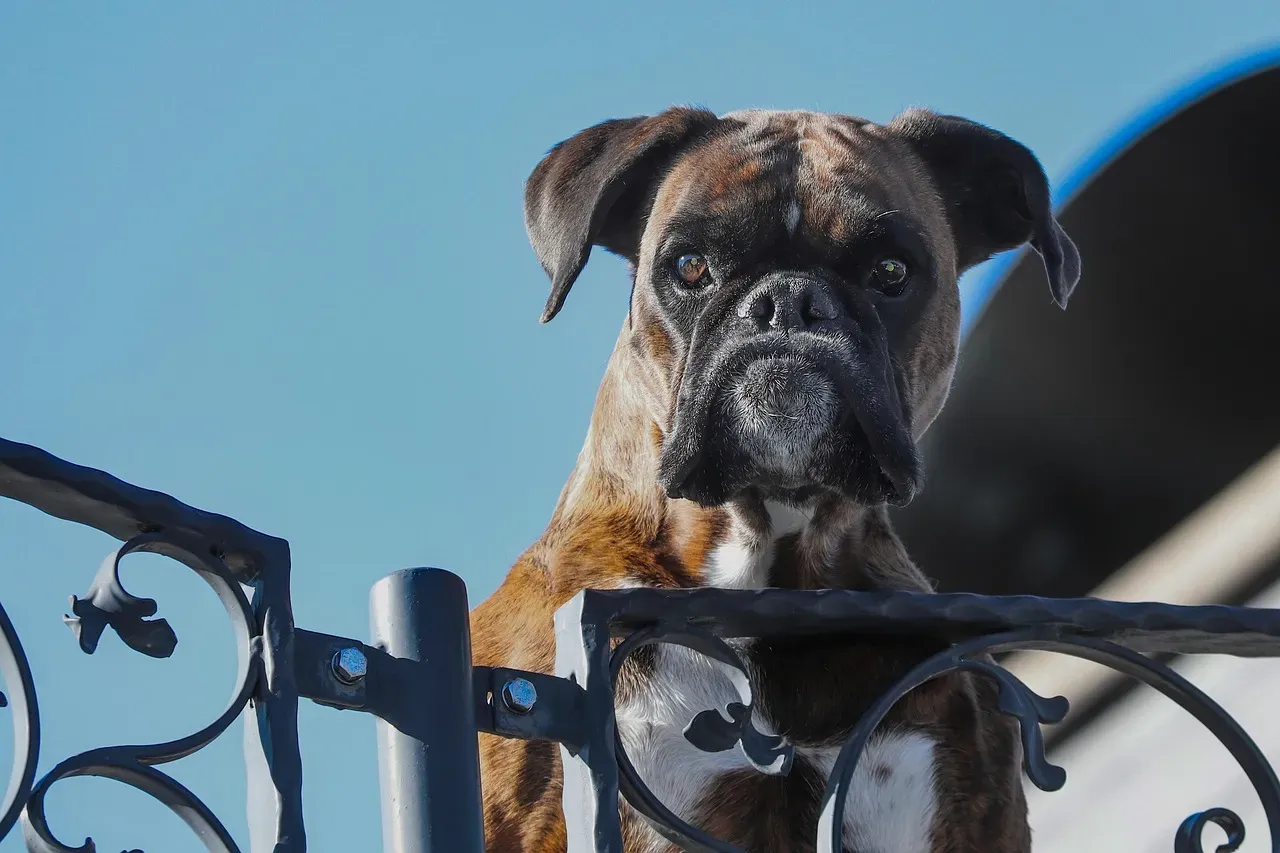
Many dogs have a clear switch between play mode and work mode, and when they believe they are keeping you alive, that switch becomes more pronounced. At home, with no threats around, they can be goofy, rolling on their back and chasing toys. But the moment you go on a late walk, or enter a crowded space, their entire posture changes. Head up, tail neutral, steps more deliberate – they are in professional bodyguard mode now.
This contrast becomes easier to spot once you know to look for it. You might see their eyes constantly scanning, their ears swiveling like little satellite dishes, their body staying closer to your leg without being asked. When the situation calms down or you return home, you can almost feel them exhale and slide back into their regular, goofy selves. It is as if they clocked out from a shift they assigned themselves.
Conclusion: When Your Dog Turns From Pet Into Guardian
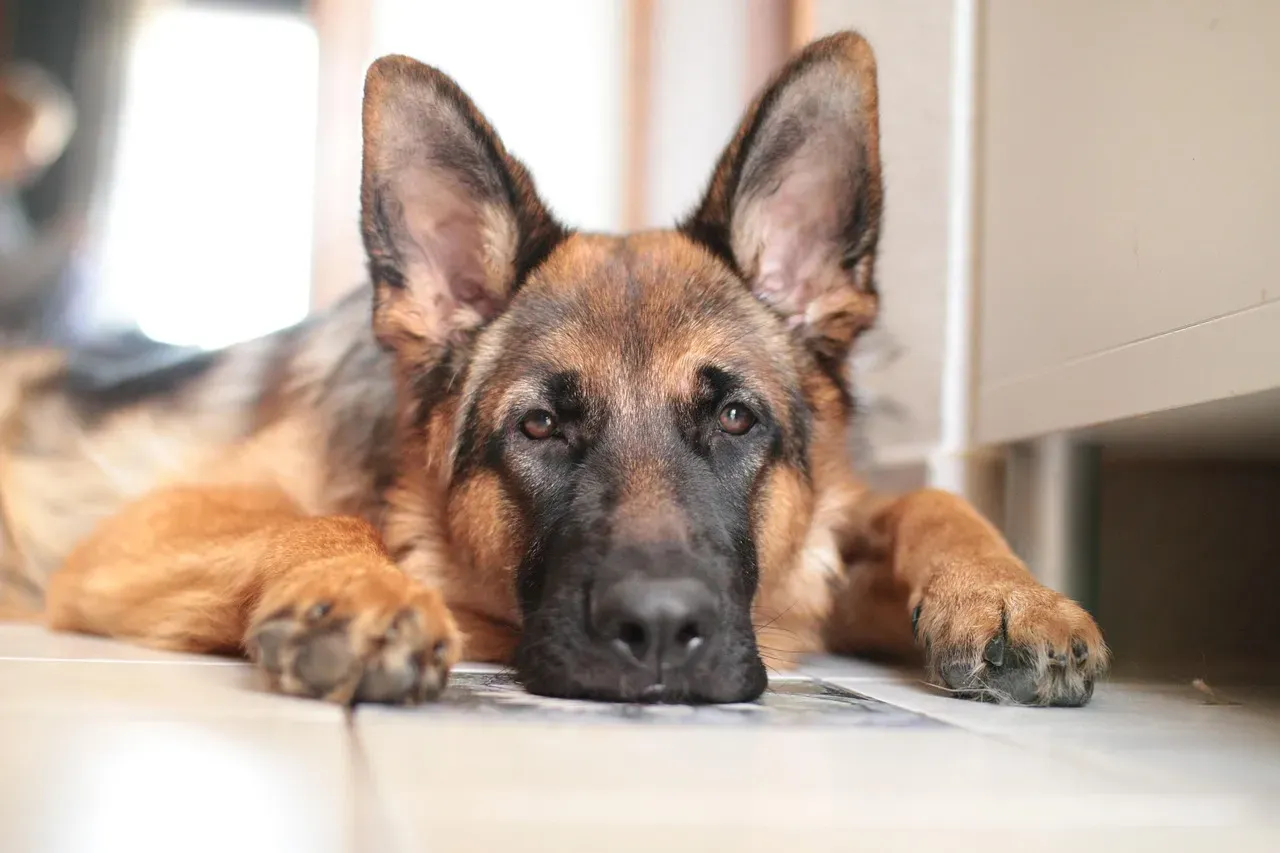
When a dog decides they are responsible for keeping you alive, it changes the relationship in a way that is hard to describe until you have felt it. They stop acting just like a companion and start acting like a partner, constantly scanning the world for anything that could hurt you, reading your mood like a book, and sometimes making decisions you did not ask for but that clearly come from a place of fierce loyalty. It is both humbling and, honestly, a bit overwhelming to realize this animal has volunteered themselves as your unofficial life insurance policy.
In my opinion, we sometimes underestimate what that level of responsibility does to a dog, both emotionally and mentally. If your dog shows a lot of these behaviors, they may need extra rest, clear structure, and reassurance that not everything is their job to handle. Still, there is something deeply moving about being so loved that another species quietly chooses to stand guard over your life. When you look at your dog tonight, snoring on the floor after a long day of “protecting” you from mail carriers and suspicious leaves, you might find yourself wondering: do they have any idea just how much they are keeping our hearts alive too?