
9 Things No One Tells You About Owning a Dog After 60 Until It Is Already Changing Your Life
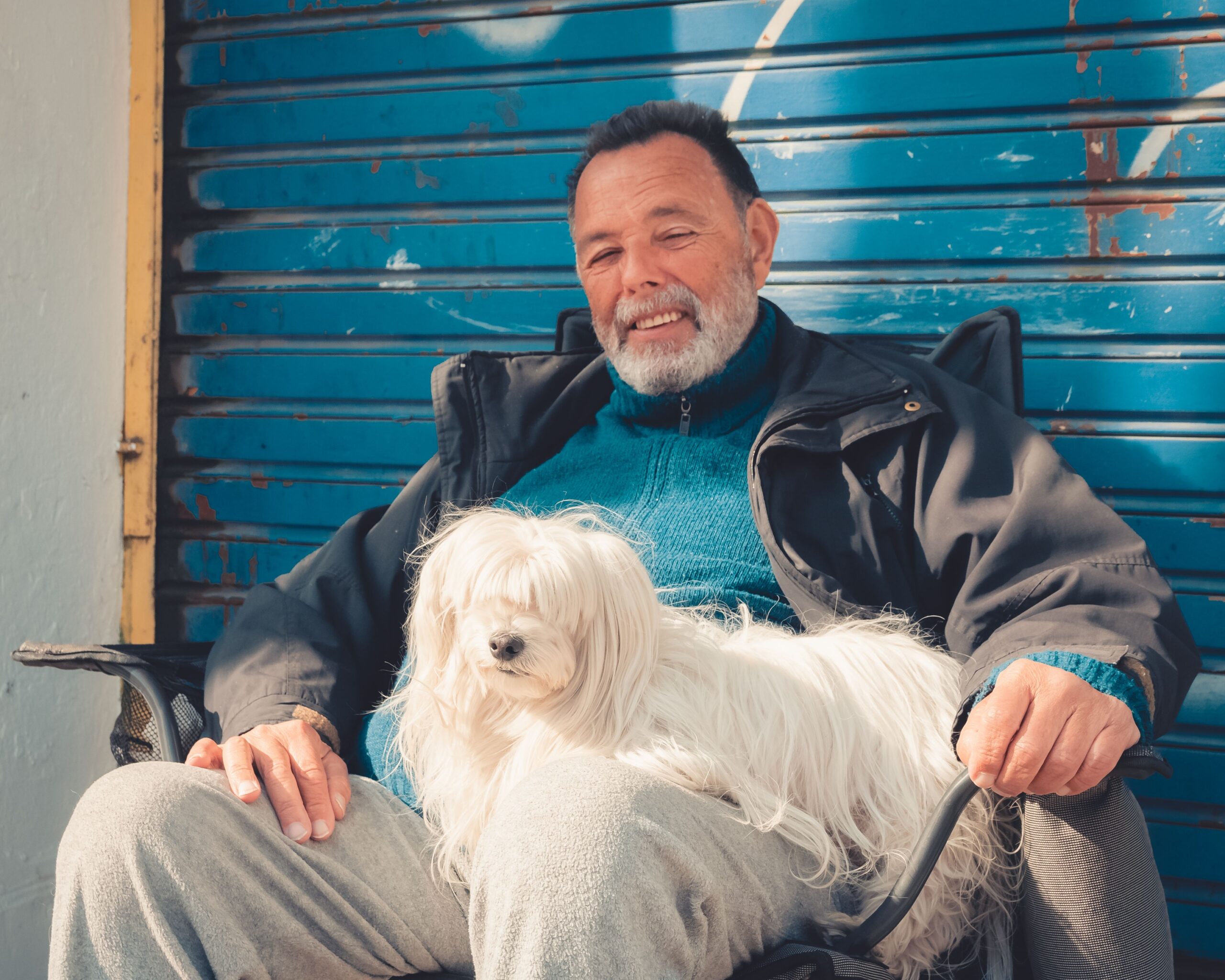
You think you know what you’re signing up for: walks, cuddles, vet bills, repeat. Then you actually bring a dog into your life after 60, and suddenly you’re sleeping better, talking to strangers in the park, and rearranging your schedule like you’re running a tiny joyful monarchy. It is wonderful, yes, but it is also way more intense, emotional, and surprising than the brochure version people usually talk about.
What almost no one says out loud is that a dog after 60 can change how you age, how you grieve, how you move your body, and even how you see your own future. Some of those changes are magical. Some are hard. All of them are real. Let’s dig into the nine things people rarely warn you about until you’re already head over heels for the furry creature snoring next to your recliner.
You Don’t Realize How Much You Needed the Routine Until You Have It
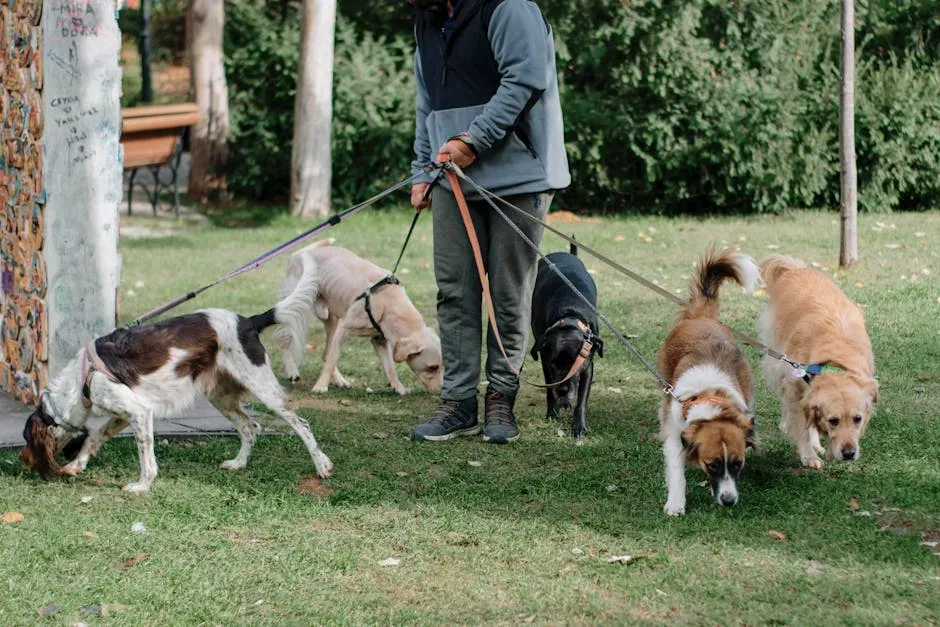
The first shock is how quickly your dog rewrites your day. Morning walks, feeding times, bathroom breaks, grooming sessions, medication schedules if needed – suddenly your calendar has a heartbeat. What can feel like a loss of freedom at first quietly becomes a scaffold that holds your days together, especially if you’re retired or living alone.
Many people over 60 find that life drifts into long, unstructured stretches of time that can blur together. A dog slices through that blur. You wake up because someone is gently (or not so gently) poking you with a paw. You get outside even when you don’t feel like it because those eyes are watching you. Over time, that routine stops feeling like work and starts feeling like purpose.
The Walks Are Not Just “Exercise” – They Become Your Social Life
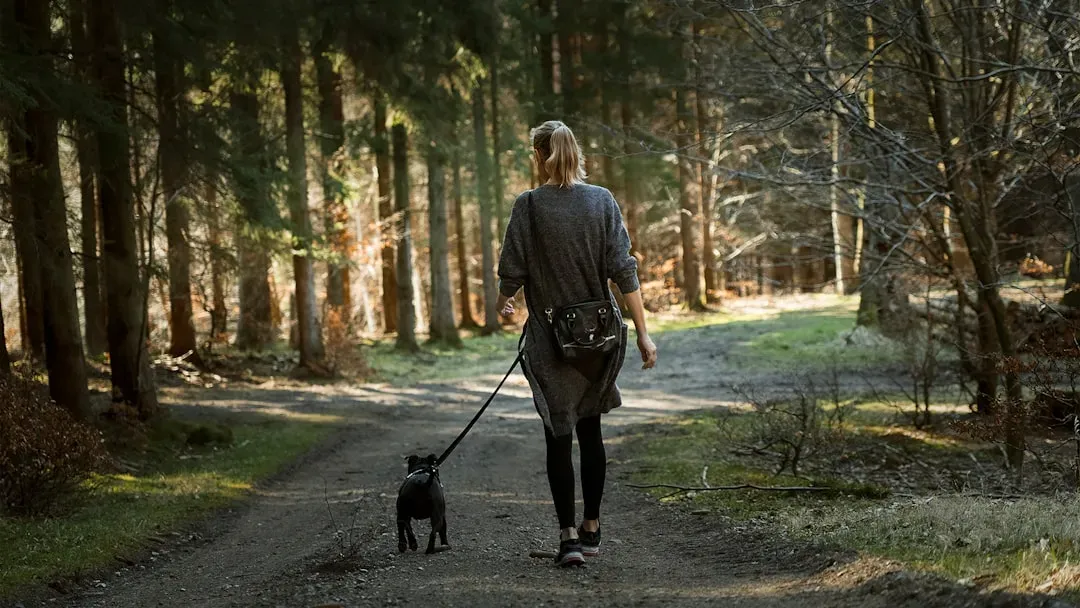
No one tells you that your dog may become your unofficial social director. You might start out thinking, “This will help me get my steps in,” but what actually happens is you start meeting the same neighbors at the same time, chatting about the weather, trading dog stories, and learning names you never knew even though you’ve lived there for years. The dog park, the sidewalk, even the vet’s waiting room can turn into mini communities.
This matters more than people admit when you’re past 60 and friends move away, partners pass on, or schedules no longer line up. A dog gives you a reason to show up in public spaces regularly. You’re not just an older person out walking; you’re “Max’s mom” or “Daisy’s granddad.” That simple identity shift makes conversations easier, more natural, and more frequent, which can be incredibly protective against loneliness.
Your Body Will Complain Before It Thanks You
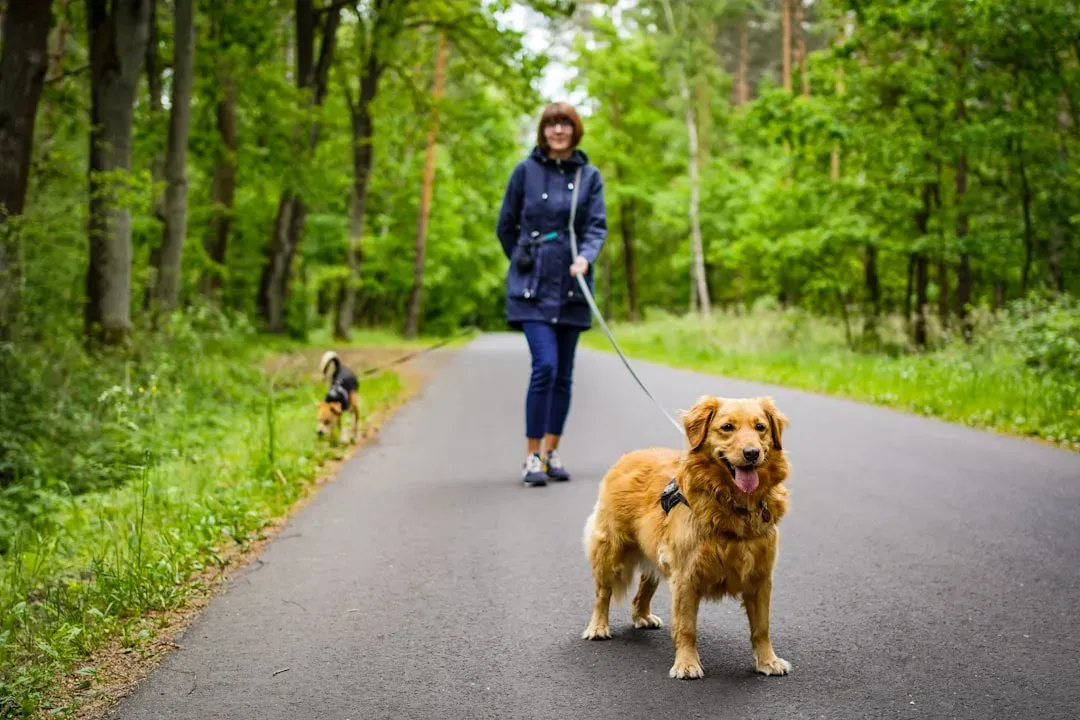
If you stick with it and work with your limits instead of pretending you do not have them, you often get a payoff. Gentle, regular walking can help with balance, mobility, and mood, but only if you set things up realistically: a manageable-sized dog, appropriate gear, maybe a harness with a handle, and sometimes help from others. The truth is, a dog after 60 can be a powerful motivator to move more, but it is not effortless or magic – you will feel the strain before you feel the strength.
The Emotional Attachment Hits Harder Than You Expect
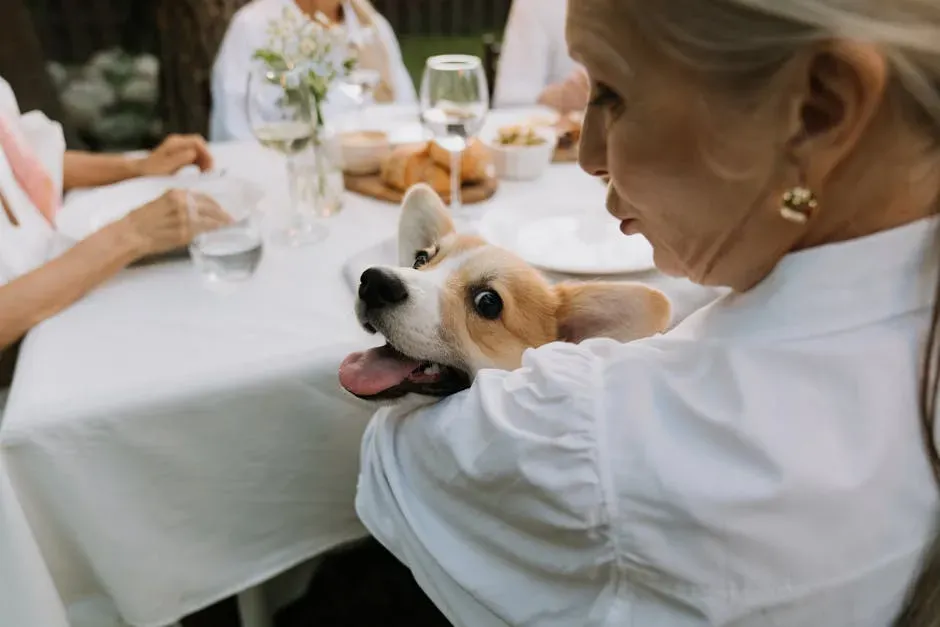
There is a different depth to the bond when you get a dog later in life. You are more aware that time is finite – yours and theirs. You’re not just getting a pet; you’re choosing a companion for a chapter of life where every year feels a little more precious. That awareness can make the love feel deeper, richer, and sometimes a little scary.
People often underestimate how entwined a dog becomes with your daily emotional life. They are there when the house is too quiet, after a hard doctor’s appointment, or on holidays that no longer look like they used to. The dog becomes the creature who sees your entire unfiltered life – the naps, the tears, the random dancing in the kitchen. That level of constant, nonjudgmental presence digs deep into your heart in ways that may surprise you.
You’ll Worry About “Who Outlives Whom” More Than You Want to Admit
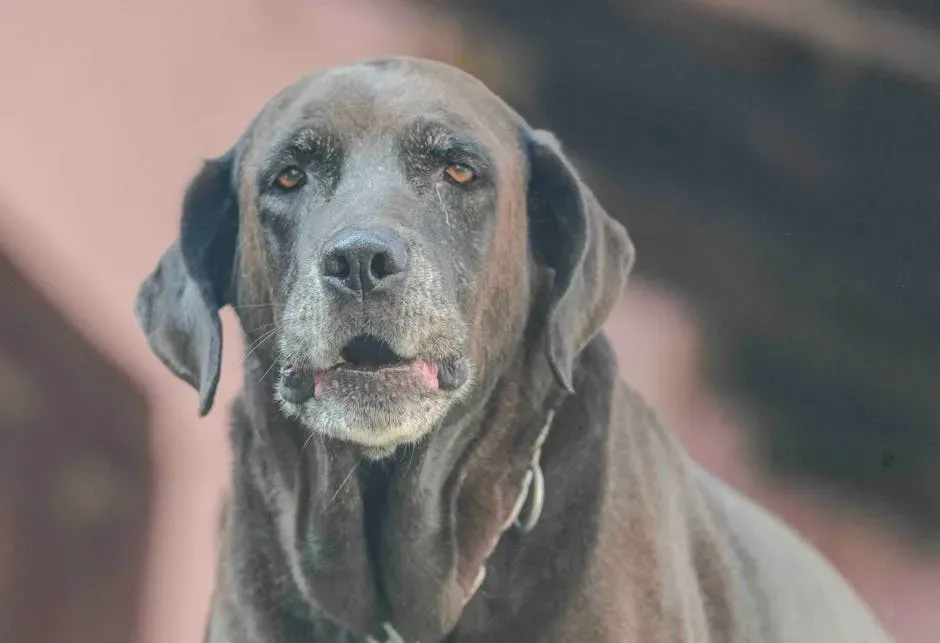
When you get a dog at 65 or 70, you can’t avoid the math forever. At some point you will catch yourself wondering, “Will I outlive this dog? Will they outlive me?” It is a question people in their 20s or 30s rarely dwell on, but after 60 it sits quietly in the background. For some, that thought is so uncomfortable they avoid getting a dog at all.
The honest, responsible move is to plan for both scenarios, even if it feels heavy. That might mean choosing an adult or senior dog instead of a puppy, writing down a care plan in case you become ill, or asking a family member if they’re truly willing to take the dog if needed. It can feel harsh to be this practical about a creature you love so tenderly, but having a plan in place can actually free you up to enjoy the relationship without that constant fear tapping on your shoulder.
Your Finances Will Feel It – In Ways Big and Small

Many people think of the obvious costs: food, vaccines, maybe the occasional grooming session. What they don’t always grasp is how quickly the little things stack up, especially as both you and your dog age. There can be medications for joint issues, special diets, dental cleanings, ramp or stair solutions, and emergency vet visits that show up at exactly the worst time for your budget.
On a fixed income, that financial squeeze can be stressful. The key is going in with eyes open and a clear budget: pet insurance or a dedicated savings pot, honest conversations with your vet about what is necessary versus optional, and an understanding that as your dog gets older, the medical line item will likely grow. It is absolutely possible to own a dog responsibly after 60 on a modest income, but it demands more planning and less wishful thinking than many people are told upfront.
Your Home Will Change – And Not Just With Dog Hair Everywhere
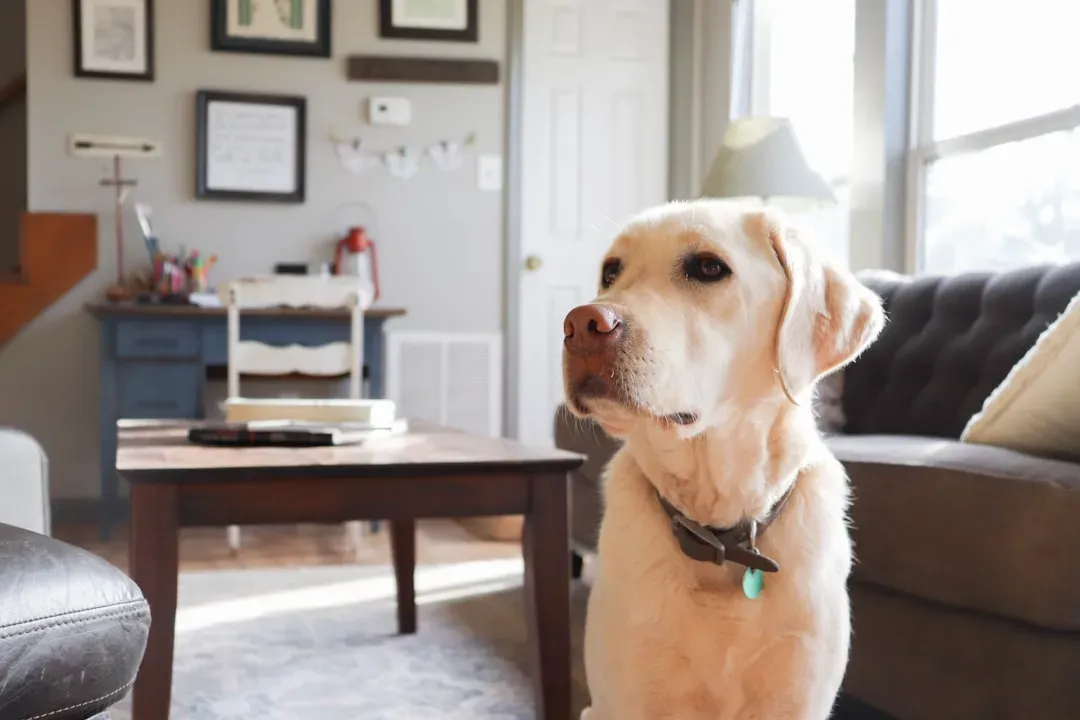
Almost overnight, your living space becomes a shared environment instead of just “yours.” Rugs may need non-slip backing, breakable decorations might move higher, and you may find yourself leaving a lamp on at night so an older dog can see better. You rearrange furniture to fit a dog bed, a crate, or a clear path for a pup with mobility issues. The house literally reshapes itself around this new presence.
That can feel both inconvenient and comforting. Inconvenient, because yes, you may trip over toys or adjust where you sit because the dog has claimed a favorite corner. Comforting, because the changes are living proof that your space reflects a life that is shared, not empty. Even the annoyances – muddy paw prints, fur tumbleweeds in the hall – can become oddly reassuring signs that you are not alone.
Your Other Relationships Might Shift in Unexpected Ways
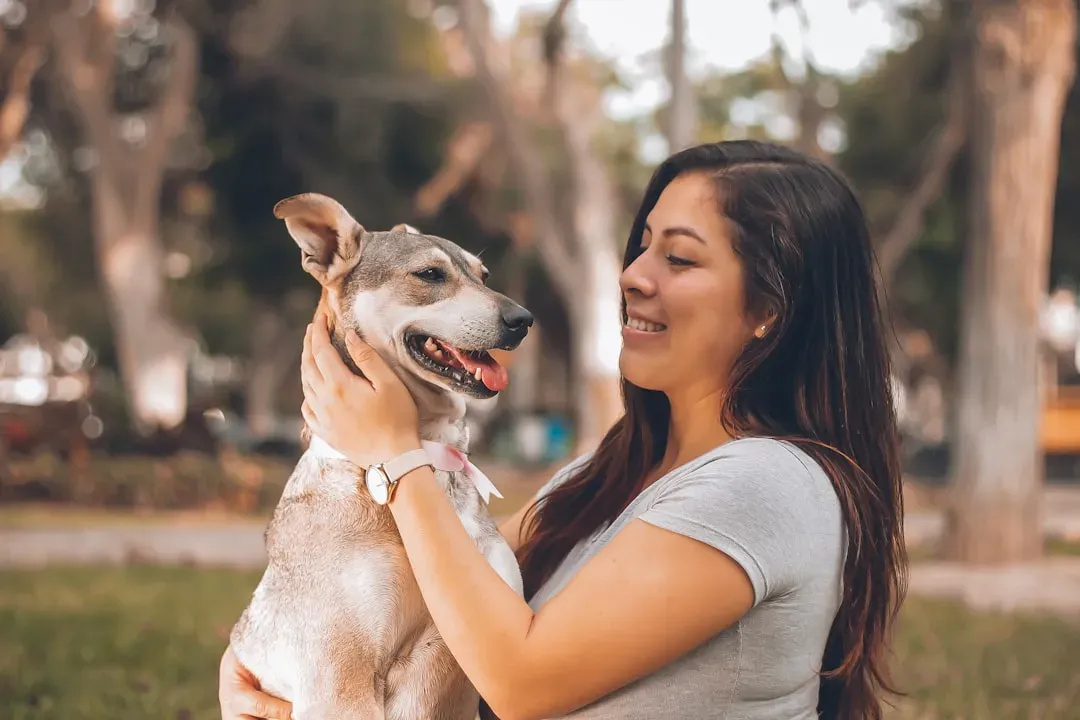
Dogs have a sneaky way of revealing fault lines in human relationships. Maybe your adult child thinks getting a dog at your age is irresponsible, or your partner is less enthusiastic about the mess and commitment. Sometimes people around you see the dog as a burden; you experience them as a lifeline. That mismatch can create tension you did not anticipate.
On the flip side, a dog can also bridge gaps. Grandkids may visit more because they love playing with the dog. Neighbors might check in more often, offering to help with walks or pet sitting. You may even find yourself making new friends within your own age group because of training classes or breed meetups. The dog becomes a mirror, amplifying both the support and the lack of it in the people around you.
Your Sense of Time Changes – Days Feel Fuller, Years Feel Shorter
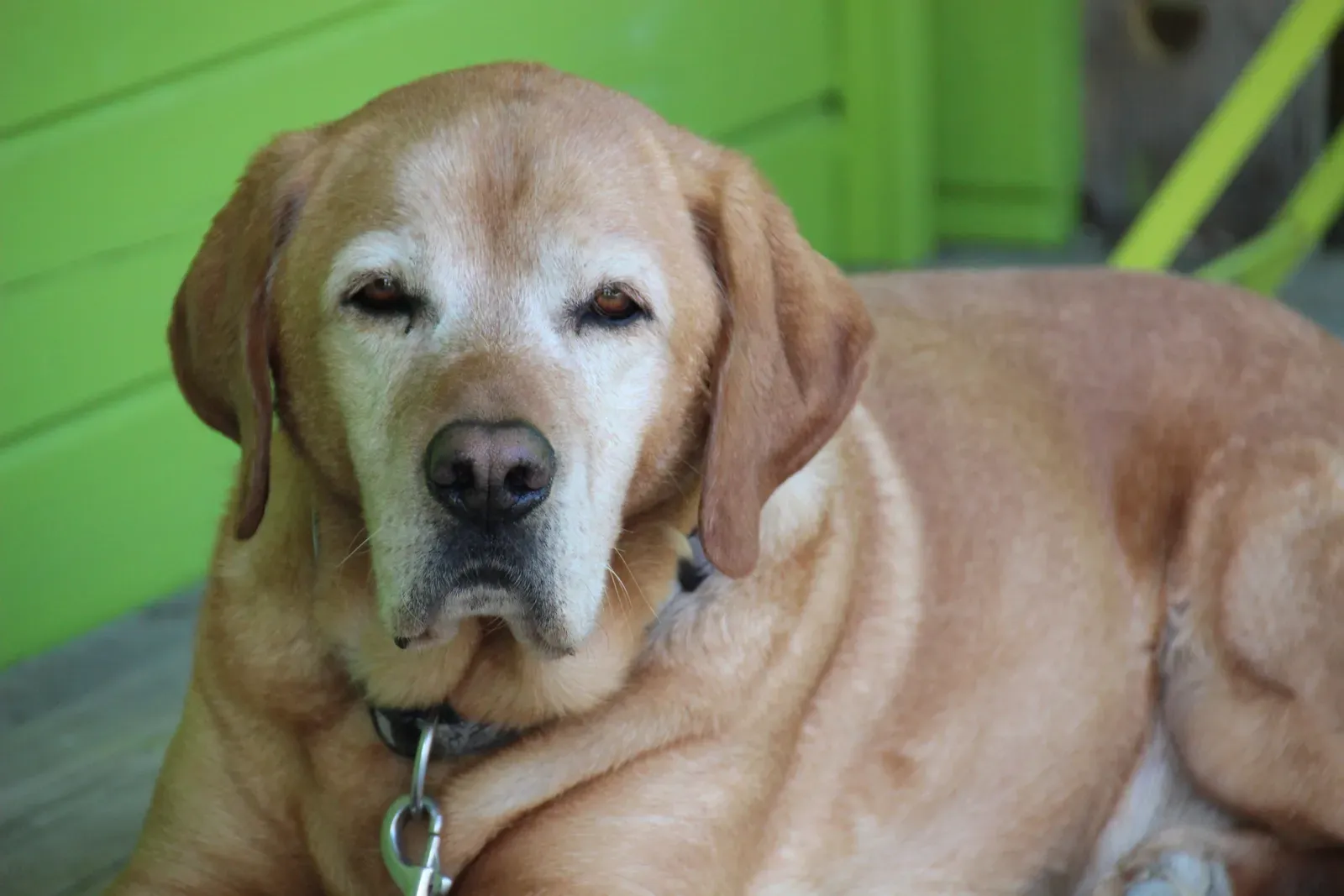
Living with a dog makes you notice the tiny rhythms of the day: the way morning light hits their fur, the predictable afternoon nap, the burst of energy when the leash comes out. These small, repeated moments make individual days feel more vivid and full. It is harder for time to slip by unnoticed when a living creature is depending on you to show up, right now, in this exact moment.
At the same time, watching a dog move from playful youngster to slower senior in what feels like the blink of an eye forces you to confront how quickly years pass. Their aging is like a speeded-up version of your own. This can be bittersweet, but it also pushes many people to be more present and intentional: to take the walk today, to say yes to the extra cuddle, to appreciate the now instead of endlessly waiting for some future “better” moment.
Grief Will Be Real – But So Will the Growth
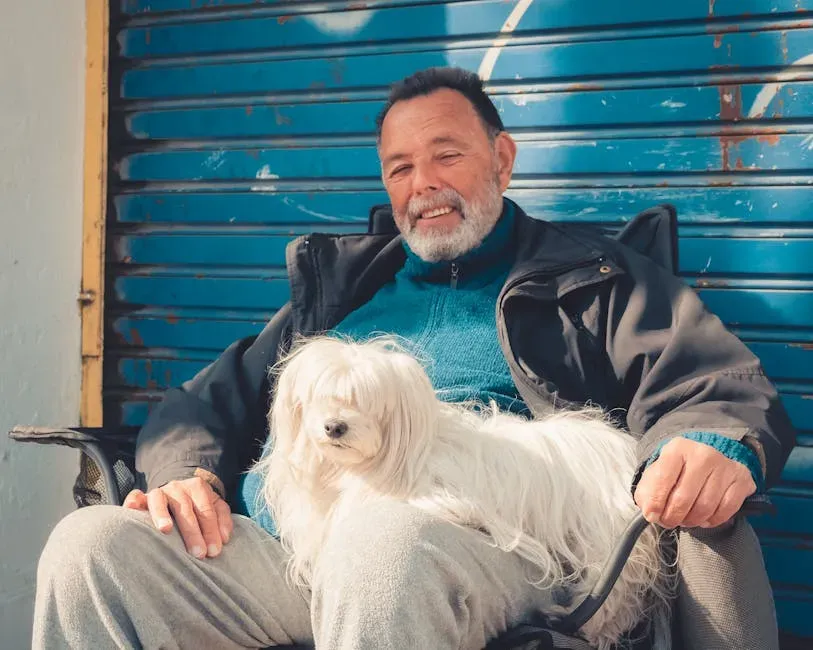
One of the hardest truths no one wants to say out loud is that if you love a dog, you will almost certainly face losing that dog. After 60, when you may already have a long history of loss – parents, siblings, friends, a partner – that can feel unbearable. Some people swear they will never get another pet because the pain is so sharp and so pure when the time comes.
Yet there is another side to that experience. Caring for a dog through their whole life, all the way to the end, can give you a deep sense of meaning and courage. You prove to yourself that you can show up for love even knowing it will hurt one day. That’s not a small thing. For many older adults, a dog’s life and death becomes a powerful rehearsal in acceptance, compassion, and the knowledge that love is still worth it – maybe especially now.
Conclusion: A Dog After 60 Is Not “Just a Pet” – It Is a Fierce, Messy, Beautiful Choice
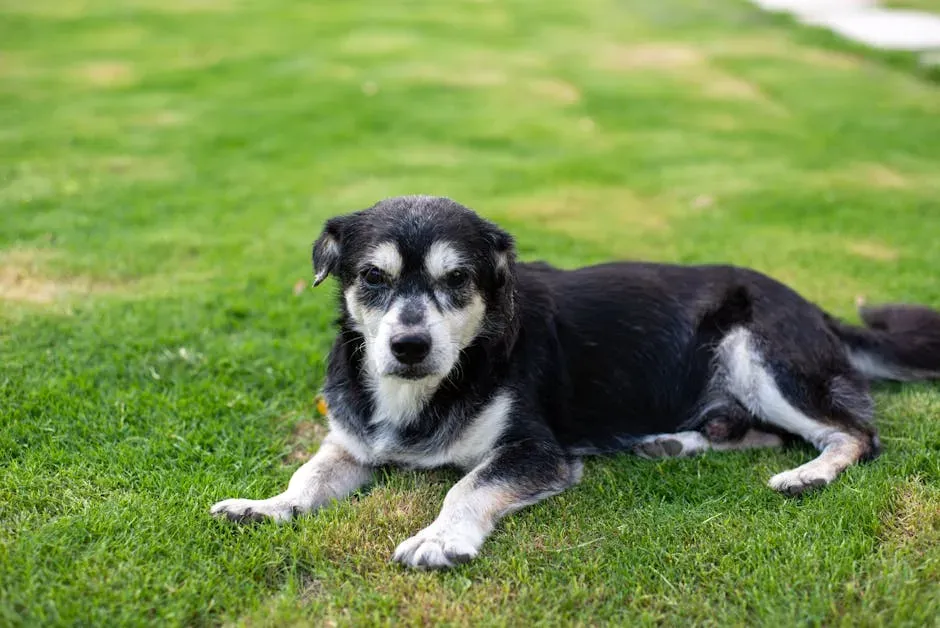
Owning a dog after 60 is not a cute little side hobby; it is a serious, life-shaping commitment that can challenge you physically, emotionally, and financially. But it is also one of the few decisions that can immediately brighten your mornings, change how you move through the world, and remind you daily that you still have more love, more patience, and more resilience than you thought. I honestly think we undersell both the work and the wonder of it.
If you go into it with clear eyes – about your health, your budget, your support system – and you still feel that tug in your chest when you see a wagging tail, then yes, it might be worth every muddy paw print and every vet bill. A dog will not magically fix aging, but it can make the journey feel less lonely, more purposeful, and a lot more alive. The real question is not whether you are “too old” for a dog, but whether you are ready for your life to be changed in ways you cannot completely control. Are you?