
12 Things Your Dog Does When They Think You Are Leaving Forever Versus Just Going to the Shops
You grab your keys, and suddenly your sweet, sleepy dog turns into a furry drama queen. Some days they barely look up from the couch. Other days, you’d swear they think you’re boarding a rocket to Mars and never coming back. The difference between those two reactions can tell you a lot about how safe, secure, or anxious your dog feels about you leaving.
I’ve lived with dogs who calmly watched me walk out the door, and I’ve also had the shadow-dog who tried to squeeze through the tiniest crack as I closed it. The gap between “Oh, you’ll be right back” and “You are abandoning me forever” shows up in really specific behaviors. Let’s break down the emotional soap opera happening behind those big, pleading eyes – and how to tell when it’s harmless protest versus real separation distress.
1. The Velcro Shadow vs. The Casual Side-Eye
When your dog thinks you might be leaving forever, they often turn into a full-on shadow. They follow you from room to room, glued to your ankles while you move between the bedroom, bathroom, and front door. It can feel a bit like being tailed by a tiny, worried security guard who’s convinced you’re planning an escape.
If you’re just popping to the shops and your dog is used to it, the reaction is usually way more chill. They might watch you from the couch, give you a lazy side-eye, or briefly lift their head before going back to sleep. That casual glance says they’ve seen this routine a thousand times, and they fully expect you to return with something that crinkles or smells like food.
2. Intense Pre-Departure Staring vs. A Quick Check-In
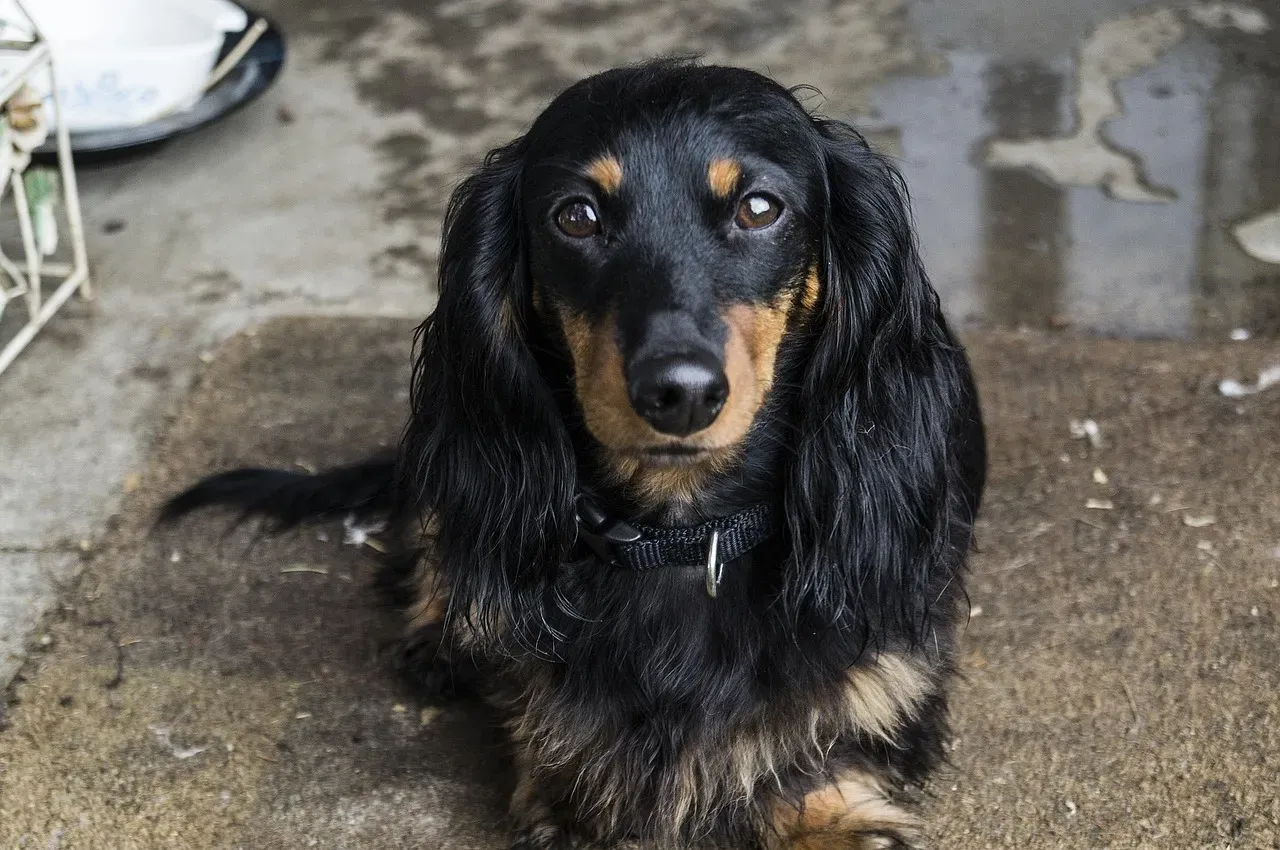
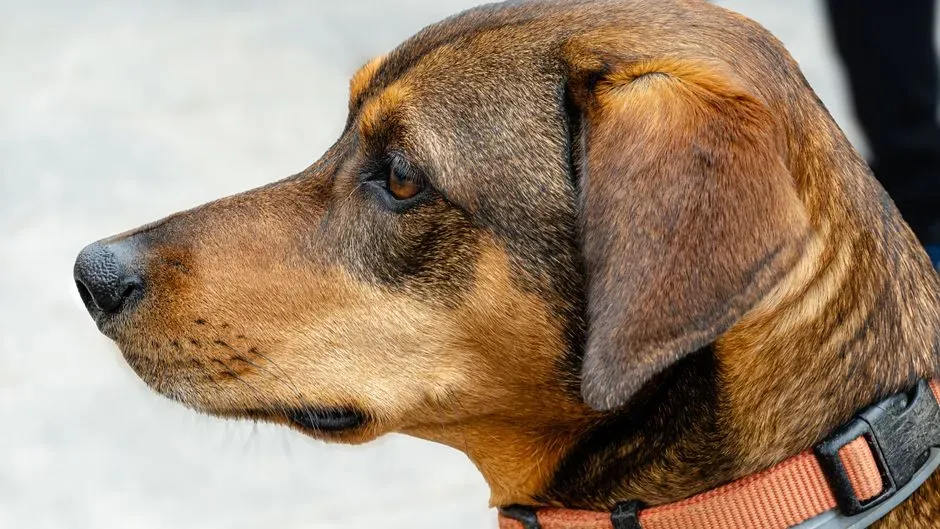
There’s a particular kind of stare dogs reserve for the moments they fear the worst. When they think you’re leaving for a long, uncertain time, they lock onto you with a laser-focused, unblinking gaze. It’s not just “What are you doing?” – it’s closer to “Are we breaking up right now?” and it can feel uncomfortably human.
On a short, everyday errand, that look is usually dialed way down. Instead of the deep, soulful, panic-laced stare, you might just get a quick glance as you grab your keys or bag. They’ll check in, confirm it’s the normal routine, then mentally file it under “boring human things” and move on with their dog business.
3. Clingy Physical Contact vs. Chill, Nearby Presence
When a dog is worried you’re disappearing forever, they often ramp up physical contact in a big way. They lean against your legs, climb into your lap, paw at you, or wedge themselves between you and the door. It’s like they’re physically trying to anchor you to the house, as if their body weight alone can stop your plans.
Compare that to when they know you’re just nipping out for milk: they may still like being near you, but the energy is completely different. They’ll lie nearby, maybe within sight of the door, but without constantly touching you or blocking your path. The vibe is “I like being close,” not “If I let go, you might vanish from my life forever.”
4. High-Pitched Whining vs. A Single Protest Sigh
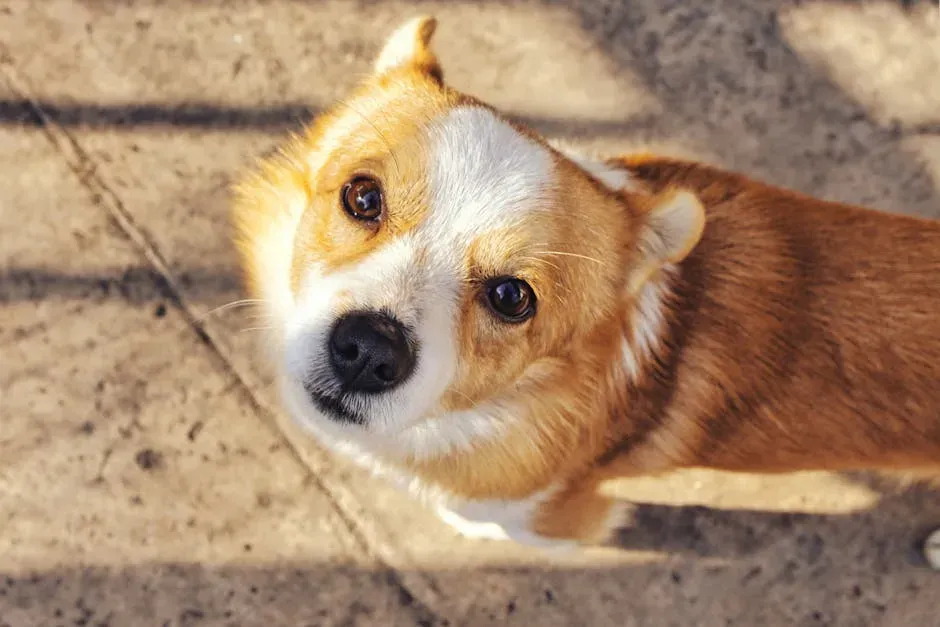
One of the clearest signs your dog is stressing about a big or uncertain separation is vocalization. A worried dog might start whining as soon as they see the suitcase, hear the zipper on your overnight bag, or notice you putting on shoes you only wear for work trips. The pitch tends to be higher, more insistent, and sometimes it escalates to little yelps or barky complaints.
When you’re just going to the shops, many dogs settle for what I think of as the dramatic sigh. You know the one – full body exhale, slight groan, head flop onto the paws. Maybe a single soft whine as you turn the handle, more like a grumpy comment than a plea. They’re not panicking; they’re just filing a mild complaint with management about your poor life choices.
5. Blocking the Door vs. Watching from a Distance
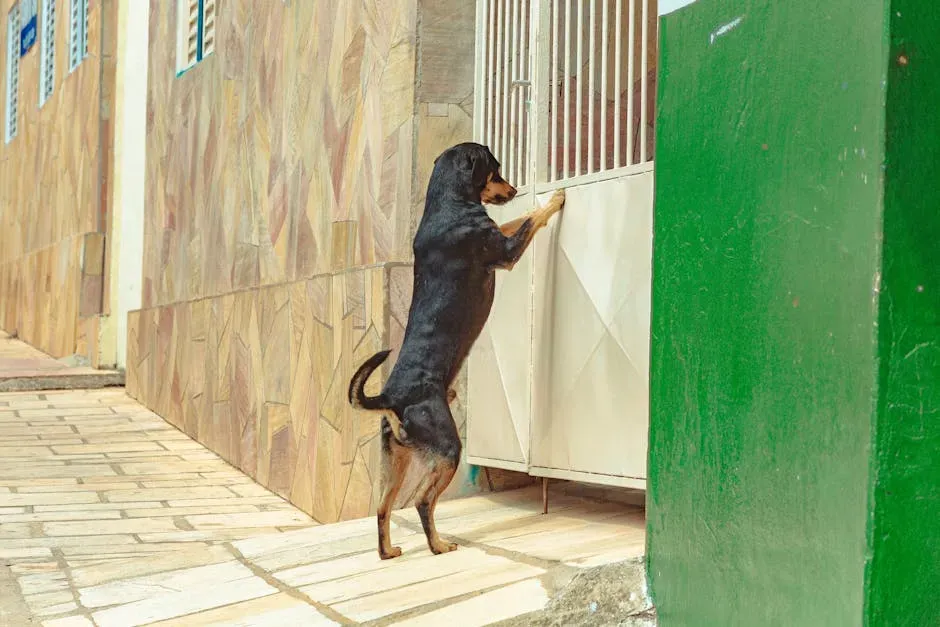
A dog who truly thinks you might be leaving for good often goes straight for the door, almost like a tiny, furry bouncer. They may stand right in front of it, pace the entryway, or plant themselves so that you literally have to step over or around them. This is not accidental positioning; it’s a clear sign they’re disturbed by what they think is coming.
In more relaxed scenarios, your dog might still be curious about the door but in a softer way. They’ll watch you put on your shoes from the rug, peek at you from the hallway, or sit a few steps back like an observer instead of an obstacle. Their body language is looser, their tail more neutral, and they’re not actively trying to negotiate with your feet.
6. Pacing and Restlessness vs. Staying in Their Spot
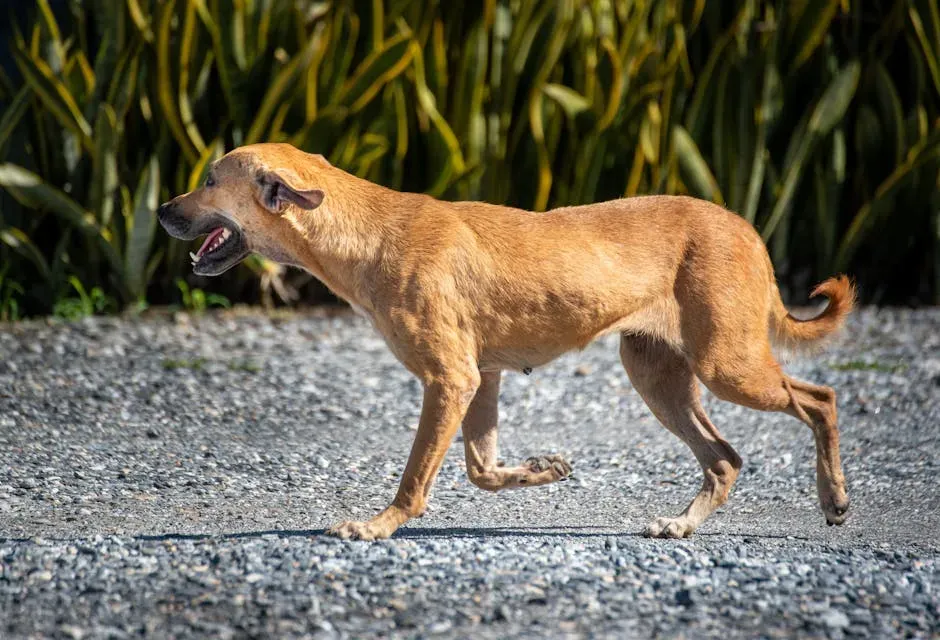
When dogs feel genuinely worried about being left, their bodies rarely stay still. You’ll often see pacing between rooms, hopping on and off furniture, or circling the area near the door. It’s like their brain is stuck on a loop of “Do something, do something, do something,” and their legs are just acting it out.
When they know it’s just a routine, short outing, many dogs don’t bother to move much at all. They might track you once with their eyes, then sink back into their bed, crate, or favorite couch corner, almost like they’re hitting the snooze button on your whole departure. Their trust in the pattern lets their body stay relaxed instead of spun up.
7. Bringing You Toys or Objects vs. Ignoring Your Get-Ready Ritual
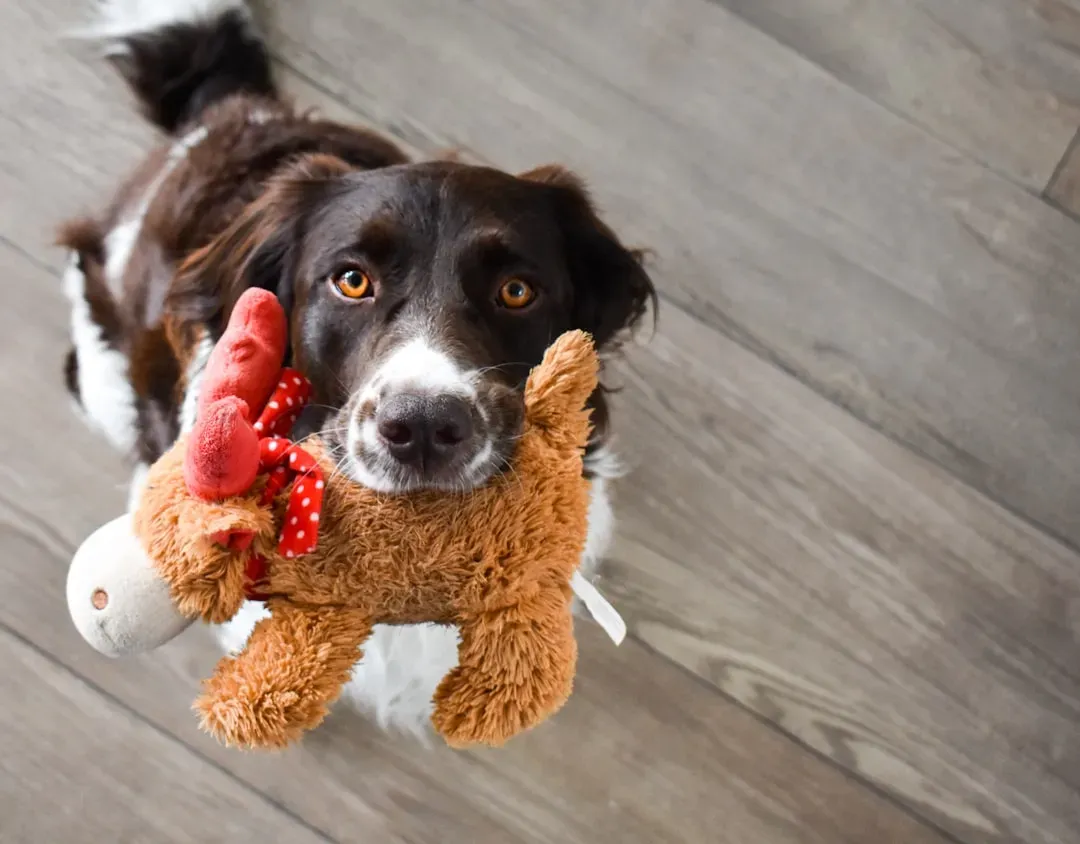
A surprisingly emotional behavior shows up when a dog thinks you’re leaving for longer: they may start bringing you toys, blankets, or even your socks. Sometimes it looks cute, but it can be a distressed attempt to engage you or change the scene. It’s as if they’re saying, “Here, play with me instead of going,” or “Look, I’m important, stay with me.”
Contrast that with the way many dogs treat your normal “grab keys, grab bag, shoes on” routine. If they’re comfortable with your short absences, they often tune that out like background noise. They might flick an ear but stay put, not feeling any need to bribe you with their favorite squeaky giraffe to keep you from the horror of a twenty-minute grocery run.
8. Hyper-Focused on Departure Cues vs. Only Reacting to Car Keys or Leash
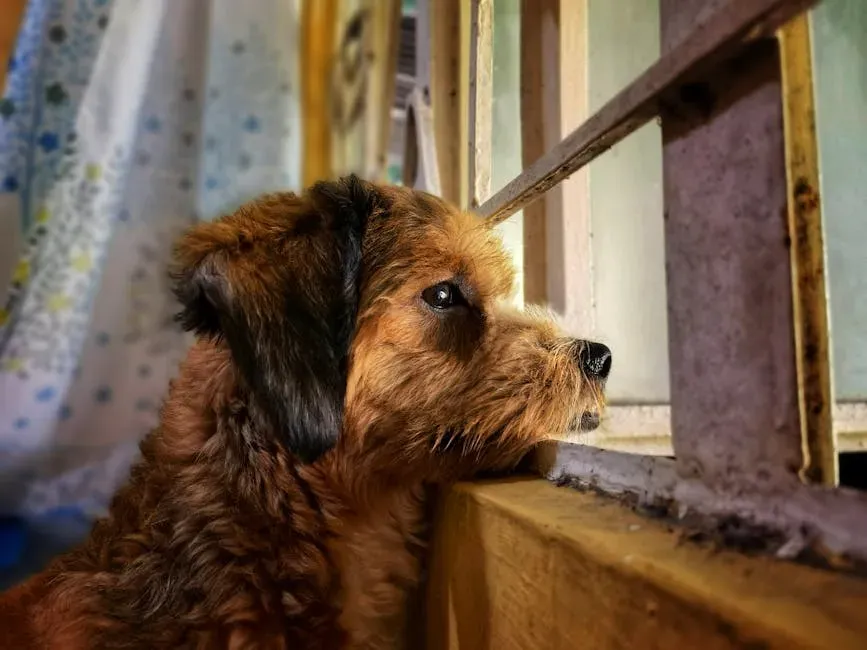
When a dog is anxious about being left, they become detectives for every tiny departure cue. Suitcases, makeup bags, your work shoes, even the time of day can set them off. They may start reacting long before you reach for the door, getting agitated while you’re still in “getting ready” mode because they’ve linked those early signs to long absences.
In the “just going to the shops” scenario, most dogs reserve their attention for a couple of obvious signals. Car keys might perk them up, or the word you use for “back soon,” but there’s no obsessive monitoring of your every move. They respond to the big, repeated cues, then quickly lose interest when it’s clear this is nothing dramatic or dangerous.
9. Desperate Attempts to Follow vs. Accepting a Barrier
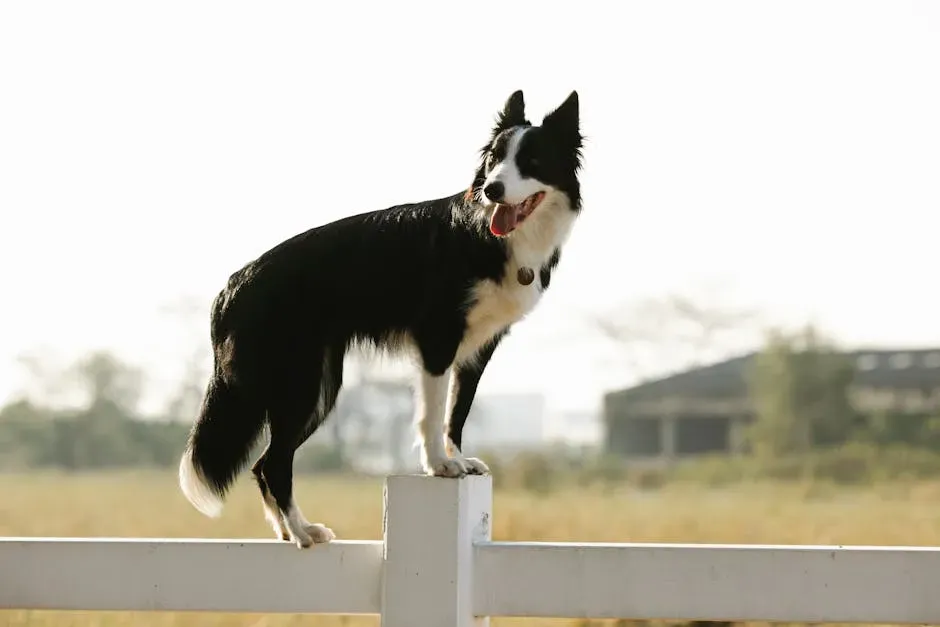
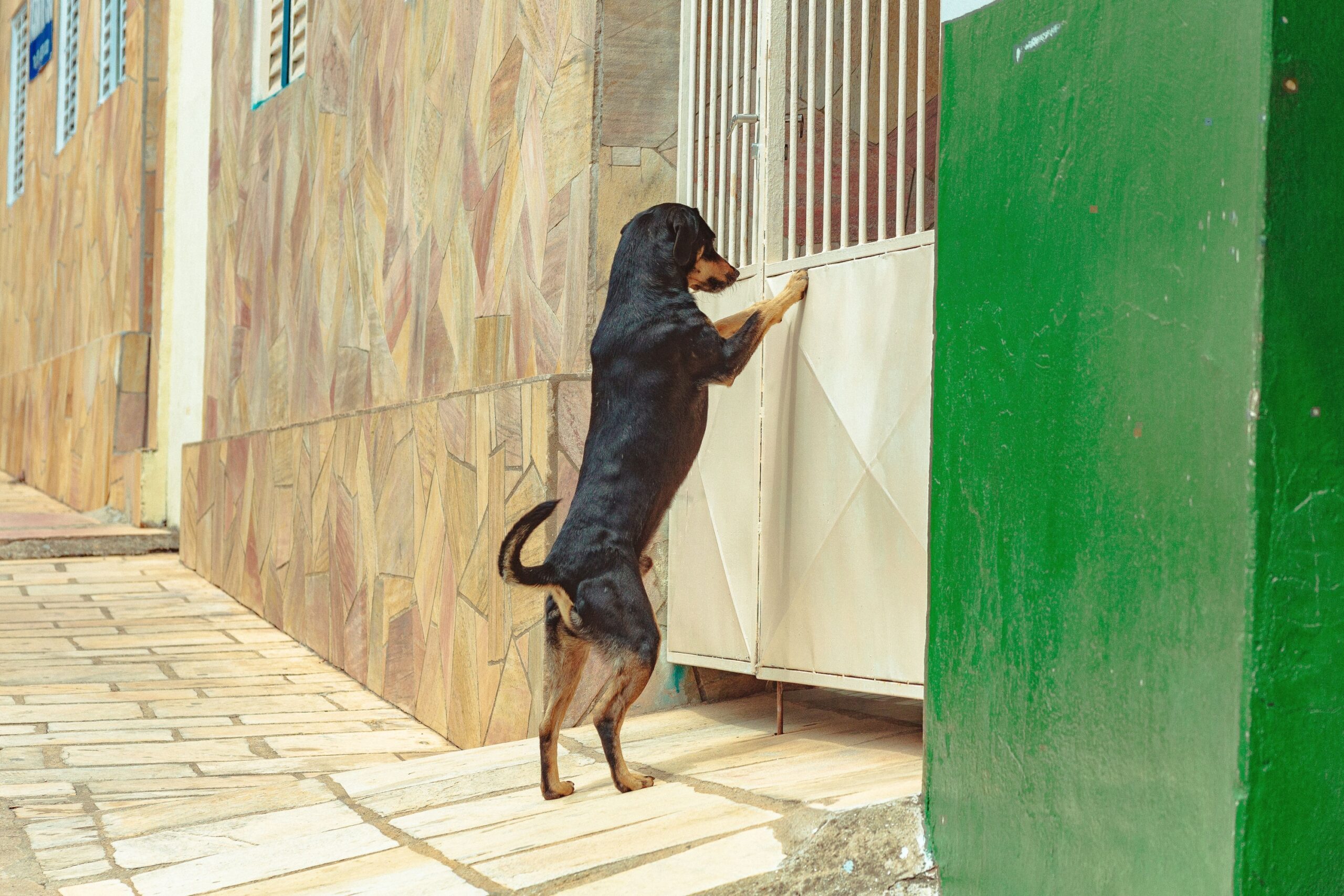
A dog convinced that you might not return often refuses to accept simple barriers. If you close a baby gate or door, they may scratch, paw, jump, or try to squeeze through. You’ll see agitated behavior at windows, frantic movement between rooms, and a strong determination to stay physically close no matter what obstacle you introduce.
On a short outing where they trust the routine, that same dog is more likely to respect the setup. They might come to the gate, watch you leave, maybe put their paws up once, and then walk away. The difference is in the intensity and persistence: mild disappointment versus full-on “I must escape and stop this from happening at all costs.”
10. Heightened Anxiety Before You Leave vs. Calm Until After You’re Gone
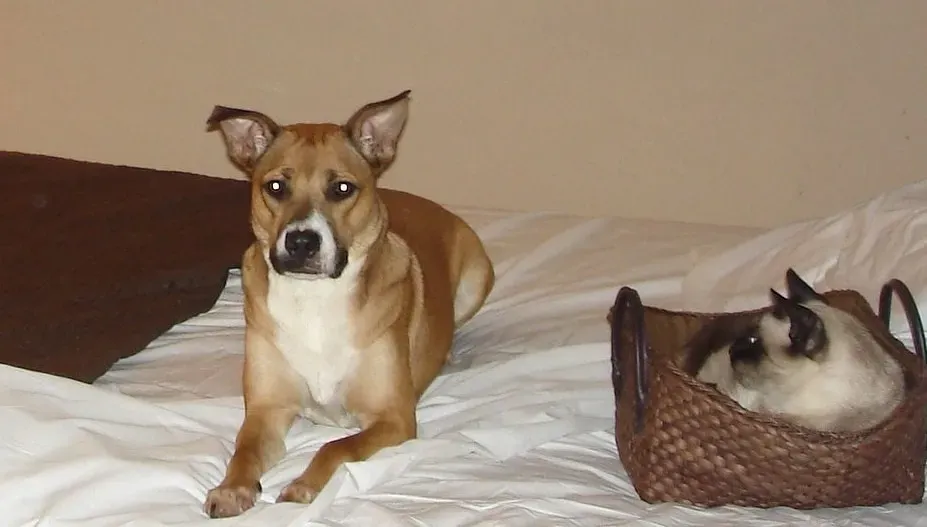
One subtle but important difference is when the anxiety shows up. Dogs who think you’re leaving forever often start stressing before the actual goodbye. You’ll see lip licking, yawning when they are not tired, pacing, or sudden clinginess in the lead-up. The anticipation itself is agonizing for them, because they’re bracing for a loss they do not understand.
When the separation is brief and predictable, any discomfort usually shows up after you’ve walked out, not before. They may bark once, walk to the door, or have a little wander around the house, but they weren’t spiraling in the preparation phase. Their body stays relatively loose while you get ready, because the story they’ve learned is, “You leave, you come back, life goes on.”
11. Over-the-Top Greeting Explosion vs. Happy but Normal Welcome
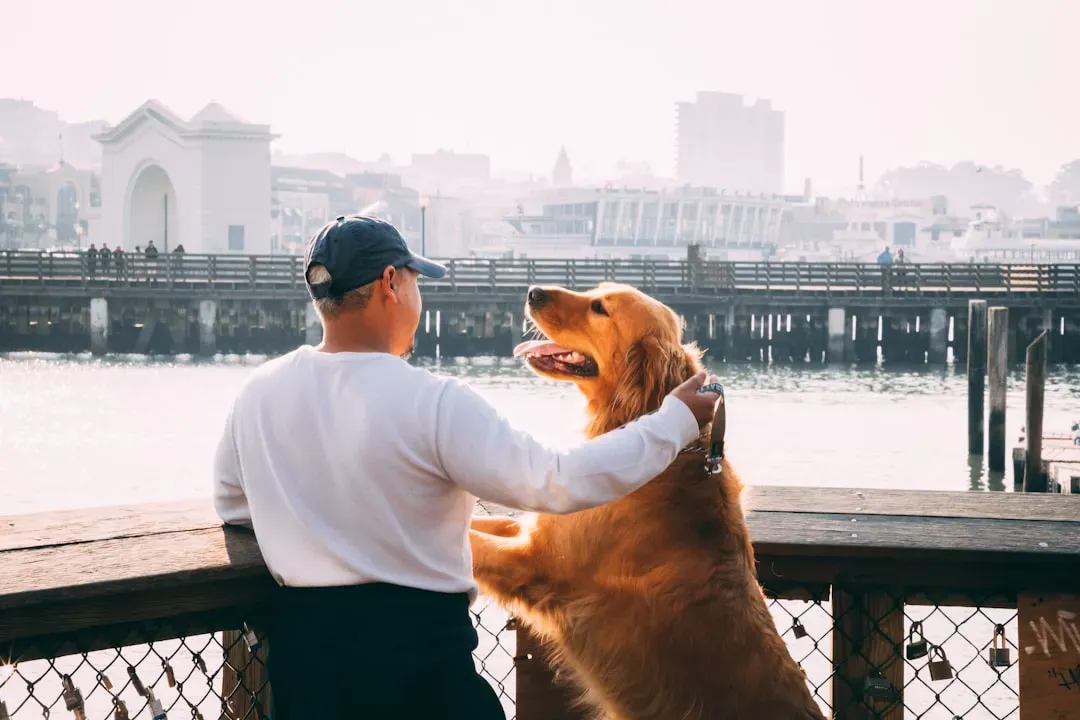
You can also spot the difference at the other end: the reunion. If your dog genuinely believed you might be gone forever, the greeting can explode into wild jumping, intense crying, frantic licking, and even peeing from excitement. It’s joyful, but underneath it is a kind of relief that feels almost desperate, like they’re releasing all the fear they held while you were away.
After a quick trip to the shops, the welcome-home vibe tends to be more balanced. Your dog might trot over, wag their tail, bring a toy, or roll onto their back for a belly rub, but it feels like a celebration, not an emotional breakdown. The greeting says, “You were gone, now you’re back, this is great,” rather than, “I thought you had vanished off the face of the earth.”
12. Long-Lasting Distress vs. Quick Settle After You Leave
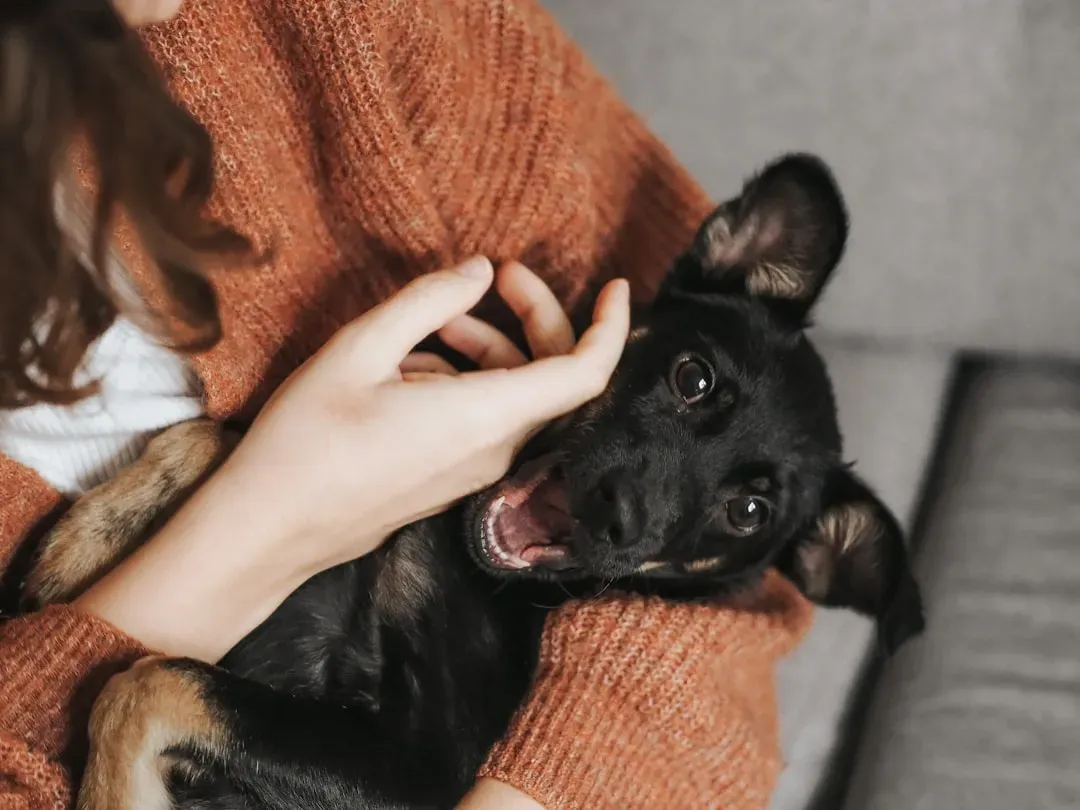
The most serious sign that your dog feels like you are leaving forever isn’t what they do when you’re there – it’s what they do after you close the door. Dogs with real separation distress may bark or howl for long stretches, scratch doors, destroy objects, or struggle to eat or drink. Their stress stays high, sometimes for most of the time you are gone, because they can’t switch off the fear.
In contrast, many dogs who protest a little when you first leave for the shops calm down within minutes. They might bark as you walk away, circle once, then curl up in their usual spot and nap. If you were to watch on a camera, you’d probably see a brief burst of activity followed by long periods of rest, which tells you they’re annoyed, not heartbroken.
Conclusion: Your Dog Is Not Being “Dramatic” – They’re Being Honest
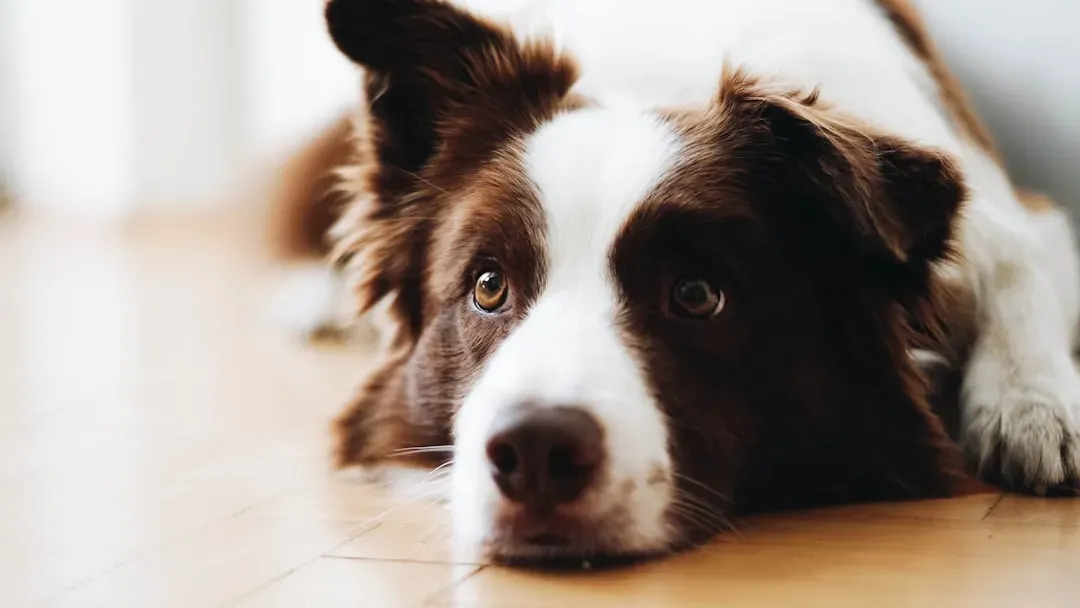
I’m firmly of the opinion that we underestimate how deeply dogs feel our comings and goings. What looks like drama or manipulation is usually just confusion and fear from an animal whose entire world is built around you. When a dog acts like you’re leaving forever, it’s not an act; it’s their nervous system shouting that something about this goodbye feels unsafe or unpredictable.
The real goal is not to stop your dog from caring, but to help them feel secure enough to know you will always come back. That might mean training, slow desensitization to your leaving cues, or getting professional help if their anxiety is intense. If you pay attention to these twelve little signs, you’ll start to see the line between “You’re just going to the shops” and “Please don’t disappear from my life.” Which side do you think your dog is on right now?