
10 Signs Your Dog Has Bonded With You at a Depth That Behaviorists Say Occurs in Less Than 3% of Pairings
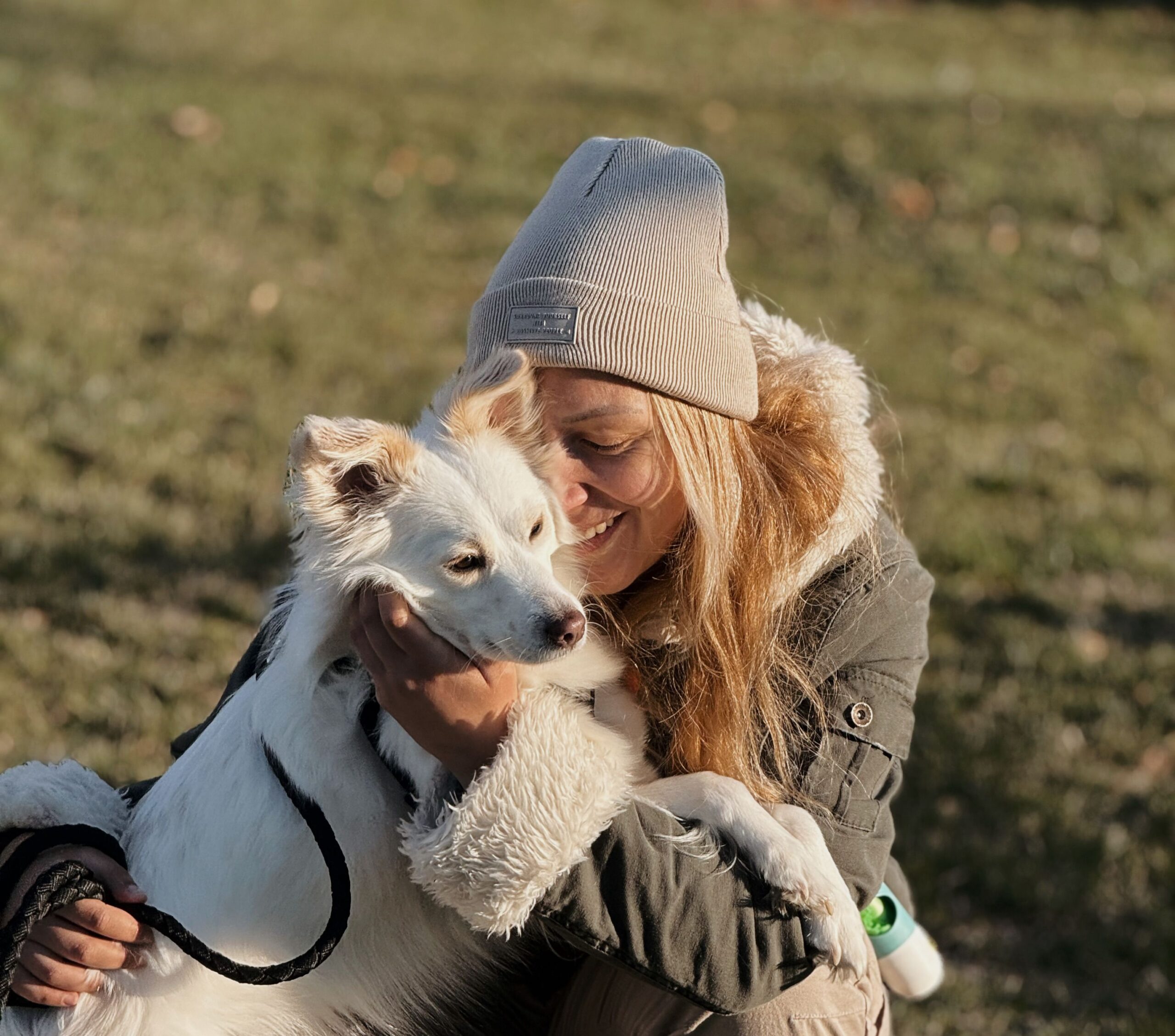
Every dog loves their person… or at least that is what we like to tell ourselves. But every now and then, a dog-human relationship goes way beyond the usual wagging tails and comfy cuddles. It turns into something rarer, deeper, almost eerie in how in-sync it feels, the kind of connection behaviorists say shows up only in a tiny fraction of pairings. If you have ever wondered whether your dog just likes you, or is actually bonded to you on that almost once-in-a-lifetime level, you are in the right place.
What you are about to read is not about basic affection or simple obedience. These signs point to a dog that has chosen you as their emotional home base, their anchor in a confusing world. Not every dog will show every sign, and that is okay, but if you recognize several of these, you may be living with a dog who is bonded to you more deeply than most people ever get to experience. Let us walk through the cues that your relationship might be part of that rare three percent.
1. Your Dog Uses You as an Emotional “Safe Base” in New Situations

Think about what happens when you and your dog walk into a brand-new environment: a friend’s house, a busy patio, a vet lobby, a noisy park. Deeply bonded dogs often do a quick scan, then check back in with their person physically or visually, almost like a child glancing at a parent before exploring. Behaviorists call this a secure base; your presence gives your dog the confidence to handle the unknown. When you step away, you might see your dog’s body language shift – ears tip back, tail drops slightly – until you return and they visibly soften again.
This is not just clinginess or anxiety; it is trust layered over experience. Your dog has learned over time that when you are there, good things are more likely and scary things are more manageable. It is a subtle but powerful sign: your dog is not just attached to you; they are using you as their emotional reference point in the world. Dogs without this deep bond might still enjoy you, but they will not calibrate their courage around your presence in quite the same way.
2. They Track You With Calm Interest, Not Just Hyper Attachment
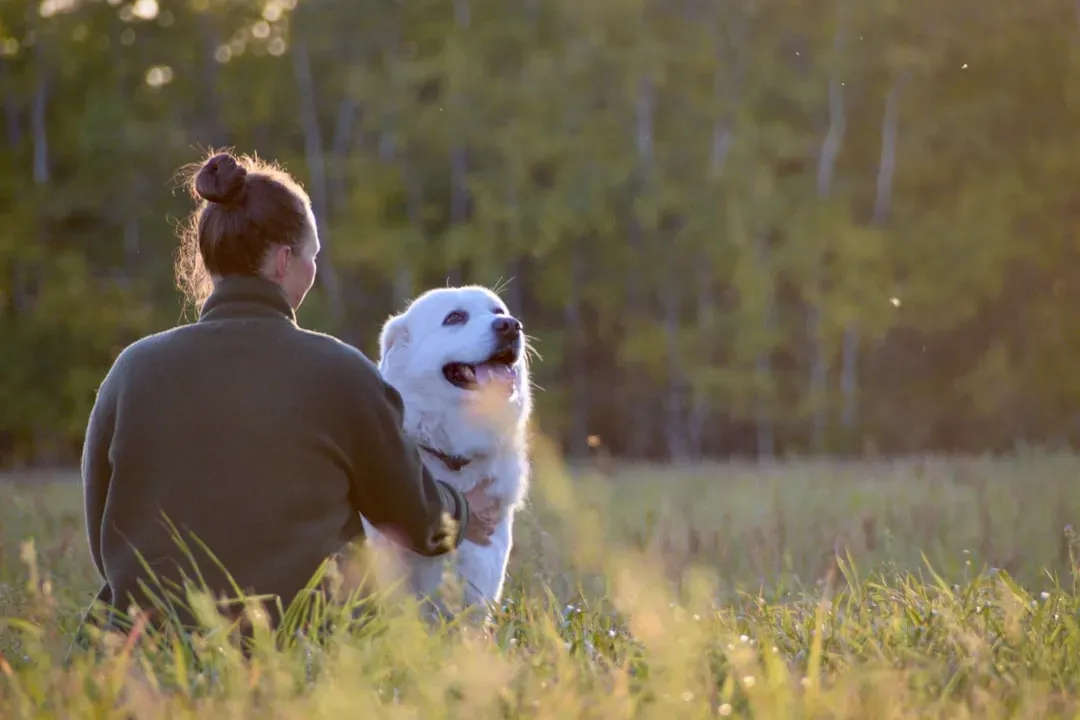
Almost every dog cares where their human is, but a rare bond shows up in how they follow you. A deeply bonded dog often knows where you are in the house at any given time and quietly orbits around you without frantic energy. They may move rooms when you do, settling a few feet away but always oriented toward you, like a living compass needle. This is different from anxious shadowing, where a dog is restless and panicked if they cannot be glued to you.
With deep bonding, the following behavior feels peaceful and intentional, not desperate. You might notice your dog lying in the hallway so they can keep you in their line of sight while still relaxing, eyes half closed but head lifting when you stand. It is as if they are saying, “I am with you, I know where you are, and I am good as long as I can keep tabs on you.” That steady, calm tracking is a strong indicator that you are the center of their social world.
3. Their Body Language Around You Is Completely “Soft” and Unarmored
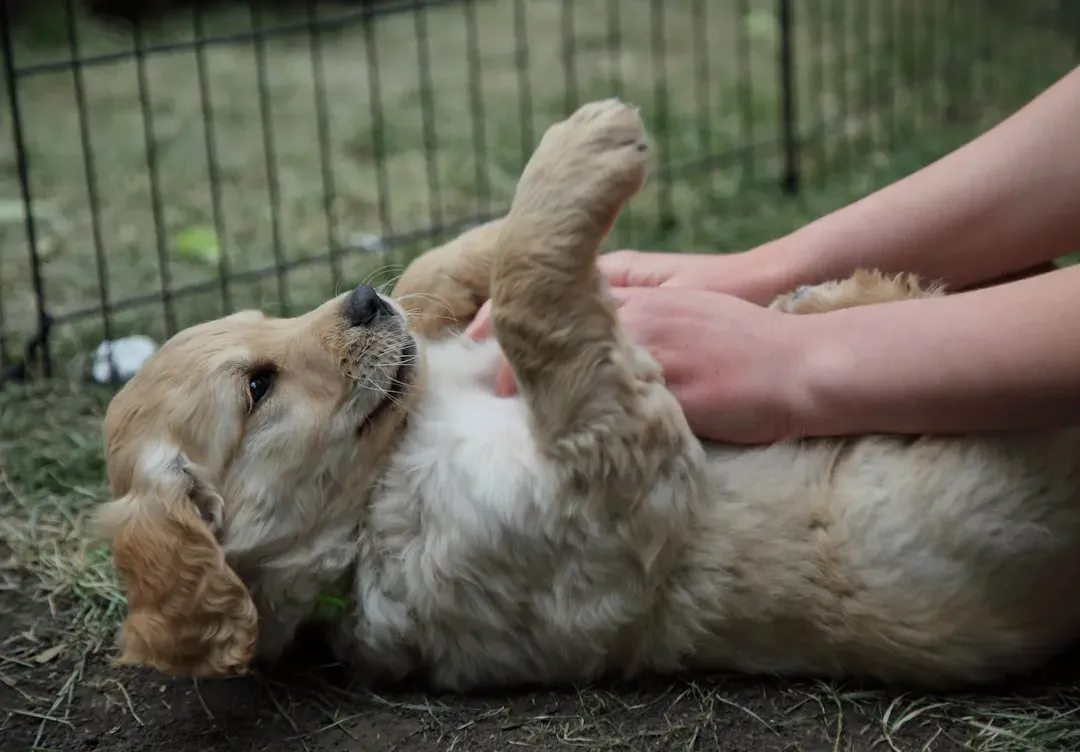
One of the most telling signs of a rare bond is how utterly unguarded your dog’s body becomes when they are with you. You might see full-body wiggles, loose shoulders, a gently wagging tail that sweeps side to side at a low, relaxed height. Their eyes may look softer, almost squinty, and their mouth slightly open like a quiet smile. These are signs of deep relaxation and social safety, the opposite of the tight muscles and stiff posture you see when a dog is bracing for something uncertain.
Many dogs enjoy petting, but a deeply bonded dog often melts into your touch in a way they do not with anyone else. They may flop onto their side or offer their belly not just for scratching, but because being vulnerable near you actually feels good. If their breathing slows, their weight sinks fully into your hands, and they seem to fall into a cozy trance when you stroke them, that is not just affection. That is full, embodied trust – something behaviorists watch closely when assessing secure attachment.
4. They Can Settle More Easily When You Are Calm (You Are Their Emotional Thermostat)
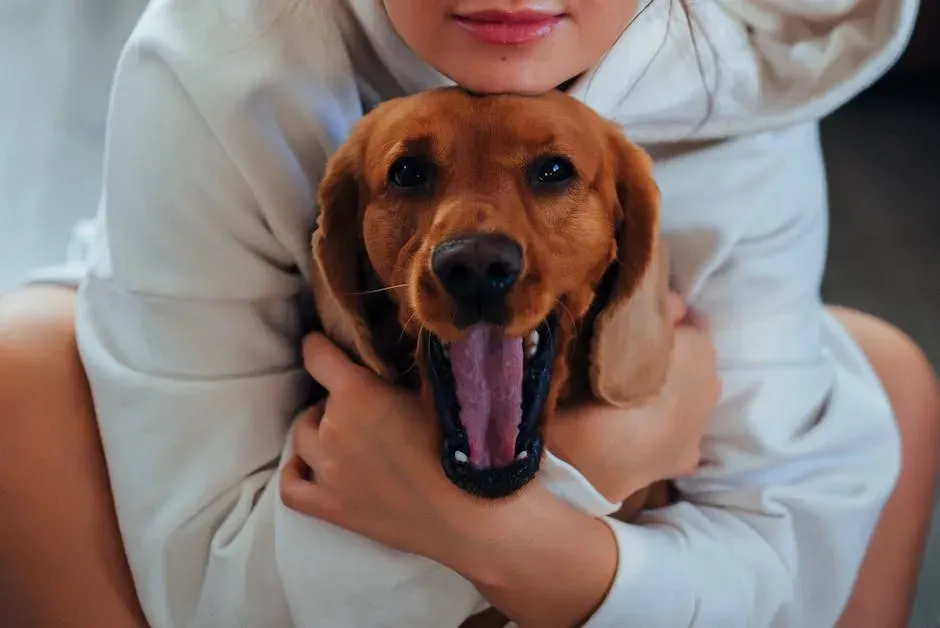
A dog who is deeply bonded with you often uses your emotional state as a guideline for their own. If a loud noise happens outside or a stranger walks past, they might startle, then quickly look to you: if you stay relaxed, they tend to come down faster. In a truly deep bond, you may notice that your dog unwinds more quickly around you than with anyone else, almost as if your nervous system is contagious. Your calm is their cue that the world is still safe.
This goes both ways, which can be a little confronting. When you are stressed, tense, or angry, your dog may also become more unsettled – even if nothing in their environment has changed. This reflection effect is one of the clearest signs that your bond has gone beyond routine and into emotional synchronization. You are not just their food source; you are their living barometer for how seriously to take the world.
5. They Show “Secure” Separation, Not Panic or Indifference

It sounds odd, but one of the most powerful signs of a rare, healthy bond is that a dog can actually tolerate you leaving. Dogs with insecure attachment may fall apart when their person goes, pacing, barking, drooling, or destroying things, unable to cope. On the other side, dogs who are emotionally distant might barely react when you leave or return, treating you like a background character in their day. Deep bonding tends to sit in a sweet spot between those extremes.
With a secure, intense bond, your dog may show they care when you head out – maybe a little protest, a sad look, a brief whine – but then they manage to settle after you are gone. When you return, they greet you with obvious joy and relief: wagging, wiggling, maybe bringing you a toy. But after a few minutes, their excitement fades into calm. That arc – caring deeply, coping in your absence, reconnecting strongly when you return – is a hallmark of a rare but healthy attachment pattern.
6. Their Focus on You Beats Competing Distractions

Here is a simple test: in a moderately distracting place, like a park or a friend’s yard, say your dog’s name in a normal tone. Does their attention snap to you, even if they were sniffing something interesting? With a deep bond, your dog’s ability to reorient to you is usually stronger than their interest in the environment, at least part of the time. You are the most meaningful stimulus in the room, not just the person holding the leash.
This does not mean your dog will ignore everything else – they are still a dog, not a robot. But you will probably notice moments where their eyes lock onto you with a kind of intensity, even when they theoretically could indulge their impulses. Maybe you see this when you open a treat pouch, but in a very strongly bonded relationship, it shows up even without food. Your voice, your movement, sometimes just your presence, has priority in their brain over most other noise.
7. They “Read” You in a Way That Feels Almost Psychic
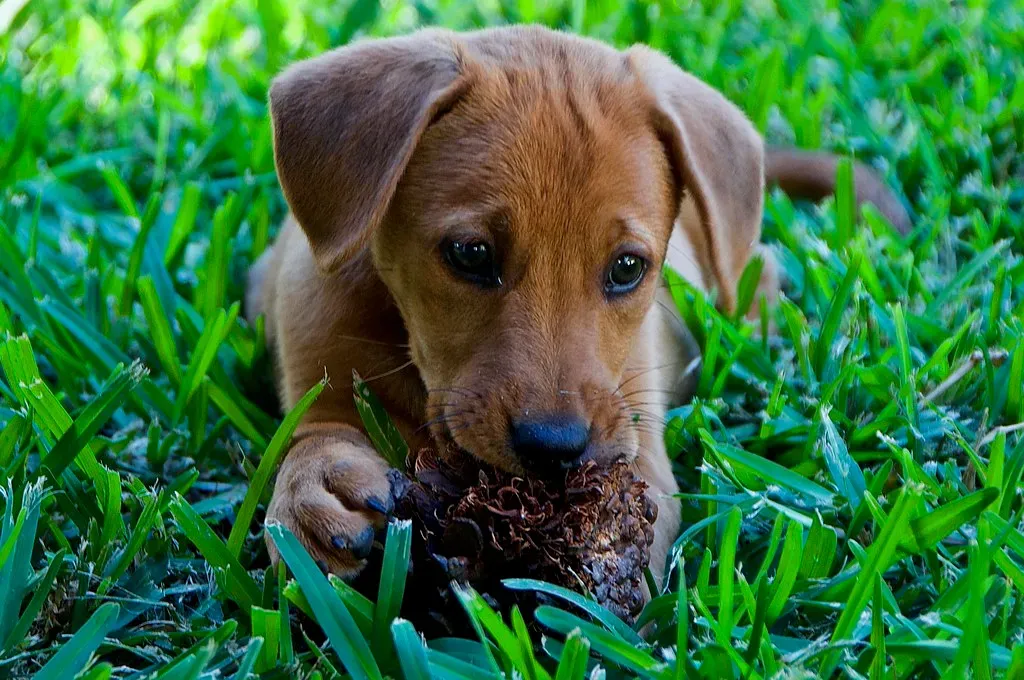
You might notice your dog appearing at your side when you are having a hard day, even if you have not cried or spoken. Or they may trot to the door seconds before you rise from the couch, because they have learned all your pre-walk micro-signals. It can feel almost spooky, but what you are seeing is the product of thousands of repetitions and a brain that has decided you are the most important puzzle to solve. Their “psychic” ability is really just hyper-focused observation fueled by attachment.
8. They Prefer You Over Their Absolute Favorite Things
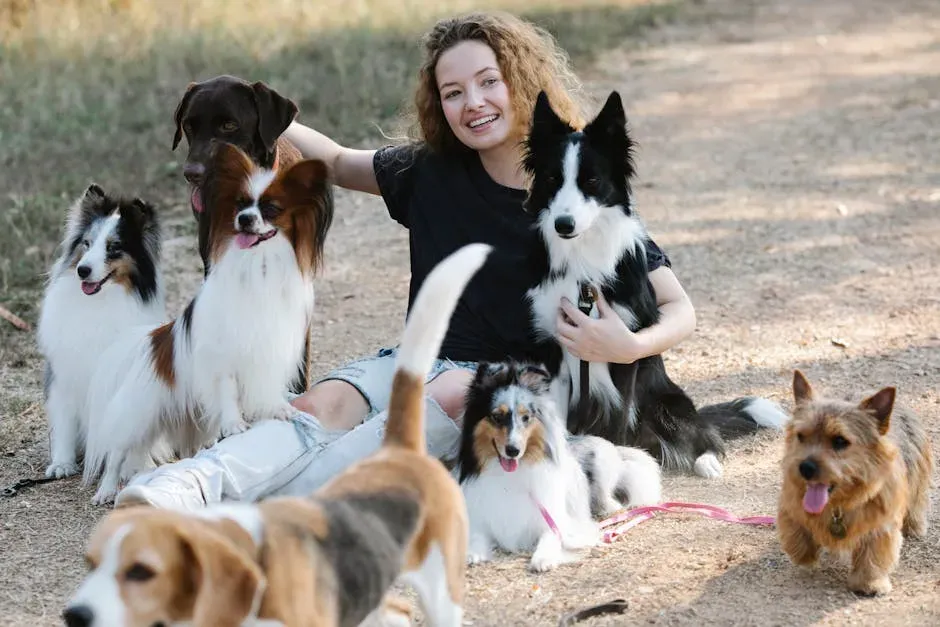
Every dog has something they go wild for – maybe a squeaky ball, a tug toy, or that one brand of treat that turns them into a cartoon character. With a typical bond, those rewards compete with you; sometimes the toy wins, sometimes you do. In unusually deep pairings, though, there are moments when a dog will leave their favorite thing behind to come to you when you call, even without you offering something better. Their choice makes it very clear where their priorities lie.
One of the strongest signs of this is what they do in high excitement moments. Picture your dog playing their favorite game, fully engaged, body buzzing. If you kneel, open your arms, and call them, does your dog hesitate – or do they sprint straight into you, abandoning the game? When a dog repeatedly chooses direct connection with you over their top rewards, it is a pretty loud statement. To them, you are not just the person who provides the good stuff; you are the good stuff.
9. Their Sleep Habits Show a Deep Level of Trust
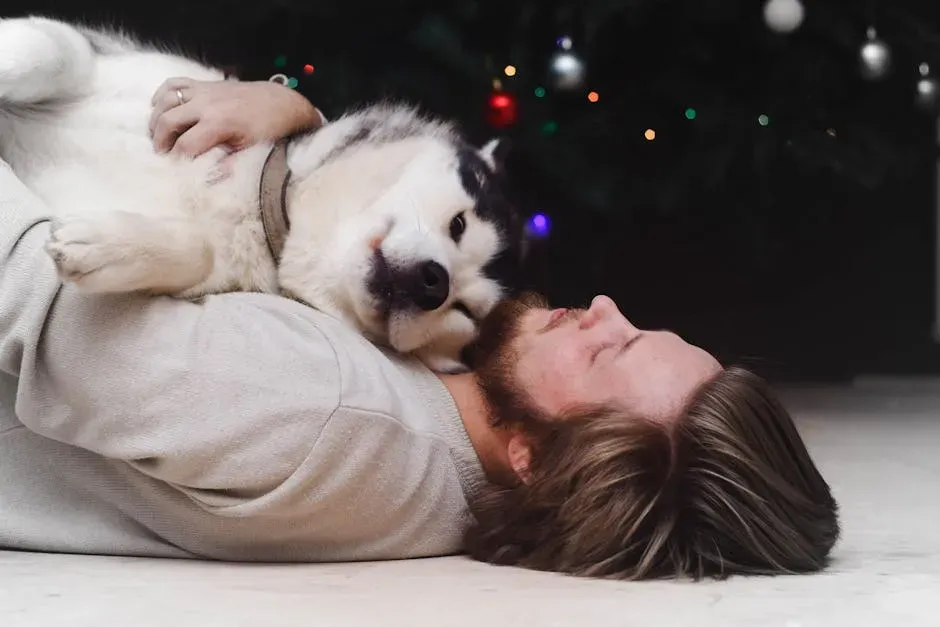
Sleep is when animals are most vulnerable. A dog who chooses to sleep deeply near you is not just being cute; they are revealing how safe they feel in your presence. In ordinary bonds, dogs may crash somewhere in the same room or hover at the edge of the bed, alert to every sound. In especially strong attachments, you often see a different quality of rest: heavy, complete relaxation, sprawled on their back, limbs flopped, breathing slow and even, sometimes pressed right up against you.
Watch what happens when you shift in bed or on the couch. Does your dog get annoyed and move away, or half-wake and readjust to stay in contact – a paw on your leg, their back resting on your feet? Dogs that are deeply bonded often use physical closeness during sleep almost like a tether, a way to keep that secure feeling going even while their brain powers down. It is a quiet, nightly reminder that in their mind, you are safety itself.
10. Your Relationship Survives Rough Patches and Still Feels Like “Home”
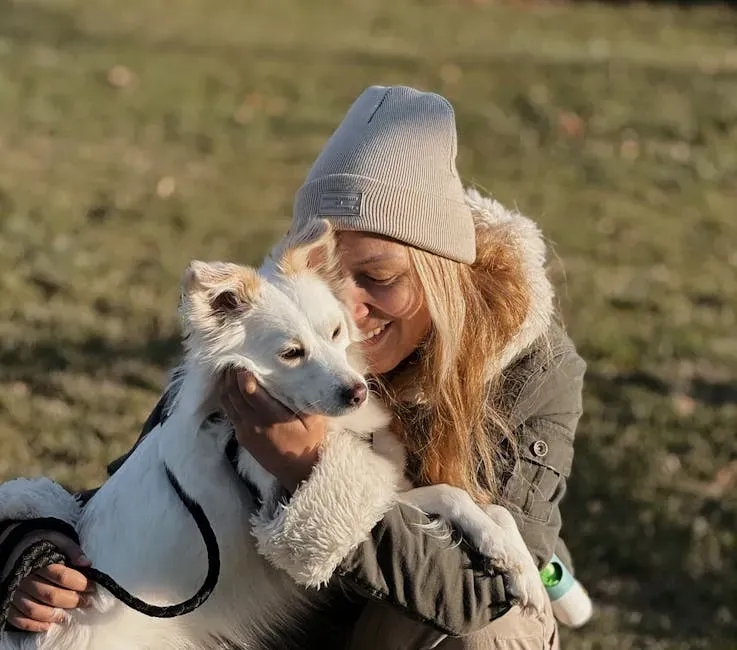
Real bonding is not tested on the easy days; it shows up when things get messy. Maybe you had to move, your schedule changed, or your dog went through a medical scare or a scary training phase. A rare, deep bond tends to bend without breaking. Your dog might act out temporarily or struggle with the new normal, but you can see that beneath the confusion, their trust in you remains. They still seek you out for comfort, still look to you for guidance, and still relax fastest in your space.
I have seen this in my own life with a dog who went through a long recovery after surgery. There were days he clearly hated the restrictions and looked frustrated with the world, including me. But he always chose to curl up against my leg after the meds kicked in, as if to say, “I do not like this, but I still choose you.” When your relationship with your dog weathers stress, changes, even your own occasional mistakes – and they keep coming back to you with an open heart – that durability is one of the clearest signs your bond is genuinely extraordinary.
Conclusion: A Rare Bond, But Not a Magic Trick
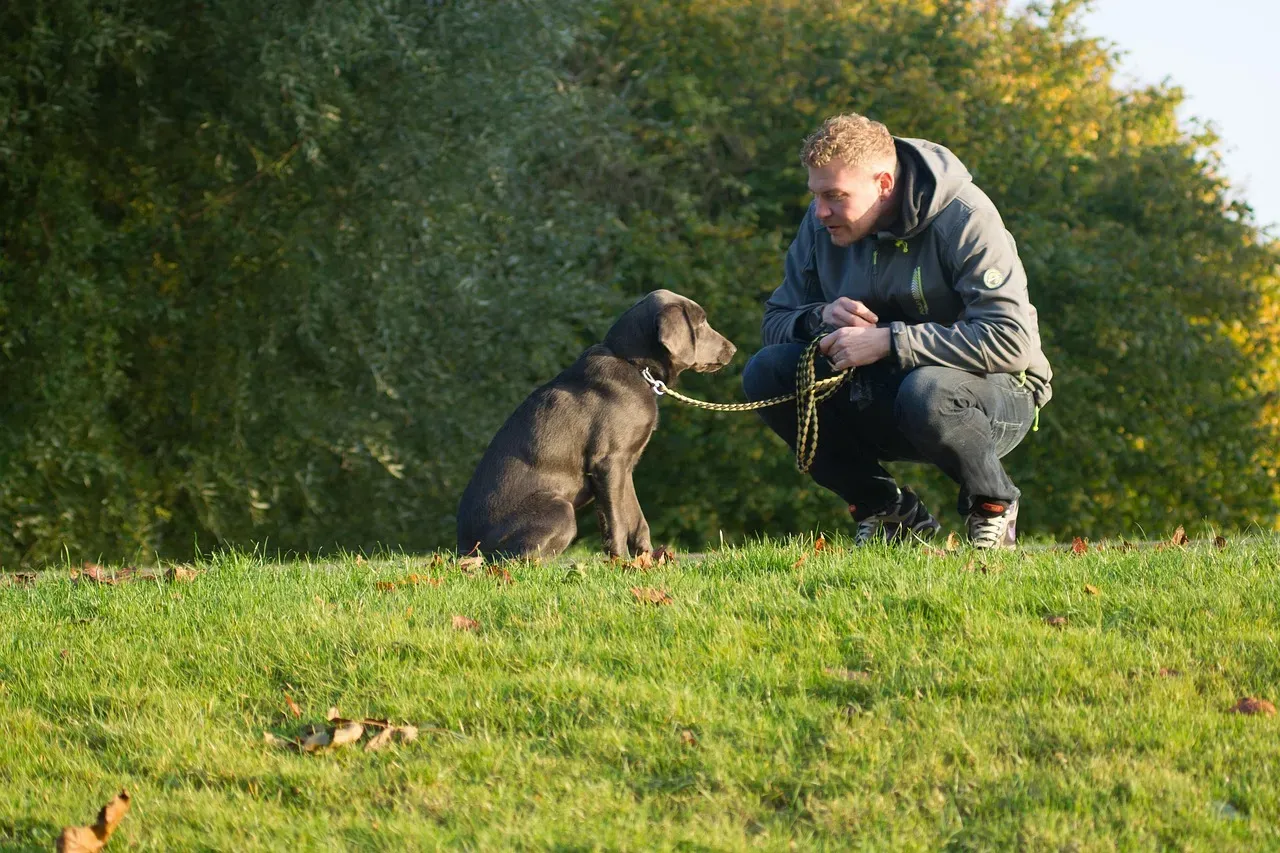
When behaviorists talk about that tiny slice of dog-human bonds that reach an unusually deep, secure level, it can sound almost mystical. In reality, what looks rare and magical from the outside is usually built from a thousand ordinary choices: showing up consistently, respecting your dog’s signals, meeting their physical and emotional needs, and being a safe place even when life is not pretty. The signs on this list are not proof that your dog “loves you more” than other dogs love their people, but they do suggest you have become a central, stabilizing force in your dog’s emotional life – and that is a massive responsibility as well as a privilege.
If you recognized several of these behaviors in your own dog, you are likely experiencing a level of connection many people never realize is possible. That does not make your relationship perfect, and it certainly does not mean you cannot improve it; it just means the foundation is already rare and strong. Maybe the more interesting question is not whether your dog is in that top three percent, but what you will do with the bond you have now. Will you treat it casually – or as something worth protecting, nurturing, and growing for the rest of your dog’s life?