
9 Dog Breeds That Are Living Proof That Loyalty Is a Biology – Not a Feeling
Some dogs don’t just love you; they orbit you like a second shadow. That kind of fierce attachment can feel almost spooky, like they were born with your name encoded somewhere in their DNA. And in a way, they were: modern research into dog behavior, hormones, and genetics is making it very clear that loyalty is not just a sweet story we tell ourselves, it is literally wired into their biology.
In this article, we’re going to look at nine breeds that show, in very different ways, how deep that wiring runs. These are not just “cute family pets”; they’re working partners, guardians, and emotional mirrors whose bodies, brains, and instincts have been fine-tuned over centuries to stick close to their humans. By the end, you might look at your own dog’s clinginess, watchfulness, or goofy devotion a little differently – and maybe see it as hard science, not just soft sentiment.
1. German Shepherd: The Guardian With a Built‑In “Stay Close” Circuit
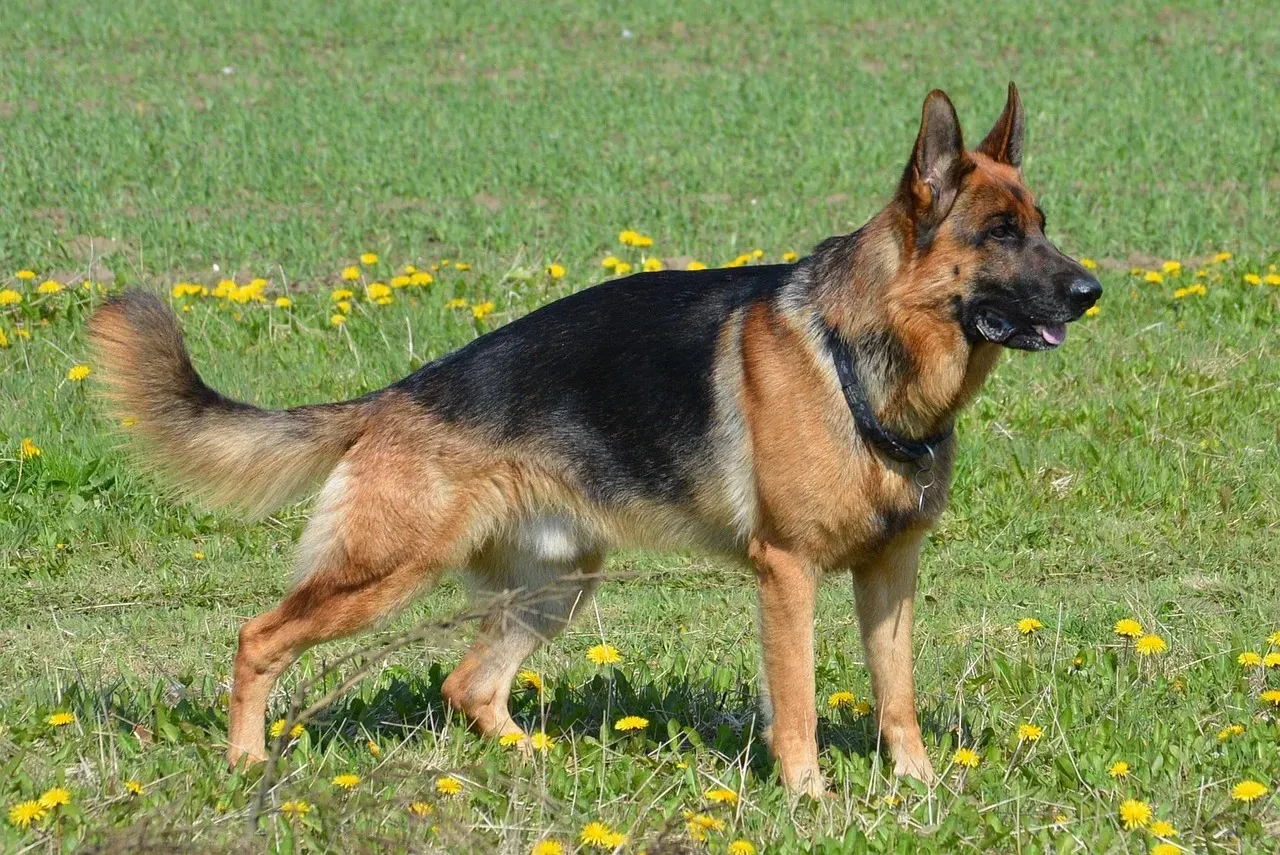
If you’ve ever watched a German Shepherd scan a room while casually leaning against their person, you’ve seen biology and training blending perfectly. This breed was developed to guard and herd, which means they were selected for dogs that could read subtle human cues, make independent decisions, and stay hyper‑attuned to their handler’s movements. That combination created a dog whose nervous system is primed to track “their person” almost constantly, like a living radar system.
On a hormonal level, studies have shown that when bonded dogs and humans interact, both experience rises in oxytocin, sometimes called the bonding hormone. Herding and protection breeds like the German Shepherd seem to lean especially hard into this loop, reinforcing behaviors like checking in, following, and leaning against their owners. When a Shepherd insists on lying between you and the door, it’s not drama; it’s a centuries‑old biological program saying, “If I can see you, I can protect you.”
2. Labrador Retriever: Attachment Bred Into the Family Favorite
Labradors are often treated as the friendly, easygoing “default” dog, but there’s nothing casual about the biology that made them this way. They were originally bred to work side by side with fishers and hunters in cold, punishing environments, retrieving nets and waterfowl and waiting patiently for long stretches until they were needed. That work rewarded dogs that stayed close, watched their handler, and found joy in bringing things back instead of wandering off.
Modern Labs still carry that imprint. Their famously people‑oriented nature is supported by a temperament that tends toward low aggression, high social motivation, and strong food and play drives that keep them engaged with humans. I’ve always joked that Labs are like living Velcro with a tail, but behind that joke is a real pattern: many Labs would rather be near their people doing almost nothing than somewhere else doing something exciting. That is not just affection; it’s thousands of breeding decisions, stacking the deck toward cooperation and connection.
3. Border Collie: Loyalty as an Obsession With Your Every Move
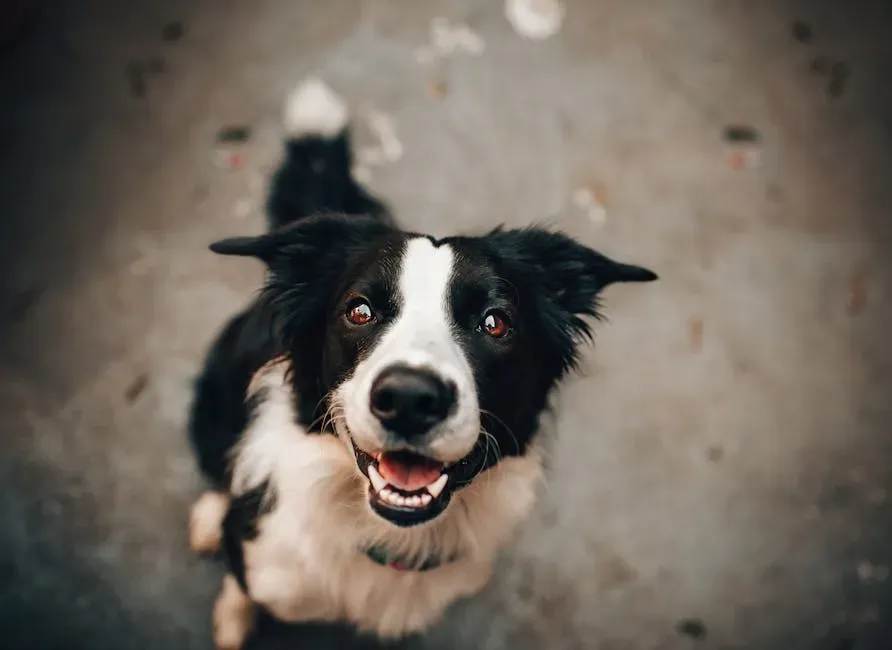
Spend ten minutes with a Border Collie and you’ll realize they’re not just loyal – they’re studying you. This breed was developed for intense, long‑range work with shepherds, managing sheep across wide landscapes with minimal verbal direction. The dogs that excelled were the ones that could lock onto a handler’s signals and maintain focus for hours. Over time, that selection produced dogs whose brains are wired for attentional laser beams aimed straight at their chosen human.
Neurologically, you can see it in how Border Collies respond to movement; many of them fixate on their owner’s posture, gestures, even micro‑movements, much like a language learner hanging on every word. That obsessive eye contact and constant checking in can feel like overkill in a modern living room, but in a field with scattered sheep it was life‑saving precision. Their “loyalty” often looks like work addiction: your presence is the central project their nervous system expects to manage.
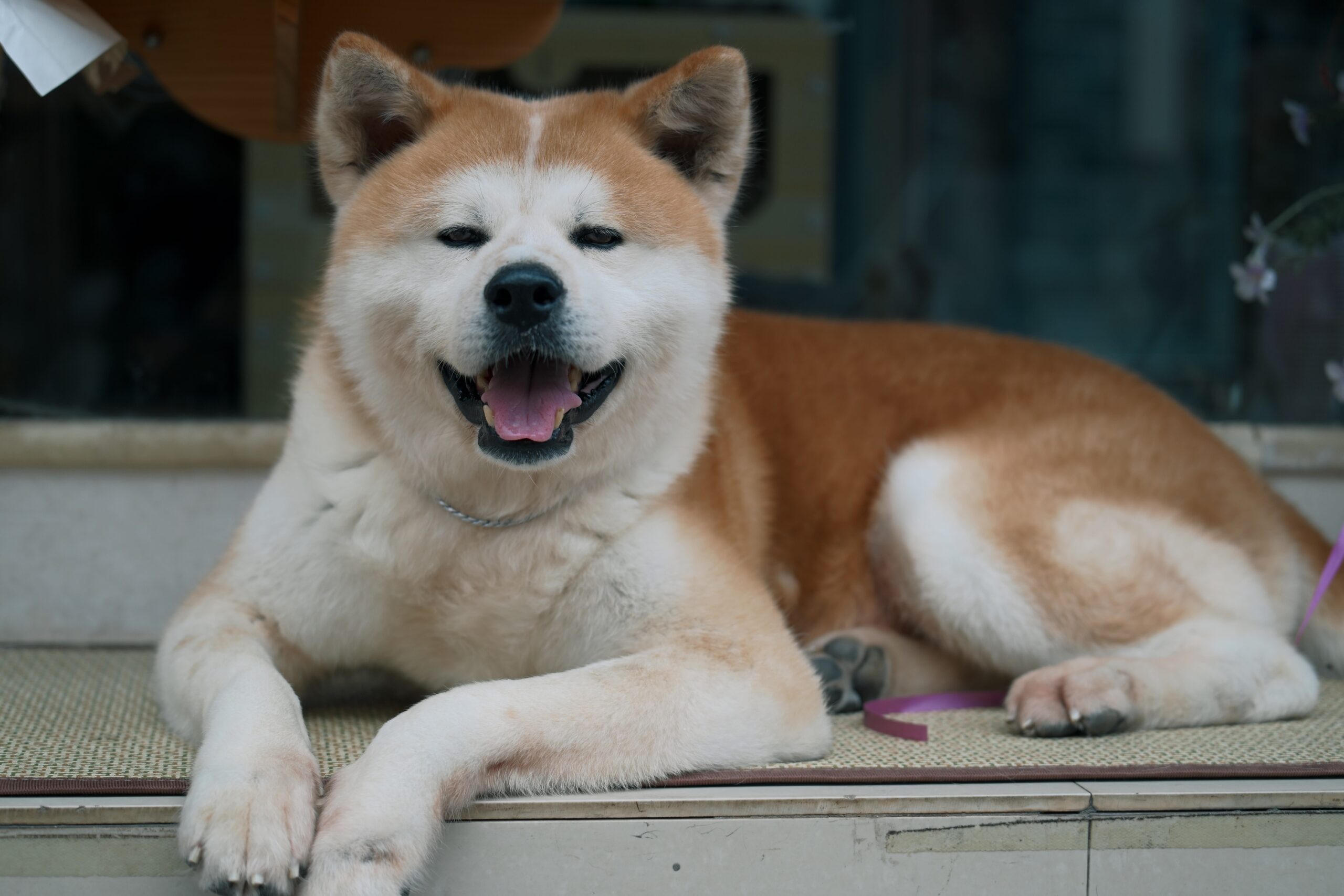
4. Akita: Stoic Genetics Behind a Fiercely Singular Bond
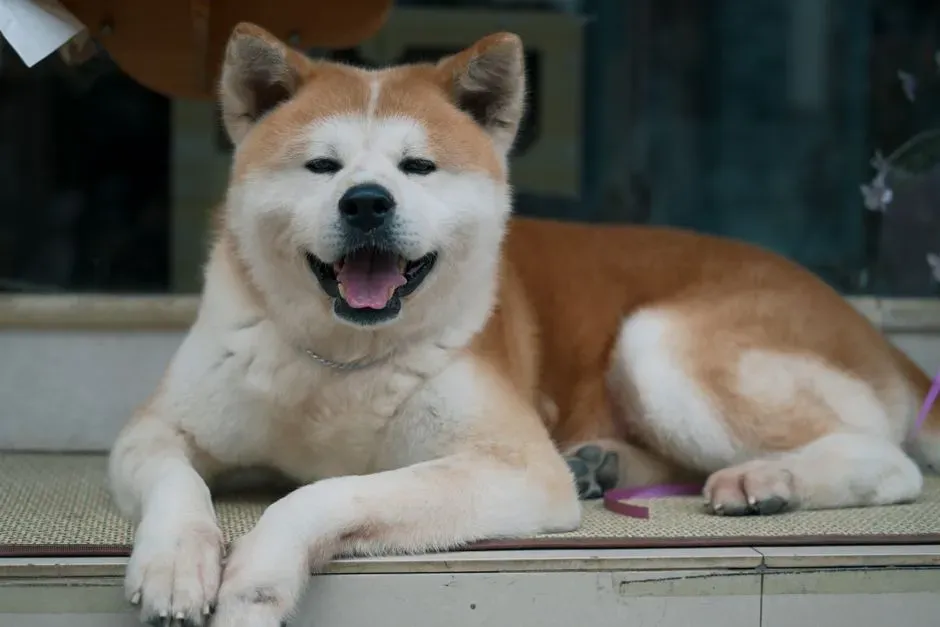
Akitas are often described as dignified, even aloof, with strangers – but that flips completely once you step inside their inner circle. Historically used in Japan for guarding, hunting large game, and later as estate and family protectors, Akitas were favored when they showed immense courage and an almost unshakable loyalty to one household. The result today is a breed that tends to form extremely strong, often exclusive attachments to a small number of people.
This intensity is not just personality; it’s a clustering of traits: low tolerance for pushy strangers, high territorial instinct, and strong pair‑bonding to familiar humans. Instead of spreading their social energy around, Akitas funnel most of it into a tight core group. When an Akita calmly positions itself between its family and a visitor, that quiet, serious loyalty is the product of generations of selection for dogs that treat “their people” as sacred ground, biologically and emotionally.
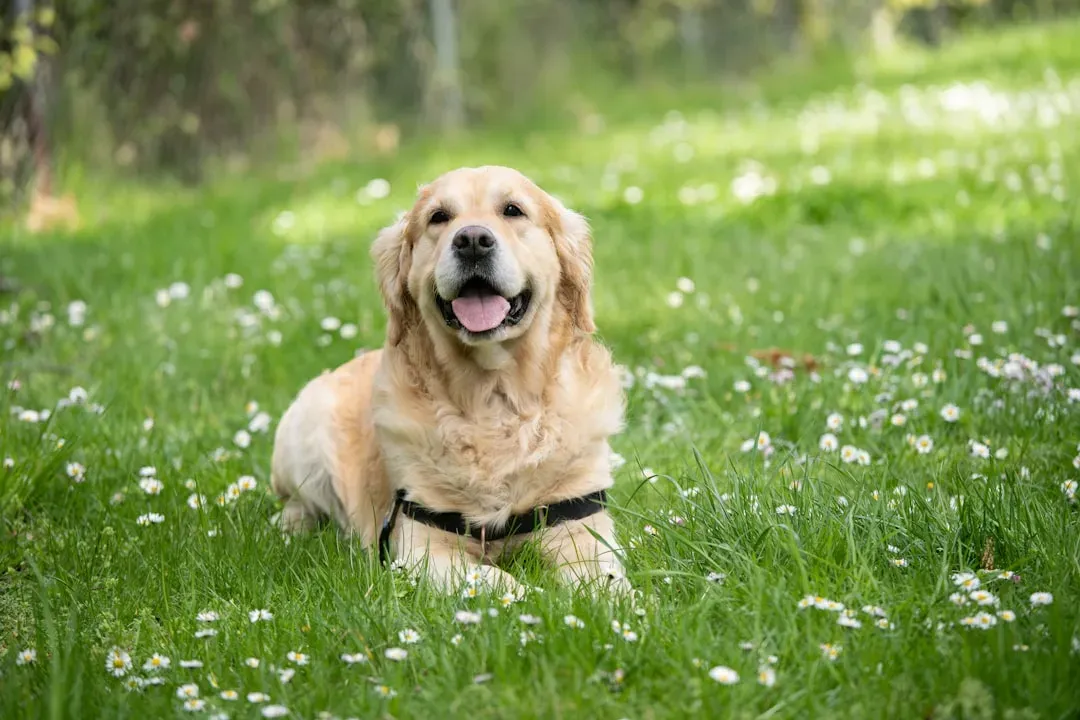
5. Golden Retriever: Soft Mouth, Soft Heart, Hardwired Devotion
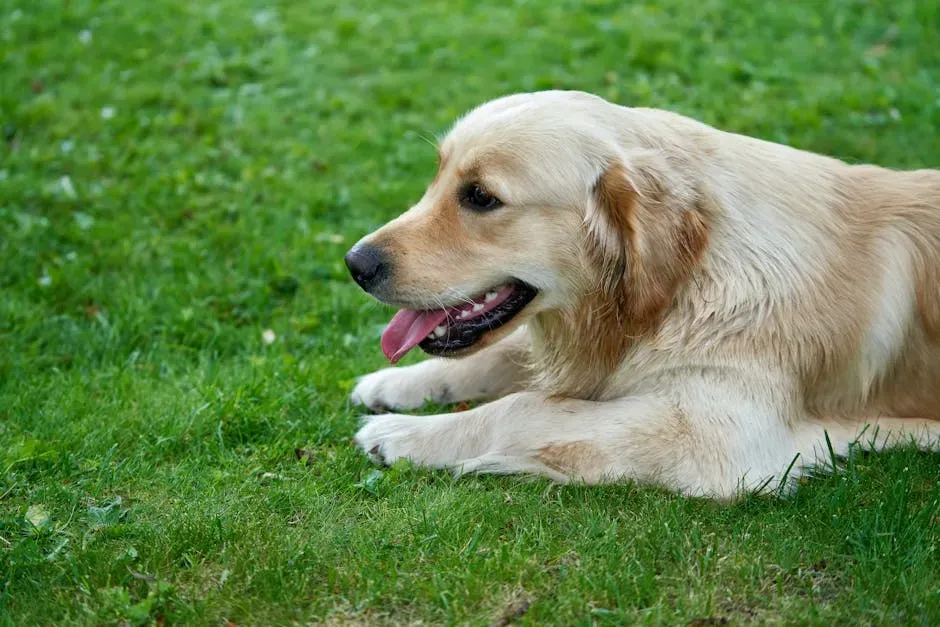
Golden Retrievers have a public image that almost feels too good to be true: gentle, affectionate, endlessly eager to please. Underneath that sunny exterior is a very deliberate bit of biological engineering. They were bred as gun dogs to retrieve downed birds without damaging them, which meant combining a low tendency toward aggression with a high desire to work closely with and for humans. Dogs that were too independent, too sharp, or too uninterested in cooperation simply weren’t bred on.
What survives in modern Goldens is a cluster of traits that make loyalty feel like their default setting: a strong inclination toward social contact, sensitivity to tone and body language, and a deep satisfaction from shared activities. It’s no accident they’re frequently used as therapy and assistance dogs; their brains are unusually tuned to both seek human connection and respond adaptively to it. When a Golden nudges your hand until you absentmindedly stroke their head, you’re participating in a feedback loop that their biology was practically built to crave.
6. Great Pyrenees: The Calm Bodyguard Programmed to Stay Nearby
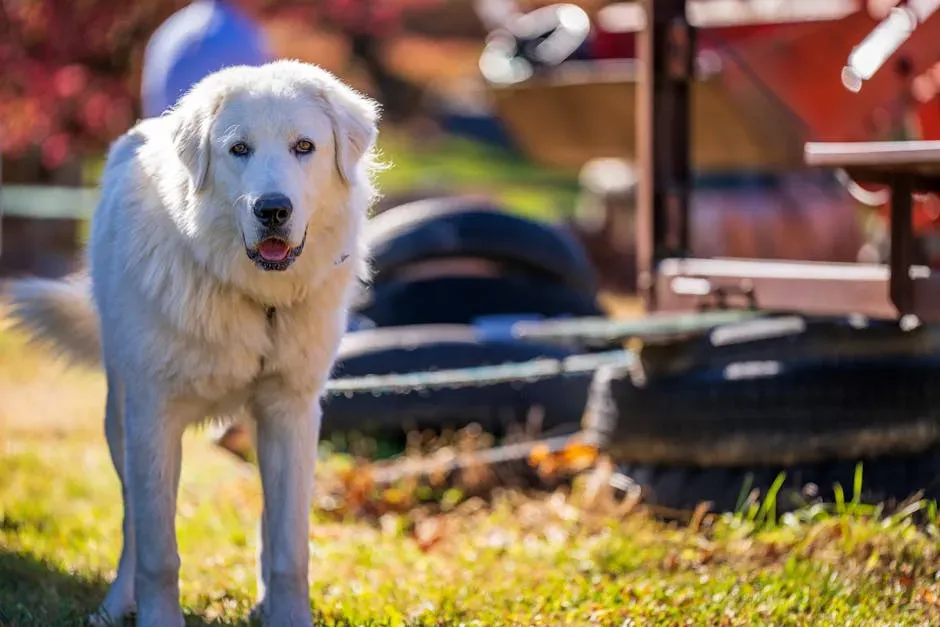
The Great Pyrenees looks like a giant cloud with paws, but under that fluff is an ancient guardian blueprint. These dogs were bred to protect livestock in mountainous regions, often working semi‑independently but always oriented to a flock and a shepherd. They had to make judgment calls – when to intervene, when to watch, when to bark – and that required a temperament that was both steady and deeply anchored to a specific territory and group.
Today, that same wiring often transfers from sheep to families. Many Great Pyrenees will patrol the yard, station themselves near doors, and lie down in spots where they can see everyone. Their loyalty is less about constant affection and more about physical presence and spatial control: they care where you are in relation to exits, noises, and perceived threats. It is loyalty expressed as quiet surveillance, like a night watch that never really clocks out.
7. Doberman Pinscher: Purpose‑Built for Human‑Focused Protection
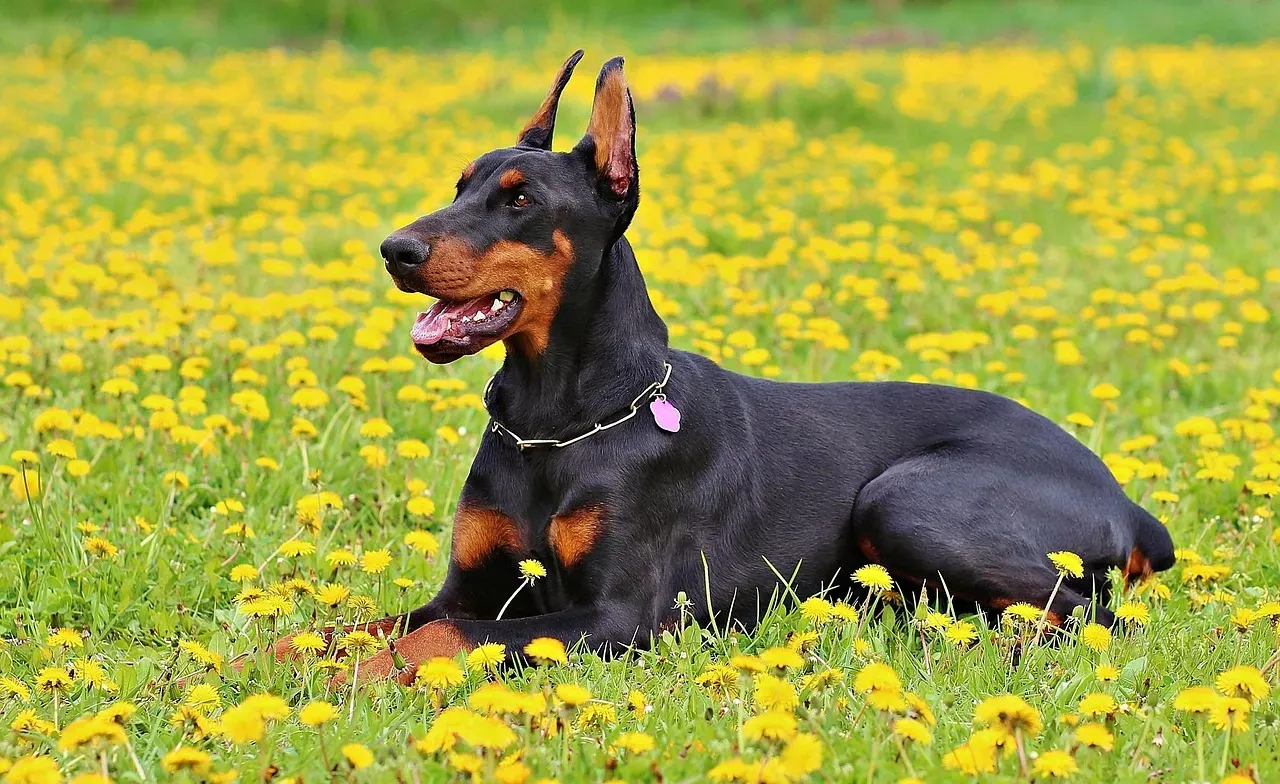
The Doberman is one of the clearest examples of a breed designed almost from scratch around the idea of loyalty to a specific human. Developed in the late nineteenth century as a personal protection dog, the Doberman was created by combining several existing breeds to produce a courageous, intelligent, and intensely handler‑oriented guardian. From the start, the goal was not just a tough dog, but a dog that would prioritize its person above everything else.
Modern Dobermans often show this as “velcro dog” behavior in the home – they follow their people from room to room, rest at their feet, and react quickly to unfamiliar noises or strangers approaching. Their alert nervous systems, strong trainability, and bonding tendencies all feed into a biology where the human is the central reference point. The affection is real, but it rides on a deep, almost structural expectation that their job is to stand between you and trouble, even if the “trouble” is just the mail carrier.
8. Cavalier King Charles Spaniel: The Little Heart Engineered for Companionship

While many of the breeds on this list came from rugged working roots, the Cavalier King Charles Spaniel is a reminder that loyalty can also be bred for pure companionship. Historically cherished as lapdogs and close house companions, Cavaliers were selected less for guarding or herding and more for their calm, affectionate nature and love of human touch. That selection favored dogs that wanted to be near people almost all the time and that handled close physical proximity with ease.
Biologically, that shows up as a dog with relatively low reactivity, high sociability, and a strong drive for emotional synchrony with its caregiver. Many Cavaliers will track their person from room to room, not out of anxiety, but out of a genuine preference for shared space. I sometimes think of them as “living weighted blankets” – their loyalty is expressed through gentle, steady presence, anchored in a nervous system that seems happiest when their human’s heartbeat is close enough to hear.
9. Australian Shepherd: Loyalty as a Need to Work With You, Not Just for You
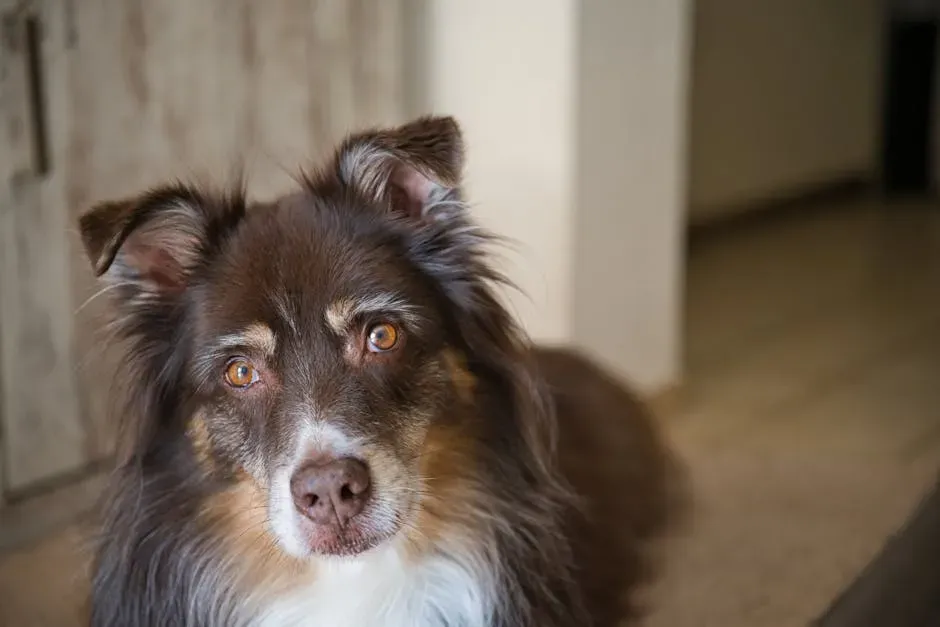
Australian Shepherds are another herding breed that take loyalty beyond simple affection into the realm of team obsession. Traditionally used to move and manage livestock across variable terrain, they were bred to collaborate with humans under changing conditions. That meant prioritizing traits like responsiveness, problem‑solving, and a strong orientation to human direction, even when they were physically distant from their handler.
In modern households, that can look like a dog that is glued to its owner mentally as much as physically. Aussies often seem restless if they are not involved in whatever their person is doing, whether it is hiking, agility training, or just rearranging the living room. Their bodies and brains expect a job connected to you, and when they get it, their loyalty feels almost electric. It is not just “I love you”; it is “I am wired to do life with you.”
Conclusion: Your Dog’s Devotion Is Written in Their Cells – But You Still Hold the Pen
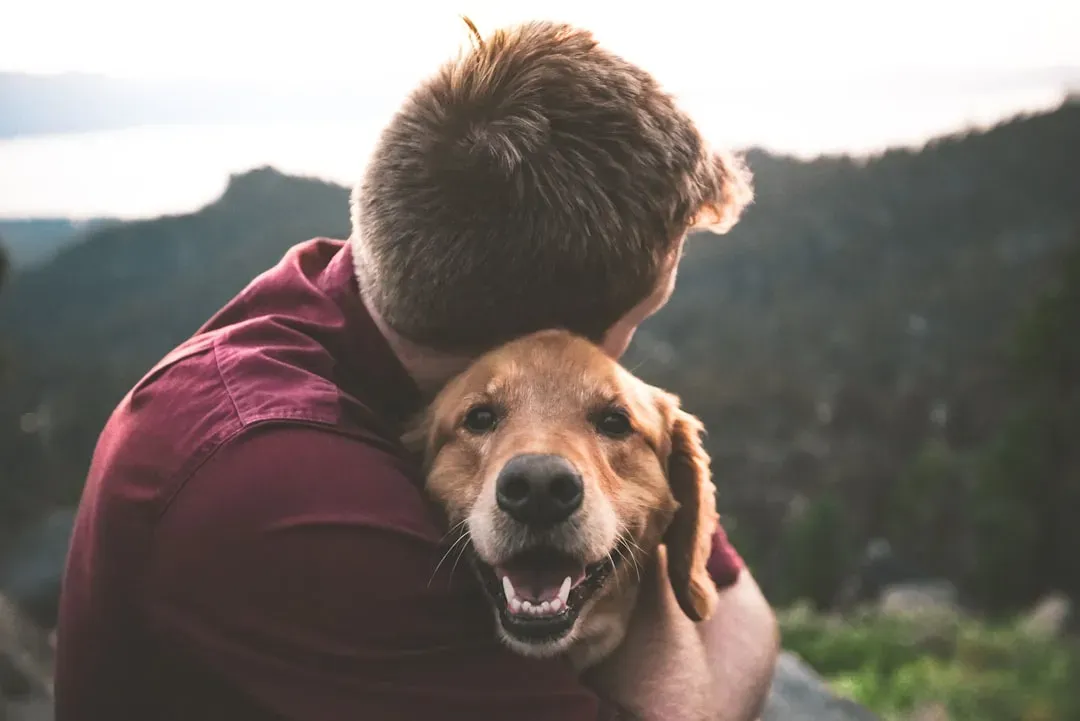
Looking across these nine breeds, a pattern jumps out: loyalty is not random, and it is definitely not just a Hallmark‑style feeling. It is the visible tip of a deep biological iceberg made of genetics, hormones, and generations of human choices. We bred some dogs to guard our flocks and homes, some to retrieve, some to comfort – and in doing so, we sculpted brains and bodies that reflexively hook into us as their primary reference point in the world.
At the same time, biology is not destiny in a rigid sense. A German Shepherd or Akita raised without guidance or kindness can become anxious or defensive instead of nobly loyal, and a mixed‑breed rescue with the right experience and bond can show devotion every bit as powerful as any purebred. To me, that mix of hardwired wiring and lived relationship is the magic: nature loads the dice, and nurture decides how the game is played. When your dog chooses your side of the couch yet again, it is biology and love having a quiet conversation – what part of that story are you going to write next?