
Animal Science Says Dogs Have a Nose With Up to 300 Million Olfactory Receptors Compared to a Human’s Six Million – Which Is Why They Can Detect Changes in Your Body Chemistry That No Device Yet Can Match
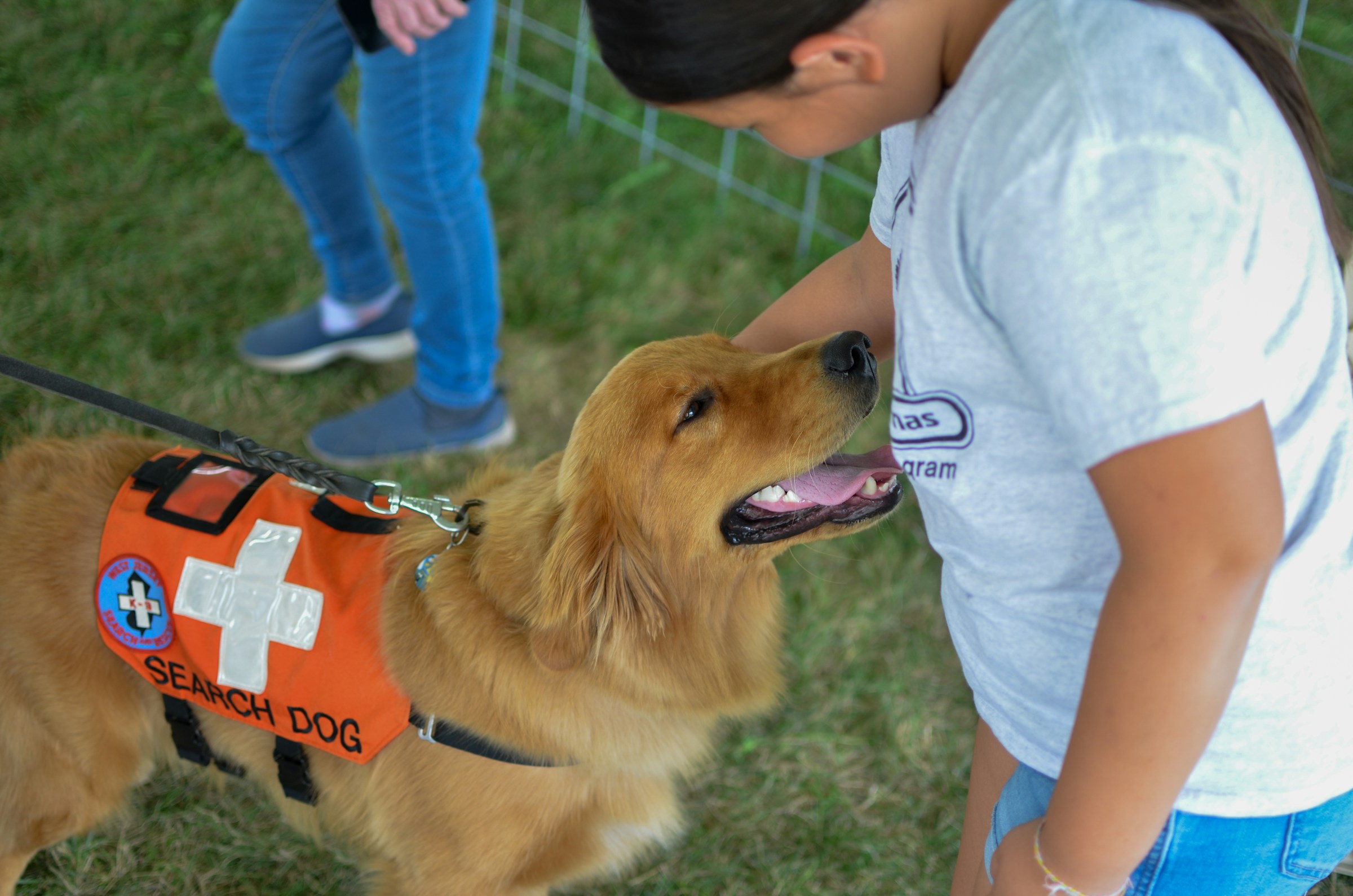
If you have a dog, you’ve probably had that eerie feeling that they knew something about you before you did. Maybe they hovered over you before you got sick, nudged your hand when you were anxious, or stared at you intensely right before one of your migraines hit. It can feel almost supernatural, but it isn’t magic at all. It’s science – and it lives in their nose.
Dogs carry around a biological sensor so advanced that engineers are still trying to catch up. With up to three hundred million olfactory receptors packed into that snout, compared with roughly six million in humans, their nose is less like our sense of smell and more like a full-blown diagnostic device. The wild part? No human-made technology has yet been able to match what your dog does casually while sniffing the air in the living room.
The Mind-Blowing Scale of a Dog’s Sense of Smell
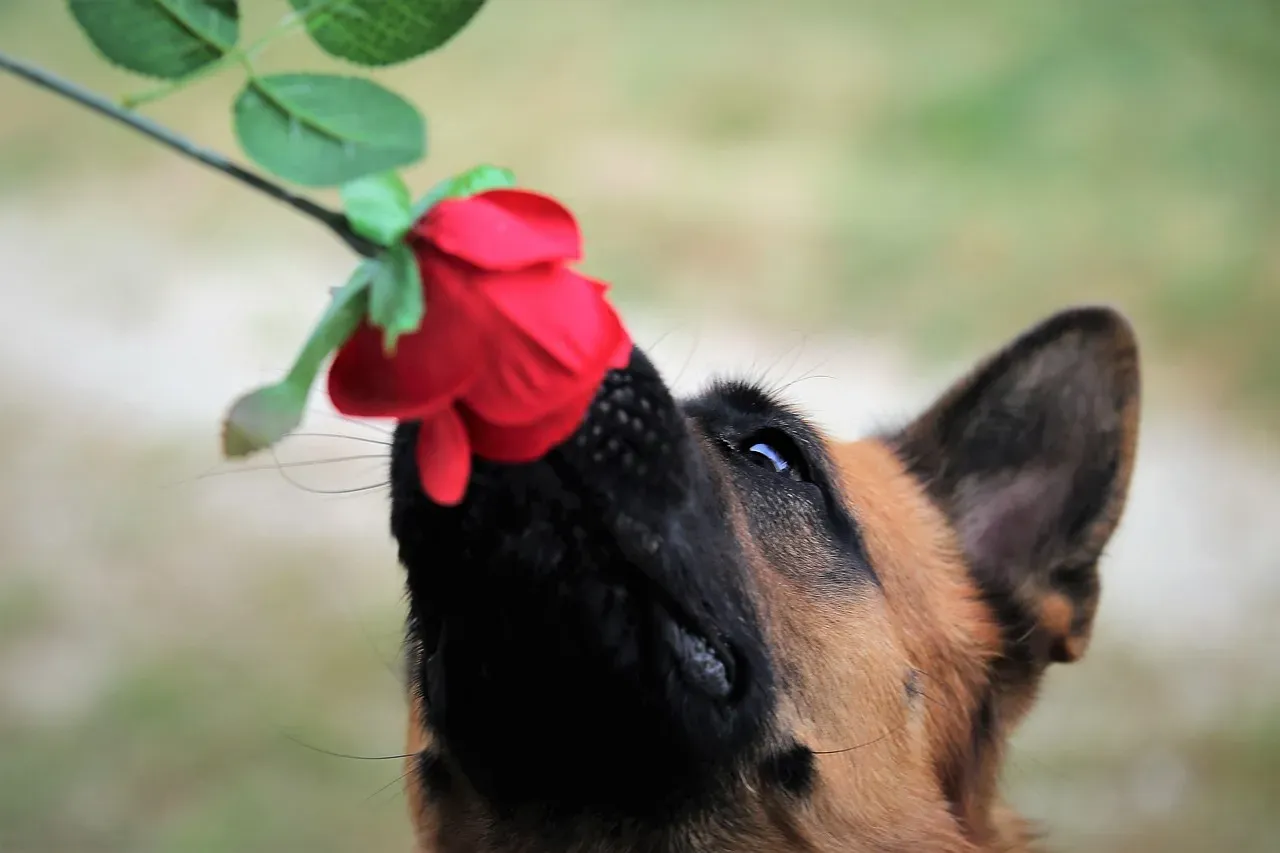
Imagine if every time you walked outside, you could see the world in ultra-high resolution, while everyone else was basically half-blind. That’s what the world is like for a dog’s nose compared to ours. Where we get a vague whiff of “something cooking,” they get a layered breakdown of which meat, which spices, who cooked it, and probably how long ago.
The numbers are staggering: up to three hundred million olfactory receptors in a dog’s nose versus roughly six million in ours. Their olfactory brain region is also proportionally far larger than ours, meaning they don’t just gather more chemical information, they process it in greater depth. For them, smell is not a side sense; it’s a primary way of understanding reality, almost like we use vision.
How a Dog’s Nose Is Physically Built for Chemical Detail

The architecture of a dog’s nose is not just “bigger”; it’s engineered, by evolution, for precision. When a dog inhales, the air splits along different pathways: one for breathing and one dedicated mainly to smelling, so the odor-rich air gets extra time with those receptors. The inner nasal cavity is packed with folded structures that massively increase the surface area for detecting molecules.
Even the way they exhale is part of the design. Air leaves through slits on the sides of the nostrils, creating a flow that actually pulls in new scent molecules with every sniff, almost like a tiny pump. This allows them to sample the air at a rapid rate and build a continuous, layered “picture” of their surroundings in smells. Meanwhile, our simple in-and-out breathing looks clumsy in comparison, like trying to do intricate surgery with oven mitts on.
Smelling in 3D: How Dogs Track Time, Space, and Direction With Odor

Dogs don’t just smell what something is; they can sense where it has been and when it was there. Each step you take leaves behind a cloud of microscopic skin cells, sweat molecules, and other body chemicals, and dogs can follow this invisible trail long after you’re gone. To them, your path is like a scented timeline laid out on the ground.
Because each nostril works slightly independently, dogs can tell which side carries a stronger odor and therefore where the source is. This gives them a kind of “smell depth perception,” a three-dimensional sense of odor that helps them track missing people, follow migrating animals, or detect the faintest change in air currents. We see a room; they smell a story unfolding in multiple directions at once.
Why Dogs Can Read Your Body Chemistry Better Than Machines
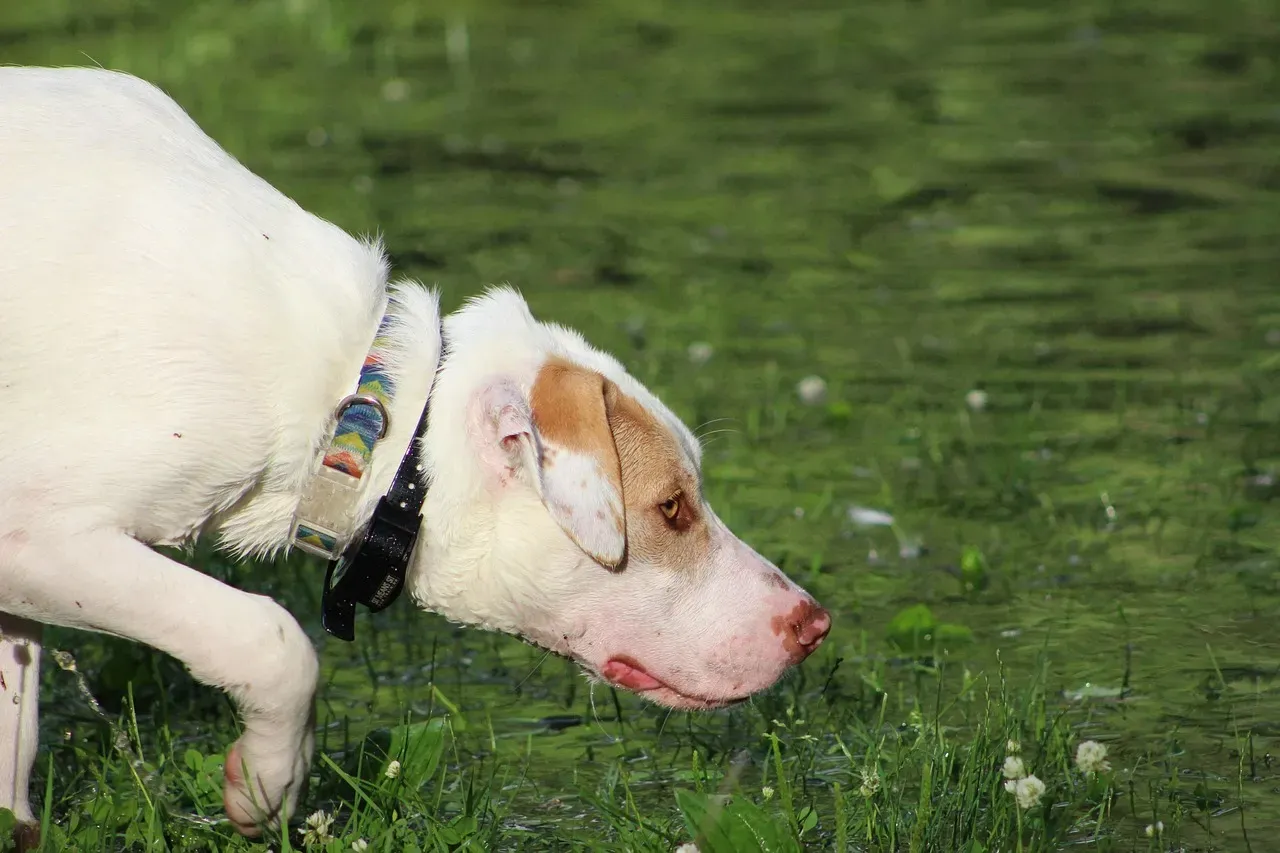
Your body is constantly releasing tiny chemical signals through your breath, sweat, skin, and even subtle changes in temperature and humidity around you. When your hormones shift, when your blood sugar drops, when inflammation kicks in, your biochemical “signature” changes. Most of the time you don’t feel it, but your dog’s nose absolutely does.
Current devices can measure specific compounds, but usually only one or a small group at a time and often in controlled conditions. A dog’s nose, though, works on a messy, real-world cocktail of molecules, detecting patterns and combinations rather than single markers. That is the key reason why, so far, even the best lab equipment struggles to match the sensitivity and flexibility of an ordinary, well-trained dog.
Dogs Detecting Disease: From Cancer to COVID and Beyond
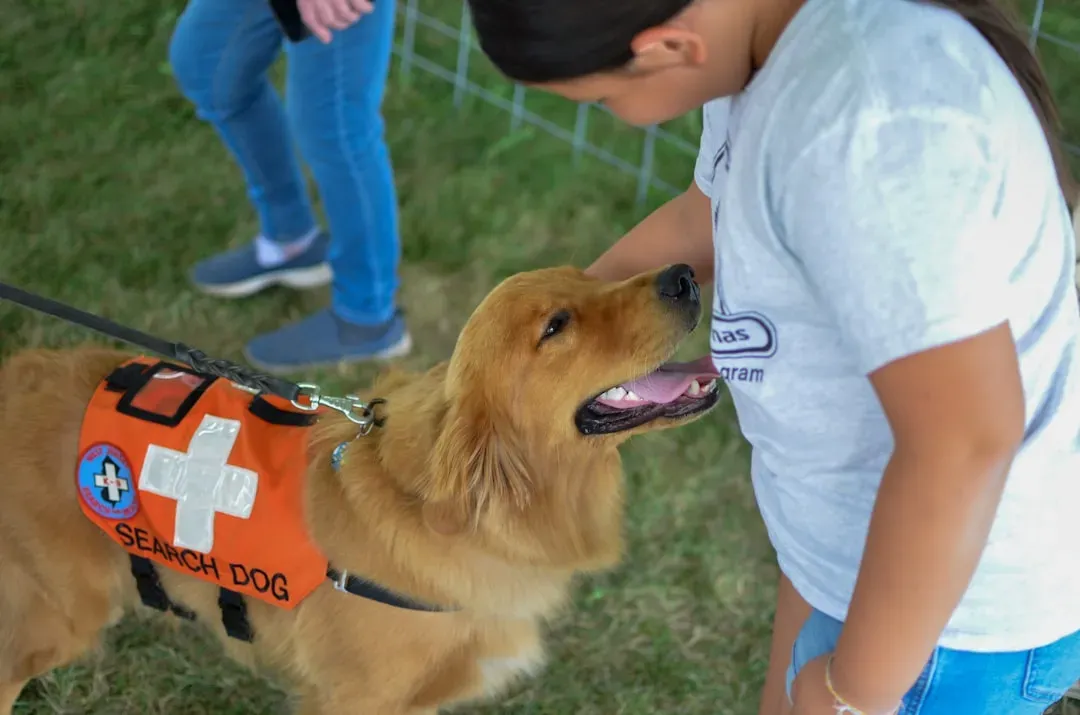
Over the past couple of decades, scientists have been testing what dog owners suspected: their pets can sometimes sense illness before modern tests do. Specially trained dogs have been reported detecting certain cancers, neurological conditions, and infections by sniffing breath, urine, sweat samples, or even people directly. To them, these diseases simply have a different “smell fingerprint” than a healthy body.
While this field is still evolving and not every dramatic story survives rigorous testing, the overall pattern is clear: dogs can often identify changes in volatile organic compounds associated with disease at extremely low concentrations. Machines can detect some of these markers too, but usually in controlled lab setups with expensive instruments. Your dog does it casually, walking past you on the way to their food bowl.
Seizure and Diabetes Alert Dogs: Life-Saving Noses in Everyday Homes

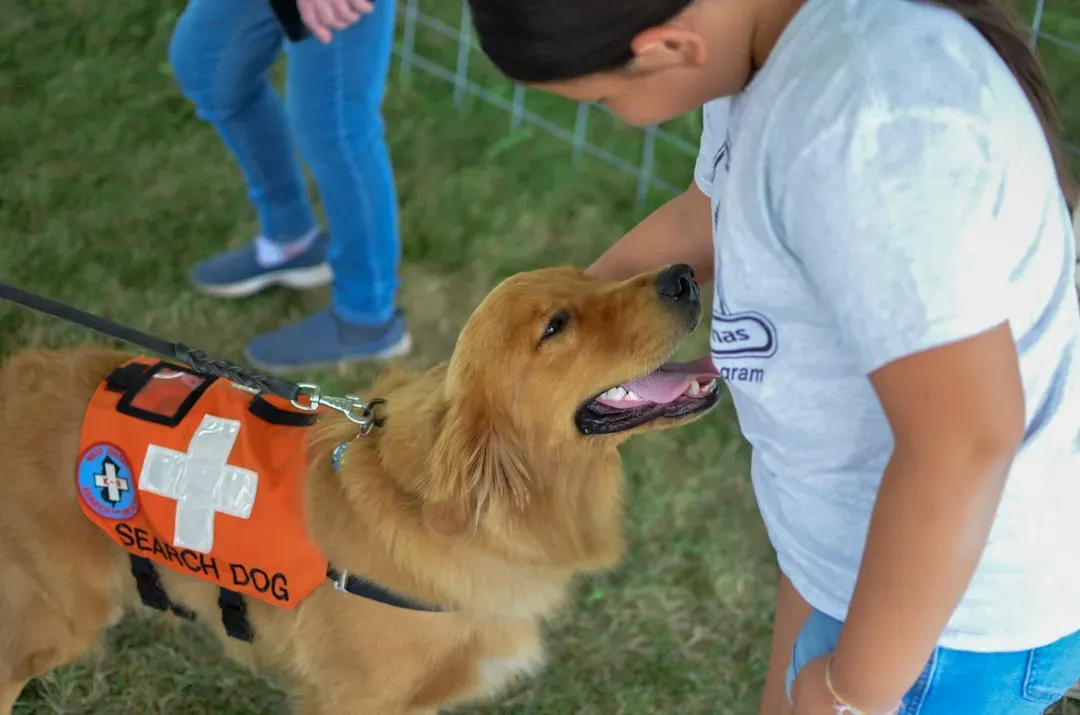
For some people living with epilepsy, diabetes, or other chronic conditions, a dog is not just a pet but a medical ally. Diabetic alert dogs can be trained to recognize the subtle scent changes that occur when blood sugar rises too high or falls too low and then nudge, paw, or alert the person before things get dangerous. Many say their dogs wake them up at night before they hit a critical low that could have been deadly.
Similarly, seizure-alert or seizure-response dogs may pick up on odor shifts or other subtle cues minutes before an episode, giving the person time to move to a safe spot or call for help. While not every dog has this ability and training is crucial, the fact that it is even possible is a huge vote of confidence in the power of canine olfaction. We are, quite literally, depending on their noses when technology cannot yet reliably predict these events in real life, minute-to-minute conditions.
Smelling Emotions: How Dogs Pick Up on Stress, Fear, and Joy

It might sound wild, but your emotions have a smell, or at least a chemical profile, and your dog is reading it all the time. When you are stressed, your body releases hormones and other compounds that change the odor of your sweat and breath. Even if you paste on a smile and pretend everything is fine, your dog is already way ahead of you.
Many dogs respond differently when their humans are anxious, afraid, or sad: they get clingier, more watchful, or unusually calm and quiet. This is not just emotional intuition; it is chemistry. Over time, they build an internal map linking your scent profiles with your moods, which is one reason they sometimes seem to comfort you before you consciously realize how upset you are.
Why Technology Still Cannot Beat a Dog’s Nose

Engineers have been trying to build an artificial nose for years, often called an electronic nose or e-nose. These devices use chemical sensors and machine learning to recognize specific odor patterns, and in controlled settings they can do impressive things. They can be designed to detect explosive chemicals, food spoilage, or particular disease markers in breath samples.
But here is the catch: most of these devices are narrow specialists. They tend to be tuned to a relatively small set of targets, struggle in complex real-world environments, and often need calibration and clean conditions. A dog, by contrast, can walk into a chaotic room full of people, food, perfumes, and dust and still pick out a single person’s changing body chemistry like it is nothing. Until technology can handle that same noisy, ever-shifting reality, dogs will keep their crown.
Training and Ethics: Turning a Super Nose Into a Trusted Tool

Just because dogs can smell all these things does not mean they automatically know what humans want them to do with that information. Training is what turns raw smelling power into reliable, real-world skills. Good programs reward dogs for correctly identifying certain scents, like low blood sugar markers or specific disease-related odors, and build their accuracy over time.
There is also an ethical side we do not talk about enough. These dogs are not machines; they are emotional, sensitive animals carrying serious responsibility. They need rest, positive reinforcement, and protection from being pushed beyond their limits. If we are going to rely on their noses in medical or security settings, we owe them not just training but real care, respect, and an understanding that they are partners, not tools.
Everyday Moments: The Quiet Ways Your Dog Is Already Monitoring You
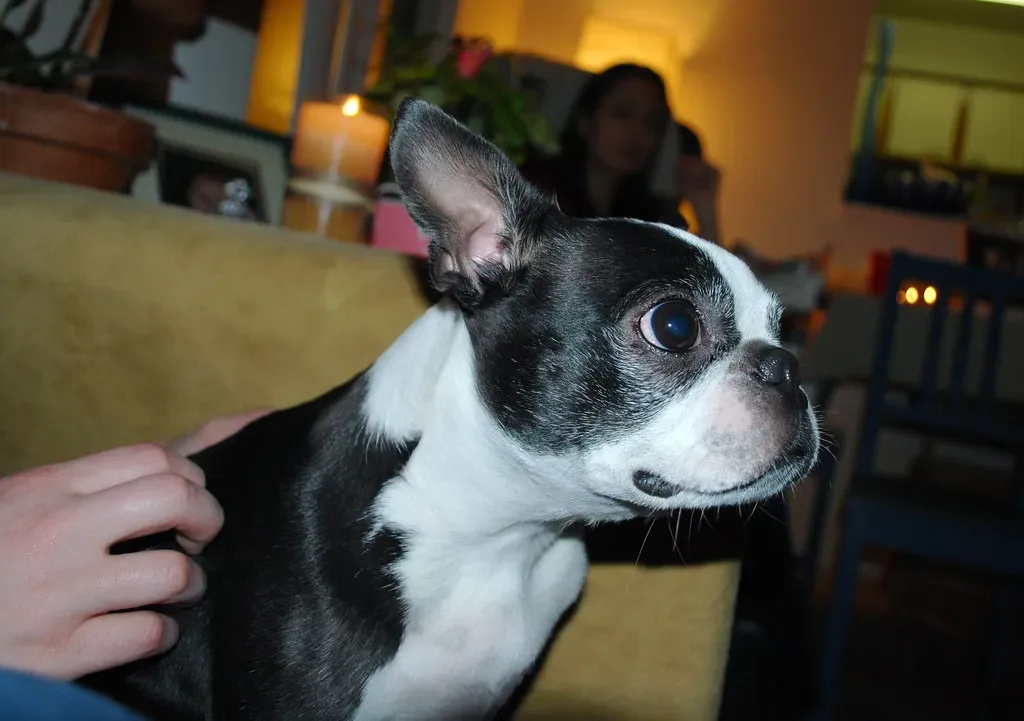
You do not need a formally trained medical alert dog to experience the benefits of canine sensing. Ordinary pets are constantly scanning the air around you, picking up on shifts in your hormones, your skin temperature, your breathing rate, and your general chemical vibe. That moment when your dog suddenly sticks to your side on a day you feel “off” is probably not an accident.
Personally, I have noticed that on days when I am exhausted or fighting off something, my dog insists on lying closer than usual, almost like a living weighted blanket. It is easy to dismiss this as simple affection, but knowing what we know now about their sense of smell, I can’t help but think: he smells the change and is adjusting his behavior. It makes the bond feel deeper and strangely humbling, like living with a quiet, four-legged sensor that genuinely cares.
What This Means for the Future of Medicine and Our Relationship With Dogs
As science digs deeper into what dogs can smell, it is forcing medicine and technology to reconsider what is possible. We might one day have portable diagnostic devices inspired by the canine nose that can screen for diseases or metabolic changes quickly and cheaply. But even as we chase that goal, we are learning that nature has already built a system so complex and adaptable that replicating it fully may take decades, if it ever happens.
In the meantime, our dogs are already here, quietly doing the job. They are not perfect detectors, and they should never replace proper medical care, but their noses are giving us a glimpse into a hidden layer of human biology that machines still struggle to read. To me, that is a powerful reminder that our relationship with dogs is not just emotional or practical; it is biological collaboration. For all our technology, how often do we stop and admit that in at least one crucial way, they are miles ahead of us?
Conclusion: The Nose Knows More Than We Like to Admit
When you step back and look at the evidence, it is almost stubbornly clear: dogs are sensing things about our bodies that we barely understand ourselves. Up to three hundred million olfactory receptors versus our six million is not just a cute trivia fact; it is a complete reordering of how they experience the world. While we keep trying to code and engineer our way to better health monitoring, there is a creature snoring at the foot of the bed quietly outperforming our devices in raw sensory power.
My honest opinion? We have seriously underestimated what it means to share our lives with an animal that can smell our chemistry shift long before any smartwatch buzzes. Technology will keep improving and that is a good thing, but for now, our dogs still hold a kind of biological advantage that is both humbling and comforting. Next time your dog lingers, sniffs you a little more carefully, or refuses to leave your side, maybe take it as data, not just devotion. If you had to bet on who detects your body’s next plot twist first – your latest gadget or your old dog – who would you really trust?