
Animal Cognition Says Dogs Exposed to the Sweat of Fearful Humans Showed Measurably Higher Stress Behaviors Themselves – Proving Emotions Travel Between Species Through Scent

Imagine walking into a room perfectly calm, only for your dog to stiffen, pant, and pace as if a storm just rolled in. Nothing looks different. Nobody is shouting. Yet your dog clearly feels something. That “something” might literally be hanging in the air – in your scent.
Over the last decade, animal cognition research has been quietly building a wild-sounding but increasingly convincing idea: dogs can smell human emotions, and those invisible chemical signals actually change how dogs feel and behave. When dogs are exposed to the sweat of fearful humans, they do not just notice it – they show real, measurable signs of stress themselves. In other words, your feelings might have a scent, and your dog is breathing them in.
When Scientists Bottled Human Fear and Let Dogs Smell It
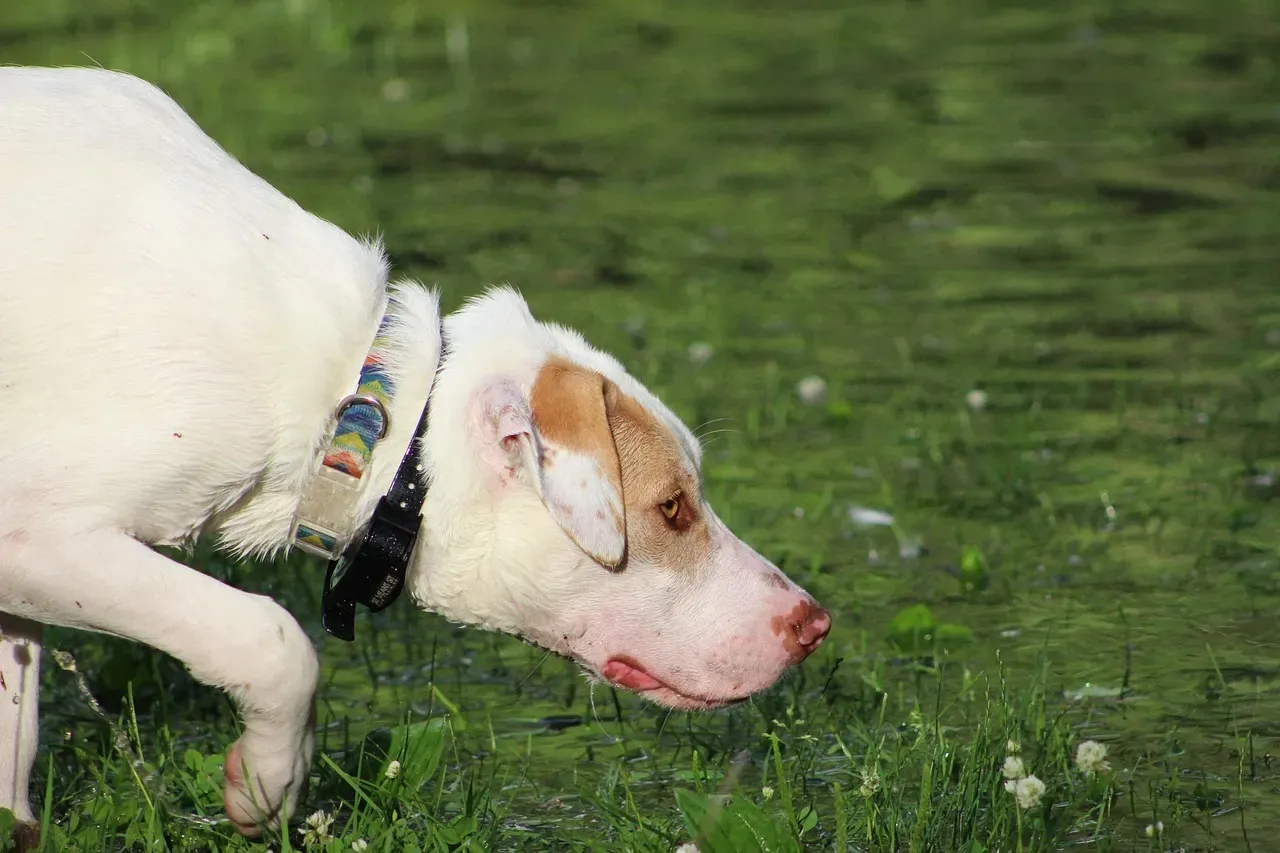
This is not a metaphor. In carefully designed experiments, researchers literally collected sweat from human volunteers in different emotional states – for example, while calmly watching neutral videos versus while watching something that reliably induces fear. Those sweat samples were then presented to dogs in a lab setting under controlled conditions.
What happened next was not subtle. Dogs who sniffed the sweat from fearful humans showed more stress-related behaviors: increased heart rate, more frequent looking to their owners for reassurance, pacing, and body language that trainers would instantly label as uneasy. When those same dogs were exposed to sweat from calm humans, their reactions were notably less tense and more relaxed. The only thing that changed was the scent.
How Dogs Turn Smell Into Emotional Information
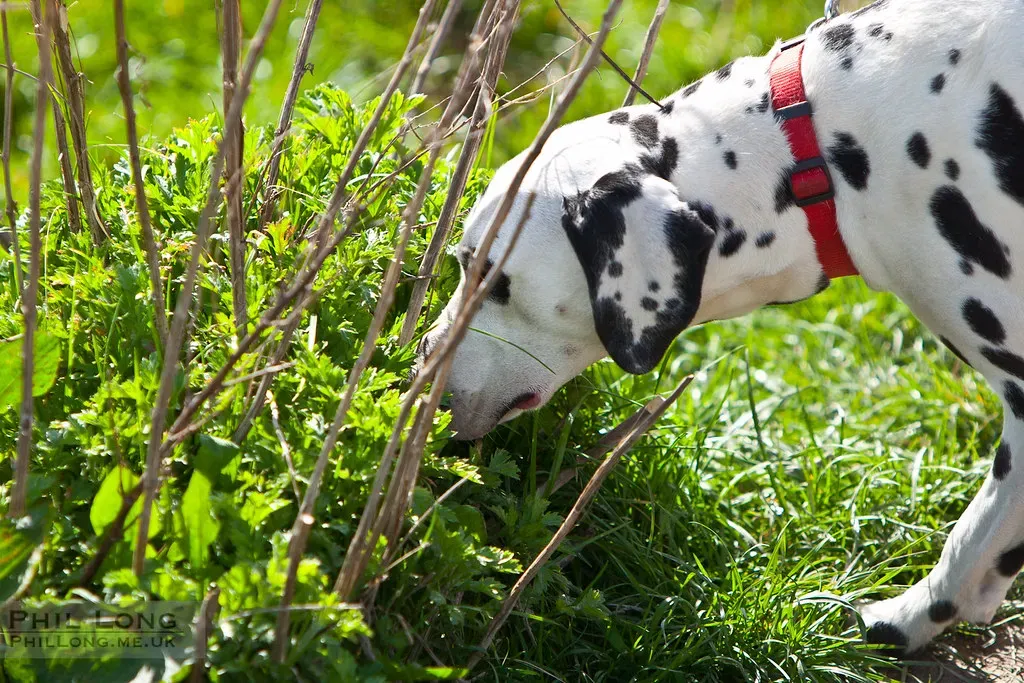
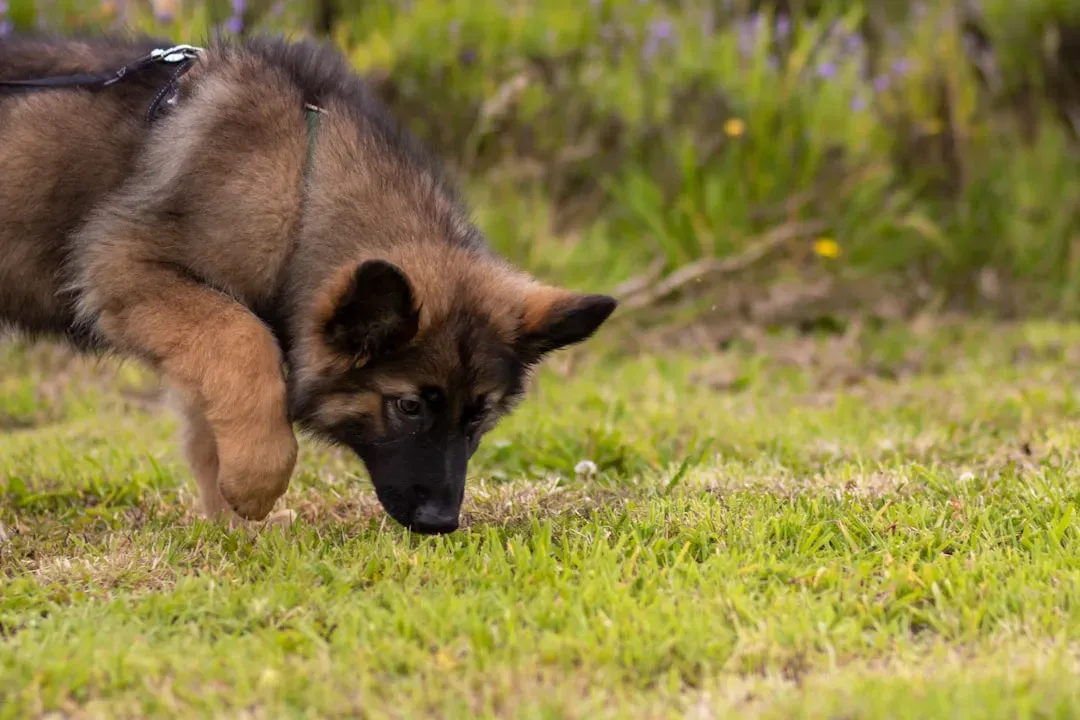
To understand why this makes sense, it helps to remember that dogs live in a smell-first world. Where we lead with our eyes, dogs lead with their noses. They have up to many tens of times more scent receptors than humans and a specialized brain architecture dedicated to processing odors in incredible detail. Smell, for them, is not just about finding food or tracking squirrels; it is how they build a map of reality.
Our bodies release complex mixtures of chemical compounds when we experience strong emotions like fear, stress, or excitement. Dogs appear to use these volatile chemicals like an emotional language. When a dog inhales the scent of fear, its brain does not just log “different smell” – it seems to interpret it as information about the environment: something is wrong, someone is scared, maybe there is danger. That interpretation then shows up in the dog’s own emotional state and behavior.
Stress Signals on Four Legs: What Dogs Do When They Smell Fear
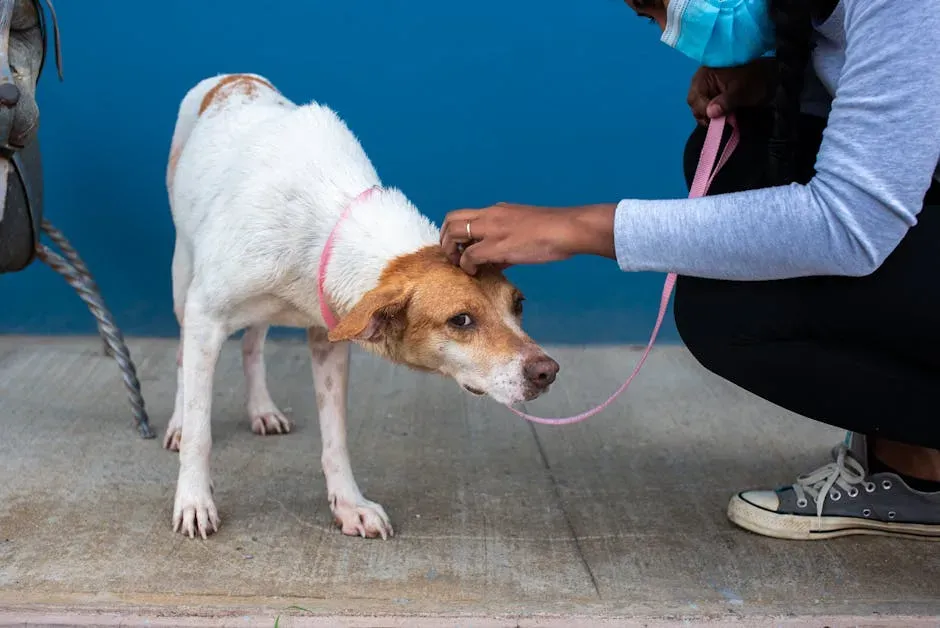
In the lab, the behavioral changes in dogs exposed to fearful human sweat are often quite specific. Many dogs become more clingy toward their owner, seeking contact or reassurance. Others show classic anxiety signals: tail tucked slightly, ears pulled back, increased panting, yawning that is not about being tired, or scanning the room as if trying to locate a threat they cannot quite see.
Physiological markers back this up. In several studies, dogs’ heart rates increased and their stress-related arousal went up when they sniffed fear-related samples compared with calm ones. Their overall body posture shifted toward a more vigilant, cautious stance. These are the kinds of responses you would expect if a dog had just heard a loud bang or seen a sudden, startling movement – except here, the trigger is nothing but the invisible chemicals riding on a cotton pad.
Why This Matters for Your Relationship With Your Dog

If emotions can travel from you to your dog through scent, your relationship is even more intimate than most people realize. Your dog is not just reacting to your tone of voice or your body language; they may literally be breathing in your internal state. That means your bad day at work, your anxiety before a medical appointment, or your nerves before a big presentation might quietly ripple into your dog’s nervous system.
This does not mean you have to be perfectly calm all the time for the sake of your pet – that is impossible and unfair. But it does mean that when your dog seems on edge for “no reason,” your own stress might be part of the story. Building self-awareness around your emotional state, and intentionally calming yourself before asking your dog to cope with something challenging, is not just good for you; it is a gift you are giving to them as well.
Beyond Fear: Can Dogs Smell Our Joy, Too?
Fear has been a major focus because it is easier to trigger in a lab setting and it is closely tied to survival. But researchers have also looked at sweat collected when humans watched genuinely happy or amusing videos. Interestingly, dogs exposed to sweat from joyful humans often show more exploratory, relaxed, or socially engaged behaviors compared with those smelling fear-related samples.
The evidence here is still emerging, and it is more complex than a simple “happy sweat equals happy dog” equation. However, the overall pattern suggests dogs are not just keyed into negative emotions; they may also pick up on positive states. If that holds up as research grows, then your dog might not only be sharing your stress, but also catching little chemical echoes of your laughter and relief.
The Science Is Cool – But Let’s Not Turn It Into Magic
As tempting as it is to say dogs can “smell your soul,” the reality is more grounded and, in my opinion, more fascinating. We are dealing with biology, not mysticism. Human bodies release complex scent signatures based on hormones, metabolism, and nervous system activity. Dogs, with their extraordinary olfactory abilities, simply read those signatures far better than we do.
At the same time, scent is only one piece of the puzzle. Dogs also pick up on our posture, micro-movements, facial expressions, voice tone, and even changes in routine. The sweat experiments show that scent alone is powerful enough to shift a dog’s behavior, but in real life, your dog is blending that scent information with a thousand other tiny clues about how you are doing. That mix is what makes them feel almost supernaturally attuned.
Practical Takeaways: Helping Sensitive Dogs in a Scent-Shaped World
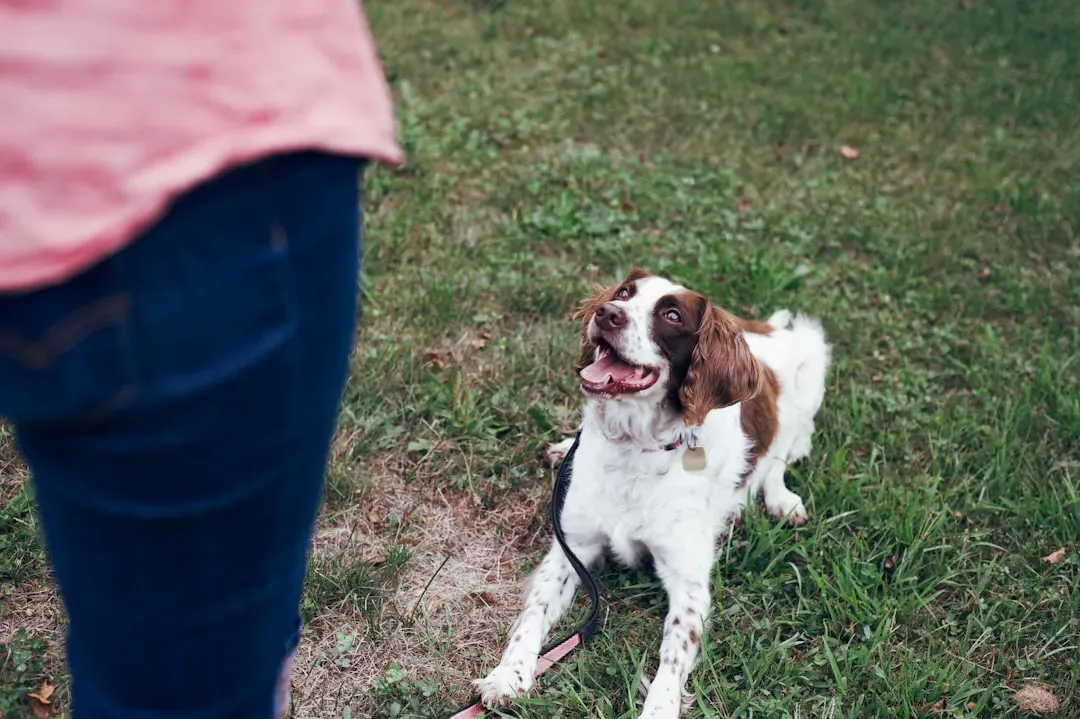
Once you accept that your emotional scent may influence your dog, daily life starts to look a bit different. Before introducing your dog to a stressful situation – a vet visit, a crowded event, a stormy night – it can help to check in with yourself. Are you already tense and braced for disaster? Taking a few minutes to breathe, talk casually, or even play a short game with your dog can break the cycle of shared stress.
You can also design calmer contexts around tough experiences. Bringing familiar bedding or toys that smell like home to the vet, keeping your own body language loose and casual, and avoiding frantic rushing all help soften the emotional scent you are projecting. Over time, sensitive dogs can learn that not every whiff of human tension means danger; it might just mean their favorite person has big feelings today – and that everything will still be okay.
Conclusion: Your Dog Is Not Just Reading You – They Are Feeling With You
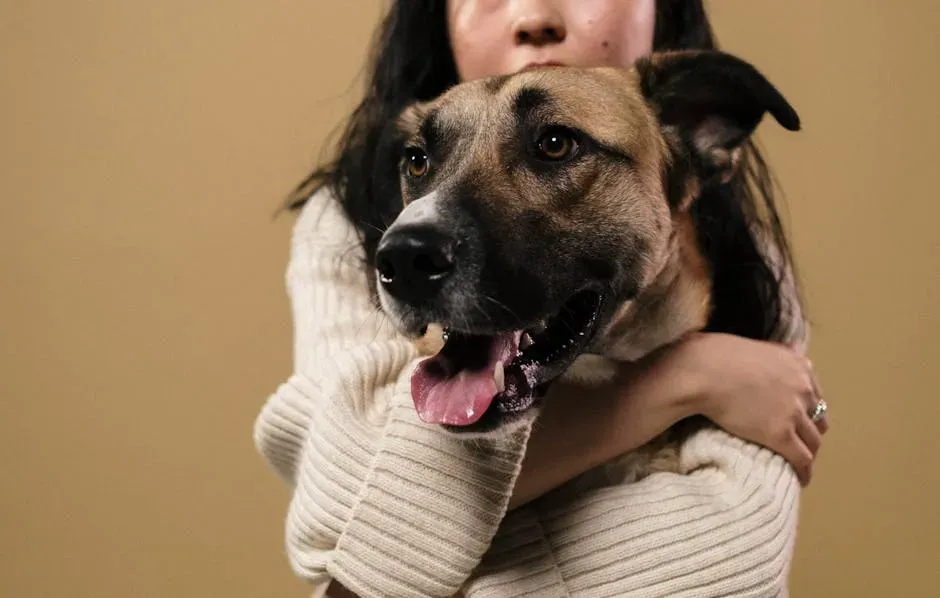
To me, the most striking part of this research is not the fear sweat itself, but what it reveals about the bond between humans and dogs. When dogs exposed to the scent of fearful humans show more stress behaviors, it suggests they are not just observers of our inner lives; they are participants. Our emotions leak into the air, and their nervous systems quietly reply, as if saying: if you are worried, I will worry with you.
That is a huge responsibility, but also a strangely beautiful one. It means that when you work on calming your own storms, you are also making your dog’s world safer and softer. And it means that the next time your dog curls up close on a hard day, they may be doing more than offering comfort – they might be riding the same emotional wave, nose first. Knowing that, what kind of emotional scent do you want to share with them from now on?