
7 Things That Only Happen Between a Dog and the One Person They Have Chosen to Protect With Their Life
There’s “having a dog,” and then there’s being the person your dog would run through fire for. If you’ve ever felt those eyes tracking you from across the room, or that solid furry body sleeping pressed against your legs every single night, you know there’s a level of devotion that almost feels unreal. It’s not just cute; it’s ancient biology, deep emotional bonding, and years of shared routine all wrapped into one living, breathing shadow that just happens to have four paws.
Scientists can talk about attachment theory, oxytocin, and conditioned responses, and they’re not wrong. But when your dog steps in front of you when a stranger gets too close, or refuses to leave your side when you’re sick, it feels a lot bigger than data. It feels like a promise. Let’s dig into what actually changes when a dog quietly decides: “You. You’re my person. I’ve got you, no matter what.”
1. The Protective Bubble: Your Space Becomes Sacred Territory
When a dog chooses you as their priority to protect, the world around you subtly changes. Watch their body language the next time someone approaches you: they might shift their body between you and the person, stand a little taller, tighten their mouth, or pause their sniffing to assess the situation. It can look casual, but that quiet positioning is often a deliberate act, like a living shield that constantly recalibrates around you.
Many guardians first notice this on walks: the dog moves to the traffic side of the sidewalk, slows down near unknown people, or sits closer when someone stops to chat. It’s not always dramatic barking or lunging; in fact, in well-balanced dogs it’s usually the opposite. They create a calm, invisible bubble around you, watching who enters it and how. It’s like you’re walking around in a moving force field only they can see.
2. Hyper-Awareness of Your Emotional Weather
Dogs are insanely tuned in to human emotion, but the person they’ve chosen to protect becomes their main emotional radar. They watch your face, track your tone of voice, and notice even tiny changes in how you move. You might think you’re hiding your anxiety or sadness pretty well, yet your dog suddenly glues themselves to your side, follows you from room to room, or settles at your feet with a kind of heavy, deliberate presence.
This isn’t magic; dogs are experts in reading patterns, and you are their favorite subject. Over time, they learn that certain cues in your posture, breathing, or habits mean “something’s off.” For the one person they’d defend with their life, they don’t just notice it – they respond. That might mean quietly lying closer, refusing to go play in another room, or watching the door more intently, as if they’re telling the world: “My human isn’t okay today. We’re on higher alert.”
3. Strategic Positioning: They Always Know Where You Are
If you live with a truly bonded, protective dog, you’ll notice they rarely position themselves randomly. On the couch, they’re between you and the door. In bed, they might face the entrance, while still pressed against you. In public, they orient their body so they can see both you and any potential approach. It can look like clinginess from the outside, but there’s a quiet logic to where they choose to be.
This is where their ancient instincts show. In a pack, the most precious members – injured, young, or key leaders – are shielded. At home, that might look like your dog choosing to nap in the hallway instead of next to the window, because the hallway gives them line of sight to both you and the front door. It feels like garden-variety velcro behavior, but underneath is a tactical awareness: if something happens, they want a clear path to reach you first.
4. The “I Hear It Before You Do” Alarm System
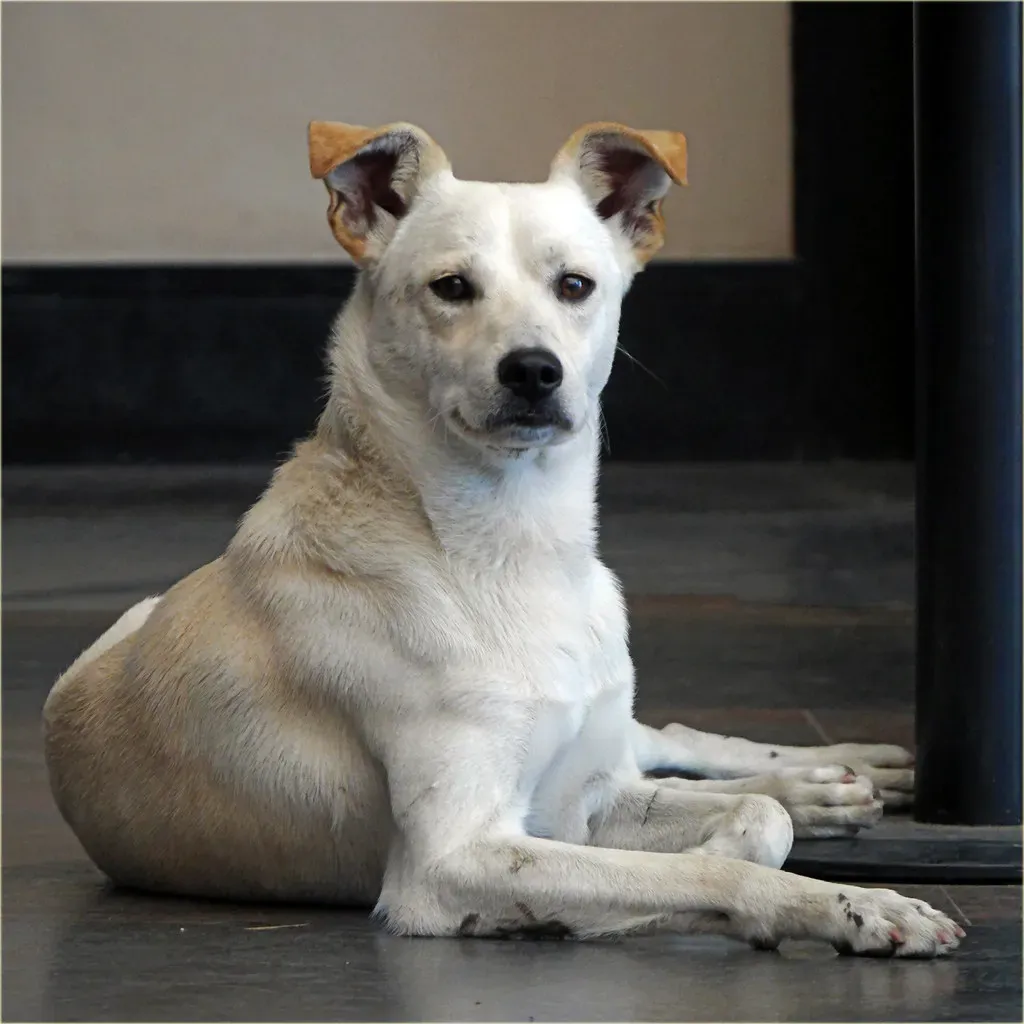
Dogs have sharper hearing and smell than we do, but when your dog has decided you are their main responsibility, their senses prioritize what might affect you. Maybe you’ve noticed your dog suddenly stiffen a few seconds before a knock at the door, long before you hear anything. Or they react to a car pulling into the driveway that sounds exactly like every other car – except it’s the one that matters for your household.
Over time, a deeply bonded dog builds a mental map of your life: who belongs, what’s normal, what’s suspicious. They’re not just reacting to random noises; they’re filtering input through one question: “Does this affect my person?” When the answer is yes, the alert levels shift. That can mean a single low woof for a familiar delivery driver, or a full-body, on-your-feet reaction for someone unexpected near the house. To you, it looks like intuition. To them, it’s just doing their job.
5. Ignoring Their Own Discomfort to Stay on Duty
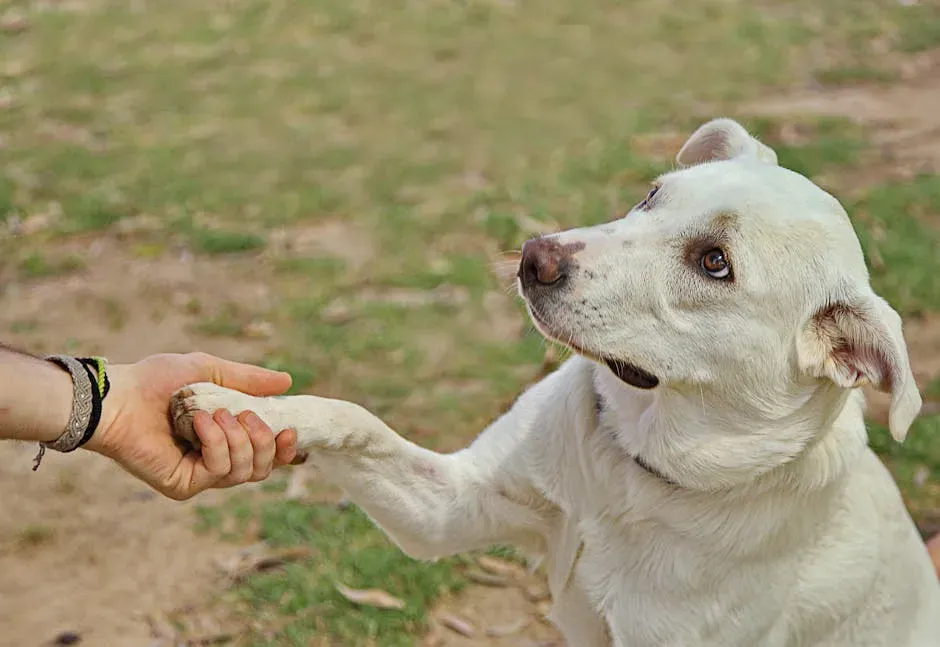
One of the clearest signs a dog has locked in on you as their protected person is when they prioritize you over their own comfort, sometimes in ways that are honestly humbling. They’ll stay in a hot room because you’re there instead of going to a cooler spot. They’ll hold their bladder longer on a road trip because you seem stressed and distracted. They’ll skip investigating an interesting noise outside because you sound upset on the phone.
I’ve seen this in my own dog: she loves her bed, but if I’m sick on the couch, she won’t leave, even when I know she’d be more comfortable somewhere else. That kind of self-imposed “on call” behavior doesn’t usually show up for everyone in the household. It’s reserved for the person who matters most, the one whose well-being feels like a mission. It’s heartwarming, but also a big reminder: being someone’s chosen human comes with a responsibility to protect them back, including from burnout and stress.
6. The “Permission Check” Before Engaging With the World
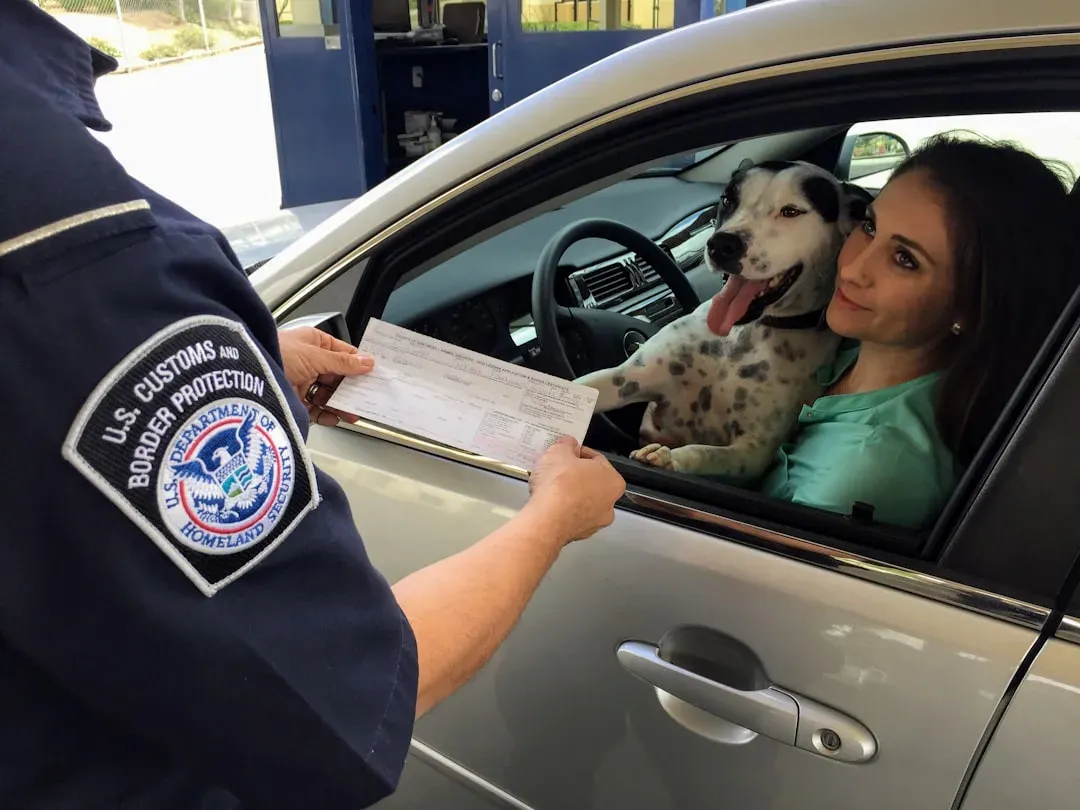
Protective, bonded dogs often develop a habit of glancing back at their chosen person for subtle permission before interacting with something new. A stranger holds out a hand, another dog approaches, a child squeals nearby – you’ll see that quick eye flick toward you, as if they’re asking, “Is this safe? Are we okay with this?” That micro-check doesn’t usually show up as strongly for other people in the home.
This behavior creates a quiet feedback loop. You give calm, consistent signals; they learn that they can trust your judgment, and their protective drive channels into cooperation instead of overreaction. Over time, the world becomes something the two of you manage together. It stops being just “dog versus threat” and becomes “team versus whatever’s out there,” which is a very different, much healthier kind of protection.
7. Choosing You Over Excitement, Every Single Time
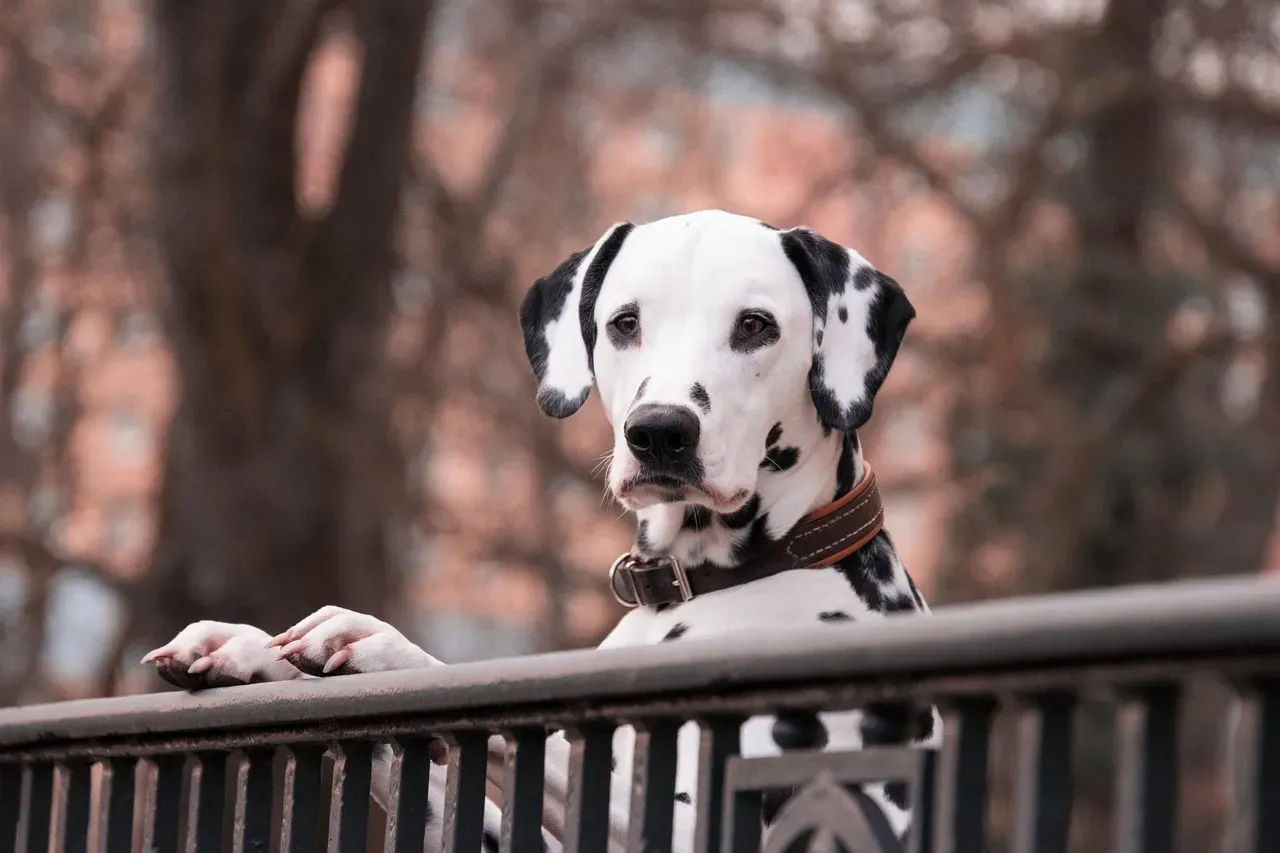
Most dogs love fun – other dogs, interesting smells, food, random chaos. But the dog who has truly decided to protect you will, in key moments, choose you over all of that. They’ll cut a play session short to follow you when you walk away. They’ll break off from an exciting smell on a trail because you called once. In a crowded, stimulating space, that dog always knows exactly where you are, and will come back to you like a magnet snapping home.
That recall, that constant checking in, is about more than training. Yes, good training matters. But there’s also a layer of loyalty that you can’t force. The dog that’s chosen you views distance from you as risk, and closeness to you as safety and purpose. It’s why some of the most powerful protective gestures are quiet: not the dramatic bark at a stranger, but the soft decision to stand at your side instead of chasing after something more fun.
Conclusion: Being Someone’s Chosen Human Is a Responsibility, Not a Trophy
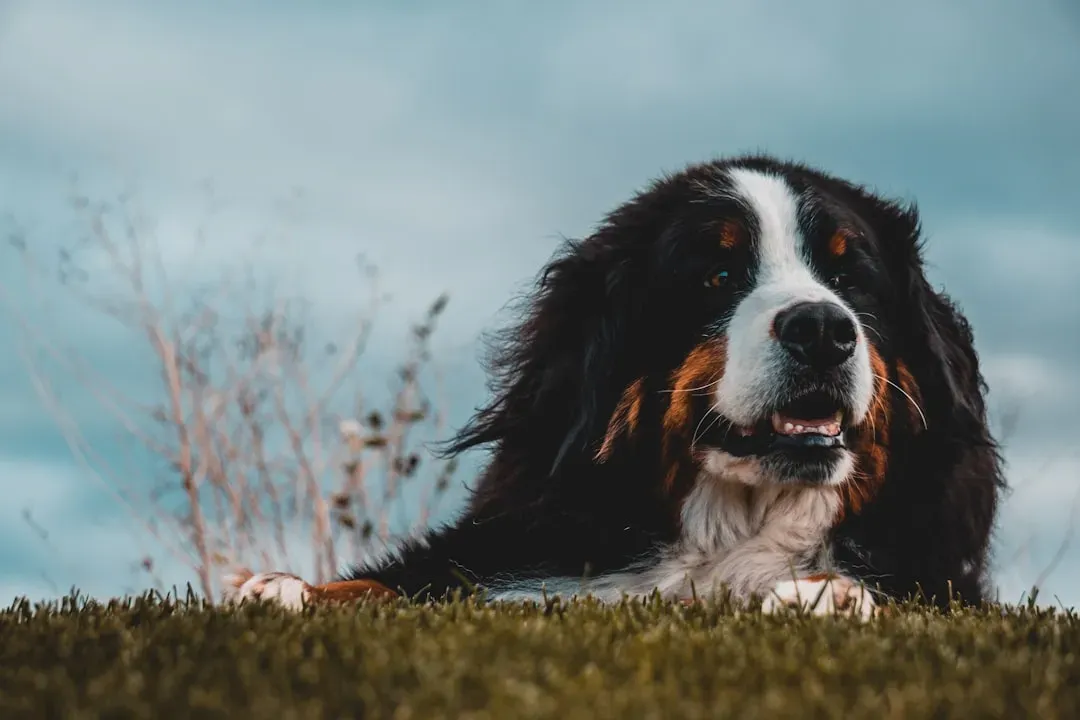
When a dog decides you are the one they’d protect with their life, it feels flattering – and it should. But it’s also weighty. That level of trust and devotion isn’t something we’re owed just because we feed them; it’s something we earn, then shape, and hopefully honor. A dog who lives in constant “duty mode” without good guidance or a sense of safety can become anxious or overprotective, which is stressful for both of you.
In my view, the real magic is not just that they would stand between you and danger, but that you choose to stand between them and a confusing, often overwhelming human world. You give them structure, security, and clarity so their loyalty can feel calm instead of frantic. That’s the quiet promise on both sides: I’ll keep you safe, and you’ll keep me safe, in the ways we each know how. When you look at your dog tonight, tail twitching in their sleep, it’s worth asking yourself: they’ve chosen me – am I living up to that choice?