
15 Dog Breeds That Are So Emotionally Sensitive They Should Come With a Warning Label for New Owners
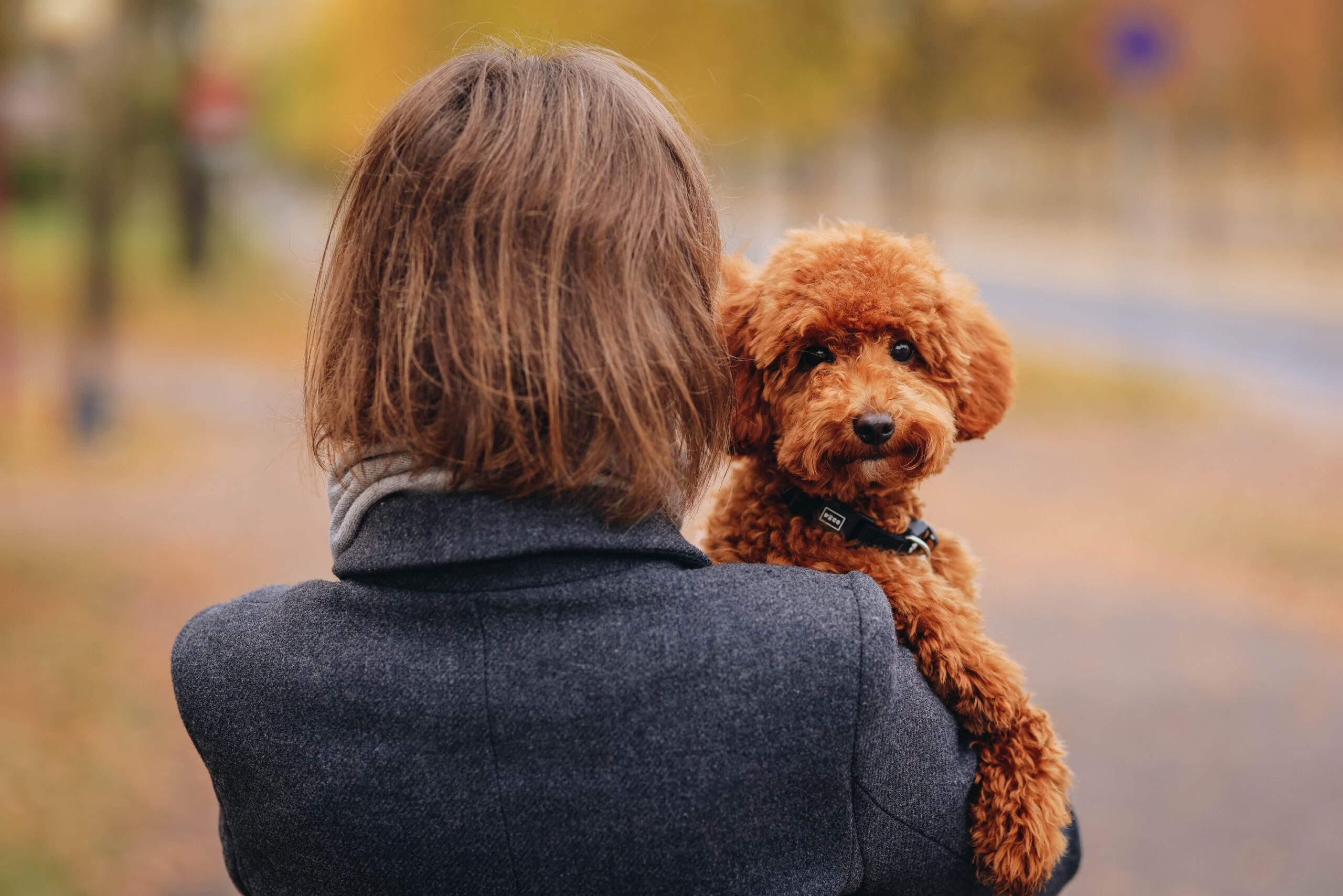
If you think all dogs just bounce back from anything with a wag and a sniff, sensitive breeds will prove you very wrong. Some dogs feel everything: your mood, the tension in a room, even that tiny change in your daily routine. For the right person, that emotional depth is magical. For the wrong person, it can turn into stress, confusion, and a very anxious pup.
This list is not about “strong” or “weak” dogs. It is about breeds whose emotional radar is cranked all the way up, often because of the jobs humans originally bred them for. These dogs can be clingy, dramatic, deeply loyal, and sometimes heartbreakingly insecure. If you’re thinking of bringing one home, you should know what you’re signing up for – so let’s talk about the canine feelers of the dog world.
1. Border Collie: The Genius Who Overthinks Everything
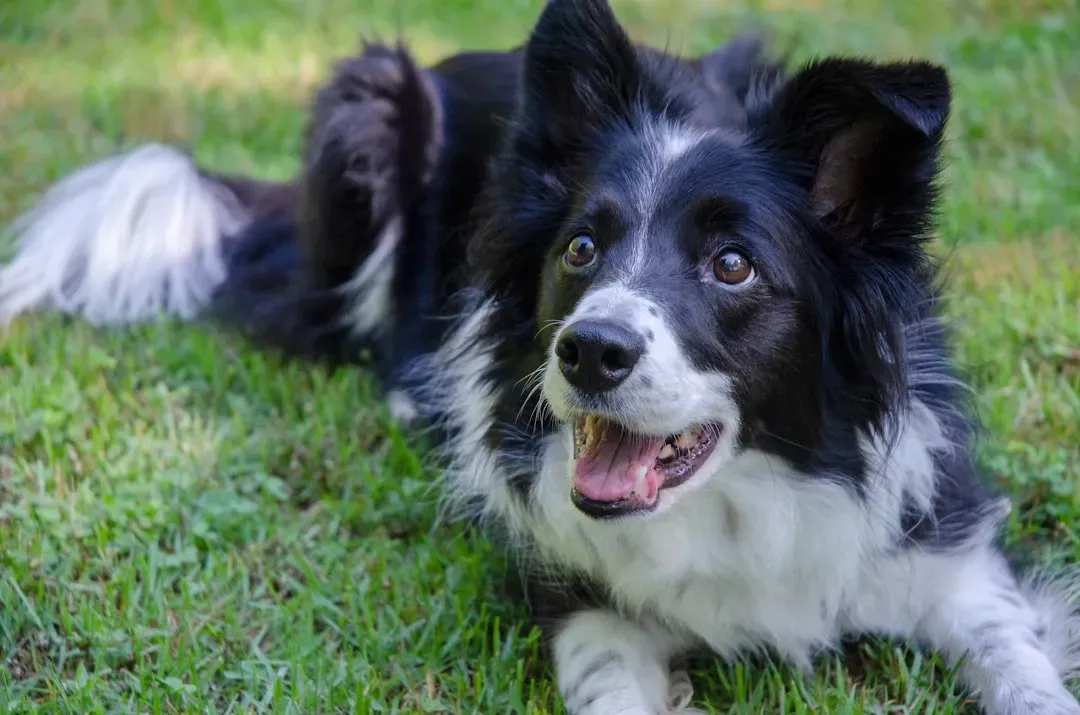
Border Collies are often called the smartest of all dog breeds, and that big brain comes with serious emotional complexity. They were bred to watch sheep, read subtle cues, and make decisions all day long, so they’re wired to constantly scan, analyze, and anticipate. That means they don’t just notice how you feel; they obsess over it, and a tense household can easily turn into a tense dog.
Because they’re so tuned in, Border Collies can become anxious or frustrated if they don’t have enough mental and physical work. I’ve seen one become visibly unsettled just because the family moved a couch and no one “explained” the change. They thrive with structure, clear communication, and a job to do. In a chaotic home with little time for training or exercise, this breed can quickly slip into nervy, neurotic behavior that’s tough for new owners to handle.
2. Labrador Retriever: The Golden Heart That Takes Everything Personally
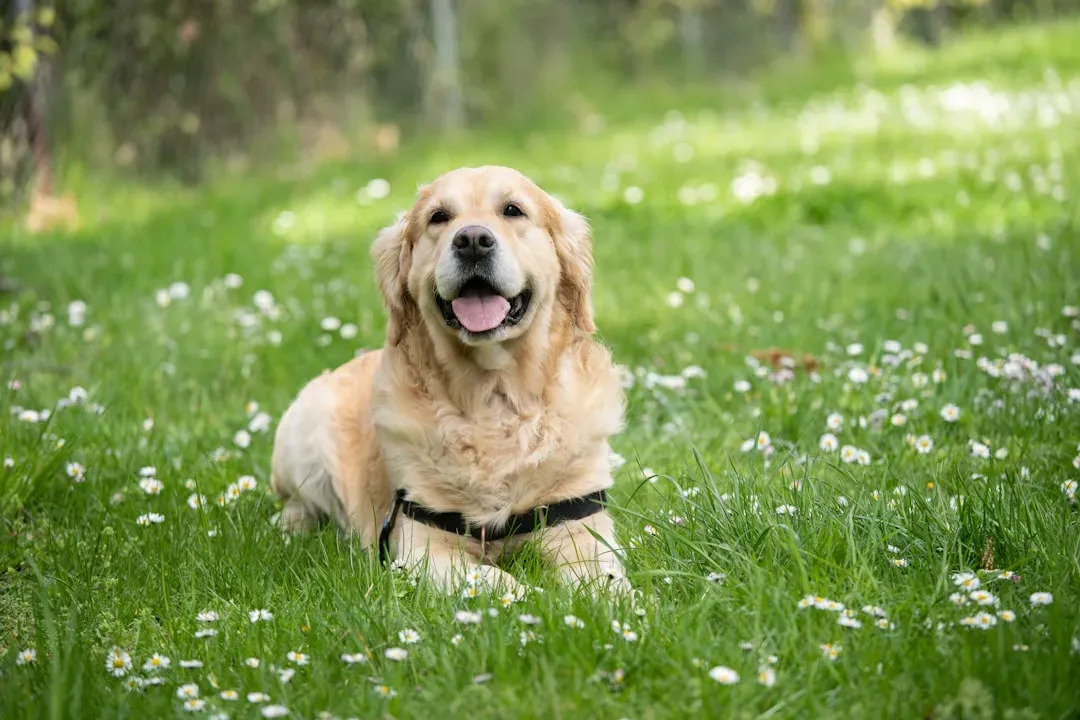
Labradors have a reputation as easygoing family dogs, but emotionally they’re often big softies. Many Labs are incredibly people-oriented and deeply affected by how their humans treat them. A harsh tone of voice or inconsistent rules can genuinely upset them, even if they try to cover it with goofy energy and tail wags.
They were bred to work closely with hunters and retrieve game, which means staying in tune with a handler and wanting to please. That desire to do the right thing can make them crumble a bit when they feel they’ve disappointed you. They’re usually resilient if raised with kindness, but new owners who think “tough love” training is the way to go may accidentally create a dog that’s anxious, overexcited, or clingy instead of confident and relaxed.
3. Golden Retriever: The Empath Who Absorbs Your Mood
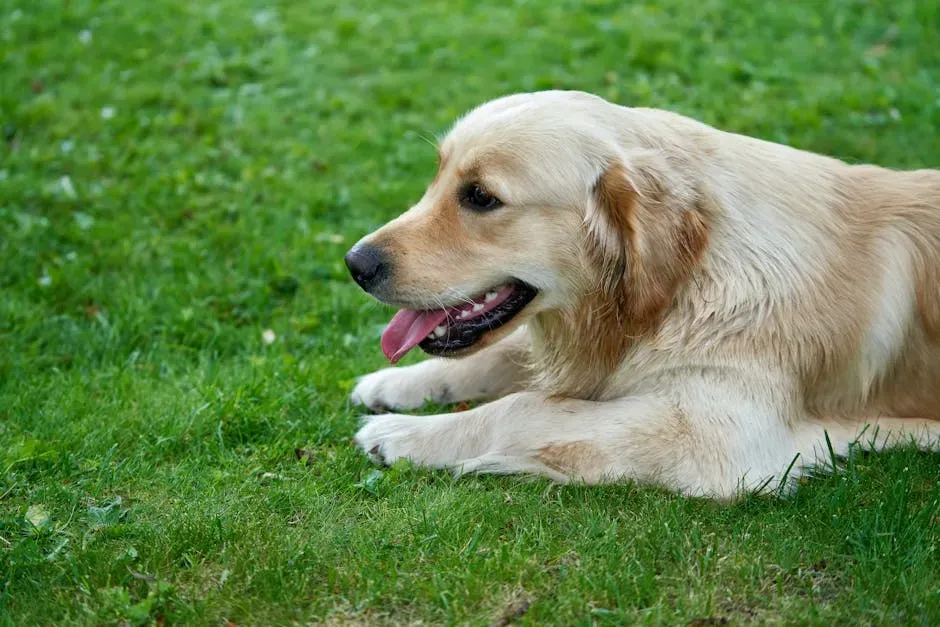
Golden Retrievers almost seem designed to be emotional support animals. Many Goldens mirror their owner’s mood so closely that if you’re having a bad day, they go from bouncy sunshine to quiet concern in seconds. They were bred as hunting companions and later became popular therapy and assistance dogs, which reinforced their responsiveness to human emotions.
This sensitivity is beautiful but also a double-edged sword. Goldens can become stressed by constant arguments, yelling, or very unpredictable environments. They may shut down, become clingier, or develop anxious habits like pacing or licking. They do best in homes where affection is abundant, routines are reasonably stable, and people understand that punishment-heavy training can really bruise this breed’s emotional world.
4. Cavalier King Charles Spaniel: The Velcro Soulmate

The Cavalier King Charles Spaniel was literally bred to be a lapdog for royalty, and they still believe that is their full-time job. Many Cavaliers want near-constant contact with their favorite people; they’ll follow you from room to room, watch you like you hung the moon, and panic a bit when that connection is suddenly broken. For someone who wants a shadow, it’s wonderful. For someone who values independence, it can feel overwhelming.
Because they are so people-focused, Cavaliers are especially prone to separation-related anxiety. Long hours alone, sudden changes, or inconsistent attention can really rattle them. They thrive in homes where someone is around most of the time, where affection flows freely, and where gentle, positive training is the norm. If you want a dog you can ignore, this is absolutely not the breed for you.
5. German Shepherd: The Hyper-Vigilant Guardian With a Soft Core
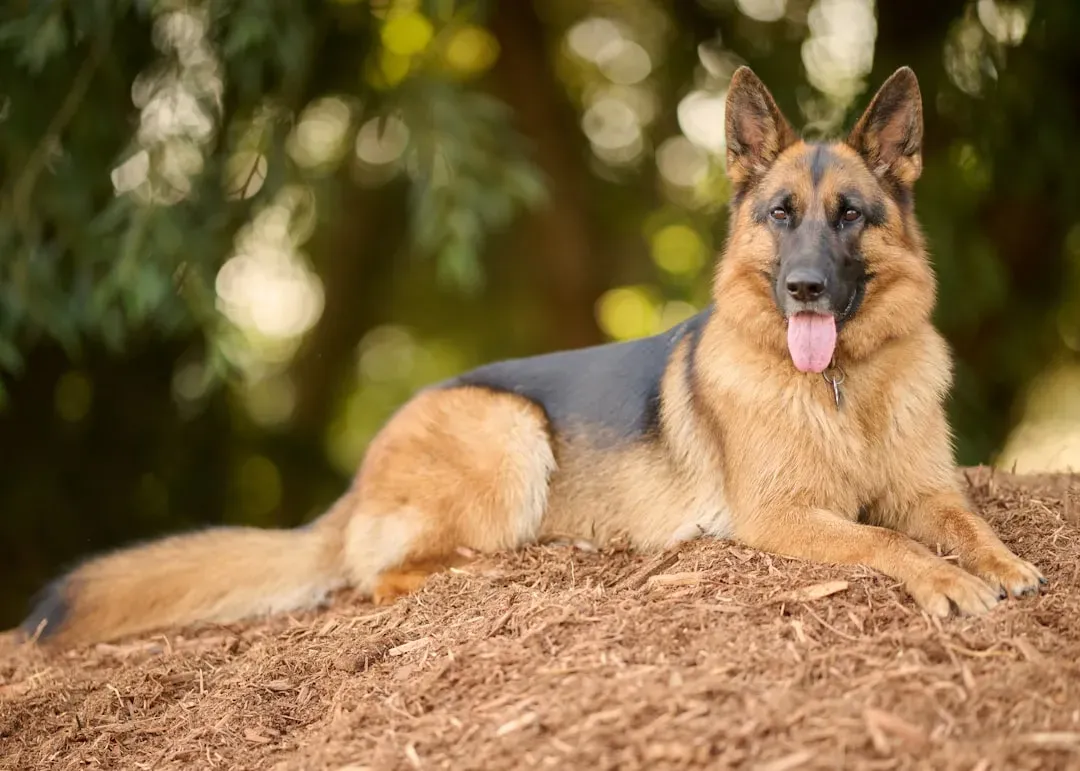
German Shepherds often look tough and imposing, but emotionally, many are surprisingly sensitive. They were bred as herding and protection dogs, which means they’re always on duty, watching everything and everyone. That high vigilance can blend into anxiety if they feel confused about what’s expected or if their environment constantly feels out of control.
These dogs tend to bond strongly to one or two people and can take perceived rejection or inconsistent treatment very seriously. Owners who are harsh, unpredictable, or unclear in training may end up with a dog that is not only reactive but internally stressed all the time. When handled with fairness, structure, and calm leadership, a German Shepherd’s sensitivity becomes a strength – they become stable, deeply devoted companions who take their role in your life very seriously.
6. Shetland Sheepdog: The Shy Perfectionist
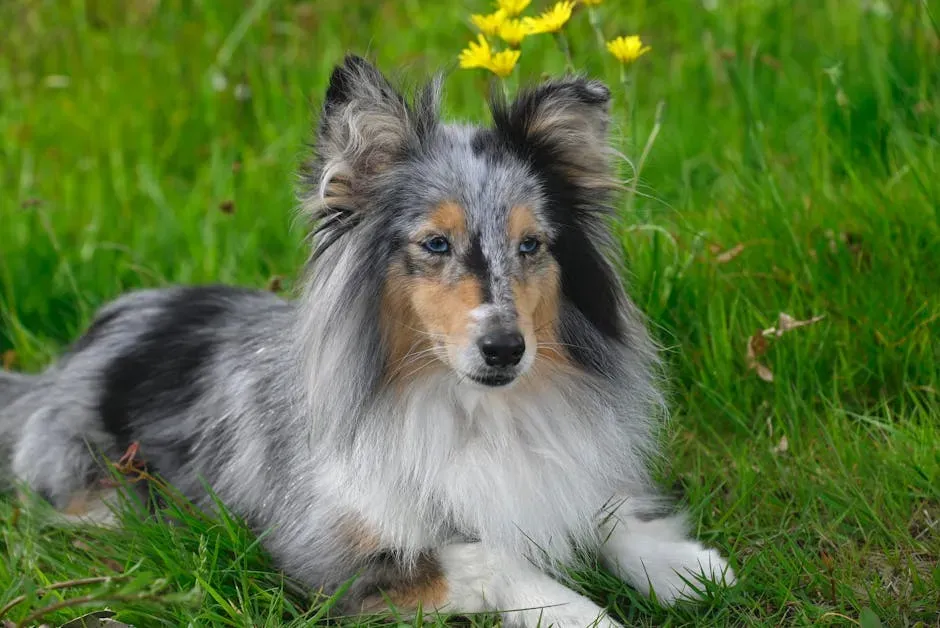
Shetland Sheepdogs, or Shelties, look like mini Collies and are every bit as tuned in to their surroundings. They were developed to herd on small farms, which required a mix of independence and responsiveness. Today, that often shows up as a dog that notices every sound, every expression, and every inconsistency in your behavior. Loud voices, sudden movements, or chaotic living situations can really rattle them.
Many Shelties are naturally sensitive to correction and want badly to “get it right.” A stern scolding can echo in their minds far longer than you’d expect. In the right home – quiet, patient, and reassuring – their sensitivity becomes a gift. They can be incredibly responsive, eager to learn, and emotionally in sync, but they need owners who treat their feelings as real and not as quirks to be ignored.
7. Italian Greyhound: The Tiny Drama Artist

Italian Greyhounds are small, elegant, and often hilariously dramatic. This is the dog that might tremble if you sigh too loudly or give you wounded eyes if your attention shifts away for more than a minute. Historically, they were companions for nobility, and they still act like they belong on a soft pillow in the center of your world. Their emotional sensitivity often comes packaged with physical sensitivity to cold and discomfort, which can amplify their reactions.
Because they feel things so intensely, Italian Greyhounds can be prone to anxiety, especially in loud households or around rough handling. They tend to respond best to calm routines, soft voices, and a lot of reassurance. For new owners expecting a “tough little dog” who can handle anything, the contrast can be shocking. But for someone who wants a fragile, affectionate, couch-loving soul who will read your every mood, that sensitivity is precisely the charm.
8. Vizsla: The “Velcro” Hunting Dog

Vizslas were bred as close-working hunting companions, meant to stay right beside their humans all day. That history shows in their modern nickname: “velcro dogs.” They often do not just like being near you; they seem to need it. Being pushed away, left alone for long periods, or confined with little interaction can feel emotionally devastating to them in a way some more independent breeds would shrug off.
This intense attachment can turn into separation anxiety if not managed thoughtfully. New owners sometimes underestimate how much time and emotional presence a Vizsla requires. When given enough exercise, mental stimulation, and affection, they become incredibly devoted, enthusiastic partners in life. But if you want a low-maintenance dog who’s content to chill alone all day, their emotional sensitivity will quickly feel like a “warning label” you missed.
9. Australian Shepherd: The Control Freak With Feelings
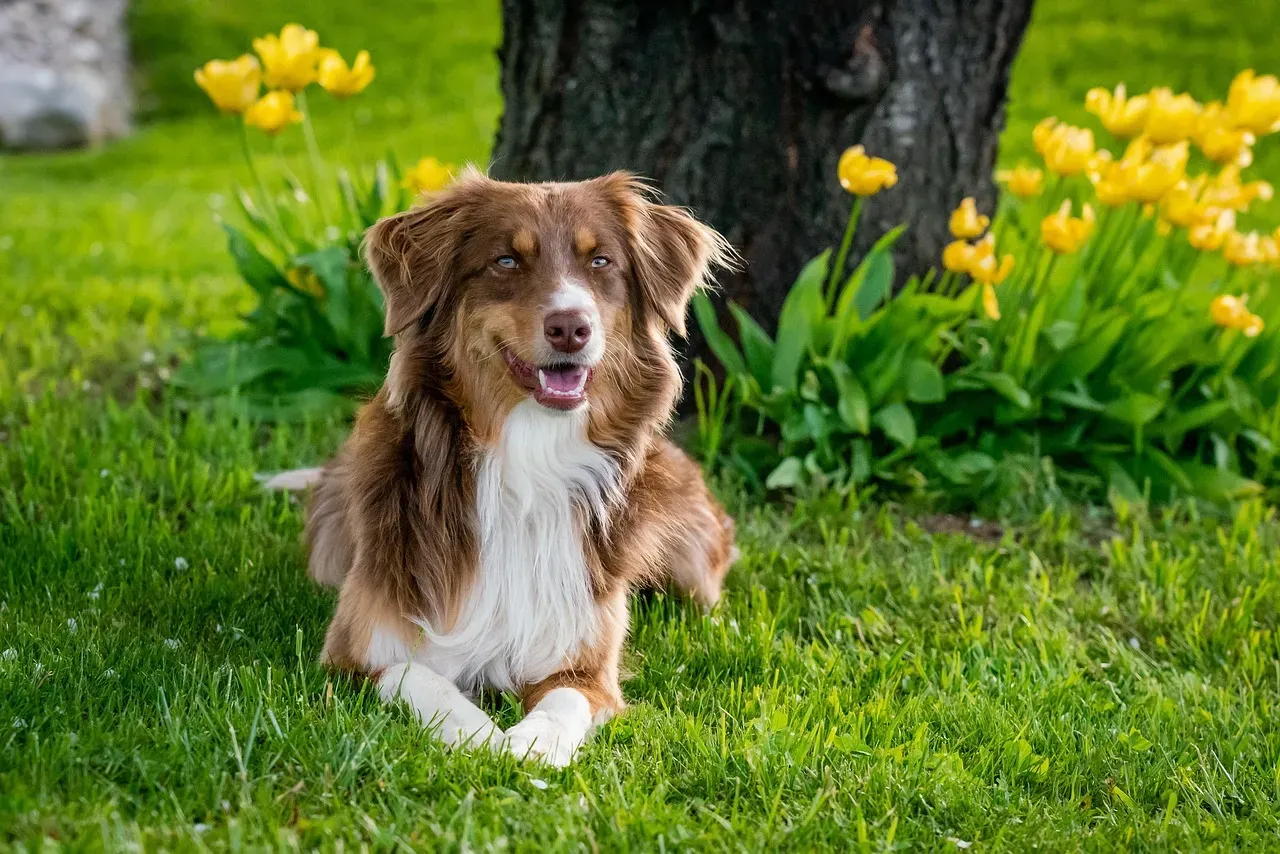
Australian Shepherds are high-drive working dogs with big brains and equally big feelings. They were created to manage livestock, often in challenging environments, and that required intense focus and responsiveness to subtle signals. Today, that translates into a dog that not only notices everything but also wants to organize it, predict it, and sometimes control it. When life feels unpredictable, they often respond with anxiety or hyperactivity.
Because they are so attuned to their environment and their people, Aussie Shepherds can become stressed in homes without structure. Yelling, rough handling, or wildly inconsistent expectations can create a dog that is both emotionally frayed and behaviorally explosive. With patient owners who provide routine, clear training, and plenty of brain work, their sensitivity becomes an incredible asset – they read you like a book and seem to know what you want before you even say it.
10. Cocker Spaniel: The Gentle Heart Easily Bruised

Cocker Spaniels were bred as hunting dogs but became beloved family companions, and that shift emphasized their sweet, people-pleasing nature. Many Cockers are deeply affected by the tone of your voice and the emotional climate of the household. They can become withdrawn, clingy, or nervous if there’s frequent conflict or if they feel like they’re constantly “in trouble.”
They often do poorly with heavy-handed training or loud, chaotic living situations. Their sensitivity can show up as fearfulness, resource guarding, or over-the-top appeasement behaviors if they feel insecure. In contrast, in calm, affectionate, patient homes where boundaries are clear but kind, Cocker Spaniels can blossom into incredibly loving dogs who seem to sense when you need quiet comfort or playful distraction.
11. Poodle (Standard and Miniature): The Intelligent Emotional Mirror
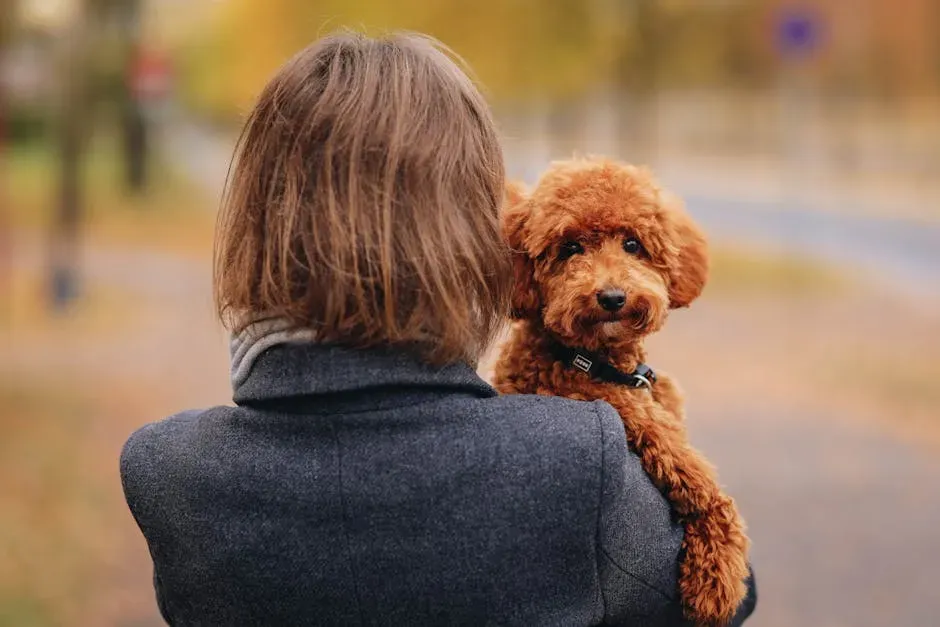
Poodles are among the most intelligent breeds, and with that intelligence comes a strong emotional awareness. They tend to study their humans closely, not just to learn commands but to read moods. A tense household, inconsistent rules, or emotionally charged environments can quickly show up in a Poodle’s behavior as anxiety, restlessness, or odd little coping rituals.
Because they catch on quickly, Poodles are especially responsive to how you train them. Positive, reward-based approaches build their confidence, while harsh methods can leave lasting emotional marks. New owners are sometimes surprised that a dog that looks so fancy and composed can be so deeply affected by being yelled at once. When treated like thinking, feeling partners, they offer a unique mix of sensitivity, humor, and emotional presence that feels almost human.
12. Bichon Frise: The Cheerful Companion Who Hates Rejection
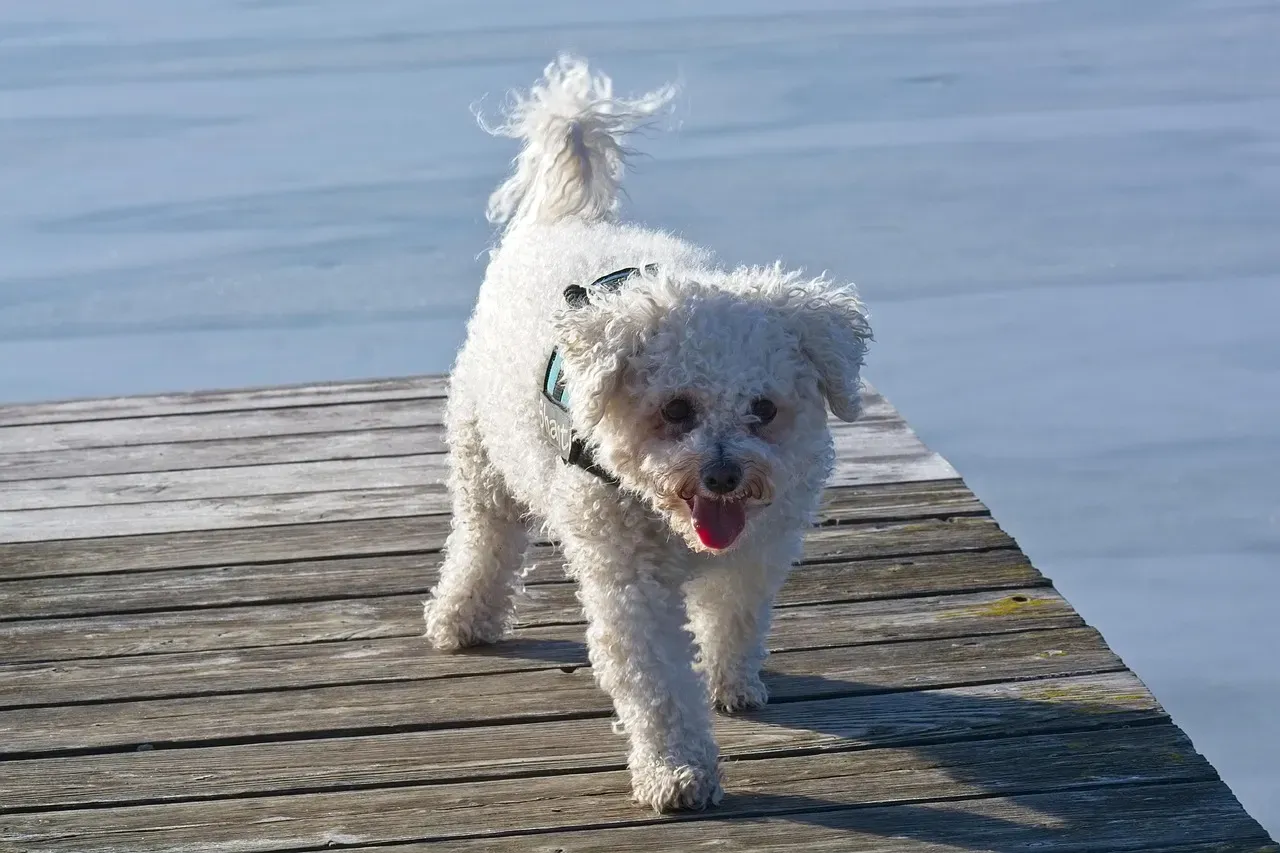
Bichon Frises were bred primarily as companion dogs, often living close to people in relatively comfortable settings. That history shaped them into dogs who generally expect to be included, noticed, and loved on a regular basis. When they are ignored, scolded harshly, or left alone for long stretches, many Bichons do not just get bored – they get upset.
This upset can appear as vocalizing, house-soiling, or clingy behavior once you return. They are often especially sensitive to the social atmosphere around them; a happy, relaxed home tends to produce a bubbly, confident Bichon, while a stressed home may produce a worried, attention-seeking one. New owners need to understand that this fluffy, toy-like dog is not an ornament – they are emotional little beings who feel rejection more deeply than their size suggests.
13. Dachshund: The Stubborn Softie

Dachshunds are known for being stubborn and bold, but underneath that big personality is often a surprisingly sensitive dog. Bred to hunt badgers and go into dark tunnels, they had to be independent and determined. Yet modern Dachshunds can become quite upset by harsh voices, tense environments, or being pushed too hard in training. They may respond by shutting down, pouting, or acting out with what looks like defiance but is often insecurity.
They form strong attachments to their primary person and may become jealous or anxious when that bond feels threatened. Yelling or physical punishment can damage trust with a Dachshund faster than some owners expect. When treated with patience, humor, and clear boundaries delivered kindly, their emotional sensitivity shows up as intense loyalty and a quirky, expressive way of communicating that keeps you constantly entertained.
14. Shih Tzu: The Sensitive Companion Hidden Behind a Calm Face
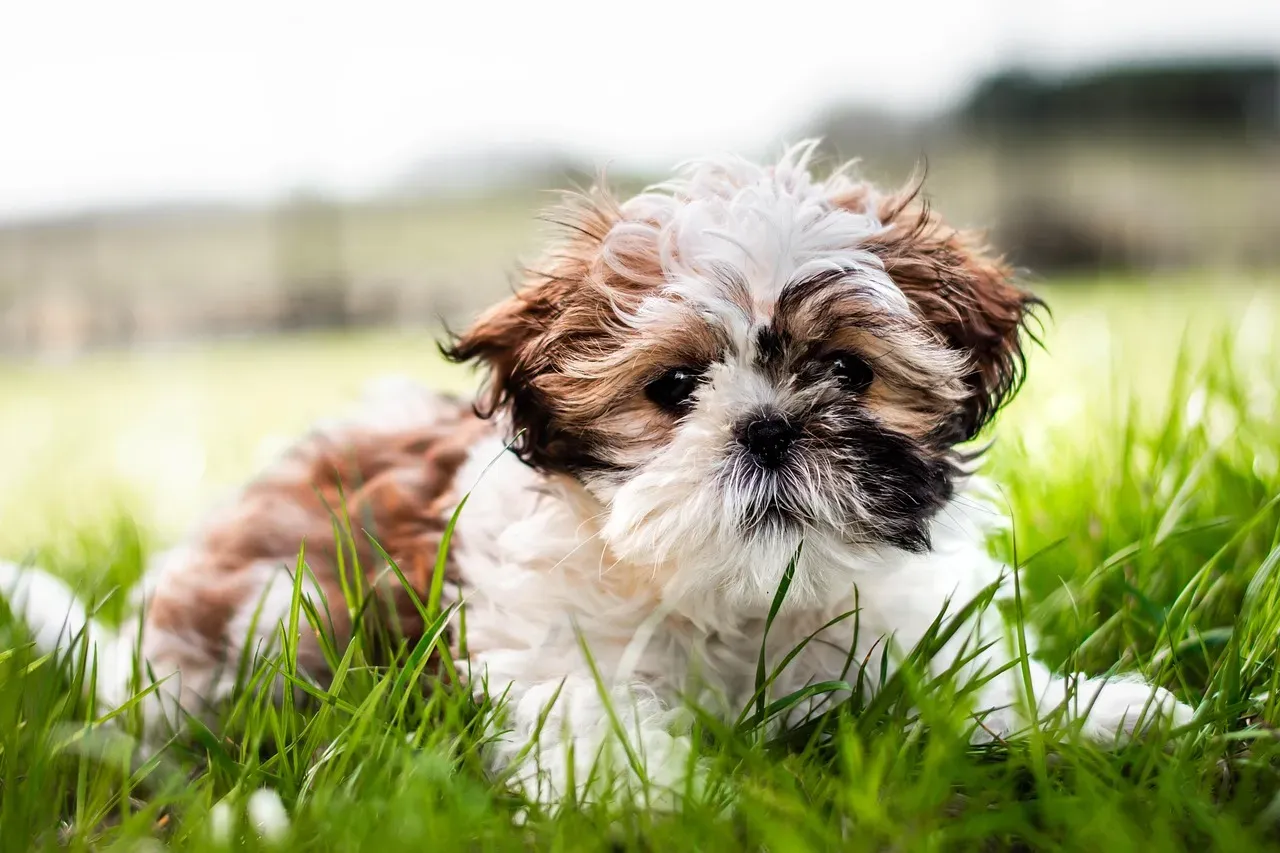
Shih Tzus were bred as companion dogs in royal courts, and that history still shapes their expectations today. They often appear calm and self-contained, but many are quietly very sensitive to how they are treated and how stable their routines are. Sudden changes, rough handling, or long periods of being ignored can make them anxious or moody, even if they don’t always show it in obvious ways.
Because they’re small and cute, people sometimes treat them like toys – passing them around, hugging them too tightly, or scolding them casually. That can wear on a Shih Tzu’s emotional resilience over time. In homes where they are respected as little individuals with feelings and given predictable, gentle care, they often become affectionate, trusting companions who flourish in their role as emotional sidekicks.
15. Belgian Malinois: The High-Drive Sensitive Specialist

The Belgian Malinois is often seen in police, military, and protection work, which makes some people assume they’re emotionally bulletproof. In reality, many Malinois are extremely sensitive to their handlers and environments. They were bred to work closely with humans under pressure, staying tuned to commands and subtle cues, so they often take mistakes and corrections very seriously. They can become reactive, anxious, or obsessive if handled without skill and emotional awareness.
For inexperienced owners, this breed’s combination of intensity and sensitivity can be a disaster. They need structure, mental work, and a handler who is firm but fair, never erratic or cruel. When their emotional needs are respected, they’re awe-inspiring partners – focused, driven, and deeply bonded. When they’re not, their sensitivity can morph into behavior problems that are far beyond what most new dog owners are prepared to handle.
Opinionated Conclusion: Sensitivity Is Not a Flaw, But It Is a Responsibility

Emotionally sensitive dog breeds are not broken, spoiled, or overly dramatic; they are simply wired to feel the world more intensely. That intensity can be breathtaking in the right hands – you get a dog who reads your mood, adapts to your life, and offers a depth of companionship that feels almost like a silent conversation. But it also means you do not get to be careless with your energy, your training, or the kind of home you create.
If anything, these breeds should come with a quiet warning: your feelings and your habits will shape this dog more than you expect. If you want a low-effort pet you can mostly ignore, choose a more independent breed and spare a sensitive dog a lifetime of confusion. But if you are willing to be emotionally present, reasonably stable, and genuinely kind, a sensitive dog will meet you there and then some. In a world that often tells us to toughen up, is it really such a bad thing to share your life with a creature that reminds you, every day, how much feelings actually matter?