
12 Behaviors Rescue Dogs Show in the First Month That Tell You Everything About What Was Done to Them

Bringing home a rescue dog in those first few weeks can feel a bit like living with a mystery. You see pieces of a story in their eyes, in the way they move, in the tiny choices they make around food, toys, and people. But you rarely get the full history. What you do get, however, are behaviors – and those behaviors quietly shout what that dog has lived through.
I still remember my first rescue who flinched when I reached for a TV remote. It took me a while to realize he wasn’t afraid of the object; he was bracing for what people with raised hands had meant in his past. Moments like that are heartbreaking, but they’re also powerful clues. In the first month, rescue dogs often show patterns that, if you know what to look for, can tell you a surprising amount about their previous life – neglect, chaos, kindness, or even deep grief.
1. Flinching, Ducking, or Cowering at Sudden Movements
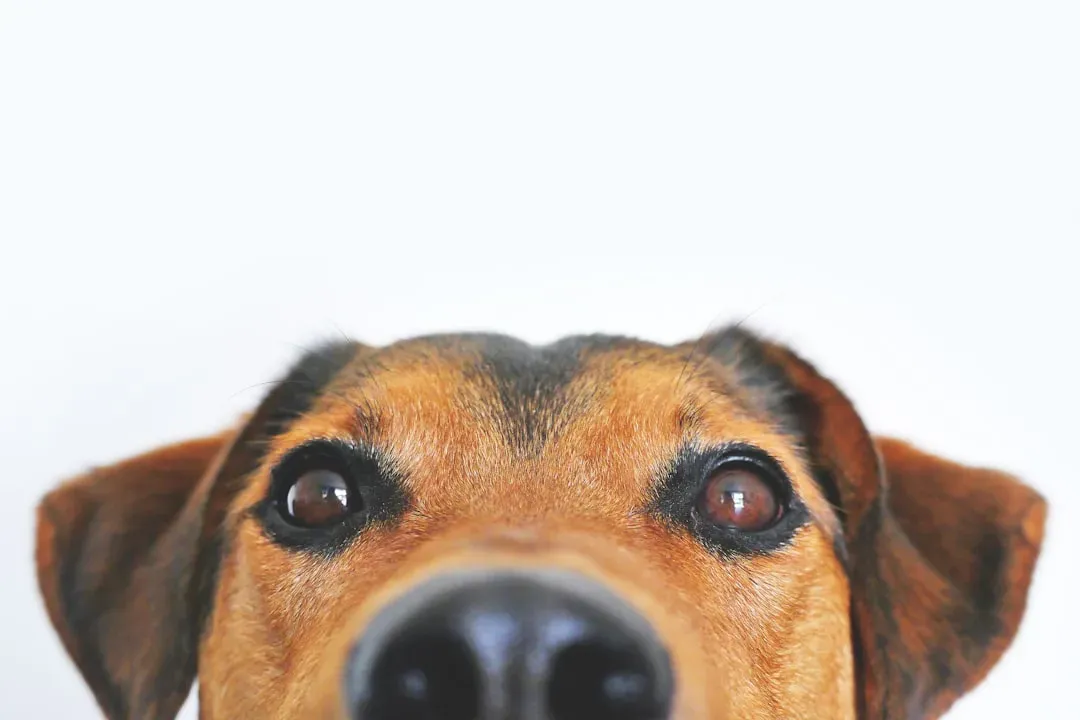
If your new dog shrinks away when you reach over their head, stand up quickly, or pick up an object, that’s not drama – that’s a survival response. A dog that repeatedly cowers or flinches around hands, broomsticks, or even rolled-up newspapers may have learned that fast movement equals pain. Their body is anticipating what used to come next.
This kind of startle reaction doesn’t automatically mean “severe abuse,” but it strongly suggests a history of harsh handling, being hit, or at least being regularly frightened. In homes where people are unpredictable or loud, dogs learn to read the earliest signals and brace themselves. When you see this behavior in the first month, it often reflects a past where safety was not guaranteed and people’s bodies were something to monitor constantly.
2. Extreme Fear of Men, Women, or Children Specifically
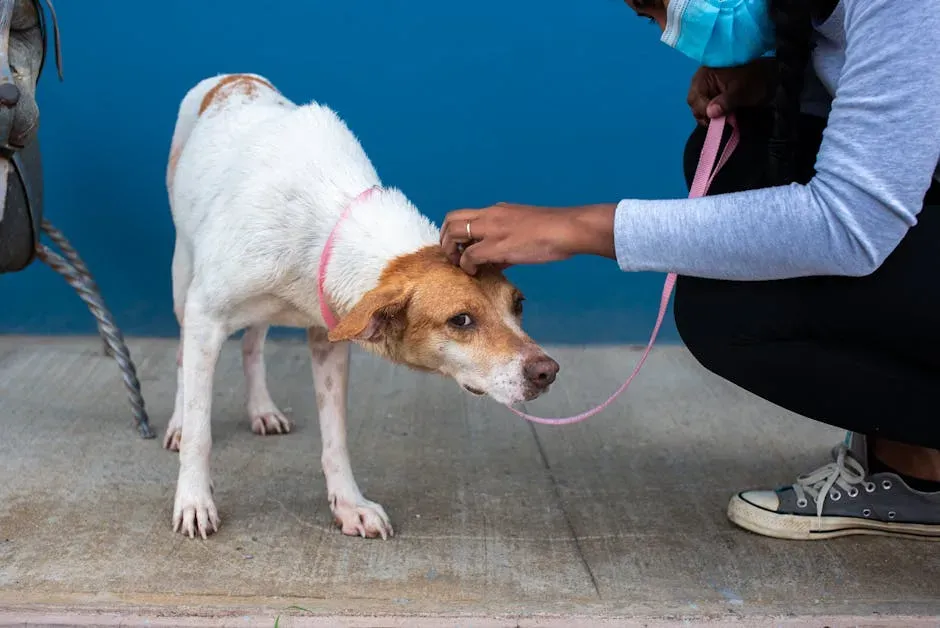
Some rescue dogs are fine with women but terrified of men, or they love adults but panic around fast-moving kids. When a dog makes a sharp distinction like this, it often points to who they interacted with most – or who hurt them. Dogs don’t naturally come wired to fear one gender or age group; that usually comes from experience, good or bad.
If your dog hides from men but eagerly approaches women, for example, that may reflect a past home where a man yelled, hit, or simply never handled the dog gently. A dog that stiffens or growls around children might have been chased, grabbed, or overwhelmed by kids who didn’t know better. Those first-month reactions aren’t “prejudice”; they’re a map of a dog’s stored memories of which humans were safe and which weren’t.
3. Guarding Food Like It’s Gold

When a rescue dog eats like it’s their last meal, growls if you get near the bowl, or hoards kibble, you are watching scarcity trauma in real time. Dogs who went hungry, were fed inconsistently, or had to fight other animals for food often develop what’s called resource guarding. To them, that bowl is survival, not just lunch.
In the first month, this can show up as frantic eating, rigid posture over food, or snapping if another dog even walks by. It doesn’t mean the dog is “mean” or dominant; it means they learned that if they didn’t defend food, they lost it. That fierce little shield around the bowl is usually a direct reflection of a past where no one protected their basic needs, so they had to do it alone.
4. Hyper-Vigilance and Difficulty Relaxing

Some rescue dogs never seem to turn “off” during that first month. They pace, scan windows, jump at every sound, or refuse to lie down fully. This constant state of alertness is common in dogs who lived in chaotic environments – loud homes, busy streets, overcrowded shelters, or yards where they were always at risk of being attacked or startled.
When a dog has spent a long time in survival mode, their nervous system stays on high alert even when they’re technically safe. A dog that keeps checking doors, freezes at distant noises, or positions themselves where they can see everything is telling you that, until now, it was never safe to let their guard down. You’re seeing the long shadow of stress, not stubbornness or “high energy.”
5. Shutdown Behavior: Frozen, Silent, or “Too Good”

Sometimes the most wounded rescue dog in the room is the one who barely moves. A dog that lies in one spot, avoids eye contact, doesn’t explore, and seems almost eerily still is often not calm – they’re shut down. This can happen when a dog has faced prolonged fear or helplessness and learned that nothing they do changes the outcome.
In the first month, people sometimes describe these dogs as “easy” or “perfect” because they don’t bark, don’t chew, don’t ask for anything. But emotional numbness is not good behavior; it’s a coping mechanism. A shut-down dog may be telling you they were ignored, punished for normal dog behavior, or overwhelmed to the point that they stopped trying to connect at all.
6. Separation Panic or Clinginess

If your rescue dog cries, scratches doors, or drools excessively the moment you leave, that can scream of inconsistency and abandonment in their past. Dogs who were left alone for long hours, rehomed multiple times, or suddenly lost their person can become almost desperate when a new human walks away. They don’t yet trust that you’ll come back.
On the flip side, some become velcro dogs, trailing you from room to room, refusing to settle unless they’re touching you. That clinginess often reflects a history where affection was rare or unstable, so when they finally find a kind human, they cling hard. Their anxiety in your absence is really a history lesson: people have disappeared on them before, and they’re terrified of it happening again.
7. Overreaction to Collars, Leashes, or Being Restrained
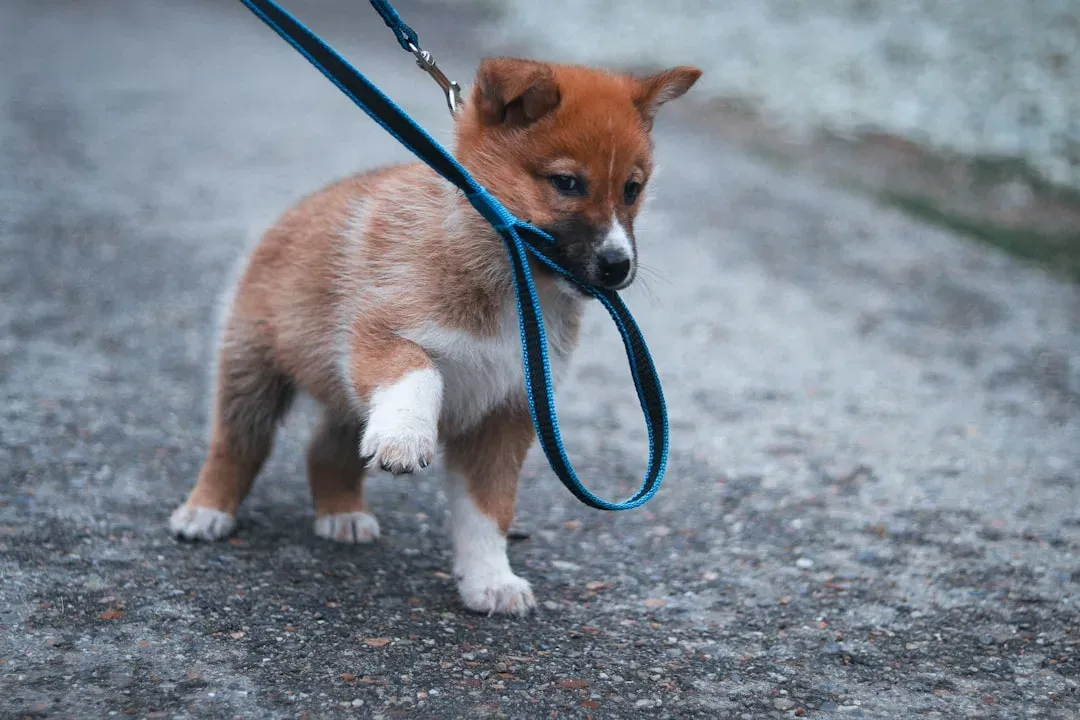
Watch how your rescue dog responds the first few times you put on a collar, harness, or leash. If they panic, flatten, try to escape, or shut down completely, equipment may have been used as a tool of control, punishment, or confinement in their past. Some dogs associate tightness around the neck with choking, being tied up, or being yanked harshly.
In contrast, a dog who eagerly approaches the leash and seems relaxed might have had more positive experiences, like walks and outings. Dogs that freeze when a harness goes over their head or flail when they feel pressure on the leash are not being dramatic; they’re reliving whatever restraint used to mean. That behavior in the first month can be a very strong clue about how people handled their body before you.
8. Startling at Common Household Sounds

Vacuum cleaners, blenders, hair dryers, even toilets – many rescue dogs react to them like tiny explosions. If your dog bolts, trembles, or hides when you turn something on, that can tell you a lot about where they came from. Dogs raised in quiet rural spaces, backyard-only lives, or outdoor kennels often have had very little exposure to indoor noise.
On the flip side, a dog that panics specifically at loud bangs, slamming doors, or shouting may associate those sounds with past conflict or violence. In the first month, their nervous system is still trying to figure out what sounds here predict danger. Their reactions are breadcrumbs: they show you whether they grew up in a calm, enriched home or a place where loud meant “trouble is coming.”
9. Fear or Fascination Around Other Dogs

How your rescue behaves around other dogs early on can hint at whether they were socialized, bullied, or isolated. A dog that stiffens, growls, or hides when another dog appears may have been attacked, ganged up on in a yard, or thrown into crowded shelter kennels without proper introductions. Their defensive behavior is a learned shield, not a personality flaw.
By contrast, a dog that lights up, wags broadly, and reads social cues well probably had positive dog interactions in their past. Then there are the awkward ones – the dogs that barrel into others with no manners or stand there confused. That social clumsiness often points to a life with limited playtime or isolation on a chain or in a backyard. Those first-month dog-to-dog encounters can be a quiet biography of their earlier social life.
10. House-Soiling Patterns and Where They Choose to Go
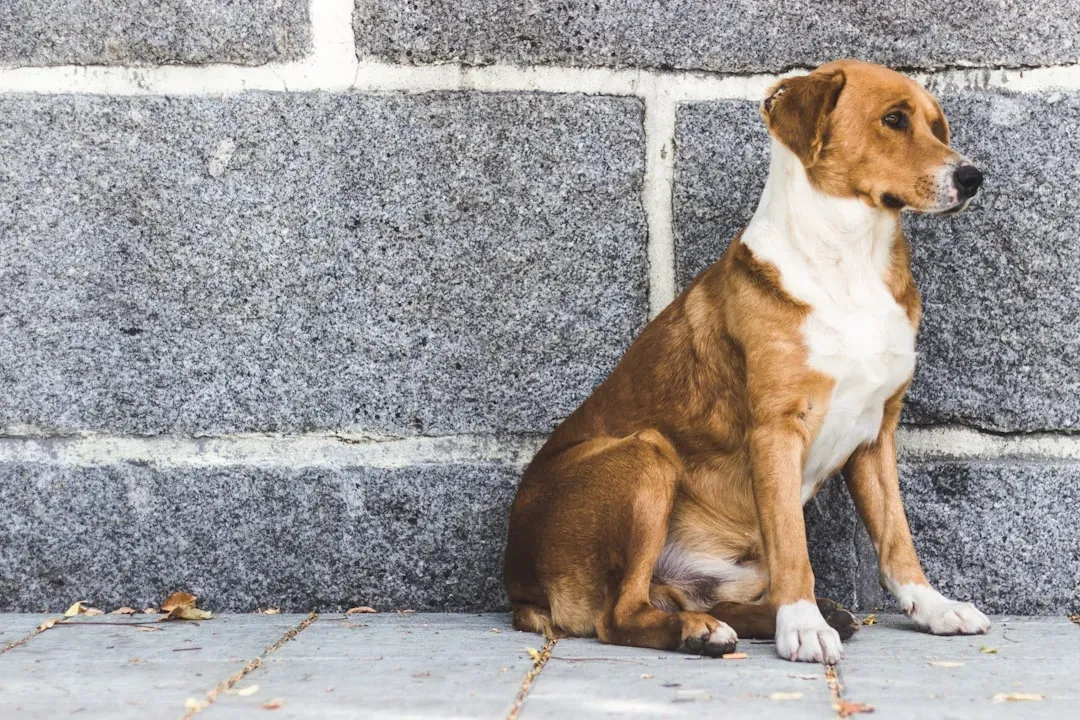
Accidents alone don’t tell you much – plenty of perfectly loved dogs were simply never house-trained. But where and how a rescue dog eliminates can offer clues. Dogs that hold it uncomfortably long indoors may have been severely punished for accidents and now fear going in front of people. Others sneak off to hidden corners, as if expecting trouble if they’re “caught.”
Dogs that insist on going only on concrete, gravel, or crate bedding may have lived in kennels, garages, or small outdoor runs. Those that pee submissively when you approach likely had humans who yelled or loomed over them. These patterns aren’t about spite; they’re the residue of how their body learned to cope with bathroom needs in environments that weren’t always kind or clear.
11. Strange Reactions to Specific Objects or Places
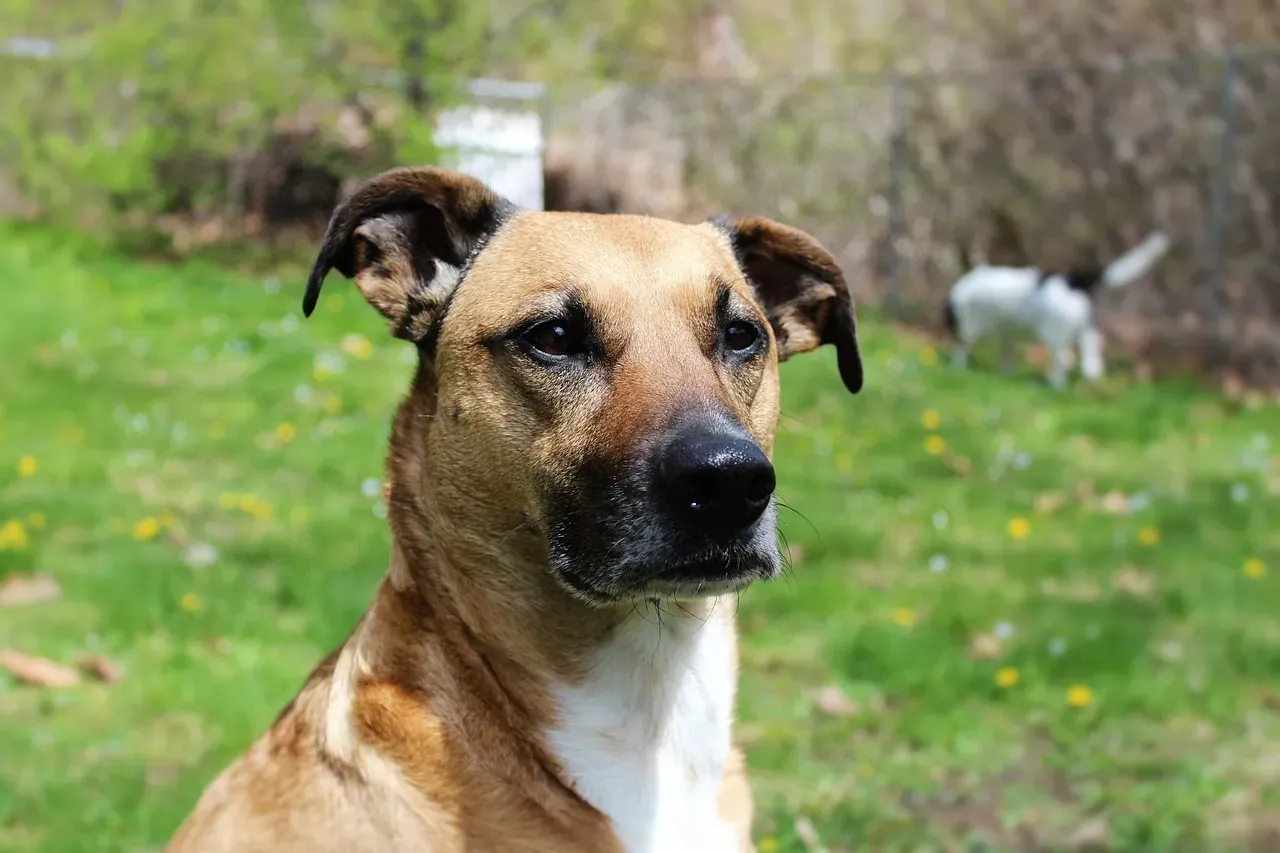
Some of the most telling clues in a rescue dog’s behavior come from oddly specific triggers. Maybe they panic at the sight of a mop, a baseball cap, a certain type of shoe, or even stairs. These narrow reactions suggest they’re not just generally anxious; they’ve paired that particular thing with something frightening or overwhelming in the past.
I once knew a rescue who was fine with everything except dark hallways. Only after living with him did it sink in that he may have been confined or punished in spaces like that. When your dog suddenly changes body language around a single item or doorway, you’re likely bumping into a real memory. That one weird fear is often a sharper window into their past than any generic “nervousness” could be.
12. Hesitant but Hopeful Affection
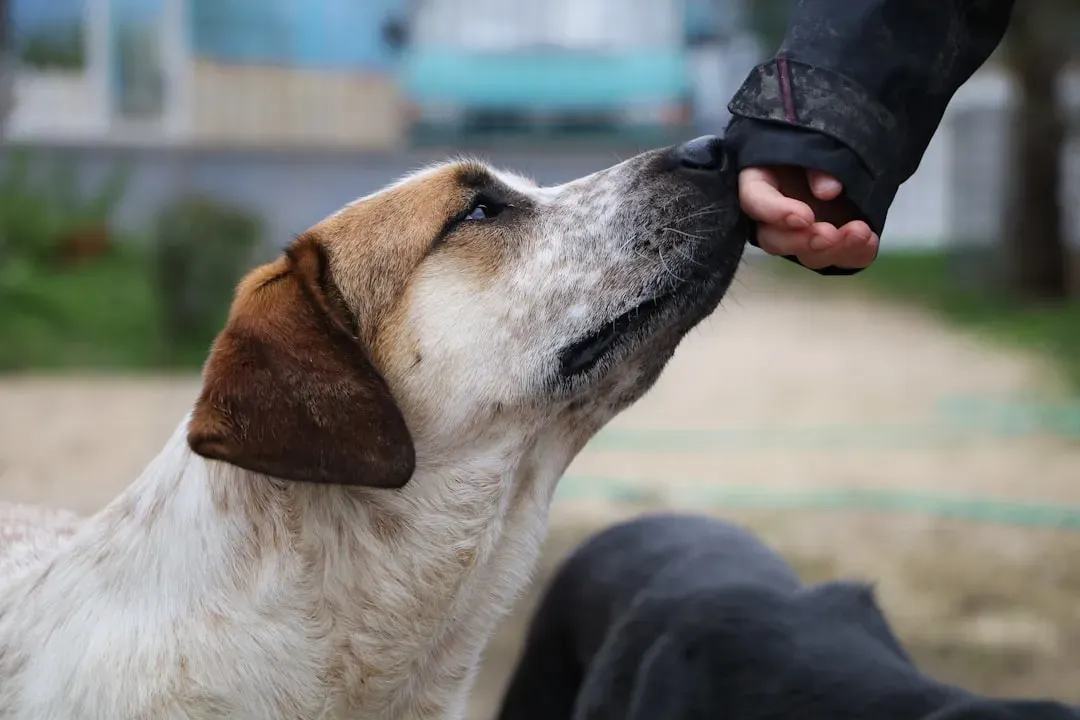
One of the most heartbreaking and beautiful behaviors in the first month is the dog who clearly craves affection but doesn’t quite know how to ask for it. They might inch closer and then retreat, place a paw on you and then look away, or lean in stiffly as if expecting something bad to follow. This mix of yearning and caution often reflects a life where love was inconsistent, conditional, or occasionally paired with hurt.
Dogs who were once cherished and then abandoned may also show this bittersweet pattern – they remember what closeness feels like, but they no longer trust it fully. That layered body language, where the tail wags low and the eyes are soft but unsure, tells you they have known both kindness and disappointment. In that first month, every tentative nuzzle is a quiet question: is it finally safe to love you back?
Conclusion: Reading the Story Without Letting It Define Them
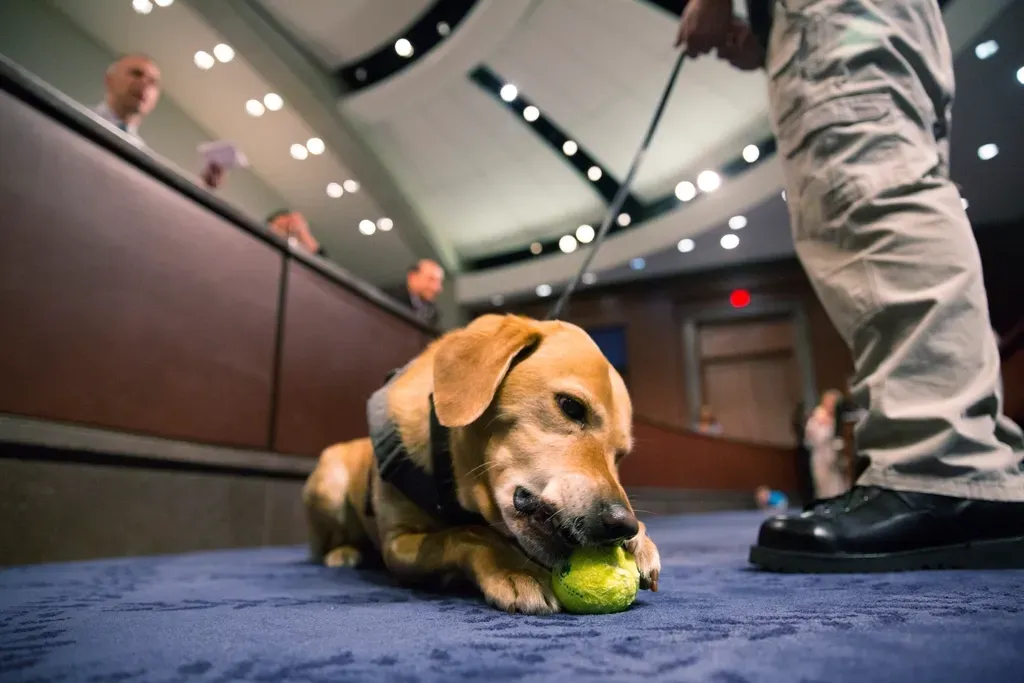
The behaviors your rescue dog shows in the first month are like subtitles for a movie you never got to watch. Flinches, clinginess, shutdown, food guarding – they all whisper what life used to demand of them. But here’s the part I feel strongly about: those clues are meant to guide your empathy and training, not to trap your dog in a permanent victim narrative.
Yes, their past matters. It shapes their brain, their reflexes, their expectations. Still, dogs are astonishingly capable of rewriting their emotional scripts when given consistency, patience, and genuine care. The story written on day one is not the story that has to be true in a year. So as you watch your rescue in these first weeks, the real question is not just “What was done to you?” but “What new story are we going to write together now?”