
7 Signs Your Dog Is Carrying Emotional Weight That Belongs to You and Doesn’t Know How to Put It Down

If you’ve ever looked into your dog’s eyes and thought, “You feel what I feel,” you’re not imagining it. Dogs are incredibly sensitive to human emotions, and modern research backs up what many dog parents have quietly suspected for years: our moods, stress, and tension do not just stay inside our own bodies – they can leak into our dogs’ lives too.
The tricky part is this: your dog has no idea that the emotional load they’re carrying is not theirs. They just feel the weight. They read your voice, your posture, your daily rhythm, and then try to adjust themselves to keep you close and keep you “okay.” Let’s walk through the subtle, often surprising signs that your dog might be holding emotional weight that actually belongs to you – and what that might be trying to tell you about both of you.
Your Dog’s Mood Swings Seem Suspiciously Linked to Yours

Here’s a slightly uncomfortable question: does your dog “mysteriously” get restless, clingy, or withdrawn on the exact days you are on edge, even if nothing else in their routine has changed? Dogs are experts at emotional synchronizing; they don’t just read your body language, they adapt to it. When your stress spikes, their nervous system can quietly ramp up too, almost like an emotional Wi‑Fi signal you did not realize you were broadcasting.
If you notice that your dog’s bad days line up neatly with your rough mornings, exhausting meetings, or arguments at home, that’s a clue. The dog is not just “being dramatic” – they could be mirroring your inner storm. Instead of asking what’s wrong with your dog, it may be more accurate to ask where your own nervous system has been living lately and how long your dog has been camped out there with you.
They Become Your Shadow When You’re Overwhelmed

Many dogs like to follow their humans around, but there’s a difference between normal companionship and anxious shadowing. If your dog suddenly cannot let you out of their sight whenever you’re upset, pacing behind you, trying to squeeze into the bathroom, or refusing to settle unless you’re in the same room, that can be a sign they’re trying to manage your emotional state. They’re not just being cute; they’re acting like a tiny, furry bodyguard for your feelings.
In those moments, your dog may be reading your shallow breathing, jittery movements, and tense shoulders as signals that the world is not safe. Their clinginess becomes a coping strategy: if they stay glued to you, maybe they can help keep everything under control. The twist is that they’re not soothing you from a place of calm; they’re joining you in your stress and then trying to hold both of you together. That emotional load is too big for them, even if they volunteer for the job.
They Overreact to Normal Sounds and Situations at Home
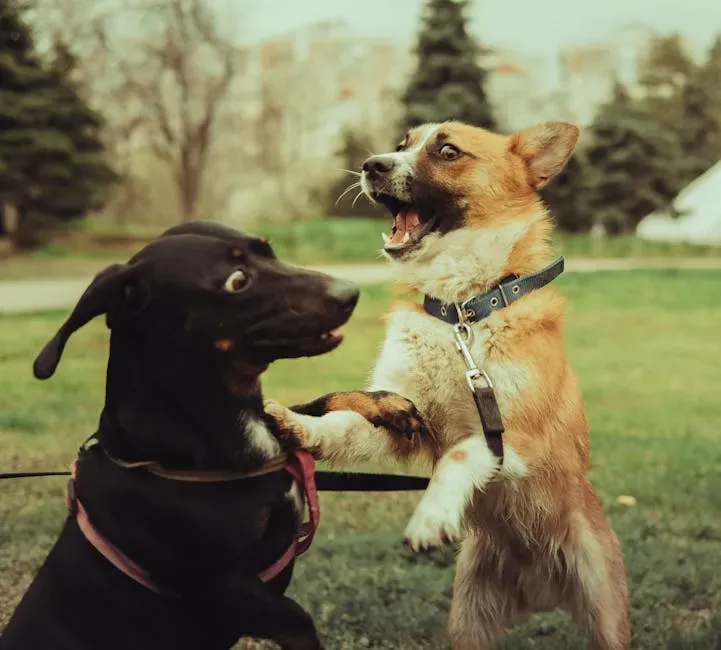
Startle responses can tell you a lot. When a dog suddenly begins to overreact to everyday sounds – the fridge humming, a door closing, someone walking upstairs – it is often framed as a behavior issue. But if this hypersensitivity shows up around the same time your home has more tension, arguments, rushed mornings, or quiet simmering stress, your dog may be reflecting that emotional climate. Their nervous system starts living in “always on” mode, as if everything is a possible threat.
Think of it like this: if your home energy feels like a thriller soundtrack to you, it probably sounds like one to your dog too. They do not know the difference between you being emotionally in danger and them being physically in danger. Raised voices, heavy sighs, slammed drawers, or even tight, clipped conversations can train their brain to expect something bad. Instead of just calming the dog, it can be powerful to ask what the dog has been hearing, seeing, and feeling from the humans lately – and whether their “overreactions” are actually understandable responses to that environment.
Your Dog’s Behavior Tanks When Your Life Gets Chaotic
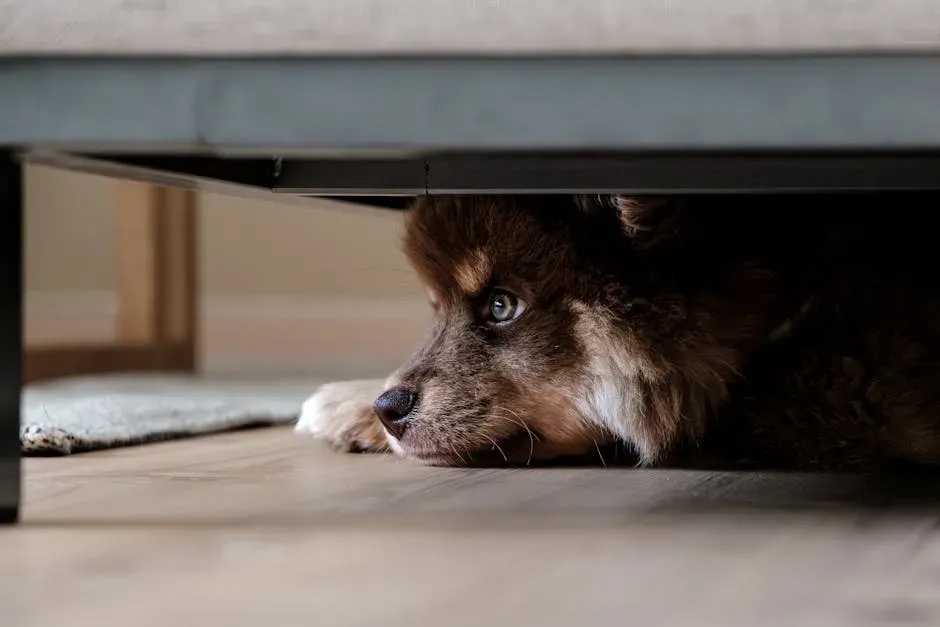
Ever notice that your dog’s training seems to fall apart exactly when your life does? A dog that normally listens well might suddenly ignore cues, bark more, chew things, or regress on house training during your busiest, most emotionally loaded seasons. On the surface, it can look like stubbornness or “acting out,” but underneath, it often tracks with your own bandwidth. When your emotional energy is all used up, your dog loses access to the calm, steady guidance they depend on.
Dogs thrive on predictability and emotional consistency. When your schedule, sleep, or mood are all over the map, your dog is forced to adapt to a shifting landscape. They may not understand what is happening, but they feel the instability. What looks like misbehavior can actually be your dog’s nervous system waving a red flag: something in the shared emotional ecosystem is off. The behavior is the symptom, not the root problem, and sometimes the root is your unprocessed stress spilling into the space you share.
They Seem Exhausted Without Any Real Physical Reason

There’s physical tired, and then there’s emotionally drained. If your dog is getting enough sleep and appropriate exercise for their age and breed but still seems chronically wiped out, sluggish, or uninterested in play, emotional weight may be part of the picture. Living in a home with ongoing tension, grief, anxiety, or burnout can wear on a dog over time the way it wears on you. They may sleep more, move more slowly, or disengage from toys and games they used to love.
This kind of fatigue often shows up alongside another pattern: they perk up dramatically when you are relaxed, on vacation, or simply present without distraction. When you finally exhale, they suddenly have energy again. That contrast can be revealing. It suggests they are not just tired from life; they are tired from doing invisible emotional labor in the background – staying on alert, tracking your mood, and quietly absorbing the heaviness you never mean to hand them.
Your Dog Acts Like Your Emotional Sponge in Social Situations

Watch your dog around guests or in public spaces when you are nervous versus when you feel confident. If you tend to dread certain social situations or feel on edge around specific people, and your dog consistently becomes reactive, jumpy, or overprotective in those moments, they may be soaking up your unease. They do not know you are worried about judgment, conflict, or awkwardness; they just sense that the human they rely on is not okay, and they respond as if there’s a literal danger.
Sometimes, dogs will plant themselves between you and other people, bark more, lean heavily into your legs, or stare intensely at the person you are uncomfortable around. To an outsider it can look like the dog is “just territorial,” but often what they are really doing is translating your internal tension into visible behavior. The emotional message they are receiving is that the world is not safe for you, so they amplify their protection mode, even when the actual threat is more psychological than physical.
They Only Truly Relax When You Do

This might be the most telling sign of all: your dog does not truly settle until you do. You might see them pace, reposition, sigh, or keep one eye open while you are working late, doom-scrolling on your phone, or mentally replaying a bad day. Then the second you lie down, take a deep breath, or drop your shoulders, they melt into sleep as if someone flipped an off switch. It is as if your nervous system is their weather report, and they will not rest in a storm.
On its own, syncing up with your rhythm is part of what makes dogs such amazing companions. But when your dog cannot access deep rest unless you are calm, it suggests they are investing enormous energy in monitoring and managing you. That is emotional weight they never signed up for, even if they love you fiercely. Teaching your own body how to downshift – through therapy, breathwork, movement, boundaries, or simply more genuine rest – is not just self-care; it is a gift to the dog who has been carrying your storms inside their small, loyal body.
They Panic When You Try to Leave, Especially During Stressful Periods
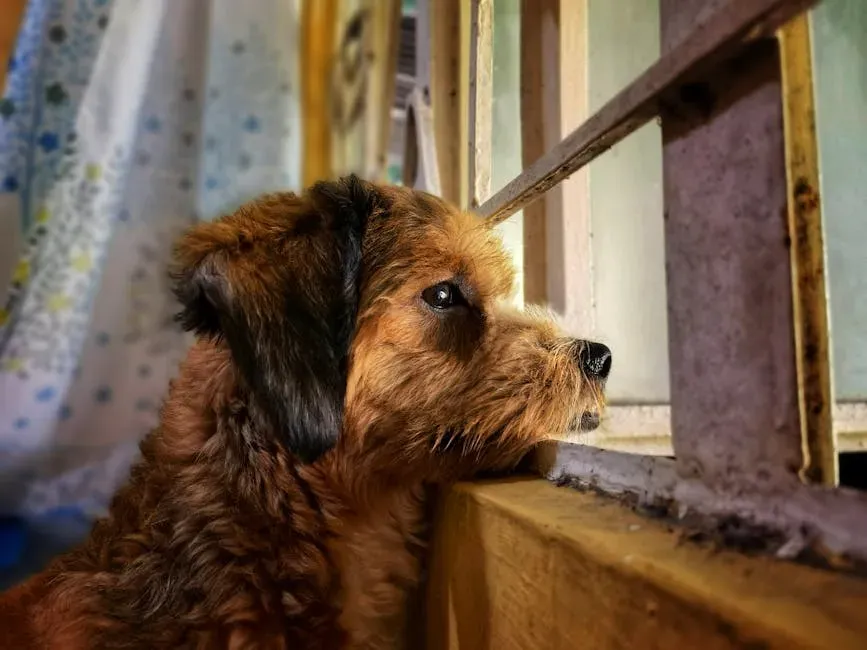
Separation issues can have many causes, but one overlooked factor is the emotional bond acting like a tangled cord. If your dog is mostly okay when life is calm but becomes frantic when you leave during times of high stress – like a breakup, a move, a new job, or family conflict – they may be struggling to carry the emotional load alone when you walk out the door. They have been tracking your unease so closely that being physically separated feels like being abandoned with a huge emotional backpack they do not understand.
In these moments, the dog may howl, scratch at doors, destroy objects, or pace relentlessly, not just because they miss you, but because they do not trust the world to be safe without you and do not trust that you are safe without them. You are each other’s emotional anchors, but the anchor line is too tight. Untangling that means supporting the dog with training and structure, yes, but it also means gently asking whether you’ve been subconsciously leaning on your dog as your main emotional regulator instead of sharing that load with other humans or professionals who are built for that role.
Opinionated Conclusion: Your Dog Is Not Your Therapist – And That’s a Good Thing
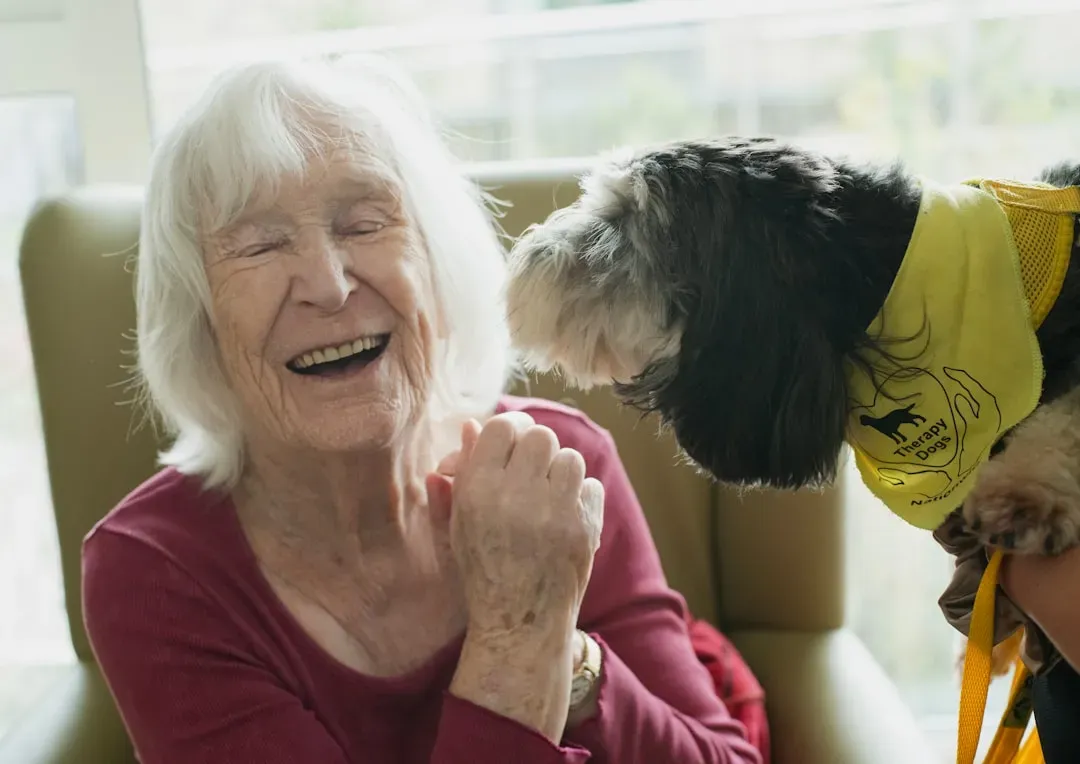
I say this as someone who has absolutely cried into a dog’s fur more times than I can count: our dogs feel like emotional lifelines, and in many ways they are. But they are not built to be our therapists, partners, or emotional dumping grounds. When we let our unprocessed stress, fear, or grief soak into them day after day, we turn their greatest gift – their empathy – into a burden they cannot put down. Recognizing the signs that your dog is carrying emotional weight that belongs to you is not about guilt; it is about honesty and responsibility.
The most loving thing you can do for a dog who has been quietly holding your storms is to start holding more of them yourself, and letting other humans help you carry the rest. That might look like therapy, community, better sleep, boundaries at work, or simply learning to pause before you spiral and take one real, grounding breath. When you tend to your own nervous system, your dog finally gets to be what they were always meant to be: a companion, not a container. If your dog could choose between saving you from your feelings and napping peacefully beside a calmer you, which do you think they would pick – and what would it take for you to give them that gift?