
7 Dog Breeds That Have Saved Their Owner’s Life Without Being Trained to Do Anything Except Love Them
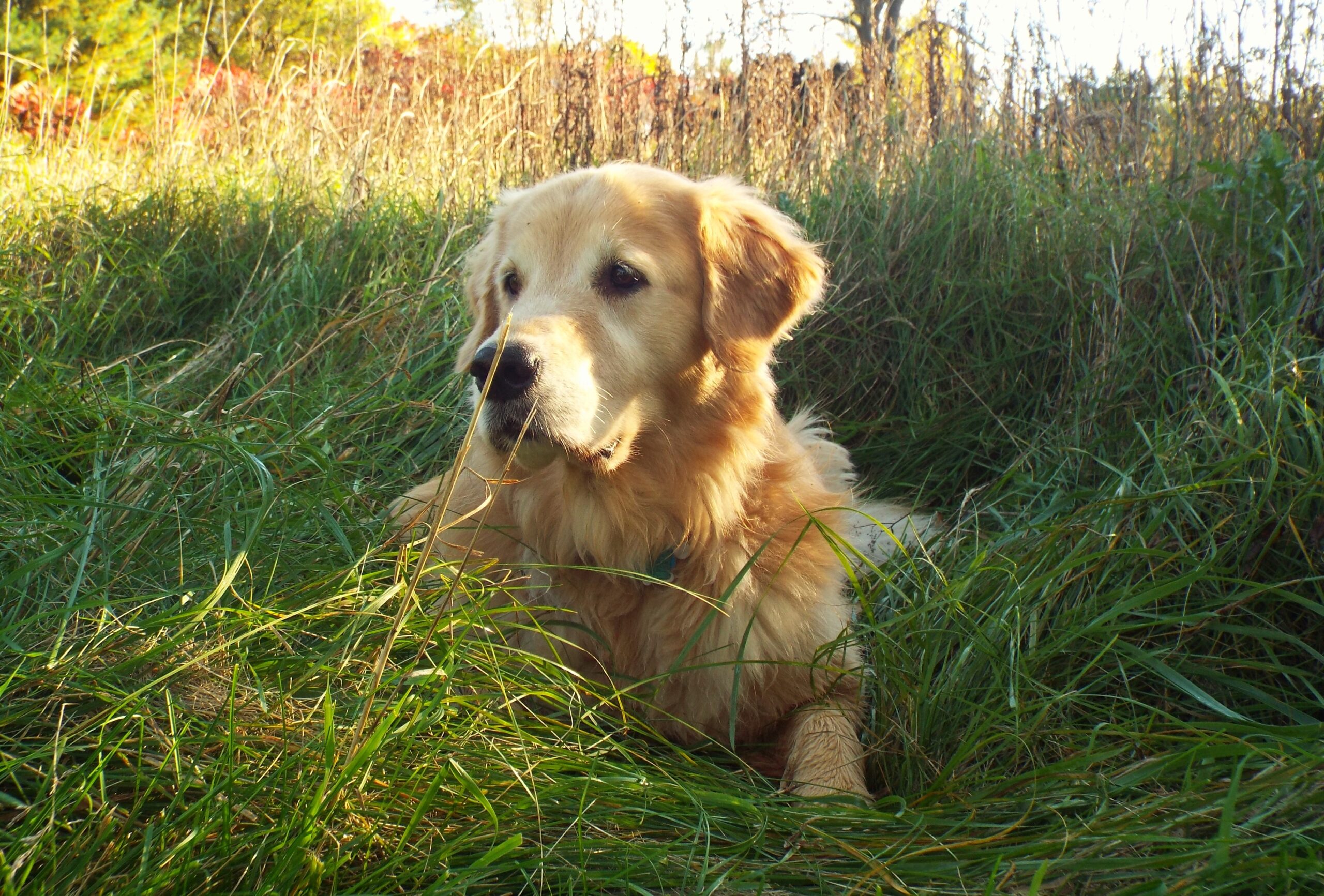
There is something a little bit eerie and a lot magical about the way some dogs just know when something is wrong. No special training, no search‑and‑rescue badges, no official therapy certifications – just a heartbeat‑to‑heartbeat connection with their person that somehow ends up changing, or literally saving, a life.
Stories keep surfacing: a dog refusing to let their owner fall asleep during a silent medical crisis, another dragging someone out of a burning room, another barking relentlessly until help arrives. When you look closer, a pattern pops up: certain breeds seem especially tuned in to our moods, movements, and even the tiniest changes in our bodies. Not because anyone taught them, but because loving their human is basically their full‑time job.
Let’s walk through seven breeds with a long track record of stepping up in emergencies they were never formally trained to handle. You’ll see how their instincts, genetics, and emotional sensitivity combine in ways that can be quietly life‑saving – and why that warm, furry presence at your feet might be doing more for you than any wearable health monitor ever could.
Labrador Retrievers: The Big‑Hearted Guardians Hiding in Plain Sight

Labrador Retrievers already have a heroic reputation thanks to their work as guide dogs, detection dogs, and search‑and‑rescue partners, but what surprises many people is how often untrained family Labs end up saving lives at home. Labs are wired to stay close, watch their humans, and react quickly; that watchfulness can turn into life‑saving behavior when something suddenly feels off. There are countless cases of pet Labs waking owners during house fires, blocking toddlers from wandering into pools, or nudging and whining at someone having a silent medical emergency like a seizure or a blood sugar crash.
Part of this comes from their history as retrievers bred to work side by side with humans in cold, harsh conditions. They had to notice subtle cues, read body language, and respond without being micromanaged, and those traits have never really gone away. In day‑to‑day family life, that translates into a dog who notices when you are unusually still, unsteady, or not breathing in your normal rhythm during sleep. Many Lab owners describe their dogs as “shadow” companions, and while that can be a little clingy at times, it is exactly that constant presence and sensitivity that has turned everyday, untrained Labs into sudden first responders more often than most people realize.
Golden Retrievers: Emotional Sponges With Life‑Saving Instincts
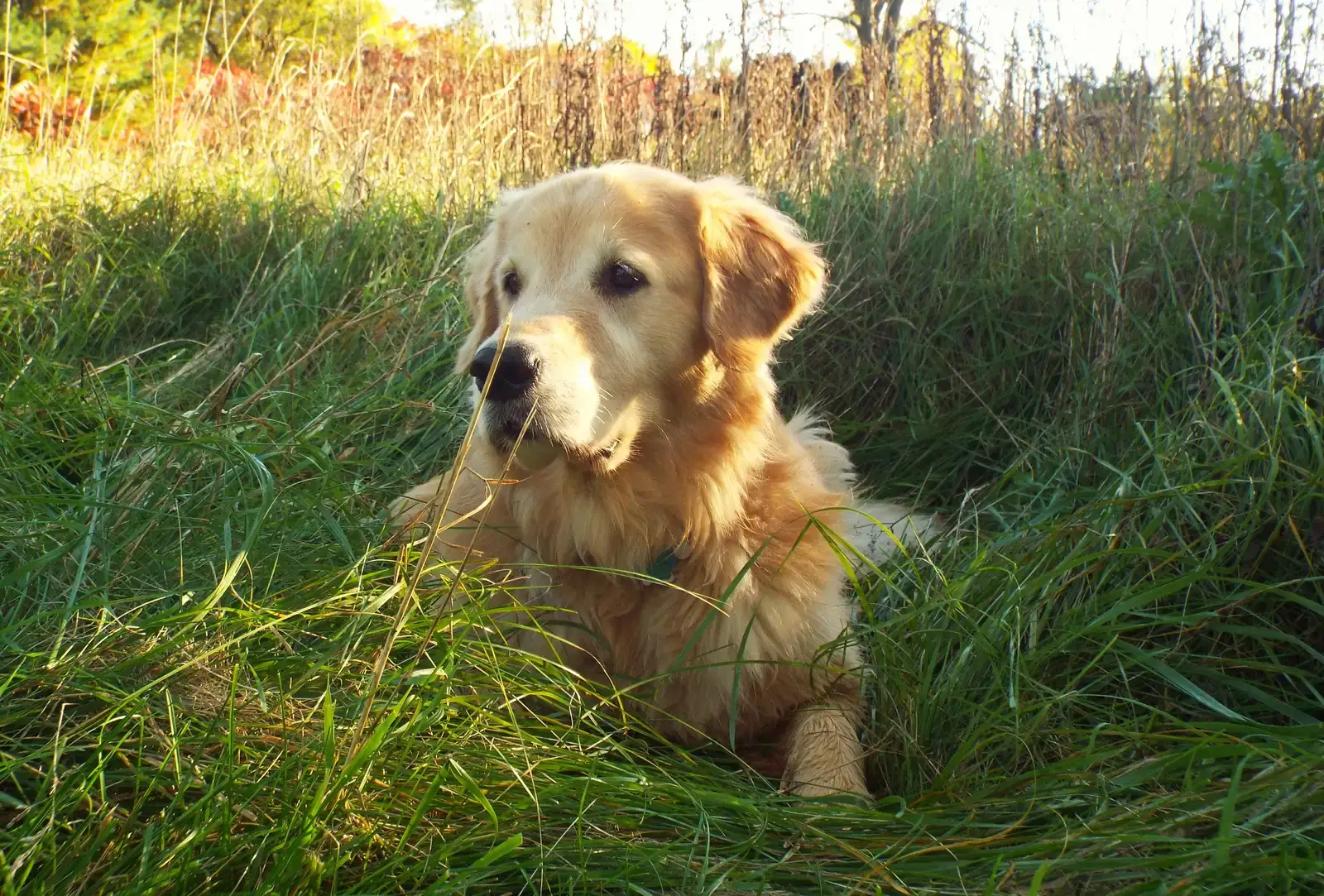
Golden Retrievers are often called “emotional sponges” because they soak up whatever their humans are feeling, and that emotional radar can spill over into physical awareness too. Goldens are known to get agitated, paw, whine, or bark when their owner’s breathing changes, when they seem disoriented, or when something about the usual routine feels dangerously wrong. Some have alerted sleeping families to carbon monoxide leaks or fires, while others have refused to leave the side of owners having strokes, effectively forcing someone else in the home to notice and call for help.
What makes this even more striking is that many of these dogs were never taught to “alert” in any formal sense; they simply cannot ignore a shift in their person’s state. Their genetics play a big role here. Goldens were bred to work closely with hunters, reading subtle hand signals, gestures, and tone of voice. That makes them unusually good at picking up patterns – and just as good at noticing when something falls outside the pattern. In a modern living room instead of a foggy field, those same skills can mean a Golden who won’t stop pacing, whining, or scratching at a door until someone listens – and on more than a few occasions, that stubborn insistence has been the difference between disaster and survival.
German Shepherds: Natural Protectors With a Sixth Sense for Danger
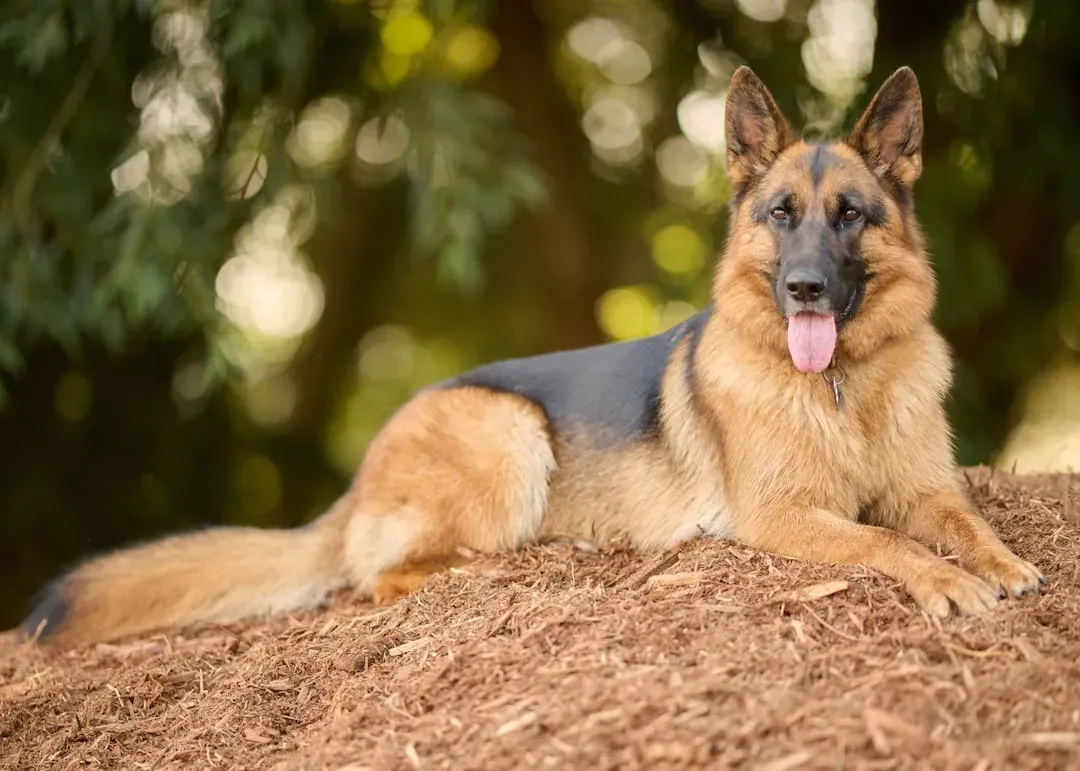
German Shepherds have a reputation for being tough working dogs, but under that strong exterior is a laser‑focused, almost hyper‑vigilant brain that rarely switches off. Even as purely “pet” dogs, shepherds often behave like off‑duty security staff, constantly scanning their environment and checking in on their people. That built‑in protectiveness means that when something feels wrong – an intruder at the door, a collapsing owner, a kid headed toward a busy street – their first instinct is to step between the threat and their family, no training required.
It is not just about bravely staring down strangers, either. German Shepherds are extremely sensitive to routine and body language, and when those patterns break, they tend to react fast. There are many untrained shepherds who have woken owners during break‑ins, dragged people out of the way of moving vehicles, or refused to let a confused, elderly human wander away from home. Think of them as the friend at a party who always knows where the exits are and who is acting strange – only this friend can run forty miles an hour and does not mind putting their body on the line for you.
Mixed‑Breed Rescue Dogs: The Underrated Everyday Heroes
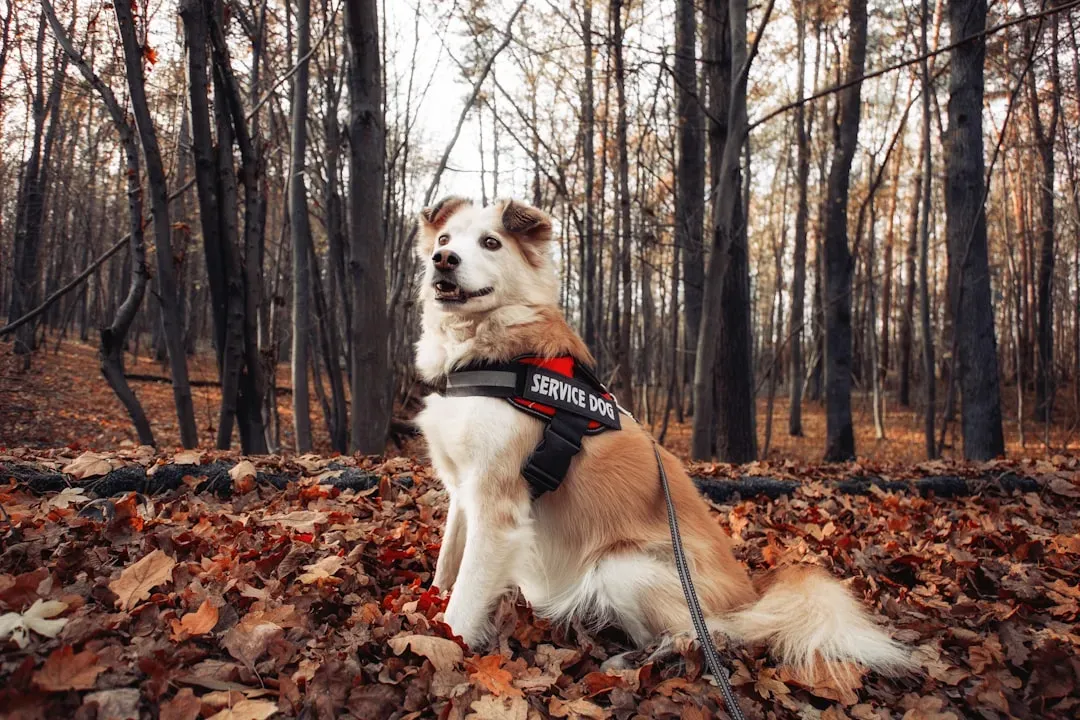
It can be tempting to focus only on purebred dogs, but mixed‑breed rescues belong on any list of natural lifesavers. Many rescue dogs have lived through stressful, unpredictable situations before finding a stable home, which can leave them surprisingly tuned in to subtle changes around them. They learn very quickly which human states are “safe and normal” and which feel off, and a lot of them become almost obsessively protective of the person who finally gave them security. That fierce loyalty has led to plenty of stories of rescues barking down intruders, waking families during fires, or refusing to leave their owner’s side during medical emergencies.
Another quiet superpower of mixed‑breeds is that they often blend traits from several working backgrounds – herding, guarding, scent work, companionship – into one dog. So you might have a shepherd‑collie mix who both guards the house and circles children away from danger, or a retriever‑hound mix who is gentle and affectionate but also fixated on strange smells like gas leaks or smoke. None of this requires formal training; it is just instinct channeled through a deep emotional bond. When a dog believes, in their bones, that you are their person, they are going to do whatever they can in that split second when something feels dead wrong.
Border Collies: Hyper‑Observant Minds That Catch Tiny Clues
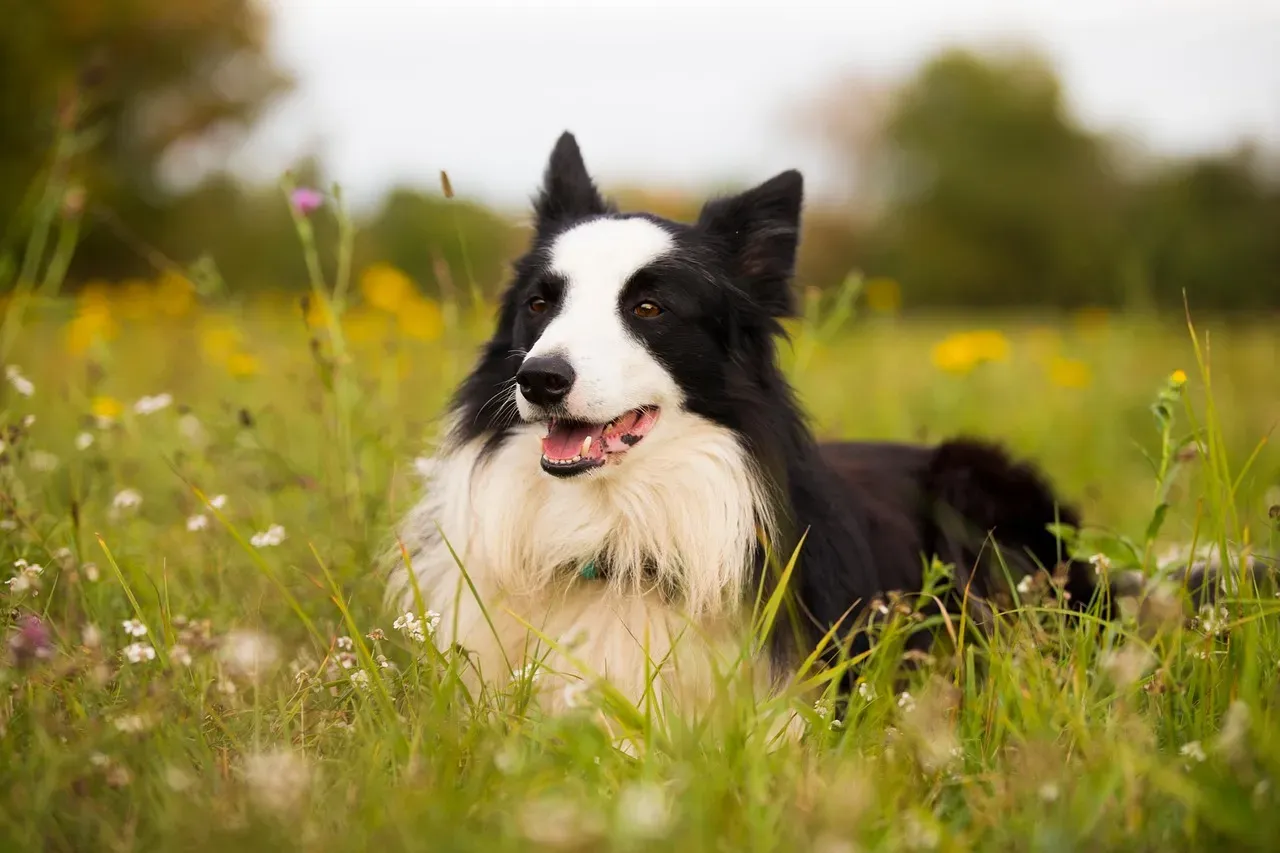
Border Collies are famously smart, but it is not just puzzle‑toy smart – it is “I am constantly studying you” smart. They were bred to control sheep by reading tiny shifts in movement and pressure, and that intense observation easily transfers to the humans they live with. Untrained pet Border Collies are known to react when their owners stagger, breathe oddly, or fail to get up at their usual time, sometimes barking, pawing, or even herding them toward the door or another person for help. That can look like quirky behavior in everyday life, but occasionally it turns out to be life‑saving timing.
Because they notice so much, Border Collies are also quick to recognize environmental danger: a door left open toward a busy road, a child edging too close to a pool, a strange burning smell in the middle of the night. Their default response is to take action, not just watch. People often describe their Border Collie as a tiny, intense project manager who never clocks out, and that constant mental engagement means they are often the first “person” in the house to realize that something is very wrong. The dog does not know they are acting heroically – they just know that their favorite human is in trouble, and that is not acceptable.
Boxers: Goofy Clowns With Serious Protective Instincts
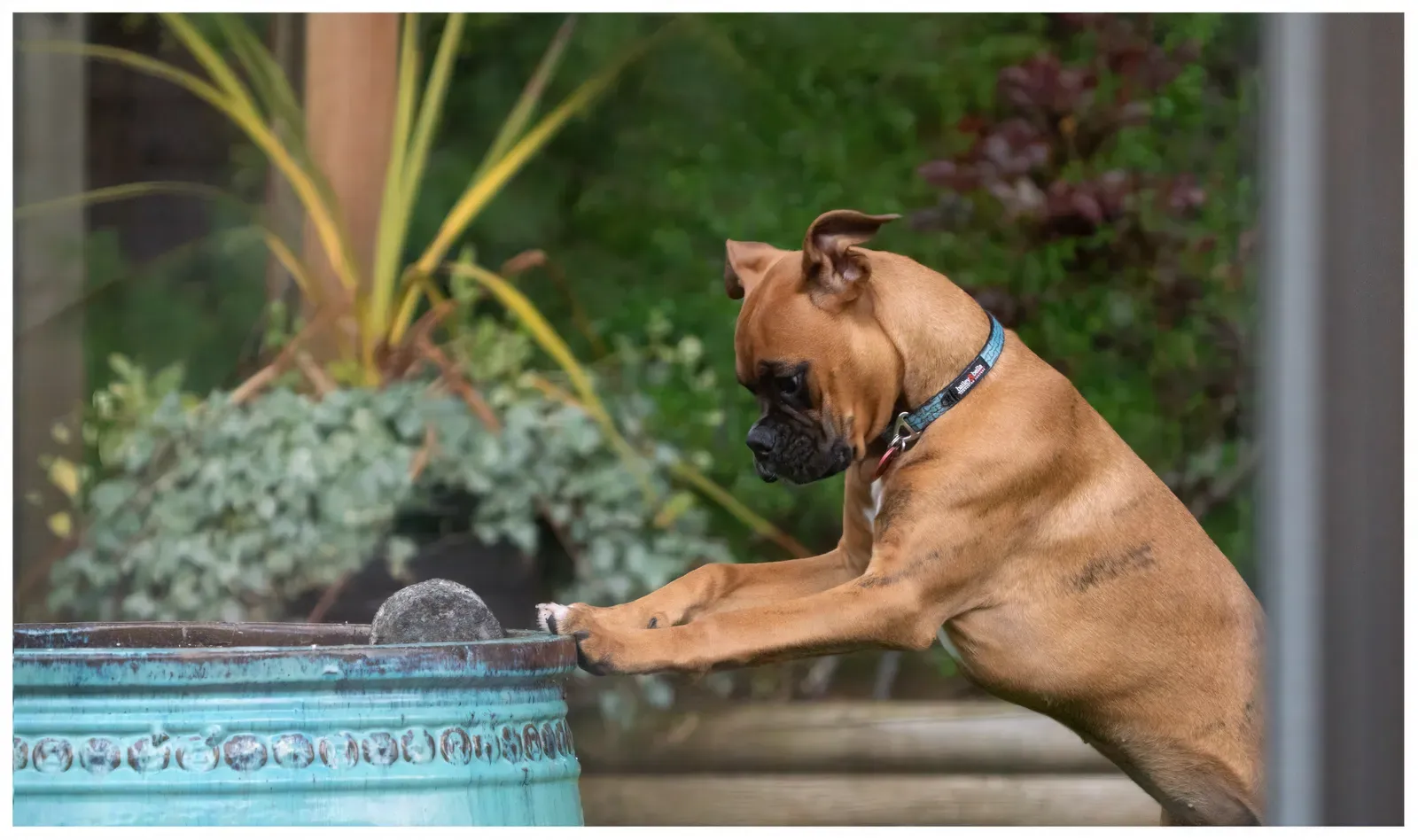
Boxers come across as bouncy, goofy extroverts, so it can be a shock to realize how quickly they flip into “bodyguard mode” when needed. Historically, Boxers were used as guard and working dogs, and that instinct to protect their people has never fully faded. Even as family couch potatoes, many Boxers plant themselves between their humans and anything they perceive as a threat, from a strange person at the door to a loud argument outside. In emergency situations, there are stories of Boxers physically blocking kids from stairs, warning sleeping owners about fires, or standing over a collapsed person and refusing to move until help arrives.
What makes them especially interesting is the emotional side of that protectiveness. Boxers tend to be velcro dogs, deeply bonded and almost comically attached to “their” person. That closeness seems to make them extra sensitive to unusual behavior: a normally talkative human going suddenly quiet, a cheerful person becoming sluggish, or someone lying down at an odd time of day. To an outsider, a Boxer’s frantic barking or constant nudging can feel like annoying clinginess, but more than once it has been the alarm bell that forced someone to check on a situation just in time.
Cavalier King Charles Spaniels: Gentle Lapdogs With Quiet Warning Bells

Cavalier King Charles Spaniels might not look like traditional heroes – they are small, silky, and bred for royal laps rather than rugged fields – but they have an almost uncanny attunement to human emotion and comfort. Cavaliers are often described as “mood mirrors,” matching their person’s energy so closely that they notice when something is just a bit off. There have been cases where untrained Cavaliers repeatedly pawed and whined at owners experiencing heart issues, panic attacks, or sudden drops in blood pressure, effectively alerting family members that help was needed.
Their size actually works in their favor in certain situations. Because Cavaliers love to curl up close to your chest or stomach, they are right there where they can feel changes in breathing, heart rate, or tension. They might not leap through fire or physically drag you anywhere, but they can sound the alarm in quieter ways – refusing to settle, pacing on top of you, or vocalizing in a way that is completely different from their usual soft nature. Sometimes the life‑saving act is not a dramatic rescue, but that tiny dog who simply will not let you ignore what your body is trying to tell you.
Newfoundlands: Gentle Giants Built for Water – and Unexpected Rescue
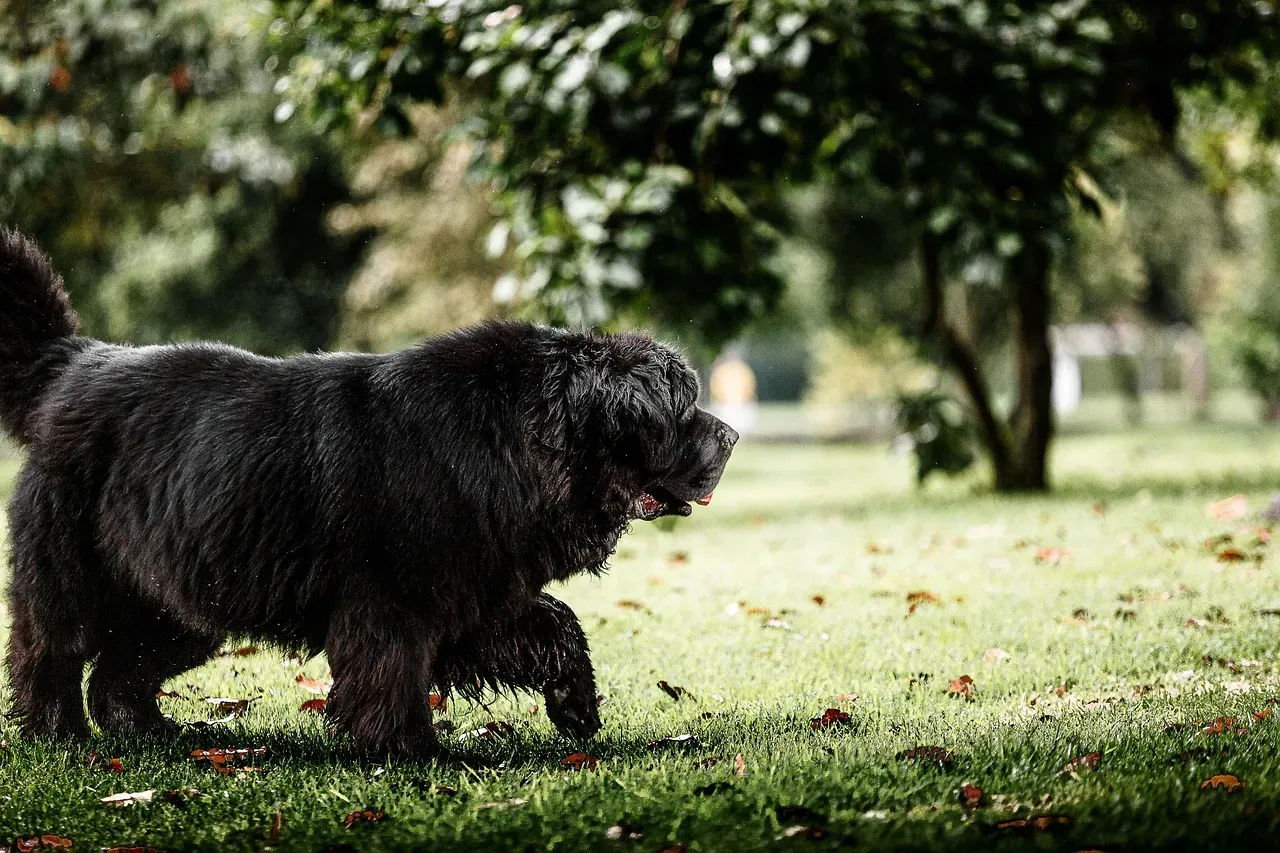
Newfoundlands have an official history of water rescue work, but what is striking is how often even untrained pet “Newfies” jump into action when someone is in danger around water. Their bodies are practically engineered for it: massive strength, thick coat, webbed feet, and a powerful swimming style. That, paired with a calm, steady temperament, makes them more likely to move toward a struggling person instead of panicking or backing away. Many families living near lakes or pools have stories of Newfoundlands positioning themselves between children and deep water or physically pulling people toward shore without ever being taught a single formal rescue command.
Beyond water, Newfoundlands are deeply people‑oriented and tuned in to distress. They are gentle shadows in the home, following family members from room to room, watching quietly. That kind of constant closeness means they notice when someone is lying oddly, breathing strangely, or not responding as usual. In emergencies like falls, fainting, or even house fires, Newfies have been known to use their sheer size to nudge, drag, or brace against their owners, becoming an impromptu support system. It is less about heroics and more about an unwavering instinct to keep their people safe, no matter how big the job is.
Conclusion: Love Is Not Training, but It Can Still Save a Life
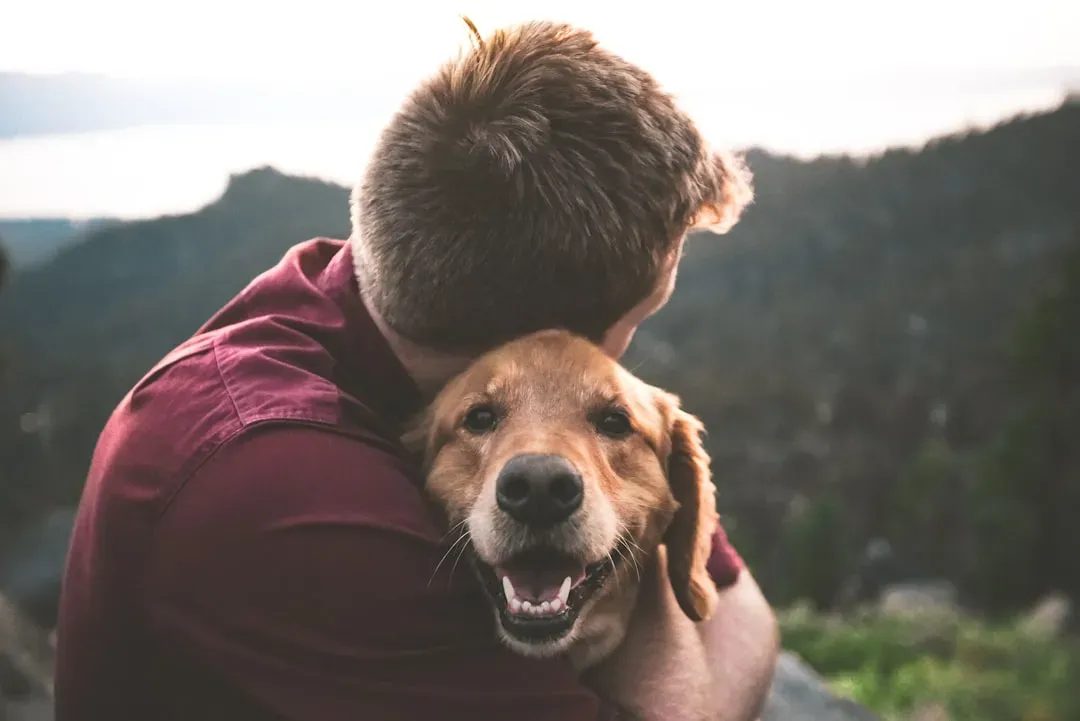
When you look at these stories side by side, a pattern jumps out: none of these dogs went to special classes to learn how to be a hero. They were taught to sit, stay, maybe walk on a leash – and then they were mostly just loved. It was their breed instincts, sharpened by that daily bond, that kicked in when something felt out of place. To me, that is one of the most moving things about living with a dog: you think you are just getting a furry roommate, and then one day you realize they have quietly been your bodyguard, therapist, and early‑warning system all along.
Of course, not every Labrador will drag someone from a fire, and not every rescue dog will sense a medical crisis before it happens. These are rare moments, not guarantees, and it would be unfair to expect any dog to be a superhero on command. But knowing that simple, consistent love can unlock instincts like this makes the relationship feel even deeper. In the end, maybe the real question is not whether dogs save us, but how many times they have already done it in small, invisible ways we never noticed. If you had to guess, how many quiet rescues has your dog already pulled off without you realizing?