
Dogs Have a Nose With Up to 300 Million Olfactory Receptors Compared to a Human’s Six Million – Which Is Why They Can Detect Changes in Your Body Chemistry That No Device Yet Can Match
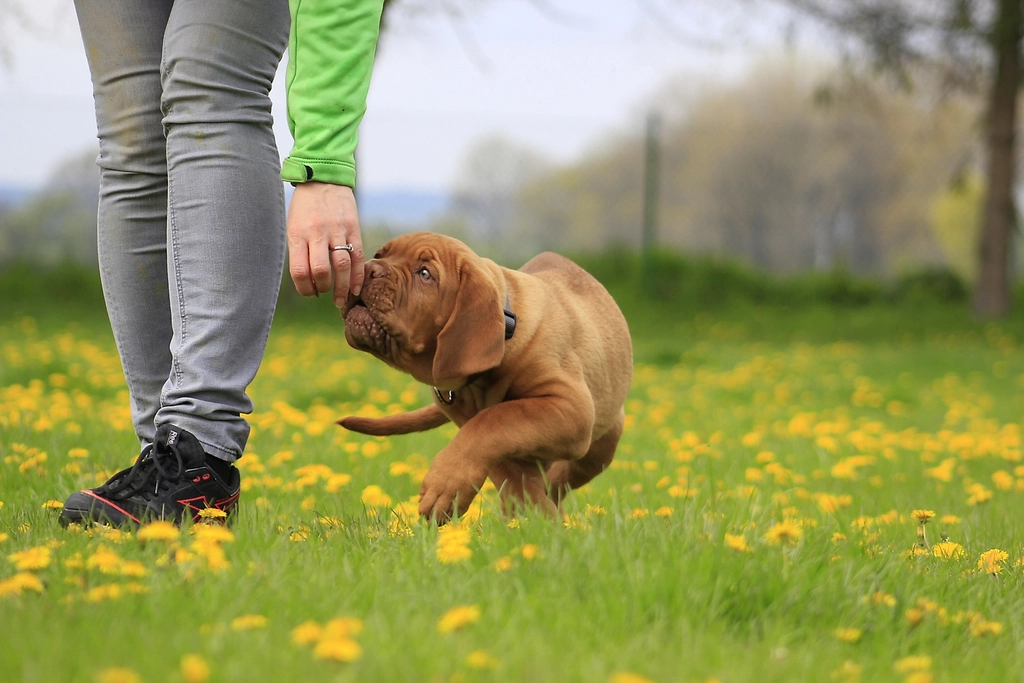
If you’ve ever watched your dog stare at you a little too closely on a bad day, you might have felt slightly exposed, like they knew something you didn’t say out loud. The wild part is: they probably did. A dog’s nose is not just better than ours; it’s in a completely different league, like comparing a cheap calculator to a full-blown supercomputer. While we stumble through the world with about six million olfactory receptors, dogs can have up to three hundred million, and their brain is wired to make serious use of that data.
We build sensors, scanners and wearables and call them “smart,” but when it comes to subtle shifts in human body chemistry, the average family dog quietly outperforms cutting‑edge tech. From spotting early disease to predicting panic attacks, their nose is picking up microscopic changes that no device has fully matched yet. Understanding how they do that is not just fascinating – it forces us to rethink what “intelligence” and “technology” really mean.
The Numbers Behind the Supernose: Why 300 Million Receptors Change Everything
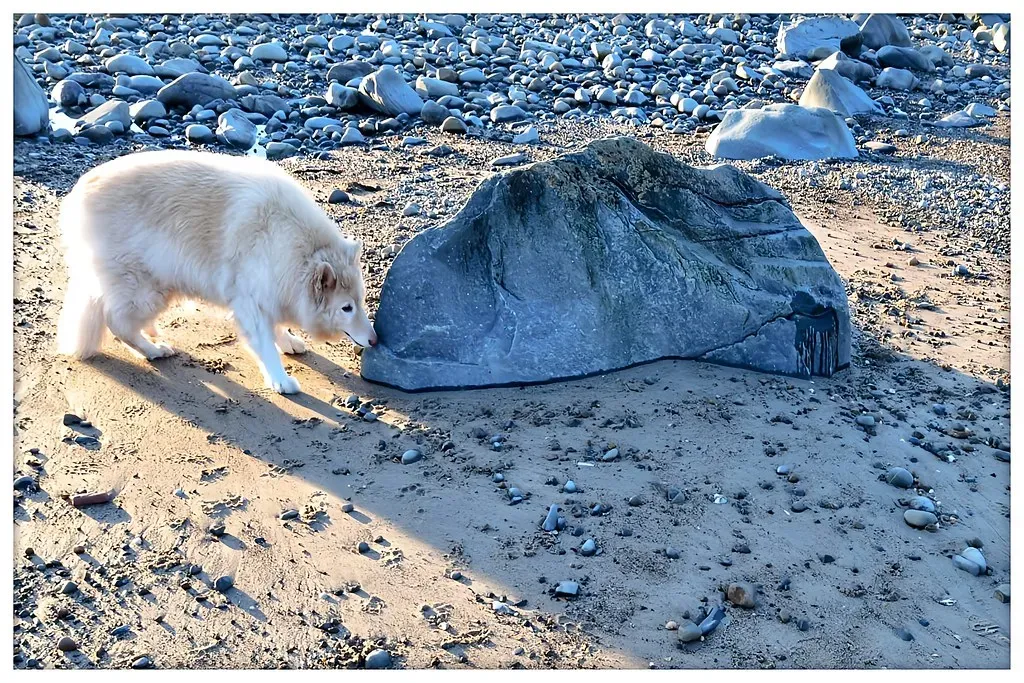
It sounds like a random fun fact that dogs have up to three hundred million olfactory receptors while humans have around six million, but that difference is massive in practice. You’re looking at roughly about fifty times more smell receptors feeding data into a brain area for scent that is proportionally far larger than our own. For a dog, smell is not a background sense; it’s their primary way of understanding reality, the way our eyes are for us.
Think of it this way: where we smell “coffee,” a dog smells the beans, the roast, the person who handled the cup, maybe even the anxiety hormones on the hand that set it down. That ocean of detail means they are not just detecting odors; they are reading a chemical story about the world in real time. Once you realize that, it becomes much less surprising that they can pick up changes in your body long before you feel anything wrong yourself.
How Dogs Read Your Body Chemistry Like a Constant Health Report
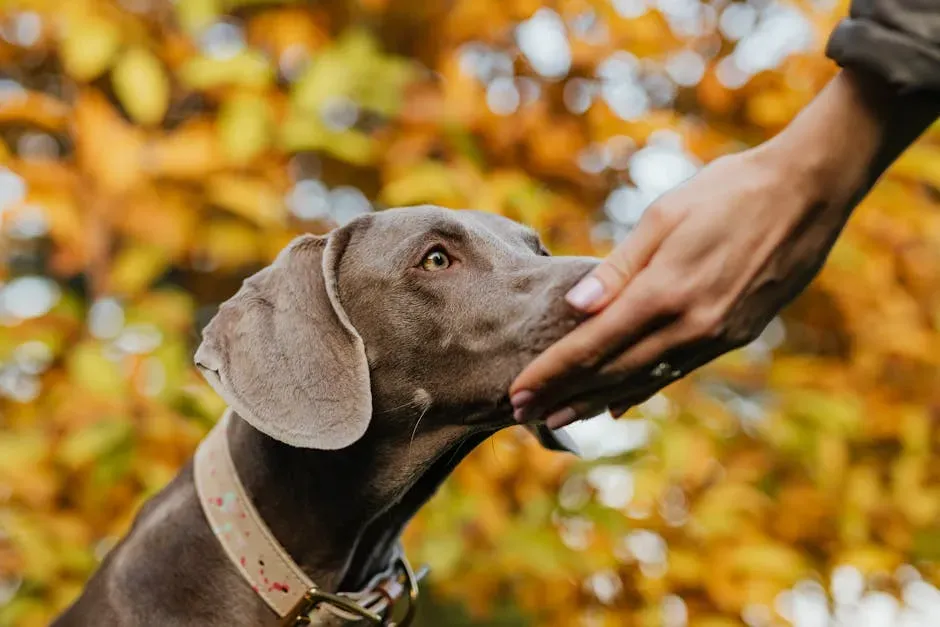
Your body is quietly broadcasting information all the time through breath, sweat, skin oils and even the air leaving your clothes. When your blood sugar changes, when cells start behaving abnormally, when you’re flooded with stress hormones, your personal “scent signature” shifts, even if you shower daily and drown yourself in perfume. Dogs notice those shifts the way you’d notice a flashing red light.
To them, you are basically walking around with a chemical status update hovering around your body. That’s why some dogs keep sniffing a particular mole, fixating on one area of the body, or suddenly act differently around someone who is sick, scared or sad. They are not guessing your mood or health; they’re literally smelling the difference between “today you” and “normal you,” even when you feel perfectly fine.
From Cancer to Blood Sugar: What Dogs Can Smell That Machines Struggle With
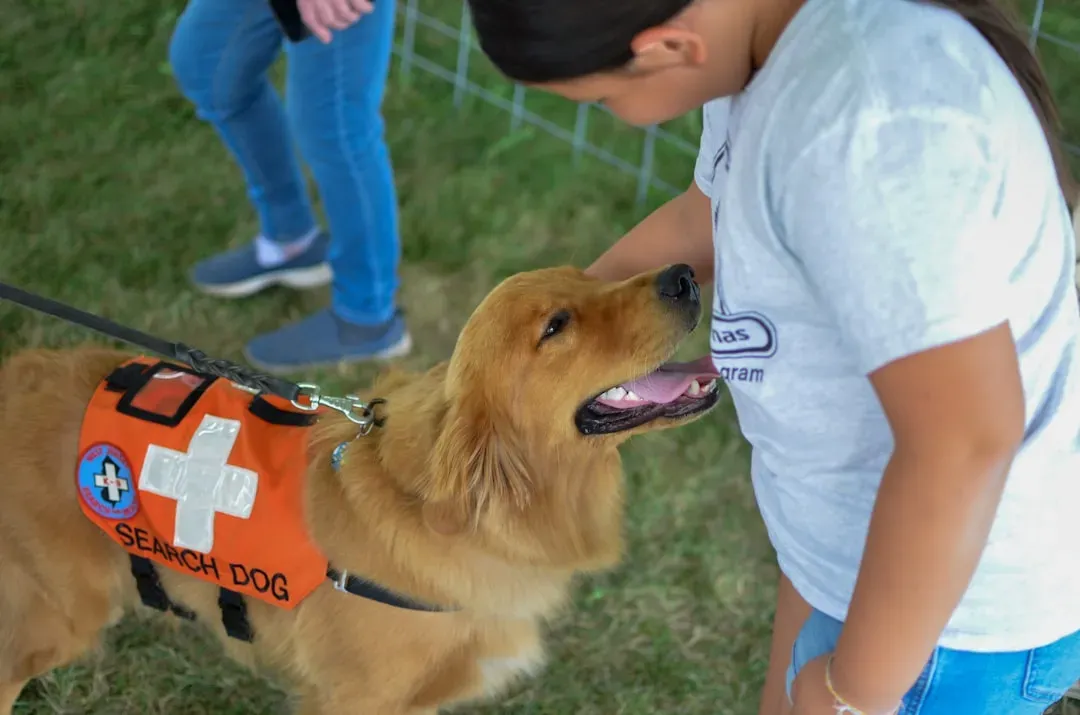
Over the past couple of decades, researchers have trained dogs to detect a growing list of medical conditions through scent alone. Dogs have been shown to pick up specific odors linked with some cancers, changes in blood sugar in people living with diabetes and even compounds linked to infections and neurological conditions. In many of these studies, dogs identified samples that were otherwise hard to detect with standard screening tools, or they noticed changes earlier than the person did.
Devices can be incredibly precise, but they are usually locked onto one narrow target: one molecule, one biomarker, one data stream. A dog, on the other hand, is sniffing a whole bouquet of chemicals at once and processing patterns far more complex than a single lab test. That flexible, pattern-based approach lets them catch weird combinations and subtle shifts that our current sensors either miss or are not yet designed to see. The technology is improving fast, but the dog’s nose is still ahead in real‑world adaptability.
Anatomy of a Miracle: The Hidden Engineering Inside a Dog’s Nose
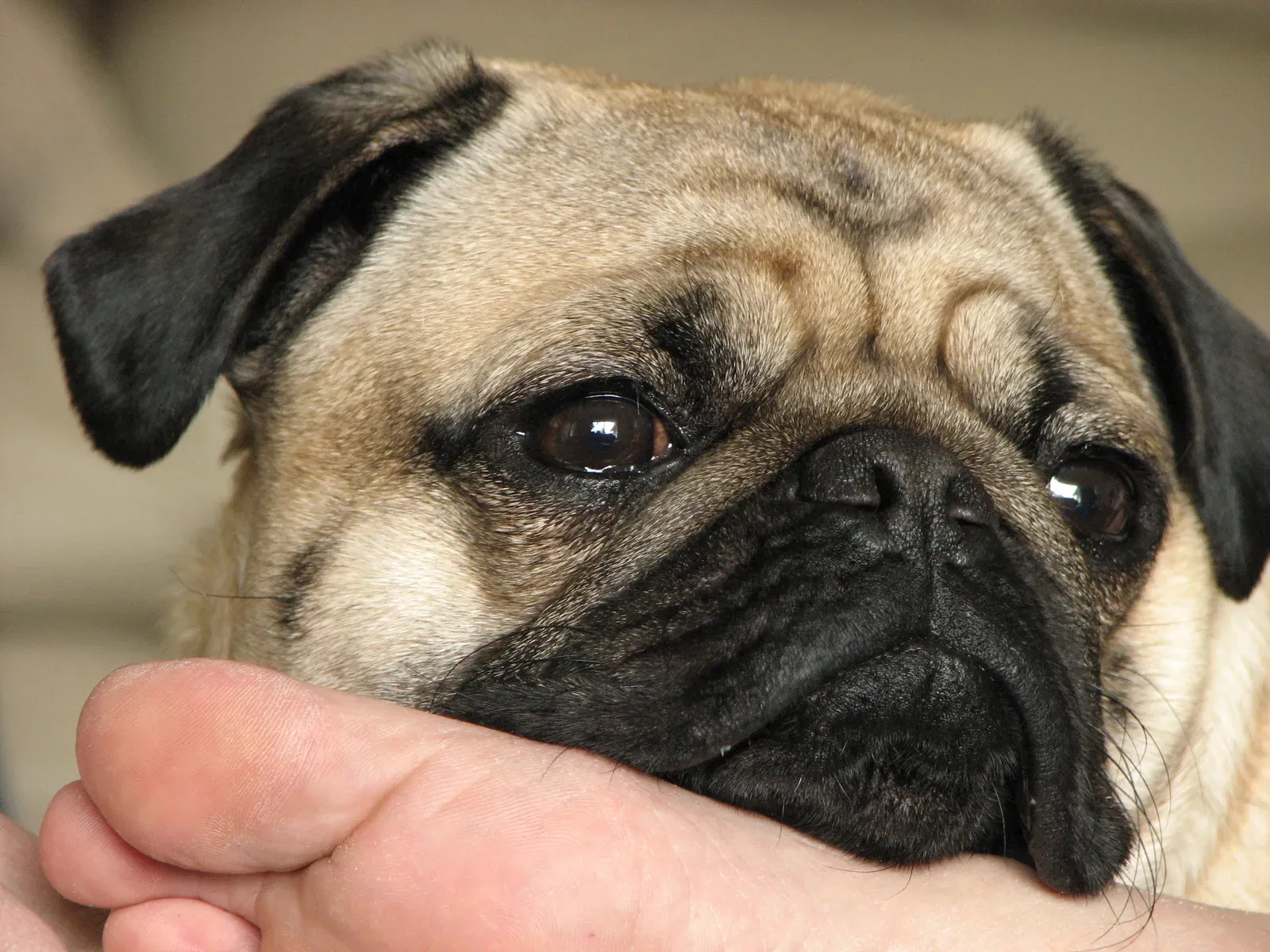
The nose itself is doing serious mechanical work before the brain even gets involved. When a dog sniffs, air is split into two different streams: one for breathing, one pushed toward the scent receptors, which keeps the smell in the nose longer and more concentrated. Their nasal passages are like a complicated maze designed to slow down and swirl the air so more odor molecules can stick to the lining and be analyzed.
On top of that, dogs have a special structure called the vomeronasal organ, which helps detect certain chemical signals, especially related to social information and reproduction. While we have a very basic or possibly nonfunctional version of this, dogs use it as an extra channel of information. It is a bit like having another hidden sensor layered on top of an already advanced system. You’re not just dealing with a bigger version of a human nose; it is a fundamentally more specialized piece of biology.
Why Emotion Has a Smell: Dogs, Stress, Fear and Your Mental State
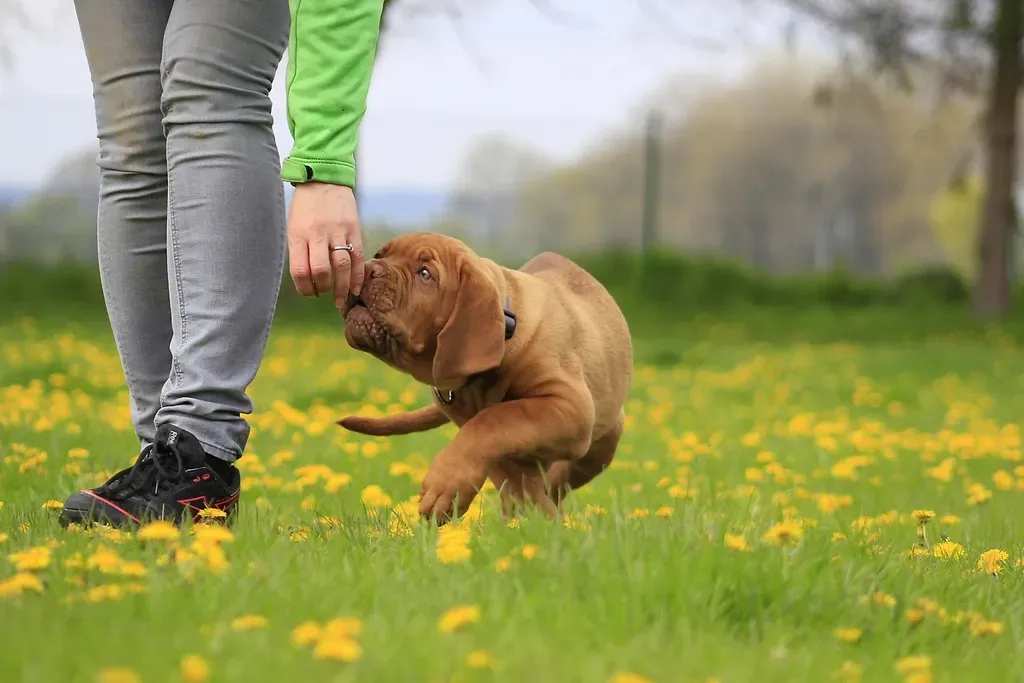
One of the most unsettling ideas, in a good way, is that your emotions have a chemical footprint. When you are stressed, afraid, grieving or suddenly relaxed after being tense, your hormones and nervous system activity shift, and that change leaks out through your skin and breath. Dogs have repeatedly been shown to distinguish between sweat or breath samples from calm people and those from anxious or fearful people.
For a dog living with you, this becomes a continuous feedback loop. They start to link your unique “stressed scent” with your body language, tone of voice and behavior, and over time they can anticipate your emotional swings before they explode to the surface. That is one reason service dogs can interrupt panic attacks, alert people with PTSD before they spiral or simply come sit next to you right before you even realize you are about to cry. From their viewpoint, your feelings are not invisible; they are literally hanging in the air.
On a personal level, I’ve noticed this with my own dog: on days when I’m quietly anxious but pretending everything is fine, he becomes clingy in this oddly specific way, shadowing me room to room. For a long time I brushed it off as coincidence, but once you understand their sense of smell, it makes more sense to assume he’s tracking my chemistry, not my performance.
Why Devices Still Can’t Compete With a Dog’s Nose (Yet)

To be fair, technology has made huge progress. There are experimental “electronic noses,” gas sensors and AI‑driven pattern recognizers that can pick up certain disease markers and environmental chemicals at incredibly low levels. In tightly controlled lab conditions, some of these systems can rival or outperform dogs at a specific, narrow task. But real life is not a tightly controlled lab, and that’s where dogs still win.
The challenge is that the human body does not release just one neat, isolated chemical when something changes. It produces a messy cloud of varying compounds that blend with food smells, cleaning products, outdoor air, perfumes and everything else around you. Dogs are astonishingly good at filtering that chaos, focusing on the meaningful signal and ignoring the noise. Our devices, for now, are mostly specialists, not generalists. Until tech can handle the same wild and dynamic mix of real‑world scents with the same flexibility, dogs remain the undefeated champions.
Living With a Bio-Sensor on Four Legs: What This Means for Everyday Dog Owners
Knowing all this changes how you see that casual nose poke from your dog. When they linger around a particular part of your body, suddenly become obsessed with smelling your breath or act unusually focused on you, it might be worth paying attention instead of shrugging it off. While you should never panic based on your dog’s behavior alone, using their reactions as one more data point can be surprisingly helpful, especially if they are persistent and out of character.
It also explains why harsh perfumes, strong cleaners or smoking around dogs can be overwhelming for them. Imagine living with your hearing turned up a hundred times louder, surrounded by constant sirens; that is their life in a heavily scented home. Being mindful of what we put into the air around them is a simple way to respect this superpower we benefit from. They are running a full-time chemical analysis of our lives for free; the least we can do is not drown their sensors in unnecessary noise.
The Future of Medicine May Still Need Wet Noses

There is a strong temptation in tech circles to assume that any biological talent is just a temporary benchmark until machines surpass it. With smell, I think that confidence is a bit premature. Yes, we will absolutely build better sensors, refine biomarkers and use AI to decode complex scent patterns, and that will save lives. But the dog’s nose is not just a sensor; it is part of a living, adaptive, emotionally responsive partner that learns you over time in a way no device on your wrist can fully copy.
My opinion is that for the foreseeable future, the smartest move is not to replace dogs with machines, but to pair them. Let the dog’s nose guide what we test, confirm or explore further with lab tools, and let technology help scale what dogs reveal but cannot do everywhere at once. In a world that worships screens and algorithms, it is strangely grounding to realize that one of the most advanced diagnostic tools we have still comes with fur, a wagging tail and a toy it refuses to let go of. Who would have guessed that the most sophisticated “sensor suite” in your home has been sleeping at the foot of your bed this whole time?