
Dog Psychology Says That When Your Dog Sniffs You Intently Upon Your Return Home They Are Not Simply Greeting You – They Are Reading a Detailed Chemical Record of Where You Have Been and How You Are Feeling
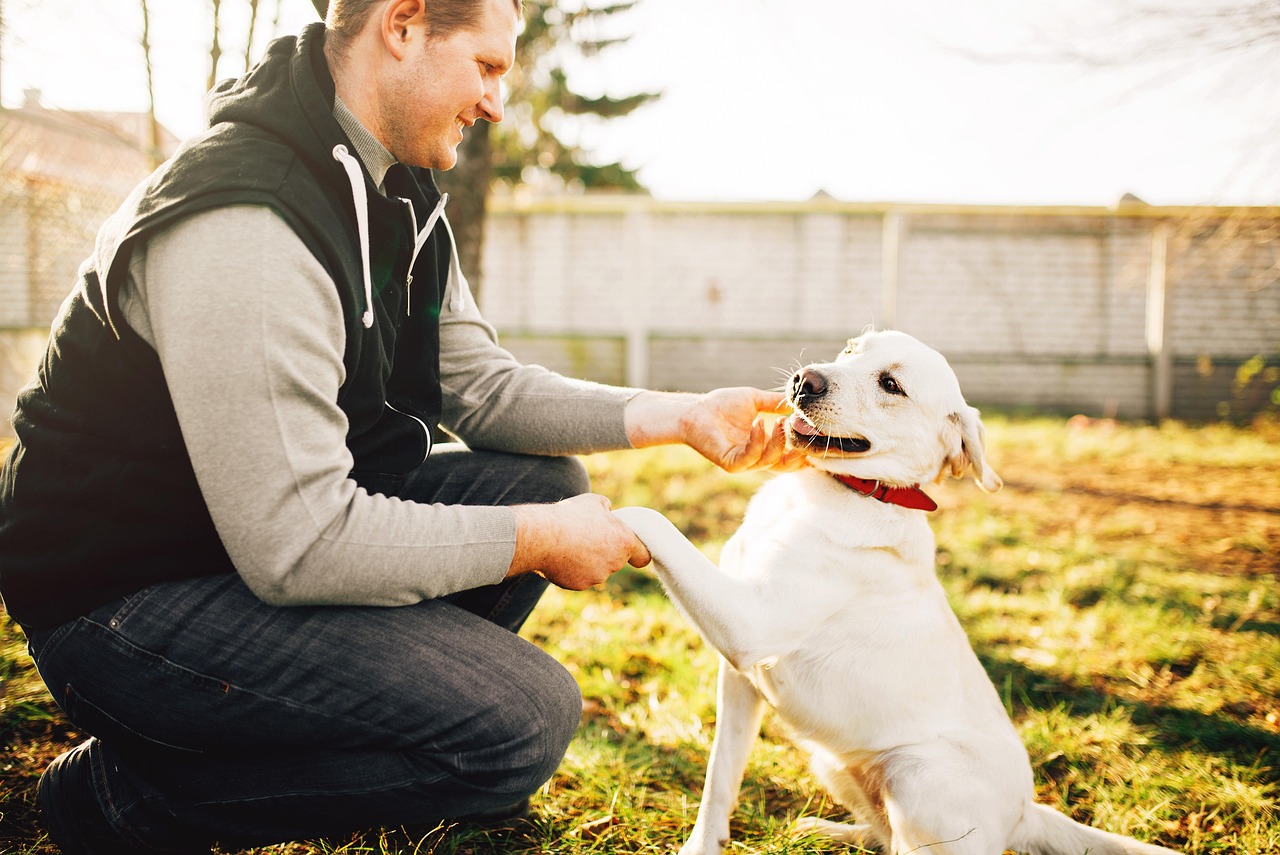
Ever walked through the door, only to be engulfed by your dog’s nose like you’re a walking crime scene? They sniff your shoes, your hands, your clothes, sometimes even your hair, as if you’re hiding state secrets. It feels cute and a little ridiculous, but from a dog’s point of view, this moment is less like a hello hug and more like scanning a boarding pass, a diary, and a medical chart all at once.
We tend to say our dogs “missed us,” which is probably true, but that intense sniffing is doing a lot more than expressing love. Your dog is literally reading a chemical record of your day. They can smell where you have been, who you have been around, what you touched, and even get a surprisingly accurate sense of your mood and stress level. Once you realize how much information they’re pulling out of thin air, that nose-burying greeting hits very differently.
That Intense Sniff When You Walk In Is a Full-Body Scan, Not Just a Hello
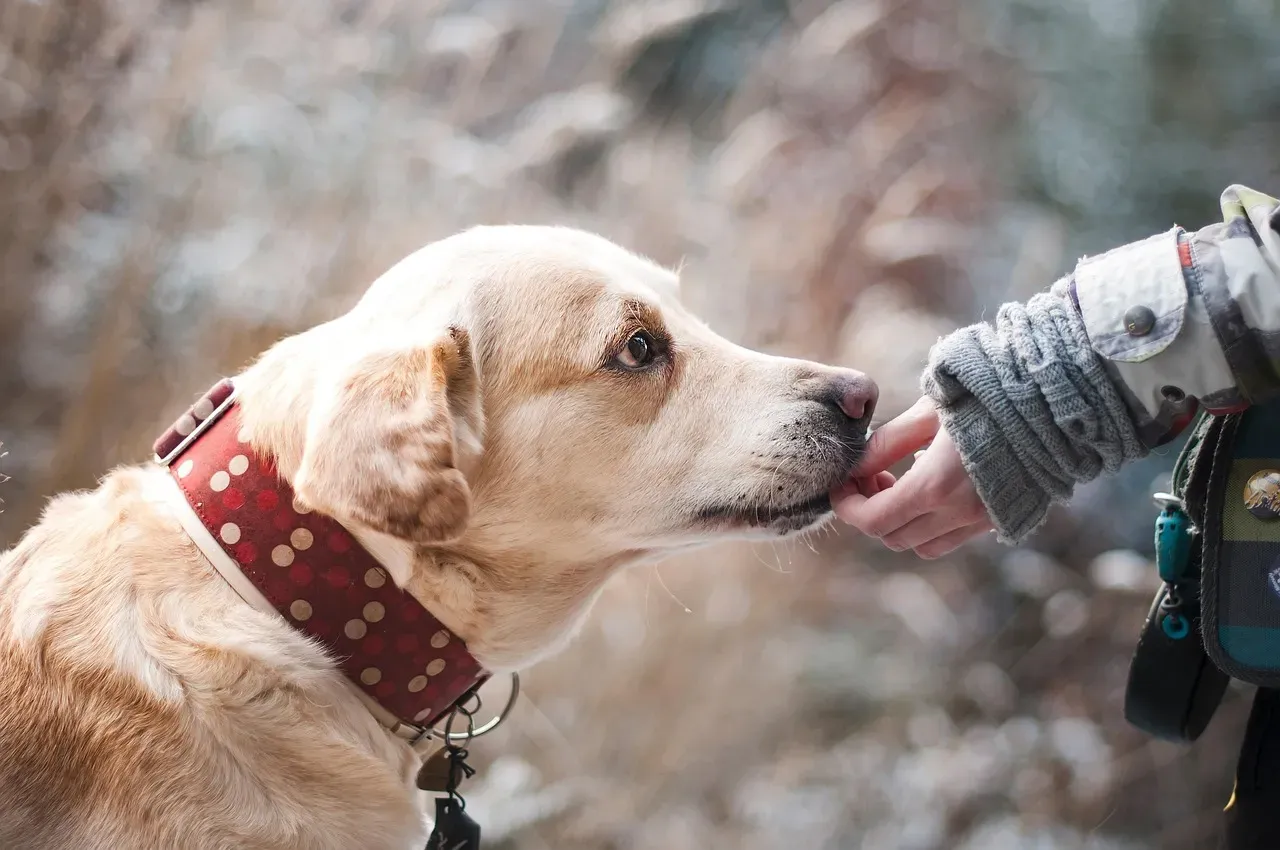
When you step through the door, your dog is not just being polite; they are running an instant investigation. Every whiff from your shoes, pants, and hands is like opening a new folder of information: outdoor smells, other animals, sweat, perfume, food, even the metal from door handles you touched. To you it is one moment, but to your dog it is a layered story of everywhere you have been since you left.
I remember coming home from visiting a friend who has cats, and my dog practically tried to climb into my jeans leg just to get closer to the smell. It was not random; she was confirming a suspicion: I had clearly “cheated” on her with other animals. Dogs do this with everyone in the home, every single day. It is their way of updating their mental file on you, like checking the latest notifications but in scent form.
How a Dog’s Nose Actually Works: Smelling in High Definition
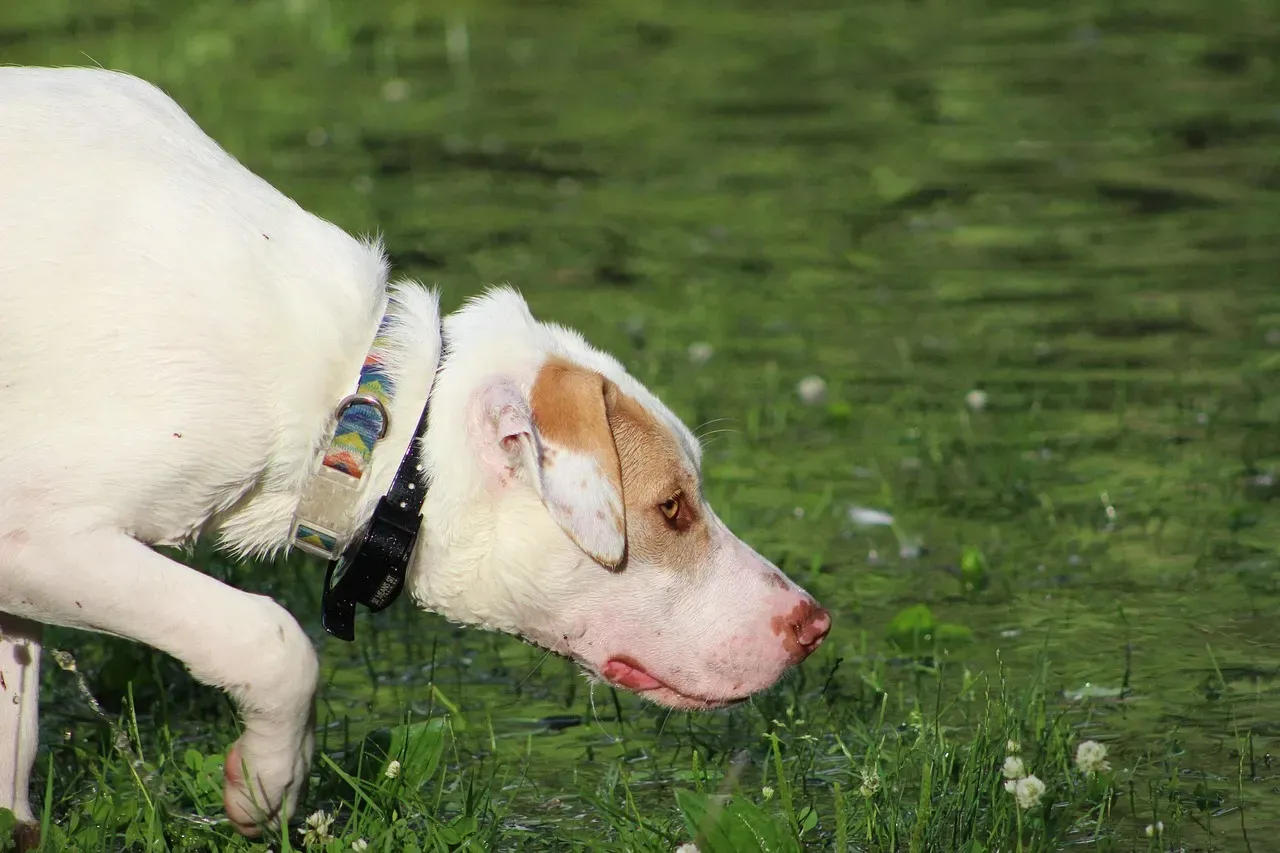
To understand why this greeting is so loaded with meaning, you have to appreciate just how extreme a dog’s nose really is. A dog’s sense of smell is vastly more sensitive than ours, often described as thousands of times more powerful, but that still undersells it. They do not just smell “pizza” the way we do; they can separate out the cheese, the meat, the oil on the box, and the scent of the person who last touched it.
The inside of a dog’s nose is like a huge, finely tuned chemical detector. They have far more scent receptors than humans and a special structure in their nasal cavity that helps trap and analyze odor molecules. On top of that, when they inhale, part of the airflow goes just for smelling, separate from breathing. When they sniff you intensely at the door, they are not overwhelmed; they are focusing on a stream of data we cannot even imagine exists.
You Carry a Chemical Diary of Your Day, and Your Dog Reads Every Page
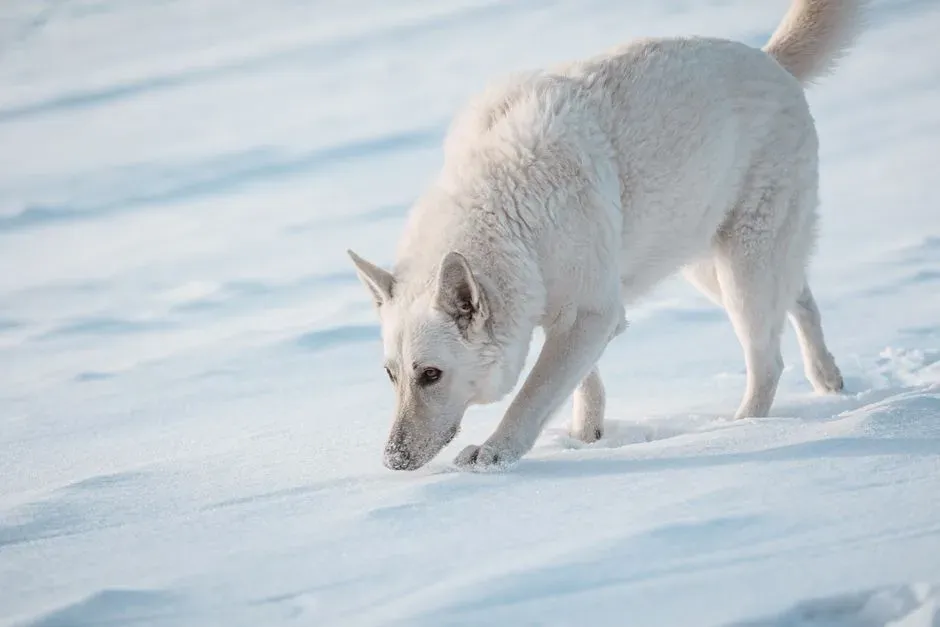
Humans are constantly shedding molecules: skin cells, sweat, traces of what we ate or drank, subtle hormonal shifts. You also pick up other people’s scents, environmental odors, and microscopic bits of places you have visited. All of that sticks to your clothes, hair, and skin like a chemical dust, turning you into a walking scent timeline. You might feel like you just came home from “work,” but to your dog, work smells like coffee, printer toner, that one coworker’s cologne, the fast food you walked past, and the elevator you took.
So when your dog noses your jacket sleeve or buries their snout in your shoes, they are not being dramatic – they are catching up on your entire day. Think of your scent as a series of chapters: the morning gym, the train or car, the office or shop, the park, the grocery store. Your dog flips through these chapters in seconds. To them, your return home is not only emotional; it is informational. They are literally learning where you have been without needing a single word from you.
Your Emotions Have an Odor, and Your Dog Knows When Something Is Off
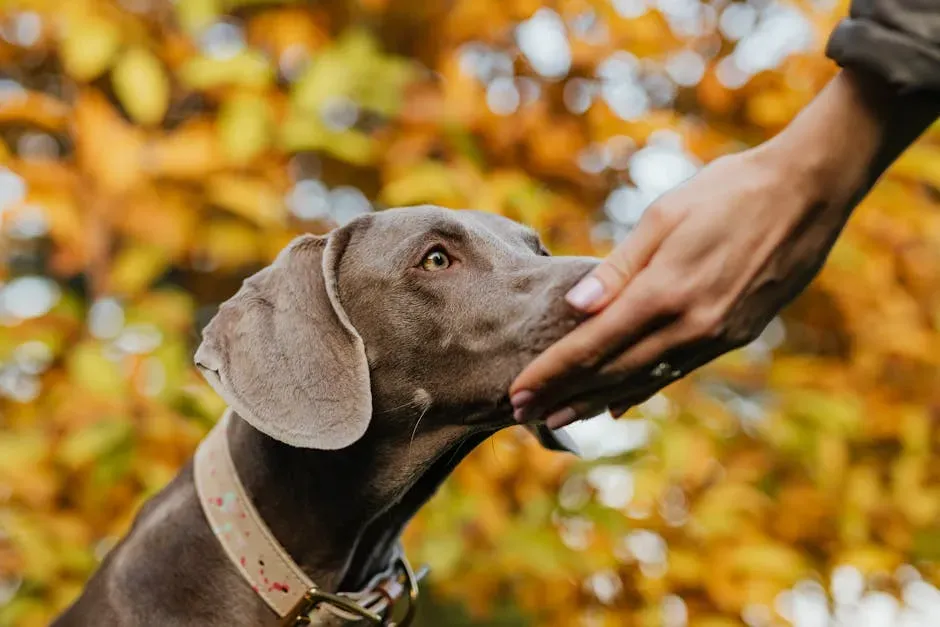
Here is where it gets almost eerie: your feelings change your scent too. When you are stressed, anxious, or excited, your body chemistry shifts. Sweat composition changes, hormones fluctuate, and subtle chemicals are released that you are not aware of at all. Dogs are incredibly good at picking up on these emotional scent signatures, even when you are trying to act calm on the outside.
So that extra-intense sniff after a rough day is not your dog being clingy for no reason. They may be detecting that your scent is different – more “sharp” or unfamiliar compared to your usual relaxed baseline. That can explain why some dogs become gentler, more cuddly, or even a little nervous when you come home upset. From their point of view, you did not just have a bad day; you came home smelling like fear, frustration, or excitement, and they are decoding that and reacting to it in real time.
Why Dogs Sniff Certain Parts of You More Than Others
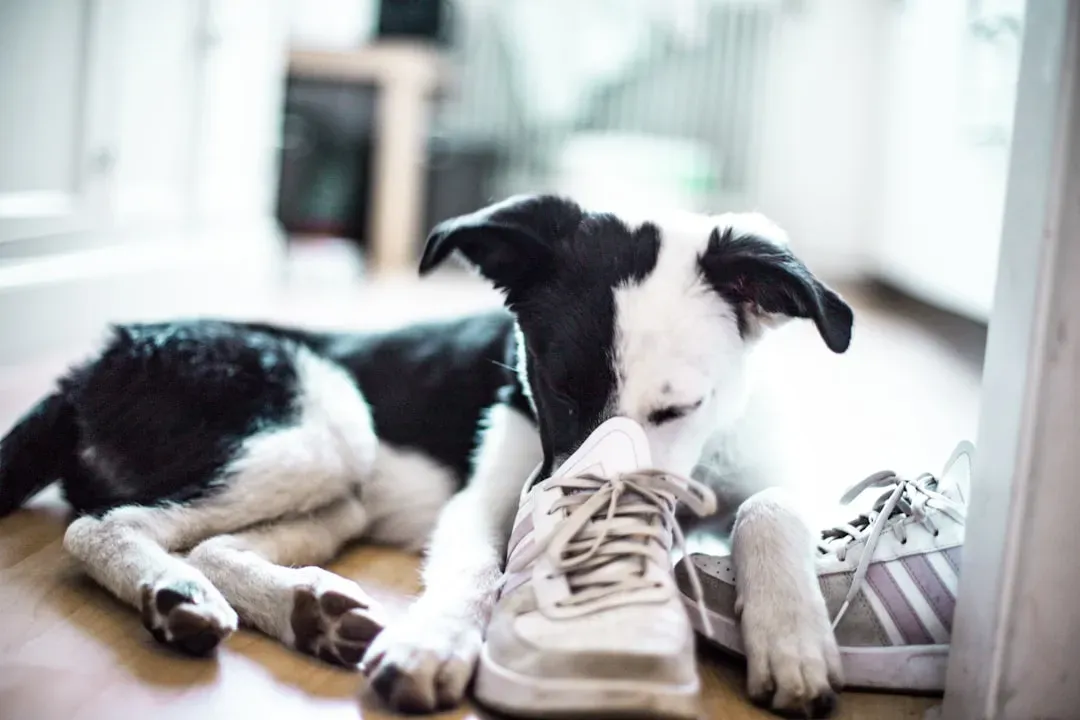
Ever notice how your dog always goes for your shoes first, or your hands, or sometimes even your face? There is a reason. Your shoes are like scent magnets: they have traces of everywhere you walked, every patch of grass, every lobby, every sidewalk and restroom. Hands are covered in whatever you touched, from doorknobs to other animals. Your face and hair carry strong signals of your personal scent and your current state – things like sweat, skin oils, and environmental smells.
Dogs naturally go to the richest scent sources. It is similar to how we might scan headlines before diving into a full article. Shoes give them the “where have you been” summary, hands fill in the “what did you do and who did you interact with,” and your overall body scent tells them “how are you doing.” If your dog lingers longer on one area than usual, it may be because that part of you is especially packed with new or surprising smells that do not match your normal scent pattern.
When Sniffing Becomes Reassurance, Not Just Curiosity
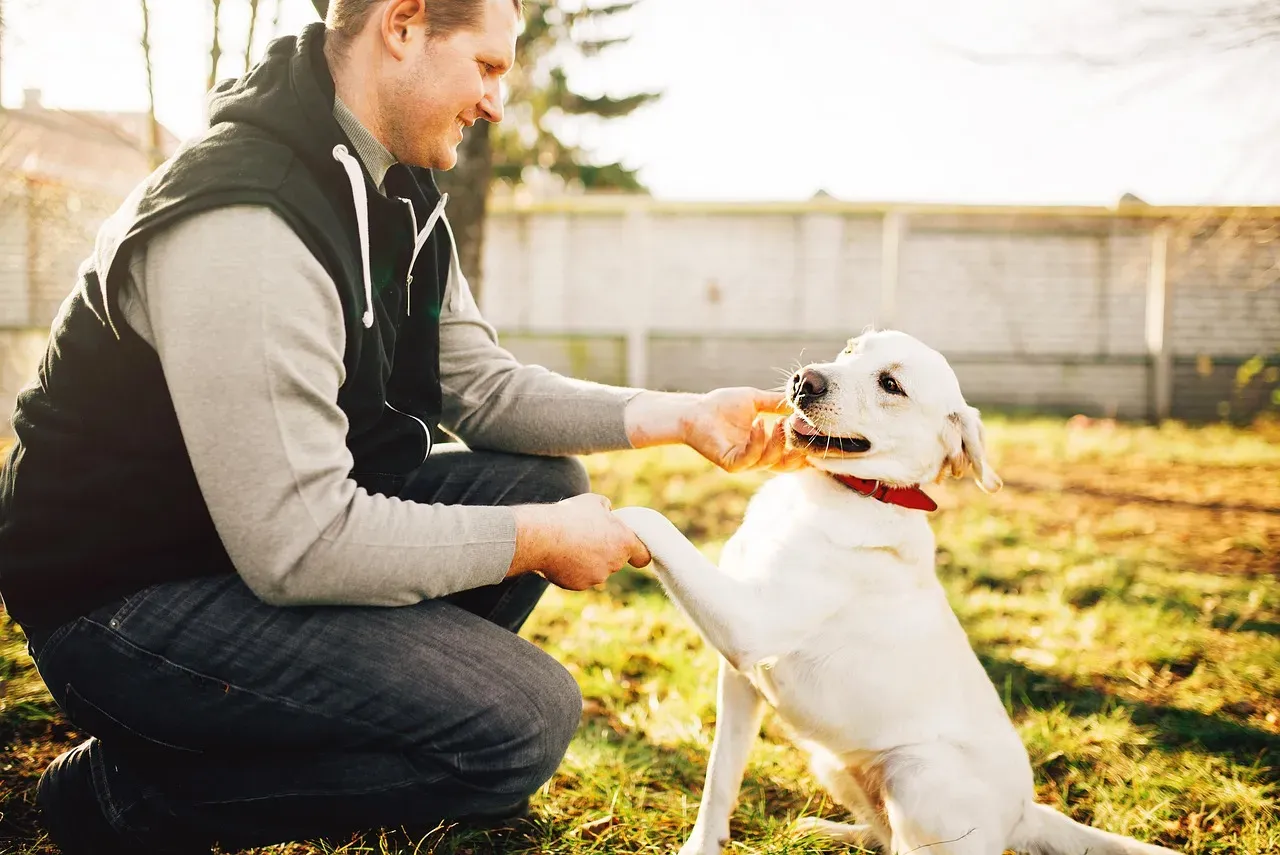
For many dogs, this intense sniffing is not only about information; it is also about feeling safe. Your familiar scent is comforting, almost like a security blanket they can inhale. After a long day alone, especially for anxious or sensitive dogs, confirming that it is really you, with your usual smell, can help them relax. This explains why some dogs seem to calm down noticeably after they finish that big investigation sniff and then settle at your feet.
On the flip side, if you smell very different – maybe you were at the hospital, a different home, or somewhere emotionally charged – your dog may act a bit strange or clingy. They might shadow you, sniff you over and over, or seem unusually alert. They are working through the tension of recognizing you but also sensing that something in your scent story feels off. In a way, their nose is asking you questions your mouth has not answered yet.
How You Can Respect and Respond to This Scent-Based “Conversation”
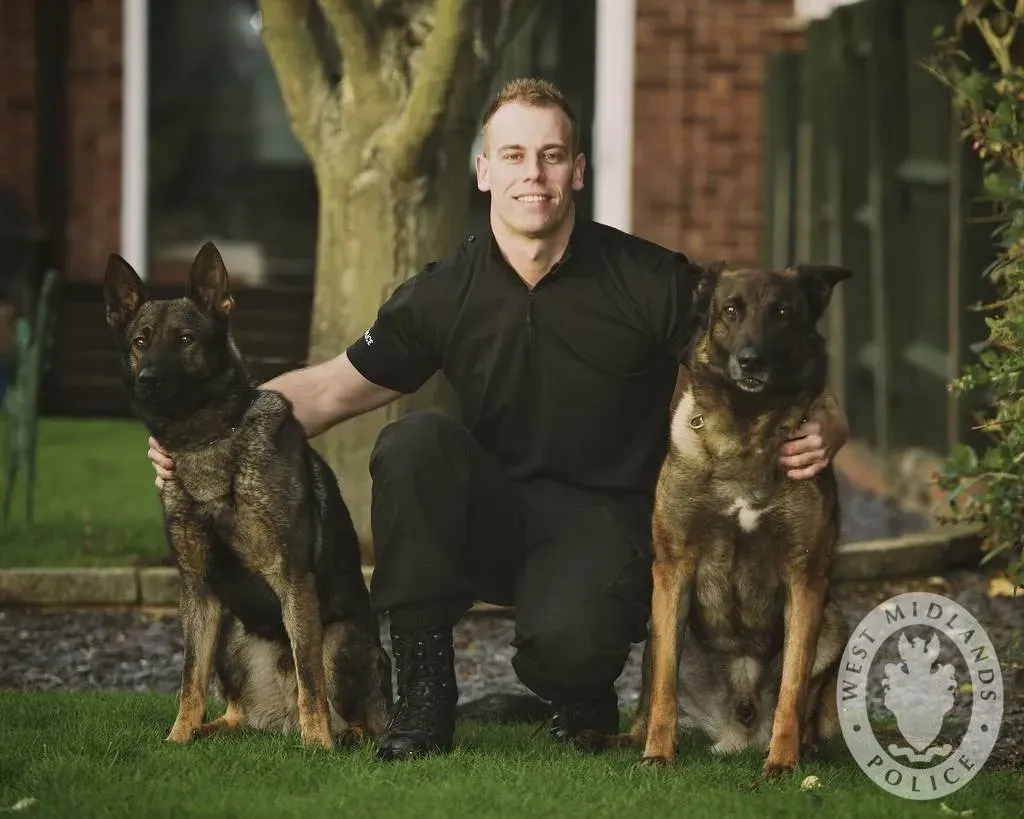
Once you realize your dog is basically reading your chemical diary every time you return, it changes how you see that greeting. You can make this moment more comfortable and meaningful by giving them space and a bit of time. Let them do their nose work without pushing them away or rushing it off as annoying. That intense sniffing is their way of catching up with you; it is their version of asking how your day was and actually listening to the answer.
You can even turn it into a ritual: step in, kneel or stand still for a few seconds, let them do the full scan, then move into petting, play, or calm cuddles. If you know you have had a tough day, it can be strangely grounding to accept that your dog already “knows” you are off just from your scent. That small pause to connect on their terms can make your bond feel less like owner and pet, and more like two very different creatures sharing the same story in two different languages.
The Bigger Picture: Your Dog Is Not Just Loving You, They Are Studying You
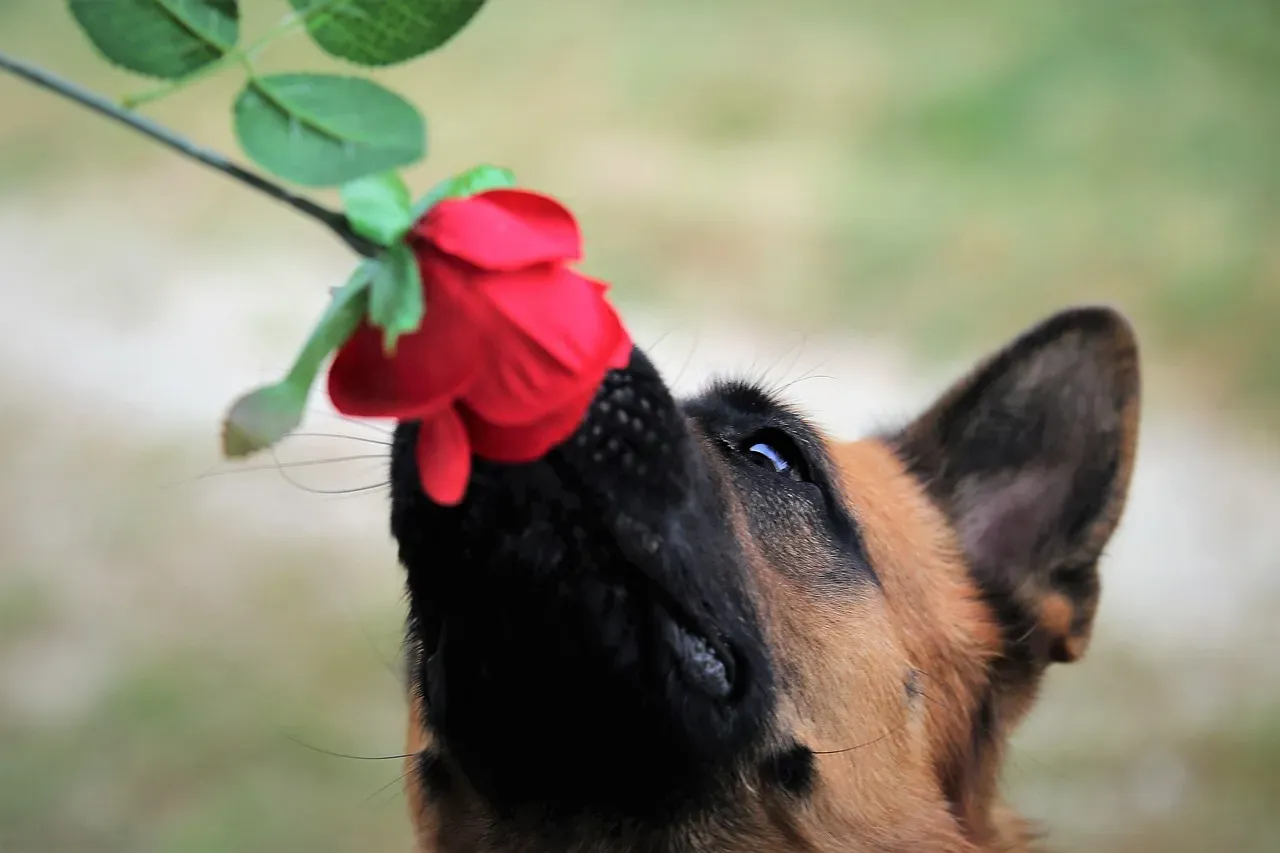
When we tell ourselves that dogs just love us blindly, we almost sell them short. The truth is more impressive and, honestly, more moving: they love us while paying incredibly close attention to who we are, where we go, and how we feel, all through their nose. Every time you walk through the door, your dog is updating a living, breathing map of your life. That is not casual affection; that is dedicated observation wrapped in devotion.
My opinion? We should take this seriously, not in a heavy way, but in a respectful one. If your dog can smell your stress before you can even put it into words, maybe that is a quiet nudge to slow down, to notice yourself the way they notice you. The next time your dog sniffs you like you are their favorite mystery novel, instead of brushing it off, maybe ask yourself: what story am I bringing home on my skin today – and what is my dog trying to tell me back?