
7 Changes in Your Dog’s Behavior That Mean Their Eyesight Is Failing Before Any Vet Has Confirmed It
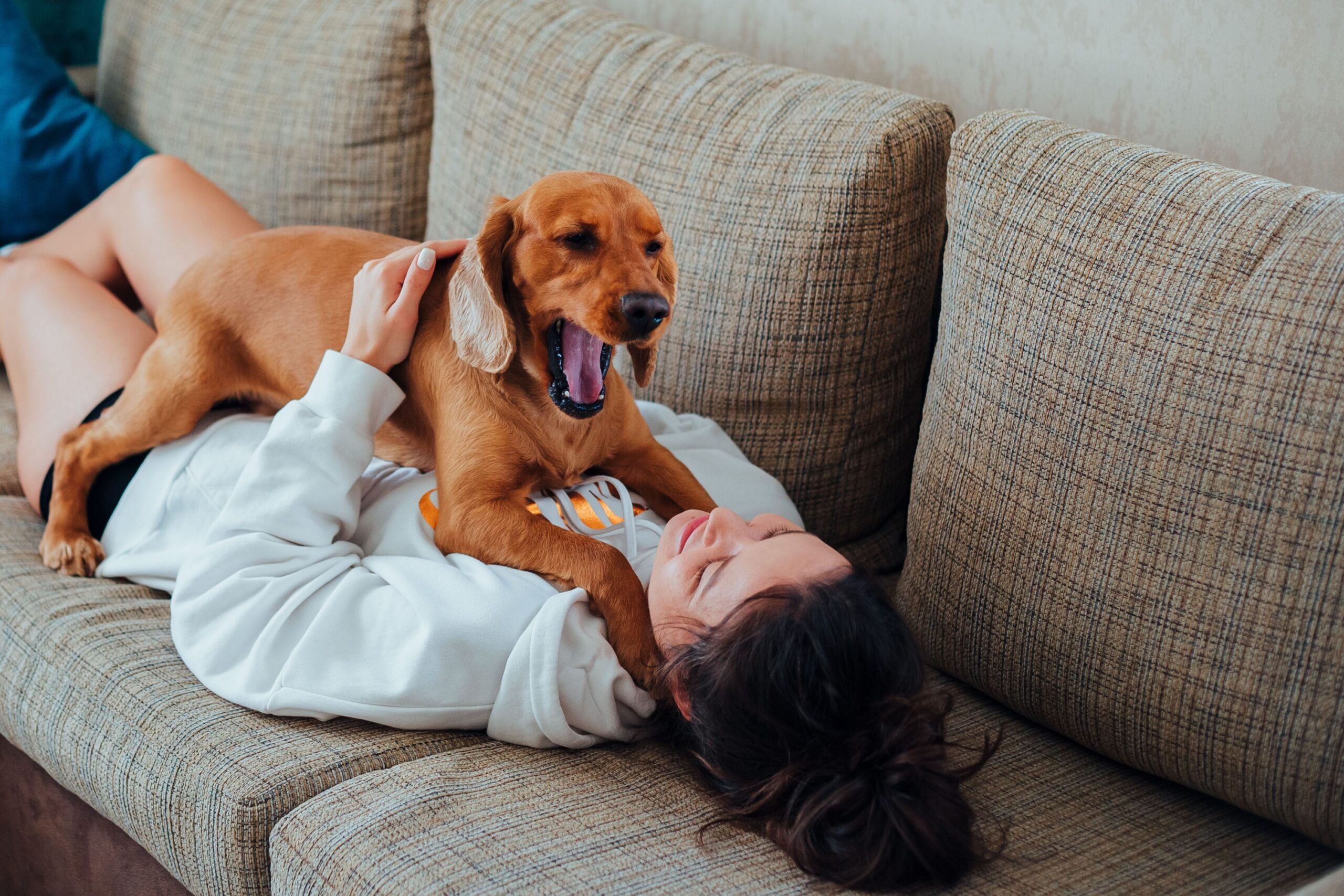
You know your dog better than anyone. That is both a blessing and a big responsibility, because many eye problems in dogs creep in quietly, long before a vet ever says the words “vision loss.” Subtle shifts in how your dog moves, plays, or even looks at you can be the very first alarm bells that something is changing in their eyesight.
The tricky part is that these signs are easy to brush off as “just getting older” or “being lazy today.” I made that mistake once with my own dog, blaming age when he was actually struggling to see the edge of a step. By the time I realized it, we had missed months where early help might have made a difference. Let’s talk about the kinds of behavior changes that should make you pause, pay attention, and call your vet even before anyone has put a diagnosis on paper.
1. Bumping Into Things or Misjudging Distances
If your dog is suddenly clipping door frames, walking into chair legs, or misjudging the couch when they try to jump up, that is not just clumsiness. Dogs are usually incredibly good at mapping their environment, so frequent “whoops” moments can be an early sign that their visual map is no longer matching reality. You might notice this first in low light, like when they walk down a dim hallway at night and seem more hesitant or bump into objects they used to avoid easily.
Pay attention to how they handle familiar versus unfamiliar spaces. A dog that moves fine at home but bumps into things at a new park, a friend’s house, or the vet clinic might be compensating at home by memory rather than full vision. It is like a person navigating their own bedroom in the dark: they can do it because they know it, not because they see it well. When those small collisions become a pattern, it is time to assume vision might be part of the story.
2. Hesitation on Stairs, Curbs, and Jumping Up or Down
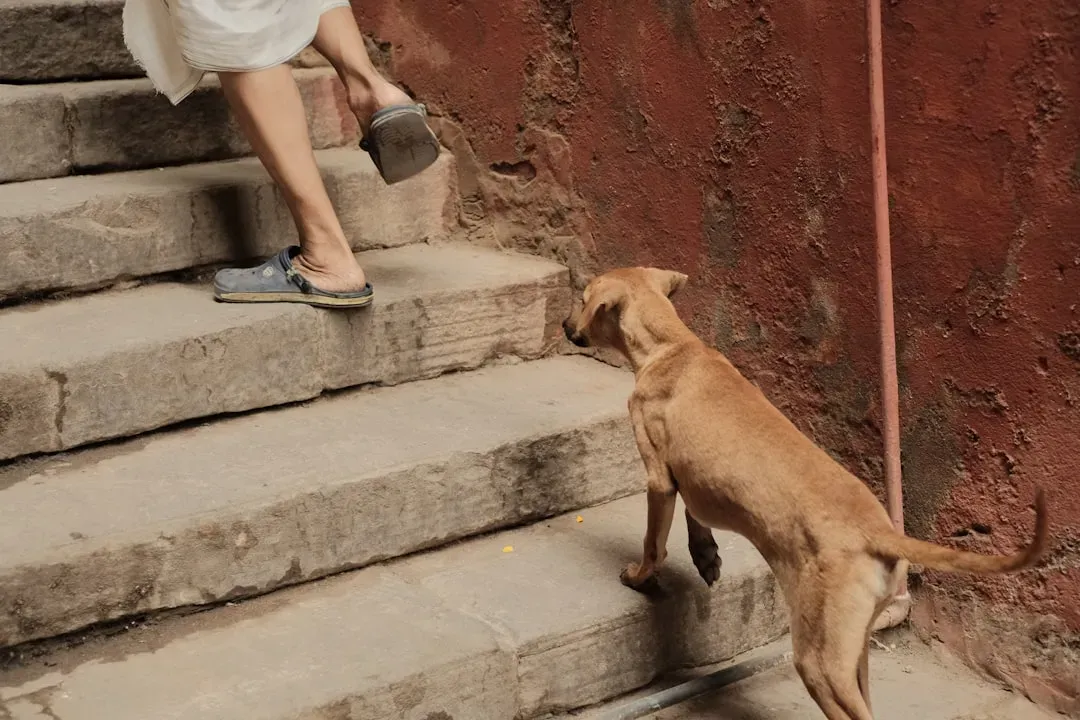
One of the most common early clues of eye trouble is a dog that suddenly thinks twice about stairs or jumps. Maybe they pause at the top of the staircase, move more slowly, or insist on you going first. Maybe they used to leap in and out of the car and now plant their feet or need encouragement and guidance. That extra hesitation is often a quiet sign that they are not fully confident about where the edge begins and ends.
Of course, pain from arthritis or hip issues can also cause this, which is why it is so important not to guess but to observe the whole picture. If your dog hesitates mainly in dim lighting, at night, or in unfamiliar staircases, eyesight moves higher on the list of suspects. Imagine looking down into a poorly lit stairwell where every step is a gray blur; you would probably slow down too. Your dog may be doing the exact same thing, using caution because the world in front of them is fuzzier than it used to be.
3. Clinginess, Anxiety, or “Velcro Dog” Behavior
A dog that is losing vision often becomes more attached to their humans, especially in new or busy environments. If your previously confident dog now shadows you from room to room, panics when you leave the space, or seems more easily startled by strangers or sudden noises, their world might simply feel less predictable. When vision fades, sounds and smells become more important, but they can also feel more overwhelming if the dog cannot easily see where they are coming from.
Some dogs with early vision loss will bark more at random noises, pace or whine in unfamiliar places, or even refuse to walk ahead of you on walks. They are not suddenly being “needy” just to annoy you; they might be using you as their anchor and safety net. Think of it like holding onto someone’s arm in a dark parking lot: you might have walked it alone before, but now you need that extra reassurance. Your dog may be telling you they no longer trust what their eyes are showing them.
4. Changes in How They Play and Use Their Toys
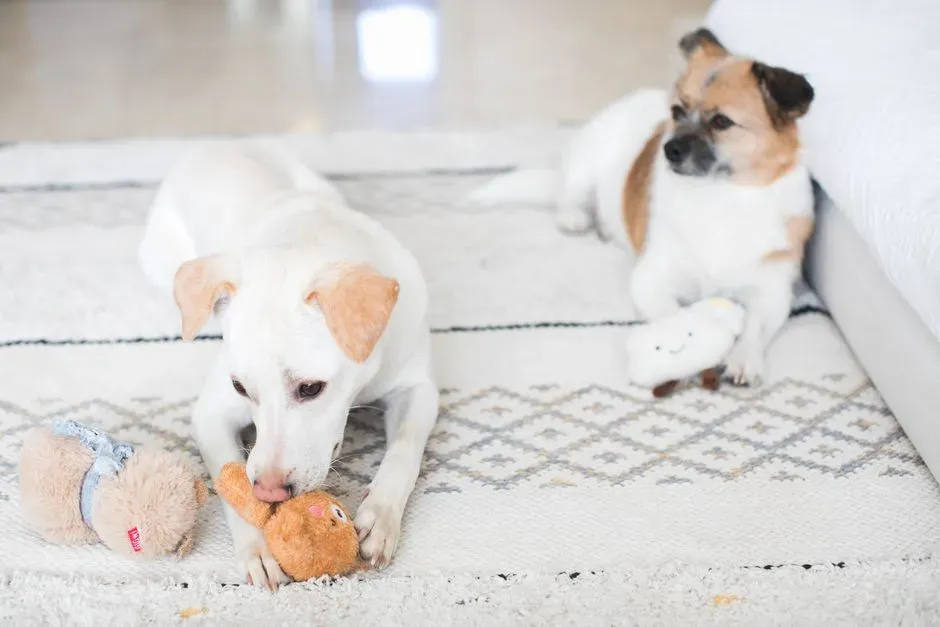
Playtime is one of the clearest windows into your dog’s senses. A dog whose eyesight is starting to fail might stop catching balls in midair, miss the toy when they go to grab it, or lose interest in chase games they used to love. They may still love tug toys or chew toys they can find by smell, but fast-moving, visually demanding games become frustrating. If you notice your dog consistently losing track of a thrown toy, especially if it blends into the background, that is a red flag worth noting.
You might also see them rely more on sound. Dogs with early vision changes may perk up more for toys that squeak, rattle, or jingle, because those are easier to track without perfect eyesight. If switching to noisier toys suddenly brings back their play drive, that is both good news and a subtle hint about what their eyes are doing. The shift from “chase and catch” to “sniff, chew, and listen” can be a quiet but powerful clue that their world is changing visually.
5. Night Blindness and Trouble in Dim Light
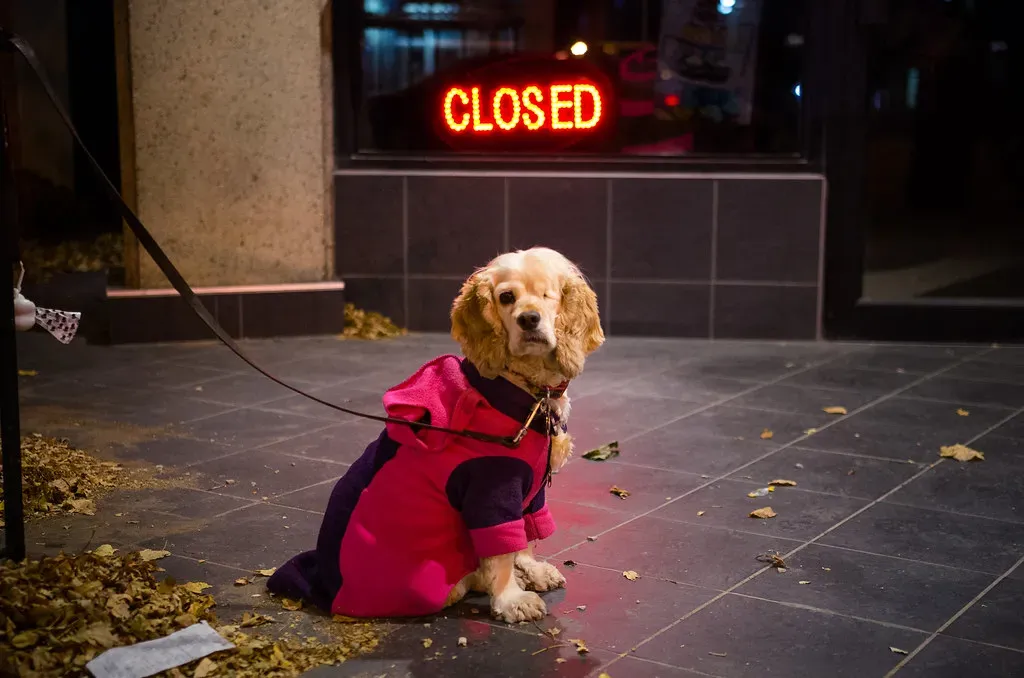
A lot of eye conditions in dogs start by affecting their vision in low light before daytime vision noticeably changes. You may see your dog freeze on the sidewalk at dusk, move slowly on nighttime walks, or refuse to go into a dark room they used to stride into without thinking. Some dogs will stand at the top of the stairs at night and whine until a light is turned on, then move more confidently once everything is brighter.
It is easy to write off these changes as your dog “being stubborn” or “disliking the dark,” but their eyes may simply not be processing light the way they used to. I remember flipping on a hallway light for my own dog and watching his whole body relax as if someone had cleared fog from his path. If extra lighting suddenly transforms your dog from cautious to comfortable, that is a strong sign that their vision, especially their night vision, may be fading before anyone has officially diagnosed it.
6. Subtle Changes in Eye Appearance or Facial Expressions
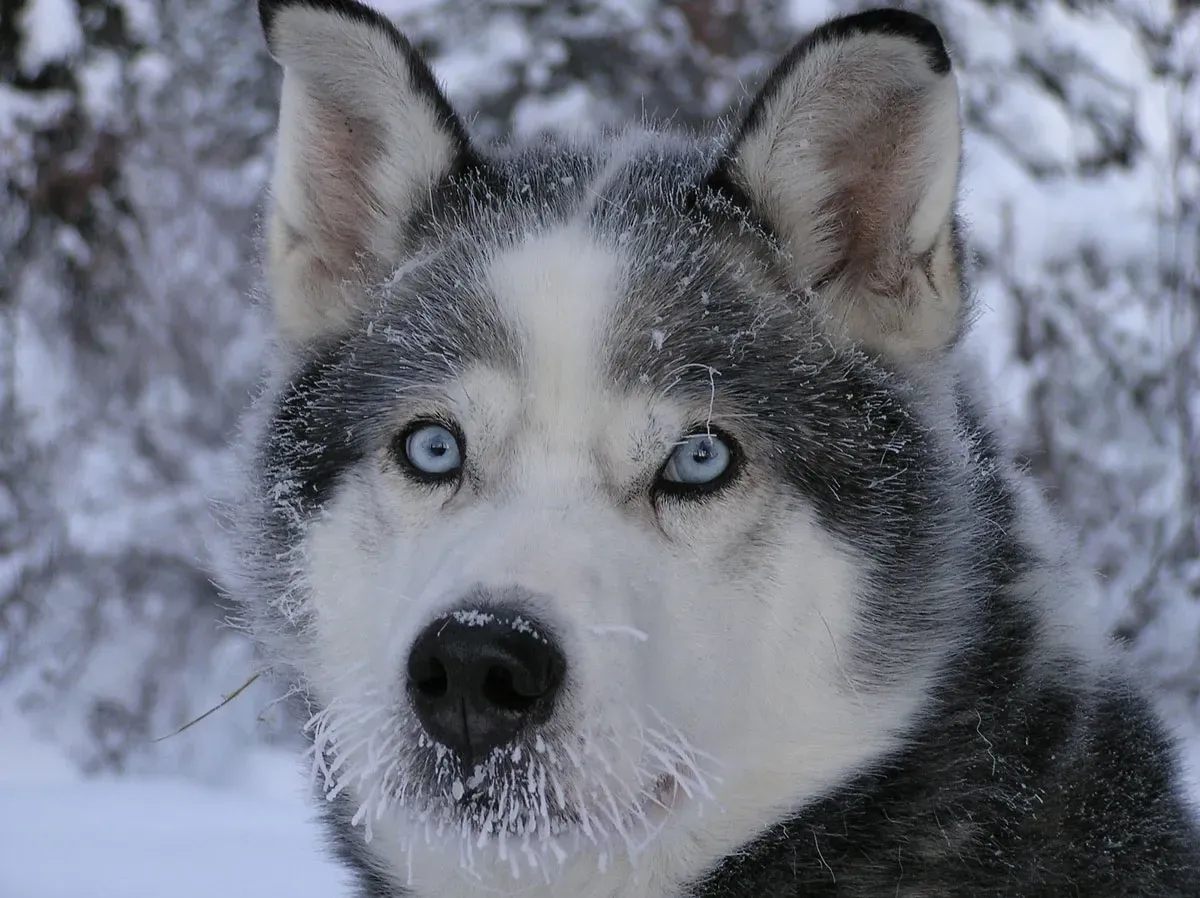
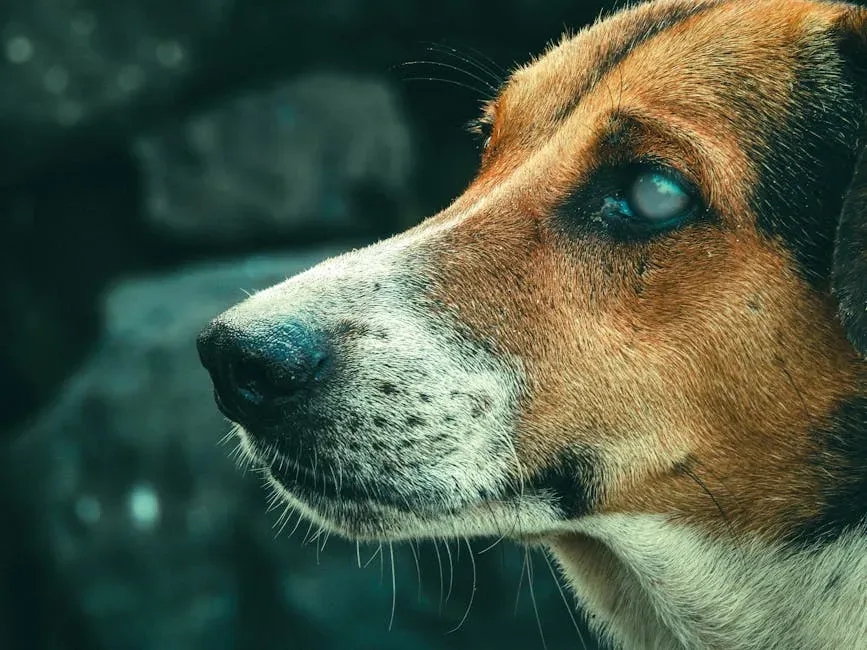
Behavior includes how your dog holds their face and eyes, not just how they move their body. Cloudiness in the eye, a bluish or grayish haze, frequent squinting, or keeping their eyes partly closed can all go hand in hand with changes in how they behave. Maybe they avoid bright sunlight, rub their face with their paws, or blink more often when you turn on a lamp. You might see them turn their head a little to one side to look at things more clearly, which is a quiet way of compensating for patchy or uneven vision.
Sometimes the changes are very small: they stop making direct eye contact the way they used to, or their eyes seem to “look past” you instead of locking onto your face. That can feel emotionally jarring, like you are losing a piece of your connection, but it can also be a sign that fine focus is becoming harder for them. While some cloudiness can be part of normal aging, especially in older dogs, pairing any visible change with shifts in behavior should move “eye exam” to the top of your vet checklist.
7. Getting Lost in Familiar Spaces or Acting “Confused”

One of the most heartbreaking signs of fading eyesight is when a dog seems to get lost in their own home. They might walk into a room and stop, unsure which way to turn, or stand facing a corner as if they cannot figure out how to back out. Some dogs will pace along walls or furniture, using their nose and whiskers to feel their way instead of confidently crossing open spaces. From the outside, this can look like simple confusion or even cognitive decline, but sometimes their brain is fine and their eyes are the real issue.
Watch for patterns like stopping in doorways, missing the open side of a baby gate, or needing you to call them repeatedly before they navigate around an obstacle. They may follow the same “safe routes” through the house every time, like hugging the sofa or walking the exact same path from the kitchen to the bedroom. That kind of behavior is often your dog’s way of building a mental map to make up for what they cannot clearly see. It is not stubbornness or disobedience; it is survival strategy in a world that has gone blurry.
Conclusion: Trust Your Gut Before the Diagnosis
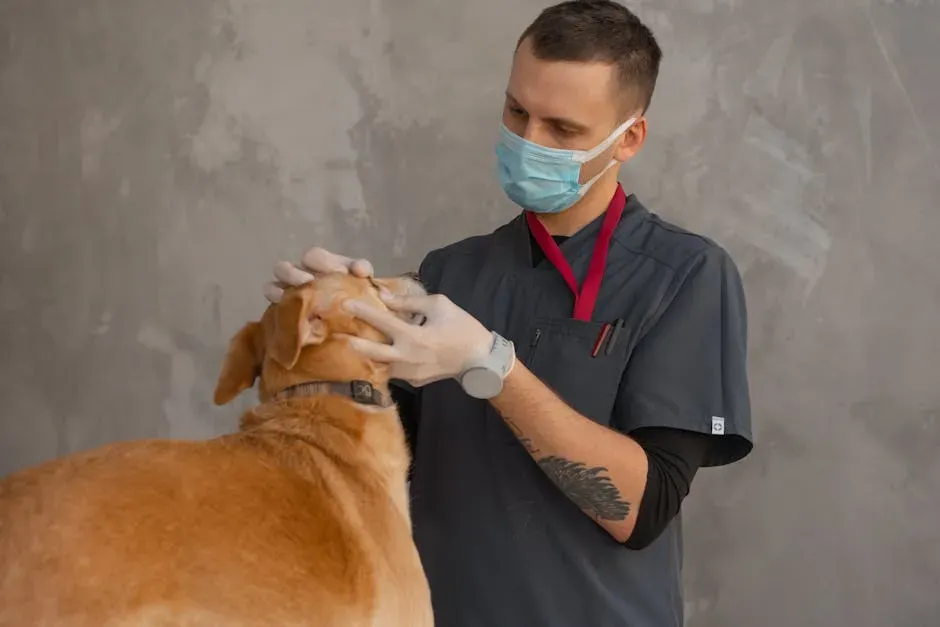
If you are seeing even two or three of these changes together, your dog is not just being weird, dramatic, or lazy. They might be quietly telling you that the world does not look the way it used to, even if they cannot show you exactly how. In my opinion, waiting for something to be “obvious enough” for everyone to see is one of the biggest mistakes we make with our pets’ eyes. Early checks, even when you are not totally sure, are almost always better than wishing you had gone in sooner.
The good news is that dogs are incredibly adaptable. With the right support, many live full, happy lives even with partial or complete vision loss, especially when their humans notice the change early and adjust the environment with kindness instead of frustration. So if your gut is whispering that something about your dog’s behavior feels off, do not ignore it. Take notes, shoot a few videos, and bring your concerns to your vet. Your dog depends on your eyes to protect theirs; what are they showing you today that you do not want to miss?