
15 Dog Breeds That Are Perfect for People Who Heal Slowly and Love Even Slower
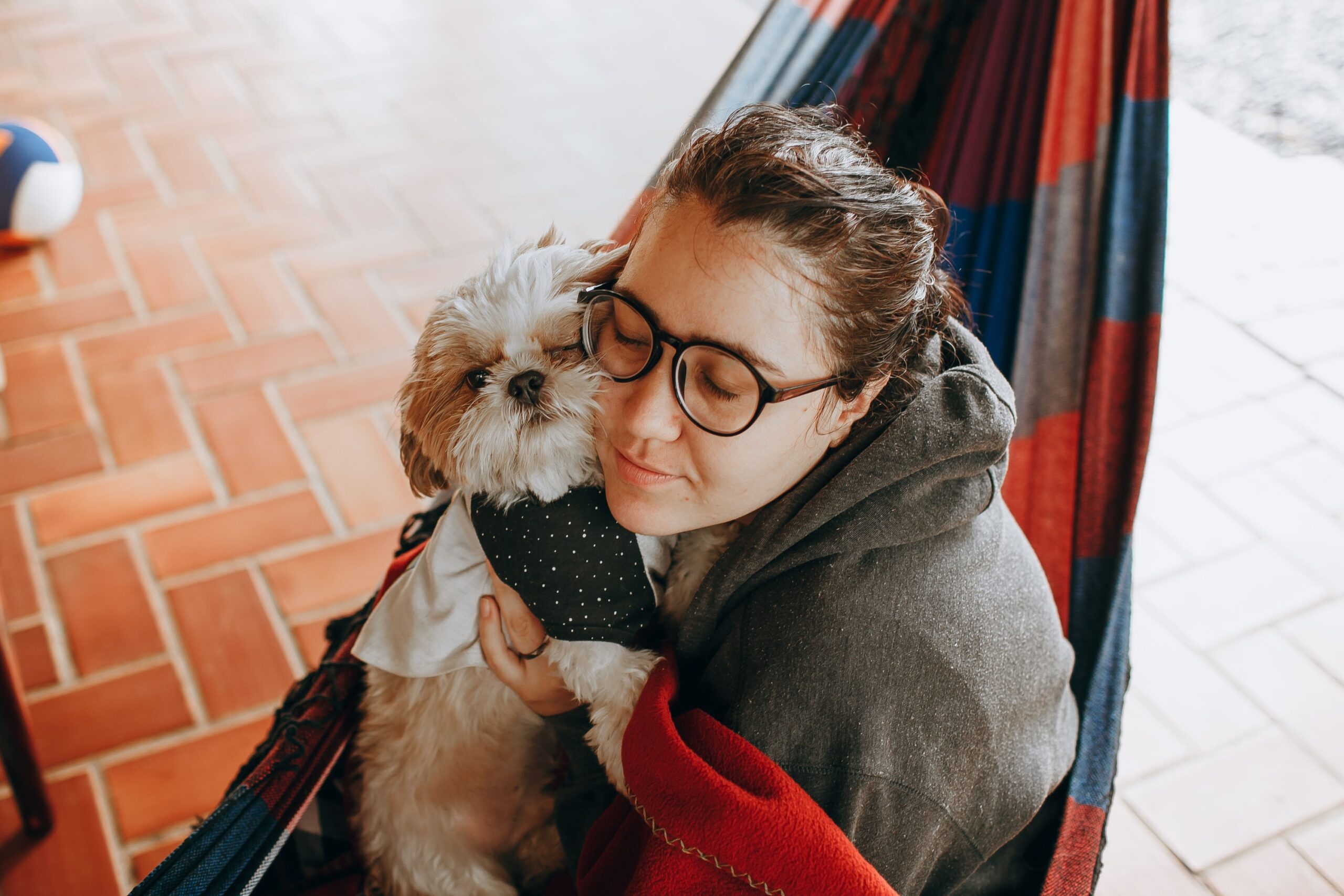
Some people bounce back from heartbreak overnight. Others carry old wounds like faded scars that still ache in the rain. If you are the kind of person who needs time to trust, time to settle, and time to feel safe again, the dog you bring into your life can either overwhelm you or quietly help you heal.
This list is not about trendy “Instagram dogs.” It is about breeds whose typical temperament, energy level, and emotional style tend to fit people who move gently through life. No dog is a magic cure, and every individual is different, but these fifteen breeds are known for their patience, steadiness, and ability to love at the same unhurried pace you do.
1. Cavalier King Charles Spaniel: The Soft-Hearted Shadow
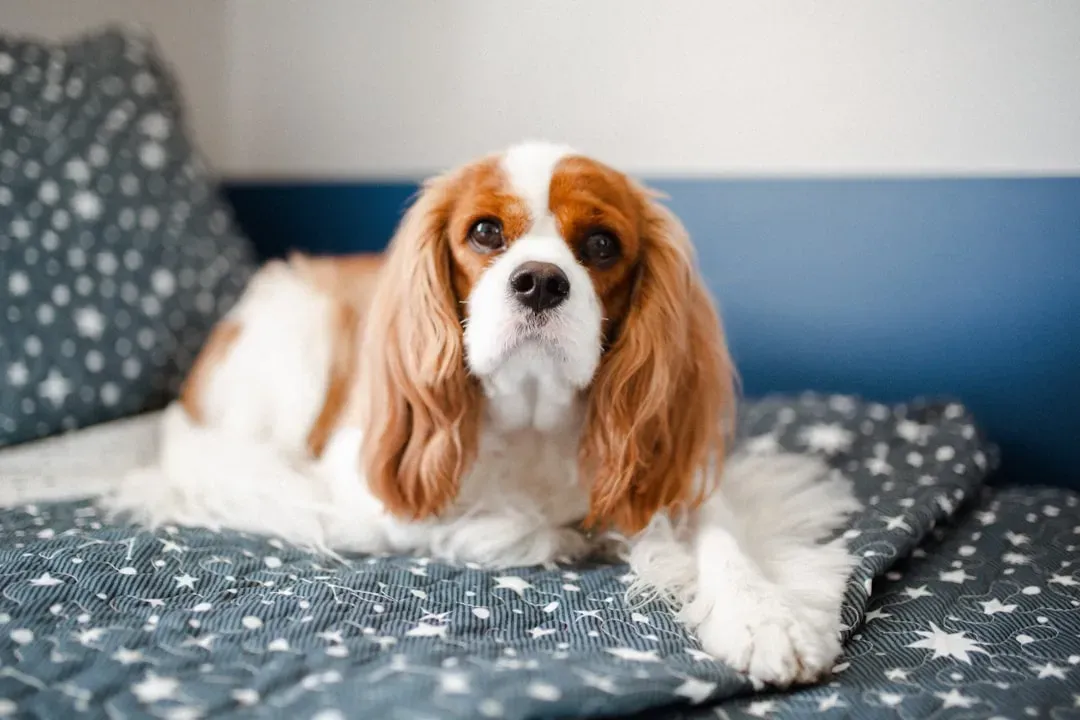
Cavalier King Charles Spaniels are often described as living, breathing comfort blankets. They tend to be quiet, affectionate lap dogs who are happiest simply being close, whether that means curling up with you while you read or sleeping at your feet while you work. For someone who heals slowly, that kind of steady, gentle presence can feel like a calm heartbeat in the room.
They usually adapt well to apartment living, need moderate exercise, and are often friendly with strangers without being intense or overwhelming. Their big, searching eyes make them feel almost empathetic, as if they are reading your mood and adjusting to it. If you want a dog that mirrors your softness rather than demanding constant action, a Cavalier is an excellent fit.
2. Golden Retriever: The Reliable Optimist
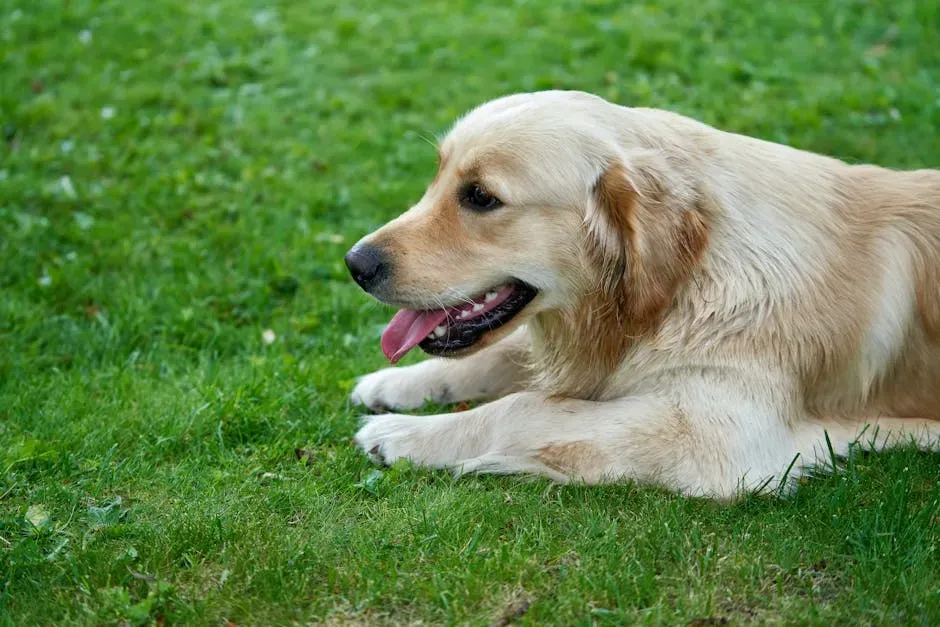
Golden Retrievers are like that one friend who always believes things will work out, but never judges you for doubting it. They are famously friendly, patient, and eager to please, which makes them incredibly grounding for people who struggle with trust or anxiety. Their temperament tends to be stable and predictable, and that stability can feel like emotional scaffolding when you are still putting yourself back together.
They do need regular exercise and mental engagement, but it does not always have to be intense; long walks, simple games, and basic training sessions are usually enough to keep them content. Goldens are often used as therapy and support dogs for a reason: they accept you exactly as you are, every single day, and they keep showing up with the same gentle enthusiasm.
3. Labrador Retriever: The Steady Companion
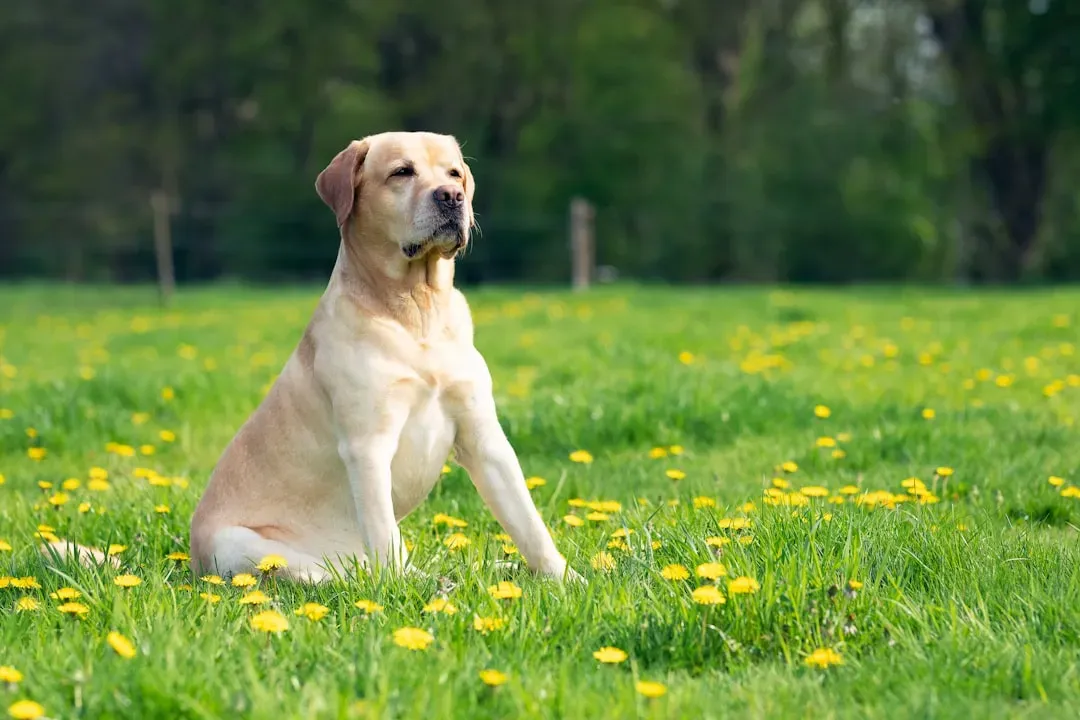
Labradors share a lot of traits with Golden Retrievers but often bring a slightly more rugged, down-to-earth vibe. They are generally confident, friendly, and adaptable, making them a great match for someone who wants a loving dog without complicated drama. Labs are often unflappable, which can be incredibly soothing if your inner world feels anything but calm.
They thrive on routine, exercise, and simple joys like carrying around a favorite toy or splashing in water. For people who heal slowly, a Lab’s consistency is powerful: the walk happens at the same time, the tail thumps the floor at the same sound of your footsteps, and you learn – through repetition – that some things in life really can be relied on.
4. Greyhound: The Introvert’s Dream Dog
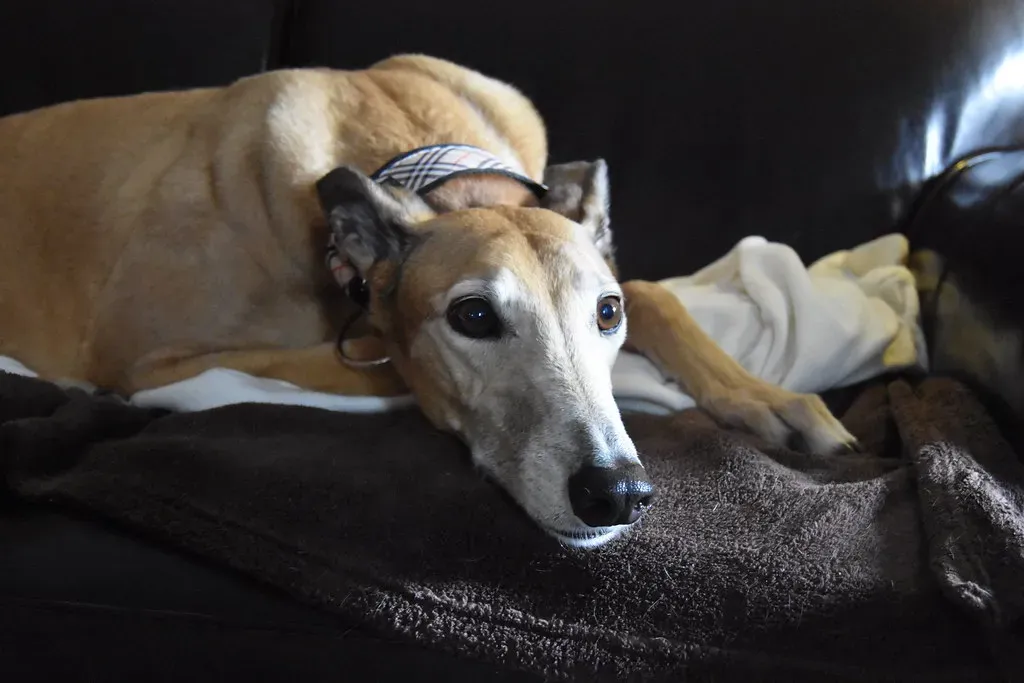
Despite their racing history, retired Greyhounds are often couch potatoes wrapped in sleek, elegant packaging. Many of them are surprisingly low-energy indoors, content to lounge quietly beside you for hours after a short bout of exercise. For someone who values silence, calm evenings, and gentle company, that combination can feel like a perfect match.
They tend to be sensitive souls, often polite rather than pushy, and may prefer a quieter home without constant chaos. Their emotional style is subtle – more soft lean and quiet sigh than jumping all over you. If you heal in stillness instead of noise, a Greyhound’s graceful, almost cat-like presence can feel like a deep exhale.
5. Basset Hound: The Slow-Motion Soulmate
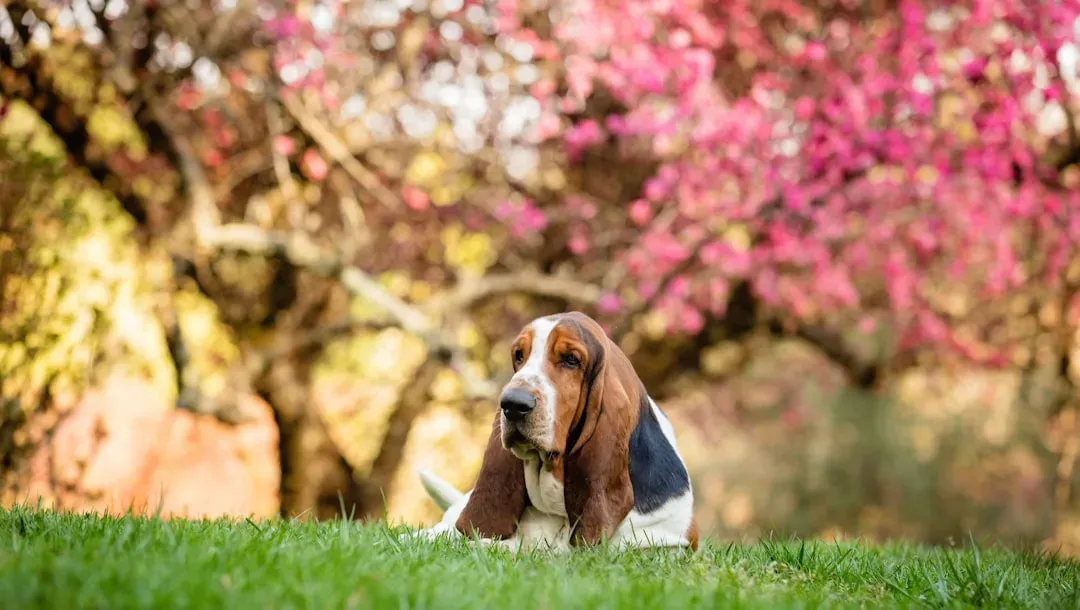
Basset Hounds move through life at a pace that can make even the most anxious heart slow down. With their long ears, droopy eyes, and unhurried gait, they seem permanently set to “take your time.” They are typically affectionate without being intense and are often content to nap near you for large portions of the day.
They can be stubborn during training, but not in a sharp or confrontational way – more like a sleepy friend who needs an extra nudge to get off the couch. For people who love slowly and carefully, a Basset’s vibe is reassuring: nothing is urgent here, nothing is rushed, and loyalty is expressed in long-term, laid-back companionship rather than fireworks.
6. Newfoundland: The Gentle Guardian
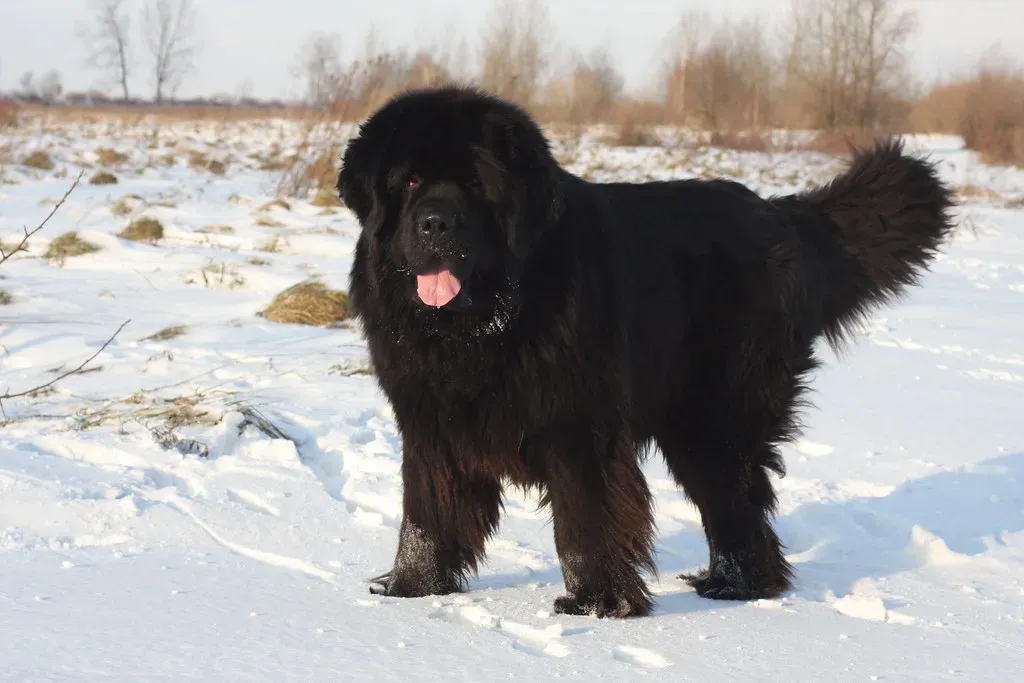
Newfoundlands are sometimes called “gentle giants,” and that description is incredibly accurate. They are large, powerful dogs, yet their temperament is typically calm, patient, and deeply affectionate. Their protective but soft nature can make you feel emotionally and physically safe, almost like walking around with a furry bodyguard who also happens to be a natural-born nurturer.
They do require space, grooming, and a commitment to their significant size, so they are not for everyone. But if you have room in your home and heart, a Newfoundland’s quiet watchfulness and slow, steady affection can be profoundly healing. They are the kind of dog that turns a house into a sanctuary simply by existing in it.
7. Shih Tzu: The Little Comfort Specialist
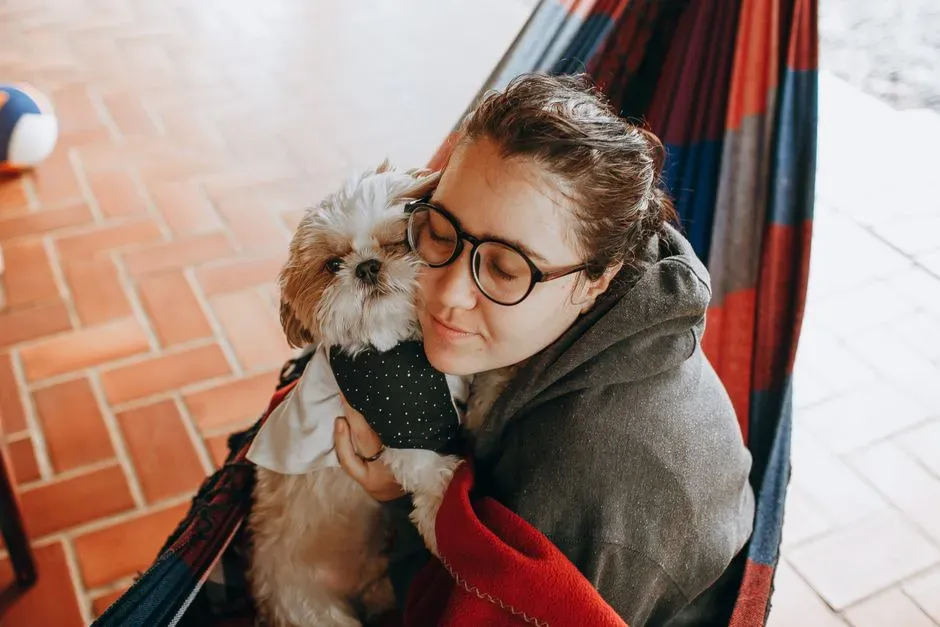
Shih Tzus were originally bred as companion dogs, and it shows. They are small, often very people-focused, and usually happiest when they are near their favorite humans. For someone who heals slowly, a Shih Tzu’s tendency to stay close without demanding strenuous activity can be ideal – more cozy movie marathons than mountain hikes.
They often adapt well to smaller spaces and quieter lifestyles, and when properly socialized, they tend to offer affection in a manageable, gentle way. Their grooming needs are real, but that can become a soothing ritual rather than a chore, almost like brushing the hair of someone you care about. Over time, that daily caretaking can become part of your own healing, too.
8. Bernese Mountain Dog: The Big, Soft Heart
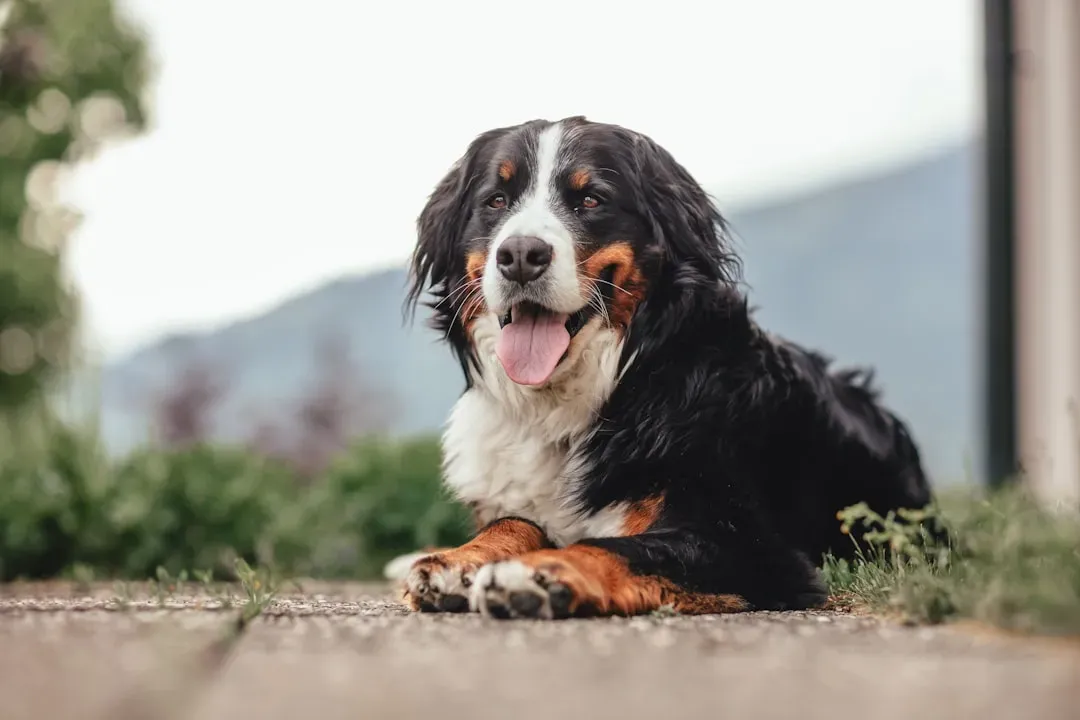
Bernese Mountain Dogs are often described as sweet, calm, and people-oriented. They usually form strong bonds with their families and are known for being gentle with children and adults alike. Their presence feels solid and reassuring, like leaning against a warm, heavy blanket on a cold day.
They do best with space and regular moderate exercise, but they are not typically hyper or frantic. For the slow healer, a Bernese can feel like a patient witness to your everyday life – never rushing you, simply staying close in a big, soft, grounding way. If you want love that wraps around you quietly instead of crashing in, this breed can be a beautiful fit.
9. Pug: The Comic Relief With a Tender Side
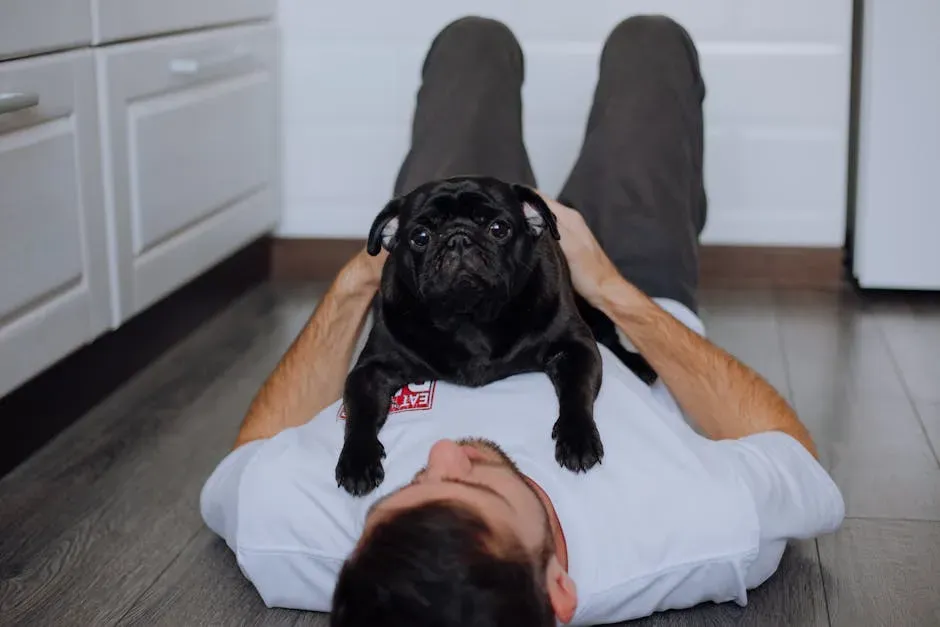
Pugs bring a different kind of healing: laughter. They often have quirky, clownish personalities, with expressive faces that seem to narrate every mood. When you are stuck in your own head, a Pug’s goofy behavior can jolt you gently back into the present moment, the way an unexpected joke can break up a heavy silence.
Despite their playful side, they are usually very people-oriented and enjoy cuddling and napping with their humans. They do not typically need marathon exercise sessions and often prefer being near you to anything else. For someone who loves slowly and carefully, a Pug offers warmth, humor, and an emotionally low-pressure bond that grows deeper over time.
10. Havanese: The Velcro Dog With a Gentle Touch
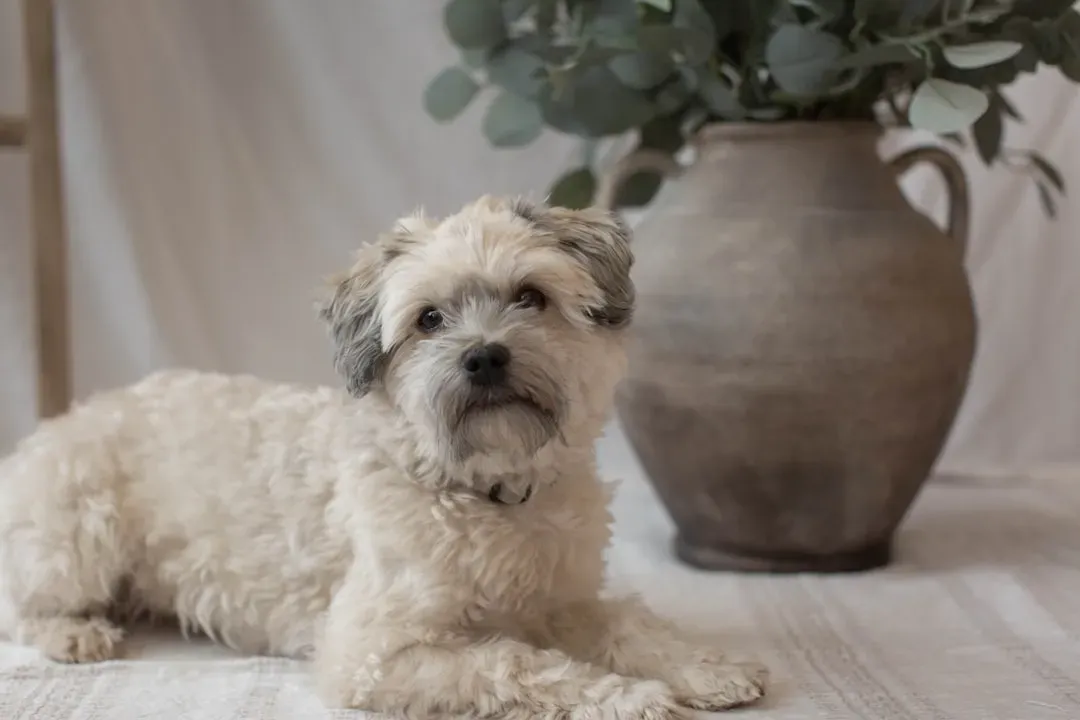
Havanese dogs are sometimes called “Velcro dogs” because of how closely they like to stick to their people. But unlike some clingy breeds that can feel overwhelming, many Havanese express their attachment in an upbeat yet manageable way. They tend to be cheerful, trainable, and surprisingly adaptable to different lifestyles, including calmer, more home-centered ones.
They are small but sturdy, which can suit someone who wants a dog that feels delicate emotionally but not physically fragile. Their silky coats and bright eyes give them a slightly whimsical look, yet their emotional reliability is what really shines. If you want a dog who will quietly curl under your desk and also hop up for gentle play when you are ready, the Havanese is worth serious consideration.
11. Clumber Spaniel: The Understated Companion
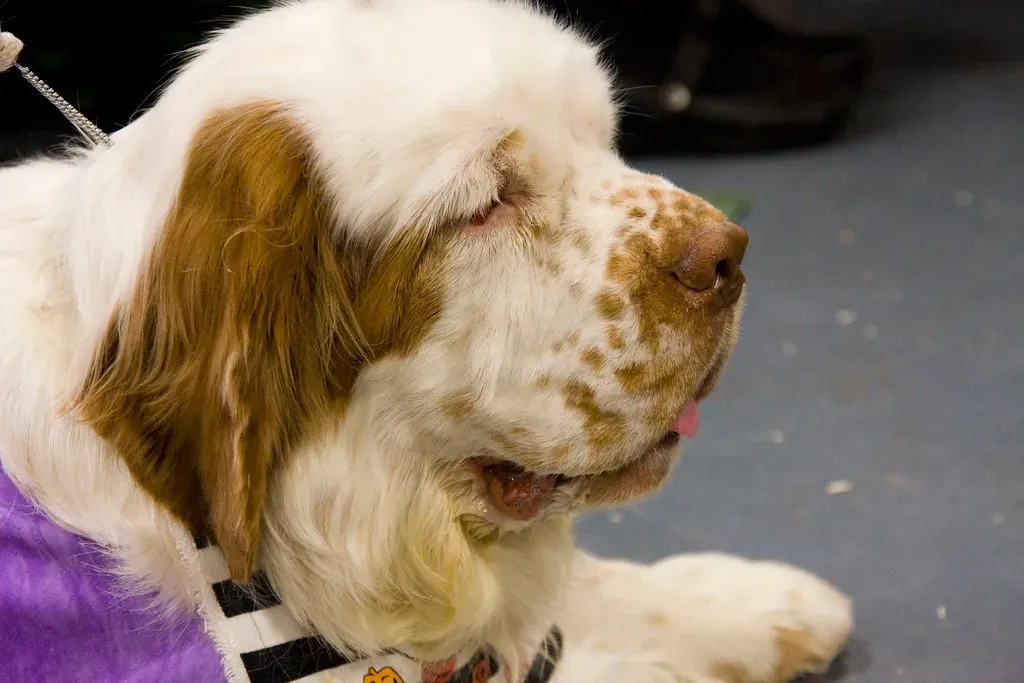
Clumber Spaniels are not as famous as some other spaniel breeds, but for slow healers, they are hidden gems. They are generally calm, thoughtful, and a bit reserved with strangers while being deeply attached to their families. Their energy level is often lower than that of many sporting breeds, and they are quite content with moderate activity followed by long stretches of relaxation.
Their temperament tends to be steady rather than flashy. They are not show-offs; they are quiet companions who seem to understand that just being there is sometimes enough. For someone who loves slowly, a Clumber’s low-drama, loyal presence can match that energy perfectly – no rush, no pressure, just time and trust building quietly in the background.
12. Great Pyrenees: The Calm Protector
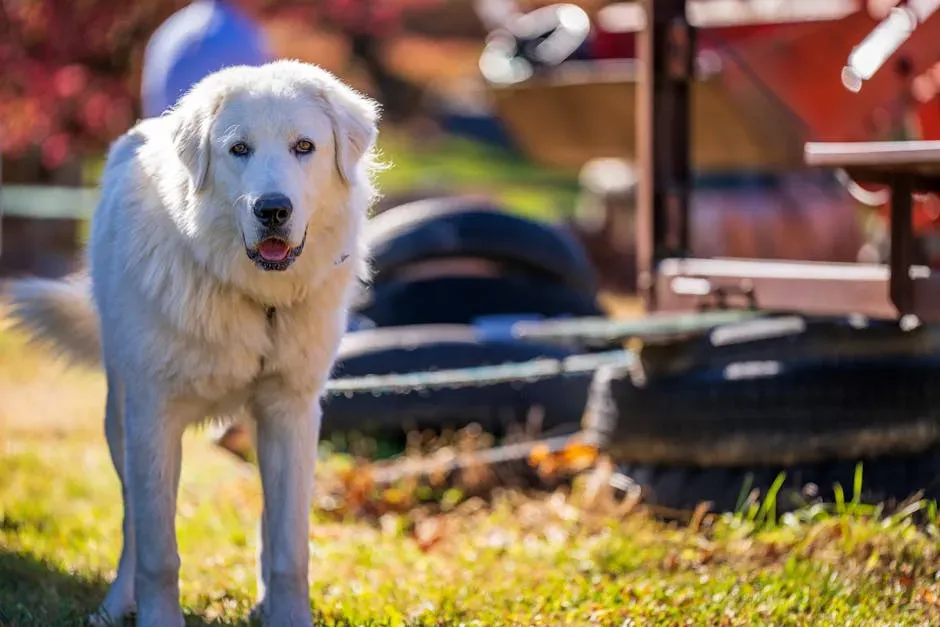
Great Pyrenees dogs were bred to guard livestock, which means they are wired to watch, assess, and protect rather than to chase constant excitement. They are often calm, independent, and deeply devoted to the people they accept as theirs. That combination of protectiveness and serenity can provide a powerful sense of emotional security for someone who has been hurt before.
They do need proper training and boundaries, and they are not ideal for cramped spaces or people who dislike a bit of stubborn independence. But if you have room and you appreciate a dog who is both gentle and strong, a Great Pyrenees can feel like a guardian of your inner world as much as your outer home. Their love often unfolds slowly but roots itself deeply.
13. Maltese: The Feather-Light Healer
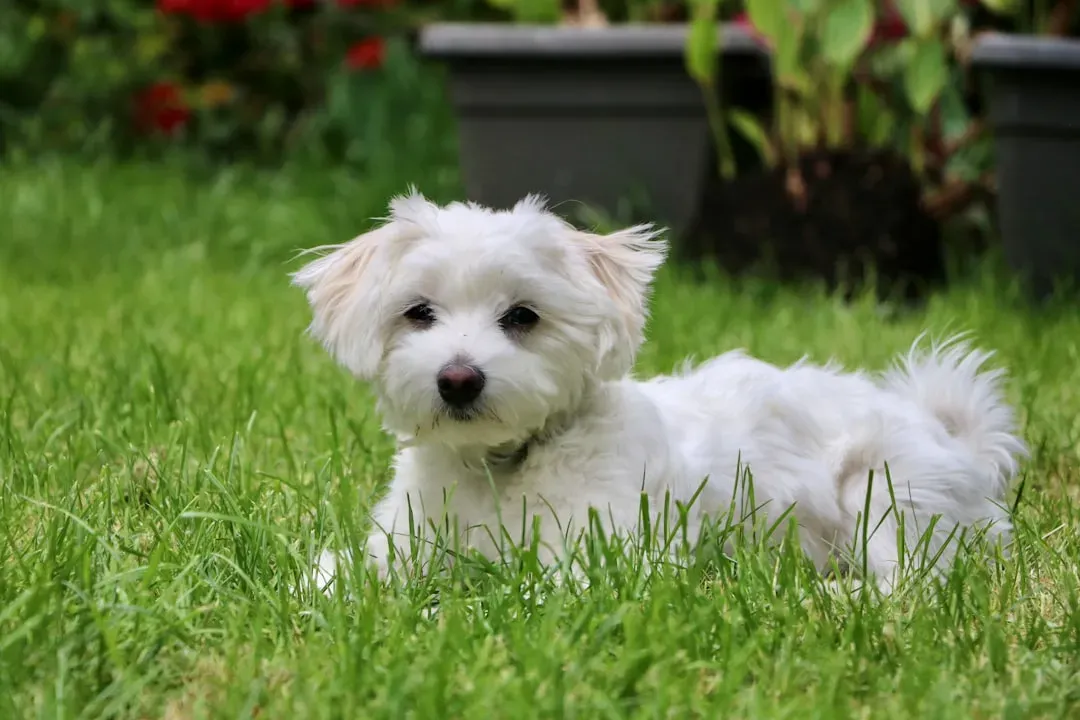
Maltese dogs are small, graceful, and often surprisingly calming. Their size makes them easy to handle and cuddle, and their typical temperament leans toward affectionate and people-focused. For someone whose nervous system feels easily overloaded, the lightness of a Maltese – physically and emotionally – can be a relief compared with more boisterous breeds.
They usually do well with short walks and indoor play, making them suitable for less active lifestyles or for people recovering from physical or emotional challenges. Grooming can be a commitment, but many people find it meditative rather than stressful. Over time, the routine of caring for such a gentle creature can reinforce the idea that you, too, deserve that same careful, patient attention.
14. English Bulldog: The Laid-Back Loyalist
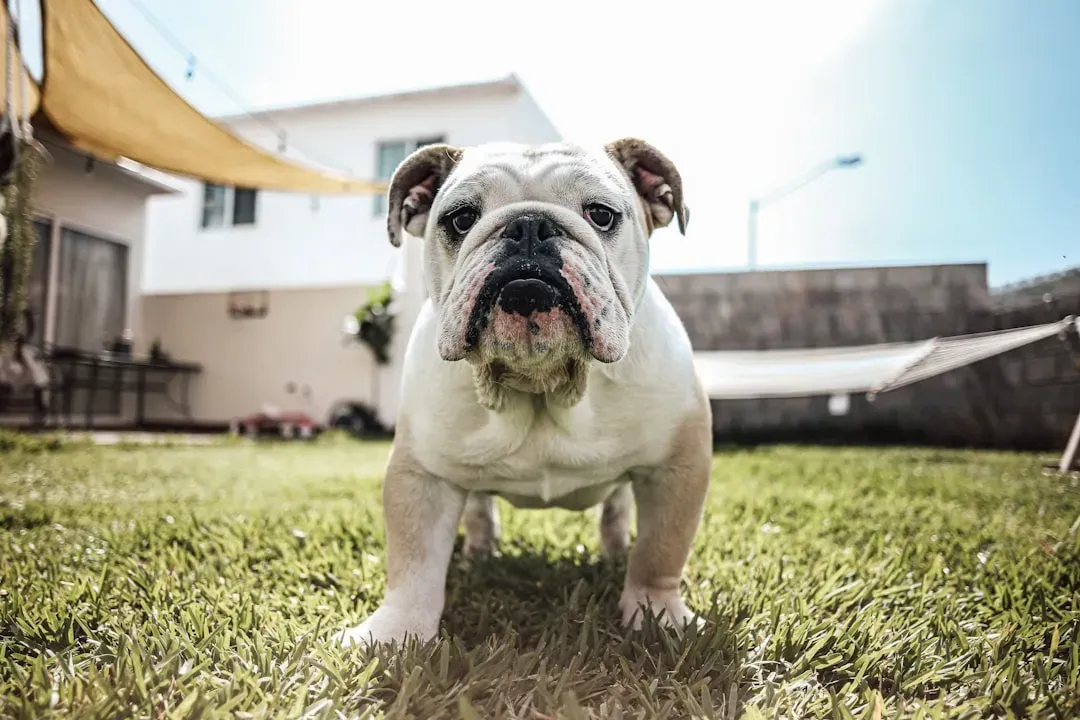
English Bulldogs move through the world with an unbothered, almost comedic calm. They are typically low-energy, preferring short walks and long lounge sessions. For someone who is rebuilding their life slowly, that kind of easygoing presence can be incredibly validating, as if the dog is silently saying that there is no need to rush back to “normal.”
They are often deeply loyal and people-loving without needing constant physical intensity or high-energy play. While their health needs require thoughtful care, their emotional tempo is well-suited to people who want affection that feels steady and solid rather than frenetic. Sharing a couch with a snoring Bulldog can feel like a quiet, grounding ritual at the end of each day.
15. Standard Poodle: The Sensitive Old Soul
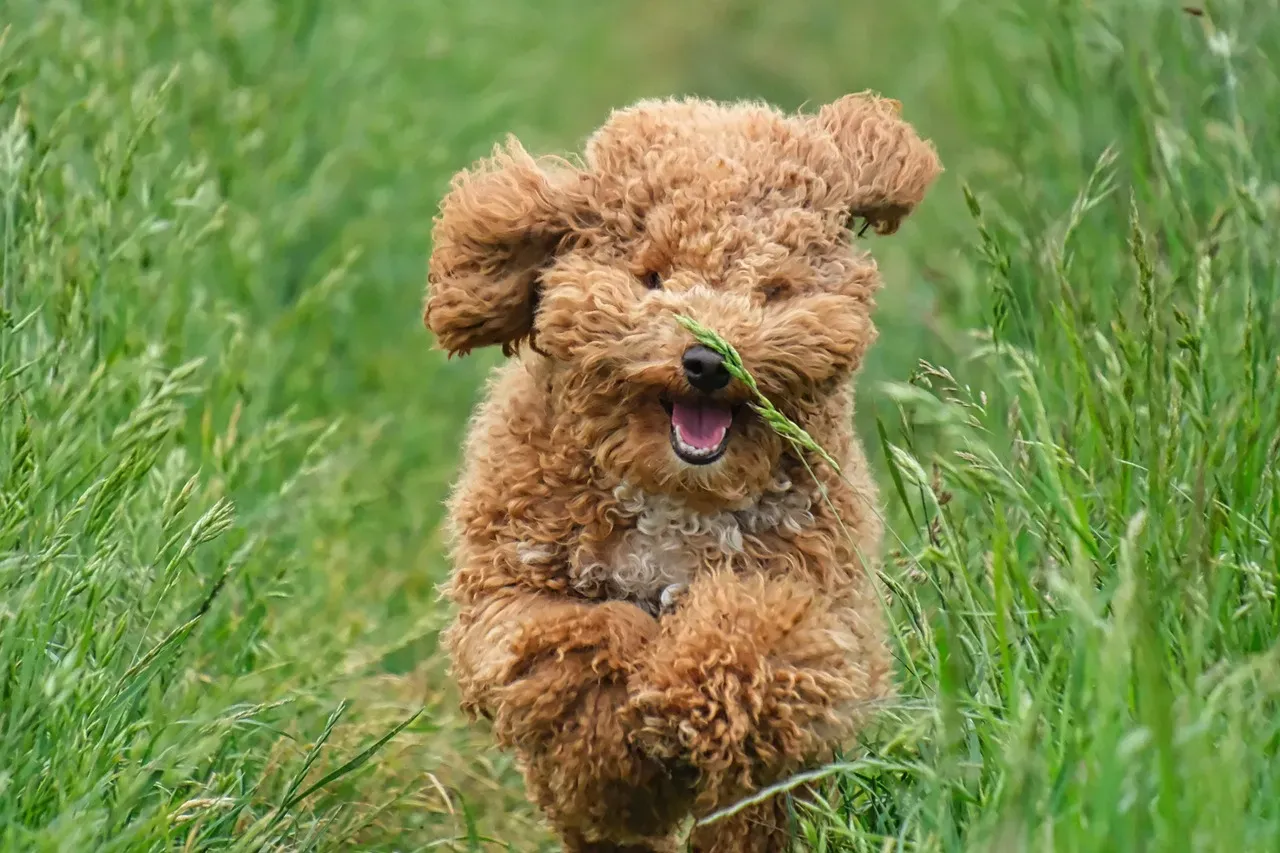
Standard Poodles are sometimes misunderstood as fussy or purely “fancy,” but in reality, they are highly intelligent, emotionally attuned, and often quite sensitive. They tend to form deep bonds with their humans and are quick to pick up on subtle shifts in mood and routine. For someone who heals slowly, that emotional awareness can feel like being seen without having to constantly explain yourself.
They do need mental and physical stimulation, but they are also capable of matching your energy on quieter days once their basic needs are met. Their trainability means you can shape routines that feel safe and sustainable for you, whether that is peaceful walks at dawn or calm evenings with quiet enrichment games. For people who love slowly and intentionally, a Standard Poodle can become the kind of partner who grows wiser with you over time.
Conclusion: Choosing a Dog That Matches Your Heart’s Pace
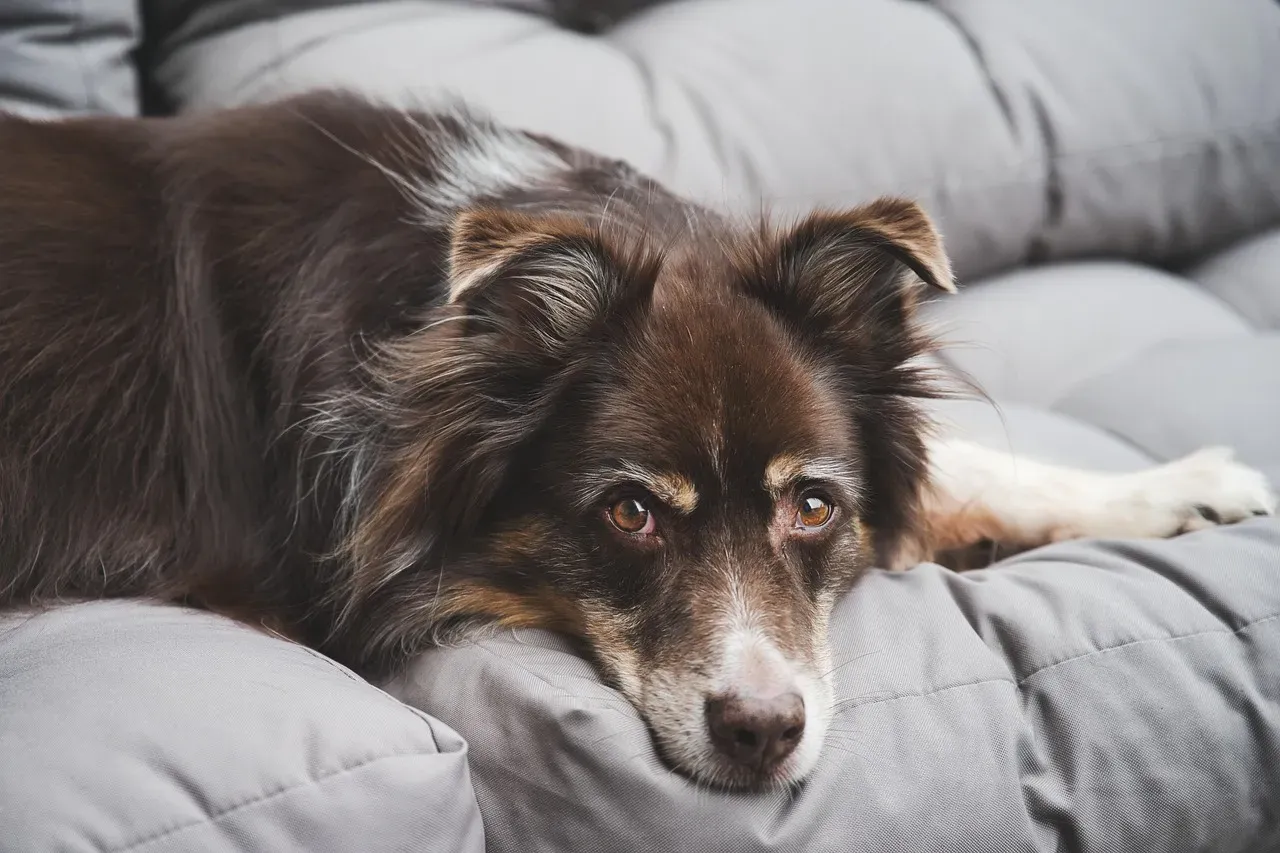
When you heal slowly and love even slower, the wrong dog can make life feel like a race you did not sign up for. The right dog, though, moves with you at your own speed – waiting when you need to pause, leaning in when you are ready to connect, and staying close when words would just get in the way. Every breed on this list tends, on average, to offer that kind of patient, steady companionship, but individuals always matter more than labels.
If you see yourself in these descriptions, the next step is to meet real dogs, talk with reputable breeders or rescues, and pay attention to how your nervous system reacts around each animal. You are not looking for perfection; you are looking for a living being whose emotional rhythm feels compatible with your own. In a world that glorifies speed and constant change, is there anything more radical than choosing a dog who teaches you, gently and daily, that it is completely okay to take your time?