
9 Behaviors That Mean Your Dog Has Stopped Tolerating You and Started Truly Forgiving You
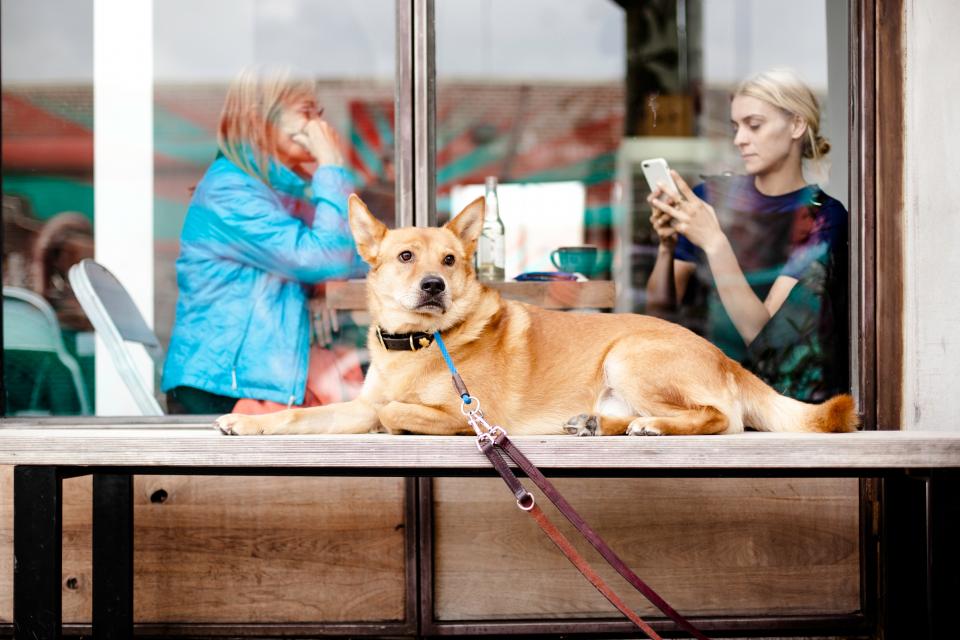
Most people assume that if a dog stops growling or snapping, the relationship is “fixed.” In reality, that can just mean the dog has shut down or is merely tolerating the situation. True forgiveness in dogs shows up in quieter, deeper ways: in how they choose to be near you, how they sleep, how they react when you mess up again.
Dogs do not forgive in the human, moral sense, but they are masters at updating their emotional picture of us. When they move from wary toleration to genuine emotional safety, their body language, choices, and daily routines change. Once you know what to look for, you can tell when your dog is not just putting up with you, but actually trusting you again.
1. Your Dog Chooses Proximity, Not Just Convenience
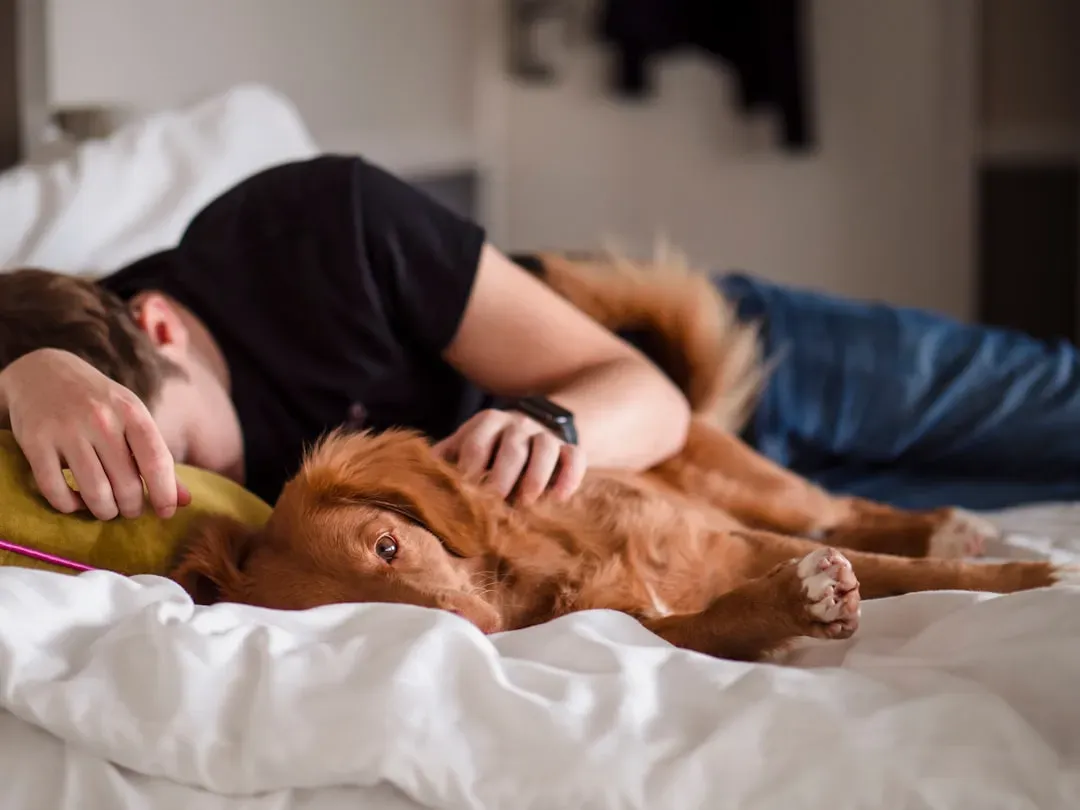
One of the clearest signs your dog has emotionally “reset” with you is that they choose to be close when they do not have to be. A dog who is only tolerating you will often hang just out of reach, lie in doorways where they can escape quickly, or only approach when food appears. It is cooperative, but distant, like a polite roommate.
Forgiveness looks different: your dog starts wandering over on their own, leaning against your leg, or curling up on the same couch cushion when there are plenty of other comfy options. They may follow you from room to room with a loose, wiggly body, not because they are anxious, but because your presence has gone from “risky” to “safe and soothing.” Their choice to be in your space is their quiet way of saying the emotional account is no longer in the red.
2. Their Body Softens Around You Instead Of Freezing
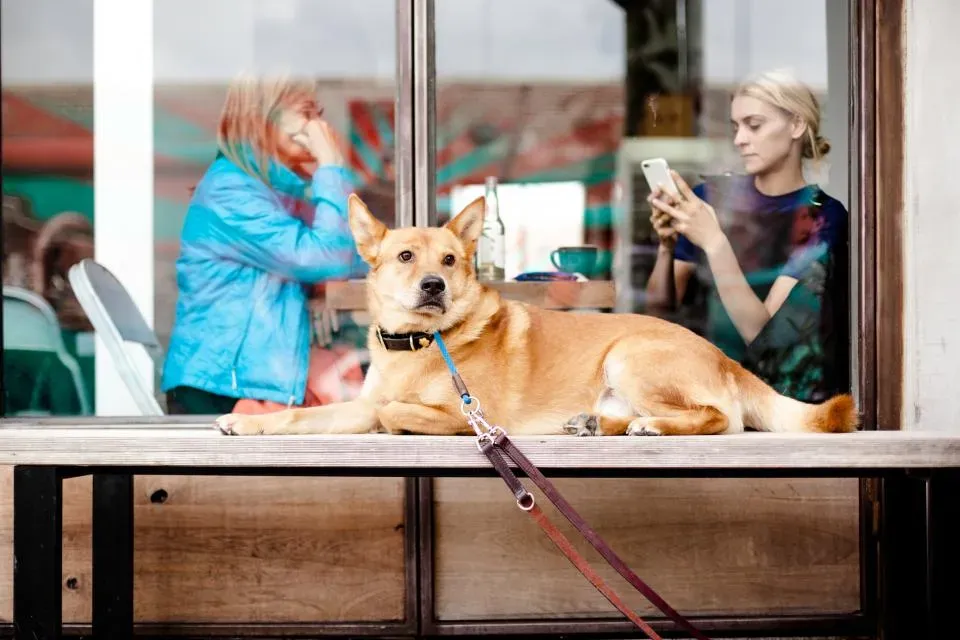
A dog that has not emotionally forgiven you may obey, but their body tells the truth: stiff posture, wide eyes, tense mouth, or holding their breath when you reach out. You might see them tolerate petting like a statue, waiting for it to be over, or flinch slightly at fast movements or raised hands. That is survival mode, not comfort.
When a dog truly forgives and feels safe again, everything about their body gets softer. Their eyes blink and squint gently, their jaw loosens, their tail moves in relaxed sweeps instead of tight, fast wagging, and their muscles look melty when you touch them. You will notice they exhale more around you, sometimes with a little sigh, and settle faster after being startled. That softness is your proof that their nervous system no longer sees you as a potential threat.
3. They Sleep Deeply Near You (Especially With Their Belly Exposed)
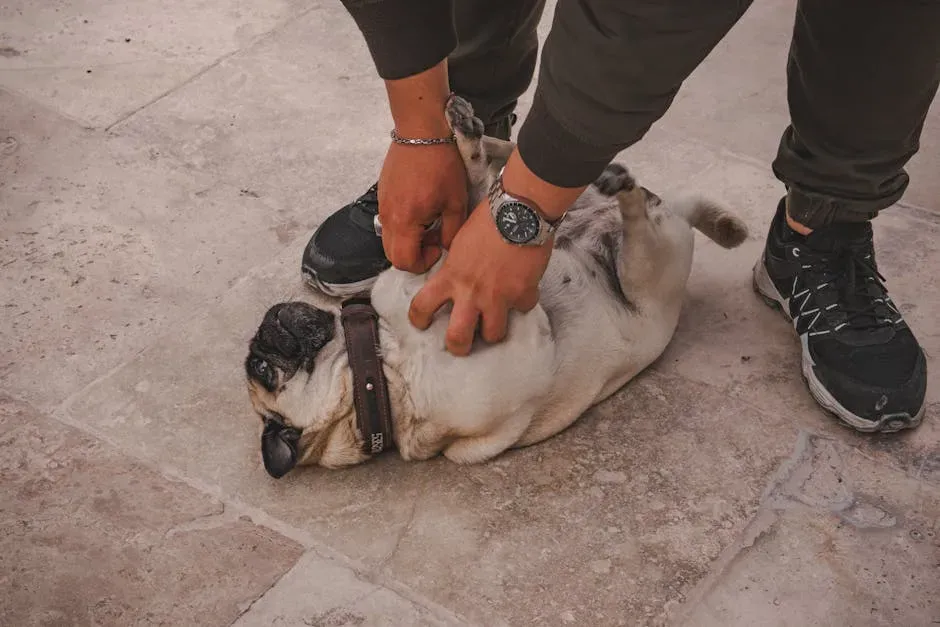
Sleep is one of the most honest things a dog does. A dog that is only tolerating you will usually sleep facing the door, tuck their limbs underneath, or rest in a spot where they can quickly move away. They may nap near you but remain half-alert, popping their head up at every sound or when you shift your weight.
When your dog has truly let go of past stress with you, you will start seeing those gloriously ridiculous sleep positions: flopped on their side, chin on your foot, or even sprawled on their back with their belly exposed. No animal sleeps like that around someone they do not trust. Deep, twitchy dream sleep in your presence means their nervous system believes you are part of their safety bubble, not just a tolerated background character.
4. They Recover Quickly After You Make A Mistake
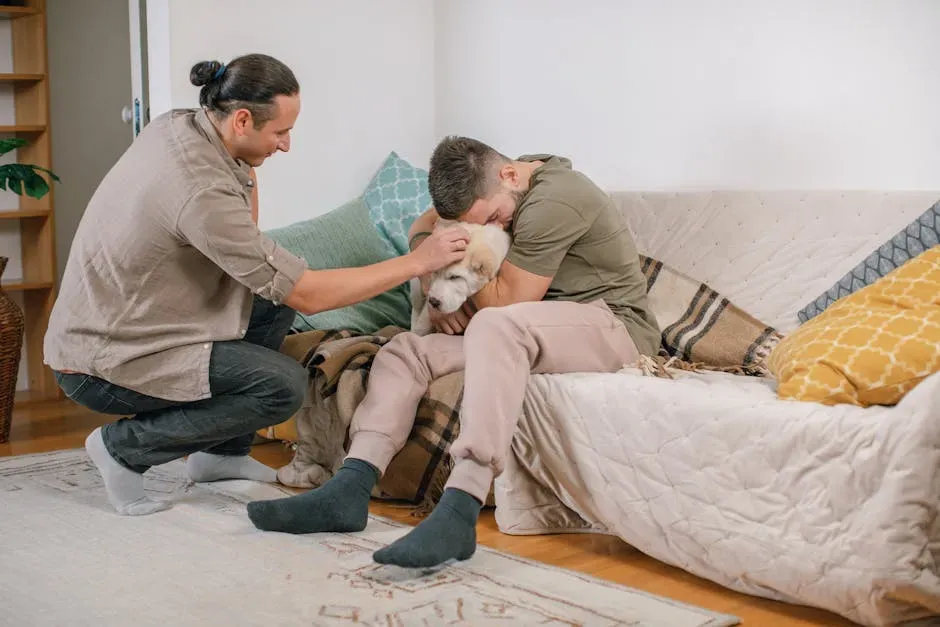
Everyone messes up with their dog sometimes: you accidentally step on a paw, you raise your voice, you move something that startles them. A dog that has not fully emotionally recovered from past issues will stay suspicious for a long time afterward. They might avoid your hand, refuse to come when called, or give you that side-eye for hours.
Forgiveness shows up in how fast they bounce back. If you step on their tail and, after a brief startle, they come right back for comfort or accept your gentle touch, that tells you something powerful. It means that one scary moment did not overwrite the bigger story they now hold of you: you are predictable, kind most of the time, and worth trusting again. Quick recovery does not mean they were not scared; it means your track record with them is strong enough to carry them through it.
5. Play Returns – And It Is Goofy, Not Cautious

Play is often the last thing to come back after a breach of trust, and it is one of the clearest signs of emotional repair. A dog that is only tolerating you may go through the motions of play if you insist, but they will look guarded: tight mouth, no real bounce, stopping often to check your face or scan the room. It feels like a rehearsed trick, not a shared joke.
When forgiveness is real, play gets wild and wonderfully silly again. Your dog may bring you toys unprompted, do zoomies around the living room, initiate tug, or “bow” in front of you with that open, relaxed mouth. They will make social mistakes in play – bumping into you, mouthing a little, or misjudging a jump – because they are not scared of consequences. That carefree goofiness is emotional gold; it means they expect joy from you, not danger.
6. They Look To You For Reassurance When They Are Scared
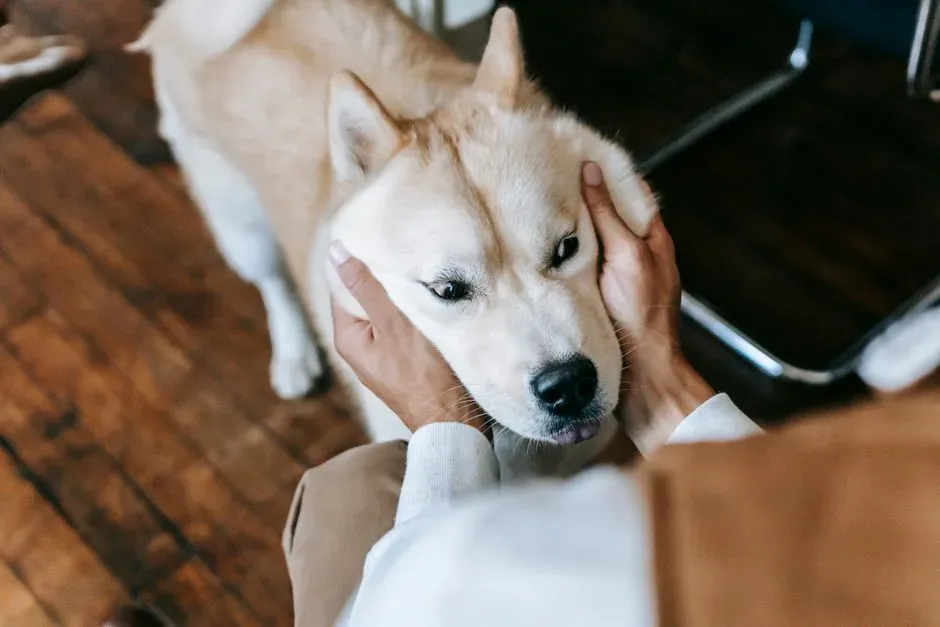
Watch what your dog does when something frightening happens: a loud bang outside, a stranger at the door, a dropped pan in the kitchen. A dog who has not fully forgiven you will often handle fear alone – hiding, barking defensively, or pacing – without really checking in with your face or body. In their mind, you are part of the unpredictable world, not a guide through it.
Once your dog’s trust has truly been rebuilt, their first instinct in scary moments is to glance at you. They might move closer, touch you with a paw, lean into your leg, or search your eyes to see how worried they should be. That “What do we do?” look is not weakness; it is a sign that you have been upgraded in their inner map from “possible problem” to “source of safety.” Reaching for you in fear is one of the clearest everyday signs of real emotional repair.
7. Handling And Grooming Become Calm, Not A Silent Battle
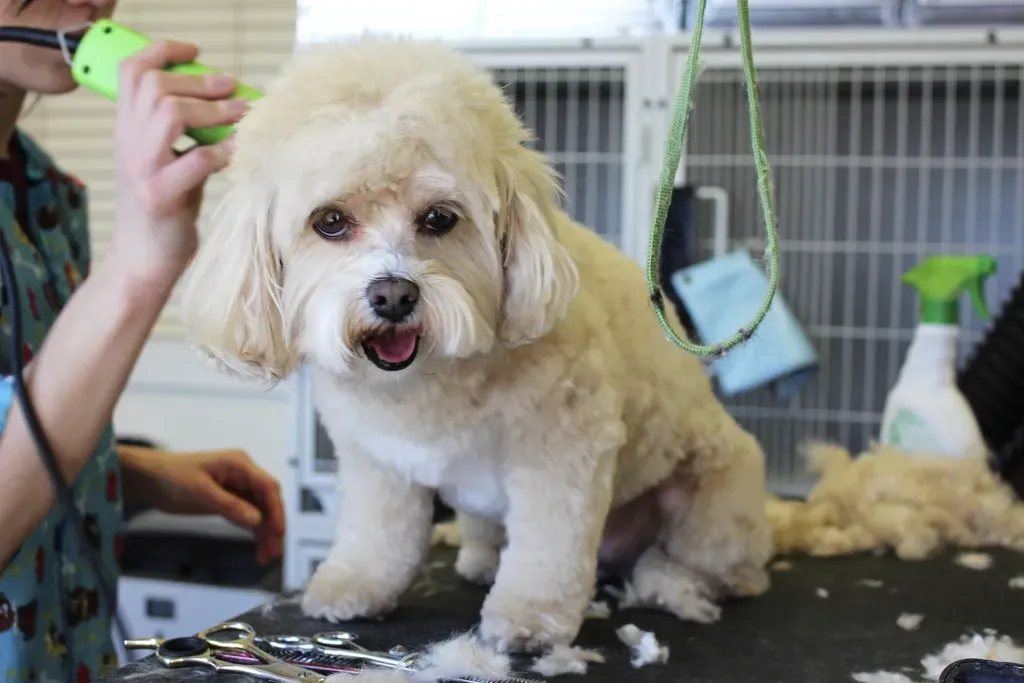
Touch is where a lot of relationship damage with dogs quietly shows up. A dog that has simply learned to tolerate nail trims, brushing, or being picked up may go completely still, avoid eye contact, or quietly lick their lips while you work. They are “being good,” but you can feel the tension underneath, like a friend white‑knuckling through a dentist appointment.
True forgiveness changes how they experience your hands. Over time, you will notice your dog leaning into brushing instead of trying to inch away, offering a paw more easily for nail trims, or allowing you to check their ears or teeth without that frozen look. They might still dislike some parts of the process, but they trust that you will listen when they say “enough” with small signals. When routine handling becomes a quiet collaboration instead of a forced chore, it shows they no longer see your touch as something to brace against.
8. Their Greeting Rituals Feel Warm, Not Overwhelmed Or Guarded
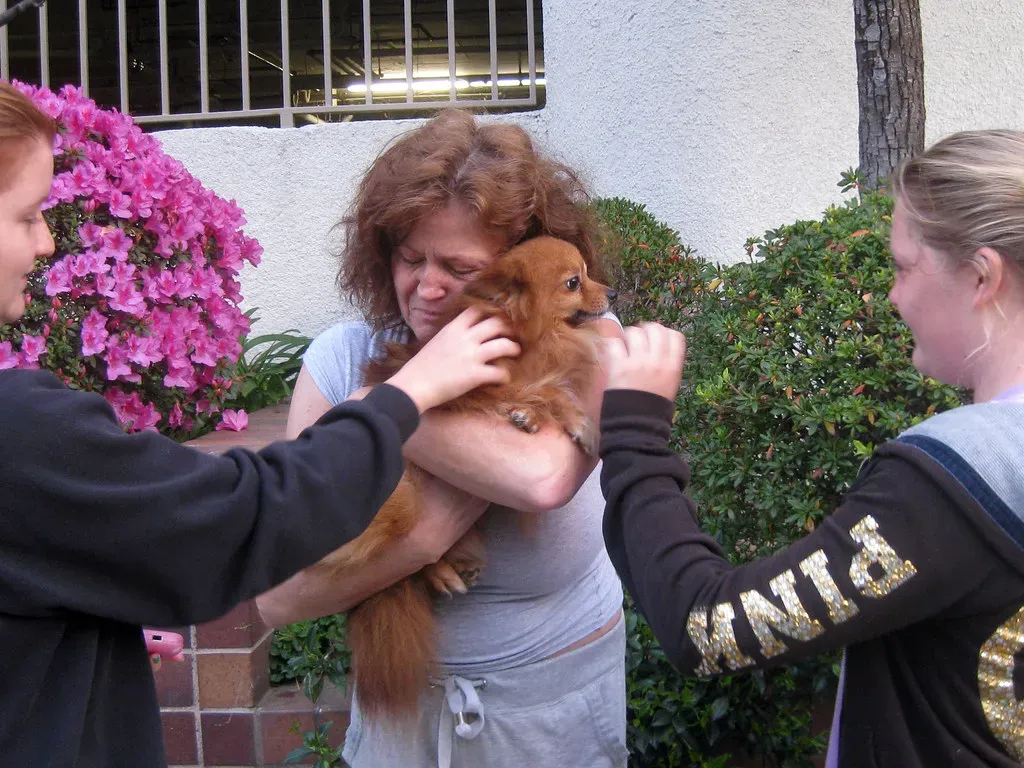
Reunions tell you a lot about how a dog really feels. A dog who is only tolerating you might greet you politely or not at all: a brief wag, a sniff, then back to their own world. On the other extreme, a dog who is still anxious about your comings and goings might greet you with frantic, almost panicked energy – jumping, whining, unable to settle – because they have not yet learned you are reliably safe and consistent.
When forgiveness has settled in, greetings land in a sweet middle ground. Your dog may trot to the door with loose, sweeping tail wags, bring you a toy, or do a little happy dance, then settle quickly by your side. Their body looks fluid, their eyes are soft, and they are not scanning your face to predict your mood. It feels less like they are pleading for approval and more like a friend who is genuinely glad you are back.
9. Their Overall Behavior Evens Out – Less Hypervigilance, More “Normal Dog”
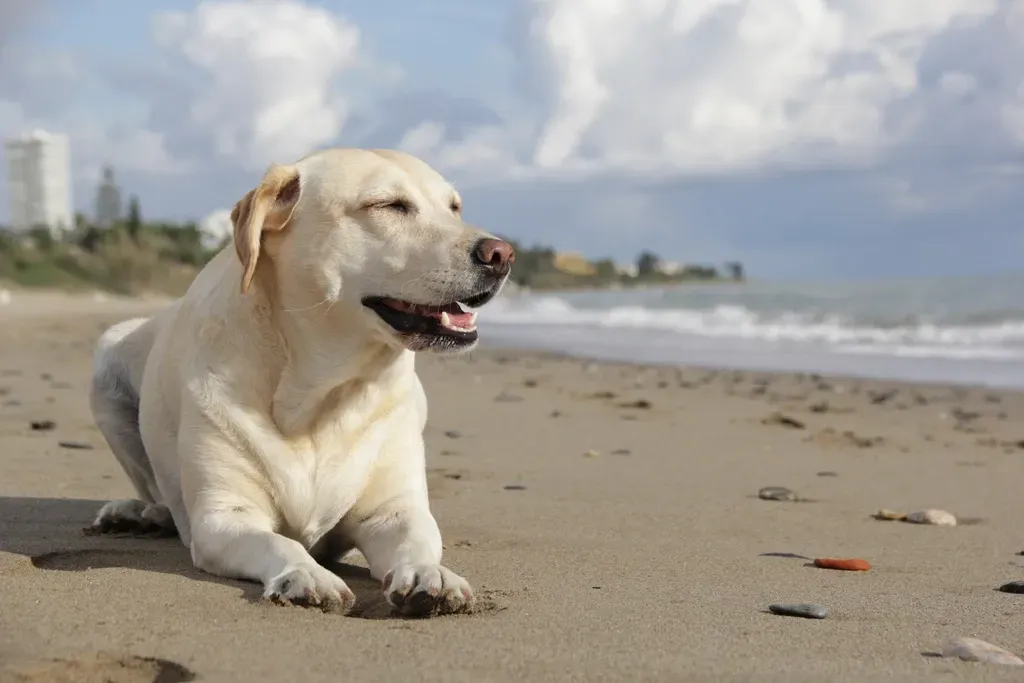
Sometimes the best sign of forgiveness is not a big, dramatic moment – it is the quiet disappearance of all the weird, edgy behaviors that used to be there. A dog that is tolerating you but not trusting you might startle at small noises, react strongly to sudden movements, shadow you anxiously, or guard resources like food or toys. They live in a constant low‑level state of “What is going to happen next?” around you.
As real forgiveness and safety take root, those rough edges start to soften. Your dog eats without rushing, naps without checking doors, walks past you on the way to their bed without flinching, and generally behaves like a regular, boring, happy dog. You may even notice fewer “random” misbehaviors, because many of those were actually stress responses. When your dog’s life with you looks uneventful in the best possible way, that is often the clearest sign they are no longer just putting up with you – they feel okay in your world again.
Conclusion: Forgiveness Is Earned In The Quiet Moments

I think we underestimate how much emotional work our dogs do to trust us again. We look for big apologies or dramatic breakthroughs, but in reality, forgiveness shows up in the dozens of tiny choices they make every day: to lie a little closer, to sleep a little deeper, to bounce back a little faster when we inevitably get it wrong.
If you are seeing more softness, more silly play, and more calm in your dog’s presence, that is your signal that the relationship has shifted from uneasy tolerance to real security. You earned that by being consistent, kind, and willing to listen to their body language, even when it was inconvenient. The real question now is: knowing your dog has chosen to forgive and trust you again, what are you going to do to keep deserving it tomorrow?