
7 Dog Breeds That Refuse to Bond With More Than One Person – And Mean It Until Their Last Breath
Some dogs bounce through life collecting new best friends at every park bench. Others choose one human, lock in, and never really let anyone else into that inner circle. If you’ve ever seen a dog stare at one person like they personally hung the moon, you’ve seen this intense, almost startling form of loyalty in action.
This kind of single-person bond is not random or mystical. It’s a mix of genetics, historical job roles, temperament, early socialization, and how we raise them. The seven breeds below are famous for latching onto one special human and treating everyone else like background characters. They might tolerate, even like, other people – but at the end of the day, there’s only one person whose footsteps they track and whose absence they truly mourn.
Akita: Dignified Devotion in a Bear-Like Body
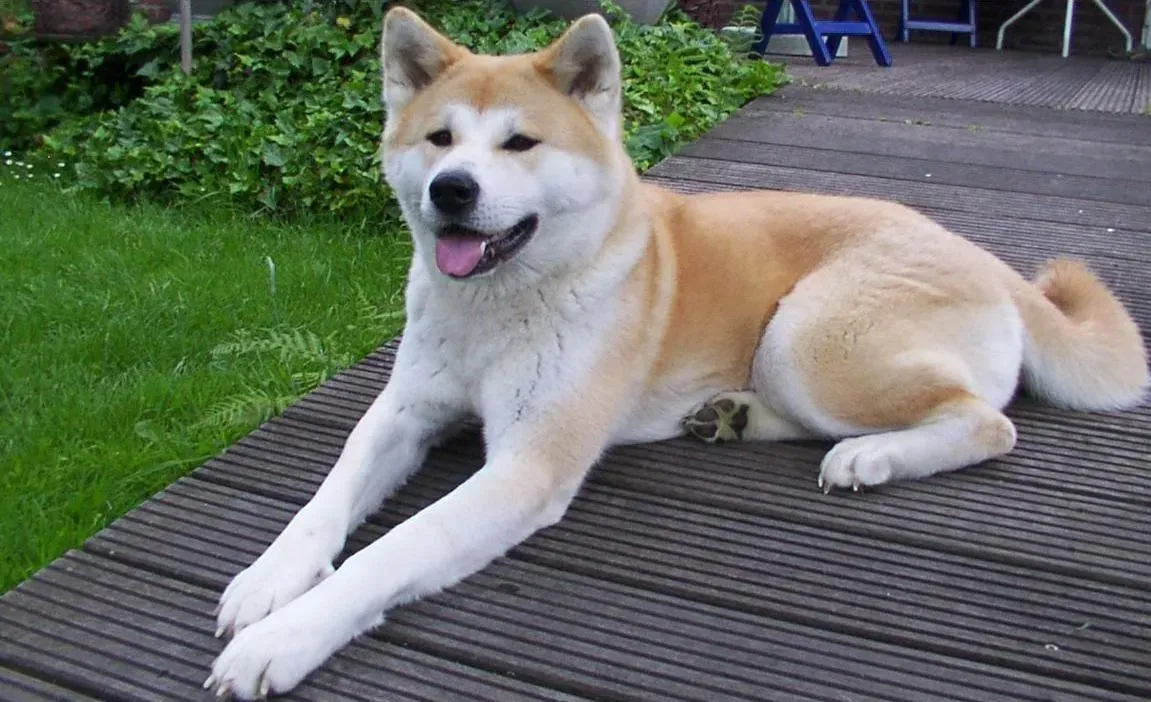
Akitas are the poster dogs for fierce, lifelong attachment to one person. Bred in Japan as guard and hunting dogs, they were expected to protect a single household and show almost unshakable loyalty to their primary handler. That history still lives in modern Akitas: when they bond, they bond hard, and they don’t hand out that level of trust twice.
They’re famously reserved, even aloof, with strangers and sometimes with the rest of the family, while quietly shadowing their chosen person from room to room. Akitas need careful socialization and firm, calm leadership, or that loyalty can turn into overprotectiveness or suspicion of outsiders. In the right home, though, their intense one-person devotion feels almost old-soul – like a bodyguard who also happens to be your softest, most steadfast friend.
Chow Chow: The Cat-Like Guardian With a Selective Heart
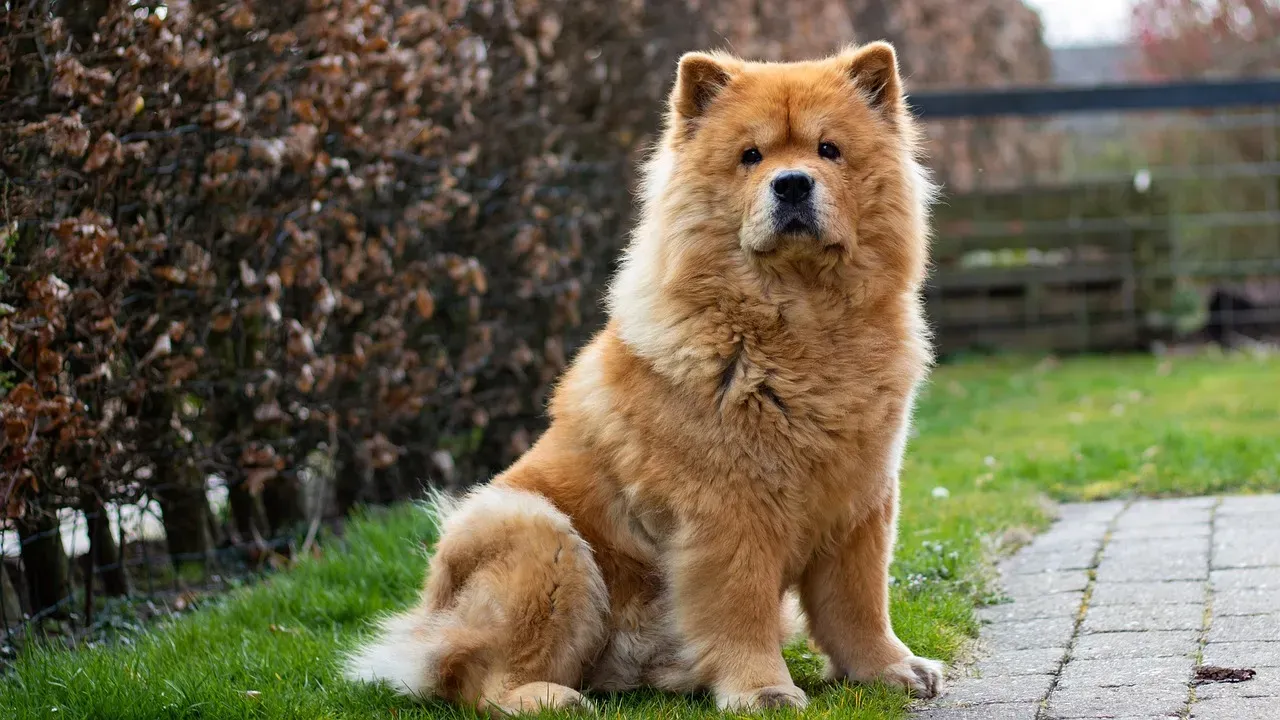
Chow Chows often look like teddy bears, but emotionally they’re more like highly opinionated cats. Historically used in China as guardians and working dogs, they were never meant to greet every new person with a wagging tail. Instead, they choose one (sometimes two) humans and form a low-key but powerful attachment that can last their entire life.
They tend to be independent, suspicious of strangers, and not overly interested in making new friends. With their chosen person, though, they can be surprisingly tender – following them around the house, watching their every move, and stepping between them and anything they see as a possible threat. If you want a social butterfly, this is the wrong breed. If you want a dog that treats you like their entire universe, a Chow can be a deeply loyal, if very particular, companion.
Shar Pei: Quiet, Serious, and Intensely Attached
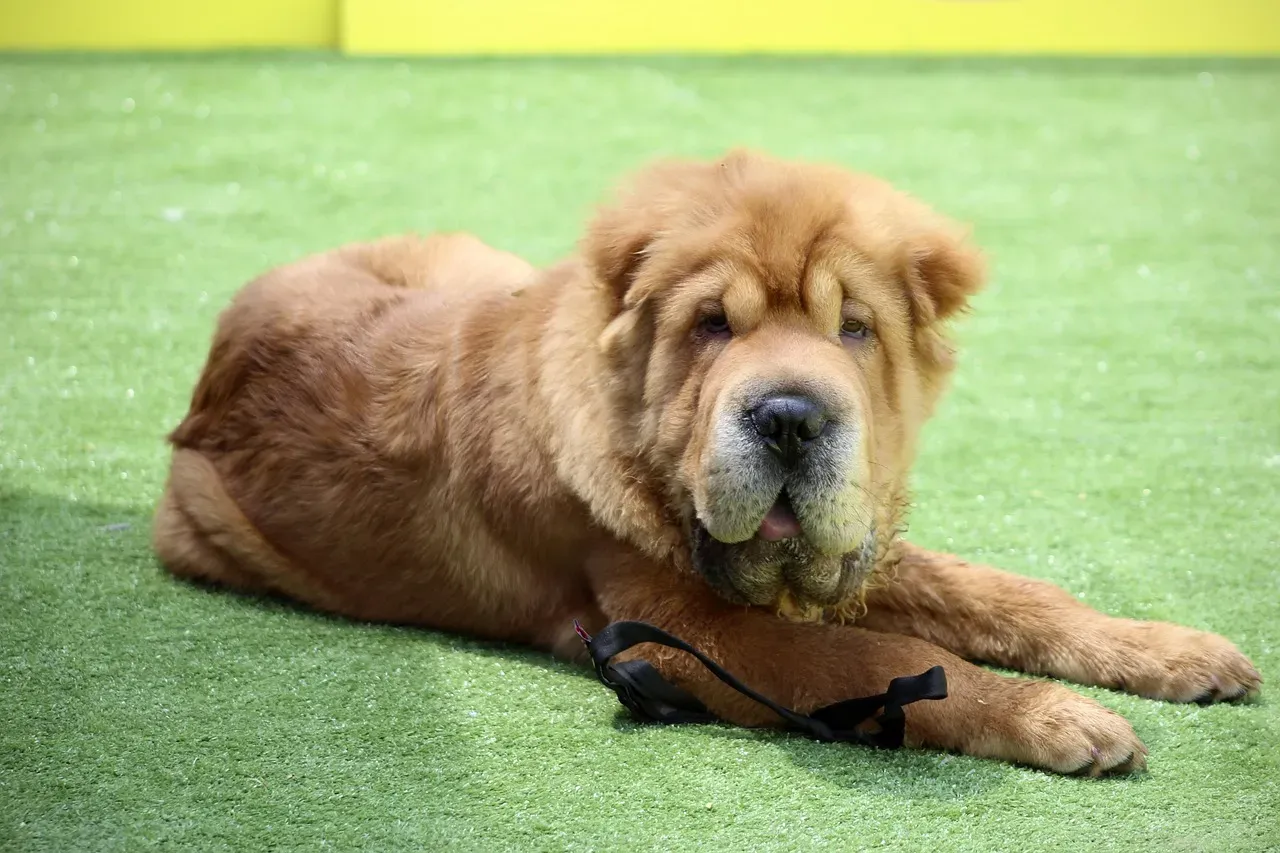
Shar Peis were originally bred in China as multipurpose farm guardians and later used for protection and fighting, which shaped their serious, watchful personalities. They typically form a tight, almost exclusive bond with one person, often the main caretaker, and everyone else gets a more measured, polite version of their attention. It is very common for a Shar Pei to track one human’s mood and movements with laser focus while barely reacting to anyone else’s attempts at affection.
They’re reserved by nature and usually uninterested in being cuddled by strangers, which can be misread as standoffishness. Under that wrinkled, slightly grumpy exterior, though, is a dog that can be deeply sensitive and loyal to their chosen human, worrying when they are upset and visibly relaxing only when that person is around. Living with a Shar Pei often means accepting that you are either their person – or you are just part of the scenery.
Basenji: The Silent Shadow With a Favorite Human
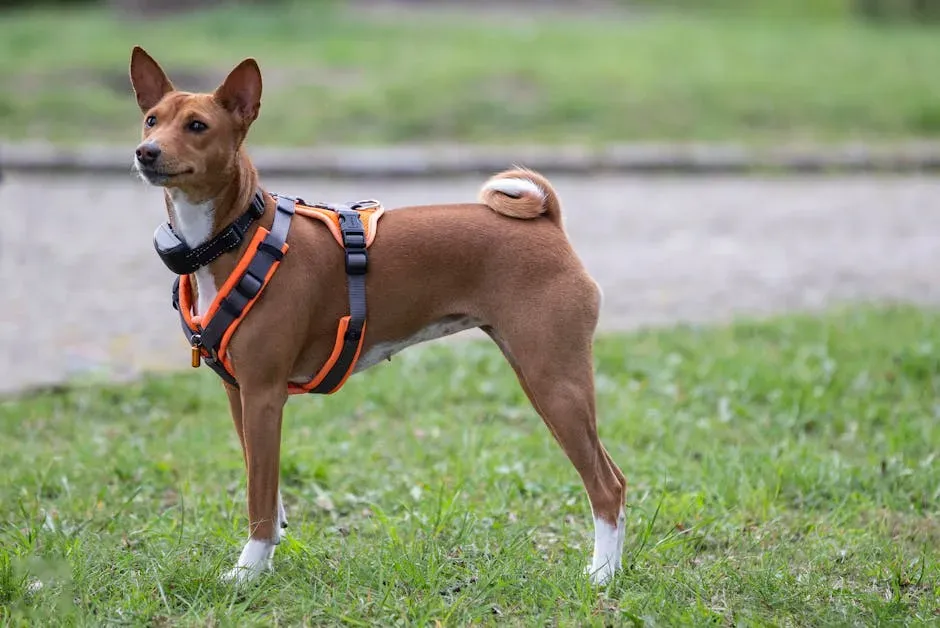
Basenjis are often talked about as “primitive” dogs, and a lot of their behavior still feels very close to their hunting origins in Central Africa. They tend to be highly bonded, but not broadly social; many Basenjis pick one human as their anchor and then divide the rest of the world into “tolerated” and “suspicious.” Their famous independence does not cancel out their loyalty – it just focuses it like a spotlight on one person.
They are not usually eager to be handled by everyone, and forcing social interaction can actually push them further away. When they choose you, though, it shows in subtle ways: they sleep closer to you, watch you from across the room, and adjust their movements to yours, a bit like a quiet little satellite orbiting one planet. Their loyalty may not be loud, but it is stubborn, and breaking that bond can be emotionally devastating for them.
Shiba Inu: Loyal to One, Skeptical of the World
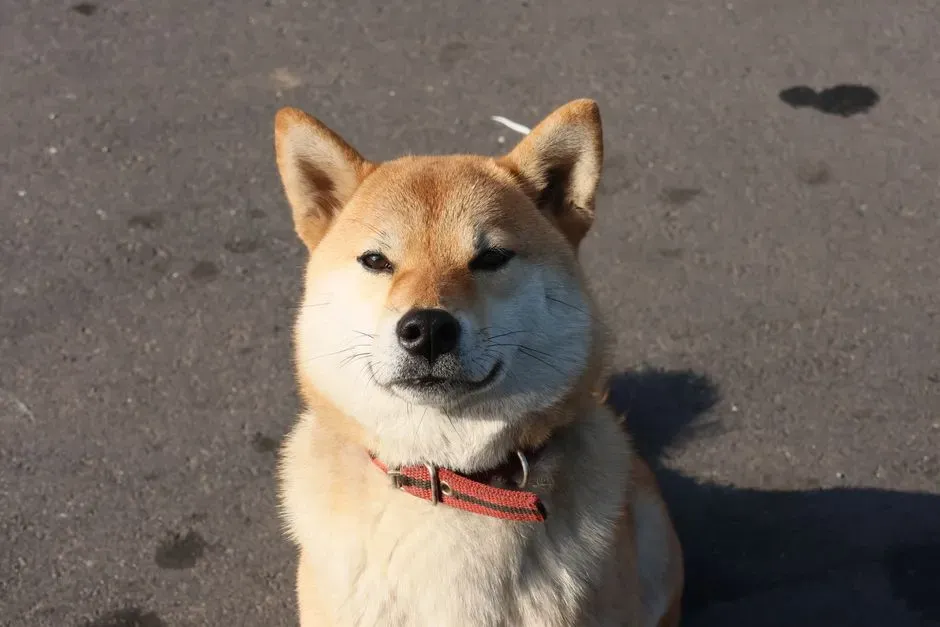
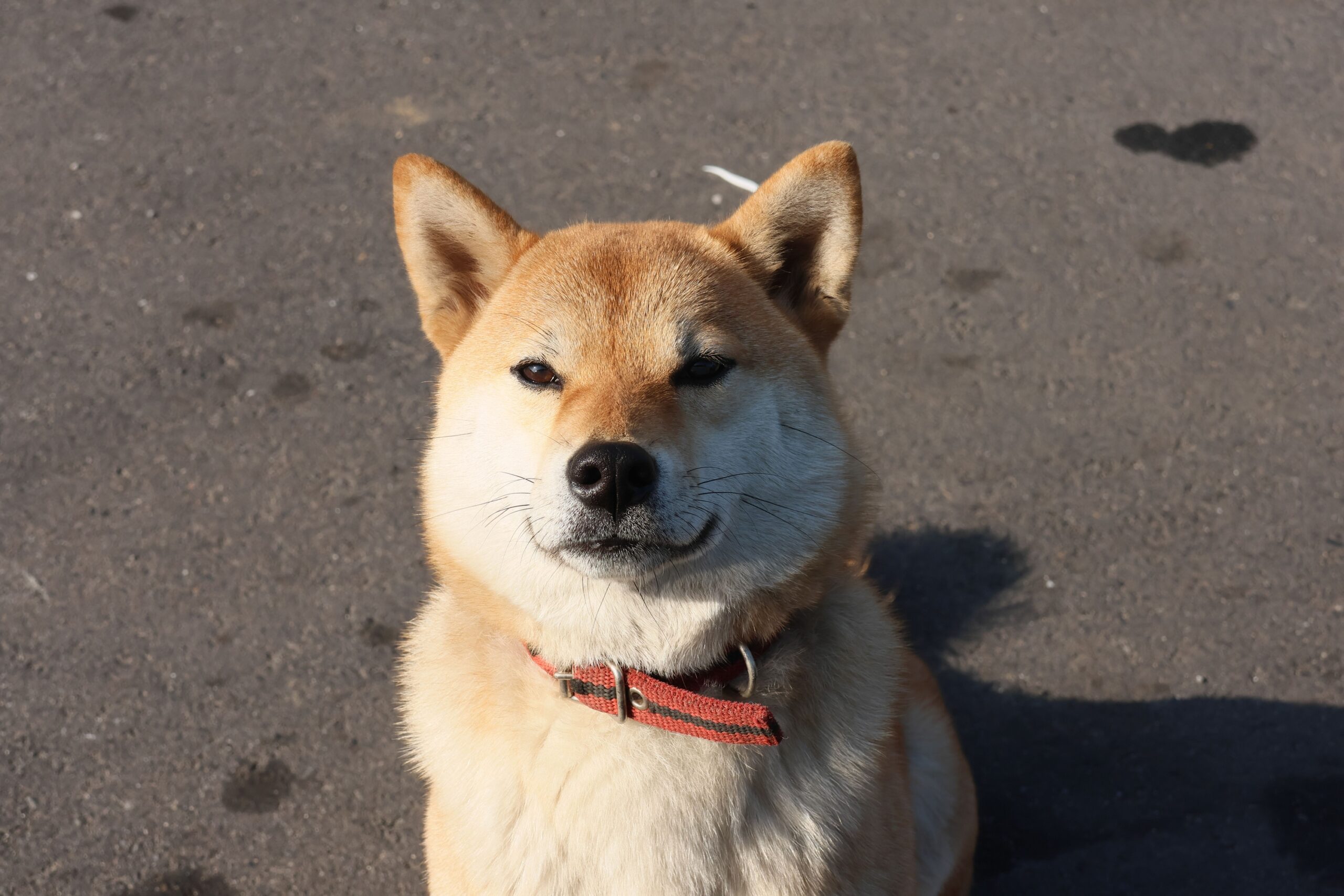
Shiba Inus have exploded in popularity online, but in real life they are not naturally cuddly or people-pleasing. Originally bred in Japan as small game hunting dogs, they retain a strong sense of independence and a clear idea of who “their person” is. Once a Shiba bonds deeply with someone, that person becomes their safe place, their anchor, and often the only human they fully trust.
They may tolerate other family members, even enjoy them at times, but that main bond tends to remain exclusive. Shibas are known for being wary of strangers and highly sensitive about their personal space. Watching a Shiba ignore an enthusiastic visitor while lighting up the second their chosen human walks in the door is a perfect snapshot of how single-focused their loyalty can be. They are not cold; they are just intensely selective – and once chosen, you are not easily replaced.
Belgian Malinois: Working Dog, One Handler, Zero Half-Measures
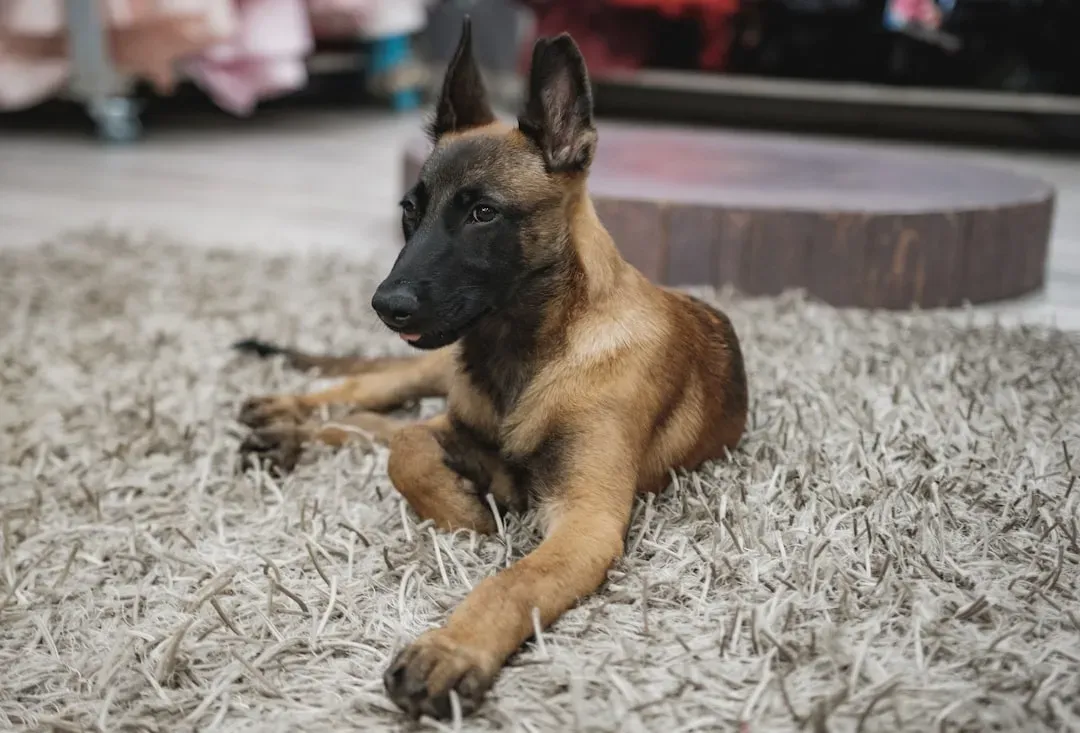
Belgian Malinois are legendary in police and military work, and that reputation comes from more than just athletic ability. They are bred to work in tight partnership with one handler, reading small cues, responding instantly, and treating that person as the center of their universe. This single-handler focus often carries over into home life, where they can bond overwhelmingly to the main trainer or caretaker and show noticeably less attachment to others.
Because they are so driven and sensitive, their loyalty can feel almost overwhelming – like living with a living, breathing heat-seeking missile aimed directly at you. They are not naturally family-friendly in the easy-going, “everyone gets equal love” way of some retrievers. Without enough work, structure, and clarity about boundaries, their protectiveness toward their person can spiral into reactivity. In the right hands, though, that intensity becomes a stunning, lifelong partnership that feels more like a professional alliance than casual pet ownership.
Dachshund: The Little Hunter With an Unshakable Favorite
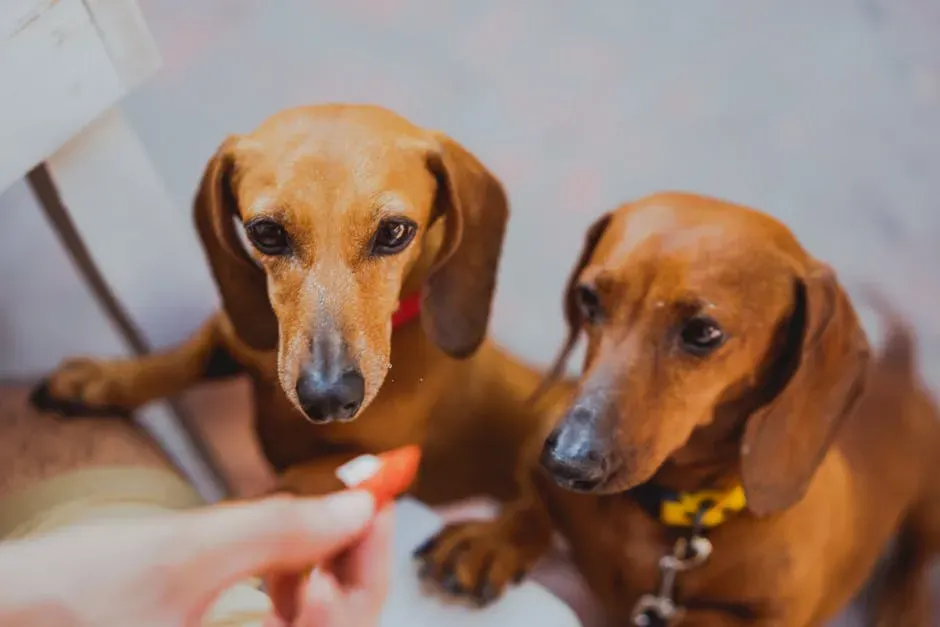
It surprises a lot of people to see Dachshunds on lists like this, but once you live with one, it makes perfect sense. These dogs were originally bred to go into badger dens, which meant they needed courage, stubbornness, and a close working relationship with one hunter. Many modern Dachshunds still act like that: they attach themselves to one person – often whoever spoils them or spends the most time with them – and show a level of clinginess and preference that can feel almost comical.
They will often follow that person from room to room, cry when they leave, and happily ignore everyone else’s attempts to bribe them with treats or cuddles. While they can get along with the whole family, their inner circle can be shockingly small. This one-person preference becomes especially clear when the chosen human is gone: the Dachshund may mope, act restless, or seem generally unimpressed with the remaining humans. Under all that cuteness is a very serious little dog who knows exactly where their loyalties lie.
Why Some Dogs Attach to One Person – and Why It Matters
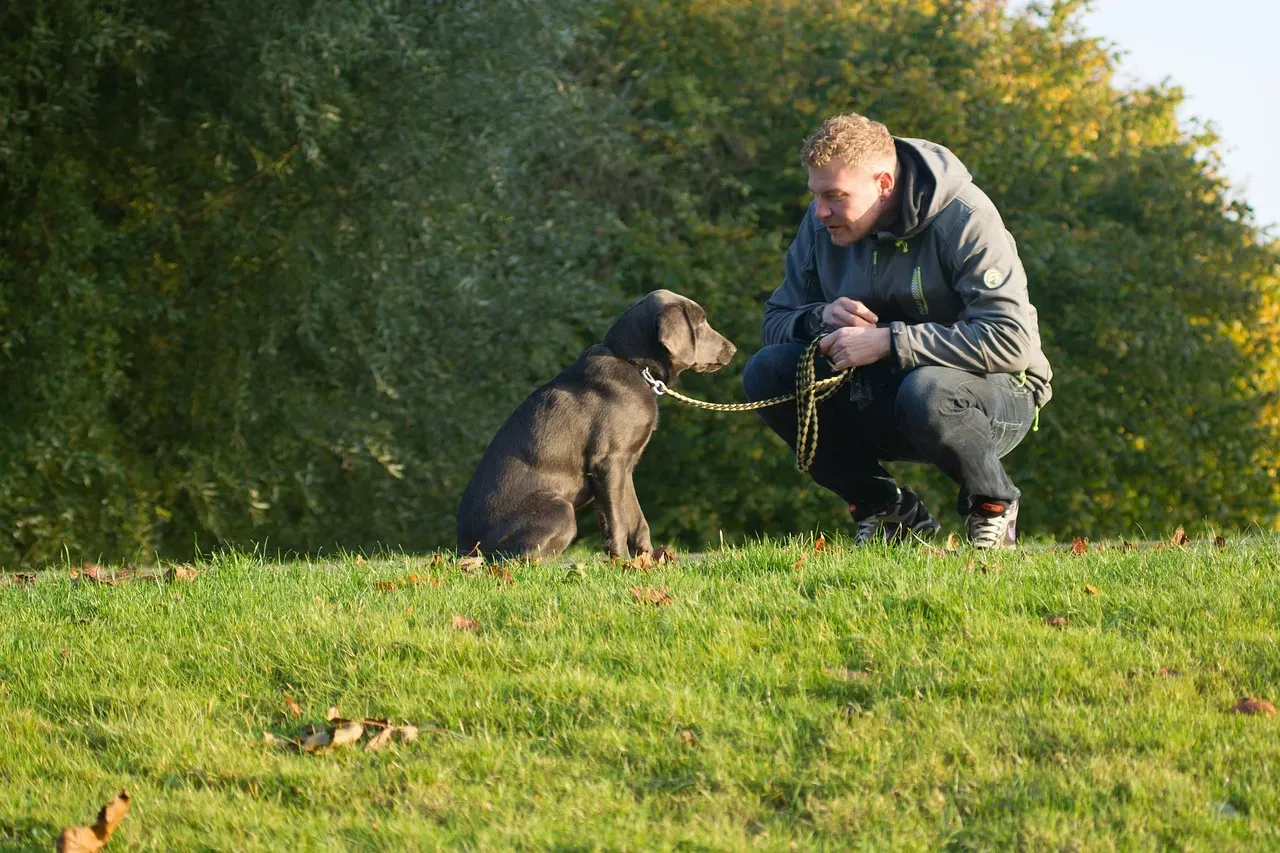
When a dog seems to refuse to bond with anyone but one human, it is rarely about drama and almost always about design. Genetics, breed history, early socialization, and daily routines all mix together to decide whether a dog spreads their affection widely or locks it onto a single person. Guard dogs, hunting partners, and herding dogs that historically worked with one handler are especially prone to this one-human pattern, and it tends to show up generation after generation.
From a human point of view, that kind of loyalty can feel flattering, romantic, even a little addictive. But it also comes with responsibility: these dogs can struggle badly with rehoming, sudden changes, or long separations from their chosen person. If you pick a breed known for intense, exclusive bonding, you are not just getting a pet – you are accepting a relationship that may cling to you, depend on you, and grieve you in ways other people never fully see. Before you welcome that kind of devotion, it is worth asking yourself whether you are ready to be someone’s forever human, not just their current owner.