
12 Things People Who Have Lost a Dog Know That People Who Haven’t Simply Cannot Understand

There’s a quiet club no one ever wants to join, and you only realize it exists when you lose a dog. From the outside, it can look simple: you had a pet, the pet died, you’re sad, you move on. But from the inside, it feels more like losing a family member who just happened to walk on four legs and sleep on your pillow.
If you’ve never gone through it, some of what grieving dog owners say might sound dramatic. When you have gone through it, you know it is actually an understatement. Here are twelve things people who have lost a dog understand in their bones, that those who haven’t may never fully grasp.
1. It’s Not “Just a Dog,” It’s Family
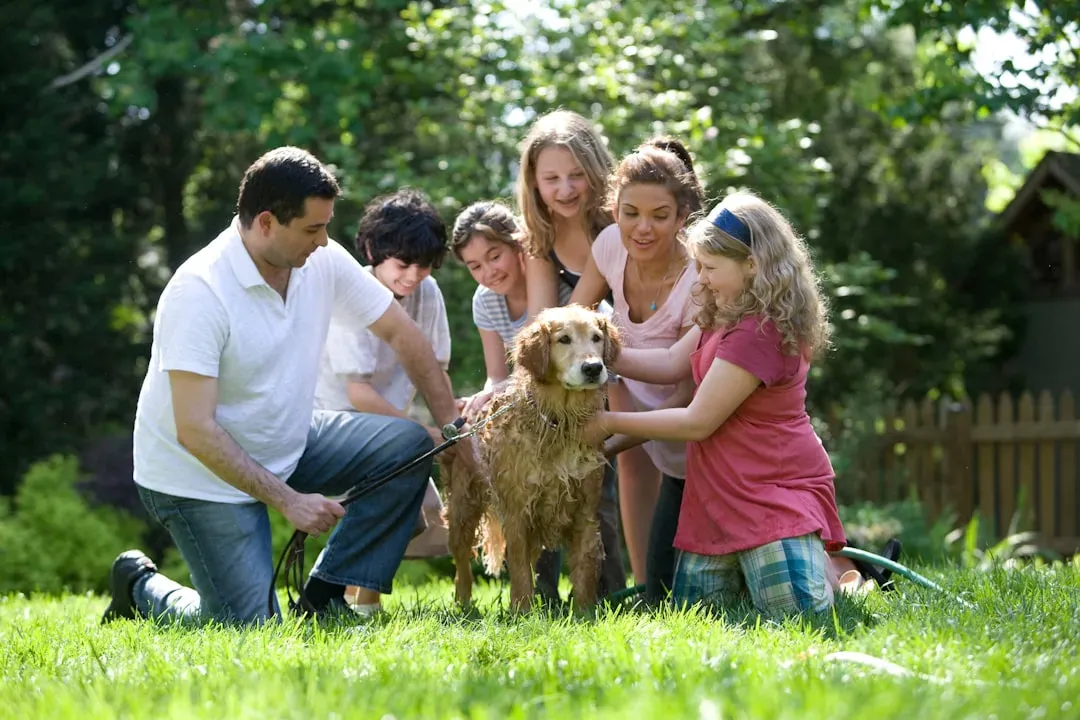
The first shock after you lose a dog is how wrong that little phrase feels: just a dog. For many of us, a dog is the one creature who has seen us at our absolute worst and loved us harder for it. They’re there when relationships fall apart, when jobs implode, when life turns ugly, tail still wagging like you’re the best thing that ever happened to them.
Psychologists talk about attachment bonds, and the one with a dog is often as strong as the bond with close family. Your dog doesn’t argue, doesn’t judge, doesn’t ghost you; they weave themselves into your daily rituals and your sense of home. When they are suddenly gone, it feels less like you misplaced a pet and more like someone quietly removed a piece of your life’s foundation.
2. Grief For a Dog Can Hit as Hard as Losing a Person
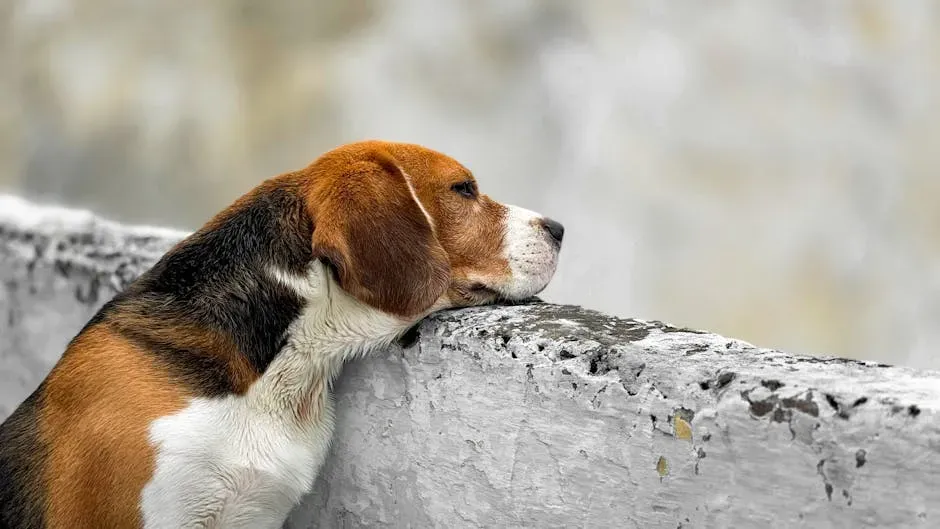
People who haven’t lost a dog sometimes assume the grief is softer or shorter, like a lighter version of “real” mourning. But those who have been through it know the waves can be just as powerful and disorienting. You might find yourself sobbing in the car, staring at an empty dog bed, or feeling a punch in the gut when you hear a leash jingle on the street.
Studies on pet loss show that the emotional impact can mirror human bereavement in intensity and duration. You lose not just a living being but your routine, your companion, your sense of safety and comfort. The world keeps moving like nothing happened, while your nervous system is quietly trying to relearn how to exist without that warm body curled at your feet.
3. Your House Becomes Too Quiet in a Way That Feels Wrong

Silence after a dog is gone isn’t peaceful; it’s eerie. The absence of paw steps on the floor, the jingle of tags, the soft snoring in the next room – those tiny sounds turn out to be the soundtrack of home. Once they’re gone, the house feels oddly hollow, like a stage after the actors have left.
People who have lost a dog often report hearing phantom sounds for weeks: the imagined click of nails on tile, the rustle of a collar, the soft thump on the couch. Your brain has been trained for years to tune into those little noises, and breaking that habit is surprisingly hard. The quiet doesn’t feel like rest; it feels like something is missing that should be here and isn’t.
4. Your Body Keeps Expecting Them Long After They’re Gone
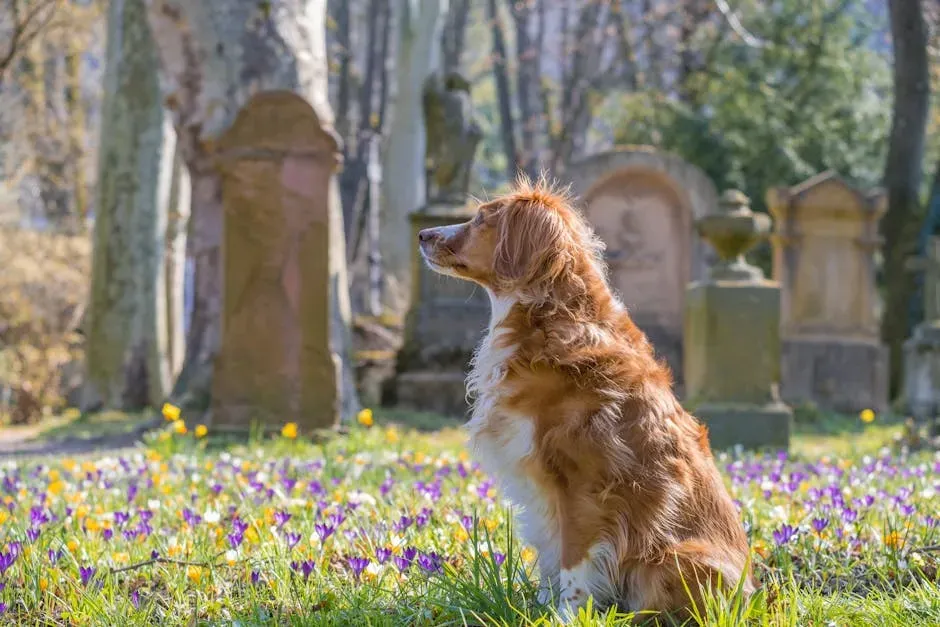
Grief for a dog is not just emotional; it’s physical and automatic. You still reach for an extra bowl when you open the cupboard. Your hand instinctively moves to the spot where their head used to rest beside you on the sofa. You pause at the door to grab the leash, even when there is no leash to grab.
This is muscle memory of love and routine. Our brains build habits around the beings we care for, especially those tied to daily care and movement. When the dog is suddenly gone, your body doesn’t update as fast as your mind does. It keeps acting like they’re with you, and each tiny automatic movement turns into a little reminder that they’re not.
5. Small Everyday Triggers Can Break You Without Warning
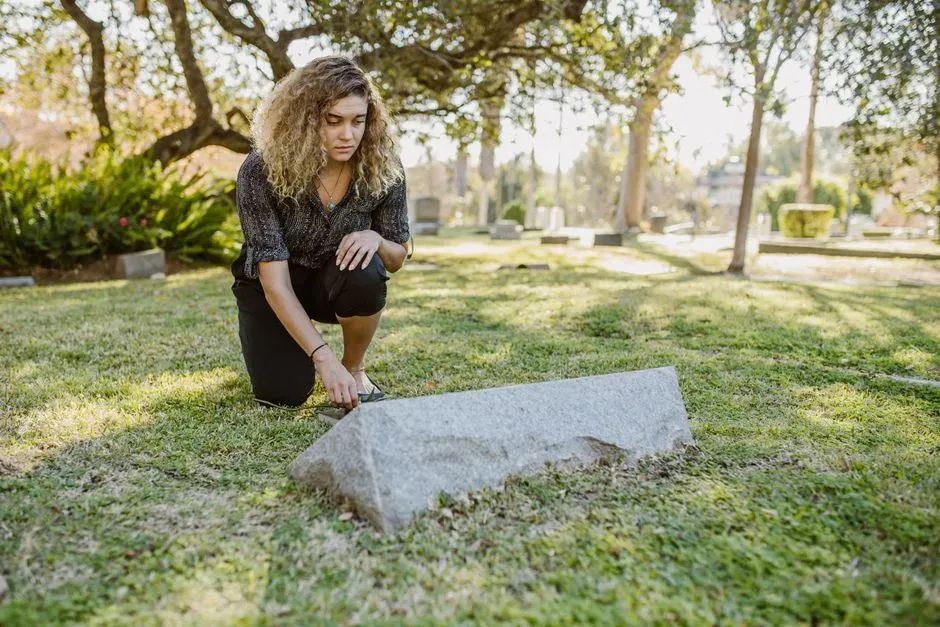
People who haven’t lost a dog might imagine the big moments are the hardest: the vet visit, the final goodbye, the first empty night. Those are brutal, but the long tail of grief comes from the small, stupid things. Finding a forgotten toy under the couch, spotting hair on that old sweatshirt, driving by the park where you always walked together.
These tiny ambushes are what make grief feel so unpredictable. You can be having a decent day and then see someone toss a ball for their dog and suddenly feel like all the air has been sucked out of your lungs. It is not that you want other people to stop enjoying their dogs; it is just that each glimpse of what you lost slices open the ache for a moment.
6. Guilt Shows Up, Even When You Did Everything Right
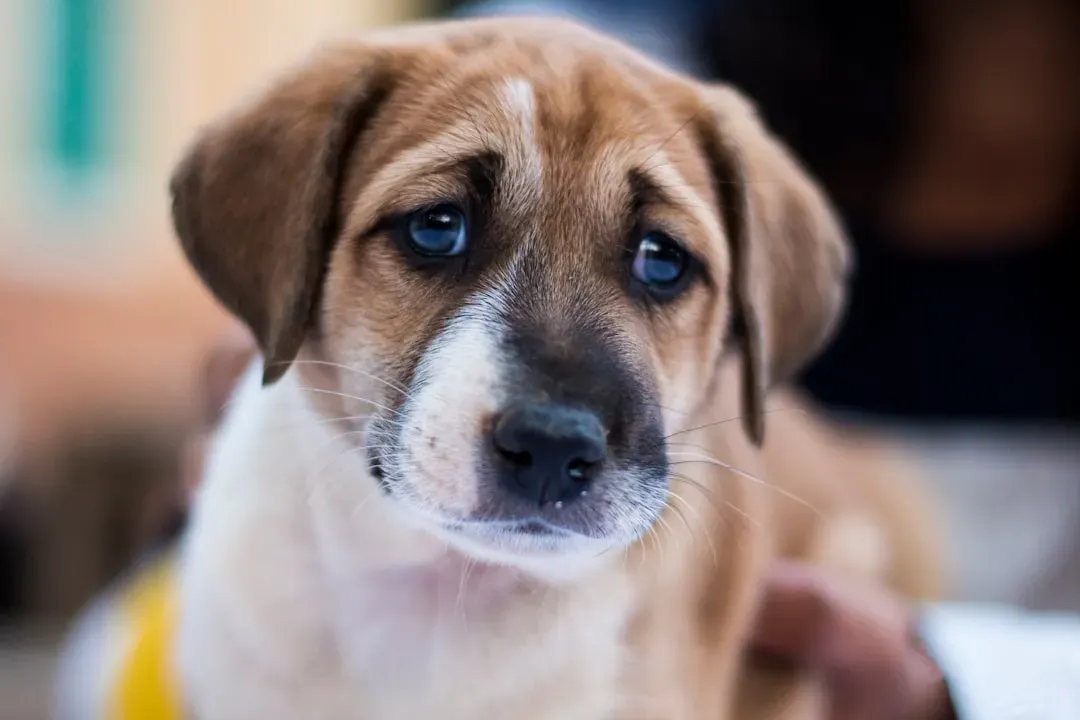
Losing a dog comes with a particular kind of guilt that many people do not talk about. You replay the last days, the last walk, the last meal, wondering if you missed a sign or made the wrong call. If you had to make a euthanasia decision, the weight of that choice can feel crushing, even when you know it spared them suffering.
People who have walked this road understand the endless mental what-ifs: one more treatment, one more opinion, one more night. It is a twisted side effect of love and responsibility; because your dog depended on you for everything, you feel like you should have been able to save them. With time, most people come to see they did the best they could with what they knew then, but getting there is rarely smooth or tidy.
7. The Final Goodbye Etches Itself Into Your Memory
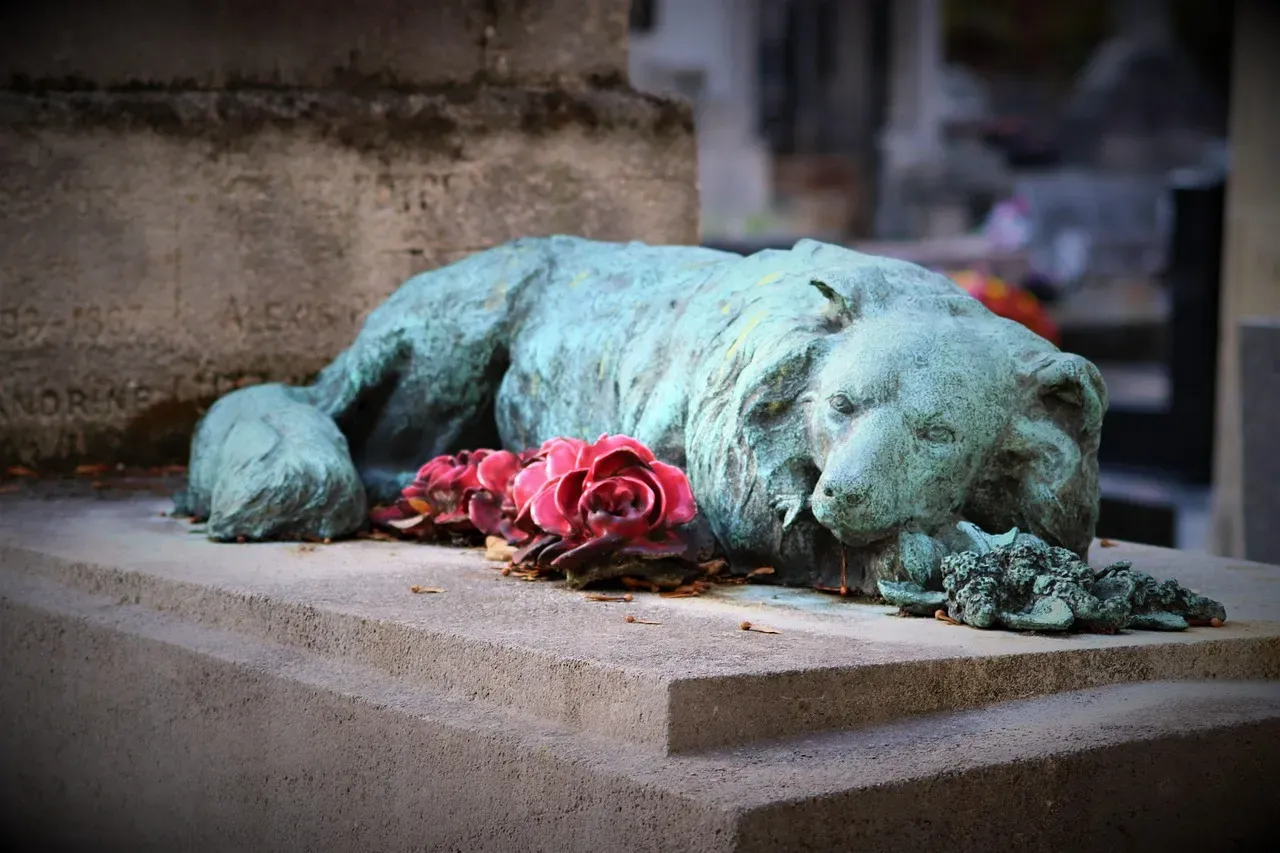
Ask someone who has lost a dog about the last day, and they can usually describe it in startling detail: the weather, the blanket, the way the fur felt under their fingers. That final goodbye becomes a frozen frame in your mind, something you both revisit and try to avoid. It is seared into your internal timeline as a before and after.
For many, that memory is both deeply painful and strangely sacred. You might find comfort in knowing you were there, that they were not alone, that your voice and your touch were the last things they felt. At the same time, thinking about it can unleash a wave of pain that feels almost physical. People who have not gone through it often underestimate how long that particular memory can stay raw.
8. The World Often Minimizes Your Grief, and That Hurts
One of the hardest parts of losing a dog is how invisible your grief can be to others. Some people will respond with genuine compassion; others will give you a brief sorry and then expect you to bounce back in a few days. There is a cultural message that pet loss is a “lesser” kind of loss, something you should be able to get over quickly.
This mismatch between how you feel and how the world reacts can make you question your own sanity. You might hear phrases like “it was just a dog” or “you can always get another one,” which land like a slap when you’re still waking up crying. People who have been through it understand the sting of having real grief treated like an overreaction, and they know how healing it is to finally talk to someone who gets it.
9. You Start to Understand the Depth of the Human–Dog Bond
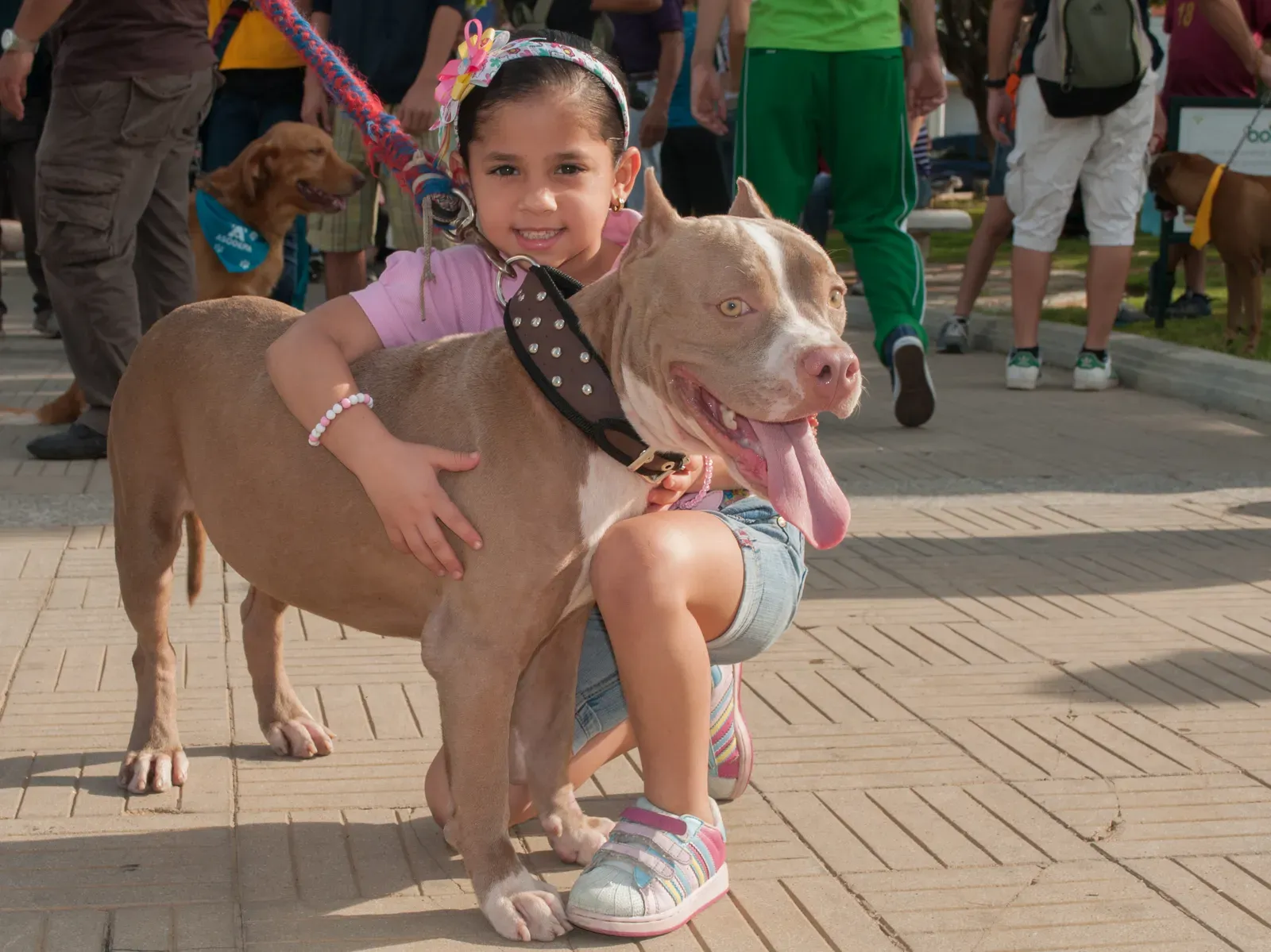
Most dog lovers know they’re attached to their pets, but losing one forces you to face just how deep that bond runs. Dogs do not just share your space; they tune into your moods, your routines, even your body language, often more accurately than the humans around you. In many homes, the dog is the emotional glue, the one creature everybody softens for at the end of a hard day.
Research has shown that interacting with dogs can lower stress hormones and increase feel-good chemicals in the brain. That is the scientific version of what most grieving dog owners feel in their hearts: this was not a casual attachment. This was an emotional lifeline. When that lifeline is cut, you suddenly see how much of your stability and comfort was wrapped up in a wet nose and a wagging tail.
10. Your Identity Shifts When You’re No Longer “The Person With the Dog”
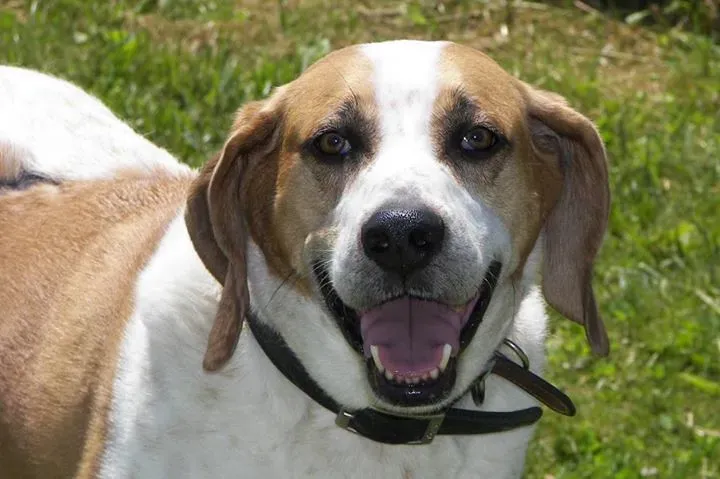
We do not often talk about how much our pets become part of our identity. You are the person with the big goofy lab at the coffee shop, the neighbor always out walking the little terrier, the friend who brings their calm, soulful mutt to road trips. When the dog is gone, that part of who you are goes strangely quiet.
It can feel jarring to realize that you no longer need to say, I have to get home to let the dog out, or to notice how few photos you take now that your furry sidekick is missing from every frame. Some people feel almost guilty for enjoying the new freedom, while also hating the emptiness that comes with it. People who have lost a dog understand how identity and companionship were more tangled together than they ever realized.
11. Welcoming a New Dog Is Healing, But It’s Complicated

From the outside, getting another dog can look like “replacing” the one you lost. Anyone who has actually done it knows that is not how it works. A new dog brings new chaos, new quirks, new love – and also stirs up old grief. You might find yourself comparing them without meaning to, or feeling guilty for laughing at their antics when your heart still aches.
Over time, many people discover that love is not a single container that gets emptied once; it is something that can expand to hold more than one dog, more than one story. The new dog never erases the old one, and it is never supposed to. Instead, they walk beside the memory, adding fresh paw prints next to the ones already etched into your life. It is messy and emotional, but also one of the most hopeful parts of the journey.
12. The Love Never Really Leaves, It Just Changes Shape
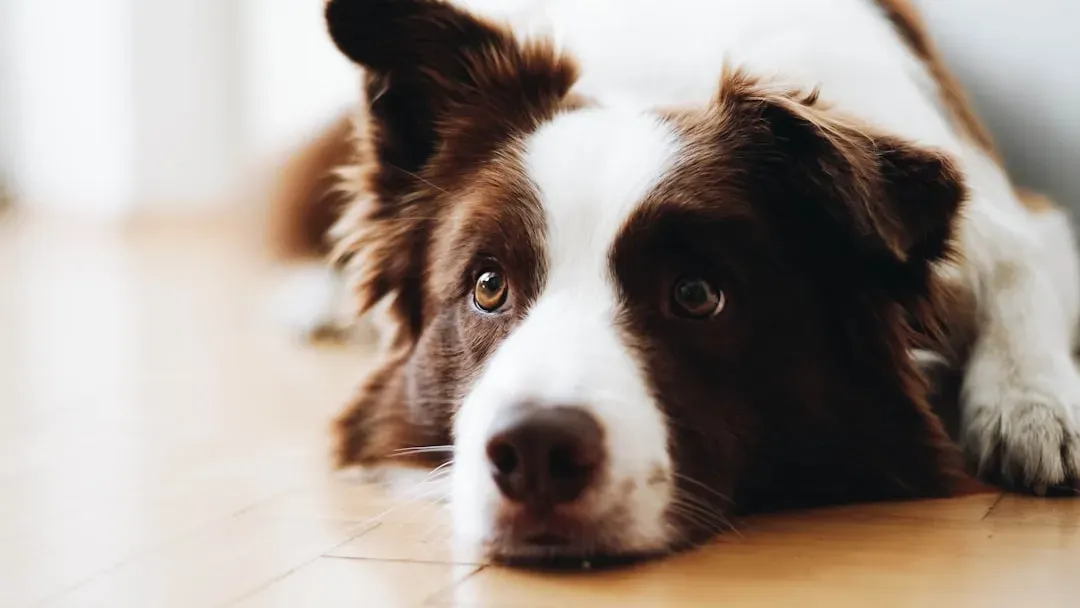
The deepest secret people who have lost a dog carry is this: the love does not stop when the body is gone. It shows up in strange ways – when you instinctively move your feet at night to make space at the end of the bed, when you smile at a dog with the same crooked ear, when you still say their name under your breath on hard days. The relationship shifts from physical to remembered, but it does not vanish.
Over time, the sharp edges of grief tend to soften. The memories that used to make you cry start to make you smile first, and cry second. You realize that although the loss changed you, so did the years of having that dog by your side. In the end, you do not “get over” them; you learn to carry them differently. And maybe the real question is not why it hurts so much, but how lucky we are that a creature we only borrowed for a while could leave that deep a mark at all.