
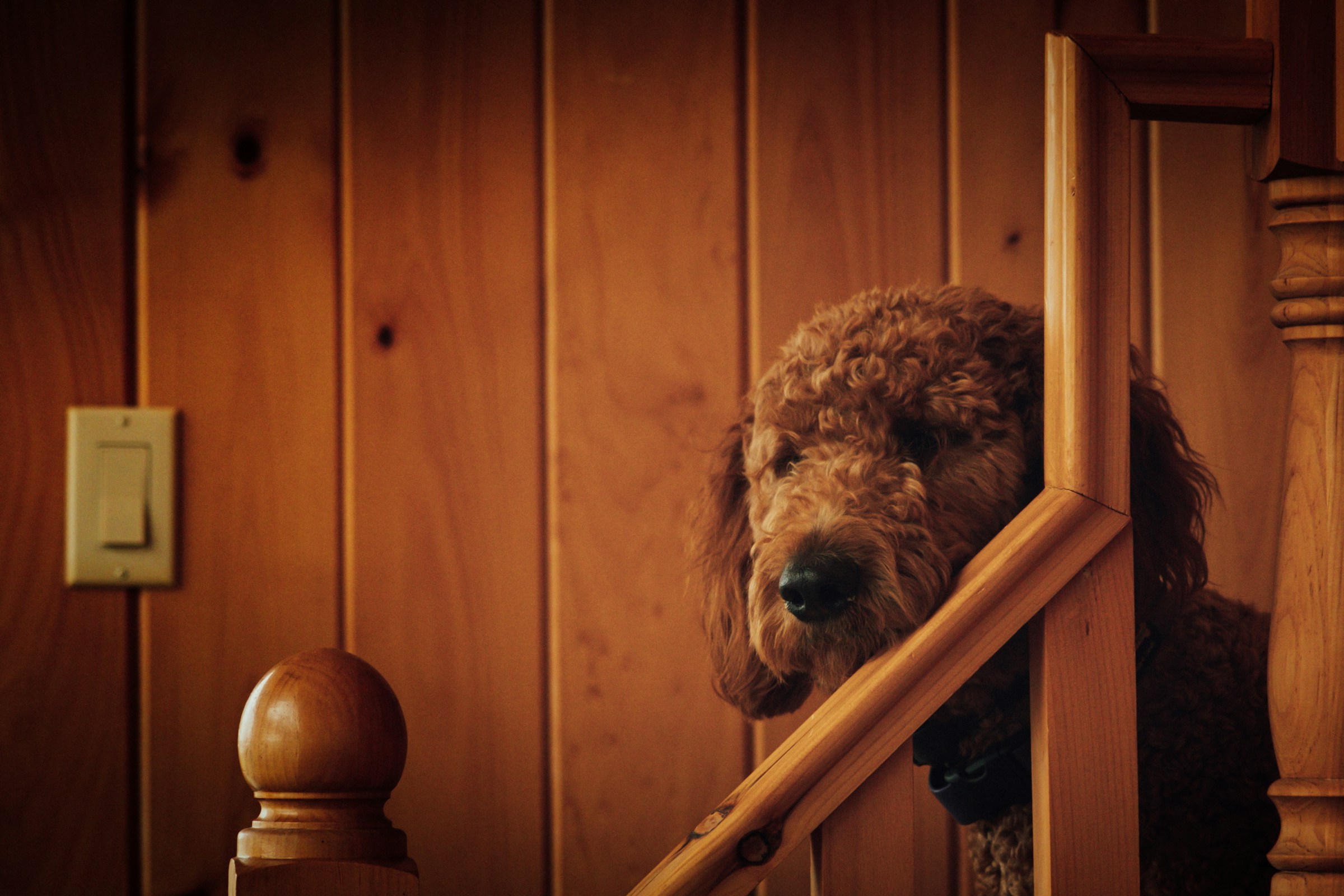
Most of us think of our dogs as cuddle machines, snack thieves, and professional nappers. But behind all that goofy charm, there’s a careful, watchful animal whose senses are wired to notice threats long before we do. While you’re scrolling on your phone or zoning out on the couch, your dog might be quietly running security checks on the entire environment.
The wild part? A lot of the danger they react to doesn’t look like danger to us at all. Subtle changes in your mood, strange electrical sounds, a person walking a bit too close to your door – your dog may already have clocked it and responded. Here are ten powerful signs your dog has been quietly protecting you from things you never even realized were on their radar.
1. Your Dog Suddenly Positions Themselves Between You And Something (Or Someone)
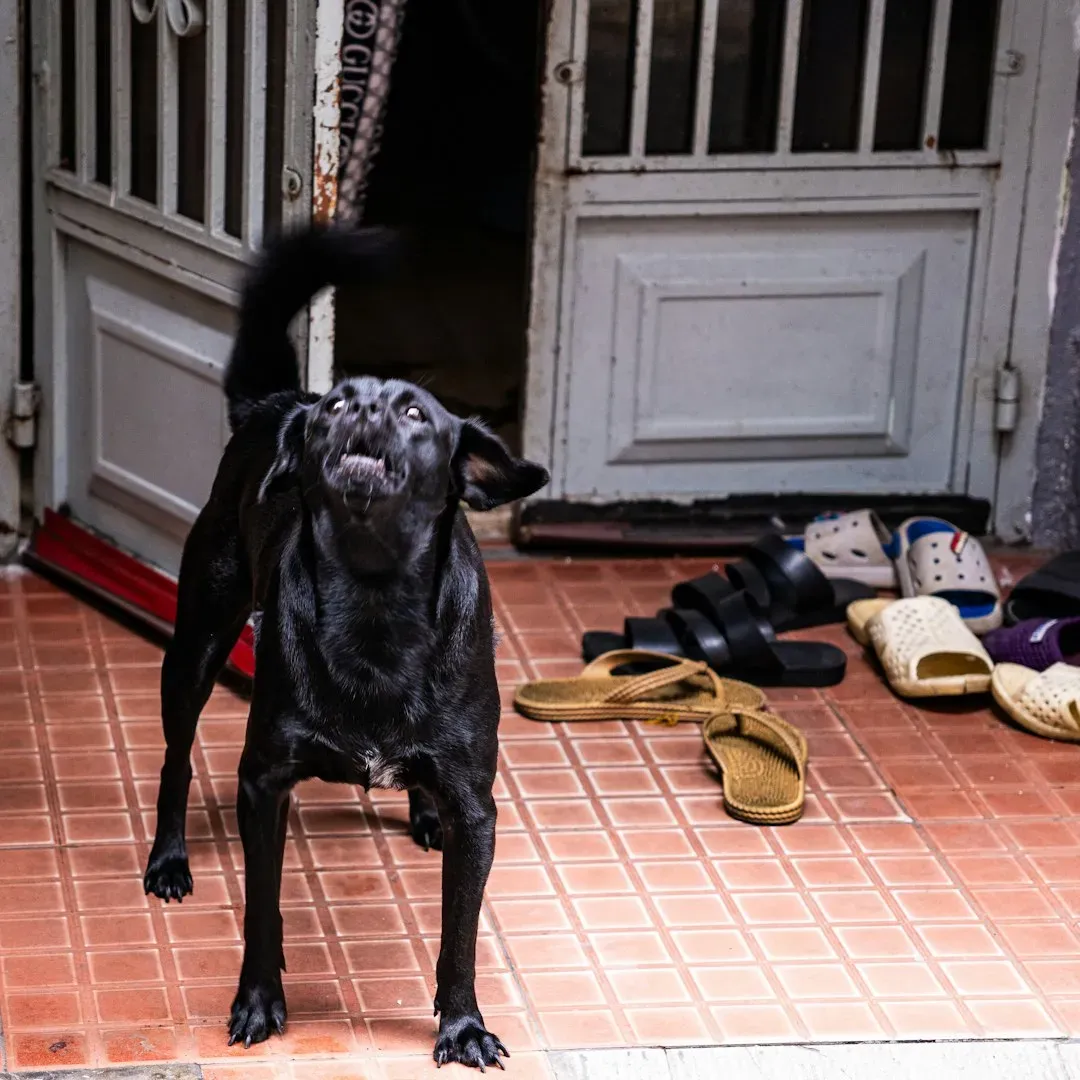
If your usually relaxed dog suddenly plants themselves between you and another person, a doorway, or even a dark hallway, that’s not random. Dogs have a natural tendency to “body block” when they sense something off, and it can be incredibly subtle – a sideways stand, a leaning shoulder, or them edging just slightly in front of you. To you, it might feel like they’re just being clingy; to them, they’re forming a living shield.
This behavior can show up around unfamiliar guests, delivery drivers, or even in public if someone approaches too fast or too close. I’ve had my own dog step half a paw in front of me when a stranger walked up at night – tiny move, big message. They’re not always preparing to attack; often they’re simply creating space, gently but firmly telling the world: “You talk to me first.”
2. They React Strongly To Specific People, Even If Those People Seem “Fine” To You
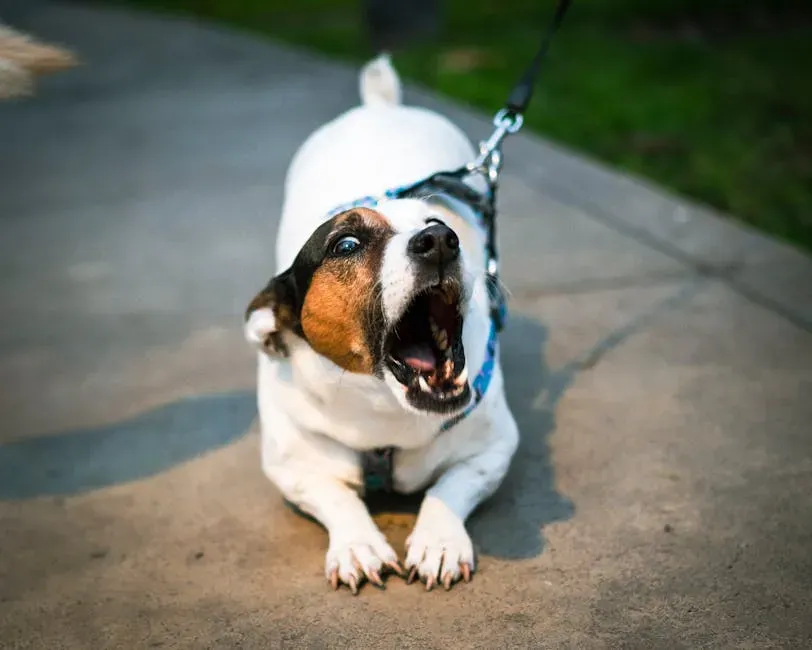
Every dog owner knows the feeling: nine people walk into your home and your dog is chill, but number ten walks in and suddenly the dog’s posture stiffens, tail lowers or goes high and rigid, and the barking sounds deeper and more serious. That’s not your dog being dramatic; they’re reading a cocktail of scent, body language, and micro-behaviors that we completely miss. Dogs can detect stress hormones like adrenaline and cortisol through scent, and they notice tension in movement that we shrug off.
Sometimes your dog’s dislike of a person is just about mismatched energy or past bad experiences. But when they are unusually persistent – hovering near you, watching that person the entire time, refusing to relax – it can be a sign they’re on protective mode. You do not have to assume that person is evil, but it is worth listening to your dog’s hesitation and staying a little more alert yourself.
3. Nighttime Vigilance: They Patrol, Listen, And Sleep Facing The Door
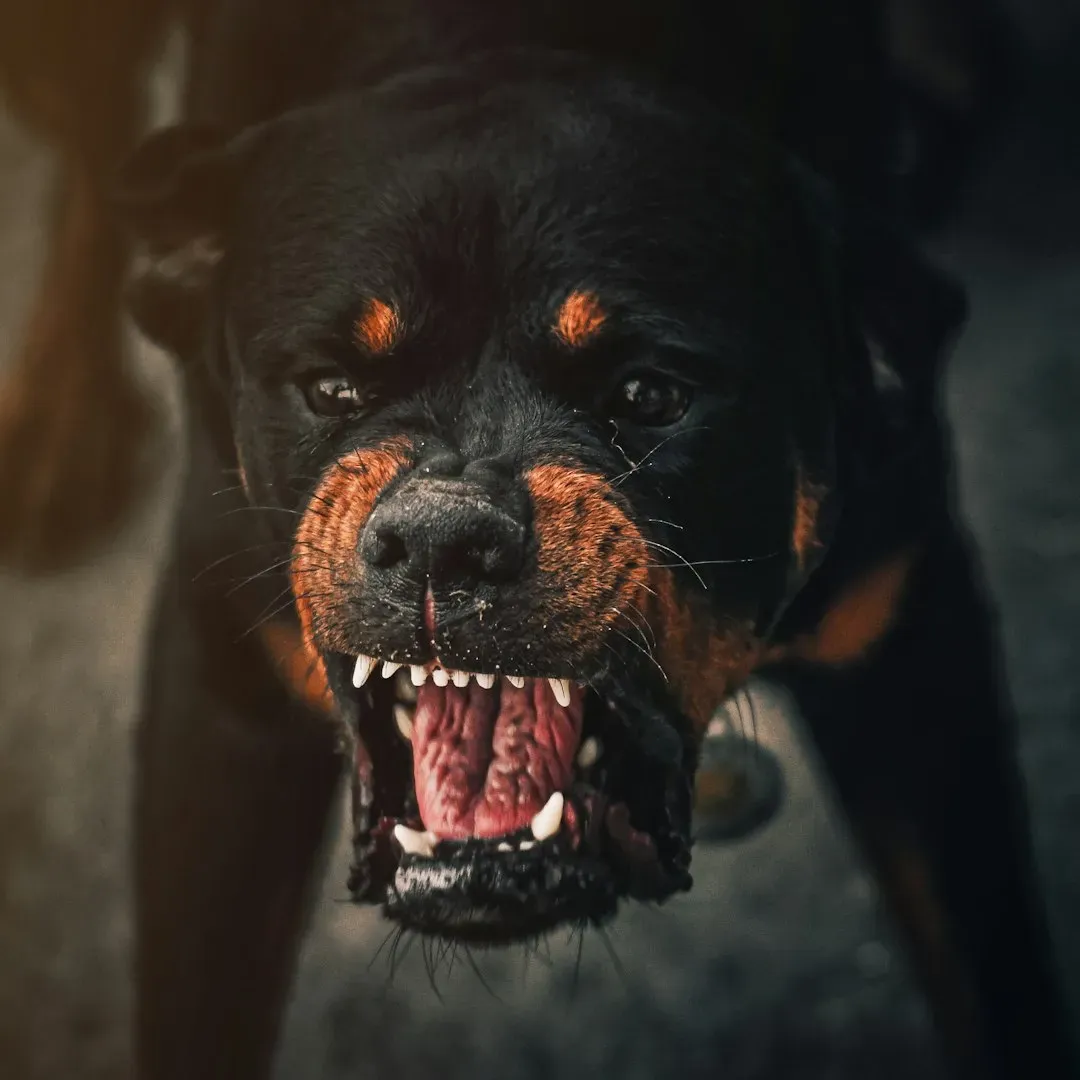
Pay attention to where your dog sleeps and how often they change position at night. Many protective dogs will lie down facing the main entry point to your bedroom, or even the front door of the home, almost like an unpaid night guard. They may seem asleep, but the second they hear an unusual step, a car lingering too long, or a faint metallic sound, their ears go up and their head pops up like a periscope.
Some dogs do periodic “patrols” – walking the house once or twice each night, sniffing doors, checking windows, then coming back to bed. It looks like restless pacing, but often they’re doing exactly what their ancestors did in the wild: scanning the perimeter. You might think nothing is happening at 2 a.m., but your dog could be tracking the neighbor’s late arrival, a raccoon on the roof, or someone slowing down near your gate.
4. They Fixate On Sounds You Barely Notice – Especially From Outside
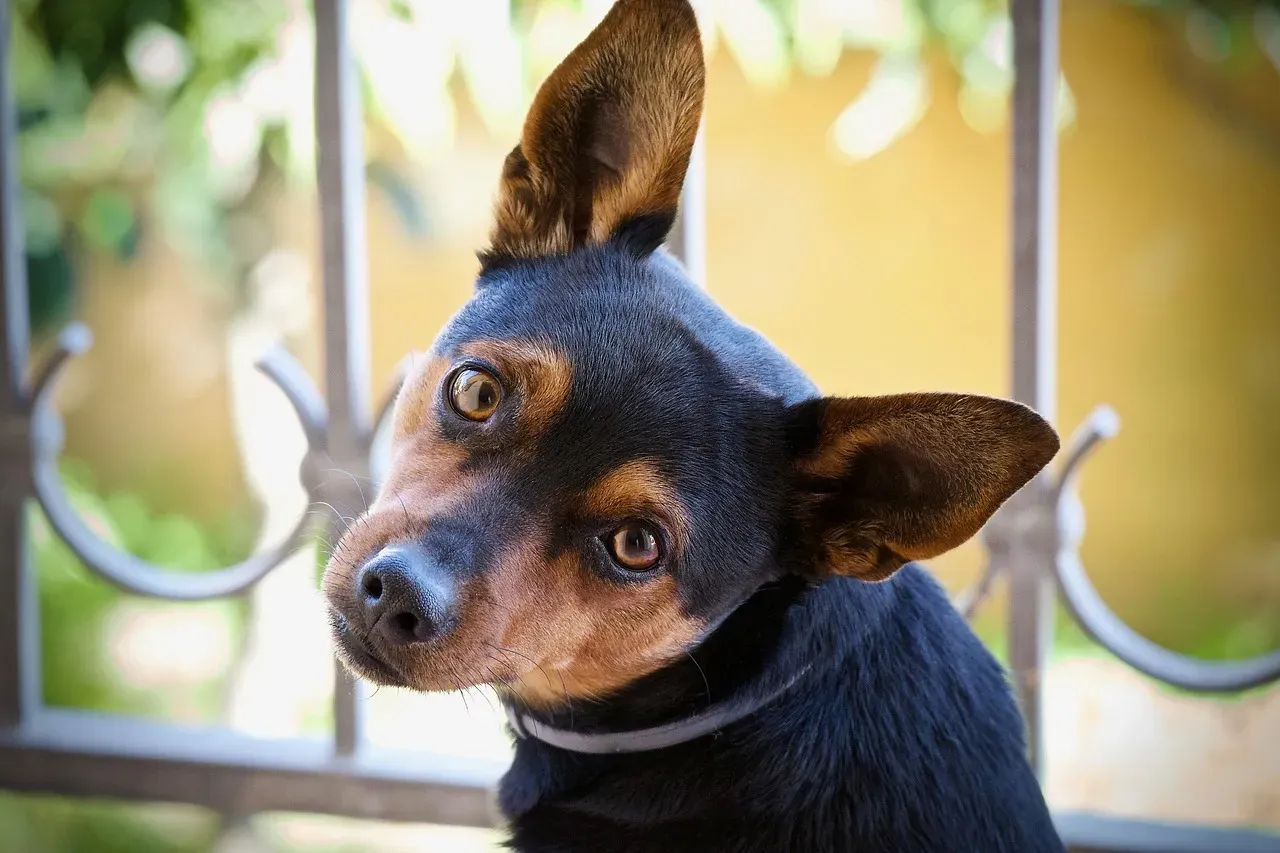
Dogs hear much higher frequencies than we do and can catch sounds at distances that are basically invisible to human perception. When your dog suddenly freezes, tilts their head, and stares at what appears to be absolutely nothing, there’s a decent chance something is actually going on – a door closing outside, a car creeping by, a phone buzzing in another room, or even faint mechanical hums. Their hearing is like having built‑in early warning radar.
Protective dogs often show two distinct “tiers” of alert: the soft, low growl or focused stare when they’re not sure yet, and then louder vocalizations if they decide it’s worth telling you. If your dog frequently pauses play or sleep to “audit” outside noises, then relaxes only after they decide it’s safe, that’s them running security checks for threats you were never going to notice on your own.
5. Subtle Blocking And Herding Movements When You Walk Somewhere
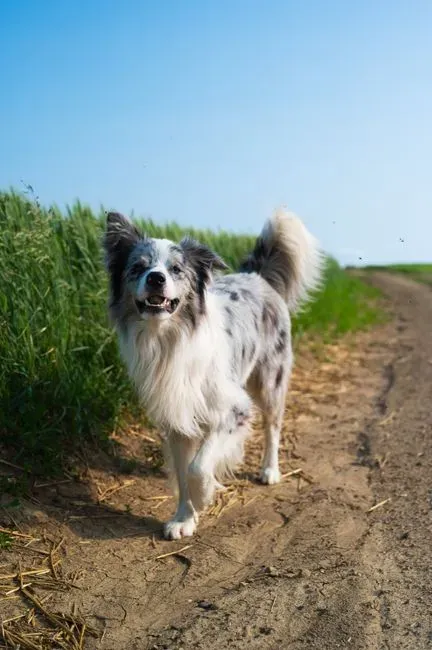
Have you ever tried to walk down a hallway and your dog gently nudges you to the other side or slows down right in front of you? It feels annoying, like they’re just in the way. But this can be a form of protective “herding.” Dogs with strong protective or herding instincts sometimes redirect your path away from what they perceive as risky – a dark stairway, a loud appliance, or an unfamiliar person ahead.
They might also angle their body so you’re always slightly behind them when entering a new space, like a parking lot, a wooded trail, or a crowded sidewalk. To a dog, going first is not about dominance in these moments; it’s about scanning for danger and taking the first hit if something goes wrong. It’s the canine equivalent of saying: “I’ll check it out first, you stay behind me.”
6. A Different Kind Of Bark: Deep, Short, And Focused
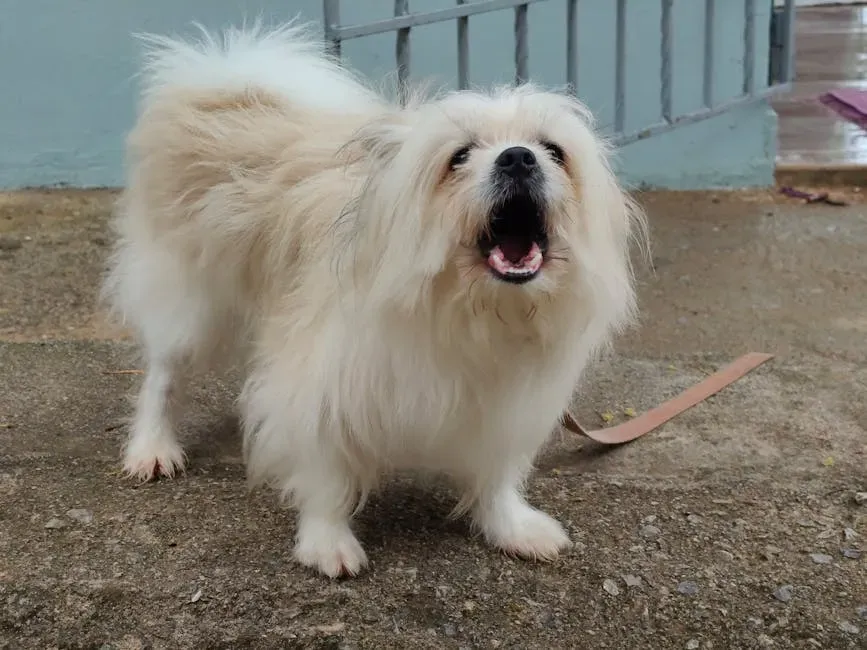
All barks are not created equal. There’s the excited “someone’s at the door” bark, the bored “I want attention” bark, and then there’s the serious alert bark: lower in pitch, often shorter, and directed intensely at one source. When a dog uses this deeper, more powerful bark, particularly while standing tall with a tense tail and focused gaze, they are not just being noisy; they are actively warning off what they think might be a threat.
Some dogs will even stand sideways to look bigger, puff their chest, and shift their weight slightly forward to send a clear message: do not come closer. It’s easy to get frustrated with barking, especially in apartments or at night, but when that bark has a different emotional “texture,” it’s worth investigating. Many owners only find out later that their dog was reacting to someone hanging around the property, an animal on the porch, or strange activity outside.
7. Hyper-Focus On Certain Places: Doors, Windows, Stairs, Or One Weird Spot
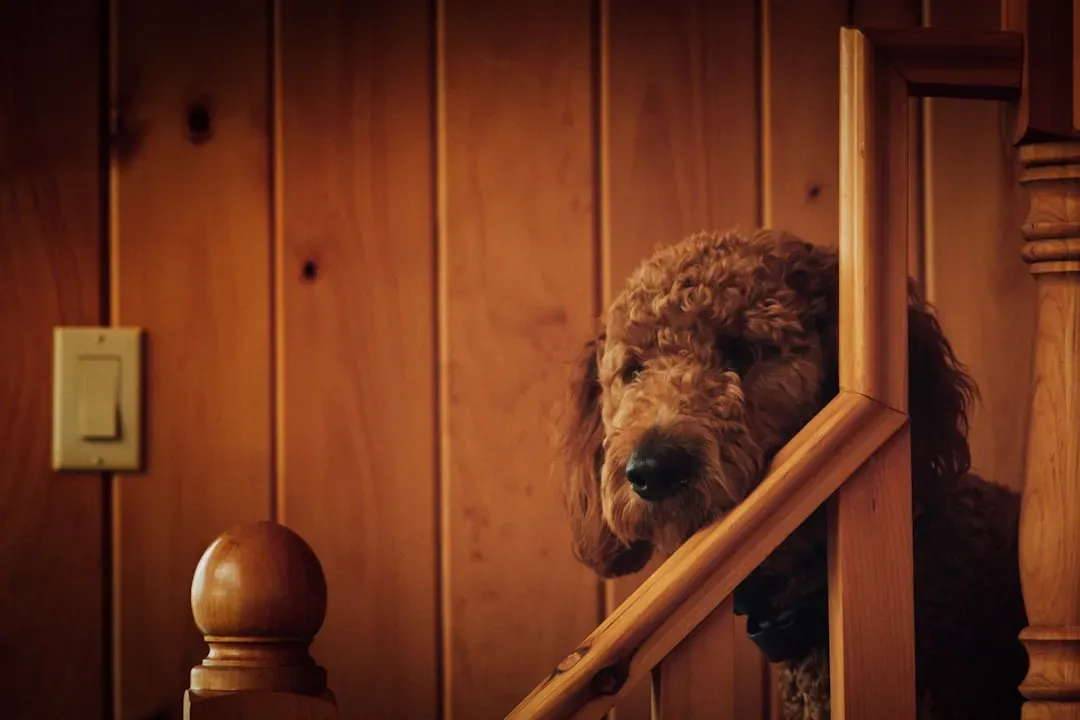
Dogs often choose specific “checkpoints” around the home: the front door, the back porch, the hallway that leads to the bedrooms, or the top of the stairs. If your dog frequently stations themselves there and watches – not just naps, but truly watches – they’re monitoring high‑risk entry points. It’s not paranoia; from an animal’s point of view, those are the spots where unknowns appear.
Sometimes they become obsessed with a particular corner, wall, or basement area. While sometimes it’s a small animal, dripping water, or an odd noise in the pipes, other times it can be related to smells or vibrations we do not pick up. You might feel like they’re overreacting, but from their perspective, any unexplained sound, scent, or airflow change could signal potential danger, and they’re volunteering to keep an eye on it for you.
8. Unusual Clinginess Or Shadowing You In Unfamiliar Or Stressful Situations
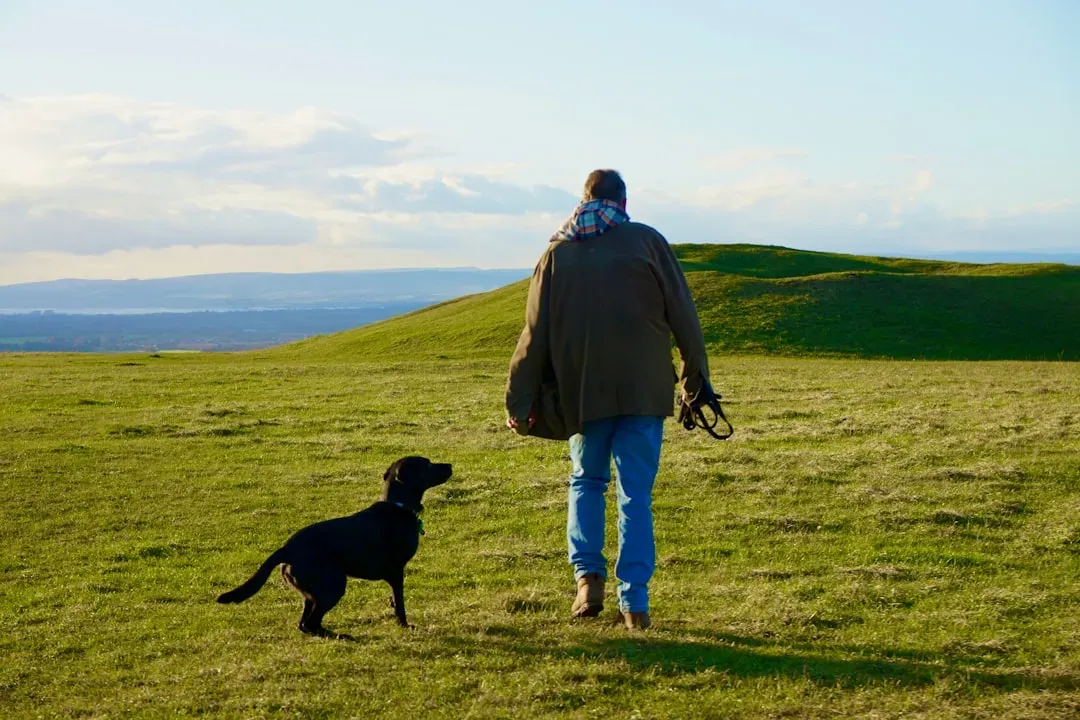
Dogs pick up on patterns in your life. If they notice that you are somewhere new, it’s late at night, or you’re acting slightly anxious, many will “tighten the circle” and stay closer to you. You might find them walking right at your heel in a dark parking lot when they usually wander, or settling at your feet in a waiting room instead of the other side of the chair. That clinginess often isn’t neediness; it’s quiet bodyguard behavior.
I’ve personally noticed my dog shadowing me more closely when I’m home alone versus when other adults are around. Dogs are sharp enough to adjust their level of protection based on who is there and what’s happening. If your dog becomes a constant shadow during storms, late‑night deliveries, or tense family moments, they may be trying to keep you in a safe radius where they can intervene instantly if needed.
9. Strong Reactions To Invisible Triggers: Smell, Energy, And Health Changes
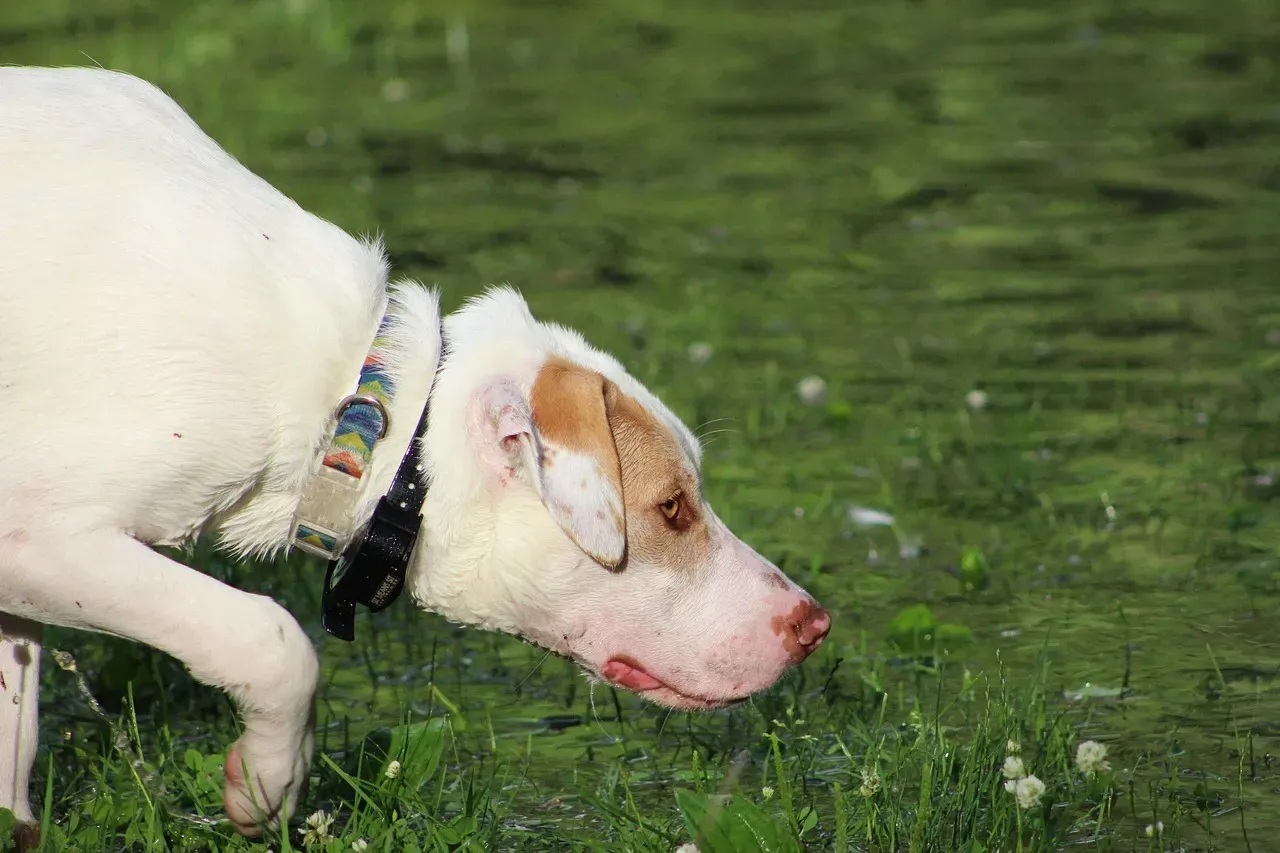
One of the most underrated protective instincts in dogs comes from their sense of smell. They can detect changes in human body chemistry when you’re stressed, scared, sick, or in pain. Some dogs are actually trained to alert to medical issues like seizures or drops in blood sugar, but even untrained pets may show protective behavior when they detect something “off” about your body. They might suddenly stay close, lick a particular area, or refuse to leave your side without any obvious reason.
They also react to scent changes in the environment: smoke, gas, mold, or chemical cleaners. A dog that becomes uneasy in a certain room, starts sneezing or coughing around a particular product, or acts agitated near a heater or appliance may be telling you something is wrong. From their perspective, unfamiliar or harsh smells can equal danger, and staying near you or guiding you away is their way of stepping in before that danger becomes real.
10. They Relax Only After You Seem Safe And Settled

Watch the order of operations in your household. Does your dog only truly flop down and enter deep sleep after you’ve locked the doors, turned off the main lights, and sat or laid down for the night? Do they keep half an eye open while you pace around, cook, do laundry, or move between rooms, then finally sigh and melt into the floor the moment you stop? That timing can be a huge clue that, in their mind, their shift is not over until you’re safely “off duty.”
In many dogs, you can almost see the moment they decide the environment is secure enough to rest: they stretch, yawn, roll over, and expose their belly – the ultimate sign of vulnerability. They would not do that if they felt you were at risk. When your dog delays their own deep relaxation until you’re settled, that’s a quiet but powerful signal that they’ve been working as your unseen guardian the entire time.
Conclusion: Your Dog’s Secret Job Might Be Bigger Than You Think
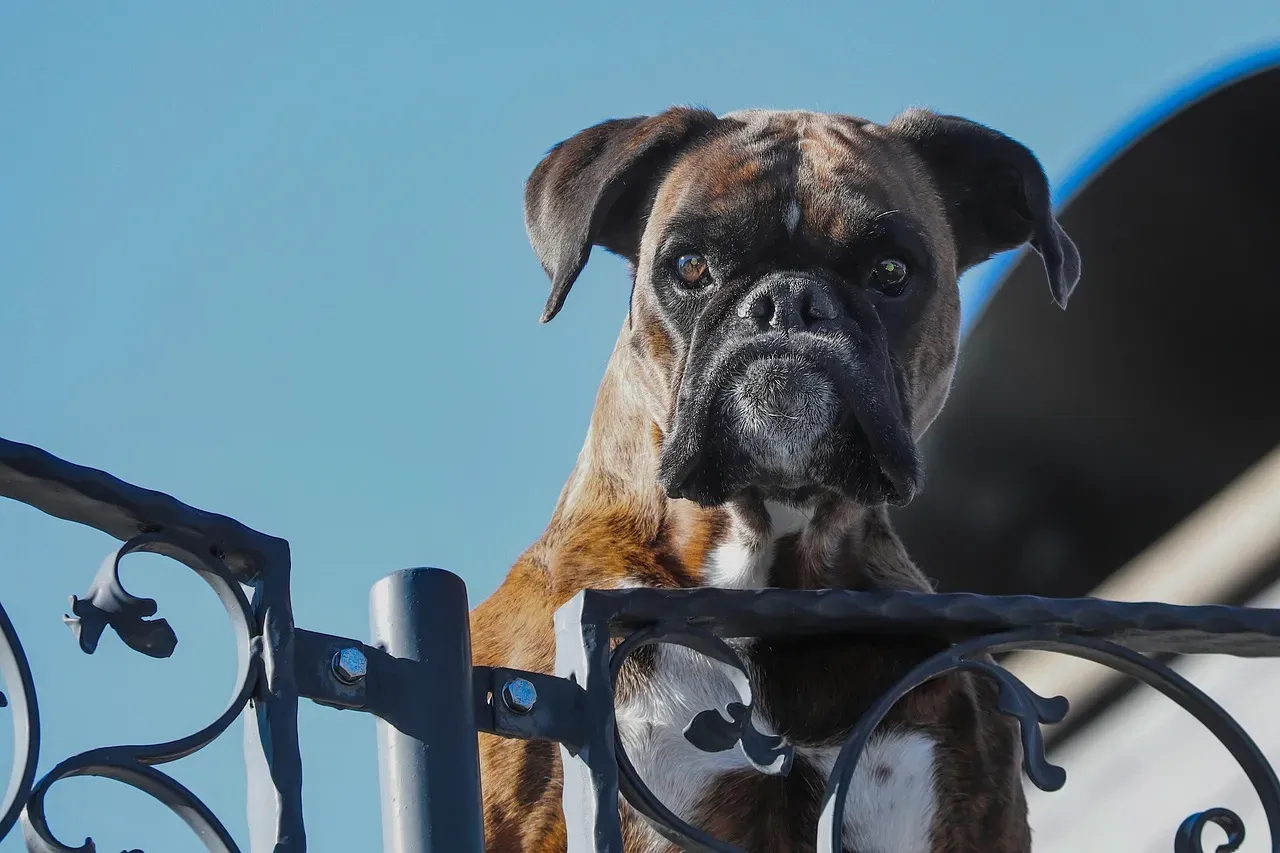
We love to joke that our dogs have the dream life – sleep, snacks, and zoomies on repeat – but for a lot of them, there’s a constant low‑level job running in the background: keeping you safe. From subtle body blocks and strange obsessions with doors to that one serious bark that sounds completely different, many behaviors we label as “annoying” or “weird” are actually part of a sophisticated, instinctive protection system that evolved long before leashes and dog beds existed.
In my opinion, the more we understand these signs, the more respect our dogs deserve for the work they do without ever being asked. That does not mean every bark is a crisis or every uneasy moment signals a hidden danger; it means your dog is taking your safety seriously even when you are not. Maybe the real question is not whether your dog is protecting you, but how often they already have without you noticing – and now that you know what to look for, what do you think you’ll see the next time they quietly step in front of you?


