
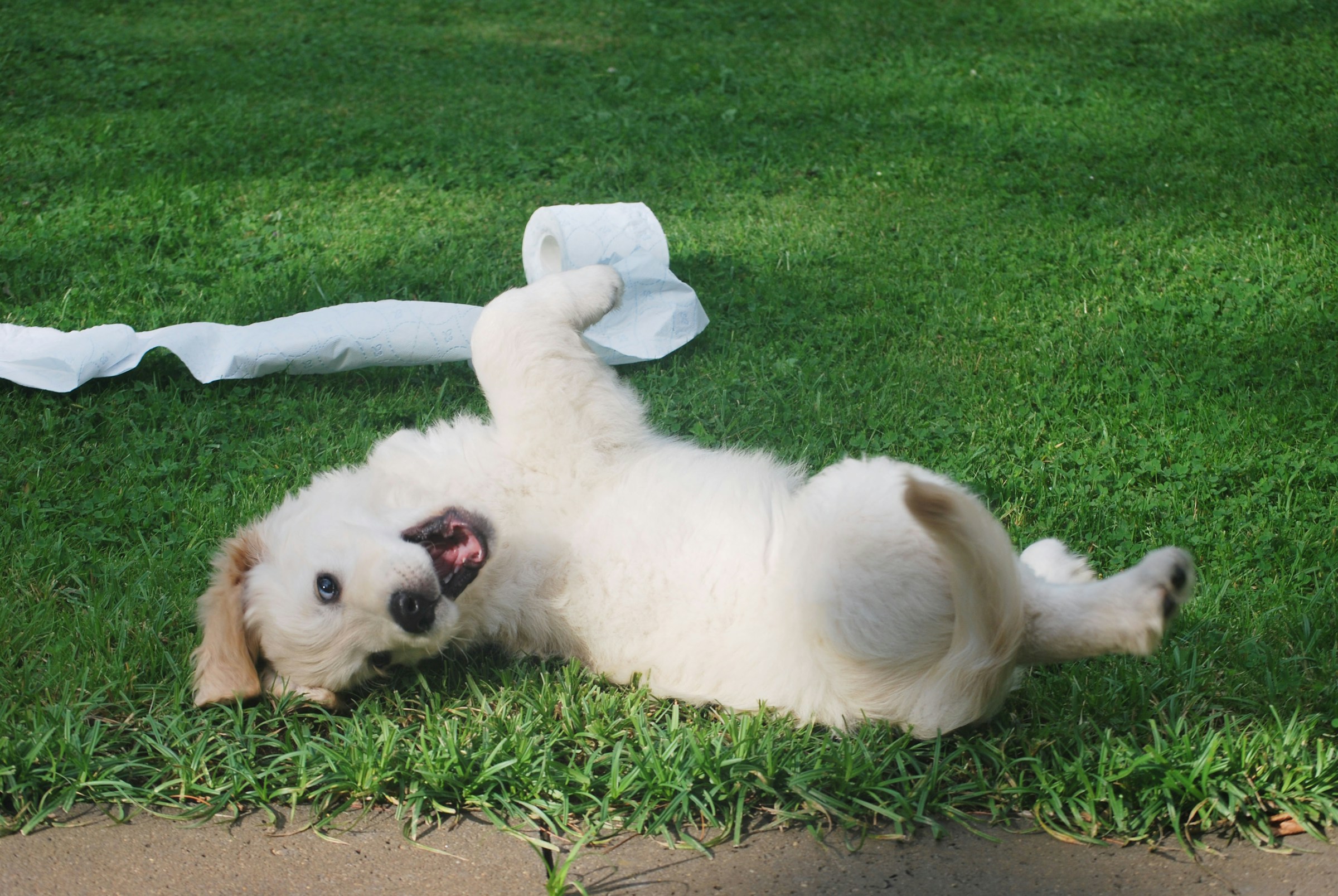
You’re out on a lovely walk, the sun is shining, your dog is trotting happily along… and then suddenly, before you can even react, they drop to the ground and gleefully grind their neck and shoulders into something that smells absolutely awful. You’re horrified. They look delighted. It feels personal, or at least deeply chaotic.
But that behavior is not random, and it’s almost never about being naughty. Many researchers believe it’s an echo from the deep past, an instinctive scent-masking strategy inherited from wild canid ancestors who needed every possible advantage to hunt, avoid predators, and communicate. When you see it that way, your dog’s “gross” habit starts to look a lot more like a little window into wolf world.
The Ancient Wolf Logic Behind a Very Gross Hobby
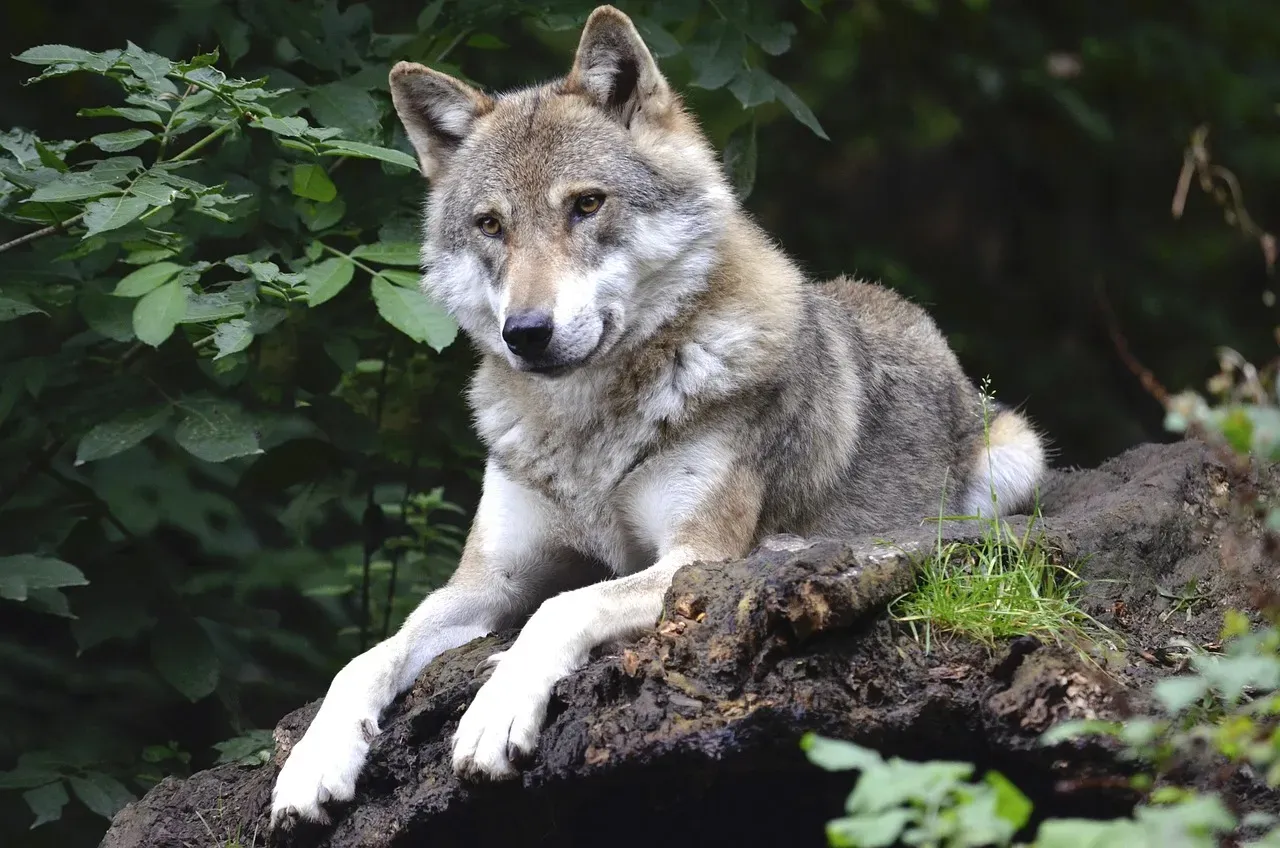
Imagine being a wild wolf trying to stalk prey with a nose that can detect even the tiniest whiff of danger. If you smell that sharply, so does everything else. The theory is that wild canids sometimes rolled in strong, non-wolf odors like carrion or feces to hide their own scent, turning themselves into a kind of walking olfactory disguise. That way, potential prey might smell “dead animal” or “general swamp stink” instead of “predator incoming.”
Dogs are descended from those wild canids, and they carry millions of years of scent-based survival programming in their brains. Even though your couch-loving companion doesn’t have to hunt elk through the forest to earn dinner, those deep instincts don’t vanish just because kibble exists. When your dog dives headfirst into something revolting, they may be acting out a behavior that, in another time and place, could have helped them survive.
Scent-Masking: How Covering Their Smell Could Once Save a Life
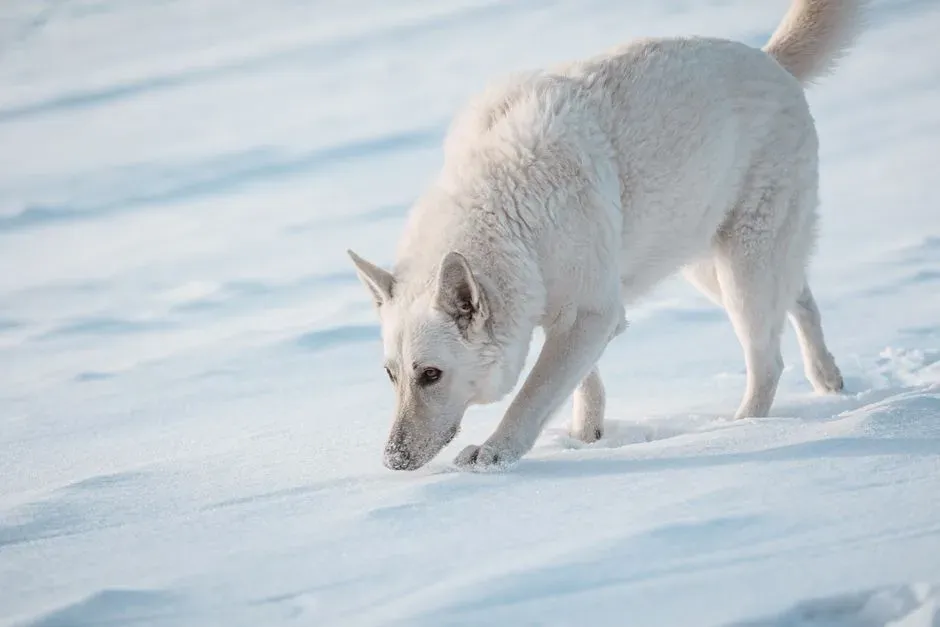
To humans, smell is mostly background noise. To wolves, wild dogs, and foxes, it’s the headline. Prey animals can detect approaching predators by their scent long before they see them. Masking your natural odor with something stronger and more common in the environment could make it harder for prey to figure out what’s really coming. It would be like wearing the world’s worst perfume to blend into the landscape.
Researchers have observed wild canids rolling in all sorts of pungent materials, not just feces but also carrion, decomposing plants, and other intense natural smells. In that context, what your dog does on a walk looks less like chaos and more like a crude, inherited stealth technology. You may see a dog being ridiculous; your dog’s nervous system may think it’s quietly preparing for a hunt that never happens.
Information Sharing: Bringing “Field Reports” Back to the Pack
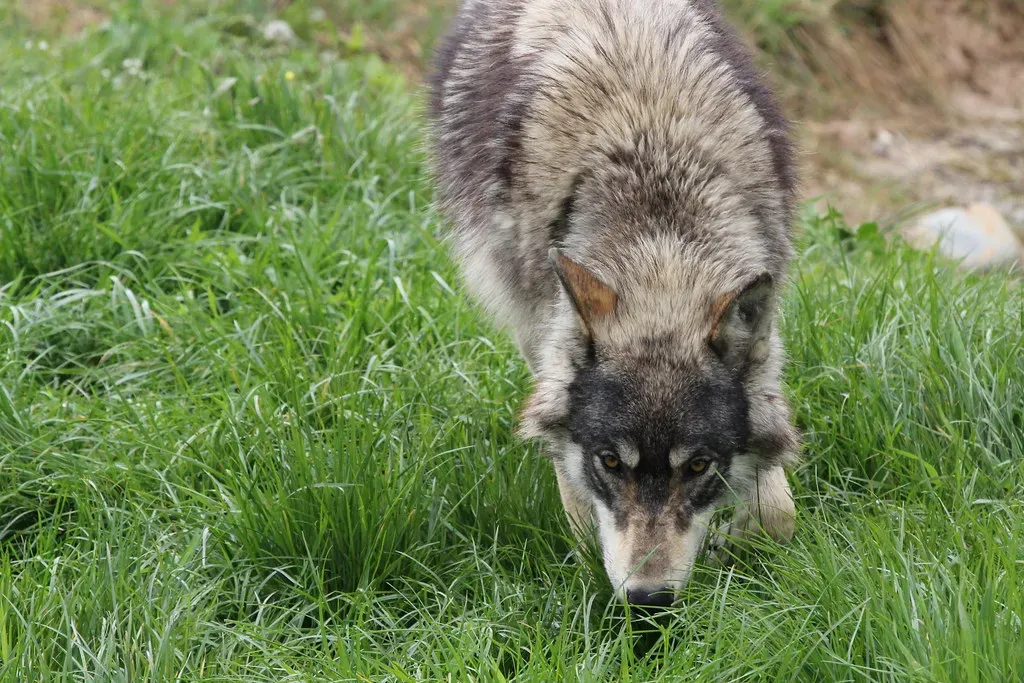
There’s another layer to this behavior that goes beyond hiding. In some studies of wolves and other wild canids, rolling in strong scents appears to function as a kind of social news bulletin. A wolf might roll in the carcass of an animal or a strange new odor and then return to the pack, letting others sniff them to learn about whatever they found. It is essentially the scent version of bringing home gossip.
When your dog proudly trots back to you or into the house smelling like a sewer, they may, in a sense, be “sharing information.” You and your living room did not ask for this olfactory newsletter, but your dog’s brain may be treating strong smells as something to collect and broadcast. In a wild setting, this could tell the group where food sources, dangers, or unusual changes in the environment were located.
Why the Worst Smells Are the Most Irresistible
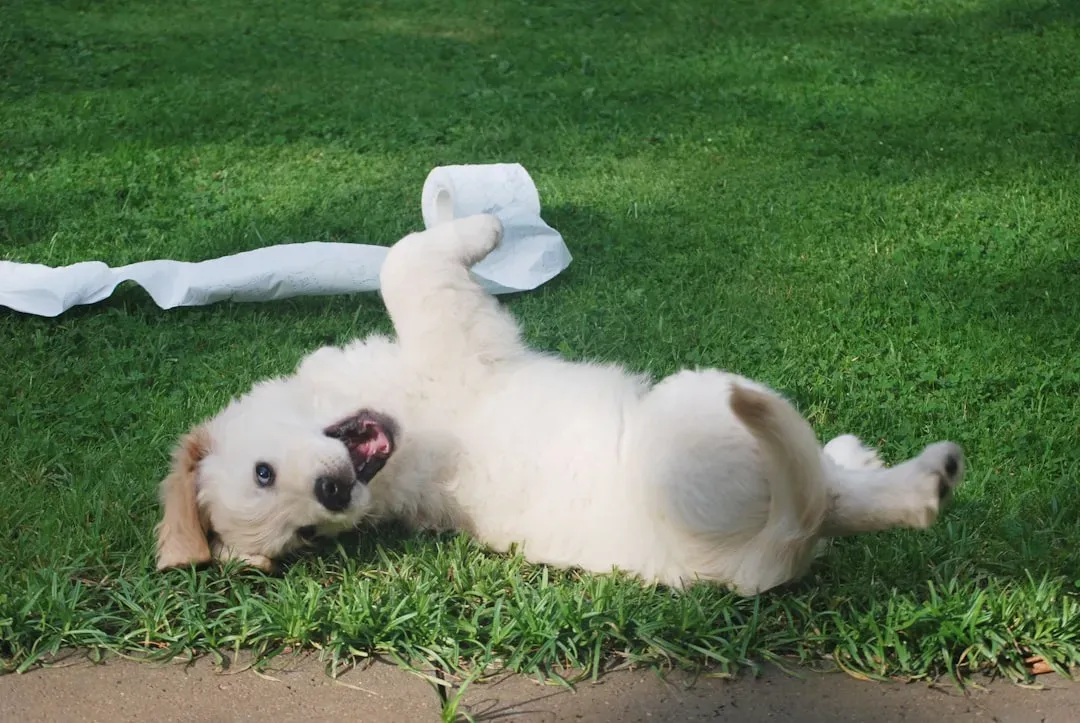
One of the most frustrating parts for dog owners is that the smells we find most disgusting seem to be their absolute favorites. Rotting fish, dead birds, fox or goose poop: these are like five-star resorts in your dog’s world. There are a few possible reasons for that, but a big one is simply intensity. Stronger smells carry more information in a scent-driven world and are more likely to stand out as “interesting” or “valuable” to roll in.
On top of that, natural decomposition smells and feces often signal things that matter in the wild: food sources, other animals, changes in territory. To your dog’s brain, these odors can be rich, layered stories, even while your stomach turns. It’s a bit like the dog version of doom-scrolling: horrible, but somehow impossible to resist.
Domestication Didn’t Delete Instinct – It Just Dressed It in a Harness
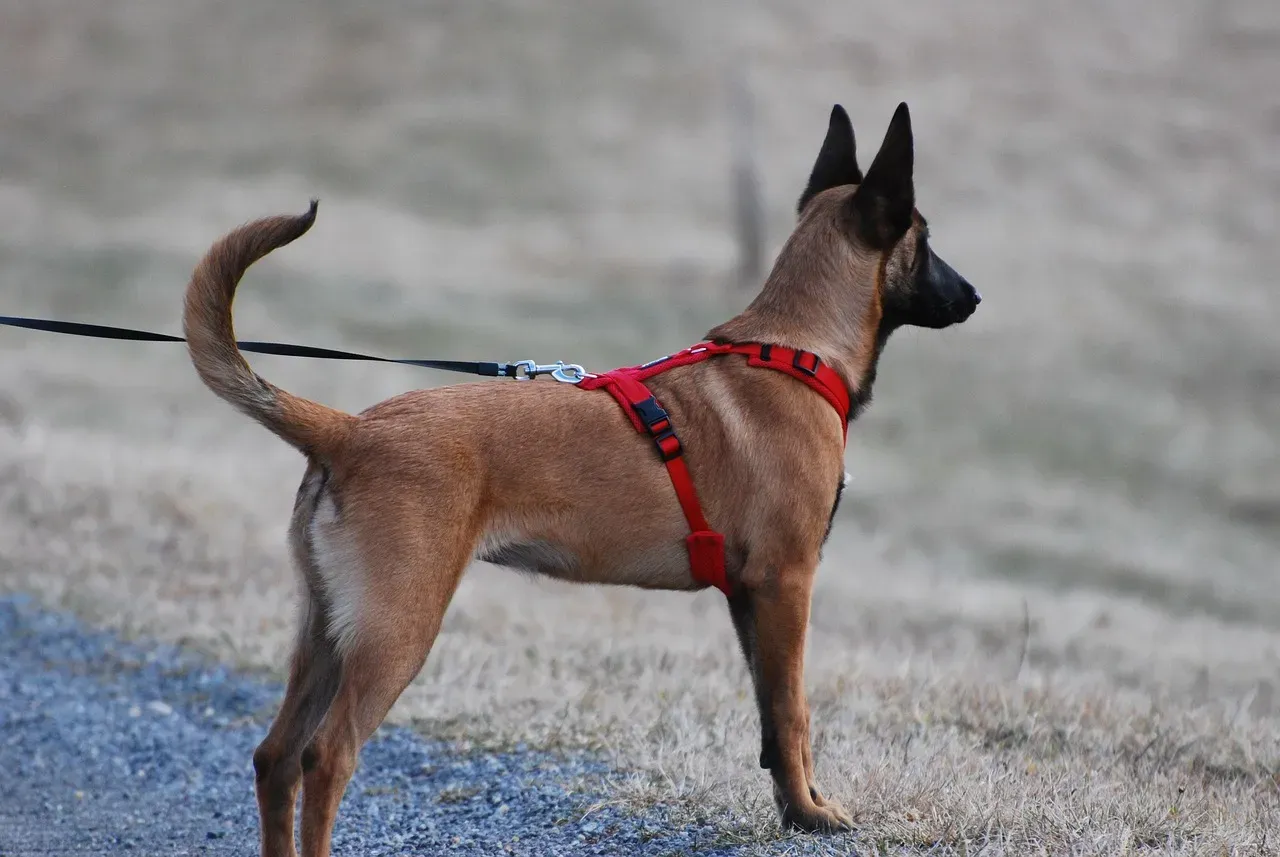
We tend to think domestic dogs are fully removed from their wild roots because they live in houses, wear harnesses, and sleep on orthopedic beds. But behavior does not evolve away as quickly as furniture arrives. Even after thousands of years of domestication, many behaviors that once had clear survival value still show up in pet dogs, even if they now seem pointless or annoying.
Rolling in strong odors is one of those behaviors. Just like circling before lying down, chasing small moving things, or guarding resources, scent-rolling is likely a leftover evolutionary script still running in the background. Your dog doesn’t sit there calculating whether it really needs to camouflage its scent; it just feels an urge that says: this smells important, get it all over your body right now.
Are Dogs Just Having Fun, Too? The Pleasure Factor
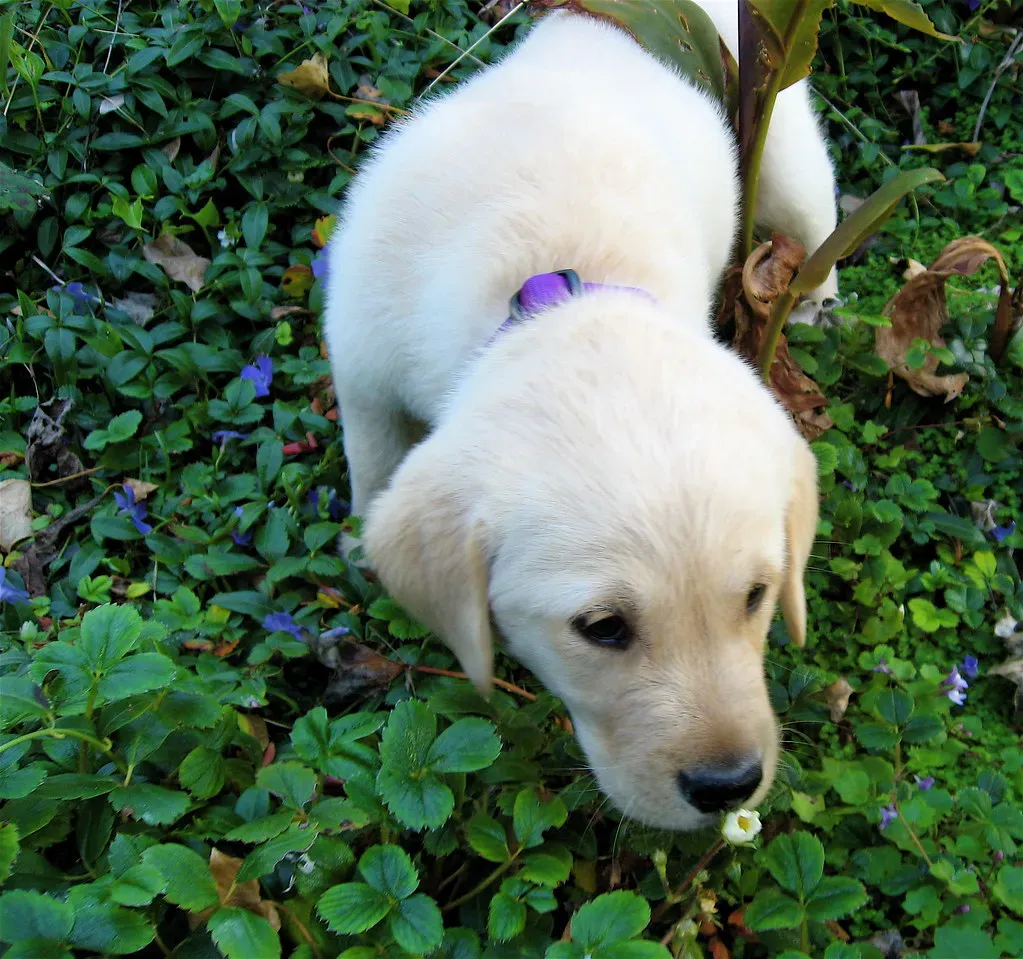
While the inherited scent-masking theory is compelling, it doesn’t mean your dog is only acting like a tiny wolf strategist. There’s a good chance it simply feels good and is deeply satisfying on a sensory level. Think of kids jumping into mud puddles or people who love the weird thrill of super spicy food. Some experiences are partly about joy, even if they also have a practical past.
Dogs explore the world through their noses in a way we can barely imagine. For them, drenching themselves in scent may be the sensory equivalent of diving into a favorite song at full volume. It probably hits a cluster of instincts at once: curiosity, pleasure, and the leftover wiring of scent-based survival. So yes, there may be serious evolutionary logic behind it, but your dog might also just be having the time of their life in that pile of goose poop.
How to Respect the Instinct Without Sacrificing Your Nose
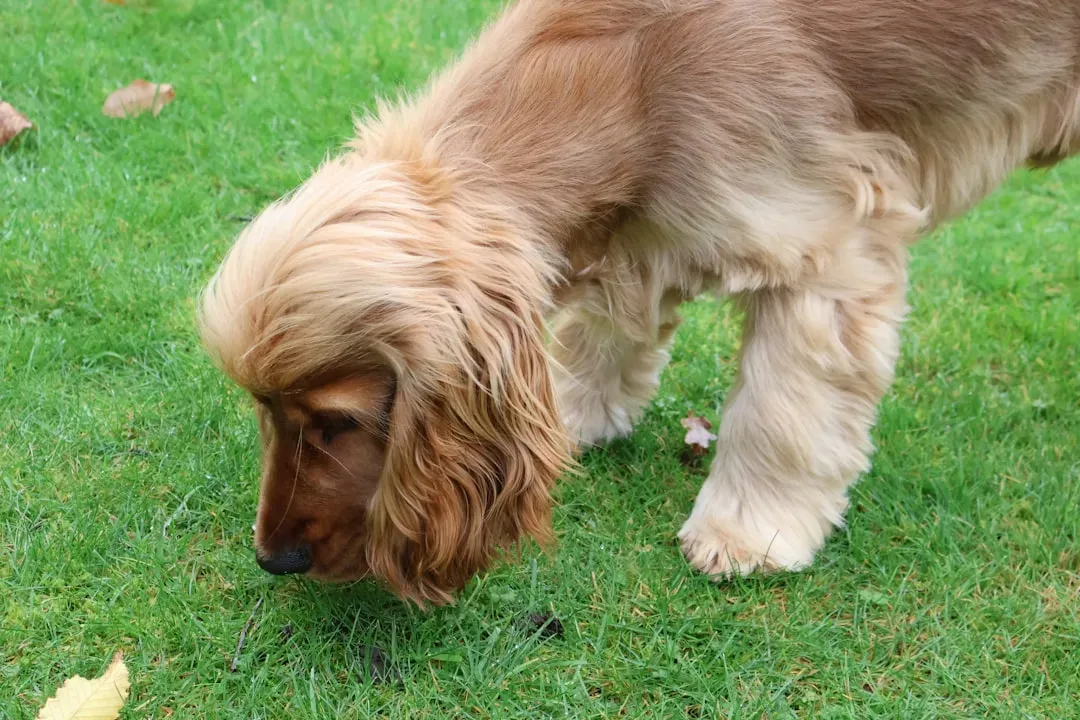
Knowing that this behavior is likely rooted in ancient survival strategies can make it easier to empathize, but it doesn’t mean you have to just accept a dog that smells like a landfill. The key is management and redirection. A shorter leash in high-risk areas, teaching a rock-solid “leave it” or recall cue, and scanning ahead on walks can dramatically cut down on roll-worthy opportunities without turning every outing into a battle.
You can also give your dog more scent-appropriate outlets: sniff-heavy walks, scatter feeding in the grass, enrichment toys, and controlled opportunities to explore interesting but less revolting smells. You’re not trying to erase an instinct that’s baked into their DNA; you’re shaping how and where it expresses itself so both of you can live together without needing emergency baths every other day.
What Your Dog’s Disgusting Delight Says About Your Bond
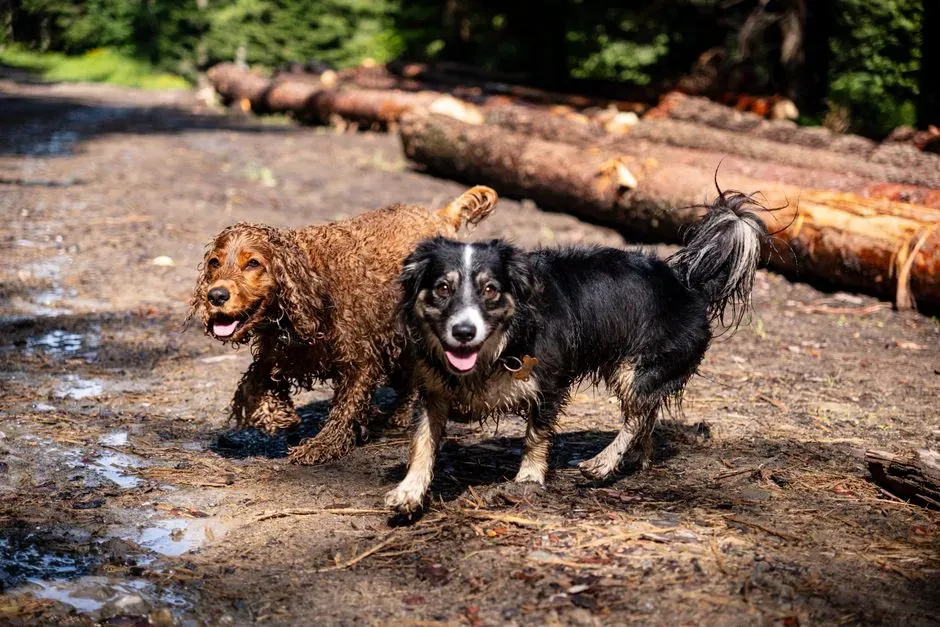
As gross as it is, there’s something strangely moving about the fact that your dog trusts you enough to come back proudly reeking of whatever it found. It’s not trying to offend you; in its own strange, inherited language, it might even be including you in the experience. You are its pack, and you are the one it returns to after every bizarre little adventure.
I’ll admit, I still groan when a dog I’m walking drops and starts wriggling ecstatically in something I can smell from ten feet away. But when I remember that this is an echo from a time when survival depended on smell, I feel more respect than anger. In that moment, you’re standing next to a modern animal carrying ancient code, playing out a behavior that connects your living room directly to the wild. It’s messy, inconvenient, and honestly kind of beautiful. The real question is: next time your dog finds something appalling to roll in, will you only see a problem… or will you also see a tiny glimpse of their inner wolf?


