
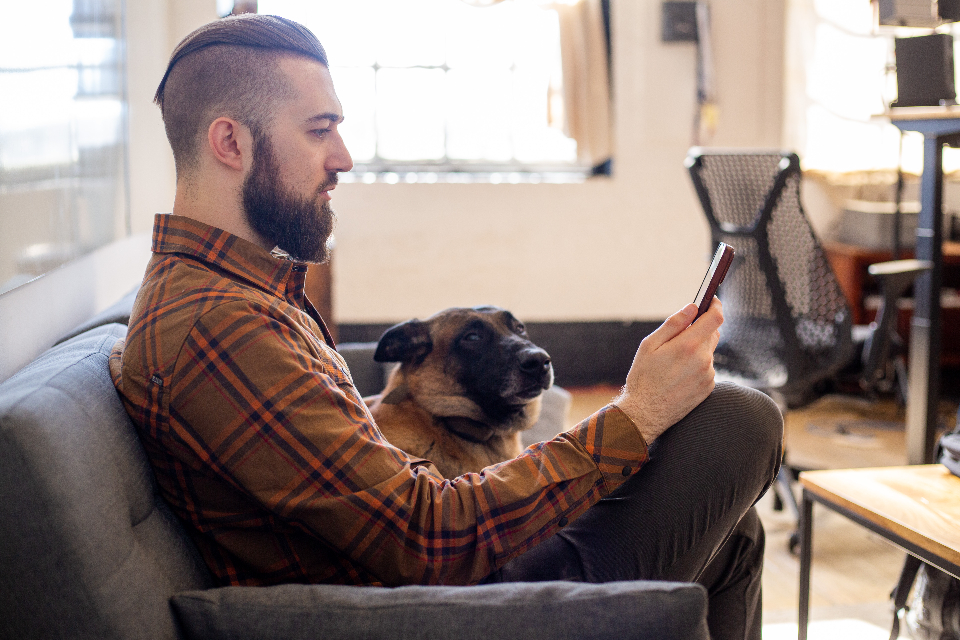
You know that weird moment when your dog suddenly stiffens, stares, or even growls at someone you already feel uneasy around? It can feel almost supernatural, like your dog is judging your entire social circle and quietly casting votes. The truth is a lot less mystical but honestly just as fascinating: your dog is likely reacting to tiny changes in your body that you are not consciously aware of at all.
Modern research suggests that dogs can pick up on stress-related odors, shifts in body language, and changes in your voice long before you have even put your feelings into words. They live in a world of smells and micro-signals that we mostly ignore. When you are around someone who makes you tense, your dog is essentially reading a “hidden report” your body is sending out, then responding in real time. Once you see it that way, their strange reactions start to look a lot more like data than drama.
Dogs Live in a World of Smells, Not Just Faces and Voices
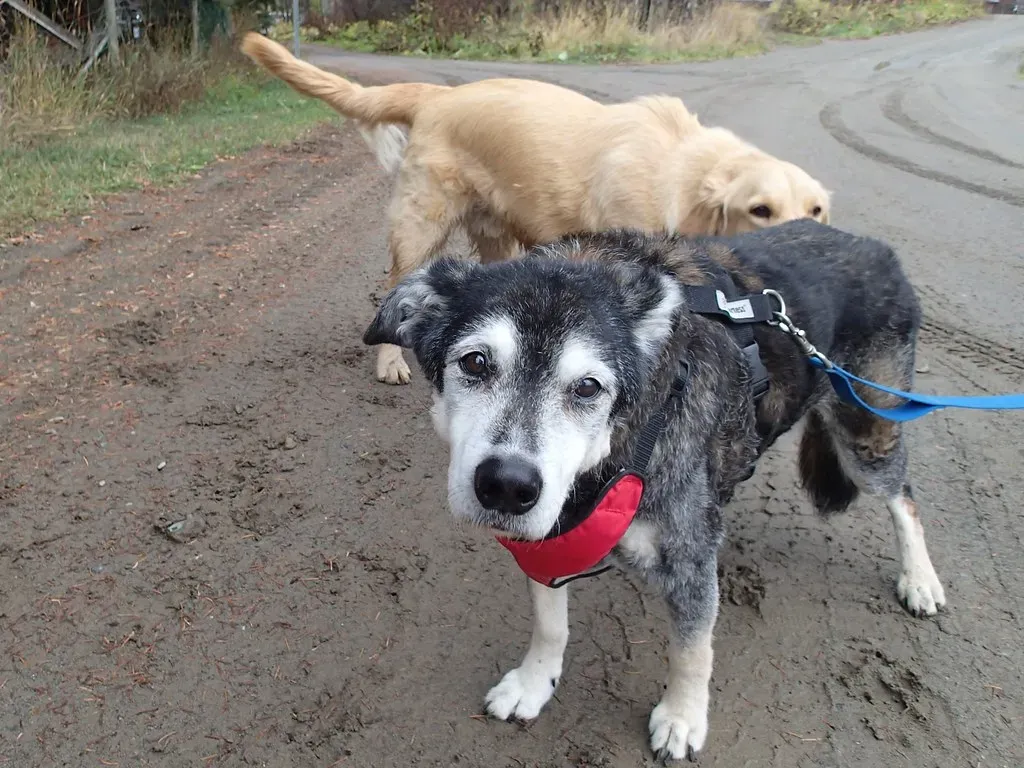
We navigate the world mostly through our eyes and ears. Dogs, on the other hand, move through a world where scent is front and center, like a constantly updating news feed. Their sense of smell is estimated to be tens of thousands of times more sensitive than ours, with far more scent receptors and a larger part of the brain dedicated to processing odors.
That means what is “nothing” to you is a full story to your dog. A handshake, a hug, or someone stepping a bit too close to you carries a cloud of invisible information. To a dog, your sweat, skin oils, breath and even the chemical traces on your clothes are like paragraphs in a book. When your emotional state shifts, those “paragraphs” change, and your dog can notice long before you say a single word.
Stress Changes Your Body’s Chemistry – And Your Dog Can Smell It
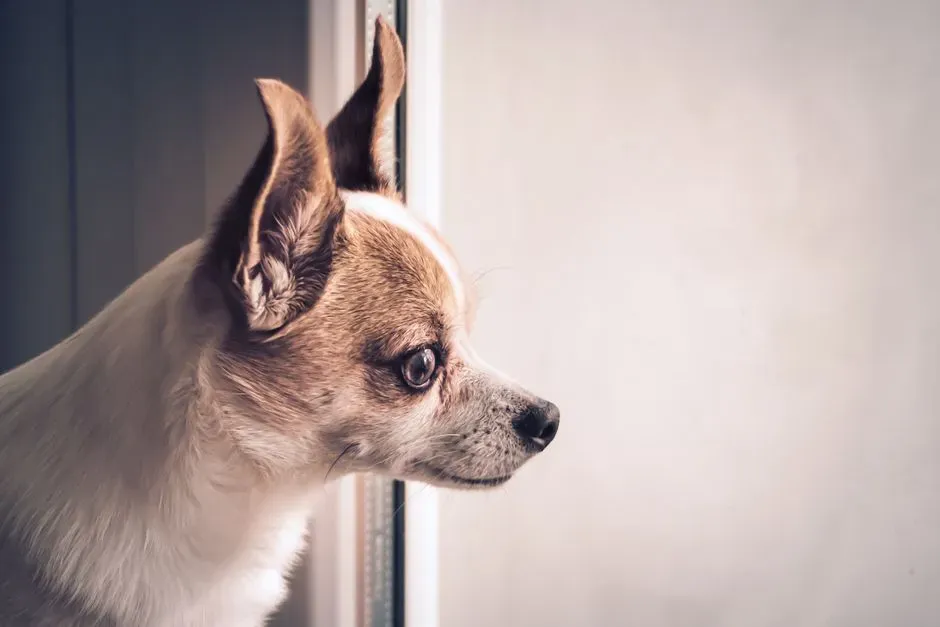
When you feel anxious or threatened, your body does not just think differently, it starts producing different chemicals. Stress hormones and related compounds can alter your sweat and breath in subtle ways. You might feel only a twist in your stomach or a bit of tension in your shoulders, but on a biochemical level a lot more is going on.
Dogs have been shown in research settings to distinguish between odors from people who are relaxed and those who are stressed. That means when someone walks into the room and your gut quietly clenches, your dog is likely getting an instant “alert” in scent form. To them, it can smell as if the entire emotional climate of the room has shifted, even if everyone is smiling on the surface.
Your Body Language and Voice Confirm What Their Nose Already Knows

Scent may be the first clue, but it is not the only one your dog is reading. When you are uncomfortable, your body subtly changes: your posture tightens, your breathing shifts, your gestures become less fluid, and your voice might go slightly higher or flatter. You may not notice any of this, but to a dog who watches you every single day, these are huge red flags.
Think of your dog as the friend who has seen you at your best, your worst, and everything in between. They build a mental library of what “normal you” looks and sounds like. When you are around someone who throws you off balance, your dog suddenly sees a different version of you. Combined with a new, sharper scent of stress, your dog does not need a lot of convincing that something is off with this interaction.
Why Dogs React More Strongly Around Certain People
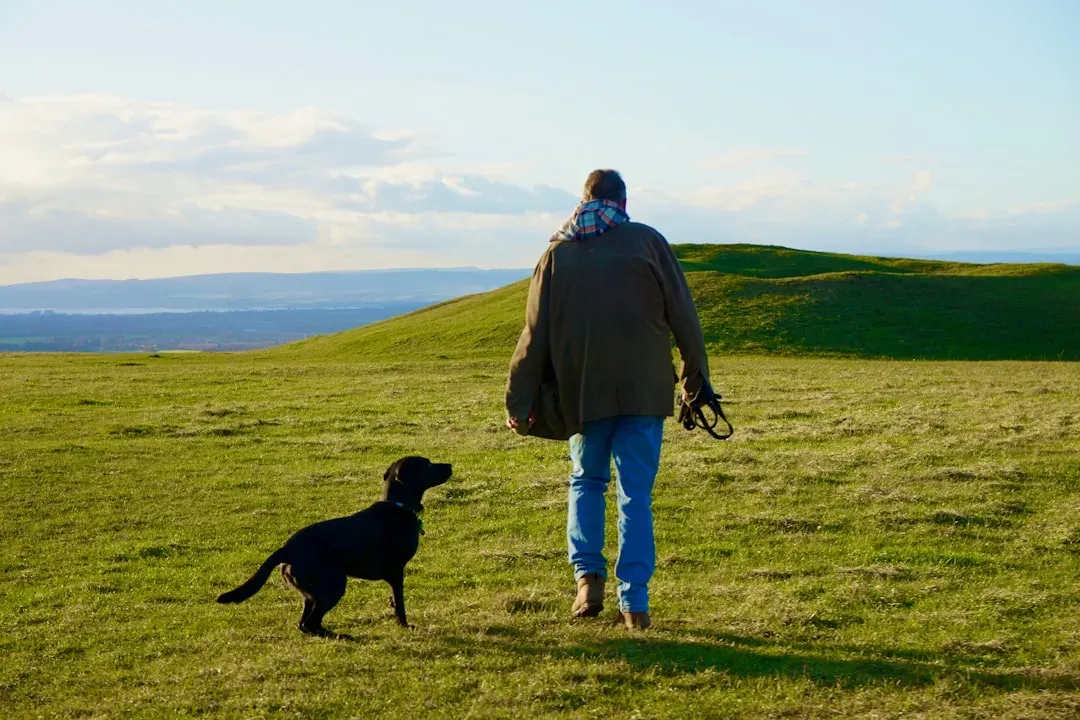
Here is where it gets really interesting: it is not always about the other person being “bad.” Sometimes it is about what they trigger in you. Maybe they remind you of someone who hurt you, or they push your boundaries in a way you have not put into words. Your body might tense up and your scent may change, even while your brain is busy being polite. Your dog, however, is not fooled by politeness.
Dogs also pick up on the other person directly. Some people move in ways that seem unpredictable to dogs, speak too loudly, loom over them, or smell like unfamiliar environments. Combine a slightly strange or overbearing person with your rising discomfort, and your dog has a double reason to act wary. From their point of view, they are responding logically to a mix of odd signals and your rising internal alarm.
Protective Instincts: Your Dog Thinks It’s Their Job to Step In
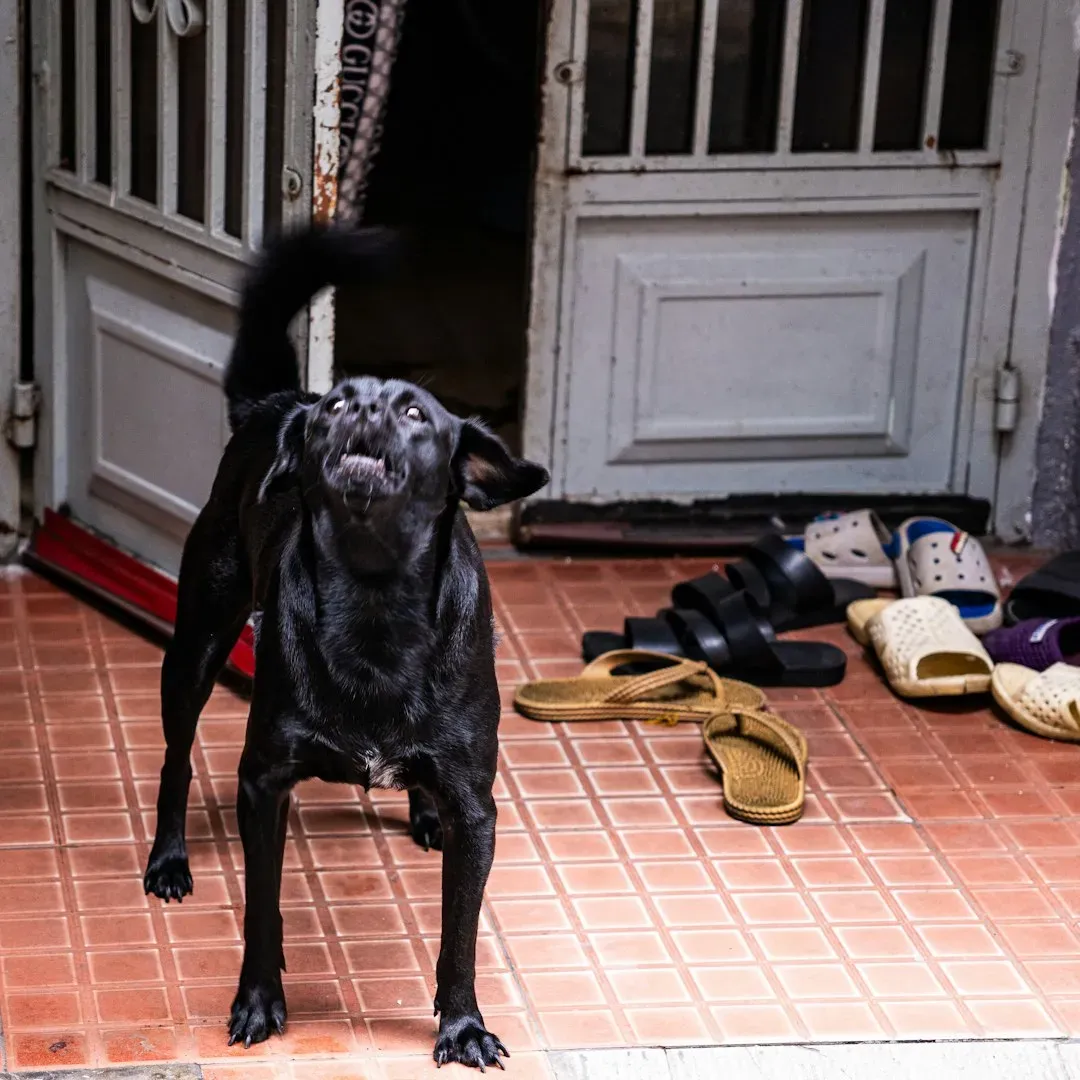
Many dogs see themselves as part guardian, part emotional bodyguard, especially if they have a close bond with you. When they sense you are on edge, they may move closer to you, plant themselves between you and the other person, stare, bark, or even growl. To you it might feel embarrassing or over the top; to them it is simply good security work.
I have seen this play out in real life when visiting a friend whose normally chill dog would calmly place herself right between us whenever her roommate’s new partner walked in. The dog was not hysterical, just firmly stationed like a polite bouncer. Only later did my friend admit she never quite felt safe around that person. The dog had simply responded to tensions my friend had tried to ignore.
When Your Dog’s Reaction Is Helpful (and When It Isn’t)
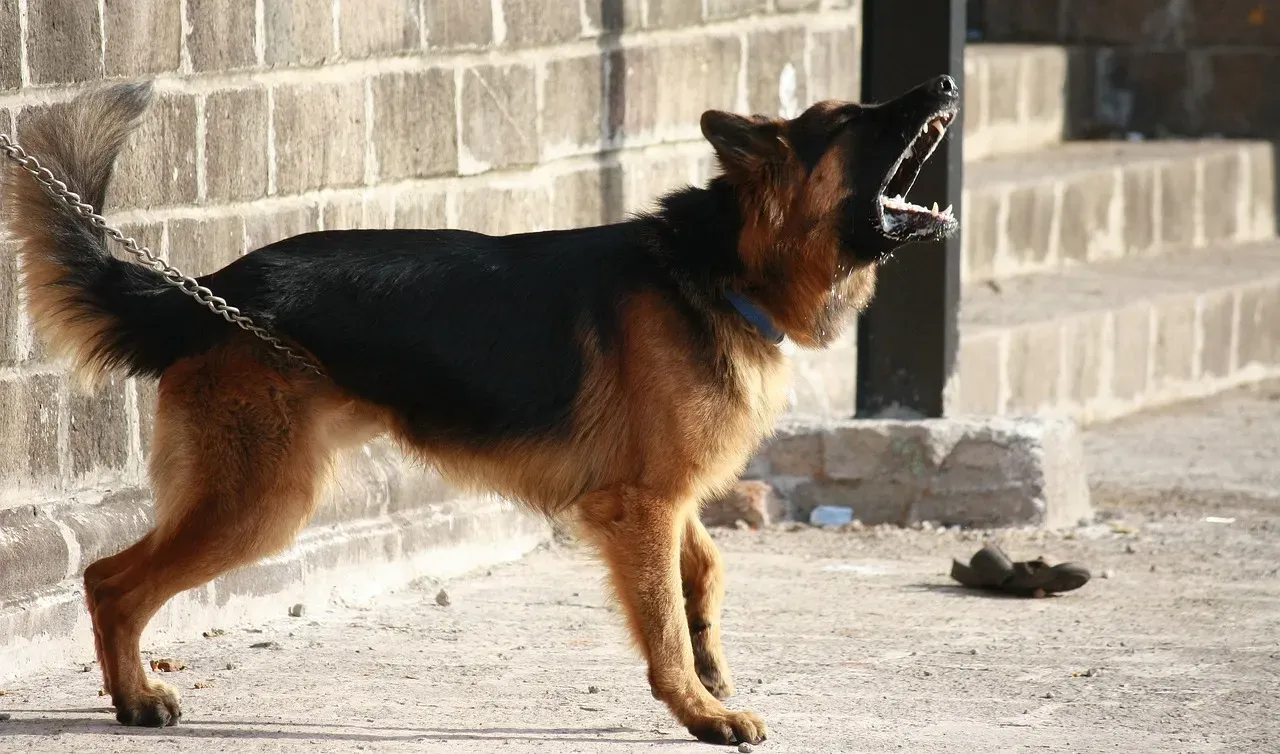
It is tempting to treat every wary look from your dog as a deep verdict on someone’s soul, but that is going too far. Dogs are sensitive, not psychic. They can misread loud, awkward, or nervous guests as threats when those people are simply socially clumsy or unfamiliar with dogs. Your discomfort might be mild in those moments, while your dog goes straight to “better safe than sorry.”
At the same time, repeated strong reactions from a dog you know well, especially when they mirror a nagging discomfort you already feel, can be a signal worth respecting. If your stomach knots every time a certain person arrives and your dog consistently blocks, barks, or hides, that pattern deserves your attention. You do not have to place blind faith in your dog’s judgment, but you also do not have to ignore it just because it makes things socially complicated.
How to Respond When Your Dog Dislikes Someone You’re Unsure About
If your dog keeps reacting badly around a person you are already uneasy with, the first step is not to scold the dog, but to get curious. Ask yourself what exactly you feel in your own body when that person is near: tension, dread, irritation, pressure to perform. Your dog may be amplifying truths your mind has been minimizing. Simply naming your own feelings can be surprisingly grounding.
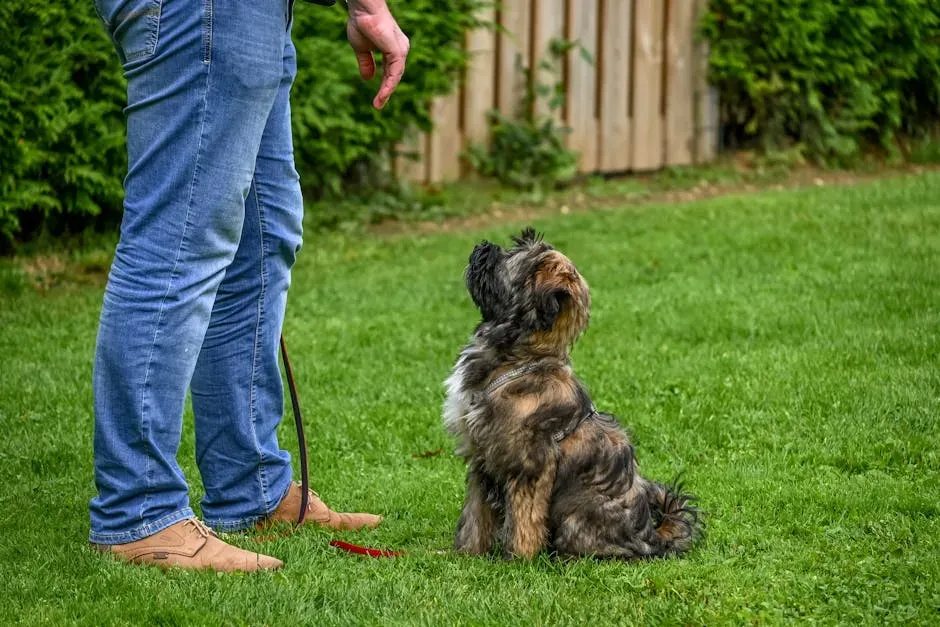
Next, manage the situation practically. Create physical space for your dog, use leashes or baby gates if needed, and give your dog a safe spot away from the interaction. If the person is going to be in your life, you can slowly work on gentle, reward-based training to help your dog feel more at ease. If they are not essential to your life and everything in you – from your nose-blind body to your hyper-aware dog – keeps saying no, it might be time to trust that signal and step back.
Building a Stronger Bond by Taking Your Dog’s “Opinion” Seriously
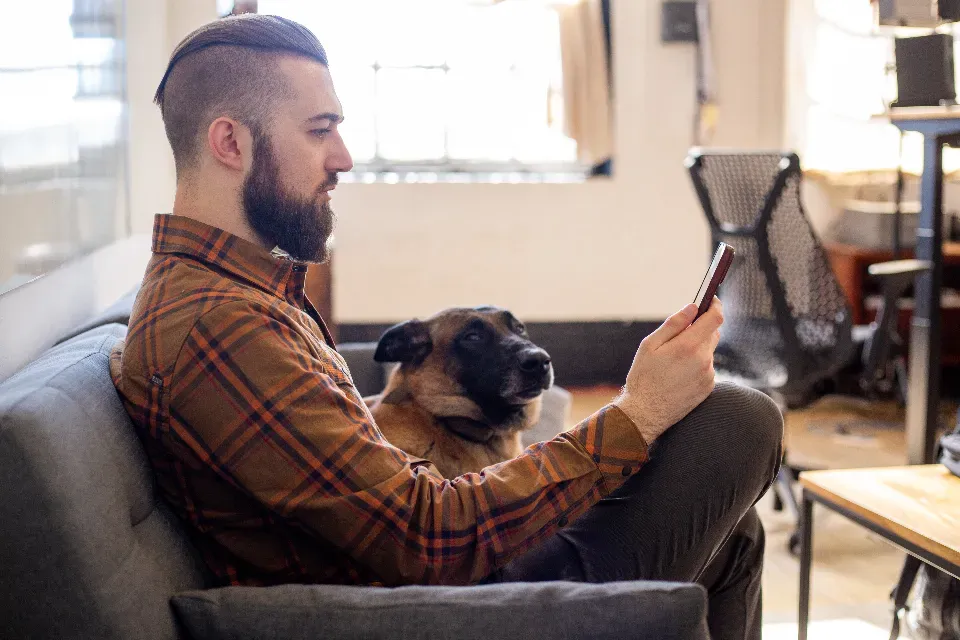
When you start treating your dog’s behavior as communication instead of mischief, your relationship changes. You are no longer just trying to control them; you are listening. Your dog becomes less of a furry accessory and more of a partner who is constantly sharing information about how the world feels from their side. That kind of listening can deepen trust in ways that training alone never will.
In a world where we are constantly told to downplay our instincts and be “nice” no matter what, a dog is unapologetically honest feedback. They do not care about social rules, only about safety, comfort, and the emotional weather around their favorite person: you. When your dog acts differently around someone who makes you uneasy, it is not proof that the person is terrible – but it is a nudge to take your own feelings, and your dog’s, more seriously.
Conclusion: Your Dog Is Not Magic, But They Might Be Your Most Honest Mirror
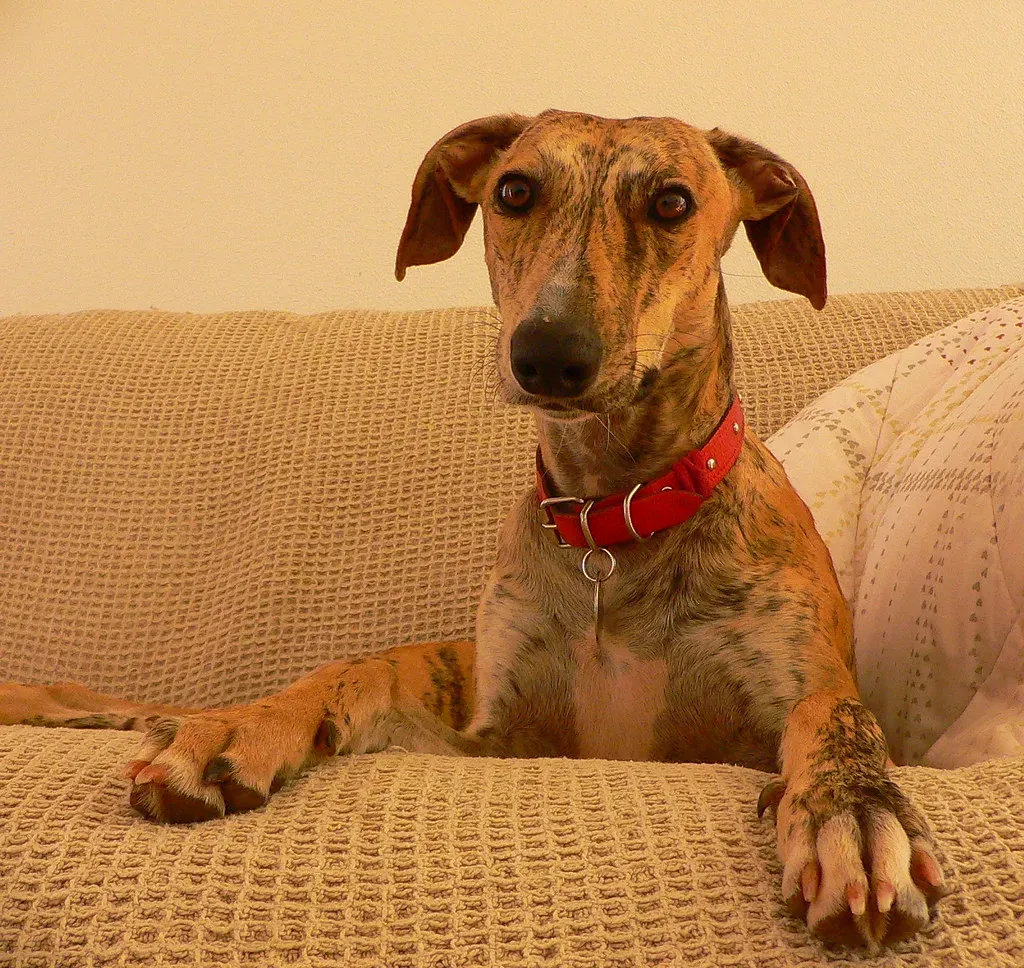
Dogs are not mystical lie detectors, and they definitely are not flawless judges of character. What they are, though, is astonishingly good at reading the signals your own body is sending out, especially when you are stressed, scared, or quietly uneasy. They smell the tiny chemical shifts, see the small changes in posture and movement, and hear the tension in your voice even when you are forcing a smile.
My opinion is that their reactions deserve real weight, not blind obedience but genuine respect. If your dog keeps flagging a person who already leaves you feeling drained or on edge, that is your cue to pause and look closer at what your own nervous system has been trying to tell you. Maybe the real magic is not that dogs “just know,” but that they give us permission to trust the parts of ourselves we usually ignore. The next time your dog bristles around someone you quietly dislike, will you brush it off – or listen a little more closely?


