
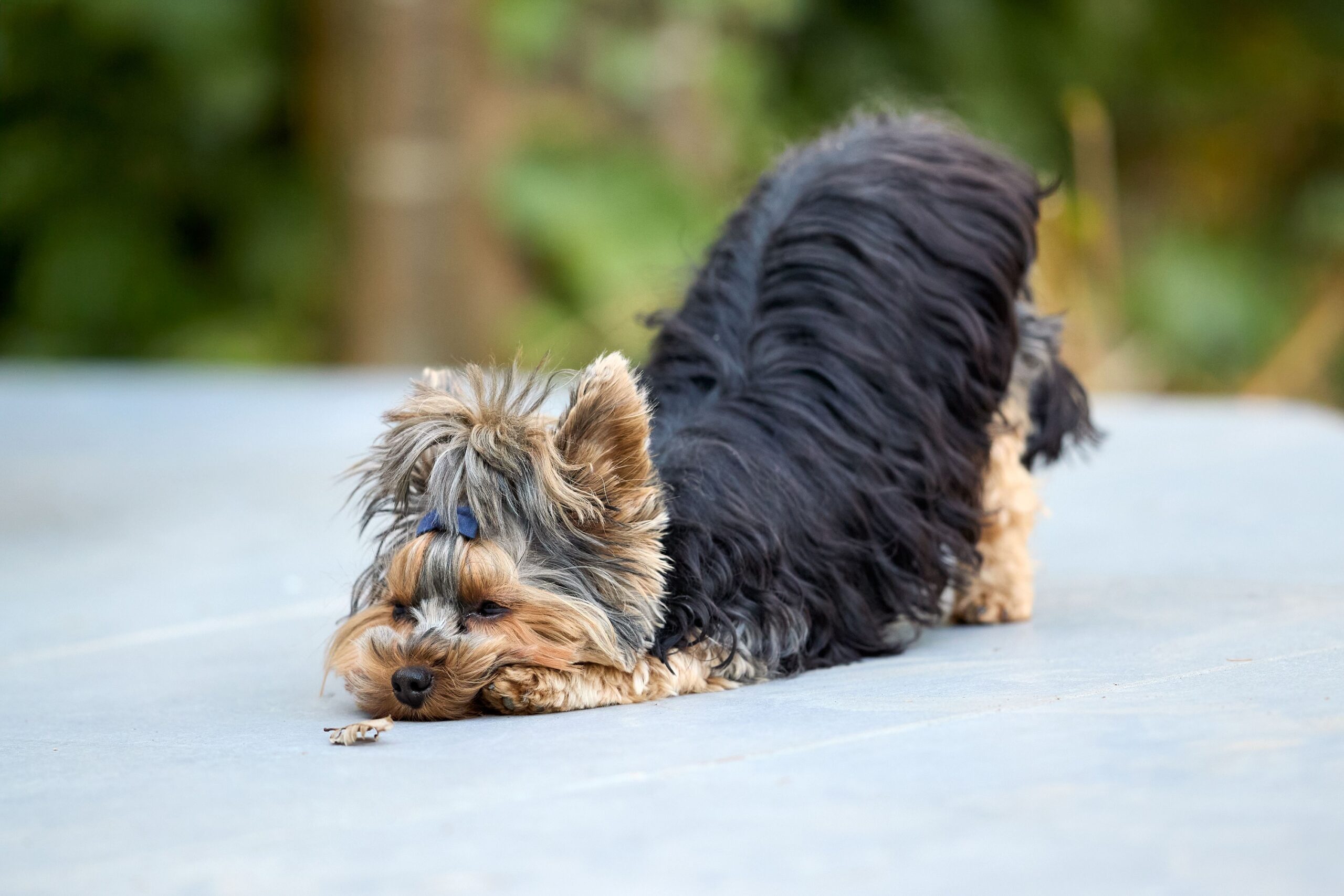
There is a very particular kind of guilt that comes with loving a dog. Maybe you raised your voice, lost your patience, missed a health issue, or made a decision you wish you could rewind. Long after the moment has passed, you might still replay it in your head, while your dog has already moved on to wondering when the next walk or cuddle is happening.
Dogs live in the present in a way humans rarely manage. That does not mean they never feel stress or fear, but it does mean they are incredibly quick to reconnect when they feel safe again. The signs are often right in front of us: small, ordinary behaviors that quietly say something huge – that they trust you, that they feel safe with you, and, in their own way, that they have forgiven you.
1. They Seek You Out Instead of Avoiding You
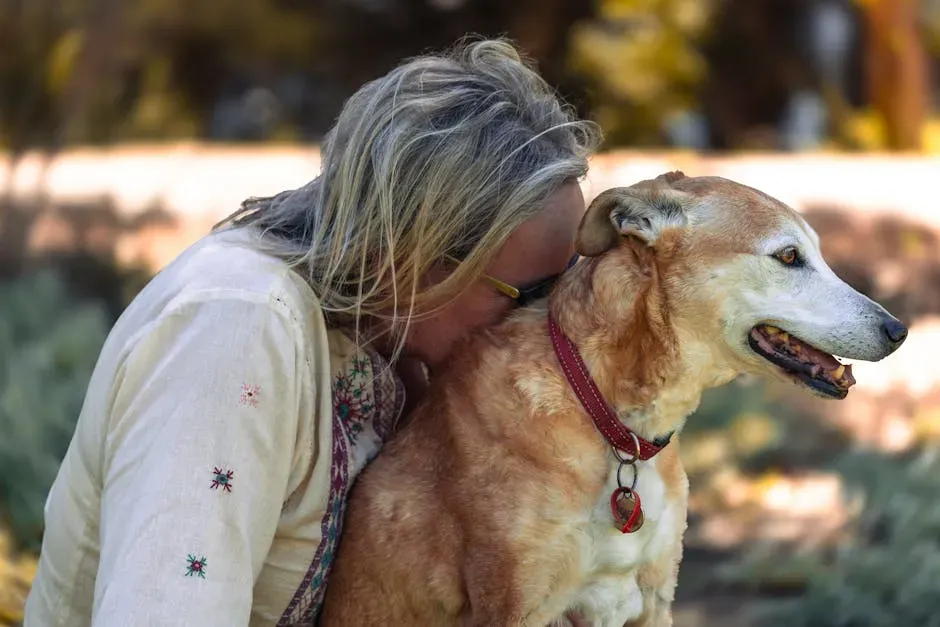
If your dog has truly forgiven you, one of the clearest signs is that they choose to be near you. A dog that feels unsafe or wary usually keeps their distance, hangs out in another room, or watches you from afar. When that same dog starts wandering back into your space, curling up near your chair, or following you down the hallway again, it is a powerful, if quiet, reset.
Think of it as their way of saying that your presence is more comforting than whatever happened in the past is scary. Dogs do not overthink motives or replay arguments; they read patterns. If recent experiences with you feel calm, predictable, and kind, they are far more likely to gravitate toward you again, even if you are still stuck judging yourself for that one bad day.
2. Their Body Language Around You Is Loose and Wiggly
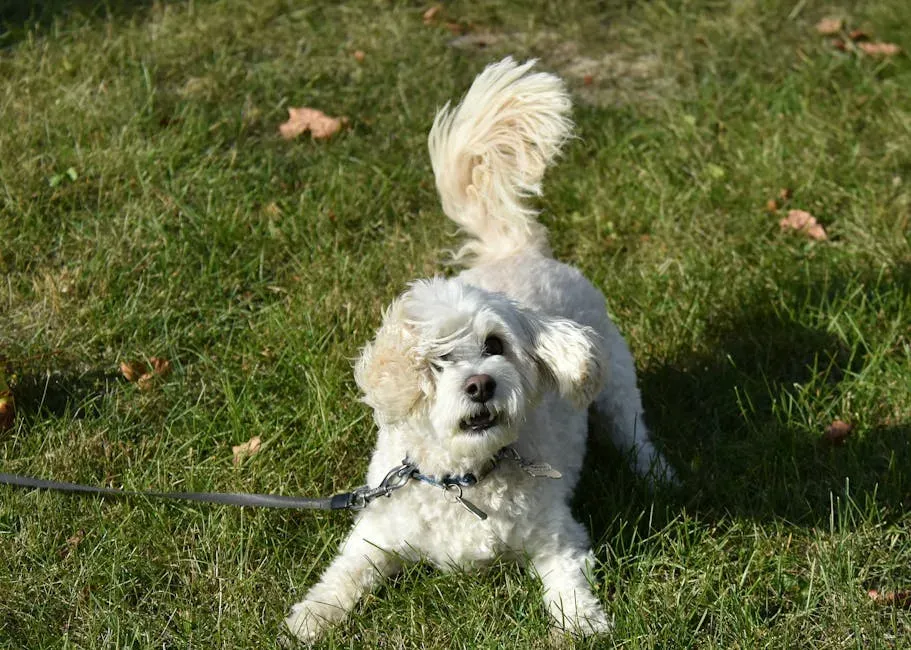
Forgiveness in dogs often shows up in their bodies before anything else. A relaxed dog tends to have soft eyes, a loose mouth, a gently wagging tail, and a wiggly spine that seems to sway when they move. If, after a rough moment between you, your dog returns to greeting you with that floppy, happy, full-body wag, it is a strong sign their emotional tension has let go.
On the flip side, a dog that is still uncertain will usually look stiff: tail low or tucked, ears pinned back, movement hesitant, maybe even freezing in place. When that stiffness fades and the natural bounce comes back, your dog is telling you that, in their nervous system, you are back in the “safe” category. You may still be holding onto remorse, but their body has already relaxed into trust again.
3. They Initiate Play With You
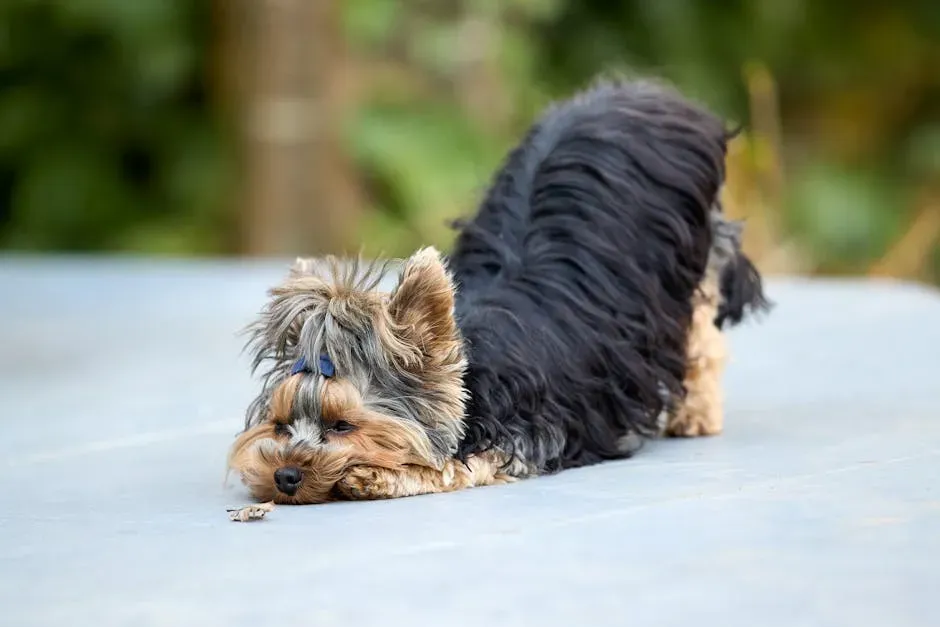
Play is not just fun for dogs; it is also a social signal that says everything is okay between us. The classic play bow – front legs stretched out, rear end in the air, tail wagging – is one of the most friendly gestures in dog communication. When your dog invites you to play fetch, tug, or chase after a conflict or stressful moment, it is a surprisingly deep sign that the emotional air has cleared for them.
It can be tempting, when you still feel guilty, to interpret their playfulness as them not understanding what happened. In reality, it is the opposite. Their body is telling them that the threat has passed, that the environment feels predictable again, and that they are comfortable enough to invest energy in play. Saying yes to those invitations is not just fun; it can be a way to forgive yourself while joining them in the present.
4. They Sleep Deeply Near You
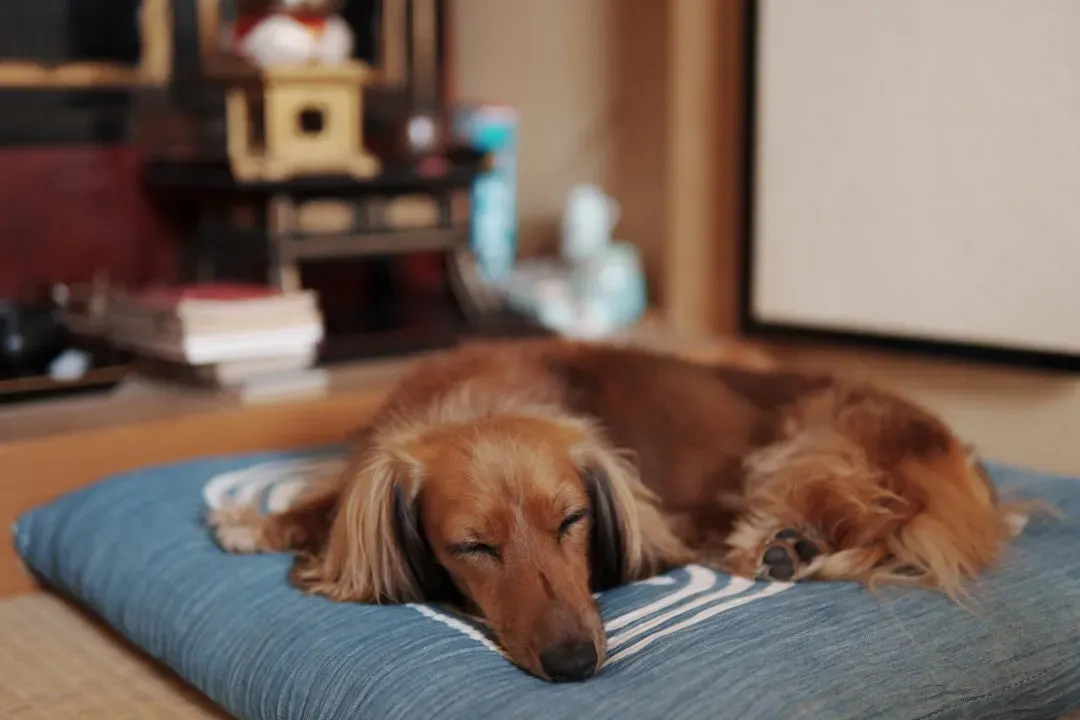
For a dog, sleep is a vulnerable state. When they choose to sleep next to you, at your feet, or even with their back turned toward you, they are placing a huge amount of trust in you. A dog that has not emotionally recovered from something you did or an intense moment you shared will often stay more alert: light sleep, frequent startles, or choosing a bed farther away.
If your dog is snoring against your leg, twitching with dreams at the foot of your bed, or sighing into a deep, heavy sleep in your presence, their nervous system is telling a very calm story. They are not lying awake replaying what went wrong last month; they are resting because, on a biological level, you equal safety. It is a quiet, everyday way of saying they are not holding your worst moment against you.
5. They Come When You Call Without Hesitation
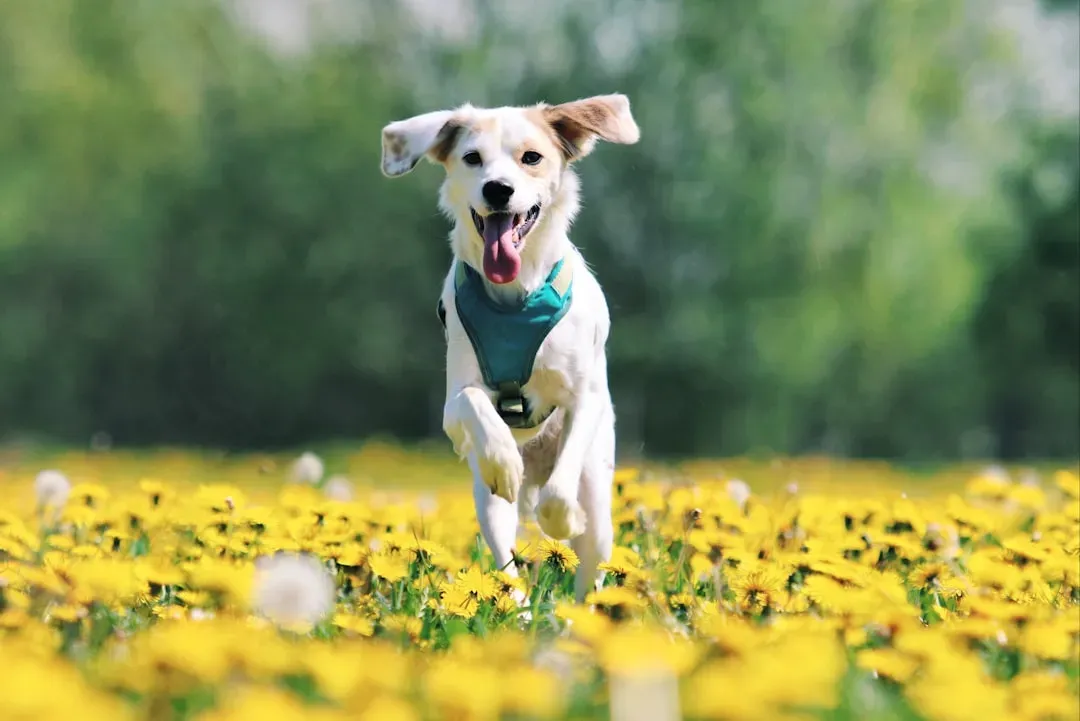
Responsiveness to your voice is another subtle but powerful marker of trust and emotional repair. A dog that is wary or still emotionally guarded will often hesitate when called, hang back, or approach in a cautious arc. When your dog hears their name and trots over with enthusiasm, tail wagging, ears up, it usually means they associate your call with good things rather than conflict or fear.
Of course, recall also depends on training and distractions, so it is not a perfect emotional test. But in your normal daily routine – from the couch, the backyard, the hallway – an eager response to your voice often reflects a positive emotional bank account between you. Even if you still cringe about that time you shouted or slammed a door, their choice to respond gladly is a small everyday act of forgiveness.
6. They Accept Touch and Affection Like They Used To
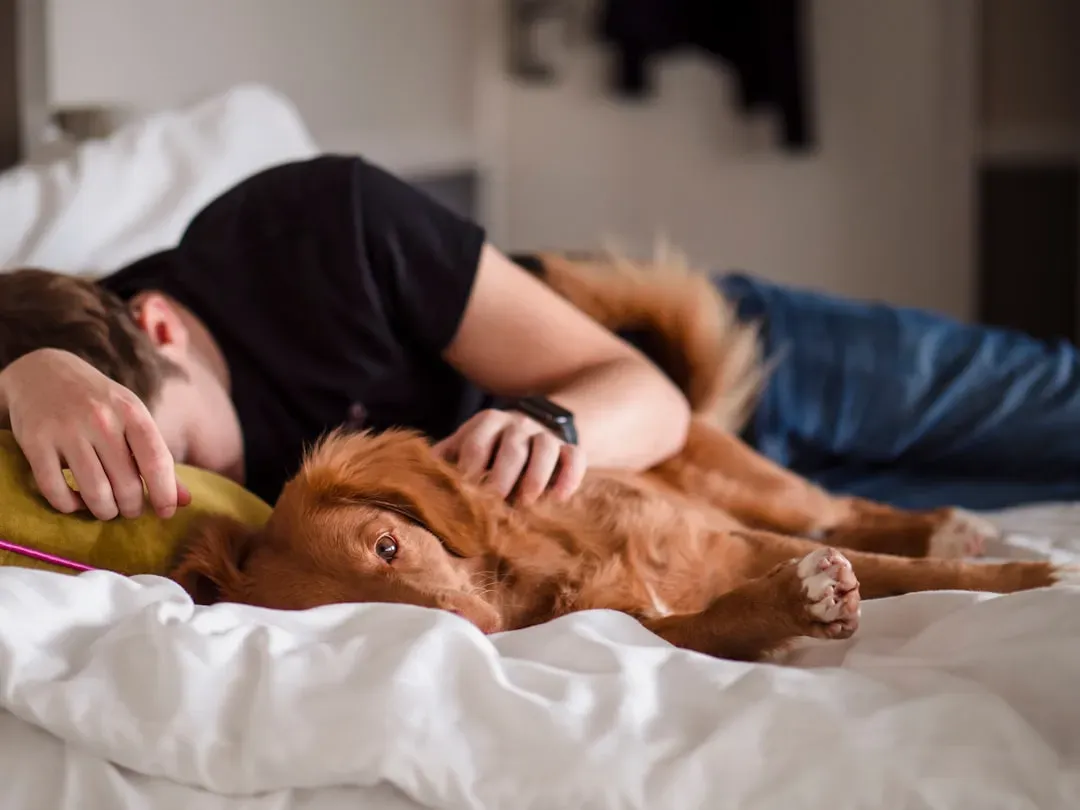
Dogs are usually very clear with their boundaries if we pay attention. A dog that has not fully recovered from a scary or painful interaction might flinch at your hand, move away from petting, stiffen during cuddles, or avoid being picked up. When those reactions fade and your dog once again leans into your touch, rolls over for belly rubs, or nudges your hand for more, it is a sign the emotional rupture has largely healed on their side.
Look in particular for what behavior specialists sometimes call “consent checks.” If you stop petting and your dog pushes your hand, shifts closer, or repositions to keep the affection going, they are actively choosing contact. That choice says they do not see you as a threat in that moment. Where you might still see yourself as the person who messed up, they see you as the person who feels good to lean on again.
7. They Show Normal Curiosity and Goofy Behavior Around You
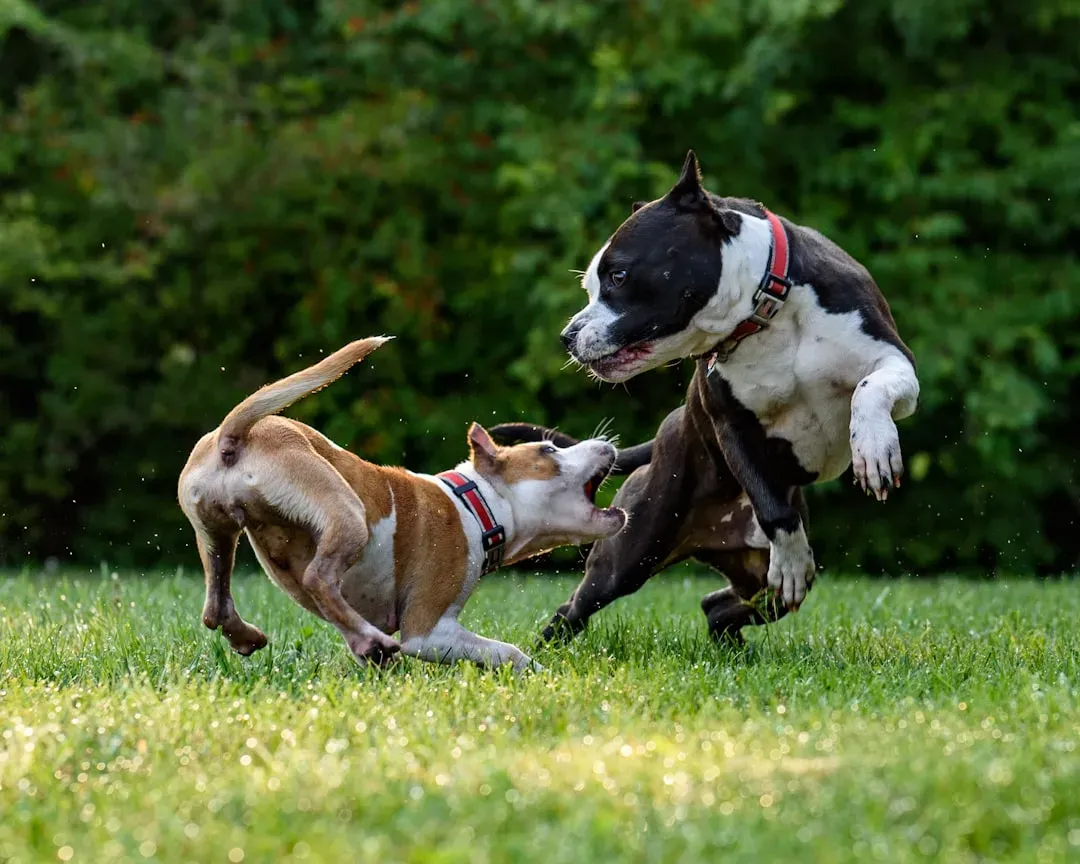
When dogs are tense or emotionally uneasy, their curiosity tends to shrink. They sniff less, explore less, and may move in a more cautious, controlled way. If your dog is back to being their nosey, goofy self around you – investigating bags, poking at your shoes, rolling on the rug, or tossing toys in the air – it is a sign that their emotional bandwidth is no longer tied up in self‑protection.
That everyday silliness is easy to overlook when you are stuck in your own guilt. Yet, from an emotional perspective, it means your dog feels safe enough to waste energy on nonsense and joy. Animals living in constant fear do not have room for that kind of play. When your dog acts like a clown in your presence, they are showing you that, whatever happened before, you are again part of their safe, normal world.
8. They Do Not Startle or Shrink Away From You After the Incident
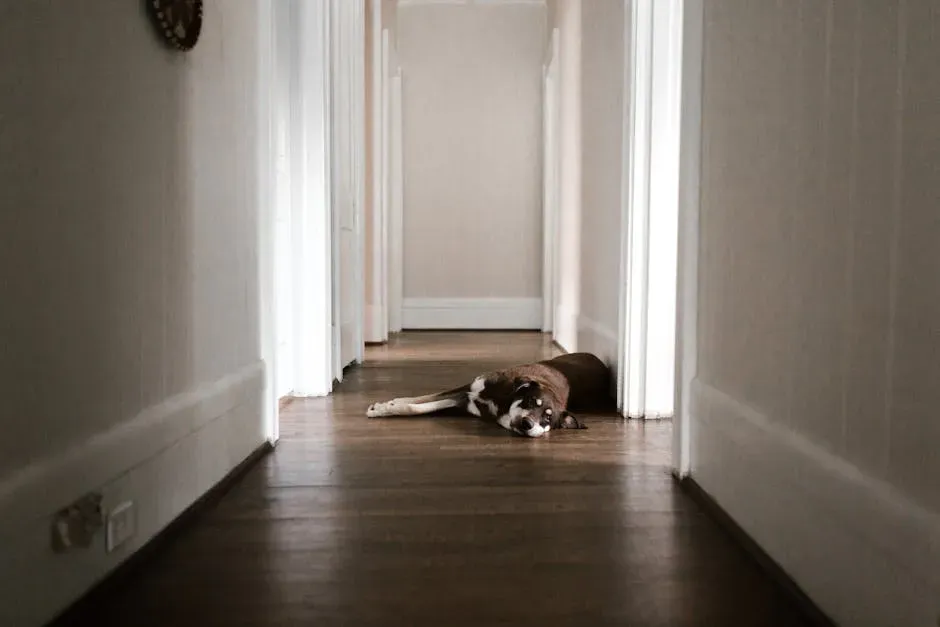
After a tense moment, many owners notice their dog initially startles more easily at sudden movements, loud voices, or fast approaches. Over time, if the environment is calm and your behavior is predictable, that heightened sensitivity should fade. If your dog now walks calmly past you in the hallway, does not flinch when you stand up quickly, and can handle you reaching for a leash or collar without shrinking back, it suggests their emotional alarm system has reset.
This change can be subtle, especially if you are watching yourself closely because you feel bad. Compare how they reacted in the days right after the incident to how they respond now. Less startle, less avoidance, more ease – these are all signs your dog is not stuck in that old moment the way you might be. Their nervous system is telling them that the danger is over, even if your mind keeps replaying it.
9. They Still Choose You Over Everything Else
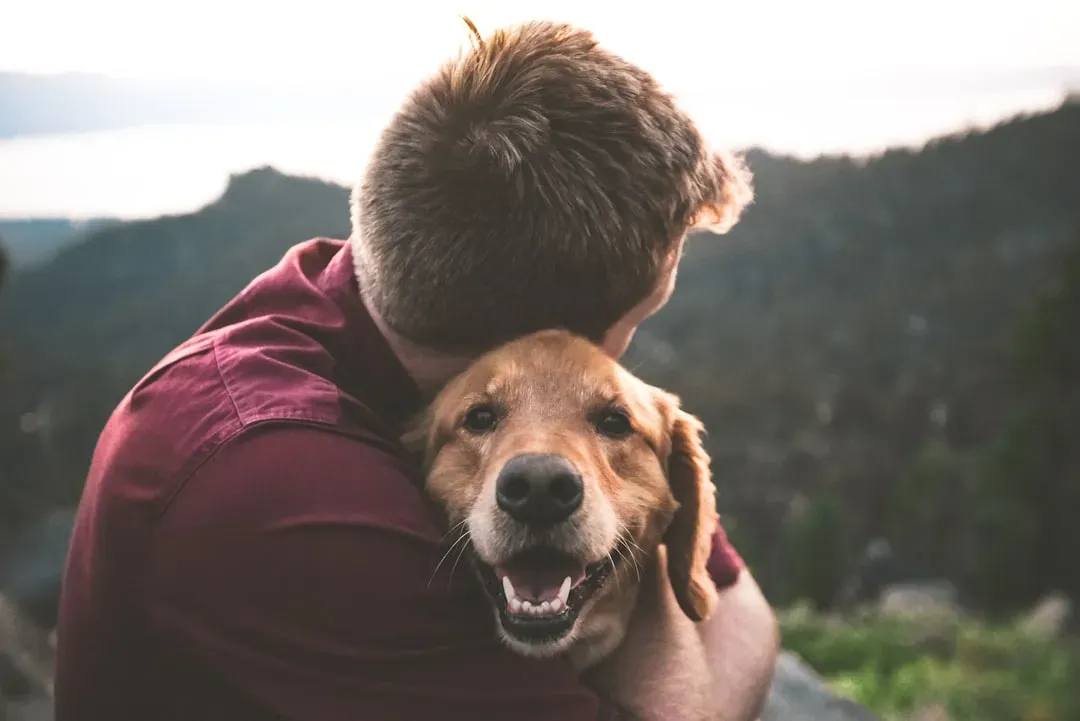
At the end of the day, perhaps the strongest sign your dog has forgiven you is simple: when given a choice, they still pick you. At the park, they check in with you. In a room full of people, they settle near your feet. When they are unsure, they look to your face for guidance. These are all attachment behaviors, and they usually do not survive if a dog truly feels chronically unsafe with someone.
You might feel like you do not deserve that loyalty, especially if you are holding onto a moment you are ashamed of. But your dog is operating on a pattern of hundreds of days, not a single bad one. If, on balance, you show up, meet their needs, and treat them with kindness, their choice to keep anchoring themselves to you is their clearest answer. In their world, that is what forgiveness looks like.
Conclusion: Your Dog Has Moved On – Will You Let Yourself?
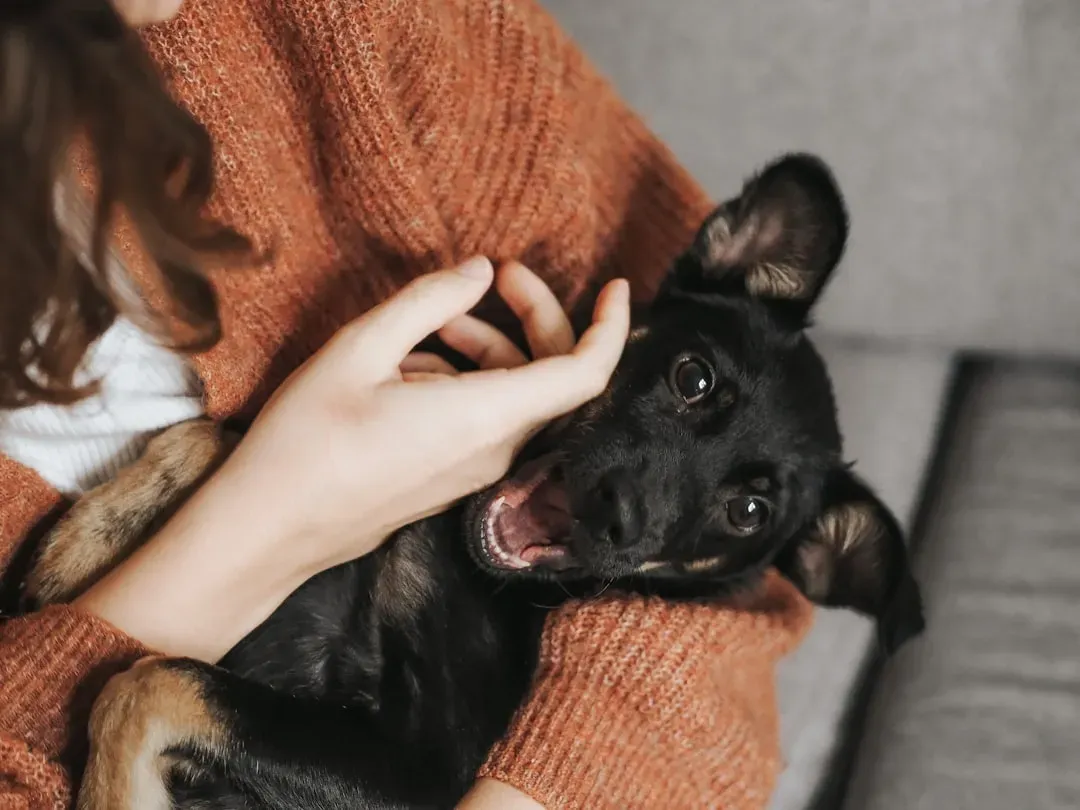
Living with a dog has a way of exposing our imperfections. We see every snapped word, every missed walk, every late vet visit, and we judge ourselves far more harshly than they ever could. Yet the everyday evidence – the wiggly greetings, the naps at your feet, the quiet way they follow you from room to room – all point to the same truth: your dog is not holding you prisoner to your worst moment.
That does not mean you were perfect or that there is nothing to learn; it means you are allowed to be human and still be worthy of their trust. The most honest way to honor your guilt is not to drown in it, but to let it make you more attentive, more patient, and more present going forward. Your dog already made their choice when they curled up next to you again. The real question is whether you will forgive yourself enough to meet them where they are – here, now, in this moment. If your dog could talk, do you really think they would want you to keep punishing yourself this long?


