
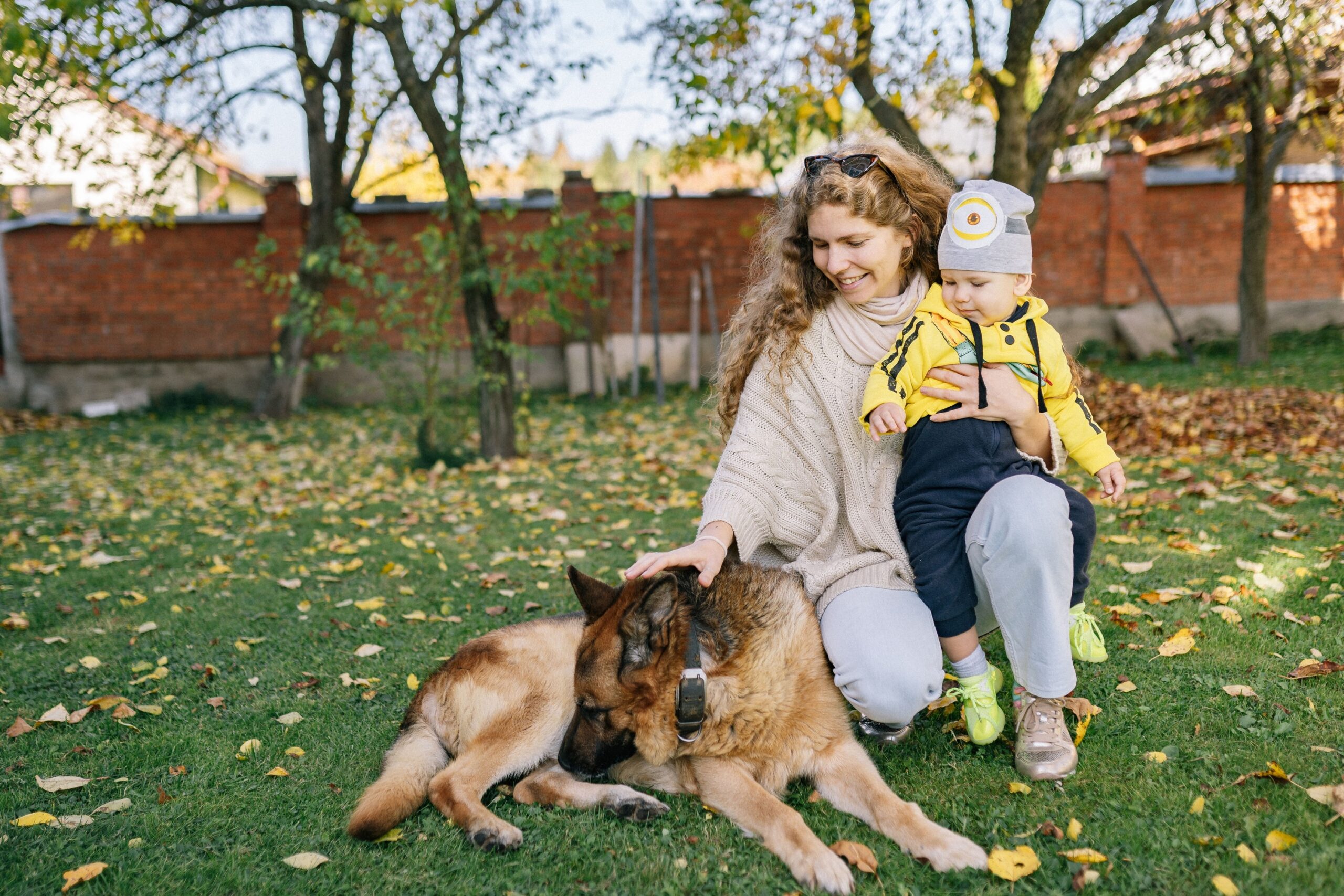
Ask any parent what they want for their child and you’ll hear the same thing over and over: they want a kind, emotionally healthy human who can handle life without falling apart at every bump in the road. One surprisingly powerful way to support that? The family dog. The right dog does more than fetch balls and shed on the couch; it quietly teaches empathy, patience, self-regulation, and even conflict repair. When kids learn to read a dog’s body language, comfort a scared pet, or respect a grumpy one’s boundaries, they’re practicing emotional intelligence in real time.
Now add the zodiac into the mix. Different signs naturally lean toward different values and parenting styles, and that influences the kind of dog they’d instinctively choose for their children. Some signs want a dog that mirrors their fire; others go for calm, grounding companions that gently balance the family energy. The pairings below are not rigid rules or scientific prescriptions, but they do reflect real tendencies in temperament and interaction patterns that psychologists and animal behaviorists talk about all the time: consistency, responsiveness, and emotional modeling. Let’s walk through each sign and the dog they’d most likely bring home if their top priority was raising emotionally intelligent kids.
Aries: The Border Collie – Teaching Emotional Focus and Channeling Big Feelings
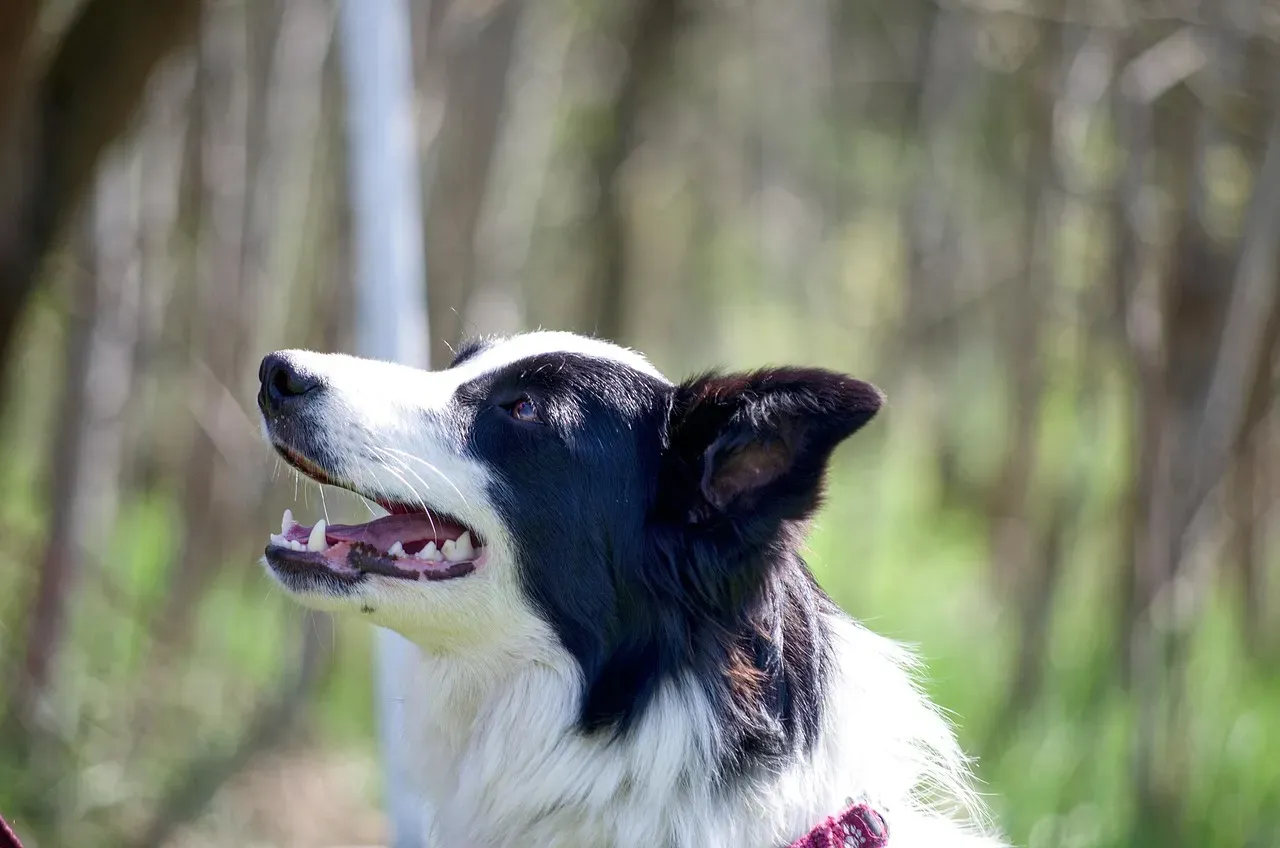
Aries parents are fiery, impulsive, and full of drive. They often raise kids who feel everything at full volume: excited, angry, thrilled, frustrated. A Border Collie matches this intensity but demands focus, boundaries, and mindful engagement. This is a dog that doesn’t just tolerate chaos; it needs clear cues, consistency, and mental work, creating a built-in training ground for emotional regulation.
Because Border Collies are so smart and sensitive, they quickly mirror the emotional climate in the room. If a child storms in upset and starts yelling, this dog is likely to react – maybe by getting restless or clingy. That’s where the magic happens: parents can help the child see how their energy affects the dog and practice calming strategies like deep breathing, gentle voice, and structured play. Over time, an Aries child learns that passion is powerful, but it needs direction, just like their brilliant, high-energy dog.
Taurus: The Golden Retriever – Practicing Patience, Comfort, and Safe Attachment
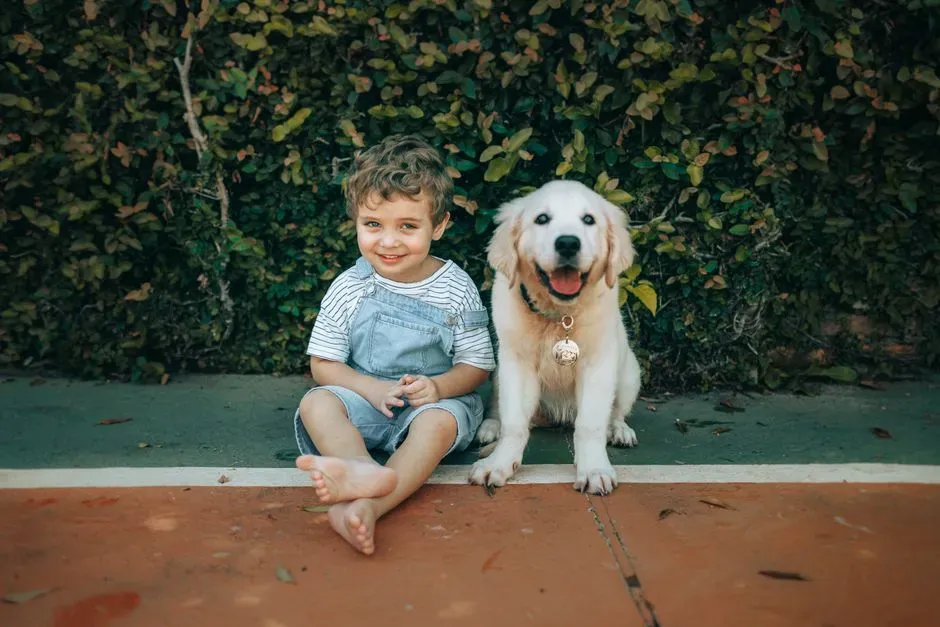
Taurus parents tend to value stability, routine, and simple, sensory pleasures. They’re the ones who want their kids to have a calm home base and a sense of safety they can always return to. The classic Golden Retriever fits right into that vision. Known for their gentle nature and steady temperament, Goldens offer kids a warm, reliable emotional anchor, which research links to healthier emotional development over time.
Living with a Golden teaches kids a lot about caregiving and comfort. When a child is sad or overwhelmed, this kind of dog often just lies close or leans in, offering quiet presence rather than demanding attention. That models a powerful emotional skill: sometimes you don’t need to fix things; you just need to be there. A Taurus child learns to notice small cues – like a soft whine or a nudging nose – that signal the dog’s needs, and that builds empathy, patience, and a gentle kind of responsibility that feels more like love than a chore chart.
Gemini: The Poodle (Standard or Mini) – Encouraging Communication and Emotional Curiosity
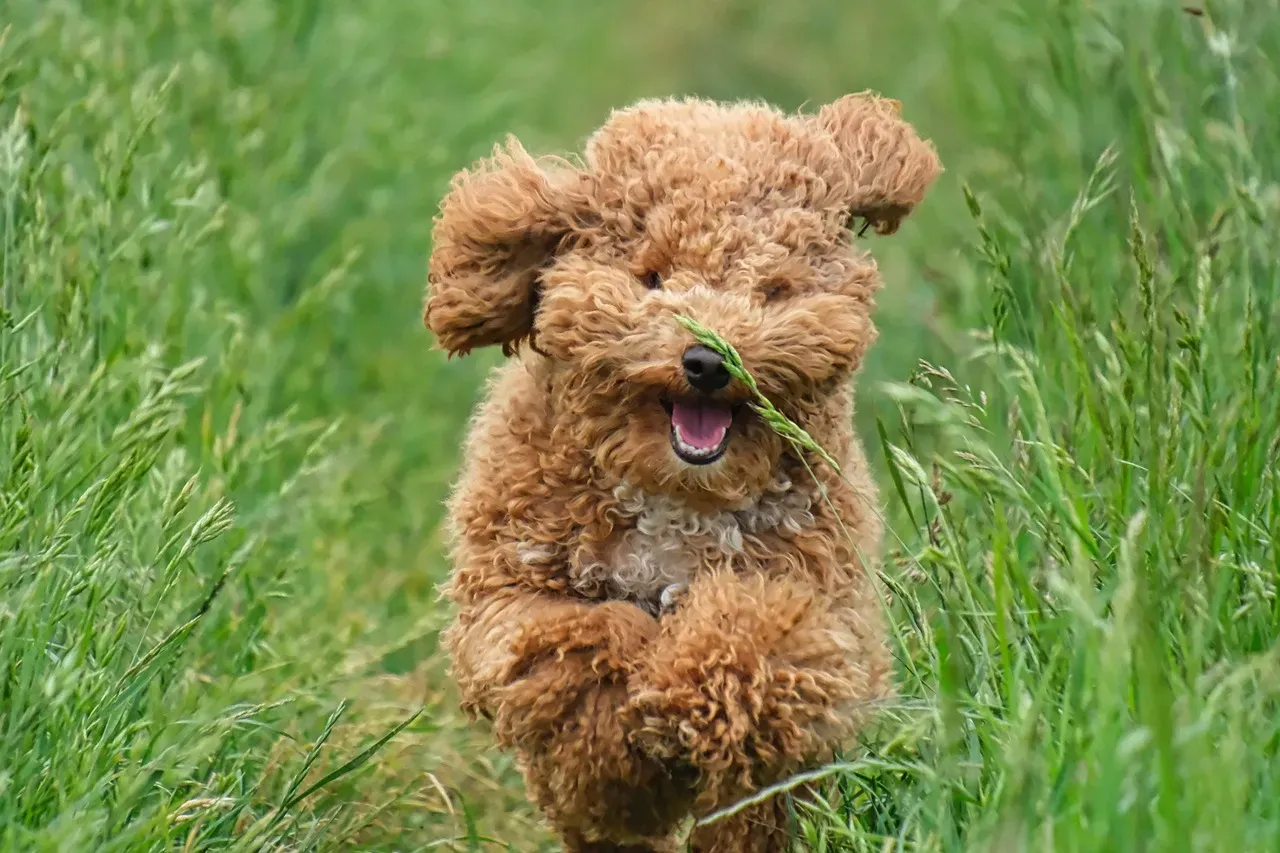
Gemini parents love conversations, questions, and new ideas, and they often have kids who talk their way through everything they feel. A Poodle – especially a standard or mini – pairs beautifully with that energy. Highly intelligent and responsive, Poodles pick up on family moods fast and often seem to “listen” in a way that fascinates curious Gemini children.
Because Poodles are so trainable, they create endless opportunities for emotionally rich interactions: teaching commands, designing tricks, and even learning hand signals. Each of these moments becomes a micro-lesson in clear communication, consistency, and nonverbal cues. A Gemini child starts to understand that tone of voice, body language, and timing matter as much as the actual words, and that’s exactly the kind of nuance emotionally intelligent adults rely on in friendships, relationships, and work.
Cancer: The Cavalier King Charles Spaniel – Nurturing Empathy and Emotional Safety

Cancer is the sign of emotional depth, caregiving, and home-centered love. Cancer parents usually want a dog that feels like an extension of the family’s heart, not just a pet that runs laps in the yard. The Cavalier King Charles Spaniel is almost tailor-made for this: clingy in the best way, sensitive to moods, and fond of curling up wherever the humans are gathered.
For a child, living with a Cavalier is like having a tiny, living feelings barometer. These dogs often gravitate toward whoever in the room is the most upset or emotionally off-balance, offering soft eyes and close contact. Cancer kids, who already feel deeply, can learn to channel their sensitivity outward – comforting the dog, noticing when it seems stressed, and respecting when it needs calm. That moves them from being overwhelmed by their own feelings to using their sensitivity as a superpower for nurturing others.
Leo: The Labrador Retriever – Modeling Confidence, Inclusion, and Joyful Leadership

Leo parents usually want their home to feel bright, social, and full of life. They tend to raise kids who are expressive, dramatic, and naturally drawn to the spotlight. The Labrador Retriever, with its outgoing and friendly nature, is a great fit for that vibe. Labs are typically social butterflies among dogs, which helps Leo kids practice inclusion and kindness in group settings.
Because Labs are so people-oriented, they make kids feel seen and adored, but they also need boundaries, training, and respect. When a Leo child learns to guide a Lab on a walk, manage its excitement when guests arrive, or help it feel safe in a noisy environment, they’re practicing a healthy version of leadership. They learn that real confidence is not just taking up space; it’s reading the room, including others, and keeping everyone – dog included – safe and comfortable.
Virgo: The Shetland Sheepdog – Honoring Sensitivity, Routine, and Thoughtful Care
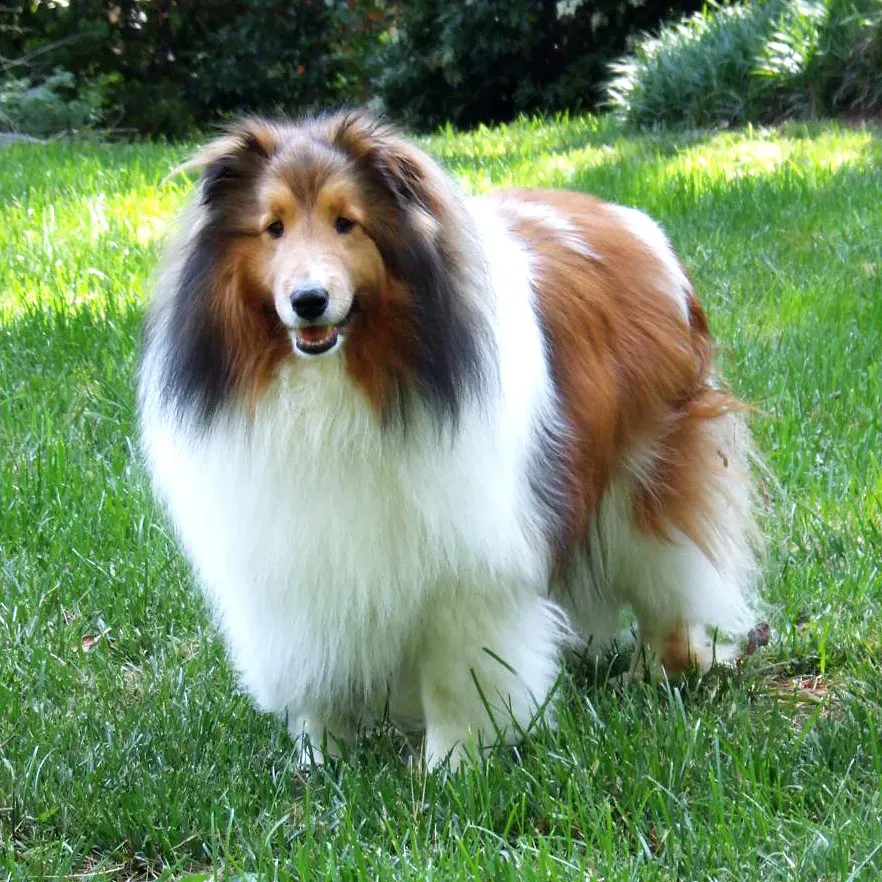
Virgo parents often pay close attention to the small things: routines, subtle shifts in mood, and unspoken needs. They raise kids who notice details, sometimes to the point of anxiety. A Shetland Sheepdog (Sheltie) aligns with that world beautifully. These dogs are smart, sensitive, and observant, often reacting to changes long before humans do, which can be validating for a detail-focused Virgo child.
Shelties usually thrive on predictable routines and gentle handling, which gives Virgo kids a concrete way to turn their observing nature into supportive action. They learn to schedule walks, structure training time, and notice when the dog is overstimulated or tired. Instead of viewing their sensitivity as “too much,” Virgo children begin to see it as a strength that helps them tune in, anticipate needs, and create calm – skills that transfer directly to emotionally intelligent relationships with people.
Libra: The Beagle – Balancing Fairness, Cooperation, and Social Harmony

Libra parents care deeply about fairness, harmony, and social grace. They tend to avoid conflict and want their kids to grow up kind, cooperative, and well-liked. The Beagle, with its friendly nature and pack-dog mentality, gives Libra children a very real lesson in group dynamics and fairness. A Beagle rarely wants to be alone and is often tuned into the social flow of the household.
Because Beagles have a strong independent streak and follow their nose, kids quickly learn that this dog is not a plush toy; it has its own wants and limits. A Libra child has to negotiate walks, recall training, and shared attention, especially in multi-kid homes. That nudges them to balance their own needs with the dog’s, practice turn-taking, and handle frustration without blowing up, which are all central components of emotional intelligence in friendships and future partnerships.
Scorpio: The Belgian Malinois – Exploring Depth, Trust, and Emotional Boundaries
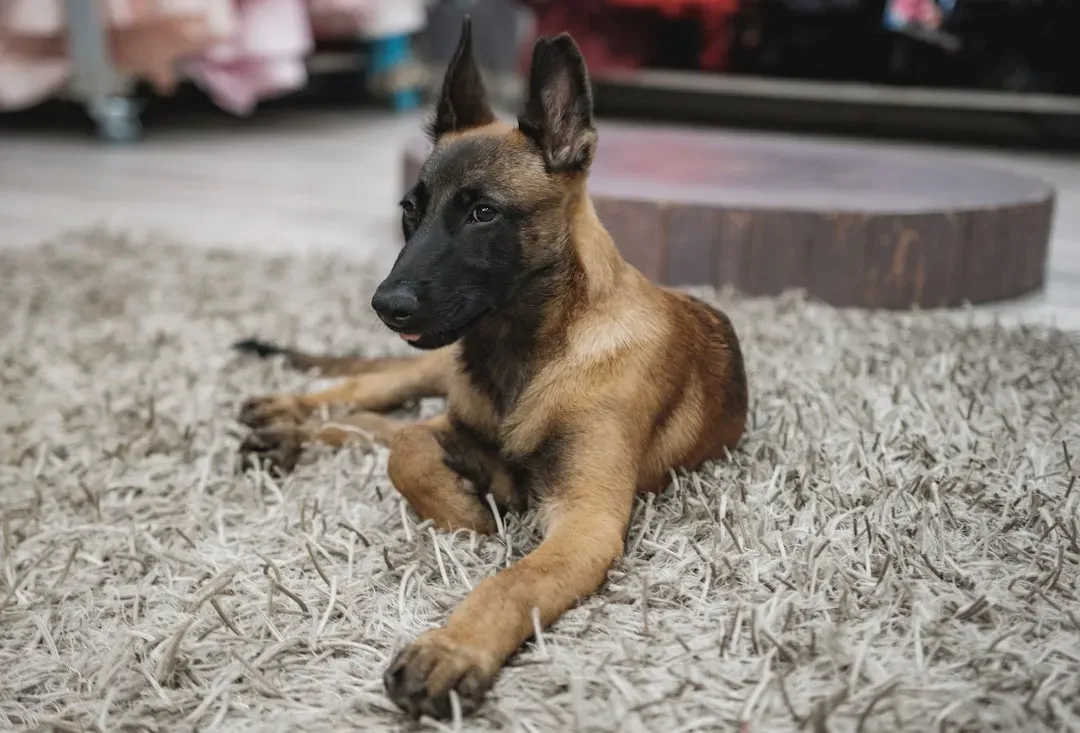
Scorpio parents are intense, loyal, and all about emotional truth. They tend to raise kids who feel deeply and often see past surface-level interactions. A Belgian Malinois is not a casual choice, but for a Scorpio household that is willing to commit, it can be a profound teacher. These dogs are highly driven, extremely bonded to their people, and very sensitive to both energy and structure.
With a Malinois in the home, kids quickly learn that trust is earned and maintained through consistent behavior. They see that unpredictability or rough handling breaks connection, while respect and clear communication deepen it. Scorpio children are naturally drawn to deep bonds, and a dog like this pushes them to understand consent, boundaries, and mutual responsibility, which are crucial to forming emotionally intelligent relationships that are intense but not destructive.
Sagittarius: The Australian Shepherd – Encouraging Emotional Flexibility and Shared Adventure
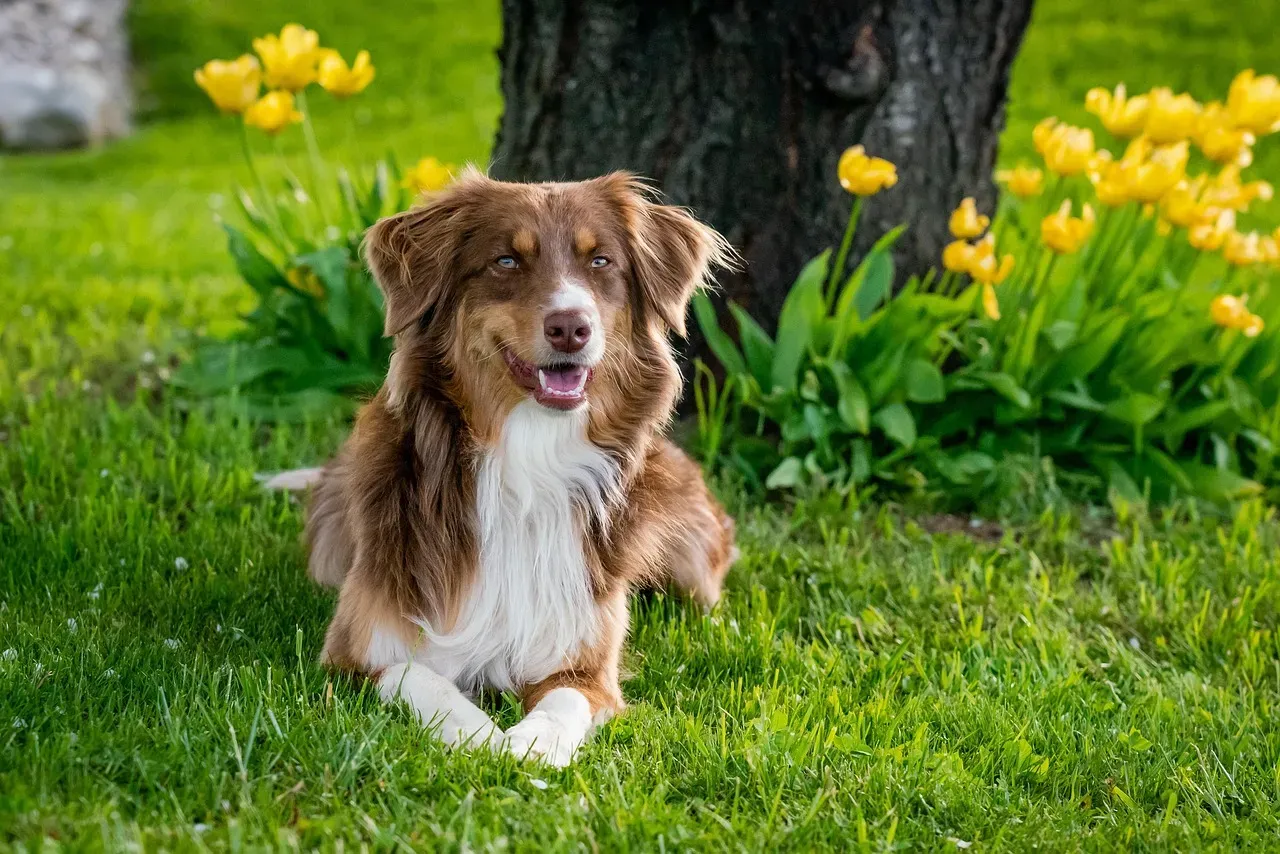
Sagittarius parents usually want their kids to see the world as big, exciting, and full of possibilities. They value freedom, exploration, and honest expression. The Australian Shepherd, energetic and highly trainable, makes an ideal adventure buddy while still requiring emotional attunement. Aussies often become deeply attached and can be sensitive to changes and stress, which adds a layer of depth to all that fun.
For a Sagittarius child, life with an Aussie is a blend of active play and emotional learning. They might take the dog hiking, try agility classes, or create backyard obstacle courses, all while learning to read the dog’s signals of fatigue, overstimulation, or anxiety. That ongoing dance – pushing into adventure but staying responsive to the dog’s needs – teaches them a crucial emotional skill: excitement is most rewarding when it is shared and balanced, not pushed at any cost.
Capricorn: The German Shepherd – Building Responsibility, Respect, and Emotional Stability
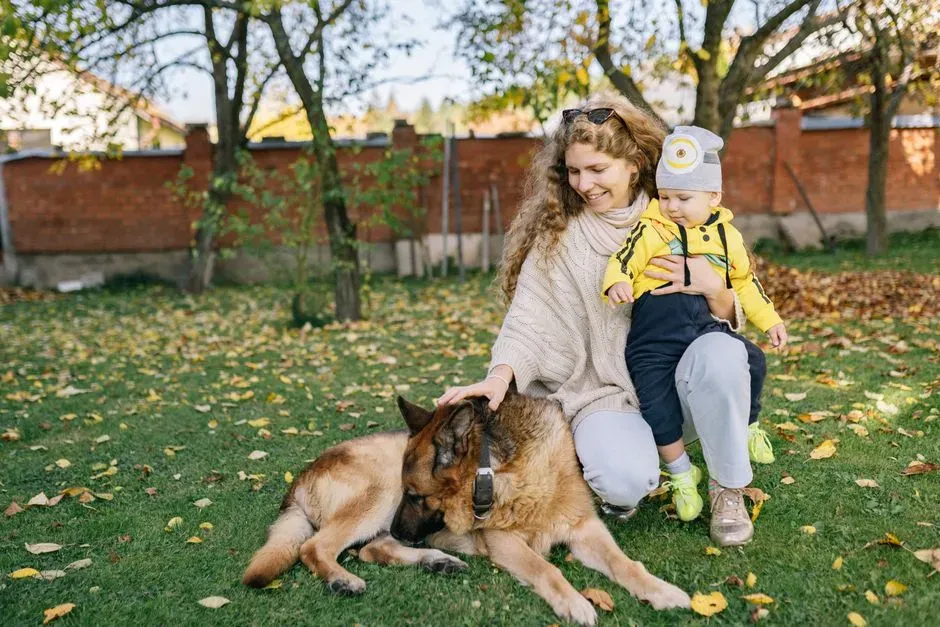
Capricorn parents tend to see childhood as a training ground for adulthood. They often take emotional development very seriously and want their kids to become reliable, grounded, and capable. The German Shepherd, known for its loyalty and work ethic, mirrors Capricorn values while adding a strong emotional bond. These dogs are usually deeply devoted to their families and highly responsive to training and routine.
Because German Shepherds can be protective and sensitive, children learn that their behavior directly influences how safe and calm the dog feels. A Capricorn child may help with structured training, regular exercise, and rules around visitors, absorbing the idea that true responsibility is emotional as well as practical. This teaches them to own their impact on others, regulate their own behavior, and offer steady, predictable support – skills that underpin emotional intelligence in leadership and family life.
Aquarius: The Mixed-Breed Rescue – Cultivating Compassion, Individuality, and Perspective

Aquarius parents often care deeply about social justice, difference, and the bigger picture. They are the ones who explain why things are unfair, why kindness matters, and how individual stories fit into larger systems. A mixed-breed rescue dog fits this worldview seamlessly. Each rescue comes with its own history, quirks, and sometimes trauma, giving Aquarius kids a living lesson in empathy and second chances.
Raising a rescue dog often involves patience, gradual trust-building, and acceptance of imperfection. An Aquarius child learns that emotional healing is not linear, that some fears linger, and that progress can look like small, quiet moments of courage – a once-nervous dog finally sleeping on the couch, or approaching a new person calmly. This shapes their emotional intelligence in a powerful way: they see that every being has a backstory and that understanding those stories changes how we respond to fear, defensiveness, and need.
Pisces: The Bichon Frise – Embracing Gentleness, Play, and Emotional Softness
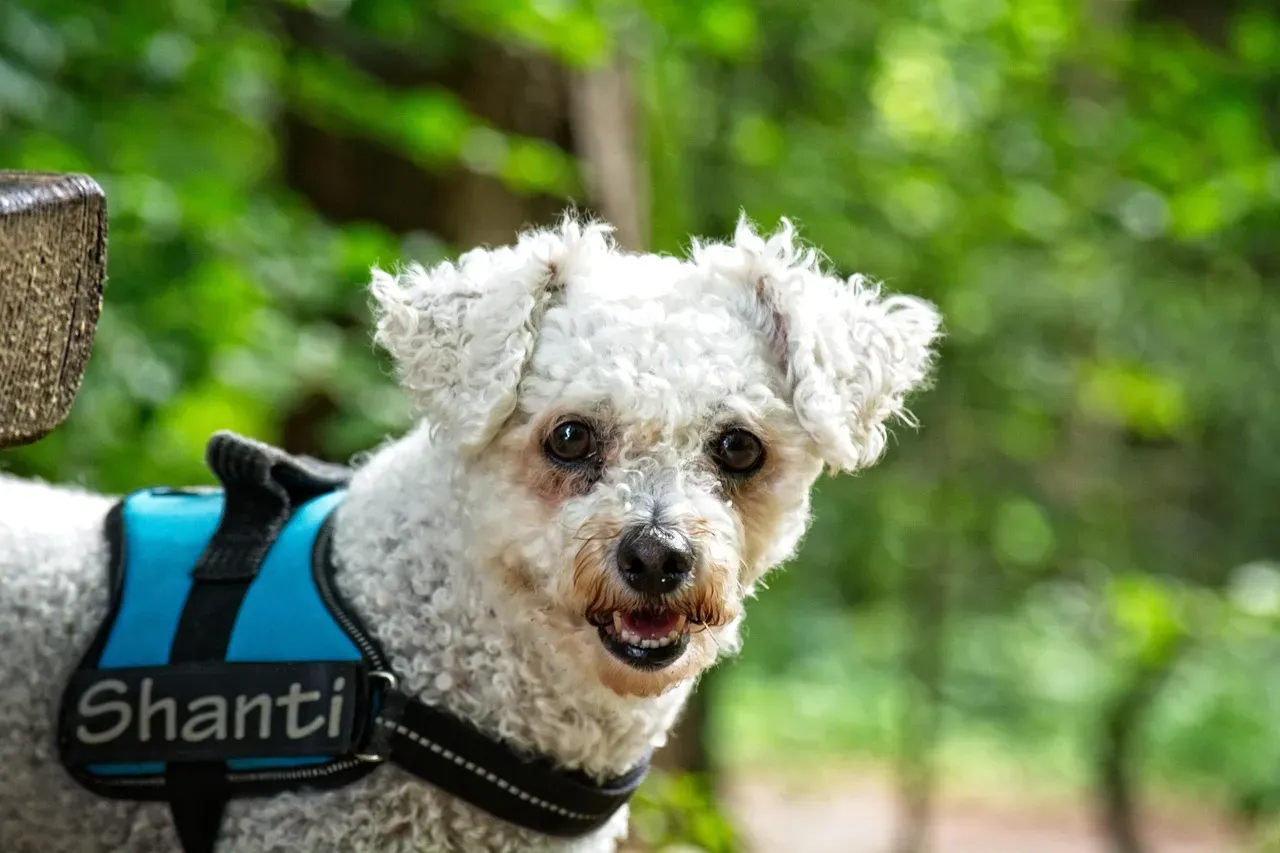
Pisces parents are typically dreamy, intuitive, and emotionally attuned. They want their kids to stay soft-hearted in a world that can be sharp around the edges. A Bichon Frise, cheerful and people-oriented, brings exactly that gentle, playful energy into the house. These dogs often thrive on affection and connection, making emotional closeness feel easy and natural for Piscean children.
Because Bichons can be sensitive to tension and easily stressed by harsh treatment, kids quickly realize that their tone and behavior truly matter. A Pisces child who speaks kindly, plays gently, and offers reassurance when the dog is scared is practicing emotional mirroring and co-regulation in real time. They experience how softness can be powerful, how play can be healing, and how caring for a small, dependent creature deepens their own emotional maturity rather than weakening it.
Conclusion: It’s Not Just the Dog – It’s the Relationship
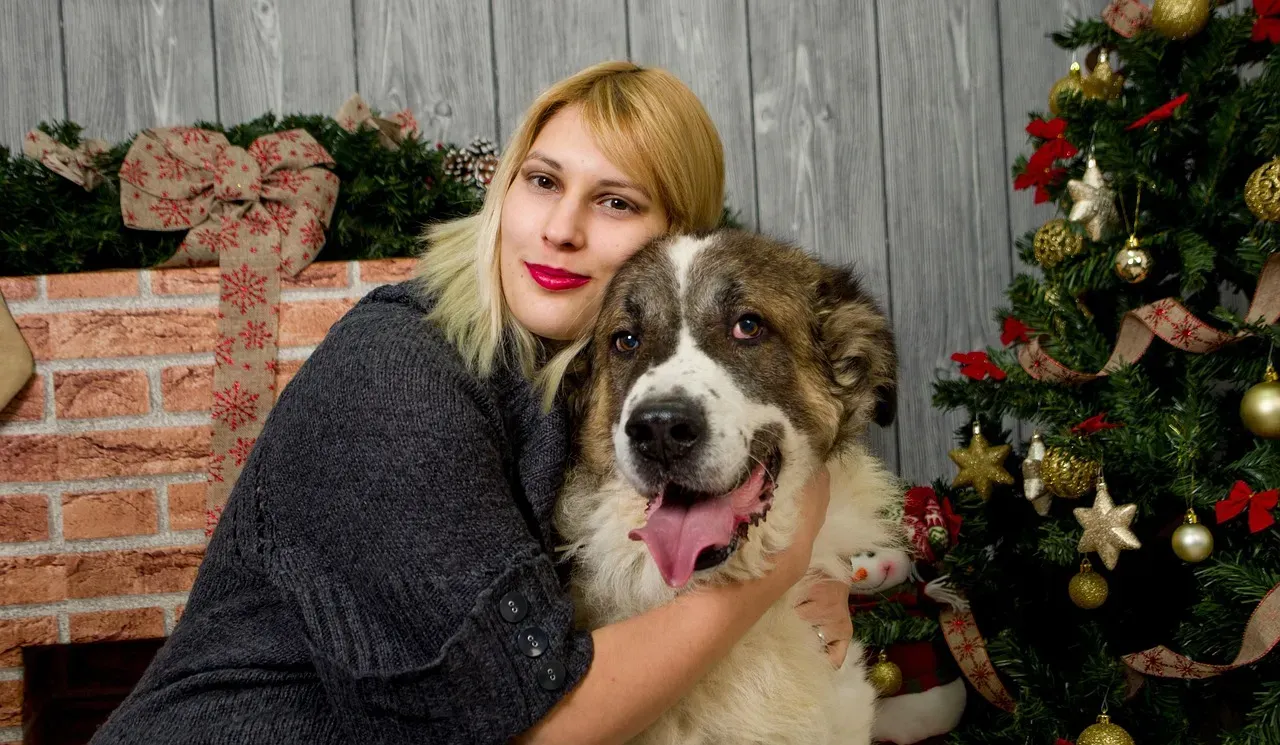
If there’s one honest takeaway here, it is that no zodiac sign is locked into one “right” dog, and no breed can single-handedly raise a child with perfect emotional intelligence. What truly shapes kids is the relationship: how adults model empathy, handle stress, repair after conflict, and guide their children in responding to a living, feeling animal. The zodiac pairings are simply a playful lens to explore how different temperaments and values might nudge families toward certain dogs that naturally reinforce the lessons they already care about.
What matters most is choosing a dog whose needs you can genuinely meet, then letting that bond become a daily practice of noticing, listening, and responding with care. When a child learns that their actions shape how safe another being feels, something shifts inside them that no worksheet or lecture can match. In the end, the dog is not a prop in your child’s story; it is a co-teacher, quietly shaping who they become. So if you had to pick today, which breed would you invite in to help raise the next emotionally intelligent human in your home?


