
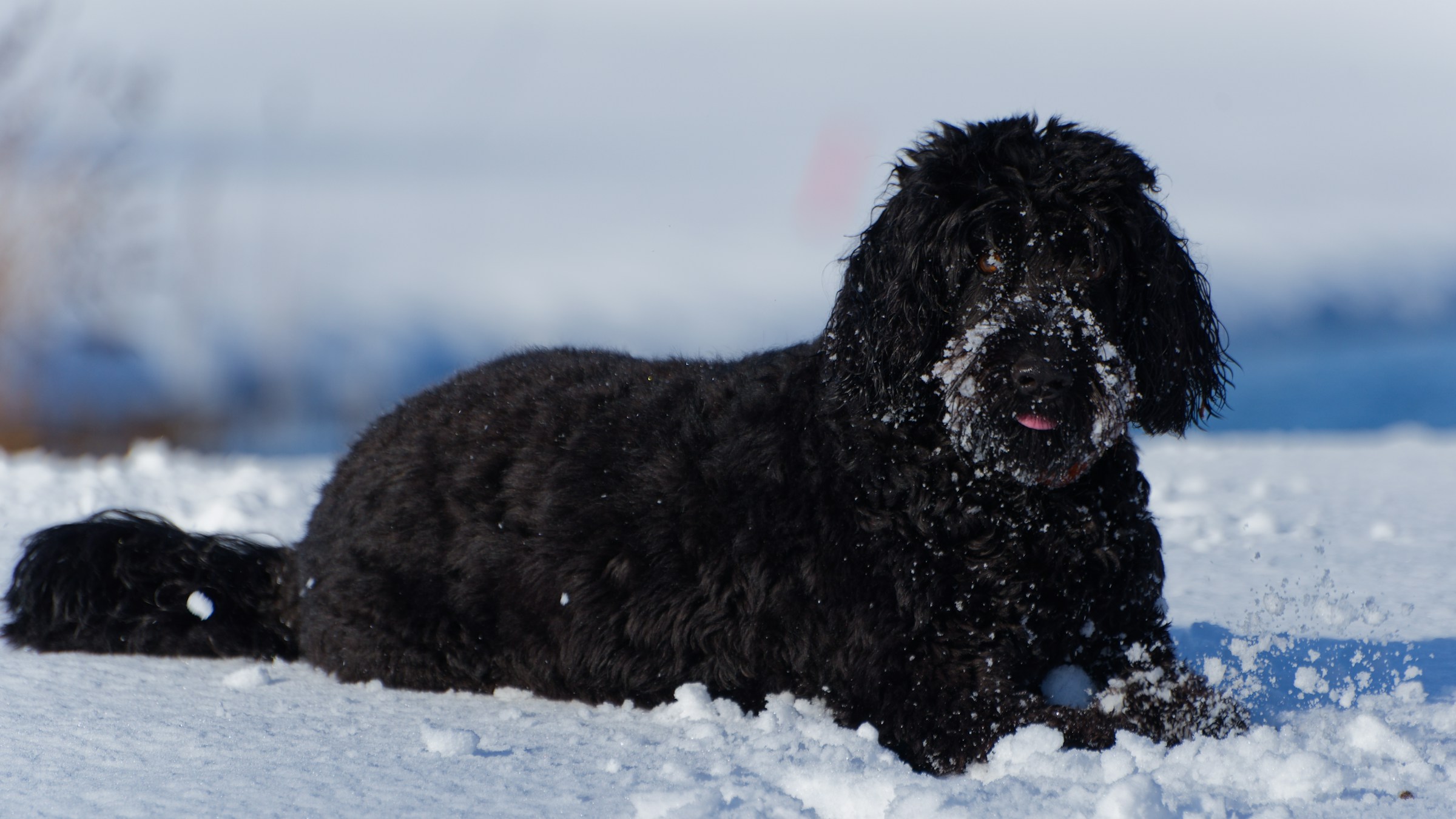
There’s something almost unsettling about the way certain dogs look at you when you’re upset, sick, or scared. It’s as if some ancient part of them wakes up and quietly says, this is what I was made for. Long before cute Instagram reels and perfectly filtered puppy pics, some breeds were shaped by brutal winters, dangerous seas, war zones, avalanches, and long, lonely nights on the farm. Their job was simple and terrifying: keep humans alive.
Those instincts did not disappear just because we moved to cities and put them in sweaters. In this article, we’re going to walk through ten breeds whose original purpose was literally life-saving – and how that mission still leaks through in their everyday behavior. If you’ve ever wondered why your dog shadows you to the bathroom, checks on crying kids, or stares at you when you cough, by the end you might see it less as clinginess and more as an echo of generations of heroes on four legs.
1. Saint Bernard – The Avalanche Rescuer With a Built‑In Compass for Humans
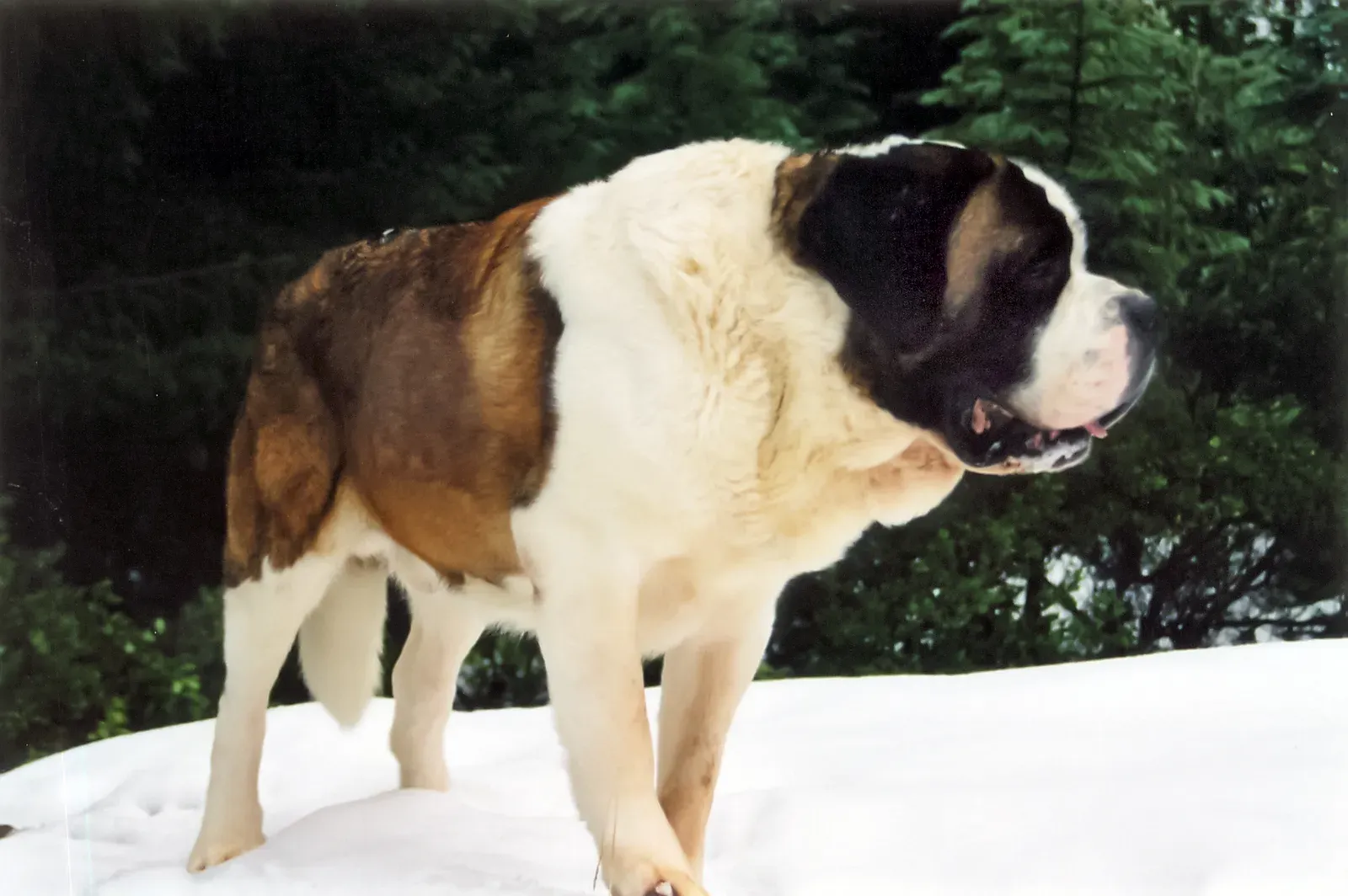
Imagine freezing Alpine passes, blizzards erasing entire paths, and travelers disappearing into snowdrifts. Saint Bernards were developed by monks at a hospice in the Swiss Alps to find and rescue people lost in that brutal whiteout world, often following faint human scents under layers of snow. These dogs patrolled dangerous routes, locating unconscious or buried travelers, warming them with their huge bodies while monks or handlers came with help.
That job hard‑wired some very specific instincts. Even today, Saint Bernards tend to be drawn to anyone who is lying down, shivering, crying, or otherwise “off.” They lean their massive weight against people like a living heated blanket, and many owners report their dogs nudging awake anyone who sleeps too deeply or seems unwell. When you watch a Saint Bernard gently checking on kids in the yard or planting itself between you and a door, you’re seeing the ghost of those high‑altitude patrols playing out in your living room.
2. Newfoundland – The Cold‑Water Lifeguard Who Treats Every Human Like a Swimmer in Trouble
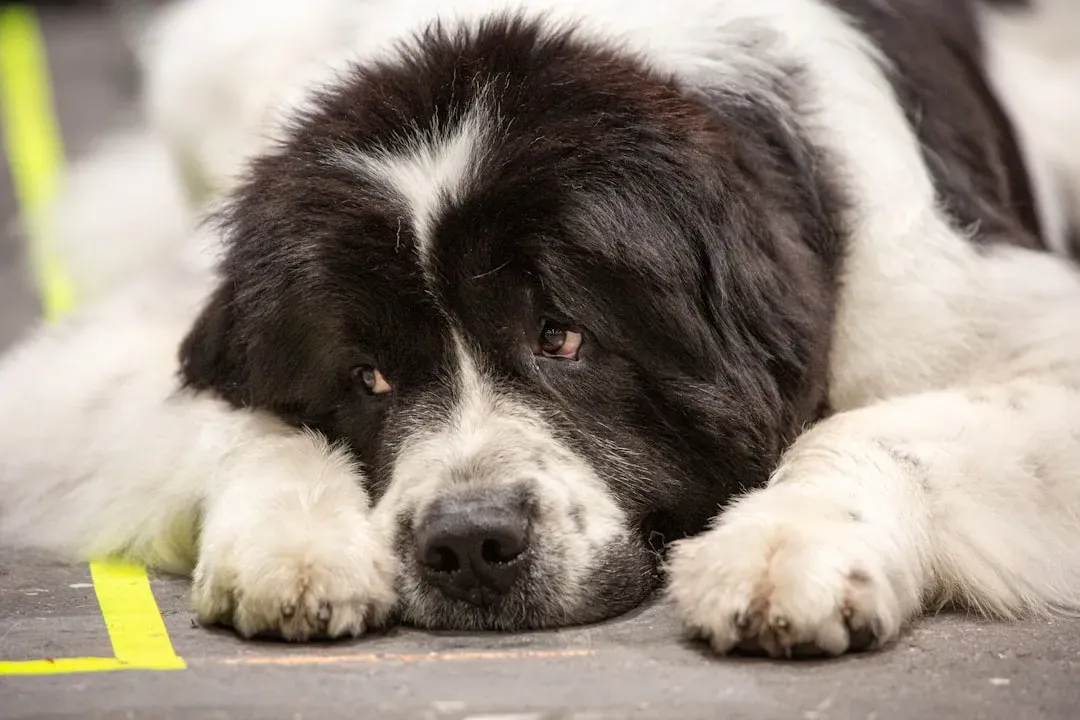
The Newfoundland may look like a giant teddy bear, but historically it was a working powerhouse in icy Atlantic waters. Bred on the island of Newfoundland, these dogs worked alongside fishers, hauling nets, carrying lines to shore, and most dramatically, leaping into rough seas to drag drowning people back to safety. Their thick, water‑resistant double coat, webbed feet, and powerful swim stroke are not accidents – they are survival tools.
Modern Newfies often display what can only be described as lifeguard energy. Many will “rescue” swimming children by gently grabbing a sleeve or life jacket and pulling them toward shallow water, even if the child is delighted and not actually in danger. They tend to stick close to people near pools or lakes, constantly assessing and positioning themselves so they can intervene. If you’ve ever noticed a Newfoundland pacing the edge of the water with quiet intensity, that’s not anxiety; that’s a centuries‑old checklist running in its head: Where is everyone? Who might need me next?
3. Labrador Retriever – From Fishing Partner to Modern Search‑and‑Rescue Star
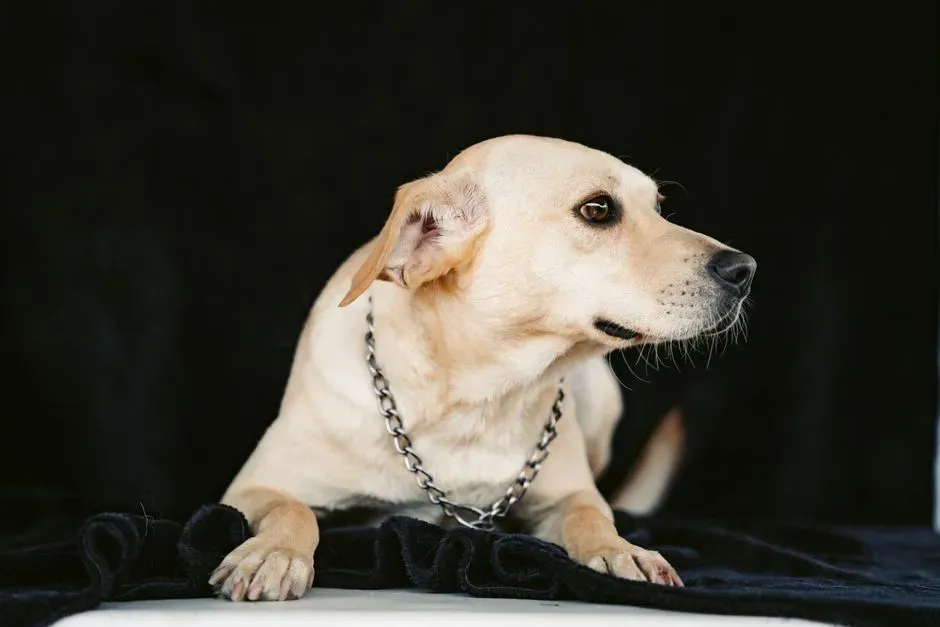
Before Labradors became the unofficial family dog of the Western world, they were tough working companions for fishers in Newfoundland and later in Britain. Their job was to retrieve escaped fish, carry messages or lines, and work in frigid water for long hours – real, physical, high‑stakes work. Over time, selective breeding amplified their drive to retrieve, their tolerance for cold, and their obsession with staying close to their people.
Those same traits now make Labradors one of the most common breeds in search‑and‑rescue and assistance work. Their eagerness to please, nose power, and near‑endless stamina are used to locate missing people, detect medical changes, and guide visually impaired handlers through chaotic environments. At home, that historic focus on “find it and bring it back” translates into a Labrador that constantly tracks you from room to room, checks on every family member, and zeroes in when someone is distressed. To a Labrador, the idea that a human could be lost – physically or emotionally – feels like a problem that must be solved immediately.
4. German Shepherd – The Protector Forged in Fire, Police Work, and War
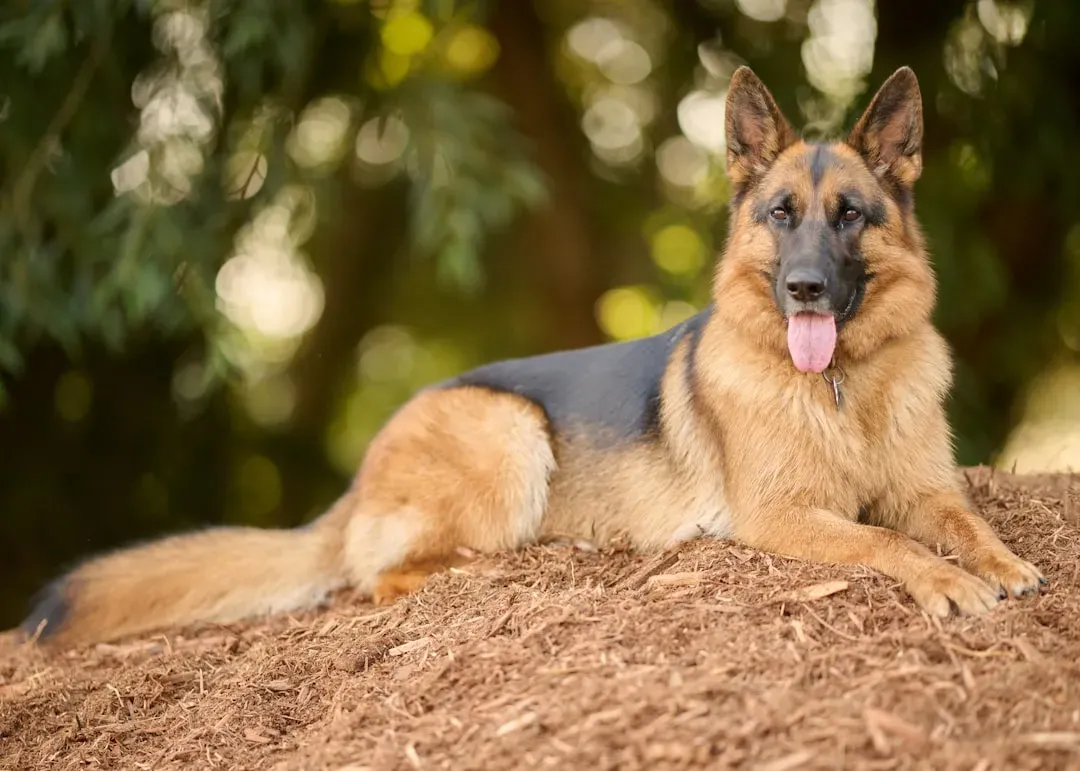
German Shepherds were originally bred in Germany as highly intelligent, agile herding dogs, but their story quickly shifted into one of life‑saving service. Because they combine strength, trainability, and strong nerves, they became deeply embedded in police forces and military units, tracking wounded soldiers, warning of approaching enemies, and locating survivors in rubble and forests. Their work was not ornamental; it meant the difference between life and death for the humans they accompanied.
Today’s German Shepherd still carries that mix of guardian and first responder in its DNA. Many show an almost uncanny ability to sense unease, tension, or health changes in their owners, parking themselves between their person and any perceived threat – whether that’s a stranger, a loud noise, or even a sudden dizzy spell. I’ve seen a Shepherd insistently block a friend from going up the stairs when she felt “a bit off,” only for her to later realize she was on the edge of fainting. Call it instinct, pattern recognition, or something deeper; this breed takes the job of human safety personally, sometimes to a fault.
5. Border Collie – The Genius Herder Who Manages Human Chaos Too
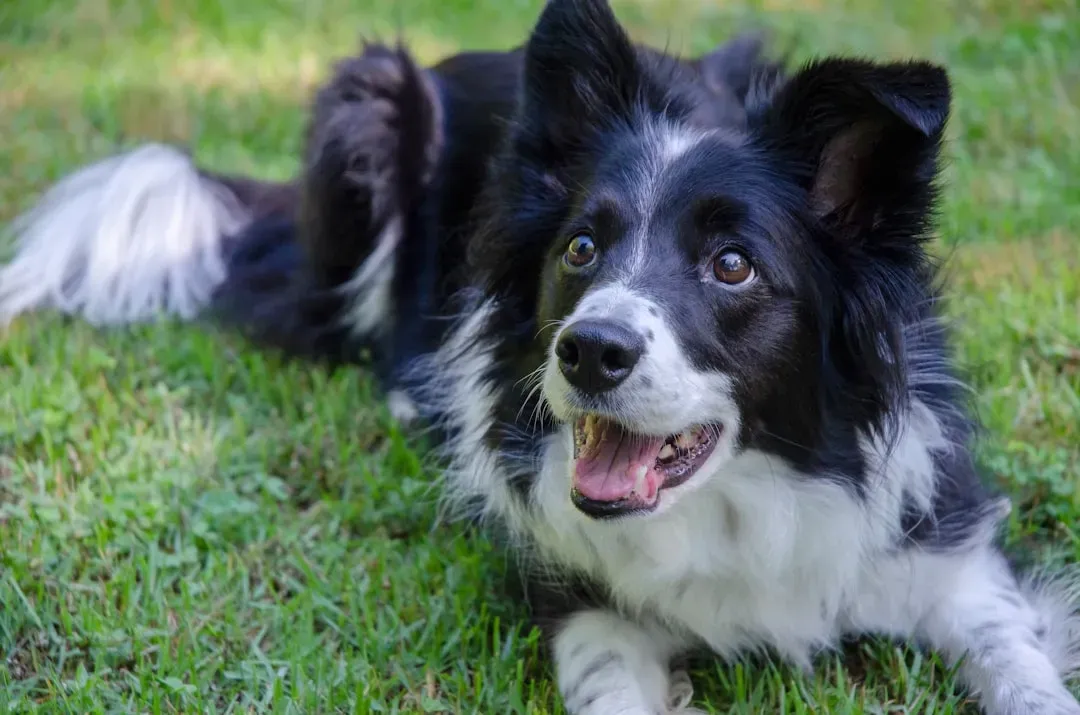
At first glance, a Border Collie might seem like an odd addition to a list about life‑saving breeds – they were developed to move sheep, not drag people out of rivers. But when you zoom in on what that herding job really meant, their role in protecting human life becomes more obvious. On remote, rugged farms, losing livestock could mean financial disaster and food insecurity. Border Collies were bred to control large flocks with precision, prevent dangerous stampedes, and keep animals away from cliffs, roads, or predators, indirectly protecting the humans who depended on them.
That laser‑focused, management‑style brain has not gone anywhere. Modern Border Collies are heavily used in search‑and‑rescue scenarios, from finding missing hikers to locating disaster victims, because they learn complex tasks quickly and can work tirelessly. At home, they often redirect that urge to “keep everyone safe and in the right place” toward family members, especially kids and other pets. If your Collie gently nudges children away from stairs, circles the yard to count everyone, or stares at you until you get off the couch for a walk, that is centuries of crisis prevention expressing itself in suburban form.
6. Great Pyrenees – The Silent Night Guard Who Watches While You Sleep
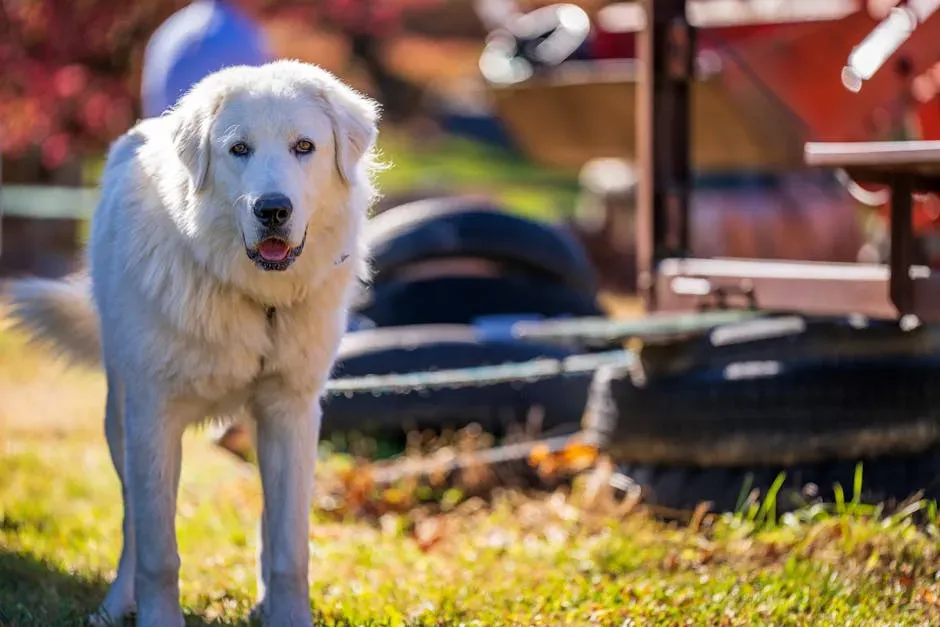
The Great Pyrenees was developed in the Pyrenees mountains between France and Spain, where nights were long, predators were real, and human lives depended on keeping livestock alive. These dogs were bred to live outdoors with their flocks, confronting wolves and other threats, often alone in the dark. Their job: stay calm, stay alert, and step between danger and the vulnerable beings they guarded – whether those were sheep or the shepherd’s family nearby.
In modern homes, that guardian DNA still hums under the surface. Great Pyrenees dogs are famous for patrolling the house or yard at night, listening for subtle sounds, and placing their large bodies physically between their family and whatever seems suspicious. Many owners are startled the first time they realize their dog has quietly positioned itself between a child and a visiting stranger or has parked at the front door during a storm. To a Great Pyrenees, being off duty is almost impossible; if something could threaten the “flock,” it has already calculated a response plan.
7. Boxer – The Courageous Guardian Who Still Thinks Your Heartbeat Is His Job
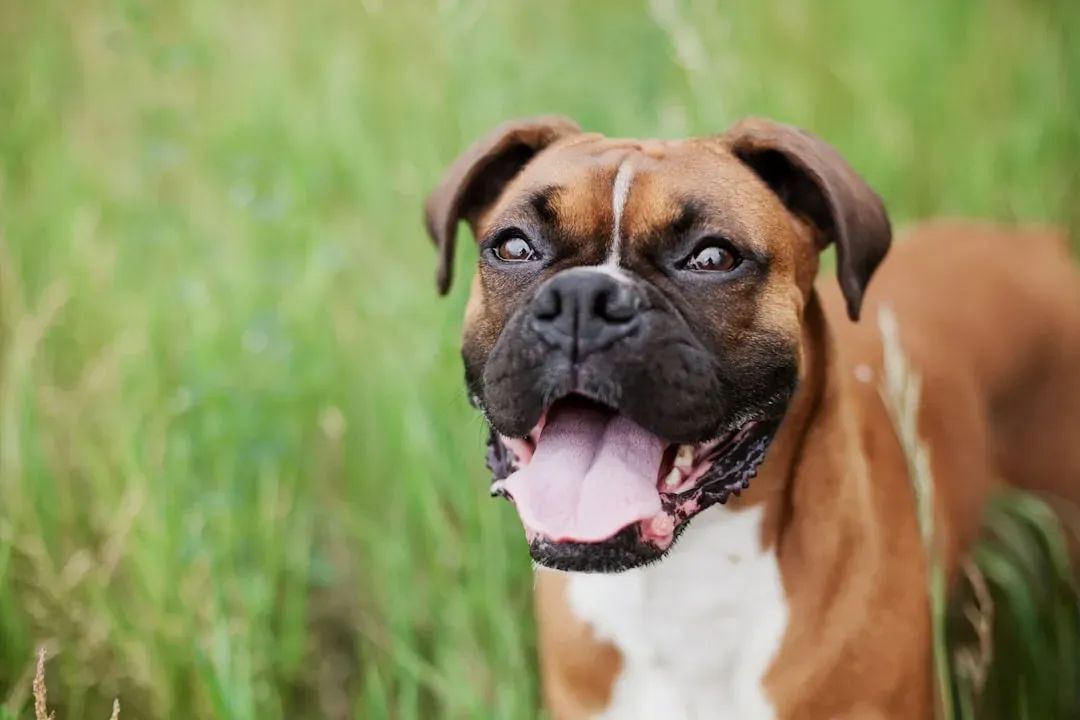
Boxers were developed in Germany from mastiff‑type dogs, originally used for hunting large game and later as guard and working dogs. During the twentieth century, they took on military and messenger roles, carrying communications across dangerous battlefields and serving as alert, resilient companions in war. They were prized for their courage, their willingness to stand their ground, and their intense attachment to their handlers.
Those traits now show up in the Boxer’s famously goofy but fiercely loyal personality. Many Boxers are astonishingly tuned in to their human’s emotional and physical state; they become serious and still when something seems wrong, often nudging or pawing until they get a response. Some are used as medical alert dogs precisely because of that sensitivity and their eagerness to intervene. A Boxer may clown around ninety percent of the time, but watch how fast the mood shifts when you cry, argue, or suddenly sit down hard. Under the silliness runs a very old program: stay close, be brave, do not let the human out of your sight.
8. Bernese Mountain Dog – The Gentle Draft Worker Who Pulled More Than Just Carts
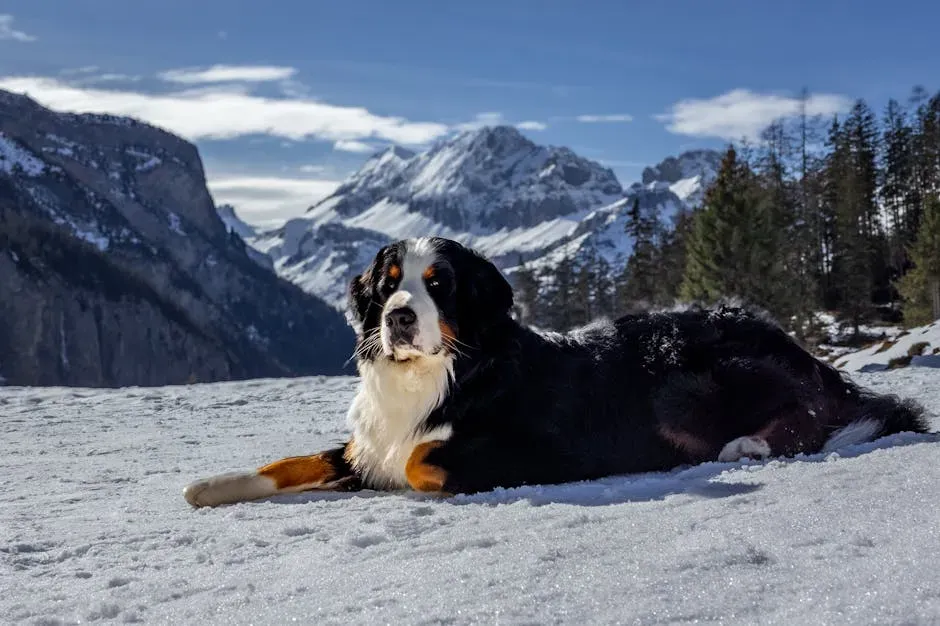
Bernese Mountain Dogs, originally from Switzerland, were bred as all‑purpose farm workers, hauling carts loaded with milk or goods, driving cattle, and standing guard. In rural communities where infrastructure was fragile and weather harsh, those tasks were not minor; moving supplies, protecting livestock, and escorting people safely could be the difference between a family making it through winter or not. Their strength, reliability, and calm nature turned them into quiet partners in survival.
In today’s world, Berners still carry that urge to help and accompany. They’re often drawn to therapy and support roles, visiting hospitals, comforting anxious children, or staying glued to owners who are going through illness or grief. They are big enough to physically brace or support people, and many will naturally lean against someone who is unsteady or overwhelmed. When a Berner plops down at your feet and refuses to move, it can feel like stubbornness – but it is just as often a kind of stubborn protection: I am here, and I’m not going anywhere until you’re okay.
9. Portuguese Water Dog – The Ocean Worker Who Treats Every Shoreline Like a Workplace
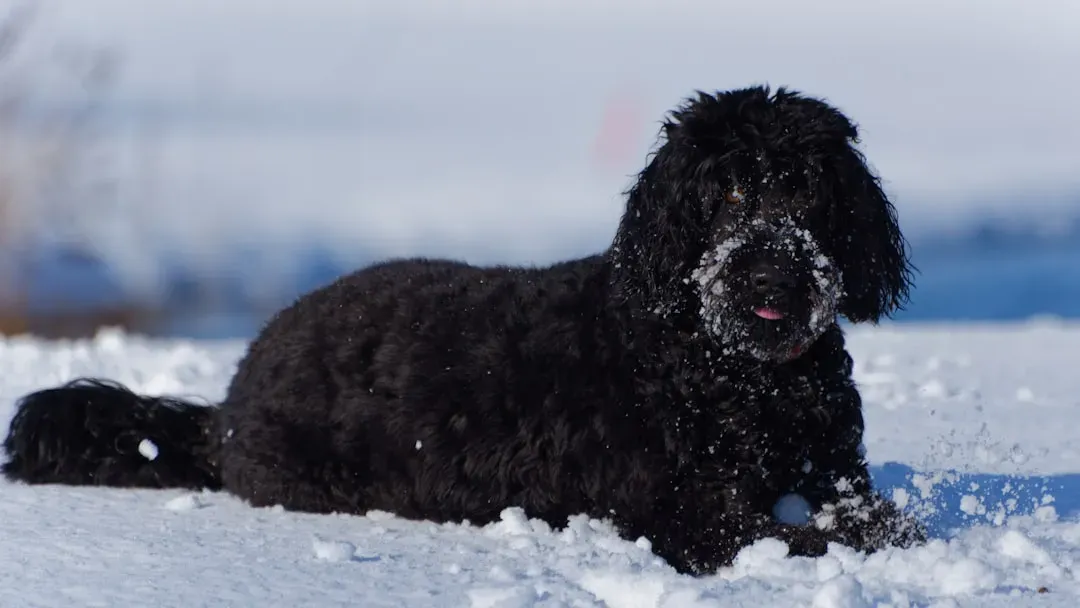
Before they ever lived in presidential mansions or city apartments, Portuguese Water Dogs worked on boats along the coast of Portugal. They were trained to carry messages between ships and shore, retrieve lost gear from the water, and even drive fish into nets. In stormy seas and unpredictable weather, a dog that could dive in, respond to commands, and bring things – and sometimes people – back to safety was a lifesaver, not a luxury.
Today, that maritime mission echoes in their behavior around water and people. Many Portuguese Water Dogs are restless if family members are swimming or surfing, pacing along the shore or leaping in to check on them. They combine agility with a strong work drive, which is why they appear in water rescue sports and sometimes in professional aquatic search roles. When one of these dogs fixates on you at the beach, staying close and scanning your face after every wave, it is easy to see that, in its mind, the ocean is still a job site and you are still its responsibility.
10. Collie (Rough and Smooth) – The Storybook Rescuer With Real‑World Instincts
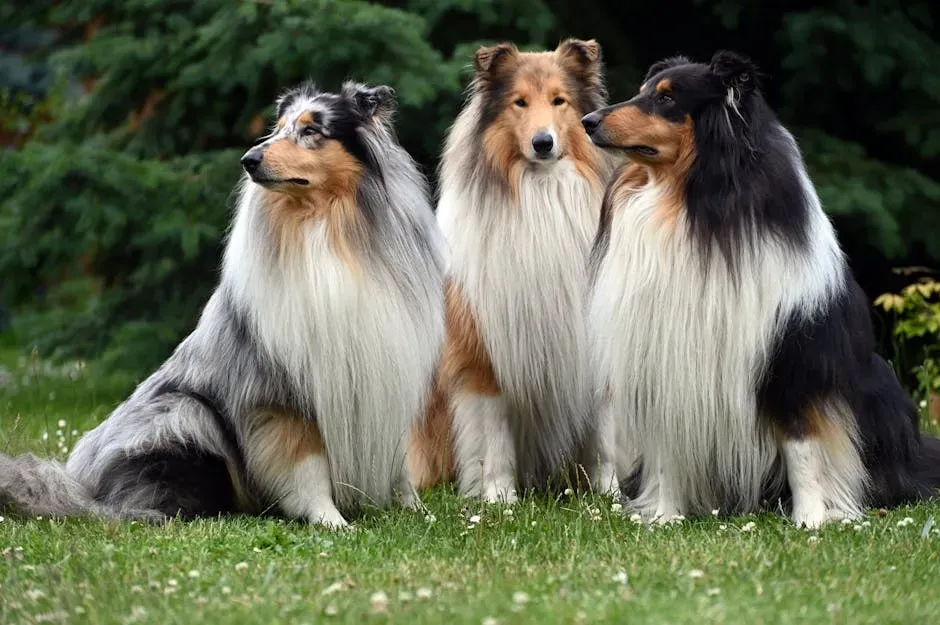
Thanks to countless films and stories, the Collie is often imagined dashing over hills to get help for someone who has fallen down a well. While the pop‑culture version is dramatized, the core idea is rooted in reality. Collies were originally bred as herding and farm dogs in Scotland and northern England, responsible for managing sheep, guiding them to safety, and alerting humans to problems. Losing animals in storms, accidents, or theft could put entire families in danger, so a Collie that noticed trouble and sought help was incredibly valuable.
Modern Collies often show that same alerting behavior with their human families. Many become visibly agitated if a child wanders off, someone collapses, or a door is left open at the wrong time, and they will bark, pace, or physically go find another human to “report” the issue. They are sensitive, watchful, and deeply attached to their people. When a Collie comes to stare at you, then trots away, then comes back, over and over, it is not being weird – it is trying to tell you that in its world, problems are meant to be noticed, communicated, and solved.
Conclusion – Dogs That Remember What We Try to Forget
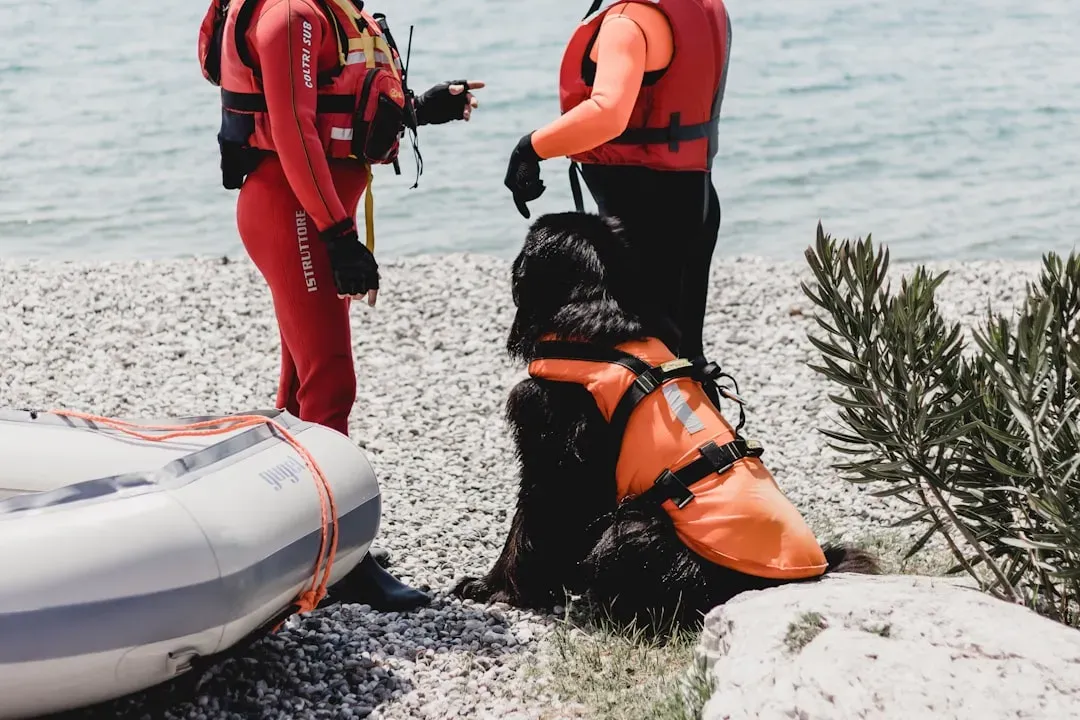
When you look across these ten breeds, a pattern jumps out: humans have repeatedly leaned on dogs when the stakes were unbearably high. Whether it was avalanches, war zones, open oceans, or remote farms, we bred certain dogs to notice danger before we did and to act when we froze, fell, or disappeared. Even now, in an age of GPS, drones, and emergency apps, many of these breeds are still on the front lines of search‑and‑rescue, therapy, medical alert, and protection work, quietly proving that their original purpose never really expired.
I think that is why their behavior can feel almost supernatural at times. They are not just pets; they are descendants of workers who were trusted with human lives, and that responsibility still shapes how they move through the world. So the next time your Saint Bernard insists on lying across your feet, your Labrador checks every room at night, or your Great Pyrenees plants itself between you and the dark, it might be worth asking yourself a different question: maybe this is not overprotectiveness at all – maybe this is what memory looks like in a species that never forgot its job. Did you expect so many of today’s cuddly companions to have such serious, life‑saving pasts woven into their bones?


