
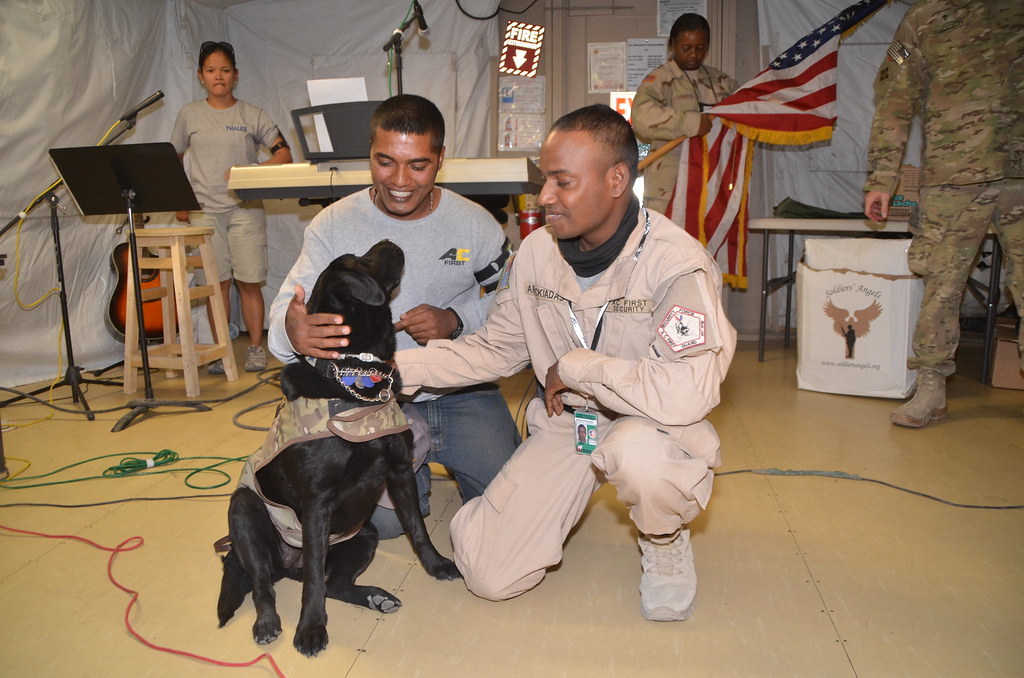
Bringing home a shelter dog is a beautiful mix of joy and heartbreak. You’re giving a second chance to an animal who may have no idea that the scary part of their story is finally over. What feels like a fresh start for you can feel like landing on another planet for them.
Many new adopters are surprised when their sweet, quiet shelter dog becomes anxious, clingy, or even a little naughty at home. That doesn’t mean you made a mistake. It usually just means your new dog is overwhelmed and still trying to figure out if you’re safe, if food will keep coming, and if this home is really forever. Let’s walk through practical, science-based, and deeply compassionate ways to help them settle in.
1. Embrace the 3-3-3 Rule: Adjustment Takes Time, Not Magic
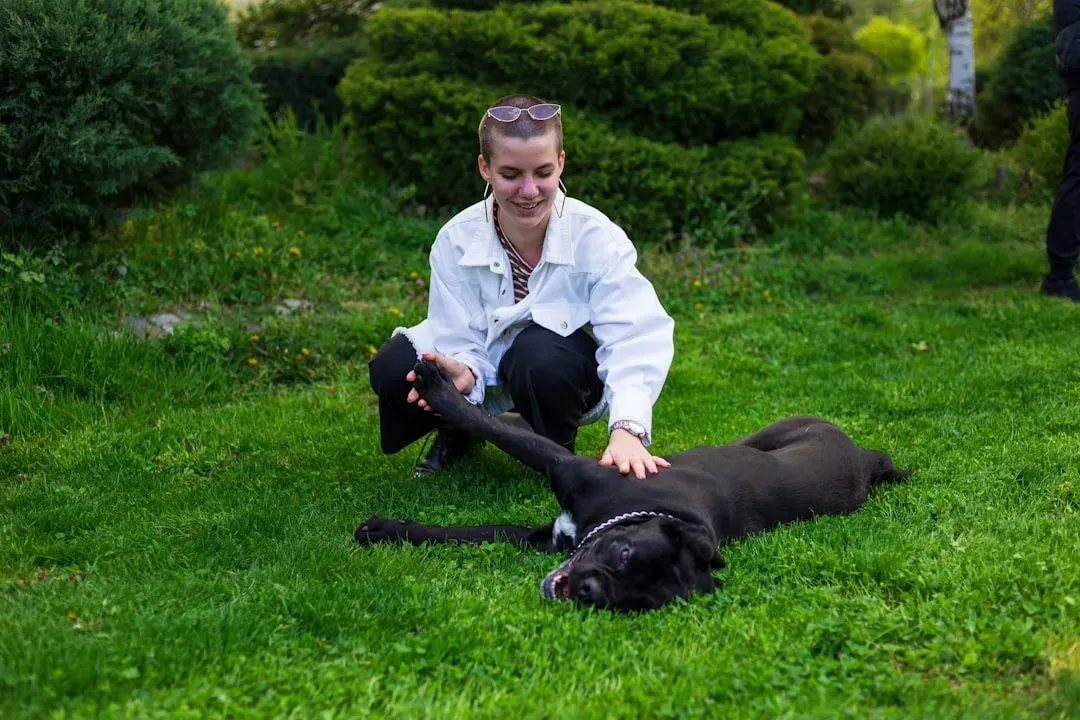
One of the most shocking things for new adopters is realizing how long it really takes a dog to relax in a new home. A common framework used by trainers and behavior professionals is the 3-3-3 rule: roughly three days to decompress, three weeks to start learning the routine, and around three months to truly settle into their new life. It is not a scientific law, but it is a helpful reminder that you are in a marathon, not a sprint.
In the first days, your dog may sleep a lot, pace, have accidents, or seem distant. By a few weeks, you may see more of their personality – both the adorable quirks and the tricky behaviors that were hidden at first. Around a few months, many dogs start to feel safe enough that you see their real selves. Treat this timeline as a guide to adjust your expectations, not a deadline your dog must meet.
2. Start Small: Limit Their Space at First

It feels kind to let your new dog roam the whole house, but for a stressed brain, too many choices can be terrifying. Imagine waking up in a stranger’s mansion with doors everywhere and no idea where you are allowed to be. For many shelter dogs, a smaller, clearly defined area is much more comforting than total freedom.
Use baby gates, closed doors, or exercise pens to create a cozy “launch zone” like your living room or bedroom. Set this area up with a bed, water, safe chew toys, and maybe a crate with the door open if they seem comfortable. Over time, you can slowly give access to more rooms as they show you they are feeling calmer and more settled.
3. Create a Safe Haven: A Place That Is Theirs Alone
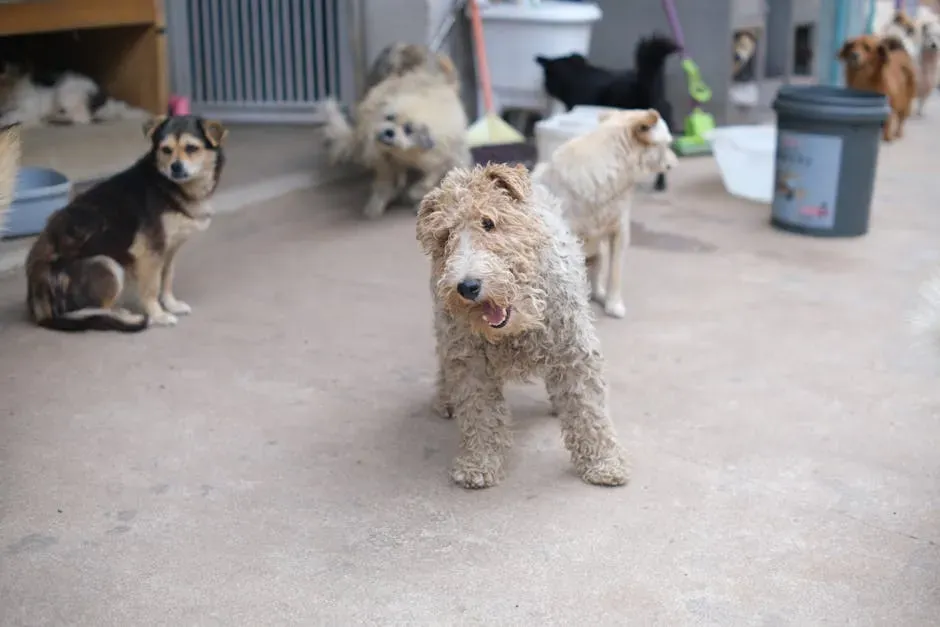
Every dog adjusting to a new home needs at least one spot where nothing bad ever happens. No nail trims, no scolding, no kids climbing on them – just safety, quiet, and rest. This “safe haven” can be a crate, a corner with a bed, or even a specific spot under a table if that is where your dog naturally gravitates.
Make this area soft, predictable, and peaceful. You can add a piece of your worn clothing for your scent, soft lighting, and a long-lasting chew or food puzzle to work on quietly. When your dog chooses to retreat there, let them be. Giving them control over when to rest and when to interact builds trust faster than constant attention ever will.
4. Move Slowly with New People, Animals, and Experiences
It is so tempting to show off your new best friend to everyone you know right away. But from your dog’s perspective, this can feel like being on stage every day while they are still jet-lagged from a long emotional journey. Even friendly dogs can become overwhelmed by a flood of visitors, new dogs, or loud outings in the first few weeks.
Instead, start with a quiet, low-key routine and introduce new people or animals gradually. Let your dog approach at their own pace instead of being pulled toward someone. Watch for subtle signs of stress like lip licking, yawning, looking away, or a tense body. If you see those, give them space and slow things down – your job is to be their advocate, not their booking agent.
5. Use Food as a Bridge: Build Trust Through Positive Associations

From a behavioral science perspective, food is one of the most powerful tools you have to change how a dog feels about the world. When something good consistently predicts something delicious, the brain starts to feel safer in that situation. This is why many trainers say that feeding is not just nutrition – it is communication.
You can scatter a handful of kibble in the yard to encourage sniffing and natural foraging, which is calming for many dogs. Offer small, tasty treats when they see something new, like a neighbor walking by or a car door slamming, so those things start to mean good things are coming. Just be careful not to push food on a terrified dog who is too stressed to eat; in that case, step back and focus on giving space and quiet until their appetite returns.
6. Build a Predictable Routine: Safety Lives in Patterns
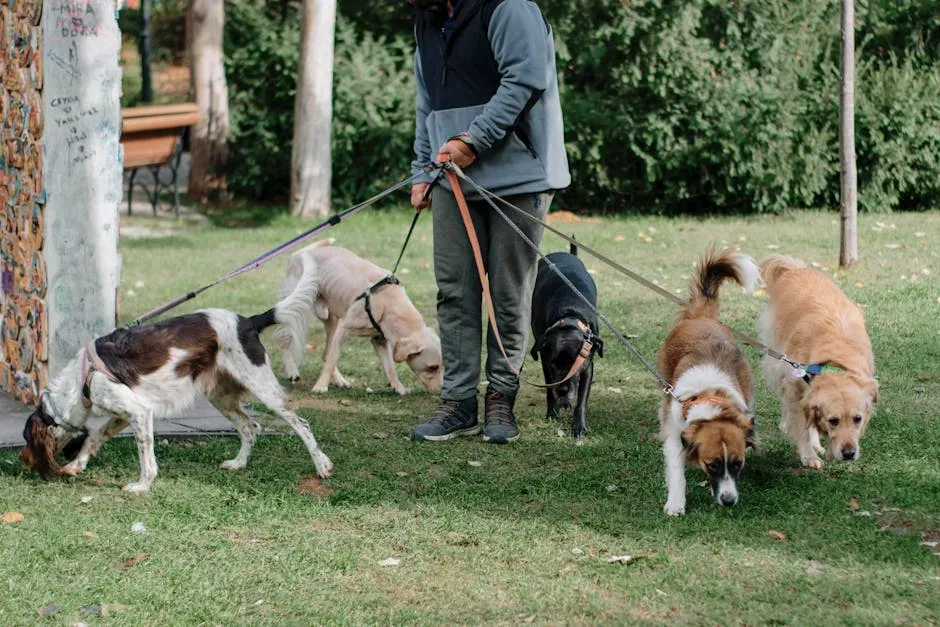
Shelter dogs often come from chaotic backgrounds: inconsistent feeding, unpredictable people, or even periods of neglect. One of the kindest things you can give them now is a world that makes sense. A predictable routine actually changes how safe the brain feels, because the dog can start to predict what happens next instead of staying on high alert all day.
Try to feed, walk, and rest around similar times each day, especially in the first few weeks. Your schedule does not need to be perfect, but the general pattern matters. When your dog learns that morning means breakfast and a walk, afternoon means naps, and evening means calm family time, many behavior issues start to soften without any fancy training at all.
7. Focus on Gentle, Reward-Based Training from Day One
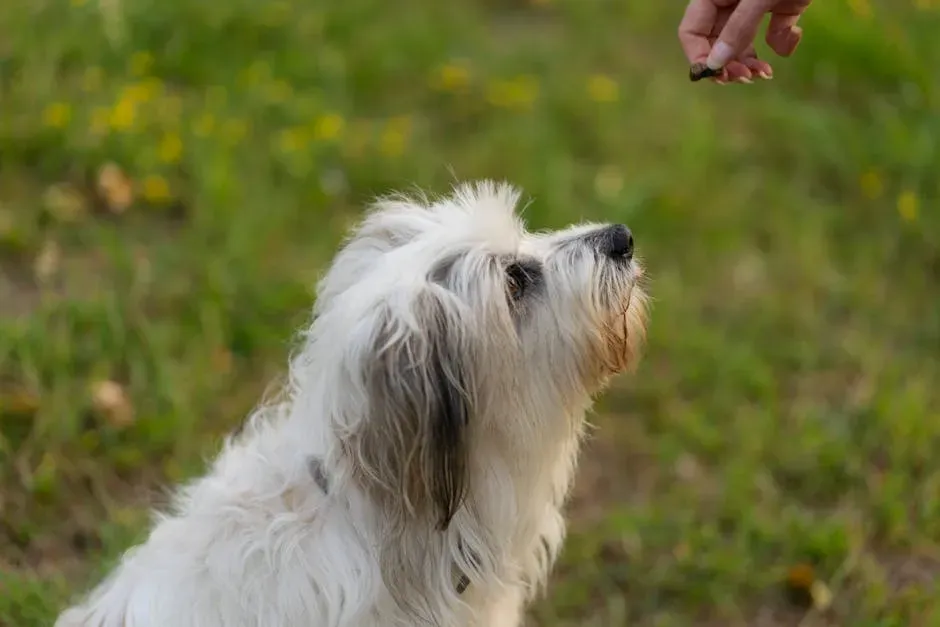
Training is not just about teaching commands; it is about teaching your dog how to navigate human life safely. Modern behavior science strongly supports reward-based methods that focus on reinforcing what you like instead of punishing what you do not. For a shelter dog who may have experienced rough handling in the past, this is non-negotiable if you want real trust.
Start with simple skills like responding to their name, coming when called indoors, and sitting for meals or leashes. Keep sessions very short, fun, and full of rewards like tiny treats, play, or praise. If you find yourself getting frustrated, it is a sign to take a break rather than push harder. Punishment may stop a behavior in the moment, but for a sensitive, newly-adopted dog, it can also teach that humans are unpredictable and scary – exactly the opposite of what you want.
8. Expect Some “Ugly Middle” Behaviors and Plan Ahead
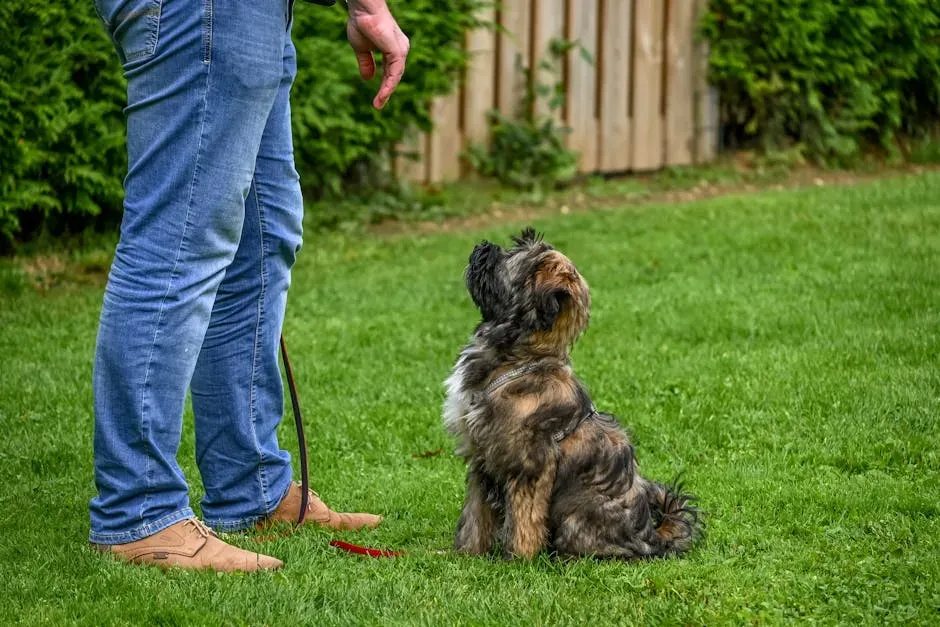
Many people experience what feels like a honeymoon period in the first days where their new dog is calm and quiet. Then, as the dog settles in, you may start to see barking at the window, chewing, guarding toys, or separation anxiety. This “ugly middle” can be upsetting, but in reality it is often a sign that your dog finally feels safe enough to show you how they really feel.
Instead of panicking, treat these behaviors as information. A dog who panics when you leave might be telling you that they have never felt secure being alone. A dog who guards food or toys might have gone hungry before. You can work with a qualified force-free trainer or behavior consultant if things feel out of your depth. Planning for this messy phase from the start helps you respond with compassion rather than disappointment.
9. Protect Their Sleep and Decompression Time

Stress is exhausting, and moving homes is one of the biggest stressors in a dog’s life. Just like humans after a major life change, many shelter dogs need extra sleep and quiet time to process everything. Constant stimulation – more walks, more training, more outings – can actually make adjustment take longer because their stress hormones never get a chance to settle.
Watch how much your dog is truly resting, not just lying awake and alert. Give them several blocks of uninterrupted quiet each day with no handling, play, or visitors. If there are kids in the home, set clear rules that when the dog is on their bed or in their safe space, they are off-limits. A well-rested brain learns faster, reacts less intensely, and is much better equipped to build new, positive associations.
10. Be Honest About Your Dog’s Needs and Get Support Early
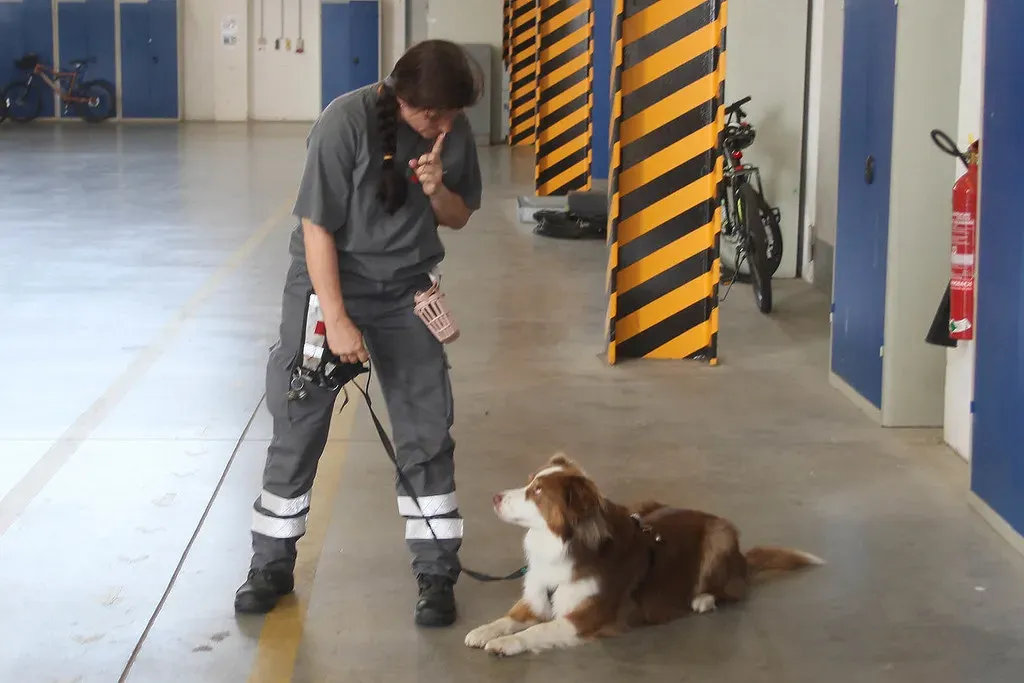
One of the most compassionate things you can do – for both you and your dog – is to be honest when you are struggling. Some shelter dogs slide into their new lives with minimal bumps, while others bring serious anxiety, fear, or reactivity. Pretending things are fine while you are overwhelmed helps no one and can quietly erode the bond you are trying to build.
Reach out early to your rescue, veterinarian, or a certified reward-based trainer if you see worrying signs like intense fear, aggression, or nonstop panic when alone. Getting help is not a sign you are failing; it is a sign you are taking this commitment seriously. I have seen many pairs – people who were on the brink of giving up and dogs who looked completely shut down – transform once they had the right guidance and realistic expectations in place.
Conclusion: Your Patience Becomes Their New Story

Adopting a shelter dog is not just about saving a life once; it is about rewriting the rest of their story day after day. The small, unglamorous choices you make – shutting a door to give them quiet, slowing introductions, using treats instead of scolding, asking for help before things spiral – are what teach them that this time, they really are home. It is rarely as fast or as tidy as the heartwarming videos online, but it is often deeper and more meaningful than you expect.
In my experience, the dogs who start out the most scared often become the ones who burrow into your life the deepest, precisely because trust was hard-won. When you look back a year from now and realize the nervous, wide-eyed dog who once paced your hallway is now snoring upside down on your couch, you will see how every patient, compassionate choice added up. When you picture your own dog’s journey, which part of their story are you ready to help rewrite first?


