
Bringing home is a strange mix of joy and mystery. You’re not just getting a pet; you’re adopting a whole backstory you may never fully know, including what they were (or weren’t) taught about going to the bathroom. That uncertainty can be intimidating, but it’s also exactly why a smart, structured approach to house training matters so much.
When I adopted my last dog from a shelter, I assumed “adult dog” meant “already house trained.” I was wrong. For the first week, my living room rug was basically a crime scene. Once I stopped guessing and started treating him like a brand‑new learner, everything changed. The good news: almost any healthy dog can learn solid house manners with the right plan, consistency, and a bit of empathy for the baggage they might be carrying.
Start With a Clean Slate and Realistic Expectations
The most surprising truth about shelter dogs is that age and past life tell you almost nothing about their house training skills. A dog may have lived indoors before but only had patchy rules, or maybe they were kept outside most of the time and never really had to “hold it.” Expecting a newly adopted dog to instantly understand your rules is like expecting a new roommate to magically know your weird dishwashing system on day one.
The best mindset is to assume your shelter dog is not house trained at all, even if staff say they seem to “know” something. That doesn’t mean doubting the shelter; it means protecting your floors and your relationship by over-preparing. Treat this like a fresh start: you’re building a shared language and a new routine from scratch. When accidents happen – and they will – you’ll handle them as information, not betrayal.
Create a Predictable Routine Around Food, Water, and Sleep
Dogs are biological clocks with fur. Their bodies love predictability, especially after the chaos of shelters, where noise, lighting, feeding times, and stress levels constantly change. One of the fastest ways to make house training easier is to regulate when food and water go in and when opportunities to go out are offered. You’re basically turning random elimination into a schedule you can anticipate.
Feed at consistent times, ideally twice a day for most adult dogs, and pick up any unfinished food after about twenty minutes. Offer water regularly, but try to avoid constant free-flow access right before bed if your vet agrees it’s safe for your dog. Take them outside first thing in the morning, after meals, after play, after naps, and right before bed. Within a few days, you’ll start to see patterns that make everything feel less like guesswork and more like a formula.
Use Crates and Confinement the Right Way (Not as Punishment)
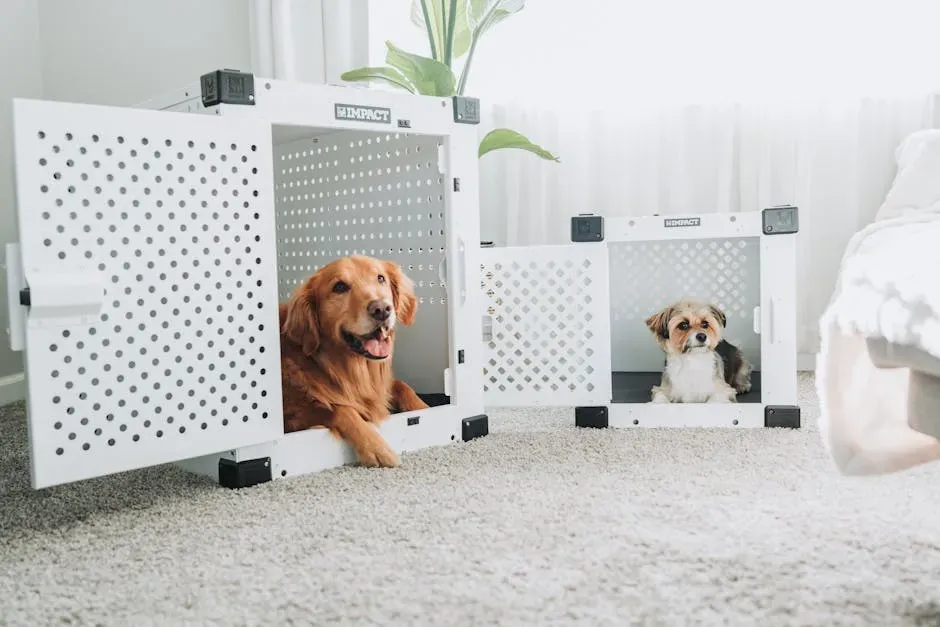
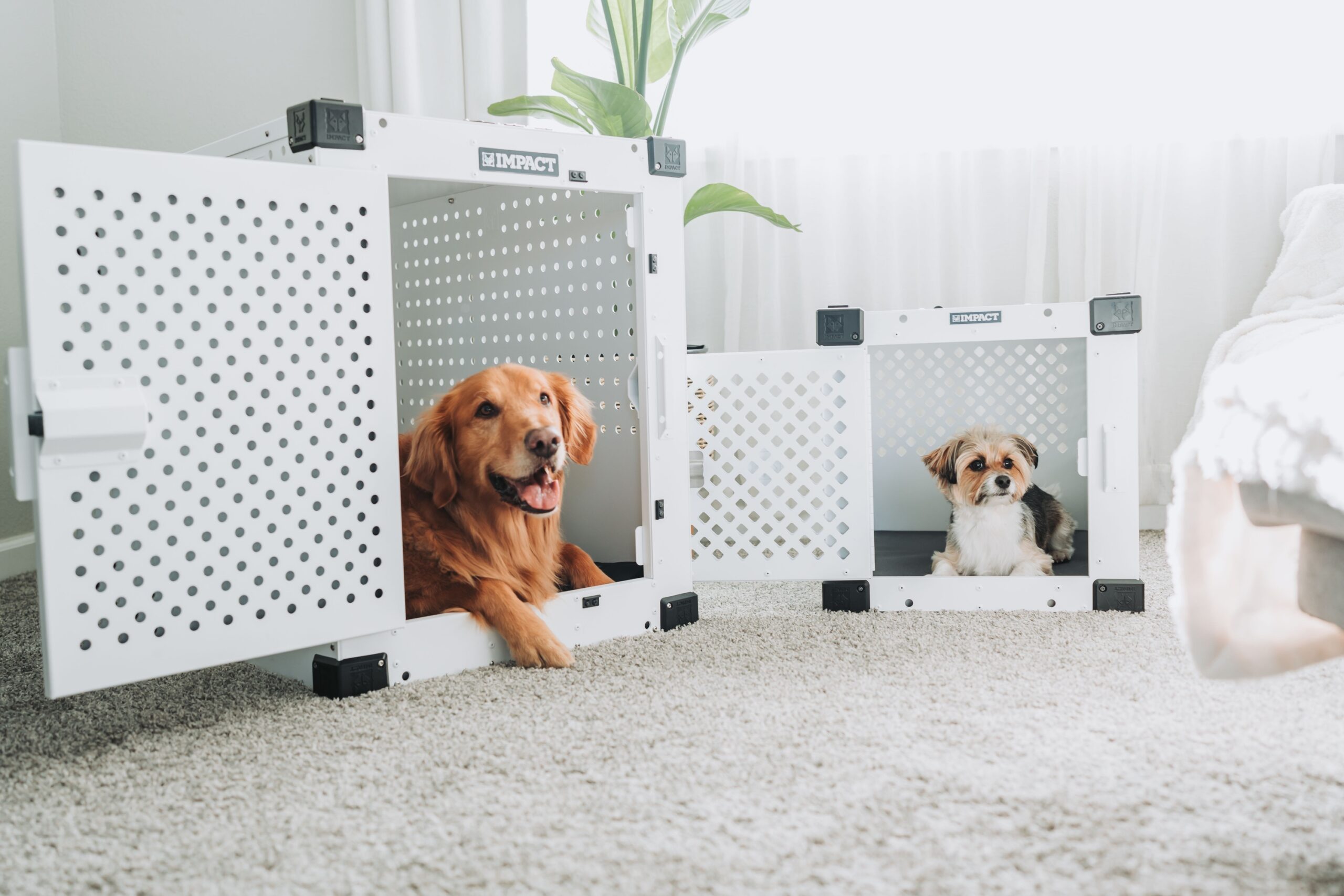
Crates can be one of the most powerful tools in house training, but they’re also one of the most misunderstood. A properly sized crate taps into a dog’s natural tendency to keep their resting area clean, which helps them learn to hold their bladder and bowels for short, appropriate periods. For a dog who has bounced around homes or kennels, a crate can also feel surprisingly safe – like finally having their own bedroom.
The mistake many people make is treating the crate like a jail cell or a punishment zone. A crate should be introduced slowly with comfortable bedding, calm praise, and maybe a special chew that only appears in that space. Start with short sessions while you’re home so your dog doesn’t associate the crate only with you leaving. Over time, you can pair crate time with sleep and quiet, making it easier to prevent unsupervised accidents and protect both your dog’s confidence and your carpets.
Master the Timing: When and How to Take Them Out
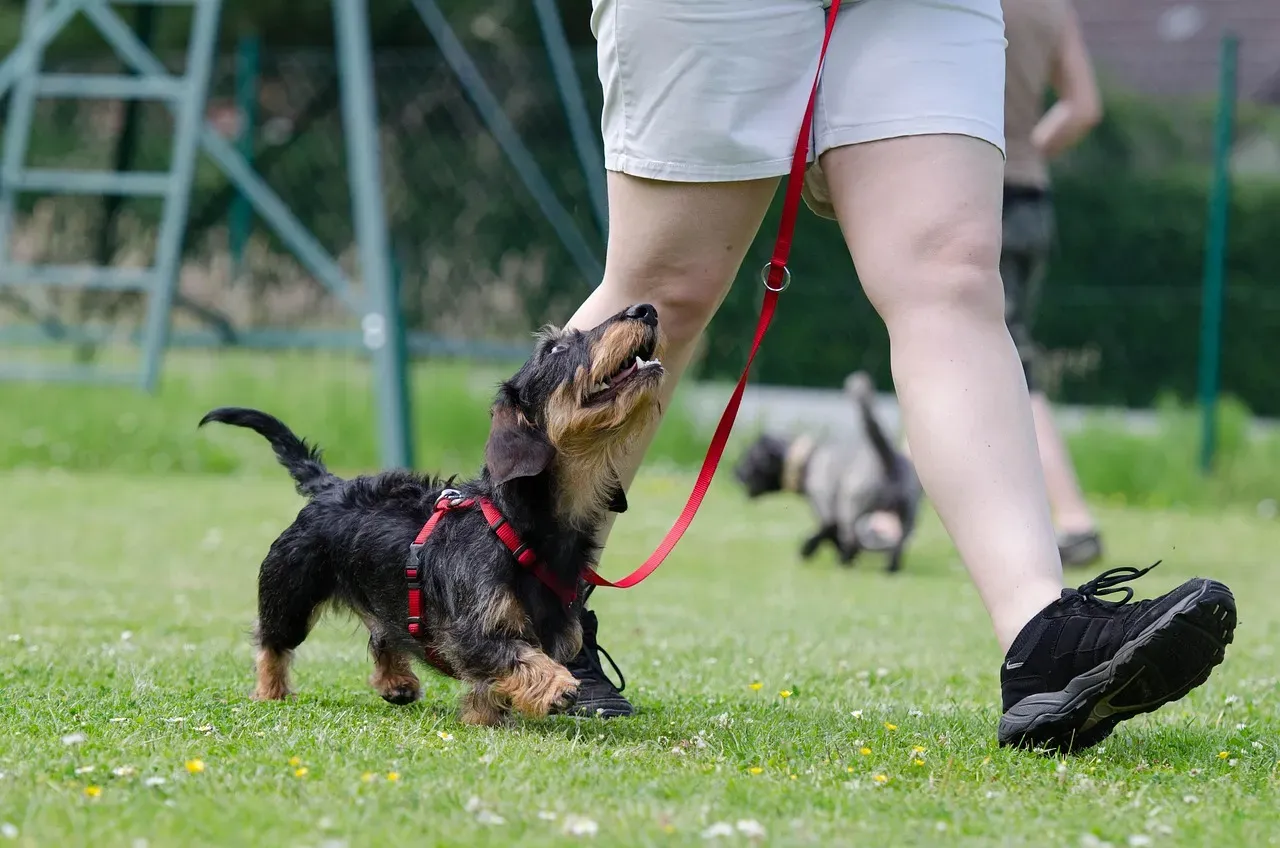
House training is, at its core, an exercise in timing. The more precisely you match bathroom breaks to when your dog actually needs to go, the faster they’ll understand what’s expected. Right after waking up, after eating or drinking, after playing, and every couple of hours during the day are your prime windows. This might feel intense for a week or two, but it’s a short, focused investment for a long-term payoff.
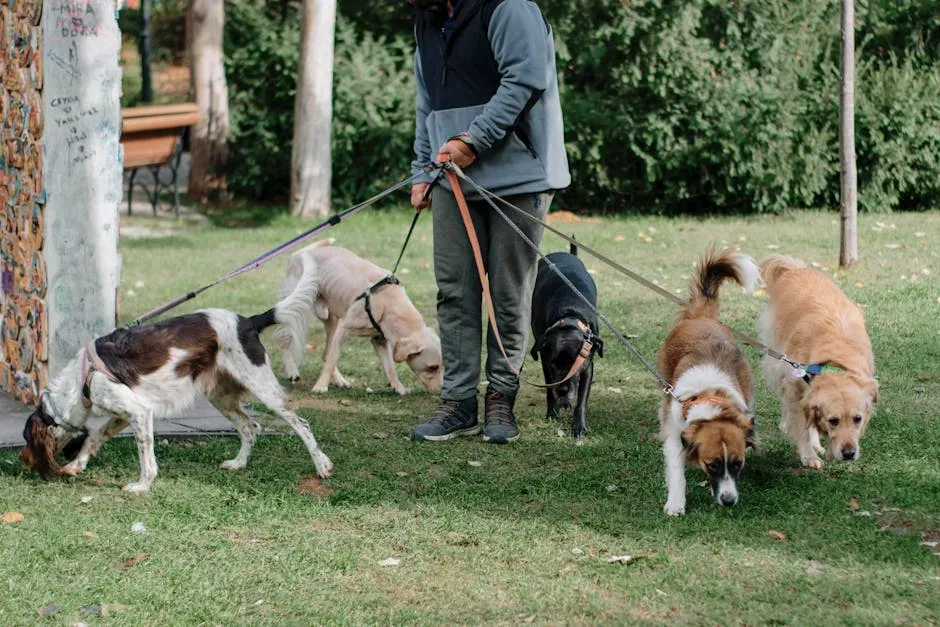
When you take your dog outside, bring them to the same general spot on a leash and stay relatively boring – no big games, no long sniff tours at first. Give them a simple, calm cue word as they start to go, then quietly praise and offer a treat immediately after they finish. Only then break into playtime or a short walk. This pattern teaches a brutally clear lesson: going in the right place makes good things happen fast.
Reward the Right Behavior Like It’s Your Full-Time Job
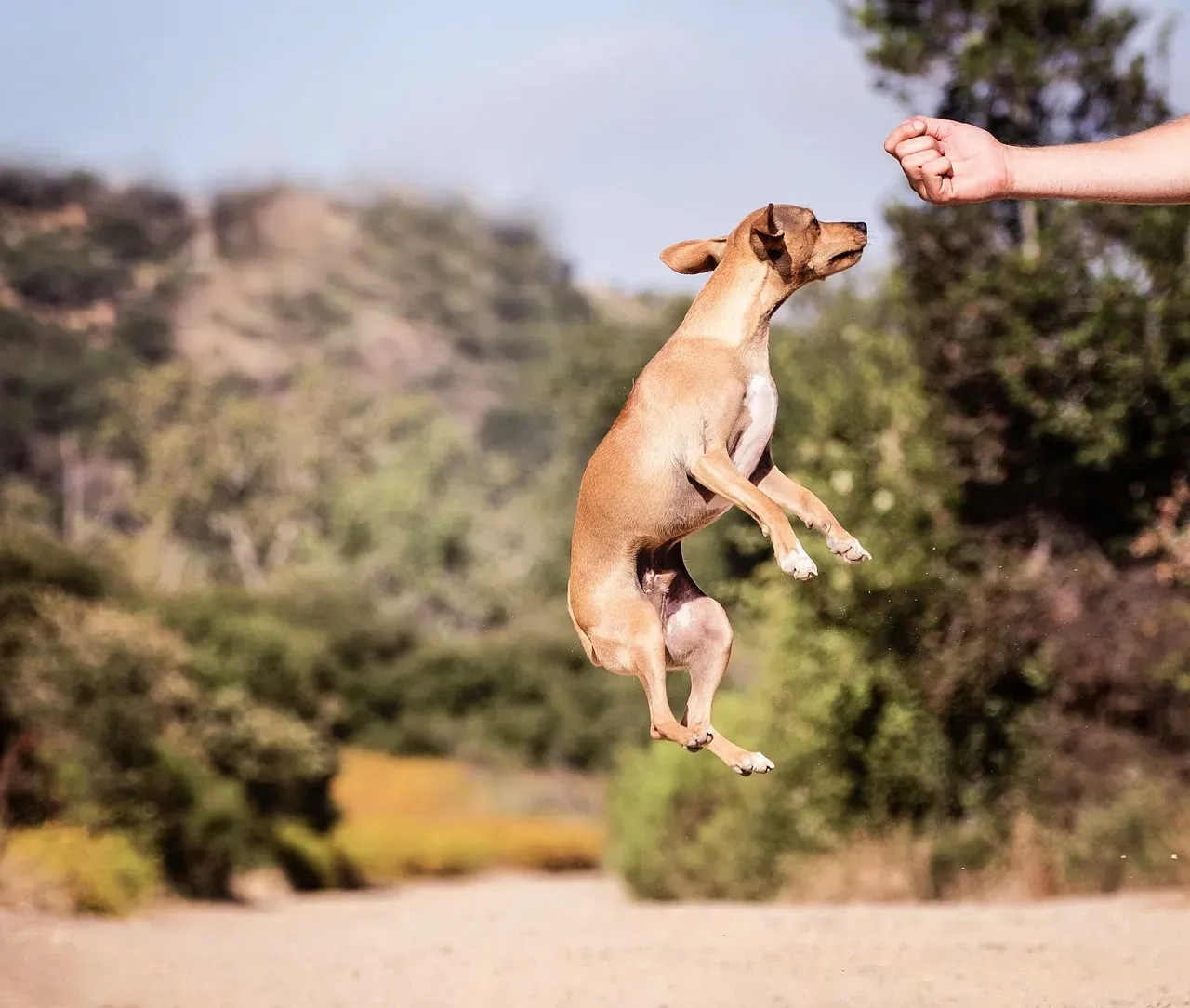
If there’s a hill worth dying on in dog training, it’s this one: reward what you want, consistently, and you’ll get more of it. For shelter dogs, who may have survived chaos, neglect, or mixed signals, clear positive reinforcement is not just training – it’s therapy. Every time they eliminate outdoors and you gently celebrate, you’re helping rewrite their understanding of how to behave in a home.
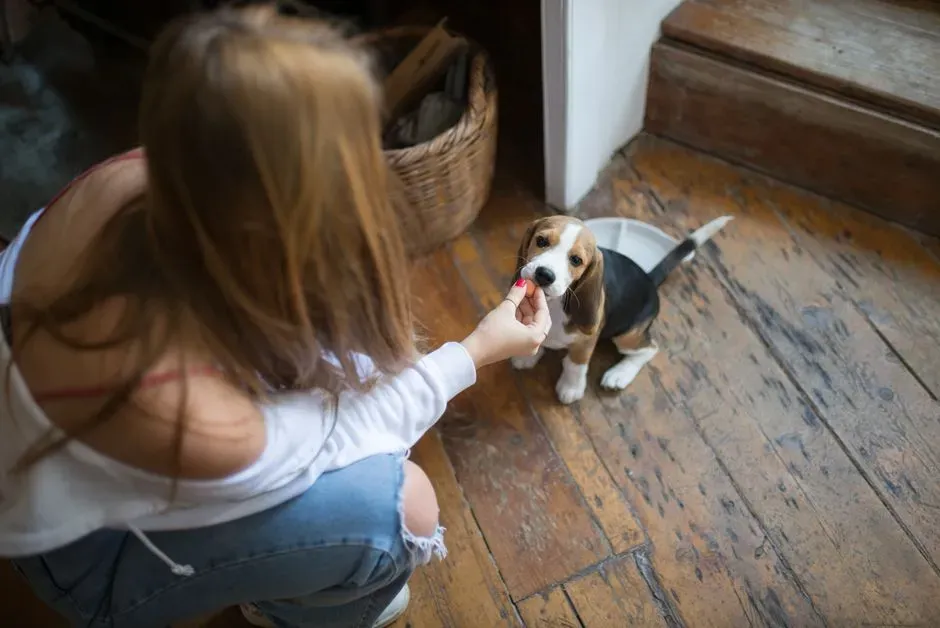
Have small, high‑value treats ready whenever you step outside for a bathroom break. The timing matters more than the type of treat: reward within a second or two of them finishing, not when you’re back inside. Pair that with a calm, happy tone and maybe a short play session. Over a few days, the dog starts connecting the dots: going here, not there, reliably makes life better. That’s the exact association you want.
Handle Accidents Calmly and Clean Up Like a Scientist
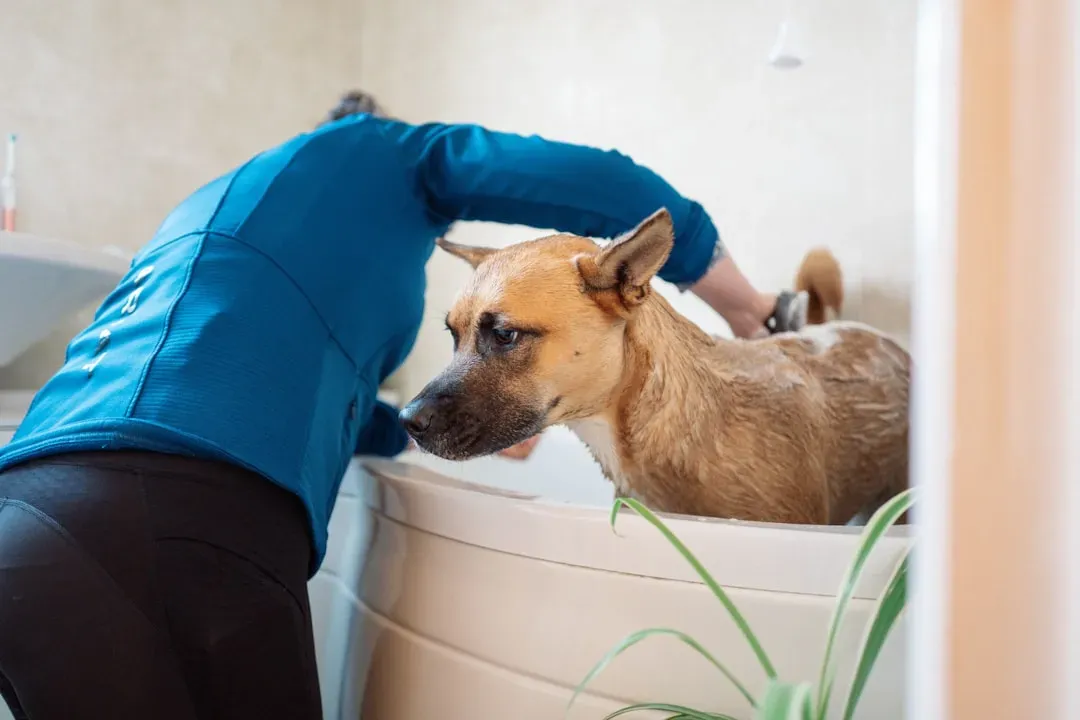
Accidents will happen, especially in the early weeks, and how you respond can either speed up learning or set you back. Yelling, scolding, or rubbing a dog’s nose in a mess does not teach them where to go; it only teaches them that you are unpredictable and scary around urine and feces. Many dogs just learn to hide and go behind the couch instead, which is the opposite of helpful.
Instead, interrupt gently if you catch them mid-accident – clap softly or say their name – then guide them outside to finish if possible. Afterward, clean the area thoroughly with an enzymatic cleaner designed specifically for pet mess. These products break down the scent markers that tell the dog “this is a bathroom spot now.” Think of it like erasing a map your dog would otherwise keep following.
Support Anxious or Trauma-Exposed Dogs With Extra Patience
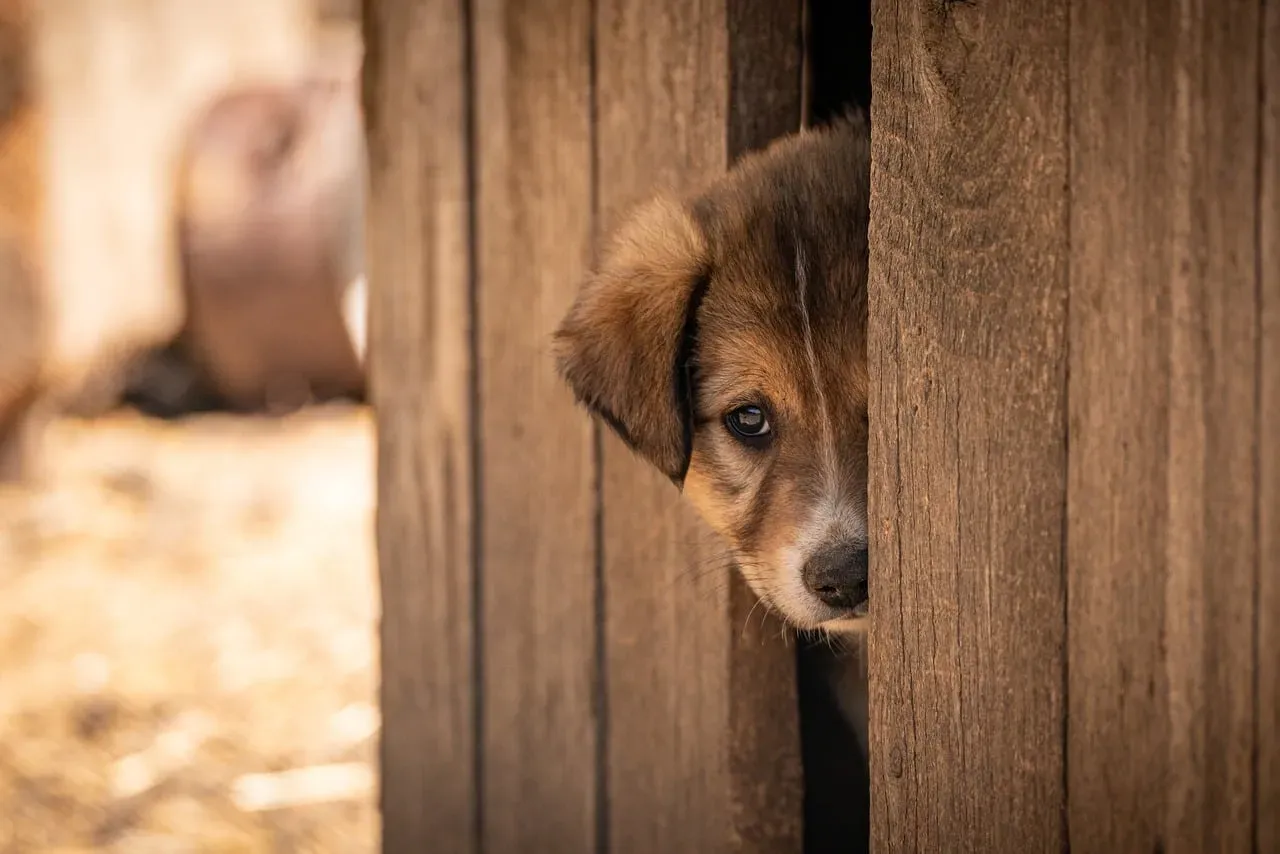
Many shelter dogs are not blank slates; they’re carrying invisible bags packed with fear, confusion, or past mistreatment. Stress affects the body, including digestion and bladder control. A dog that is trembling in a new environment or panicking when left alone may have more accidents, not because they are stubborn, but because their nervous system is overwhelmed. You’re not just house training – you’re rebuilding trust.
For these dogs, go slower, lower your expectations, and pair every bathroom break with calm reassurance rather than pressure. Keep the environment as predictable as possible: same doors, same route to the yard, same gentle tone. If you notice frequent loose stools, excessive drinking, or urination that seems out of control, involve a veterinarian to rule out medical issues. It’s not “spoiling” a dog to adapt the training plan to their emotional needs; it’s just good, humane science.
Know When to Call in a Vet or Behavior Professional
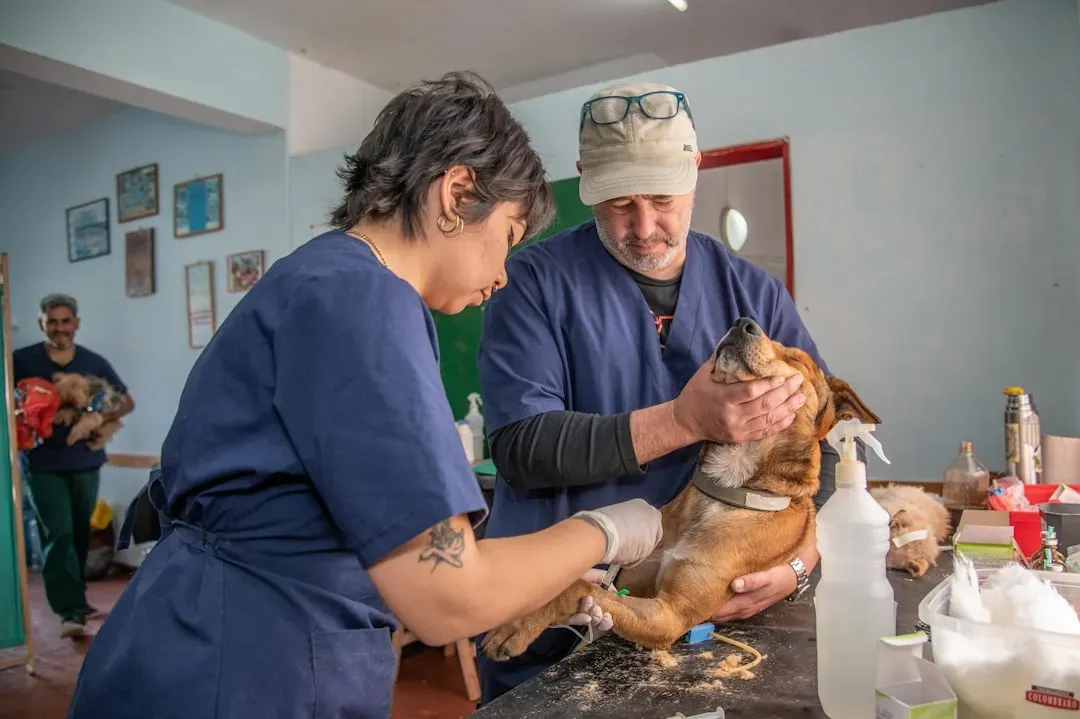
Sometimes, despite doing everything “right,” house training still feels stuck. Maybe your dog is having frequent accidents after weeks of routine, or they seem to dribble urine without realizing it. Medical conditions like urinary tract infections, incontinence, gastrointestinal disorders, or hormonal issues can all sabotage even the best training plans. In those cases, more treats or tighter schedules won’t fix what is essentially a health problem.
If your gut tells you something is off, listen to it and talk to a veterinarian. If your dog gets a clean bill of health but the accidents continue, a qualified trainer or behavior consultant who uses modern, reward‑based methods can help spot subtle patterns you may be missing. There’s no medal for struggling alone. Getting expert eyes on the situation often turns a frustrating stalemate into a clear, manageable plan.
Conclusion: House Training Is a Relationship, Not Just a Rule
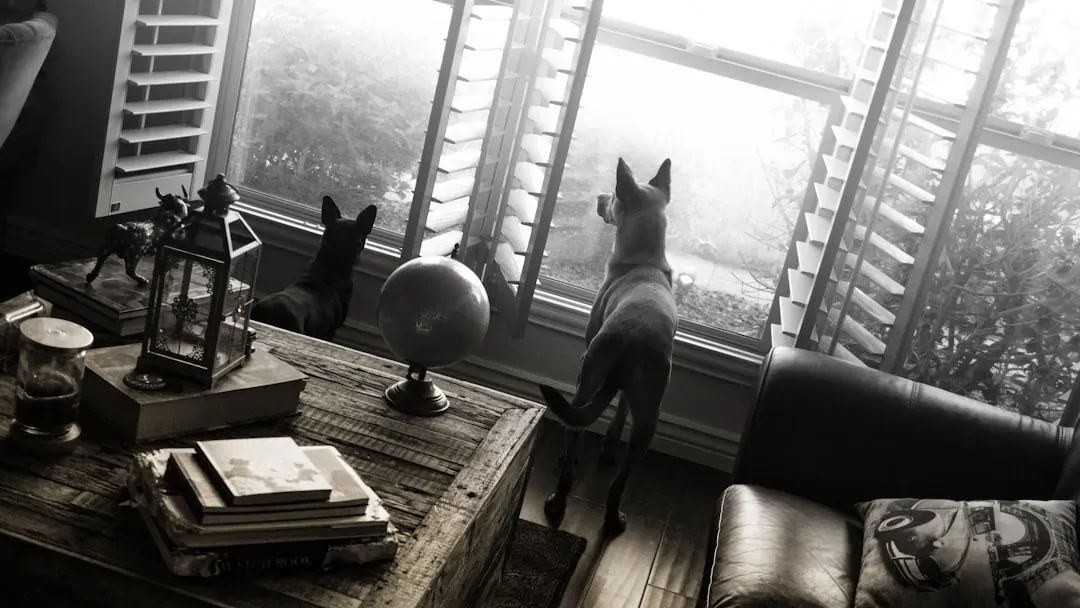
House training is not just about teaching them where to pee; it’s about teaching them that your home is a safe, predictable place where their needs will be met and their mistakes will not ruin everything. In my view, people obsess too much over spotless floors and not enough over the emotional safety that actually makes good behavior possible. A dog that trusts you, understands the routine, and feels genuinely rewarded for doing the right thing will almost always get there.
If you go into this process expecting perfection in a week, you’ll probably be disappointed and unfair to your dog. But if you treat house training as a short, intense season of guidance, patience, and science-backed habits, you’ll come out with more than a clean house – you’ll have a dog who finally believes they’re home for good. When you look back a few months from now, will you remember the early messes, or the moment you realized they hadn’t had an accident in weeks?


