
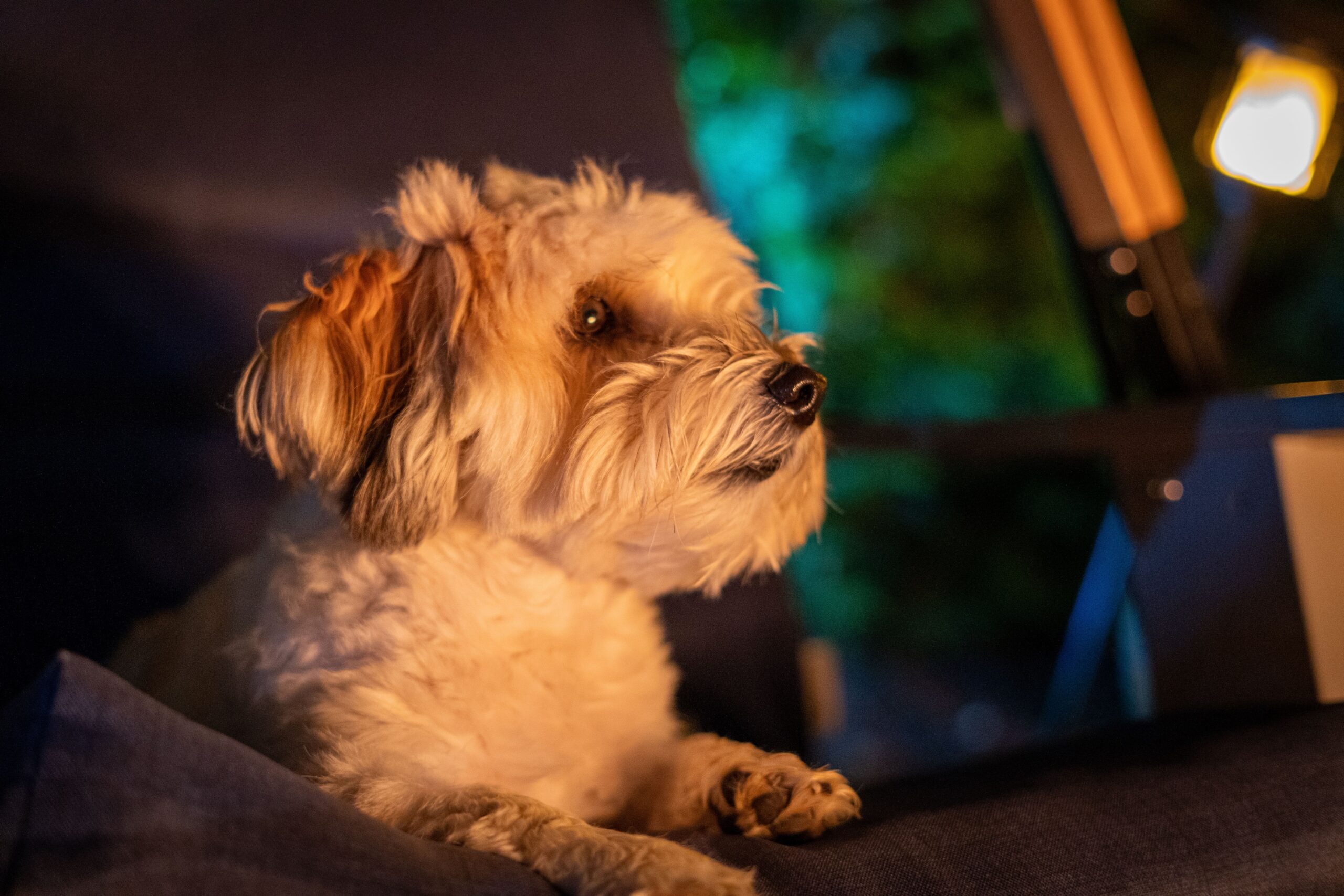
Walk into a dark room, switch on the light, and picture your dog freezing mid‑prowl like a furry teenager caught sneaking snacks at 2 a.m. Our dogs live an entire secret life while we are asleep, and science, behavior research, and a bit of late‑night observation are finally letting us peek behind the curtain.
Some of what they do is adorable, some is surprisingly strategic, and some is a little eerie once you really think about it. From replaying their day in vivid dreams to silently patrolling the house like a security guard that works for belly rubs, your dog is far busier at night than you’d ever guess. Let’s lift the veil on those quiet hours and see what is really going on.
1. Replaying the Day in Vivid, Story‑Like Dreams
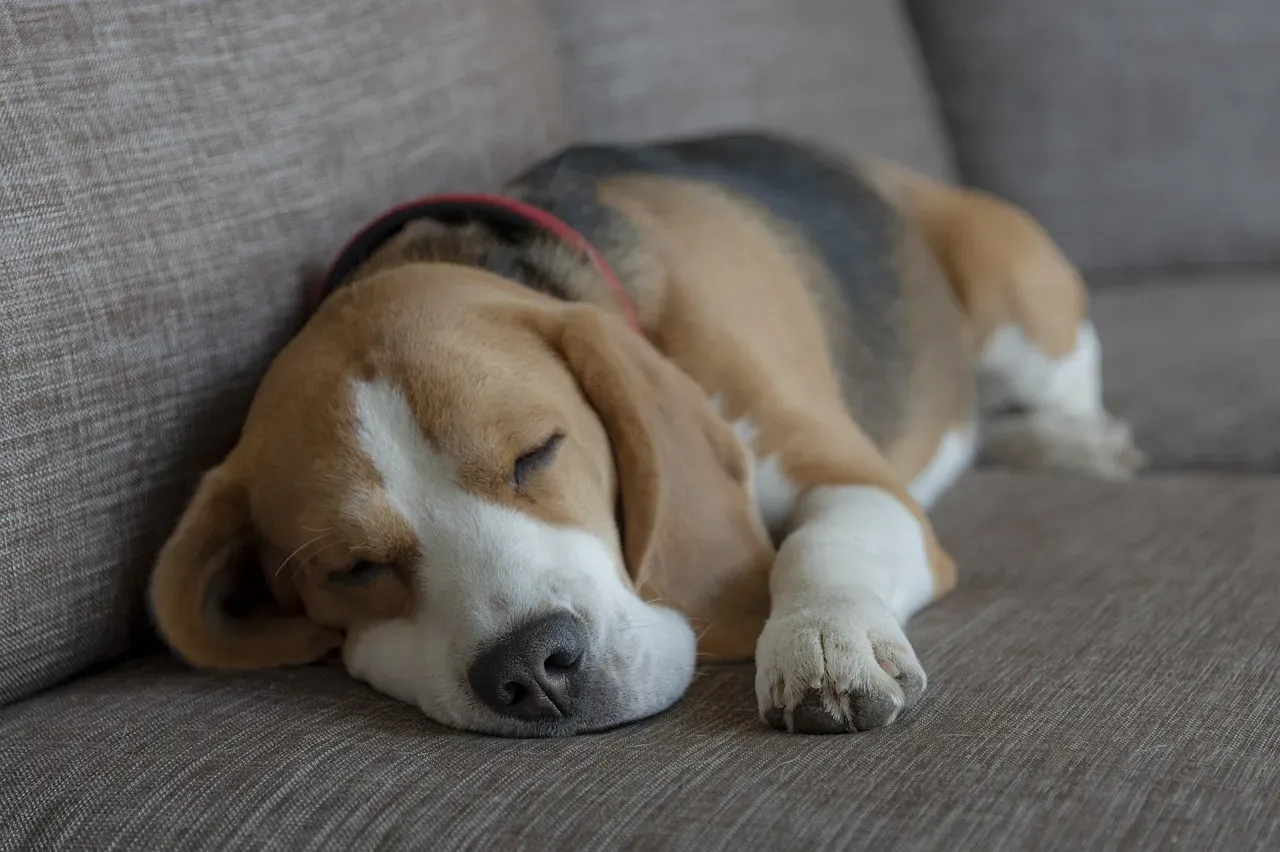
If you have ever seen your dog twitch, paddle their paws, or whine softly in their sleep, you have probably wondered what kind of “movie” is playing in their head. Sleep research on dogs shows they experience similar stages of sleep to humans, including deep and rapid eye movement sleep where complex dreaming happens. That means when their legs start moving, they really might be “chasing” something in a dream that feels almost lifelike to them.
Scientists think dogs replay recent experiences in their dreams, the way our brains reprocess memories of a long day. So that park walk, the argument with the vacuum cleaner, and the squirrel they almost caught may all be getting re‑run at night. It is not just cute; it is part of how their brain learns, files memories, and manages emotions, which is one big reason good quality sleep is as important for your dog as it is for you.
2. Quietly Patrolling as the Household Night Guard

One of the oldest jobs dogs ever had was guarding the camp or village while humans slept, and that instinct has not vanished just because your dog now has a plush bed and designer harness. Many dogs do periodic “rounds” at night, wandering from room to room, checking windows, and pausing at doors whenever they hear a suspicious sound outside. You might not wake up, but your dog almost certainly noticed the car door, the raccoon on the trash can, or your neighbor closing their gate.
Even in small apartments, dogs often sleep with one ear half tuned to the environment, waking for certain sounds but ignoring others they have learned are harmless. That pattern is not random; it is a sort of personalized threat filter, tuned over time to the noises that matter. In a way, they are still the village sentry, only now the “village” is your living room and the “invaders” are mostly delivery trucks and the occasional stray cat.
3. Micro‑Checking on You Like a Furry Night Nurse
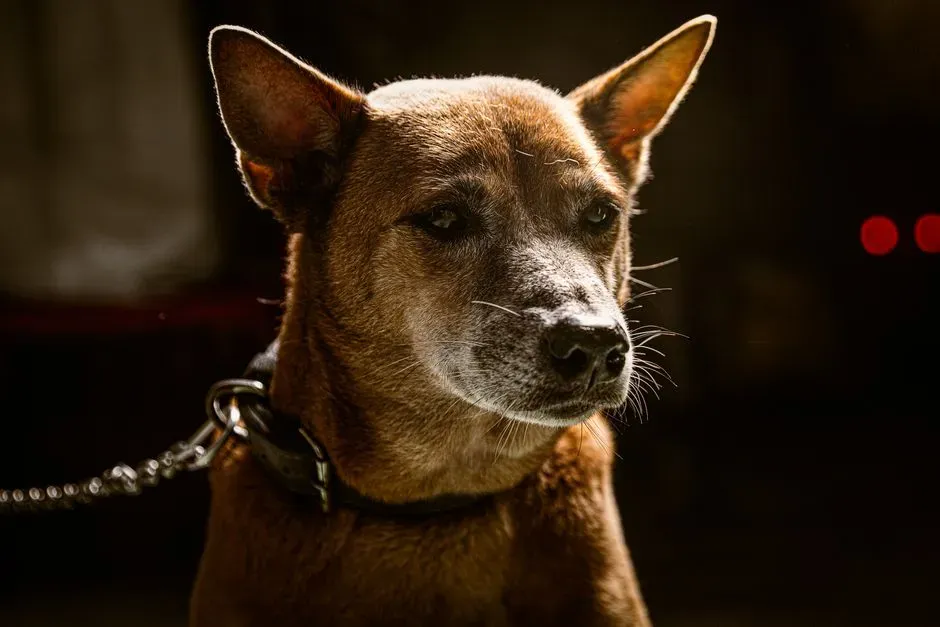
Many dogs do quiet welfare checks on their humans during the night, slipping into the bedroom, sniffing the air around your face, and sometimes just standing and staring like a tiny, unsettling guardian angel. To us it sounds spooky, but to them it is a routine: confirm the scent is normal, confirm the breathing pattern sounds right, then move on. Dogs are experts at reading subtle cues in our smell and sound, including stress hormones and changes in respiration.
This “is my human okay?” behavior is stronger in dogs who are very bonded, anxious, or used to caregiving roles, such as service or emotional support dogs. I used to wake up at 3 a.m. with my dog inches from my nose, just watching. At first it creeped me out; eventually I realized he only did it after I had especially stressful days. To him, that midnight stare was just a health check, as if he were running a living, breathing monitoring app with fur.
4. Adjusting Their Sleep Around Your Nocturnal Habits

Dogs are famously flexible about sleep schedules and often sync up with the people they live with much more than with the sun. If you are a night owl scrolling your phone in bed or a shift worker who gets home at odd hours, your dog quietly shifts their internal clock to match yours. That means when you finally knock out, they may stay awake a bit longer to make sure “their job” is done, then take deeper sleep phases in the early morning when you are more settled.
Researchers have found that dogs living in busy homes with late‑night TV, lights, and noise have more fragmented sleep than dogs in quiet, early‑to‑bed houses. Yet they tend to catch up with extra naps during the day, the way a college student does after exams. So while you think your dog just “sleeps all the time,” what they are often doing is carefully patching together enough rest around the chaos of human life you have set for them.
5. Sniffing Invisible Night‑Time “News” You Will Never Notice

For dogs, the world of scent explodes at night. Cooler temperatures, calmer air, and lower traffic let smells settle and linger in ways they do not during the day. When your dog wanders to the window or back door at 1 a.m. and takes those long, slow inhalations, they are basically scrolling an invisible social feed only they can read. Every stray cat, passing jogger, or open takeout container leaves a story behind in the air.
Inside the house, scent also shifts at night: kitchen smells fade, human sweat and skin odors change as you sleep, and outdoor air drifts under doors and windows. Their nose picks up all of this in dizzying detail. To you the house seems still and boring; to them it is an overnight news update from the entire neighborhood, and they are the only one with the right subscription to read it.
6. Rotating Sleep Spots Like a Strategist, Not a Diva
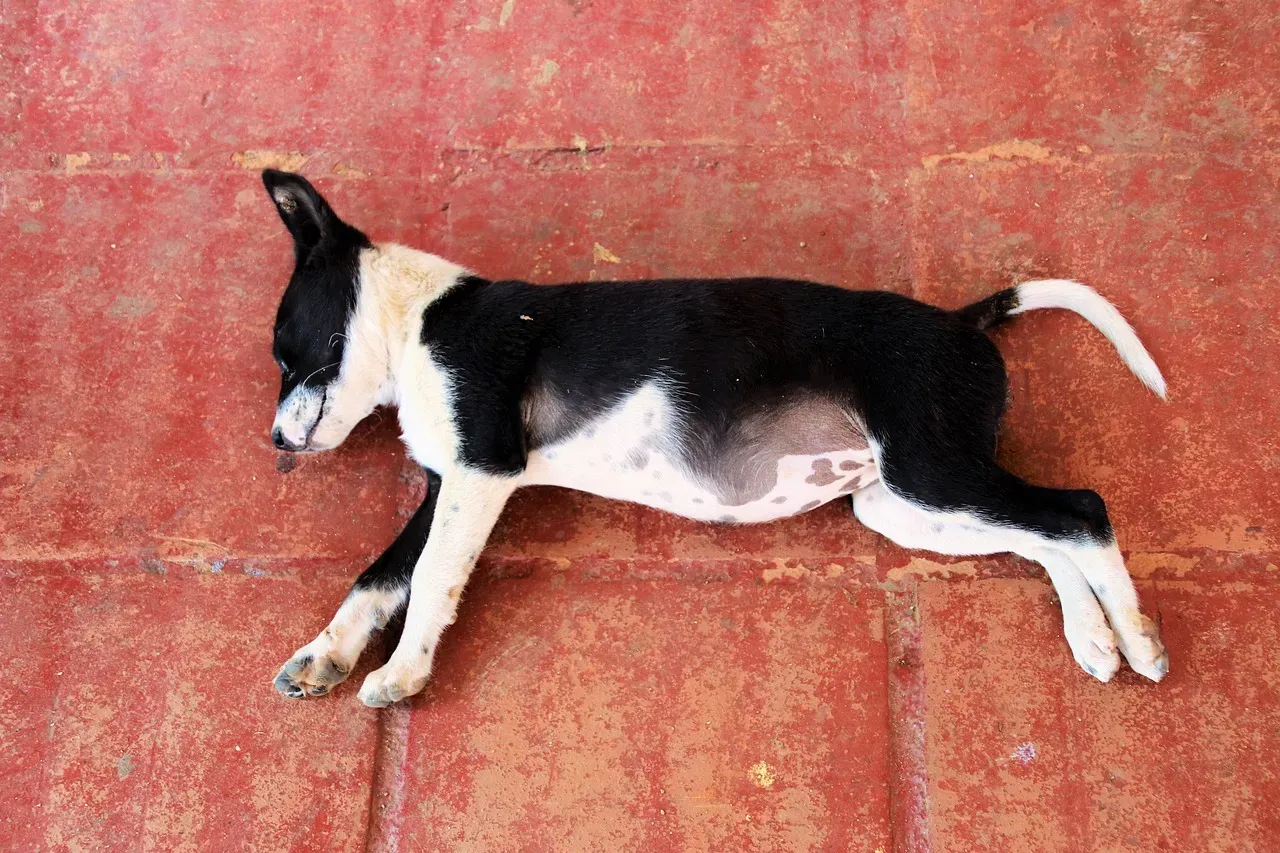
It is easy to assume your dog is just being picky when they move from their own bed to the couch to the hallway to the cool tile near the front door. In reality, this rotation is often a smart response to temperature, sound, and safety. Dogs will seek cooler surfaces as their body warms up and return to softer spots as they cool down, creating a natural cycle of thermal comfort throughout the night.
They also adjust their position depending on what they need more of in that moment: comfort, security, or information. Curled up in a crate or bed offers safety and warmth. Stretched out in a hallway lets them hear both you and the front door. Sprawled on the bathroom floor means they are beating the heat like someone hugging the freezer in summer. When you finally see it that way, the midnight bed‑hopping looks less like fussiness and more like tactical decision‑making.
7. Having Full‑Blown Zoomies in Their Head

Even when your dog looks completely still, their brain can be surprisingly busy. During certain sleep phases, especially when memories are consolidating, their brain activity can resemble wakefulness almost as much as resting. For energetic dogs who struggle to wind down during the day, some of that pent‑up mental energy gets processed at night, like running the day’s footage through a high‑speed editor.
The result is that classic mix of twitching whiskers, shifting breathing, and soft grumbles that make it seem like they are playing fetch in a dream. It is a kind of virtual zoomies: all the action, none of the broken lamps. Trainers sometimes argue that a mentally stimulated dog sleeps more peacefully, and there is truth to that; but even with plenty of daytime enrichment, your dog’s mind still throws itself a little late‑night highlight reel while you snore away.
8. Listening to the House “Talk” Through Vibrations and Tiny Sounds
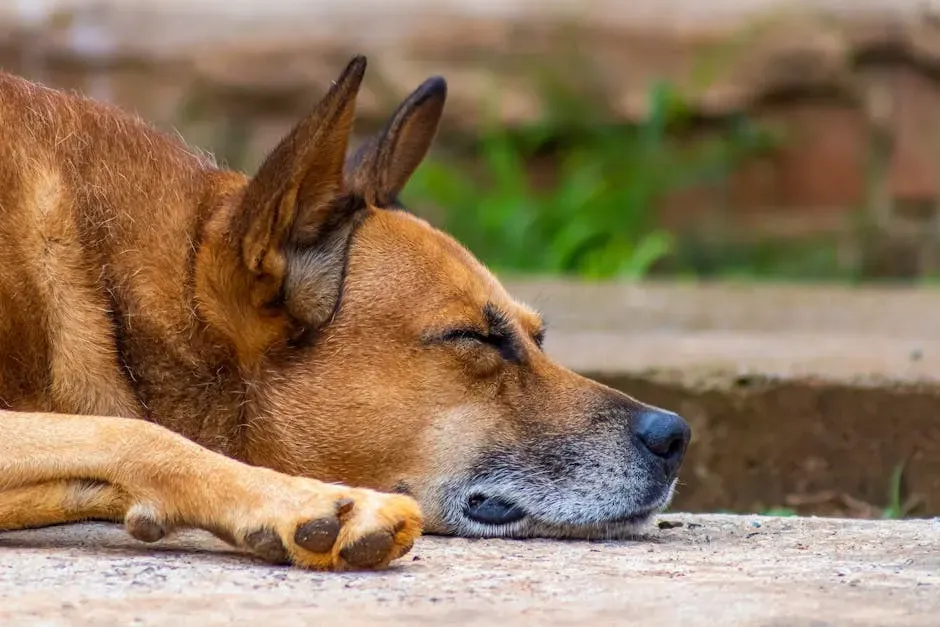
Dogs do not just hear more than we do; they often pay attention to a completely different layer of sound. The hum of the fridge, the tick of cooling pipes, the faint footsteps from an upstairs neighbor, or the base thud of distant music all form a kind of nighttime soundscape. While you mentally filter these out and drift off, your dog keeps casual tabs on them, cataloging what is normal background noise and what might require a reaction.
Over time, they build a map of what “safe night noise” sounds like in your home, and anything that falls outside that pattern snaps them awake like an alarm. That is why your dog might ignore one loud truck but suddenly bark at a softer, unfamiliar scrape at the door. The house is always talking through tiny sounds and vibrations, and your dog is the only one sitting up at the control panel, deciding what is worth an alarm and what can be safely ignored.
9. Grooming, Scratching, and Subtle Self‑Care Sessions

Without daytime distractions, a lot of dogs use the quiet nighttime hours for self‑maintenance. That can mean licking their paws, adjusting their coat with little nibbling motions, or doing that full‑body shake that makes their ears slap dramatically. Some of this is ordinary grooming: removing debris from fur, soothing mild irritation, and redistributing skin oils. It is basically the dog version of washing your face and applying moisturizer before bed.
However, if you ever notice long, obsessive licking or constant scratching at night, that can be a sign of allergies, pain, or anxiety rather than casual self‑care. Because nights are calm, discomfort tends to stand out more for them, just like aches feel worse to us when we finally lie down. So those after‑midnight grooming sessions can be both a normal nightly ritual and a useful clue if something is off with their health or comfort.
10. Raiding and Foraging Like a Tiny Indoor Explorer
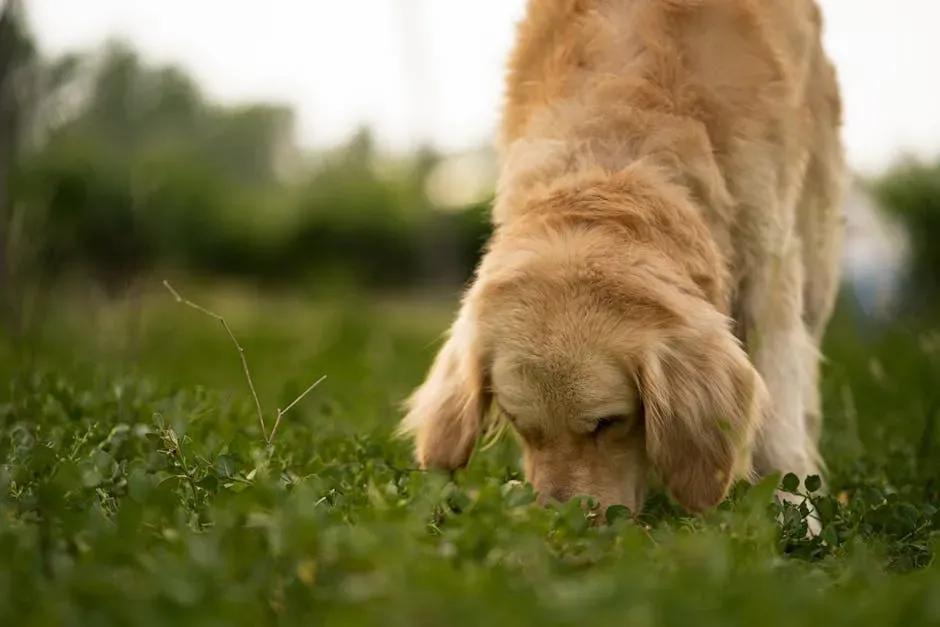
Even the best‑behaved dog sometimes turns into an opportunist when everyone is asleep. That half‑closed pantry door, the kid’s half‑finished snack on the coffee table, or the crinkly wrapper fallen by the couch suddenly becomes a treasure hunt. Dogs are natural foragers; in the wild, they would spend a good part of their waking hours searching and scavenging. Inside a modern home, late night is sometimes the only quiet window they get to indulge that instinct without constant human interruption.
Some dogs expand this to full‑blown exploration, methodically sniffing every bag, shoe, and corner as if they are checking for hidden clues. I once set up a camera and watched my own dog carefully examine a row of boots like a detective, nose in each one, lingering on just two pairs that had been worn outside that day. It was not mischief; it was more like a curiosity audit, and it only happened once the household finally went still.
11. Managing Their Emotions When Night Feels a Little Scary
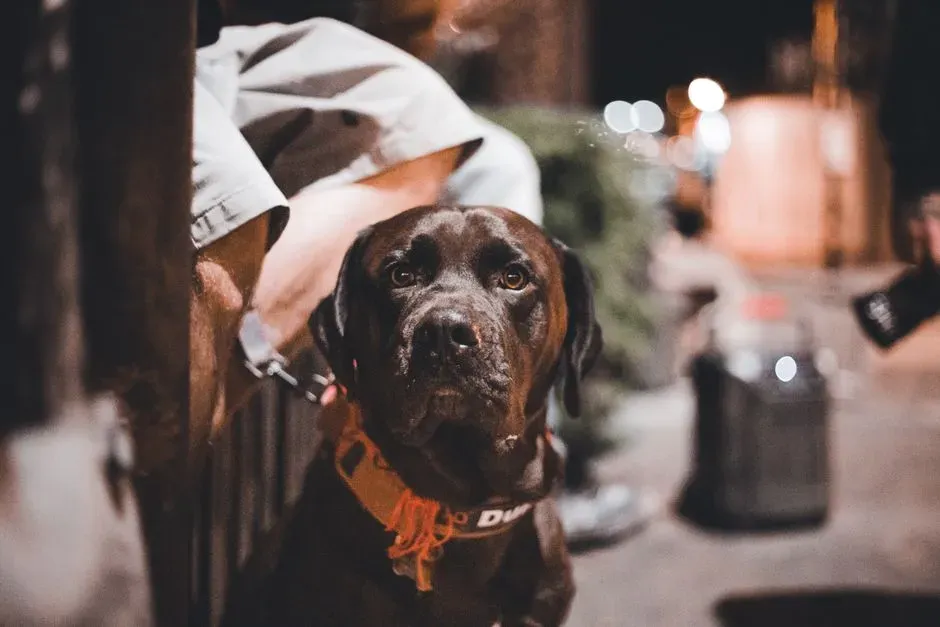
Night can be mildly stressful for some dogs, especially those who are reactive, anxious, or very bonded to a single person. The world gets quieter, shadows change, outside noises become sharper, and their main source of reassurance (you) is not actively interacting with them. To cope, dogs may pace a bit, sigh loudly, reposition themselves several times, or seek out items with your scent for comfort, like your clothes or your side of the bed.
This is where separation anxiety or sound sensitivity can show up most clearly. A dog that seems fine during the day might whine, scratch doors, or cling excessively at night because uncertainty feels bigger in the dark. When owners finally set up cameras, they are often shocked by how restless or worried their dog looks between midnight and dawn. That is not drama; it is emotion management in real time, and it is a reminder that “good nights” matter for mental health in dogs just as much as in humans.
12. Gradually Syncing Their Heartbeat and Breathing with Yours
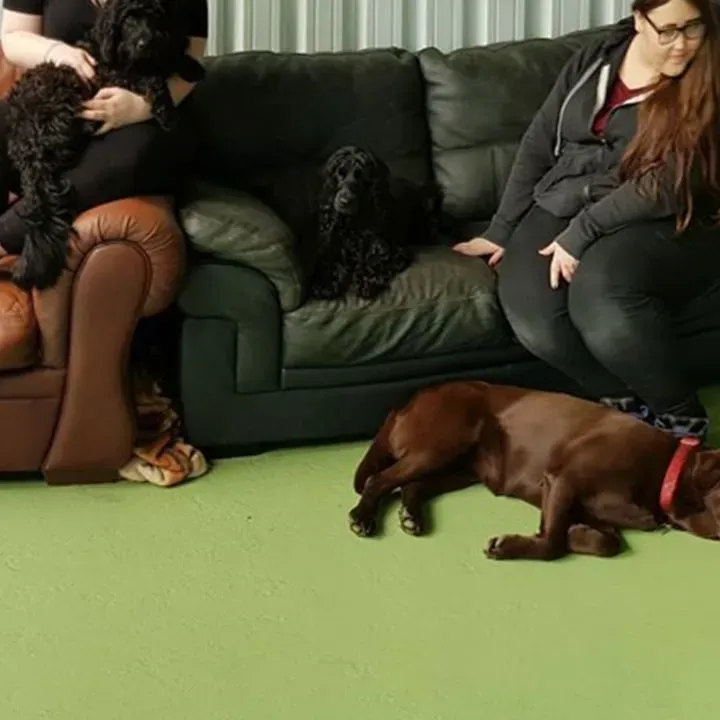
Here is one of the most quietly beautiful things dogs do at night: when they sleep close to you, their body rhythms often start to mirror yours. Over time, many co‑sleeping dogs adopt sleep‑wake cycles that line up with their humans, and in deep rest you can sometimes feel their breaths and micro‑movements easing into a similar pace. It is not mystical; it is biology and bonding, the same kind of synchronization seen between close bonded humans.
That syncing is part practical, part emotional. It keeps them attuned to your state so they can respond quickly if something changes, but it also seems to make them feel safer and more settled. Your bed becomes a shared little ecosystem, a place where two different species quietly regulate each other without ever discussing it. If you have ever woken up to find your dog pressed against your legs in the exact same position you fell asleep in, you have already felt a small piece of that invisible nighttime choreography.
Conclusion: Your Dog’s Secret Night Life Says More About You Than You Think

When you finally step back and look at all of these behaviors together, your dog’s night life stops being a mystery and starts to look like a mirror. Their patrols, their check‑ins, their restless pacing or easy snoring all reflect the world you have built around them: how safe the home feels, how consistent the routine is, how strong the bond has become. Their “weird” night behavior is usually just their best attempt to guard what matters, make sense of their environment, and stay close to you in the only ways they can.
Personally, I find it hard not to feel humbled by that. While we unplug from the world, our dogs keep one ear on the door, one eye on us, and a whole brain busy weaving the day into something that helps them face tomorrow. Maybe the real surprise is not what they do while we sleep, but how little we notice just how much effort they put into loving us around the clock. Knowing all this, what do you imagine your dog is doing tonight while you are dreaming?


