
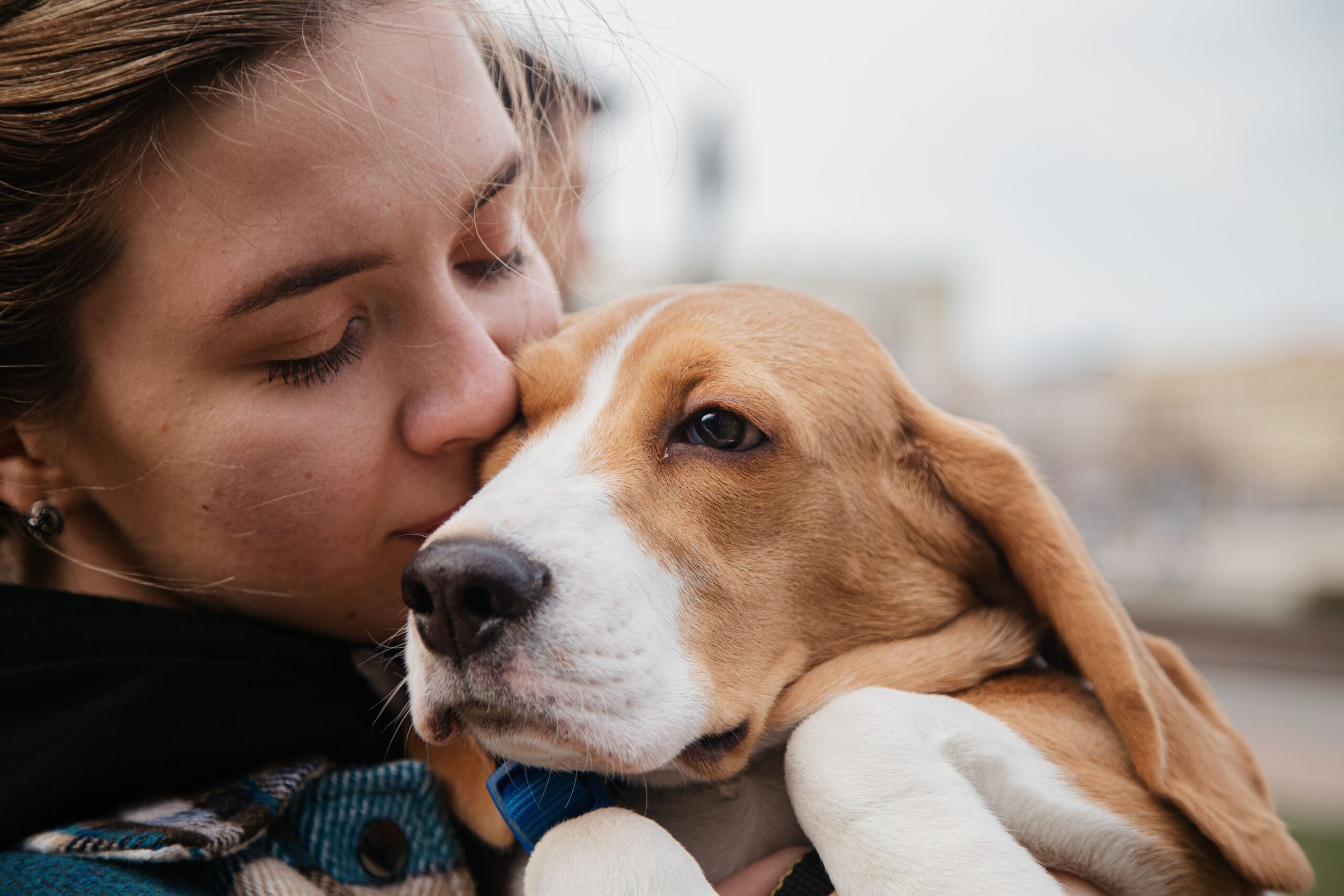
Some dogs don’t just like their favorite human; they seem to orbit around them, like a little furry moon that loses all sense of gravity when you walk out the door. For certain breeds, that bond with one steady person is more than emotional comfort – it may be a quiet superpower that helps them stay calmer, healthier, and often, living longer than average. While genetics and luck always play a role, the mix of smart breeding, sensible care, and one rock-solid human can turn a good lifespan into an impressive one.
In this article, we’ll look at nine breeds that tend to do especially well when they have a single, stable person at the center of their world. These are dogs that thrive on routine, emotional security, and low drama. You’ll see a mix of science, behavior insight, and real-world practicality – but also some honest opinion on where people sometimes get these breeds completely wrong. If you’ve ever wondered whether your clingy little shadow dog might actually be wired to live longer with you as their constant, keep reading.
Chihuahua: Tiny Body, Huge Attachment
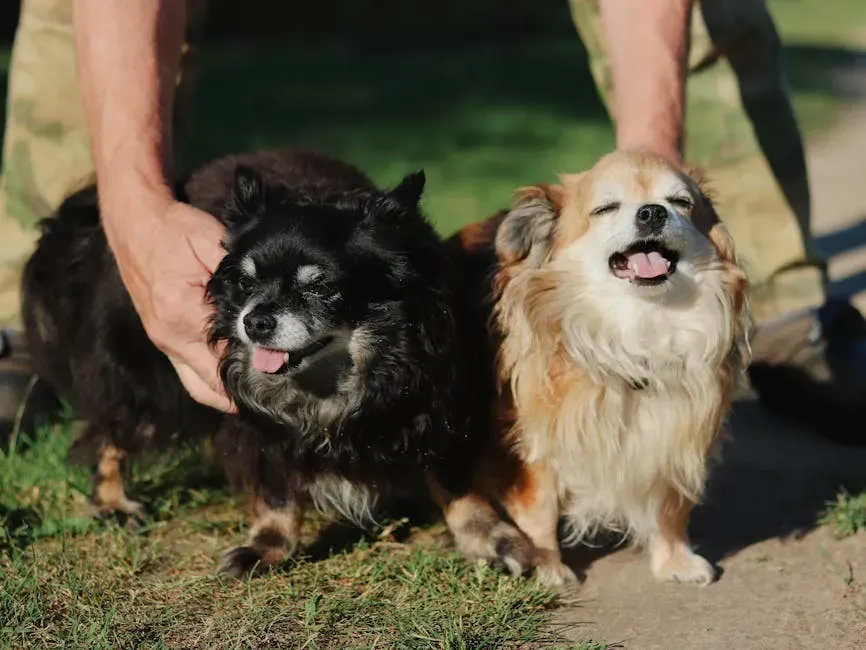
It shocks a lot of people that these pocket-sized drama kings and queens often end up among the longest-lived dogs. Chihuahuas can reach well into their mid to late teens, and occasionally beyond that, when their lifestyle is stable, low-stress, and centered around one trusted person. Because they are so small and often vulnerable, a single reliable human gives them a predictable world where they don’t have to stay on high alert all the time.
They’re also notorious for picking “their person” and tolerating everyone else at best. That intense focus can be a double-edged sword: with a consistent owner who understands their sensitivity, they can be calmer, bark less, and cope better with change because they always have their anchor right there. In my experience, a Chihuahua who lives with one patient, homebody-type owner often looks younger, moves better, and stays mentally sharp longer than one bounced between households or frequently boarded.
Dachshund: Long Spine, Longer Lifespan With the Right Human
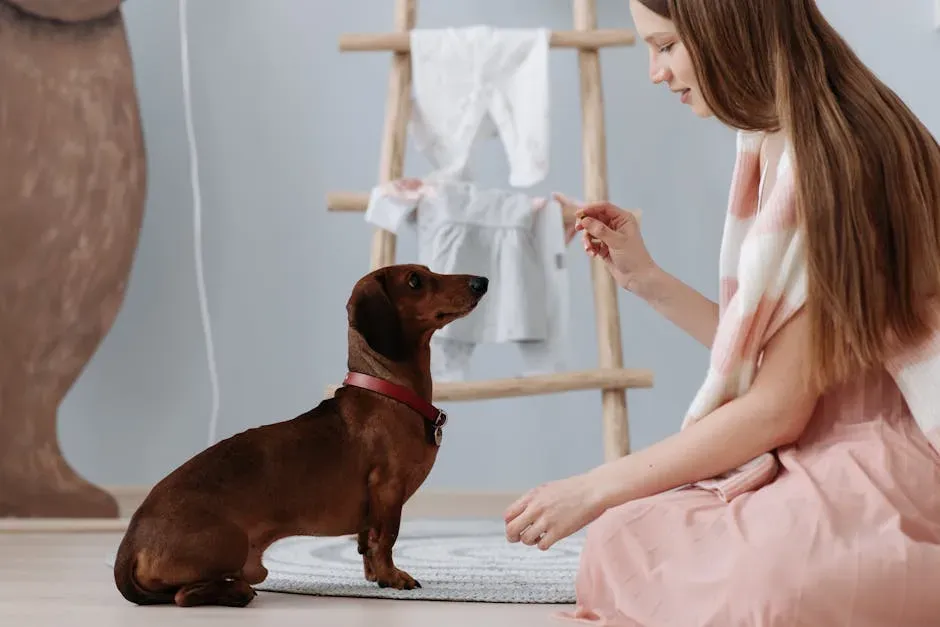
Dachshunds are famous for their risky backs, but less talked about is how surprisingly long they can live when cared for carefully. Many make it into their mid to late teens, especially when their weight is controlled and their activity is supervised. A big part of that care is having a consistent person who understands their physical quirks and doesn’t let them jump off every couch like a furry stuntman. One owner who knows what “normal” looks like for that particular dog can spot issues far earlier.
On the emotional side, Dachshunds are intense, loyal, and sometimes hilariously stubborn. They bond deeply, and a single steady human can keep their world predictable enough to avoid constant stress, which is especially important for pain-sensitive breeds. I’m strongly of the opinion that a Dachshund that lives with a patient, observant owner – someone who notices subtle changes in movement, appetite, or mood – buys itself extra years simply because little health problems get caught before they become big ones.
Pomeranian: Long-Lived Companion in a Small, Fluffy Package
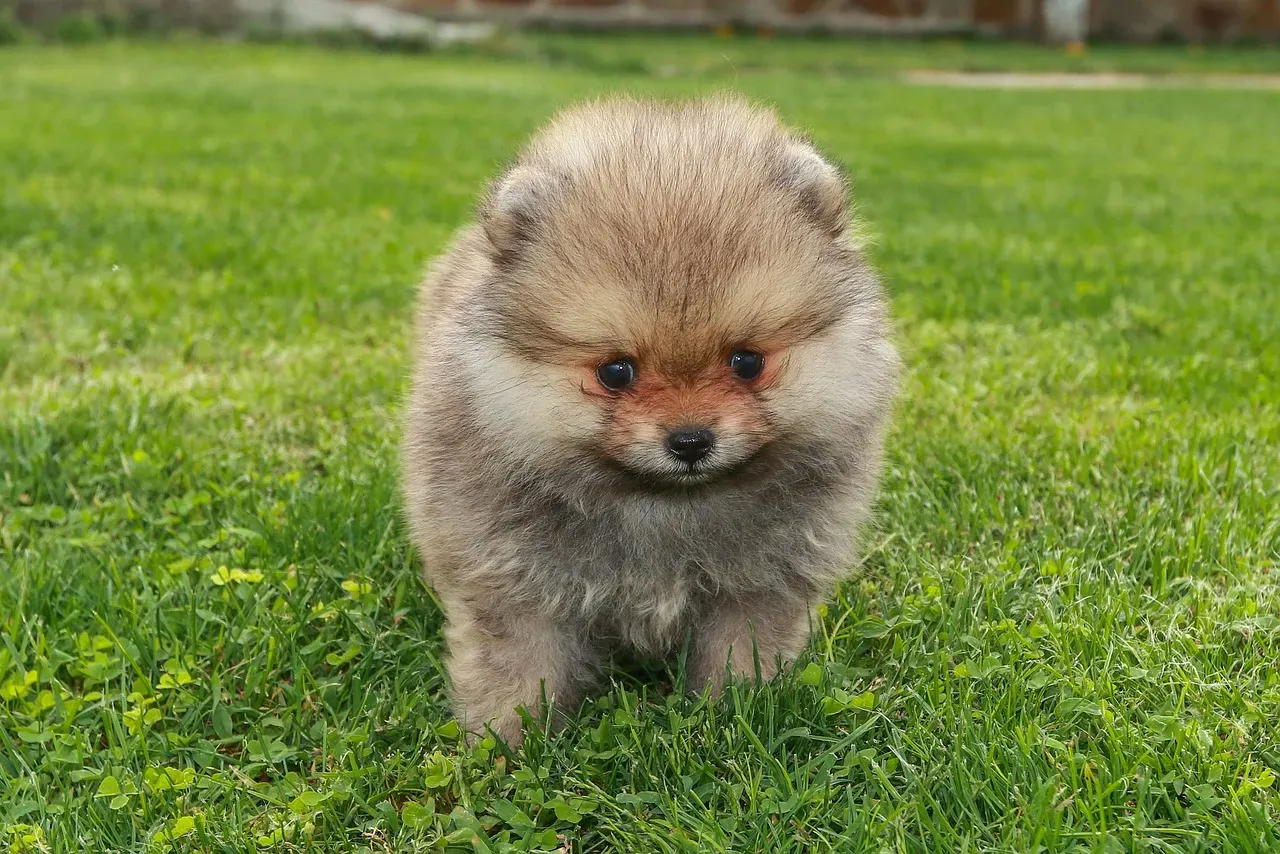
Pomeranians, beneath all that fluff, are surprisingly hardy little dogs. Many live well into their teens with good dental care, reasonable exercise, and a safe environment. They’re also deeply people-focused, often forming what looks like a tiny, cheerful cult around one chosen human. That single strong relationship can be the emotional glue that keeps them confident instead of anxious and snappy.
Because they are small and can be fragile, having one consistent owner means fewer rough handling incidents, fewer risky environments, and less chaos in general. These dogs do best when life follows a dependable rhythm: same person, similar daily routines, and a predictable mix of play, rest, and attention. In my view, people underestimate how much small, consistent habits – brushing, gentle walks, short training sessions with their favorite human – accumulate into extra quality years for a Pomeranian.
Toy Poodle: The Brainy Shadow That Ages Gracefully
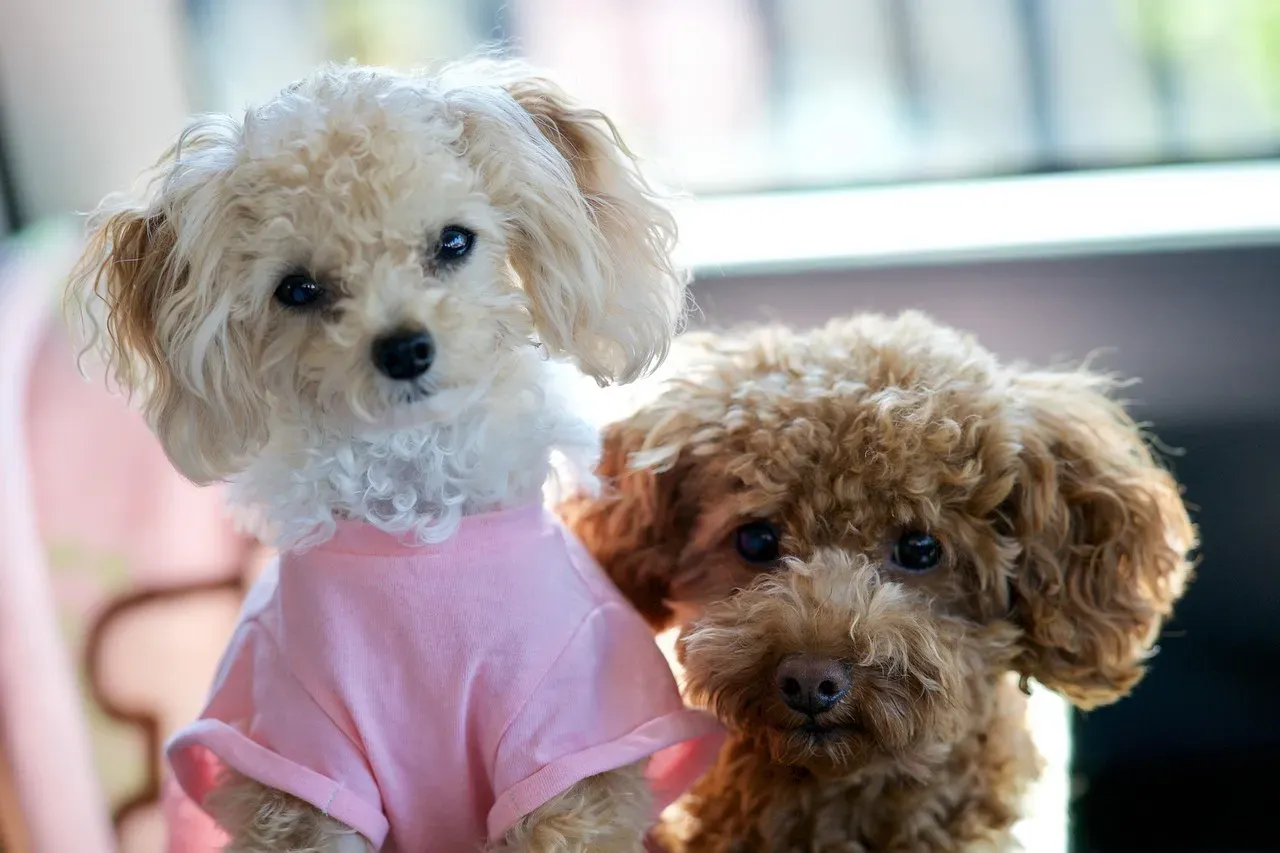
Toy Poodles bring together three big ingredients for longevity: small size, generally robust genetics from an old breed type, and high intelligence. They’re often mentally sharp well into their later years, and they mirror their humans’ routines almost like little emotional barometers. One consistent person gives a Toy Poodle a stable “center” around which all that brainpower and sensitivity can relax instead of constantly scanning for what might change next.
Mentally active dogs tend to age better when their lives are predictable but still stimulating, and that is easiest to deliver when one dedicated person takes charge. Regular grooming, training games, health checks, and even just chatting with them (yes, they do seem to listen) become part of a shared life. I’d argue that Toy Poodles age more gracefully when they can attach deeply to one human, the way some people do best in one long, solid relationship instead of constant new beginnings.
Shih Tzu: The Calm Companion Built for Sofa Time and Stability
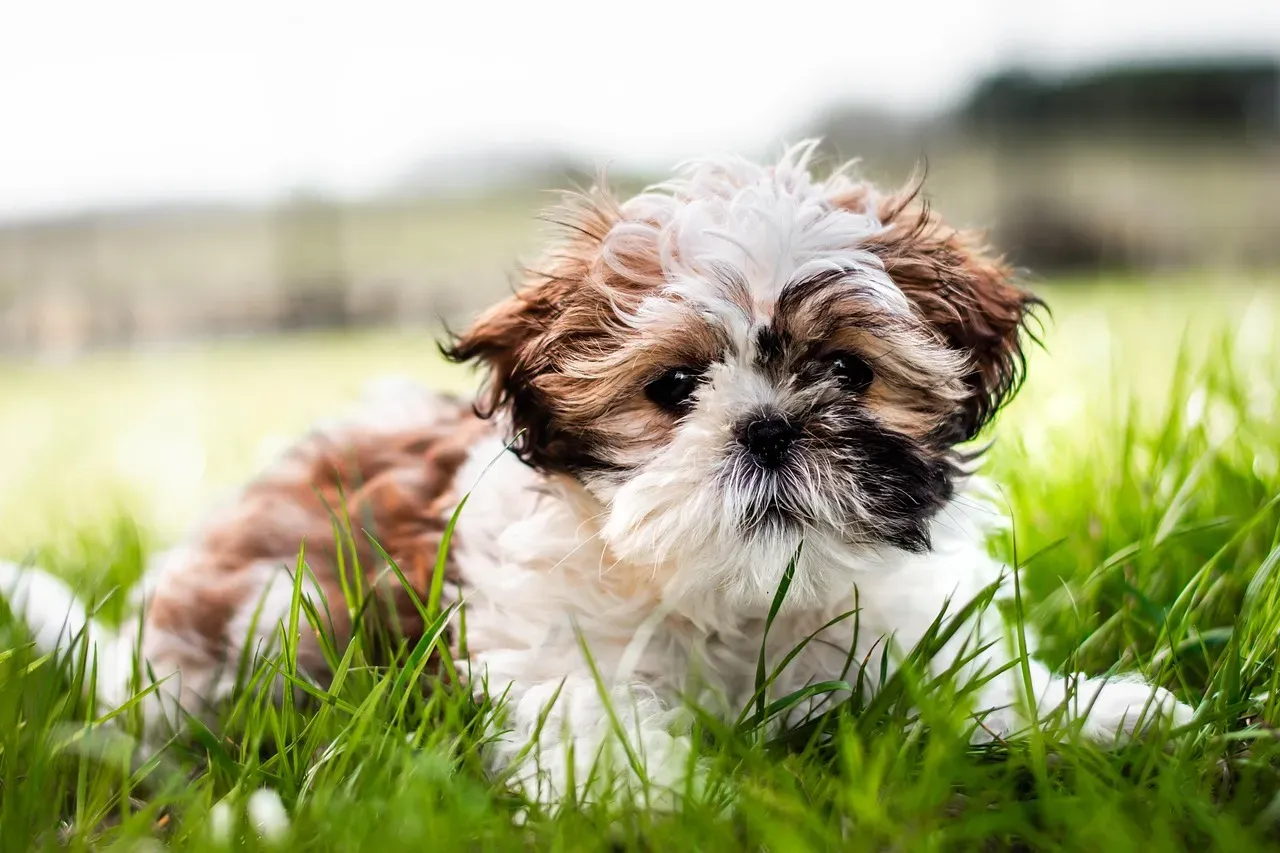
Shih Tzus are classic companion dogs, originally bred to be close to people more than anything else. That history shows in how they flourish in stable, predictable homes where their favorite human is rarely far away. Many Shih Tzus live long lives when they’re not stressed by constant changes in ownership, rough play, or long stretches of isolation. They don’t need extreme exercise; what they need most is gentle care and a sense that their little world is safe and steady.
With one consistent person in charge, it’s easier to keep up with grooming, eye care, and weight management, all big factors in how well they age. A Shih Tzu that spends its days pacing, worrying, or being shuffled between people will burn emotional energy it doesn’t have to spare. In my opinion, this is one of those breeds where “grandma’s quiet lap dog” actually gets the ideal setup for living a slow, long, peaceful life – all anchored to that one reliable human presence.
Miniature Schnauzer: Serious Eyebrows, Surprisingly Strong Longevity
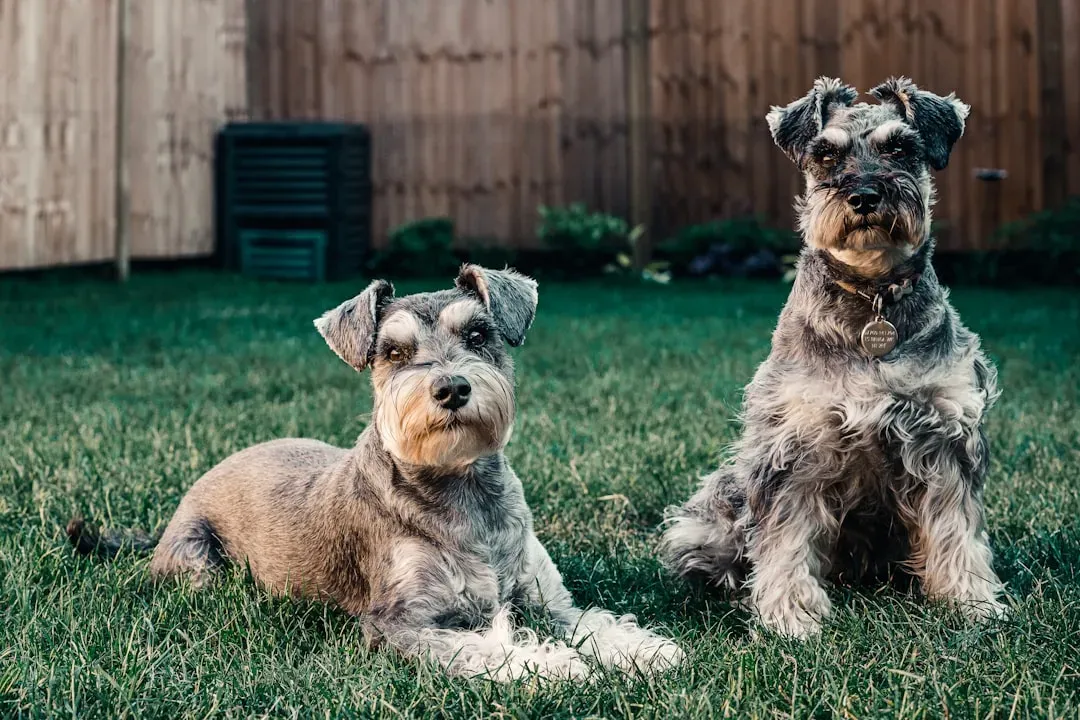
Miniature Schnauzers carry themselves like little professionals, but underneath the serious eyebrows they’re incredibly people-oriented. They often attach very strongly to the person who trains them, feeds them, and spends the most thoughtful time with them. That kind of focused bond, combined with their generally sturdy build, supports a long lifespan when matched with consistent routines. One primary caregiver can keep diet, exercise, and vet care on track without the confusion of mixed rules or inconsistent handling.
On the emotional side, having a single, trusted human gives Mini Schnauzers a clear leader, which helps reduce anxiety and overreactive barking. They do best when life feels orderly and logical, much like someone who loves a tidy desk and a predictable calendar. My personal take is that this is a breed that shines in households where one person naturally becomes “their” human and gladly takes on the responsibility of structuring that dog’s world in a way that supports both mental stability and long-term health.
Cavalier King Charles Spaniel: A Sensitive Heart That Needs One Steady Soul

Cavaliers are gentle, affectionate, and deeply tuned into their humans, sometimes to the point of being called clingy. They are not the hardiest breed from a heart-health perspective, so stacking the deck in their favor with low stress and consistent care matters a lot. One devoted human can make an enormous difference by noticing subtle early signs of fatigue, coughing, or exercise intolerance, and by making sure checkups are regular and taken seriously.
Emotionally, Cavaliers are wired for closeness. They don’t thrive when left alone for long periods or passed between people like a casual accessory. A single, emotionally available owner acts like a living safety blanket, letting the dog relax deeply instead of living in a background state of worry. I’m convinced that for this particular breed, long life and emotional security are tightly linked, and that bond with one central person can be the calm middle of a potentially risky genetic storm.
Shetland Sheepdog: Sensitive Genius That Flourishes With One Trusted Human
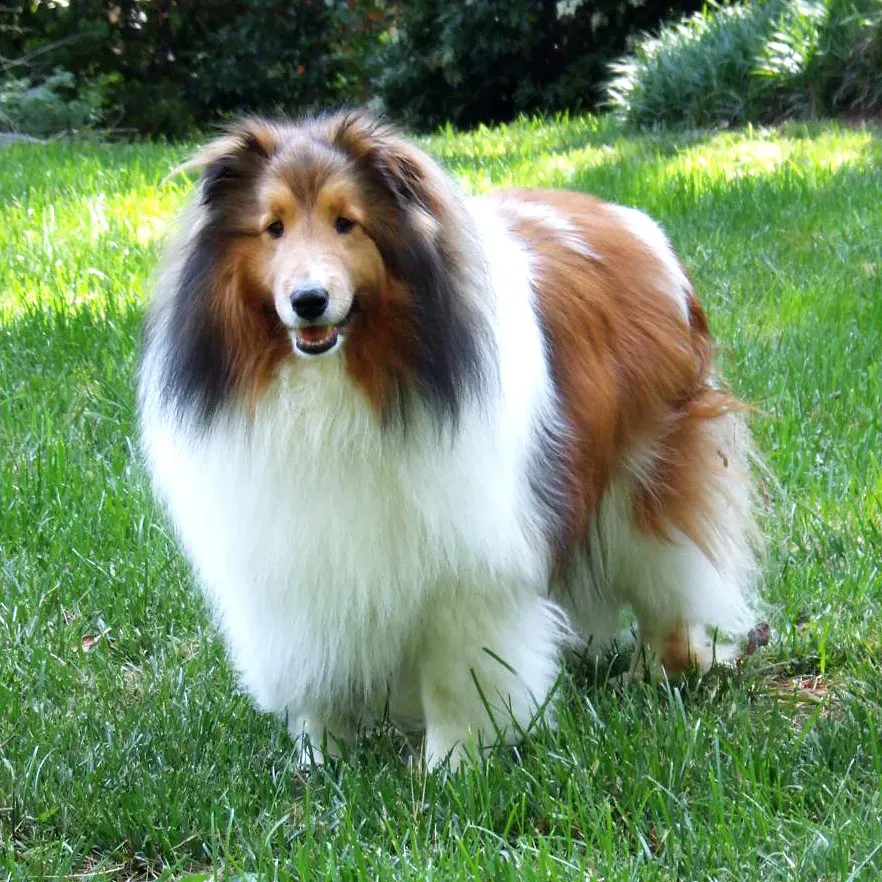
Shetland Sheepdogs, or Shelties, are incredibly intelligent and sensitive, often ranking near the top in tests of trainability and learning. That sensitivity can become a liability in chaotic environments, but in a calm home with one consistent handler it becomes a genuine asset. Shelties tend to live long lives when their mental energy is channeled into positive routines, familiar patterns, and a secure attachment to a single main person.
Because they read people so well, they’re especially affected by tension, arguments, or unpredictable changes in their social world. One stable owner who provides gentle training, clear communication, and a predictable daily structure gives a Sheltie the mental room to thrive instead of constantly monitoring every tiny shift around them. In my view, if you pair a Sheltie with a thoughtful introvert who likes routines and stays loyal for the long haul, you almost design a recipe for an unusually long-lived, emotionally balanced dog.
Beagle: Sociable Nose, Longer Life With One Anchor Human
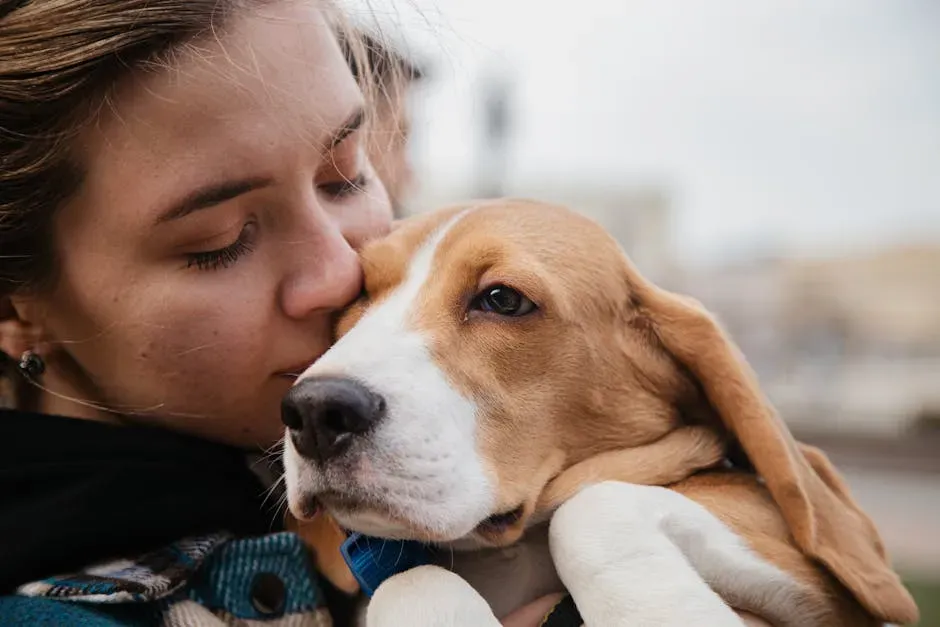
Beagles are often seen as cheerful, easygoing pack dogs, but behind that image is a breed that does very well with consistency and clear leadership from a single person. They’re sturdy, often long-lived, and genetically built for endurance. However, their love of food and tendency to roam can shorten their lives if nobody is truly in charge. One committed owner who sets boundaries, manages diet, and channels that nose into safe activities can easily add healthy years.
Even though many Beagles enjoy living with other dogs and people, they still benefit when there is one undeniable “main human” who is always there and always the same. That anchor person becomes the predictable source of walks, structure, affection, and safety. From what I’ve seen, Beagles with a steady, engaged primary owner are less likely to end up overweight, under-exercised, or in trouble, which are the real enemies of longevity for this charming, food-motivated breed.
Conclusion: Long Life Starts With One Loyal Human
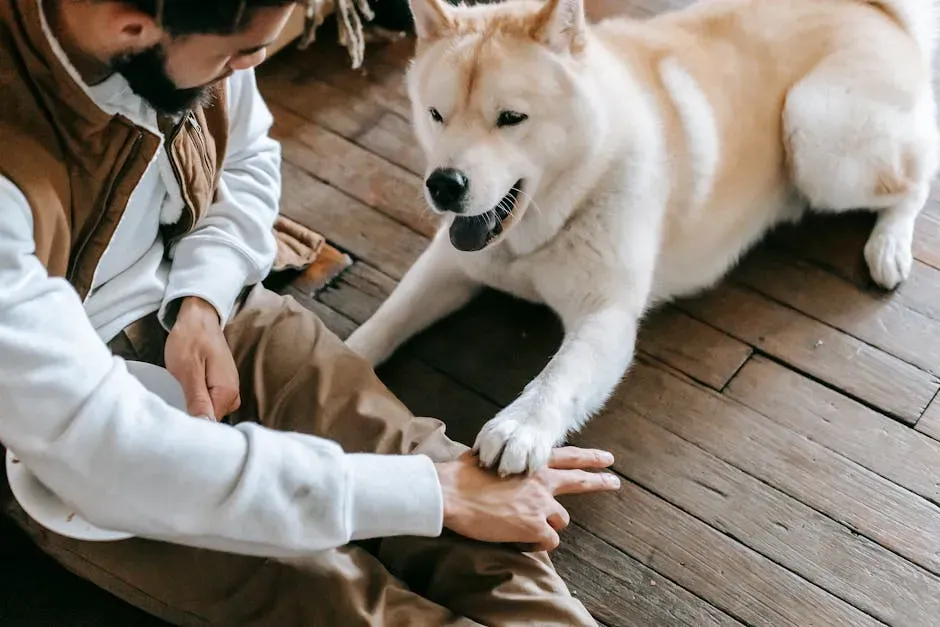
When you look across all these breeds – from microscopic Chihuahuas to sensitive Shelties – a pattern jumps out: stability is underrated. Genetics, diet, and veterinary care absolutely matter, but the emotional piece often gets brushed off as “just personality.” A single, consistent person becomes the quiet backbone of a dog’s life, reducing stress, catching health issues early, and creating a world where the dog does not have to keep re-learning who to trust.
My honest opinion is that the most powerful longevity supplement you can offer a dog is not hidden in a fancy bottle; it is your decision to be there, really be there, year after year. These nine breeds may be especially likely to thrive with one steady human, but the truth is, almost every dog benefits from that kind of unwavering commitment. If you become that constant for your dog – the person who does not leave, does not stop paying attention, and does not treat them as temporary – how many extra good years do you think you might quietly add to their life?


