
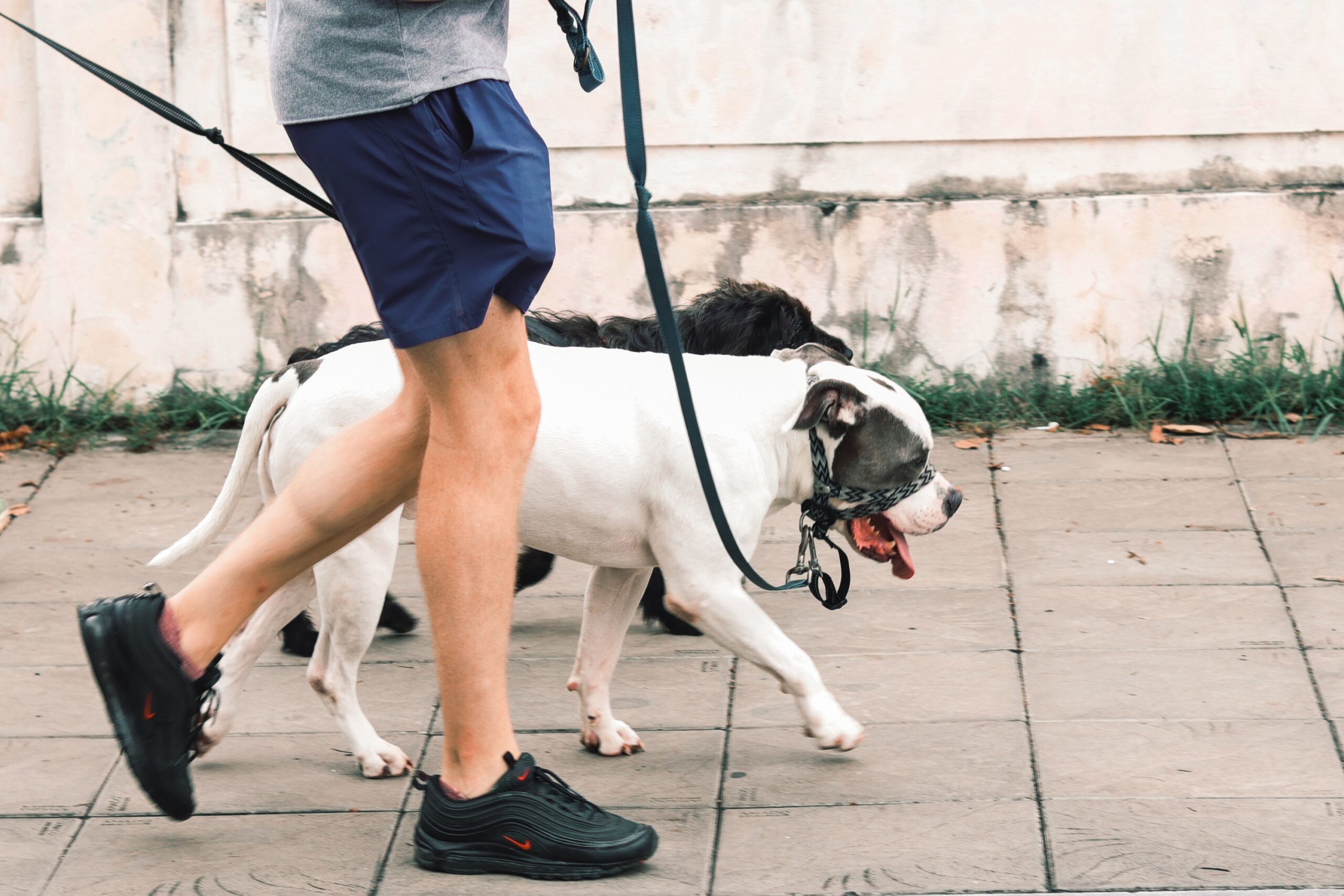
The first home a dog ever knows leaves a mark that never really fades. Even years later, after moves, new couches, and different routines, dogs can still react to sights, smells, and sounds that echo that very first place they felt safe, scared, or loved. For them, that early environment is like an emotional blueprint: it quietly shapes how they see the whole world.
As someone who has watched a rescue dog freeze at the sound of a specific kitchen drawer and another light up at the jingle of a familiar leash, I’m convinced dogs remember more than we usually give them credit for. Science backs that up: dogs may not replay memories like a movie the way we do, but they form powerful associations that can last a lifetime. Here are seven things from a dog’s first home that tend to stick with them, long after we think they’ve moved on.
The Smell Of “Home” That Never Really Leaves

If you’ve ever come back from a trip and watched your dog bury their nose in your suitcase like it’s a treasure chest, you’ve seen how powerful scent is for them. A dog’s first home is a dense library of smells: humans, furniture, cleaning products, other animals, the garden outside, even the way the air shifts when the oven turns on. All of that gets filed away in a sensory memory bank that is way richer than anything we can imagine with our limited noses.
That’s why a dog can step into your new house and instantly relax if the old blanket from the first home is on the floor. To them, that blanket is not just fabric, it is continuity. Even years later, a dog might react to a similar hallway smell, a particular laundry detergent, or the earthy scent of a certain type of wood floor. Scent tells them: you are safe, or you are not, and the very first version of “safe” or “unsafe” tends to stick hardest.
The Humans Who Were There From The Start
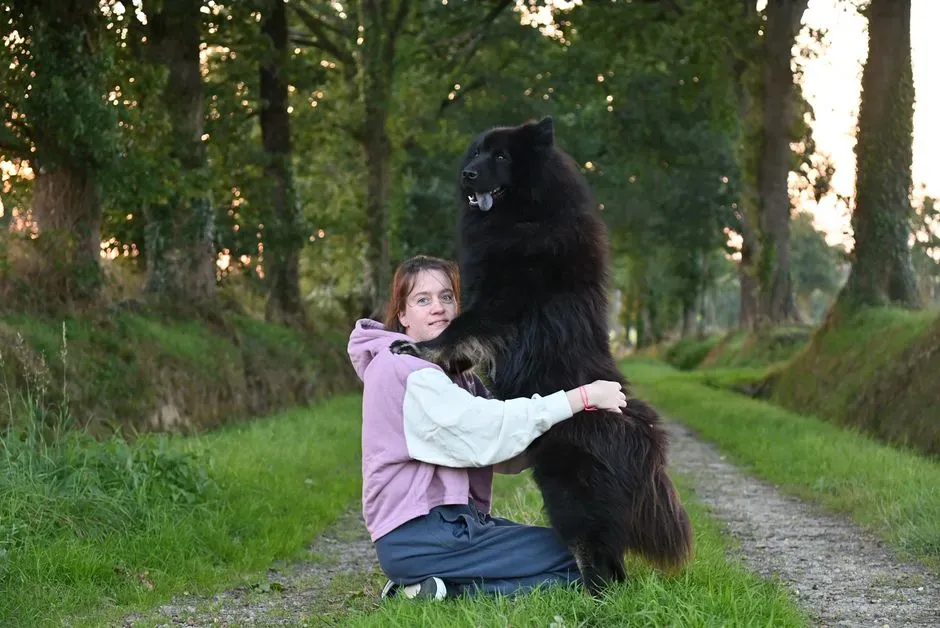
Dogs may not remember your birthday, but they absolutely remember how you made them feel. The humans in a dog’s first home often become emotional landmarks in their brain. A kind person who consistently fed, comforted, and played with them is associated with security, warmth, and predictability. On the flip side, rough handling or chaotic shouting can become part of their permanent emotional map too.
This is why some dogs explode with joy when they see a person they have not met in years; it is not nostalgia in the human sense, but a surge of those old good associations. It is also why others may shrink back from people who look or move like someone they feared early on. To a dog, the first humans are the original “settings” for love, trust, and danger, and those settings don’t reset easily.
The Rules Of The House: What Was Allowed And What Wasn’t
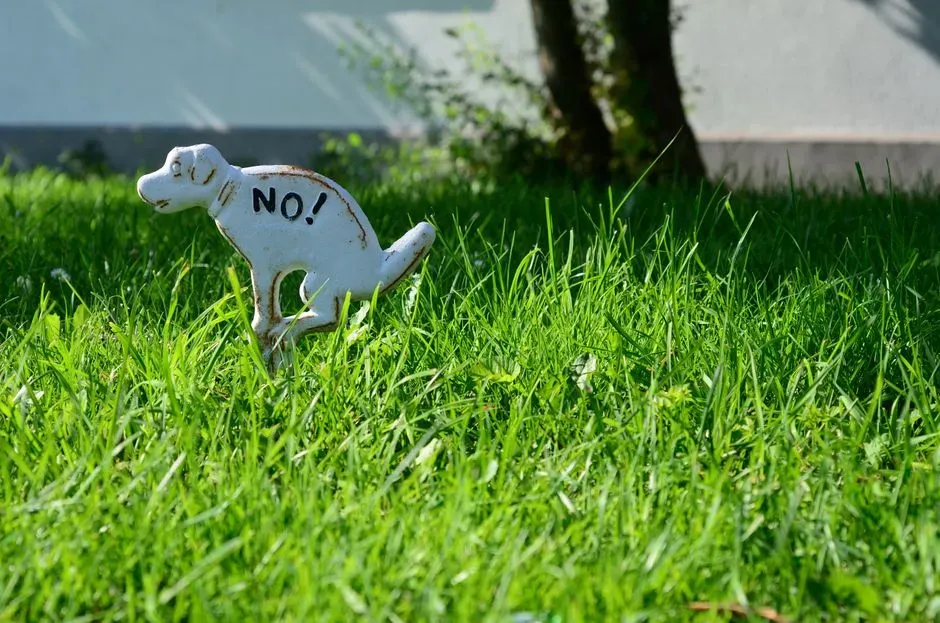
House training is another big piece of this. Where they were first allowed (or not allowed) to pee, how quickly messes were cleaned up, and whether they were punished or guided gently all leave deep tracks. I have seen adult dogs who still try to sneak off to the exact type of corner they used as puppies, even in a completely different house. For them, those early “this is what we do here” rules are less like suggestions and more like permanent settings.
The Sounds That Meant Safety Or Danger
Think about the soundtrack of a first home: doorbells, vacuum cleaners, traffic, children, TV shows, maybe loud music or constant silence. Dogs learn very quickly which sounds predict good things and which ones spell trouble. If the blender always roared right before the humans made delicious smoothies and shared fruit, that noise might become neutral or even positive. If shouting and slamming doors always followed a certain ringtone, that sound can stay charged with anxiety for years.
What’s striking is how specific these audio memories can be. A dog might be fine with generic city noise but bolt at the sound of fireworks because early experiences wired “sharp bangs” to fear. Another might visibly perk up at the jingle of a specific key ring that used to mean their favorite person was coming home. Their first acoustic environment writes the first dictionary of “this sound is okay” and “this sound means brace yourself.”
The Daily Routine: When Life Felt Predictable (Or Not)

Dogs thrive on patterns; the first routine they ever know becomes the template they keep checking new life against. In that first home, they learn when food tends to appear, how long humans are usually gone, when walks or playtime happen, and what nighttime feels like. A predictable rhythm tells their nervous system that the world makes sense. An erratic pattern does the opposite, leaving them constantly on alert.
In adulthood, you can often see the ghost of that first routine. A dog who was always fed at dawn may start pacing and licking their lips every day just before sunrise, even if breakfast now comes hours later. One that spent long, lonely days might grow clingy or distressed any time a human picks up car keys, because departures were once a huge emotional event. The first schedule they lived through quietly becomes the baseline for what “normal life” is supposed to feel like.
The Safe Spots And Hiding Places They Claimed
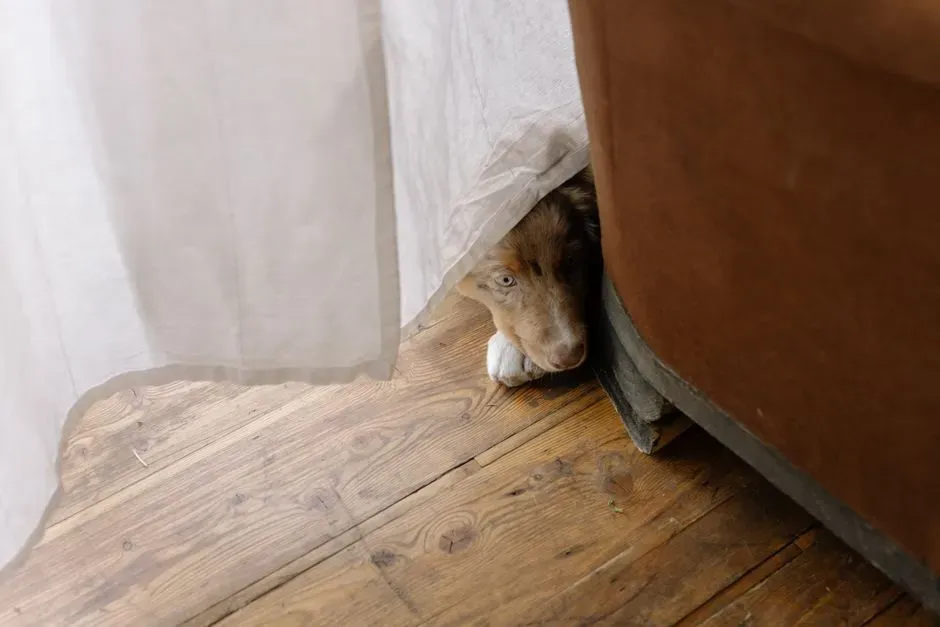
Every dog has “that spot” in their first home: under a particular chair, behind a curtain, in a crate, tucked by a bed, or on a warm patch of sunlight near a window. These places are more than cute habits; they are the dog’s original blueprints for how to self-soothe and feel secure. When the world felt too big, too loud, or too confusing, those small spaces shrank things down to a manageable size.
Later in life, even in completely different houses, dogs often try to recreate that feeling. They might seek out similar corners, caves, or elevated vantage points without us realizing they are echoing an old sanctuary. When a dog is nervous in a new environment and suddenly disappears under a table, that is not random. It is muscle memory from a much earlier chapter where hiding there worked. Those first “this is where I can breathe” locations set the pattern for how they cope with stress forever.
The Way Touch Felt: Gentle Hands Or Rough Handling
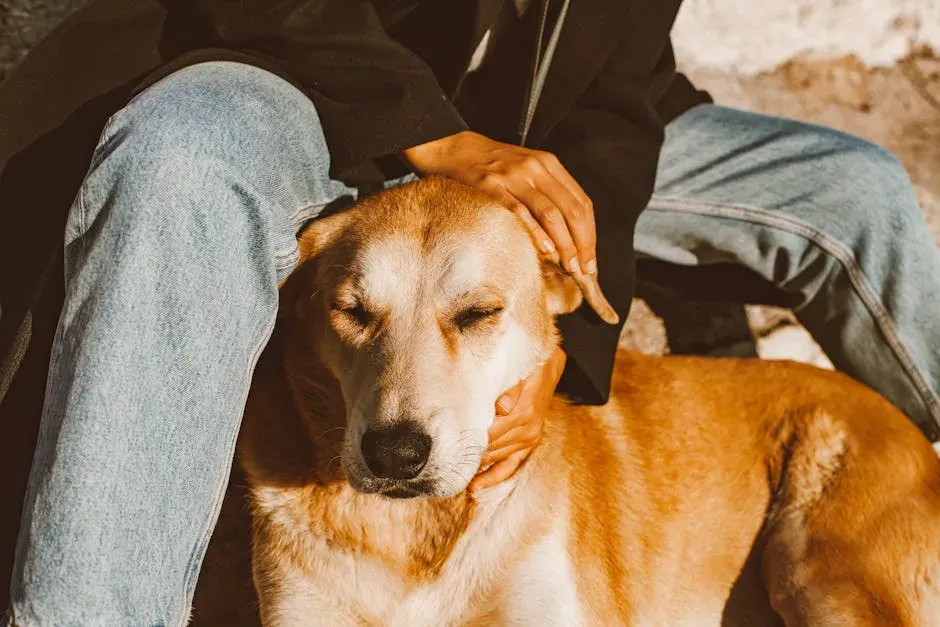
Touch is one of the loudest messages a dog receives in their first home, even though it makes no sound at all. Gentle petting, soft grooming, and playful nudges teach a puppy or young dog that human hands are sources of comfort and connection. Rough grabbing, hitting, or unpredictable handling teach the opposite: that hands are things you must anticipate, dodge, or endure.
You can often see the legacy of those first touches in how an adult dog responds to affection. Some practically melt into your lap the second you reach out, because touch was always paired with safety and warmth. Others flinch when someone reaches over their head or avoid being handled near certain body parts, because early experiences wired those gestures to fear. The first home teaches their skin and nerves a lasting story: touch is either a refuge or a warning.
The First Big Emotions: Fear, Joy, And Everything In Between

Beyond any single couch or hallway, what dogs never forget most is how that place made them feel. The first intense fear, the first wild play session, the first time they truly relaxed and slept deeply around humans – all of that builds the emotional skeleton of their personality. It is similar to how a favorite childhood playground or a scary school hallway can still make your stomach flip years later, even if you never see it again.
If a dog’s first home was mostly full of stability, kindness, and stimulation, they tend to grow into animals who approach new things with curiosity rather than dread. If that home was chaotic, neglectful, or frightening, they may carry a kind of invisible armor, ready to protect themselves at any moment. You can change a lot with patience and good care, but those earliest emotional imprints never completely vanish; they just slowly get layered over with better stories.
Conclusion: Why A Dog’s First Home Deserves More Respect Than Nostalgia
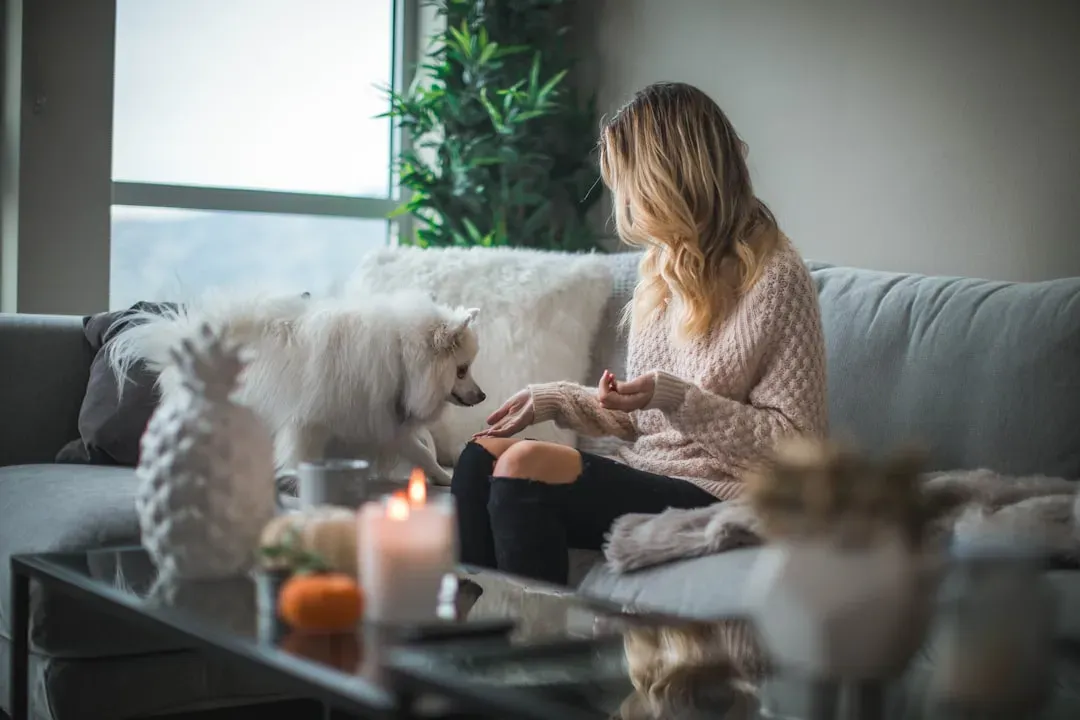
We love to romanticize “firsts” in human life – first apartment, first car, first love – but for dogs, that first home is less about charm and more about wiring. It quietly programs what they believe about safety, love, noise, schedules, and their own ability to cope with stress. In my view, we massively underestimate how serious that responsibility is. The first home is not just a warm anecdote; it is the foundation of a whole emotional life.
If you share your life with a dog who came from somewhere else, you are living with the echoes of that first place, whether you know its story or not. The way they flinch, cuddle, pace, relax, or hide is often a conversation between your current care and their very first memories. That should not make you feel guilty; it should make you feel powerful. Every kind, consistent day you give them is another chance to gently rewrite what “home” means. When you look at your dog tonight, what do you think their first home taught them – and what new lesson are you teaching now?


