
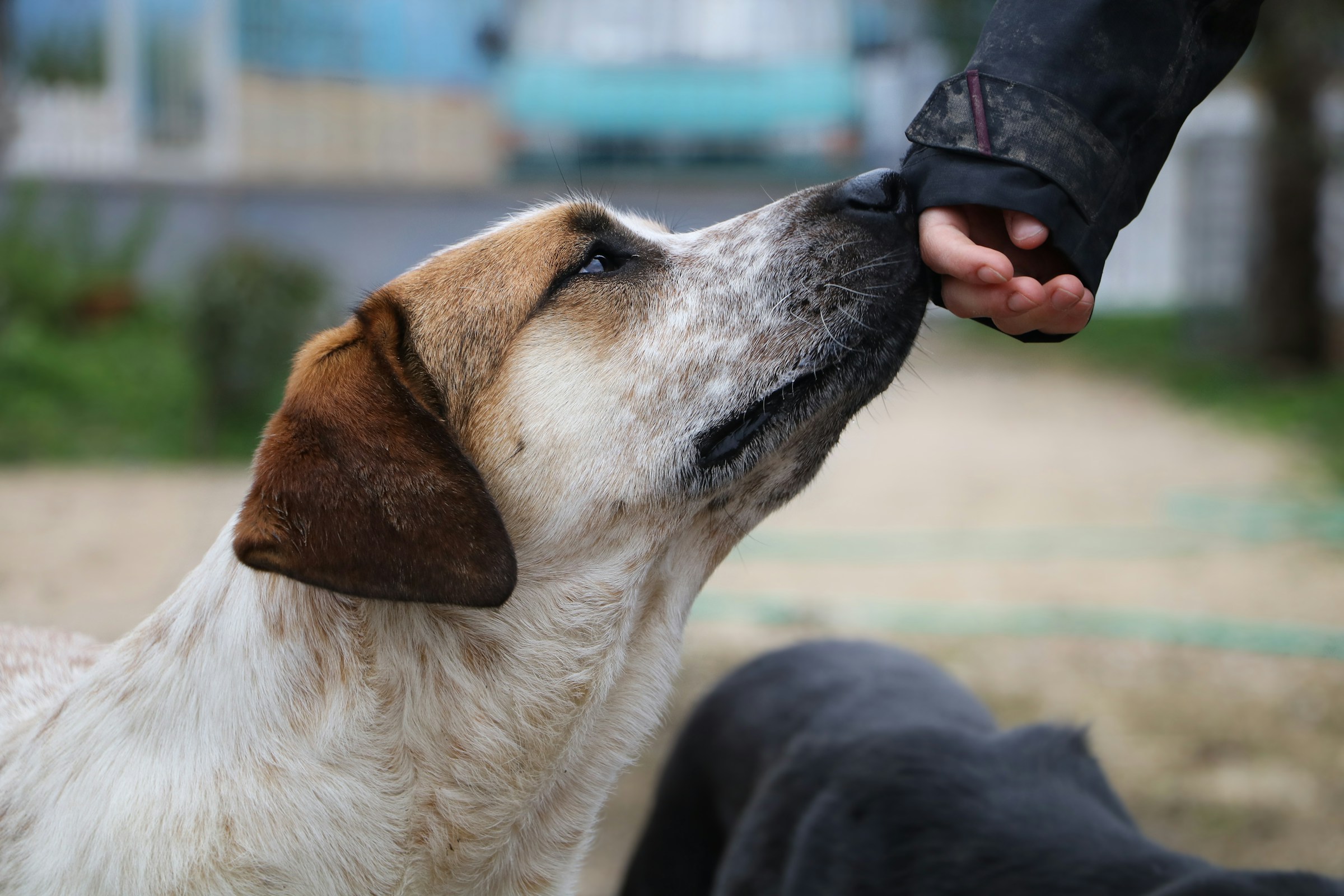
The next time your dog plants their nose on your jeans, your shoes, or straight into your armpit the second you step through the door, it is not just an overenthusiastic hello. To your dog, you are basically a walking, breathing newspaper of smells, carrying a full report of where you have been, who you met, and even how stressed or relaxed you are. They do not need a text message or a status update; your scent already told them everything.
In recent years, scientists have taken this everyday moment seriously and started to unpack what is actually going on in that intense greeting ritual. What they keep finding is both humbling and a little eerie: your dog is reading you in ways you cannot even imagine, using senses that make our human perception look like black‑and‑white TV next to 4K ultra‑HD. Once you understand what that nose is capable of, you will never look at a simple “sniff and wag” the same way again.
The Superpower Hiding in Your Dog’s Nose
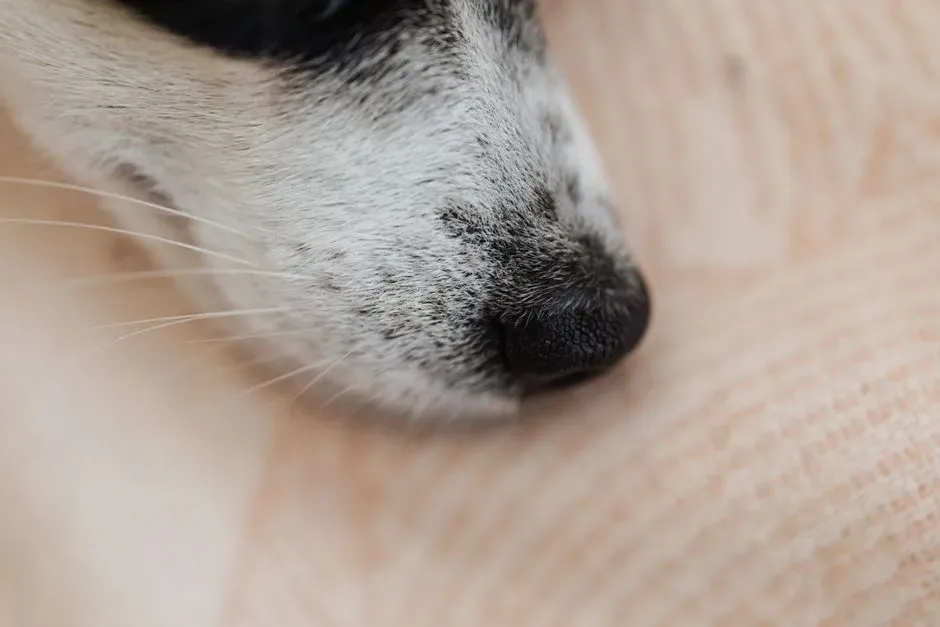
It sounds like an exaggeration to call your dog’s nose a superpower, but biologically, that is exactly what it is. Dogs have hundreds of millions of scent receptors, while humans are stuck with what feels like the budget version by comparison. On top of that, the part of a dog’s brain devoted to processing smells is dramatically larger than ours relative to brain size, which means scent is not just a sense for them; it is a primary way of thinking about the world.
When your dog sniffs you after you come home, they are not just getting a vague whiff of “outside.” They are separating layers of information the way we might separate colors or sounds. Dirt from the park, perfume from a stranger, the lingering trace of another dog, a little sweat from being rushed or anxious – all of that is encoded in smell. Where we just think, “I smell like me,” your dog is reading an entire layered story.
Your Skin as a Chemical Diary of Your Day
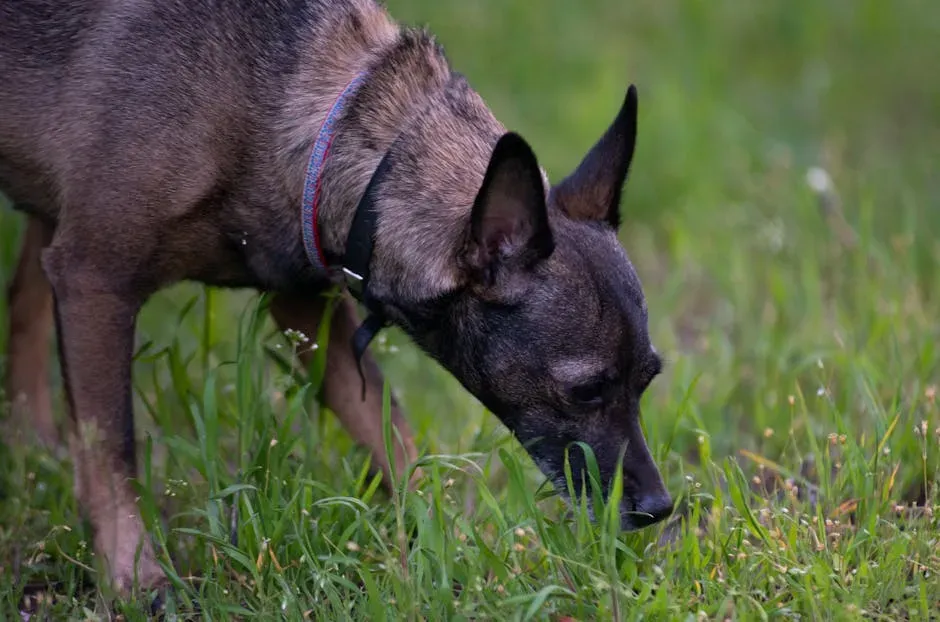
Your body is constantly releasing tiny chemical signals, whether you like it or not. Sweat, skin oils, breath, and even the bacteria living on your skin team up to create a unique scent signature. That signature subtly shifts depending on what you have eaten, where you have been, how long you have been gone, and how your body is responding to your day. You are basically leaking information into the air, and your dog is an expert at catching it.
From your dog’s perspective, your scent when you leave in the morning is not identical to your scent when you walk back in at night. There is a “before” and “after” profile that carries clues about time, activity, and context. Think of it like the way a coffee stain changes as it dries – it is still the same spill, but its pattern tells a story of time passing. Your dog’s nose tracks that kind of change in you, almost without effort.
How Dogs Decode Your Mood Through Smell
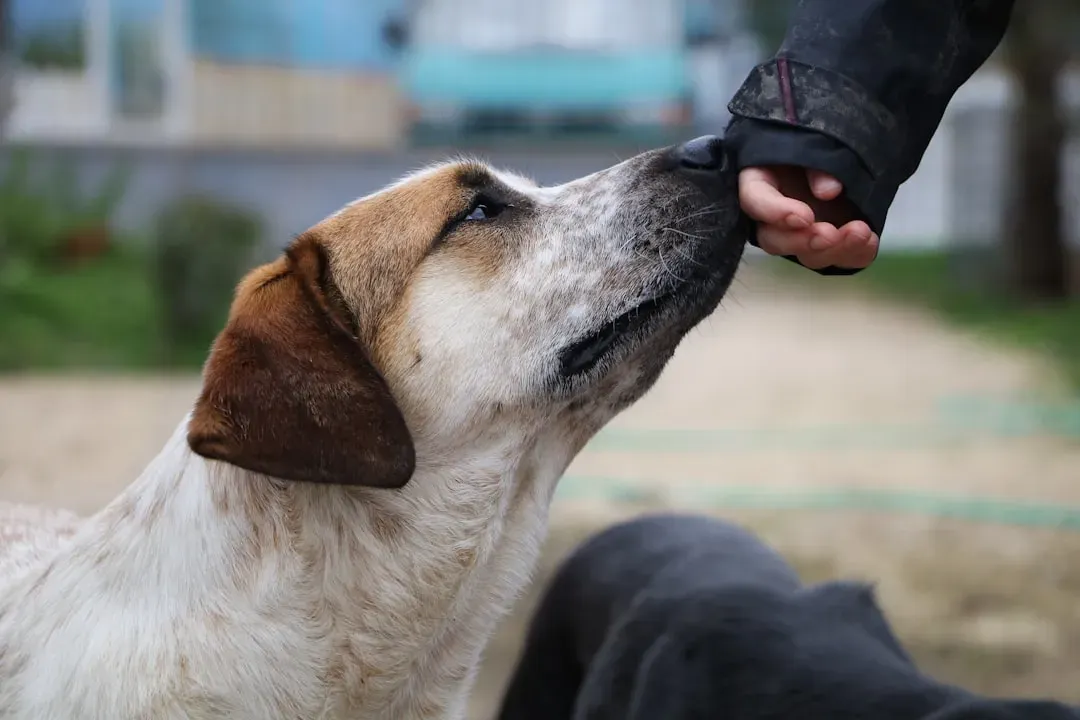
One of the most fascinating pieces of this puzzle is how closely your emotional state is tied to your scent. When you are stressed, scared, excited, or relaxed, your body chemistry shifts. Hormones and stress‑related compounds change the way your sweat and breath smell in ways that humans usually do not notice. Dogs, however, easily can. They are not reading your facial expression first; they are often reading your chemistry.
This helps explain why your dog can seem clingier when you are anxious, or unusually calm when you are drained after a long day. They already knew your mood from the moment you walked in, long before you said a word. To them, your “I’m fine” does not matter if your scent says otherwise. That intense sniff at the door is partly a check‑in, like their way of asking, without words, whether you are really okay.
Sniffing as a Full Social Greeting Ritual
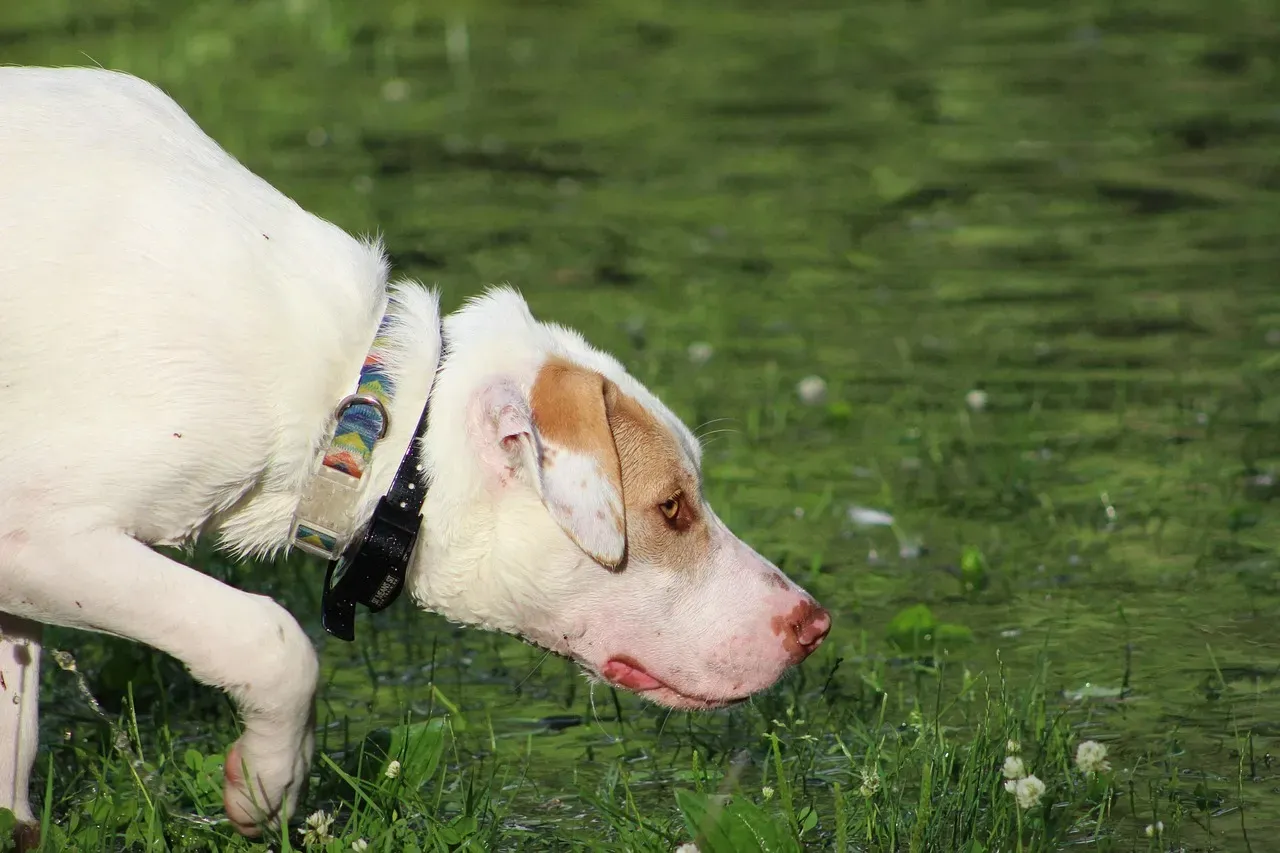
We usually think of a greeting as eye contact, a smile, and maybe a hug or handshake. For dogs, greeting is much more nose‑first. When your dog rushes to smell your hands, feet, legs, and clothes, they are not being rude; they are performing a full social scan. To them, ignoring scent in a greeting would be like you refusing to look someone in the eye or say hello.
That is why some dogs seem almost obsessed with certain spots – like your shoes or your pant legs. Those places carry the most intense smell data from wherever you have been, including other animals, environments, and even subtle hints of cleaning products, grass, or city air. It might look chaotic, but there is a method in their madness: they are prioritizing the scent “hotspots” to collect the maximum amount of information as quickly as possible.
What Your Dog Learns About Where You Have Been
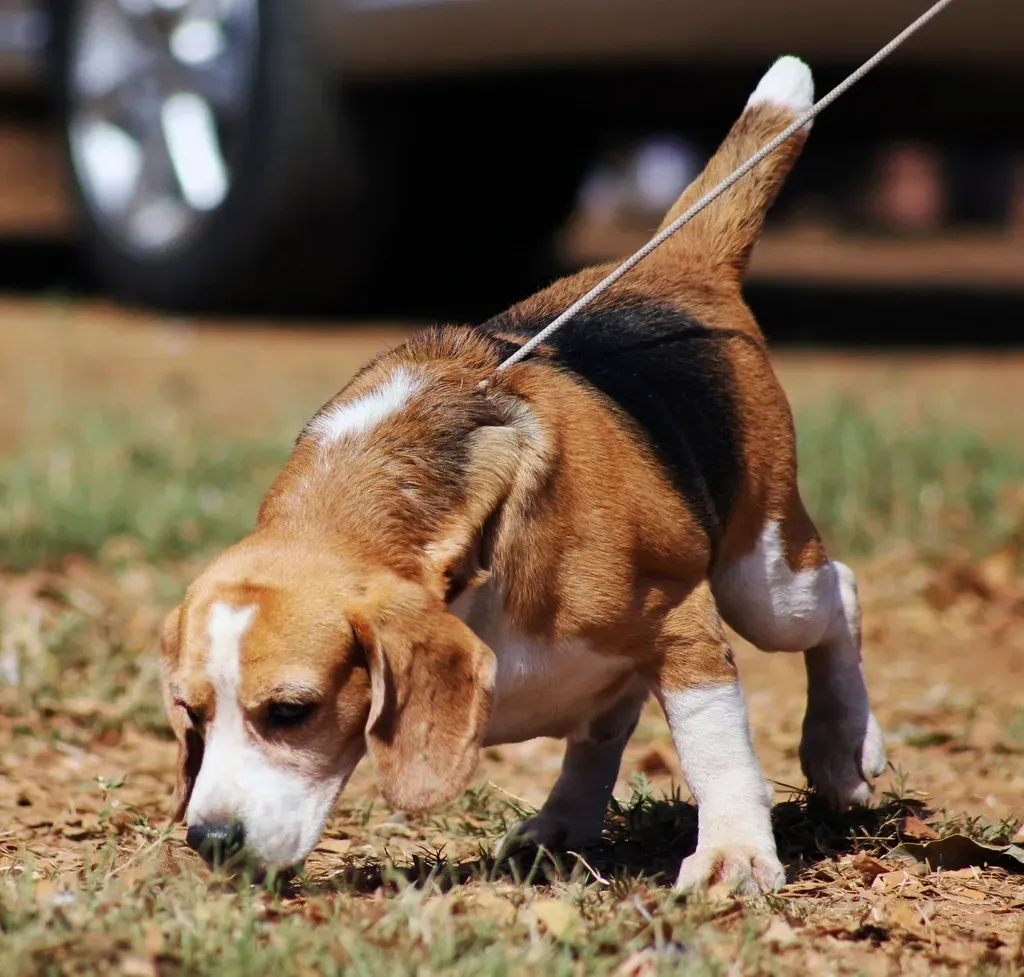
Although your dog cannot visualize your day the way a human could, they can build a surprisingly detailed scent map. They can distinguish whether you have been somewhere familiar or new, whether you encountered other dogs, whether you spent time outdoors or in a place full of people, and sometimes even if you visited someone’s home with its own unique smell signature. Each of these details helps your dog mentally place your day into their own understanding of your shared world.
Over time, they start to recognize patterns. The way you smell after the gym, the office, a walk through a park, or a visit to a friend’s place becomes predictable to them. That familiarity is comforting; breaks in the pattern can be interesting, exciting, or even slightly concerning. When you come home smelling strongly of a new animal or environment, that extra‑thorough sniffing session is your dog trying to update their internal map of your life.
Why Some Dogs Sniff Longer or More Intensely Than Others
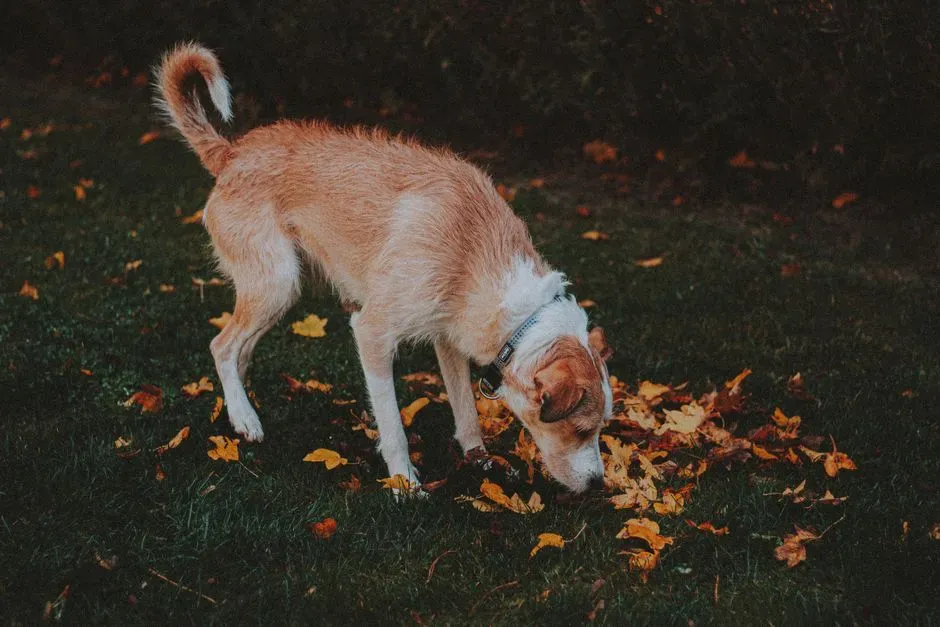
Not all dogs greet with the same intensity, and that difference can be confusing if you live with more than one dog or compare yours to a friend’s. Some dogs seem like quick scanners, giving you a brief sniff and then moving on, while others practically conduct a full‑body investigation every single time you return. Breed, personality, age, and even training history all play a role in how they use their nose socially.
For example, dogs historically bred for scent work tend to lean harder into sniffing as part of their default interaction style. More cautious or anxious dogs may sniff longer as a way of reassuring themselves about what has changed since you left. Even within the same breed, one dog might be more visually focused while another is more scent obsessed. None of this is random; it is simply each dog expressing their unique “communication style” through the tool that matters most to them: their nose.
How to Turn the Sniffing Ritual Into Connection, Not Annoyance
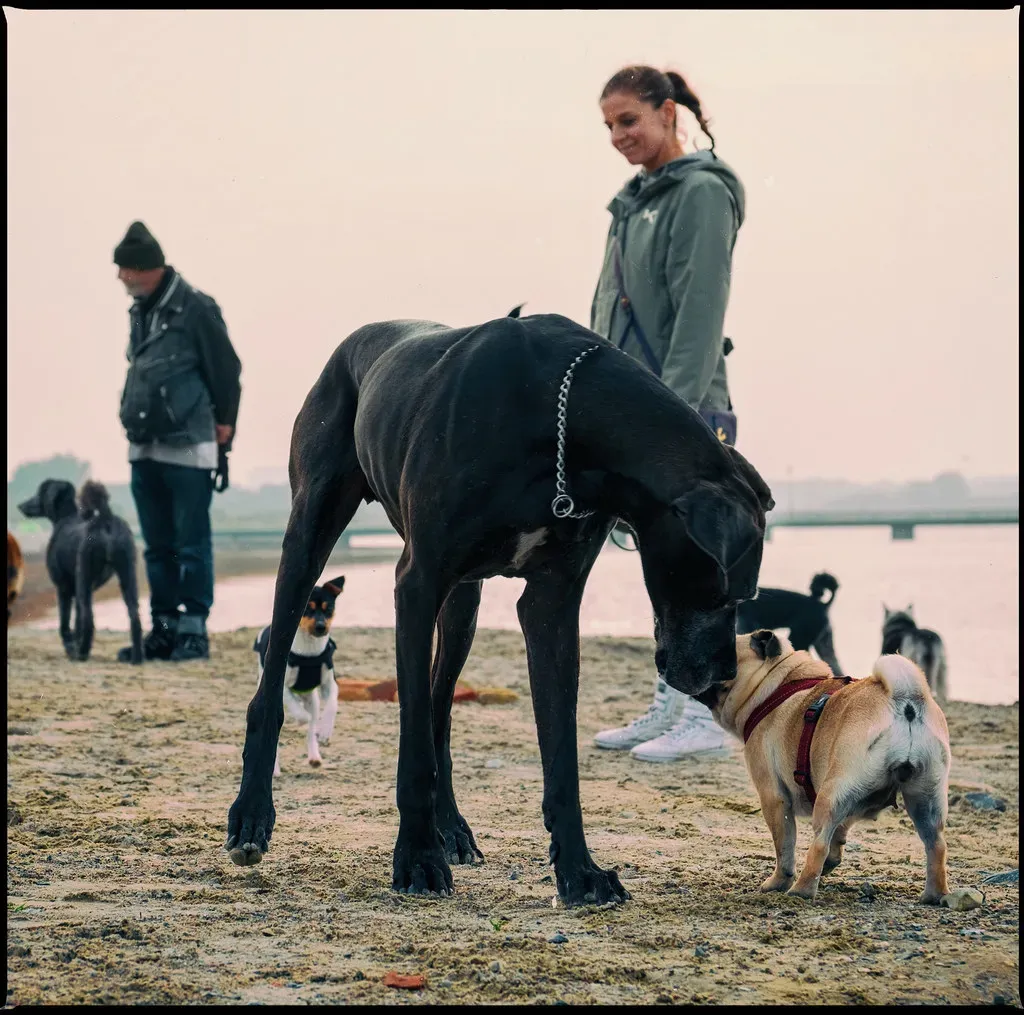
If you are honest, there are probably days when your dog’s intense post‑work sniffing makes you feel impatient or slightly grossed out, especially if they go straight for sweaty clothes. But understanding what is actually happening can turn that moment from an irritation into something almost sacred. This is your dog’s way of checking on you, keeping up with your life, and reconnecting after hours of separation.
Instead of pushing them away or rushing them, you can lean into the ritual: pause for a moment when you walk in, let them complete their “scan,” and then add your own version of a greeting, whether that is kneeling for some face rubs or talking to them in that ridiculous voice you pretend not to use. When you treat that sniff‑fest as a conversation instead of a nuisance, you turn a basic biological behavior into a daily reminder that someone in your home is genuinely, deeply interested in who you are and what your day has been like.
Conclusion: Your Dog Is Not Just Happy You Are Home – They Are Studying Your Story
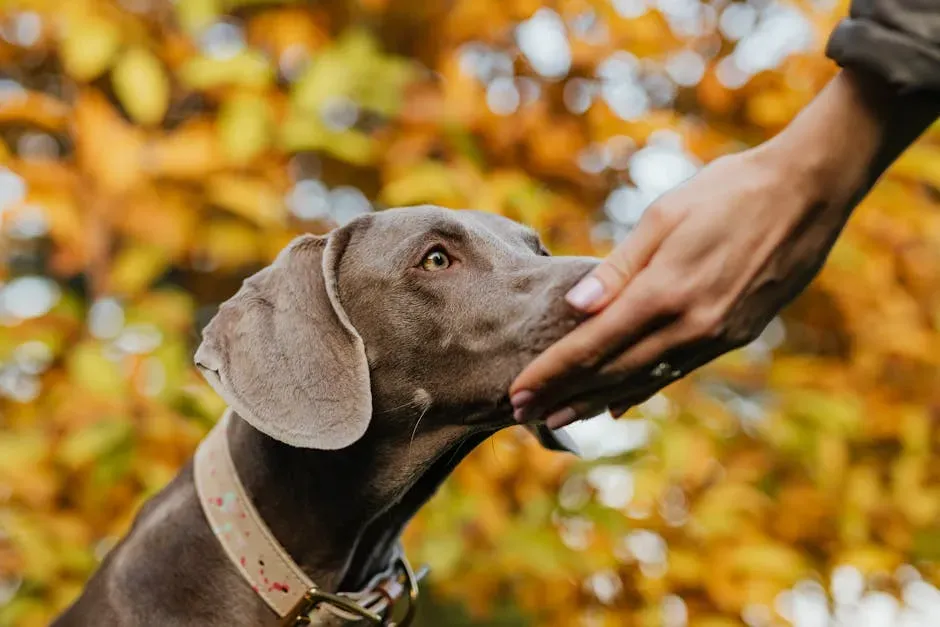
Once you see your dog’s greeting for what it really is, it becomes a lot harder to dismiss it as simple enthusiasm. That lingering nose on your sleeve is not random; it is your dog carefully reading the story your body has written in scent over the course of the day. In my own life, I have noticed that my dog’s greeting tells me as much about me as it does about him – he is calmer when I have had an easy day, more intense when I come home frazzled, almost as if he is quietly calling me out on how I am really doing.
In my opinion, we underestimate dogs when we treat sniffing as a quirk instead of what it truly is: a serious, sophisticated way of knowing us. They are not just glad you are back; they are making sense of where you have been, who you were with, and how you feel now that you have returned to their side. The next time you walk through the door and feel that familiar nose pressing into your clothes, maybe take a breath and let them read you. After all, how many beings in your life care enough to notice the invisible story you are carrying home every day?


