
You can usually tell when a dog is excited: wagging tail, wiggly body, big goofy grin. But when a dog needs reassurance, the signs are often subtle, almost like a whisper instead of a shout. Many of us miss those whispers, then wonder later why our dog suddenly snapped, shut down, or clung to us like Velcro.
Once you start recognizing how gently dogs ask for comfort, it feels a bit like learning a new language. You notice the way their eyes soften, how they lean just a little closer, or how they suddenly “need” to bring you a toy at oddly specific moments. Let’s break down seven of the most common quiet signals so you can respond to your dog with the calm, steady reassurance they’re actually asking for.
1. The Soft, Searching Eye Contact

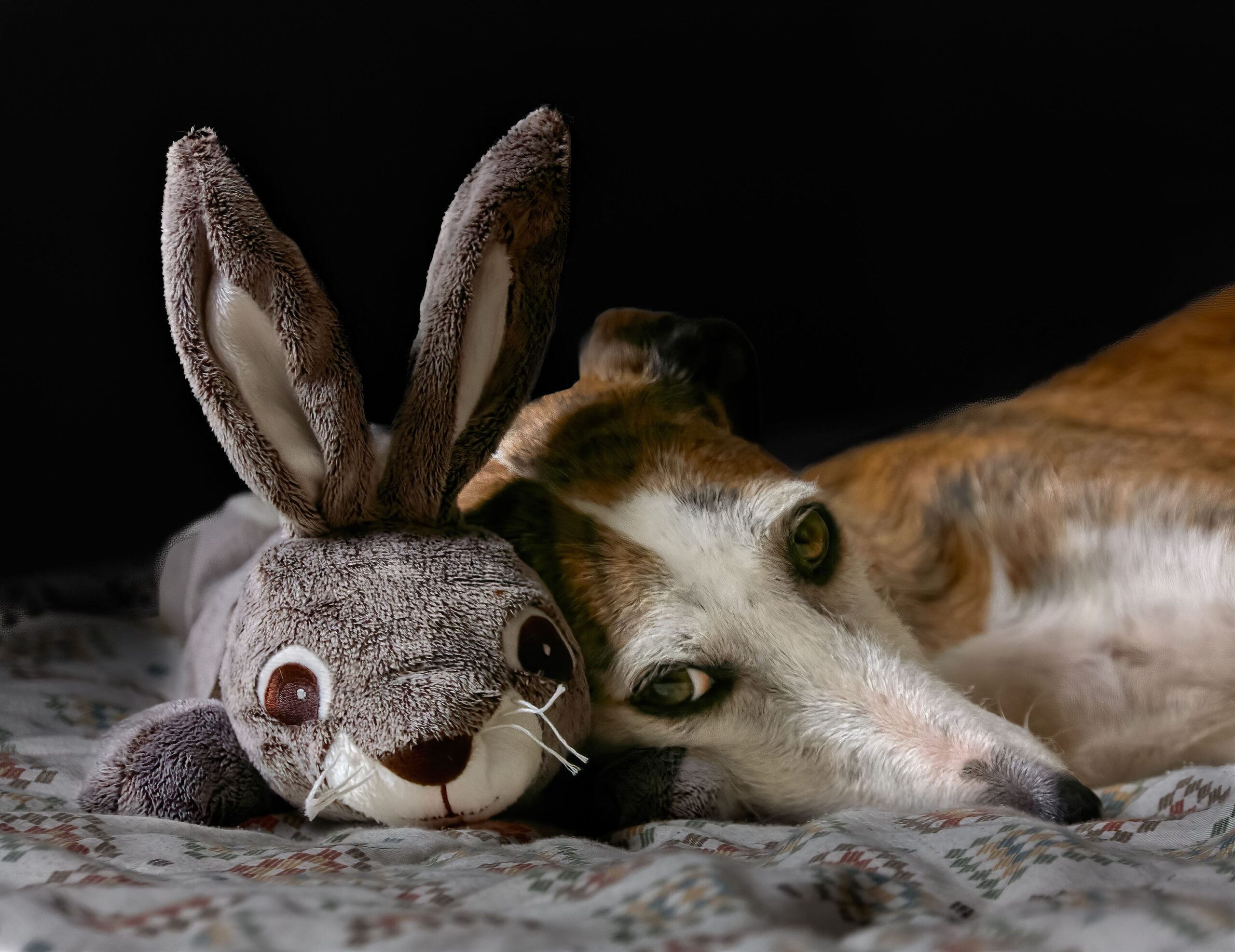
One of the quietest ways dogs is through soft, lingering eye contact that feels more like a question than a stare. It’s not the hard, unblinking eye contact you see in tension or challenge; instead, their eyes look slightly wider, maybe a bit worried, and they hold your gaze just a heartbeat longer than usual. This often happens in moments of uncertainty, like when there’s a loud noise outside, a stranger in the house, or a change in routine.
Think of it as your dog checking in: “Are we okay? Are you okay? Am I safe?” When you calmly meet that look, soften your own expression, and maybe add a slow blink or gentle word, you’re basically answering back in their language. Over time, dogs who are consistently met with that calm response learn that looking to you is a safe way to self-regulate instead of panicking or overreacting.
2. The Quiet Lean or Full-Body Press
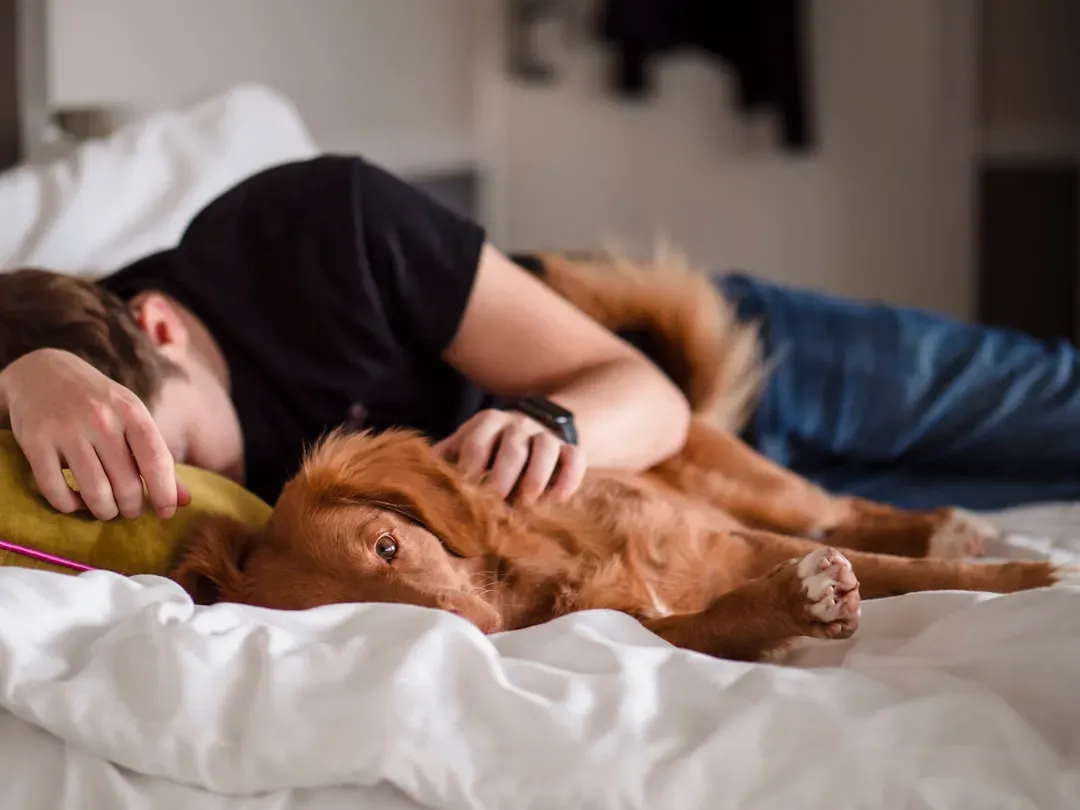
Some dogs literally lean into reassurance, shifting their weight so that part or all of their body is pressed against you. It might be a gentle shoulder nudge while you stand in the kitchen, or a full-on hip press against your leg when something feels off. This is not the same as the enthusiastic jump or climb you get when they’re demanding attention; it’s slower, softer, and often paired with stillness rather than hyperactivity.
In dog terms, touch is a powerful grounding tool. Just like some people instinctively hug themselves or reach for a loved one when they’re uneasy, dogs anchor themselves through body contact. Responding with a calm hand resting on their chest or shoulders, or just letting them stay pressed against you without pushing them away, tells your dog that you’ve got their back, literally and emotionally.
3. The Sudden Need to Be “Extra Close”
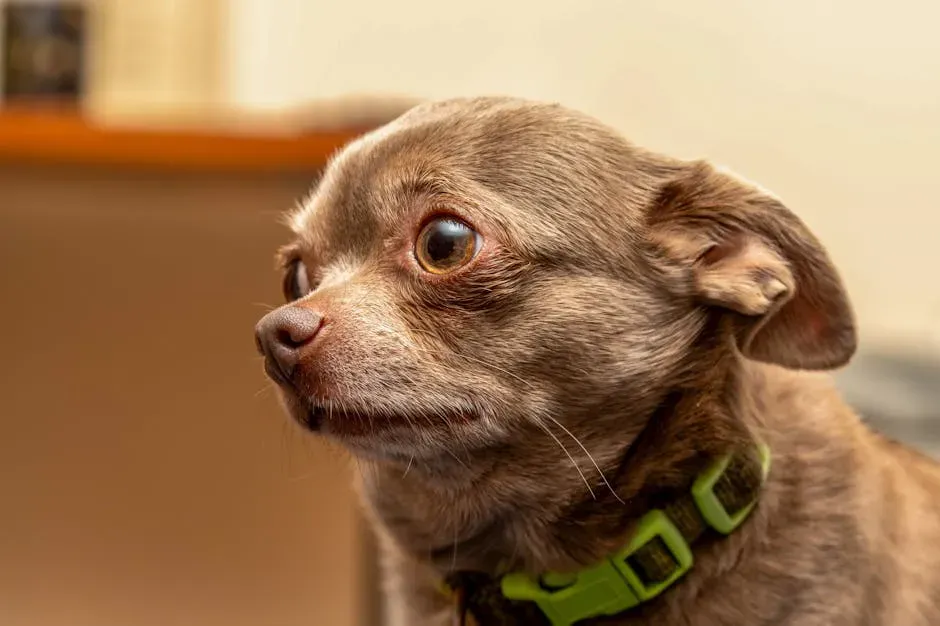
Many dogs turn up their clinginess dial when they’re unsure, often in ways that look cute on the surface but actually signal a deeper need. Maybe your dog usually lounges on the opposite end of the couch but suddenly insists on curling right against your side. Or they follow you from room to room more intensely than normal, waiting outside the bathroom door as if the world might end if you’re out of sight.
This behavior often shows up during storms, fireworks, household arguments, or big life changes like moving house or adding a new family member. It’s easy to dismiss this as “needy” or “spoiled,” but at its core it’s a simple emotional request: “I’m not sure what’s happening. Can I borrow your calm for a while?” Allowing them supervised closeness, giving them a cozy spot near you, and keeping your own energy steady can do more for their nervous system than any fancy gadget ever will.
4. Subtle Lip Licks, Yawns, and Head Turns
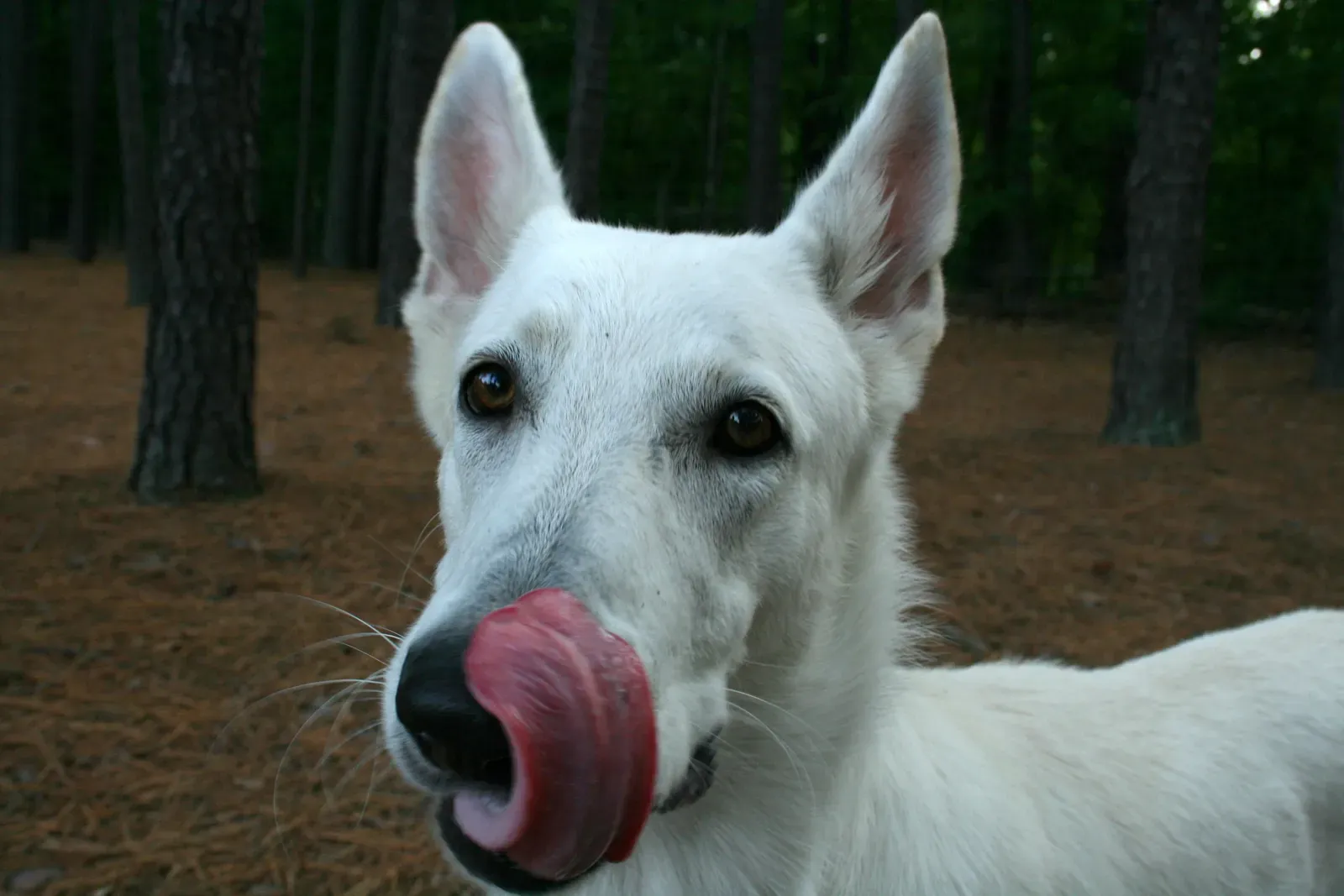
Some of the most misunderstood reassurance-seeking behaviors are the small, almost blink-and-you-miss-it signals known as calming signals. These include quick little licks of the lips, exaggerated yawns when they’re not actually tired, or turning their head slightly away while still staying close to you. People often assume a yawn means boredom or tiredness, but in context, it can also mean, “I’m a bit stressed and trying to calm myself down.”
You might see these signals when you hug your dog tightly, when a stranger bends over them, or at the vet’s office while you’re talking with the staff. They are not being dramatic or rude; they’re trying to diffuse tension and reassure themselves and you at the same time. If you notice this, the kindest response is to soften the moment: give them a bit more space, turn your body sideways, use a quieter voice, and show them they don’t have to handle that pressure alone.
5. Bringing You a Toy at Odd Moments
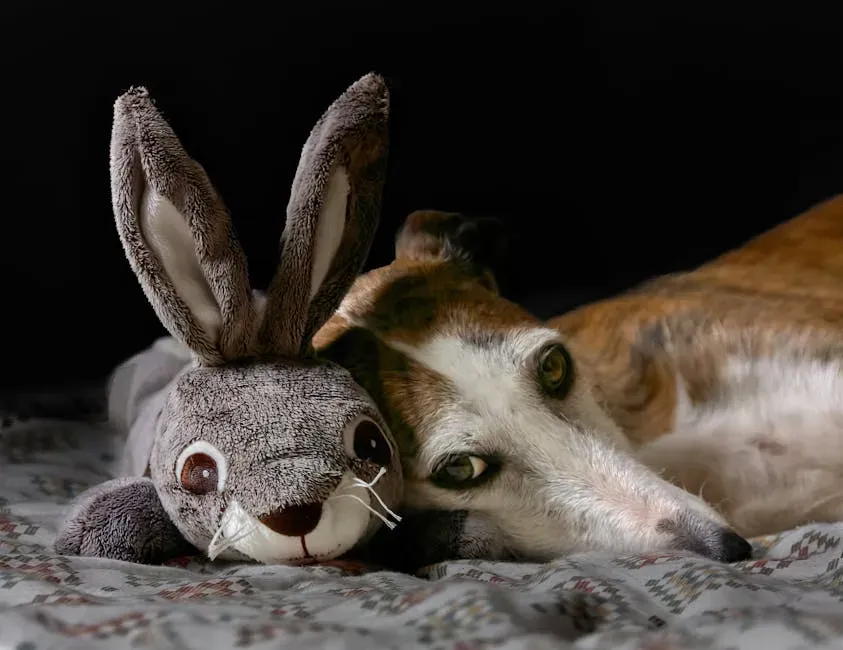
At first glance, a dog trotting over with a toy looks like a simple play request. But when it happens in the middle of something stressful – like after a loud crash in the house, when guests arrive, or when two people just raised their voices – that toy can be a peace offering and a comfort object rolled into one. Dogs often use familiar, positive routines like play to cope with uncertainty.
In those moments, the toy is less about fetch and more about stability. It’s your dog saying, “Let’s do the thing that always feels safe. Remind me that everything is okay.” If you can, pause and engage gently, even for thirty seconds. You’re not just throwing a ball; you’re confirming that the world is still predictable enough to play in, which is incredibly reassuring for a worried canine brain.
6. Slow Approaches With a Low Tail and Soft Body
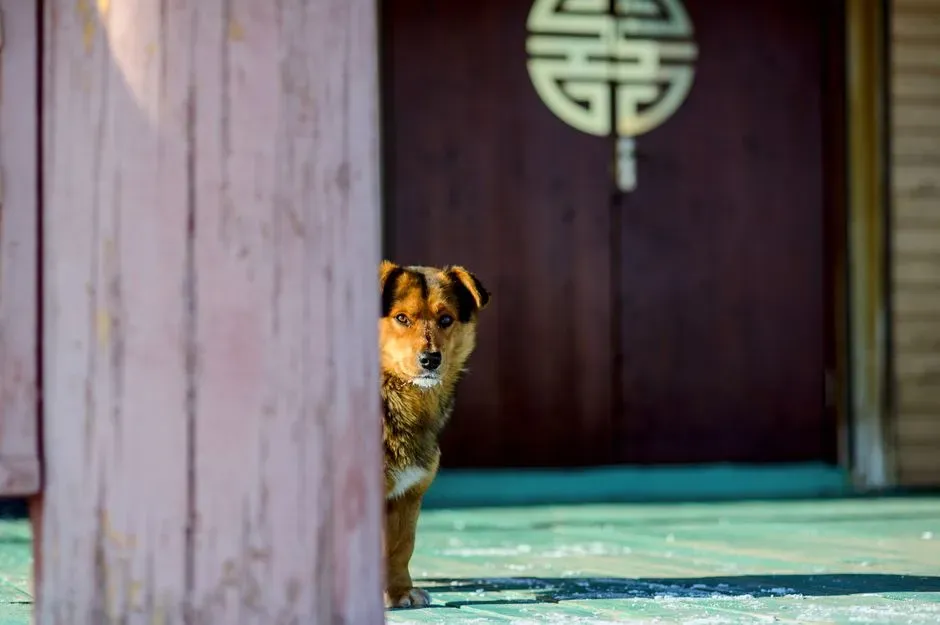
When dogs are unsure but hopeful, they often approach slowly, with a low or neutral tail, slightly curved body, and gentle steps. This is different from a fearful freeze or a confident charge; it sits somewhere in the middle, like someone walking into a dim room, calling out to see if anyone’s there. They might pause a few feet away, sniff the air, or glance up at your face as if asking for a read on the situation.
Responding with stillness, a relaxed posture, and an inviting gesture can make all the difference. If you crouch slightly, angle your body sideways, and keep your hands soft and low, you’re telling your dog, “You’re welcome here, at your own pace.” For many sensitive dogs, that kind of non-demanding invitation is exactly the reassurance they’re seeking, and it builds trust far more deeply than forced cuddles or over-the-top enthusiasm.
7. Quiet Withdrawal Instead of Acting Out
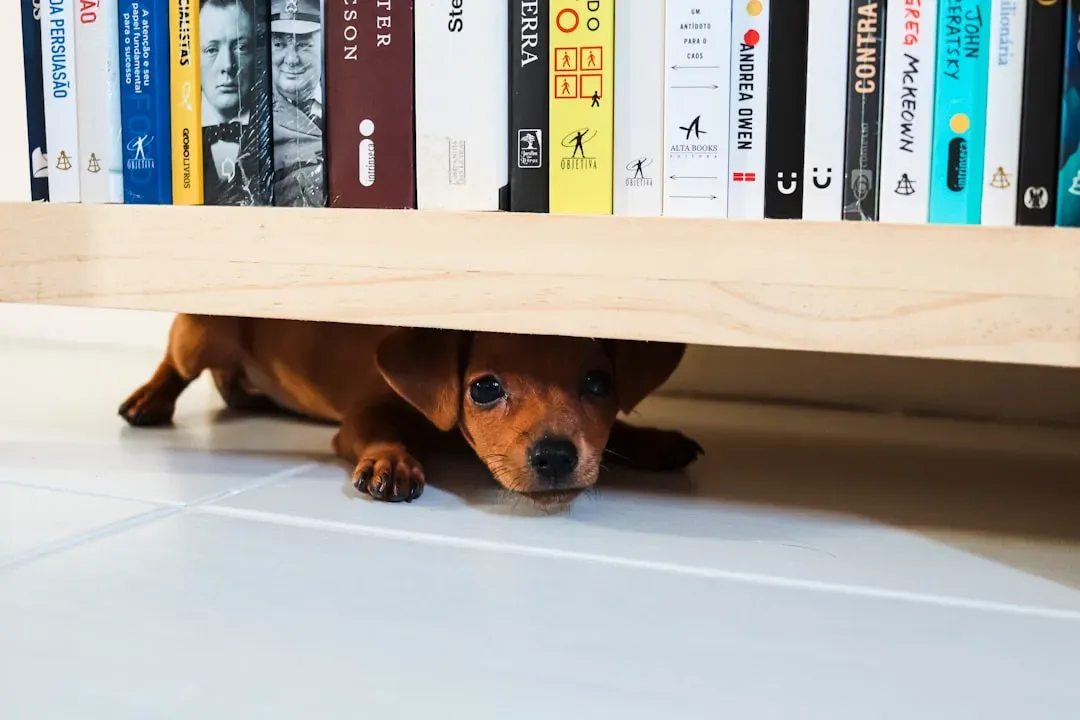
One of the saddest, and most overlooked, ways dogs is by going quiet and disappearing into the background. Not every dog whines, barks, or clings when they’re uneasy; some do the opposite. They stop initiating play, choose to lie in a corner instead of near you, move more slowly, or avoid eye contact altogether. To someone not paying close attention, this can look like a well-behaved or “calm” dog, when in reality it may be a dog who feels unseen or overwhelmed.
When you notice this kind of withdrawal, it’s worth gently investigating rather than praising the quiet. Has something changed in the environment? Are interactions with them rushed or tense lately? Sitting near them without pressure, offering a soft voice, a favorite treat, or a simple scratch in their preferred spot can help them reopen that emotional door. In my own life, the dogs who taught me the most were the ones who didn’t make a fuss; they just faded into the background until I finally learned to look more closely.
Conclusion: Learning to Answer the Questions Your Dog Is Asking
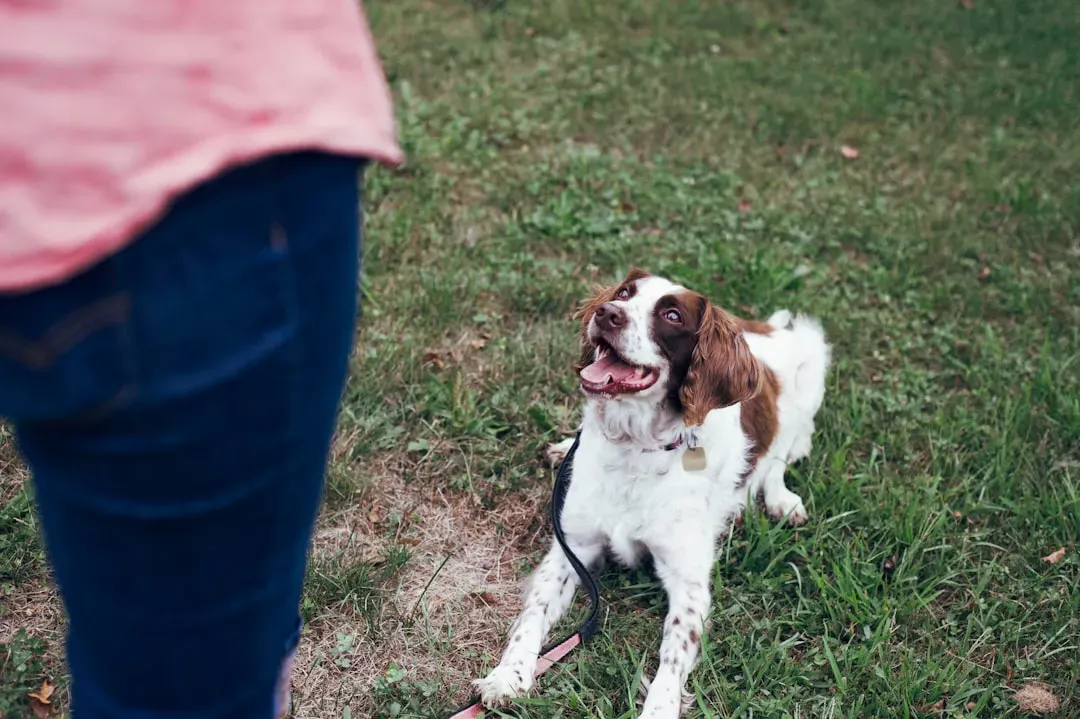
When you put all these subtle signals together – the soft eye contact, the gentle lean, the increased clinginess, the calming signals, the toy offerings, the careful approaches, and even the quiet withdrawal – you start to see a pattern. Your dog isn’t being “dramatic,” “clingy,” or “stubborn”; they’re asking simple, honest questions in the only ways they know how. They’re asking if you’re safe to come to, if the world is still okay, and whether they can trust you to help them navigate their stress.
In my opinion, the real mark of a “good dog owner” isn’t perfect obedience or trendy gear; it’s whether you show up for these questions with patience, curiosity, and consistency. You do not have to get it right every time, and you definitely do not need to hover over your dog or baby them. But if you can slow down enough to notice the whispers instead of waiting for the screams, your relationship becomes deeper, calmer, and far more honest. Next time your dog leans in a little closer or looks up at you just a second longer, will you answer the question they’re quietly asking?


