
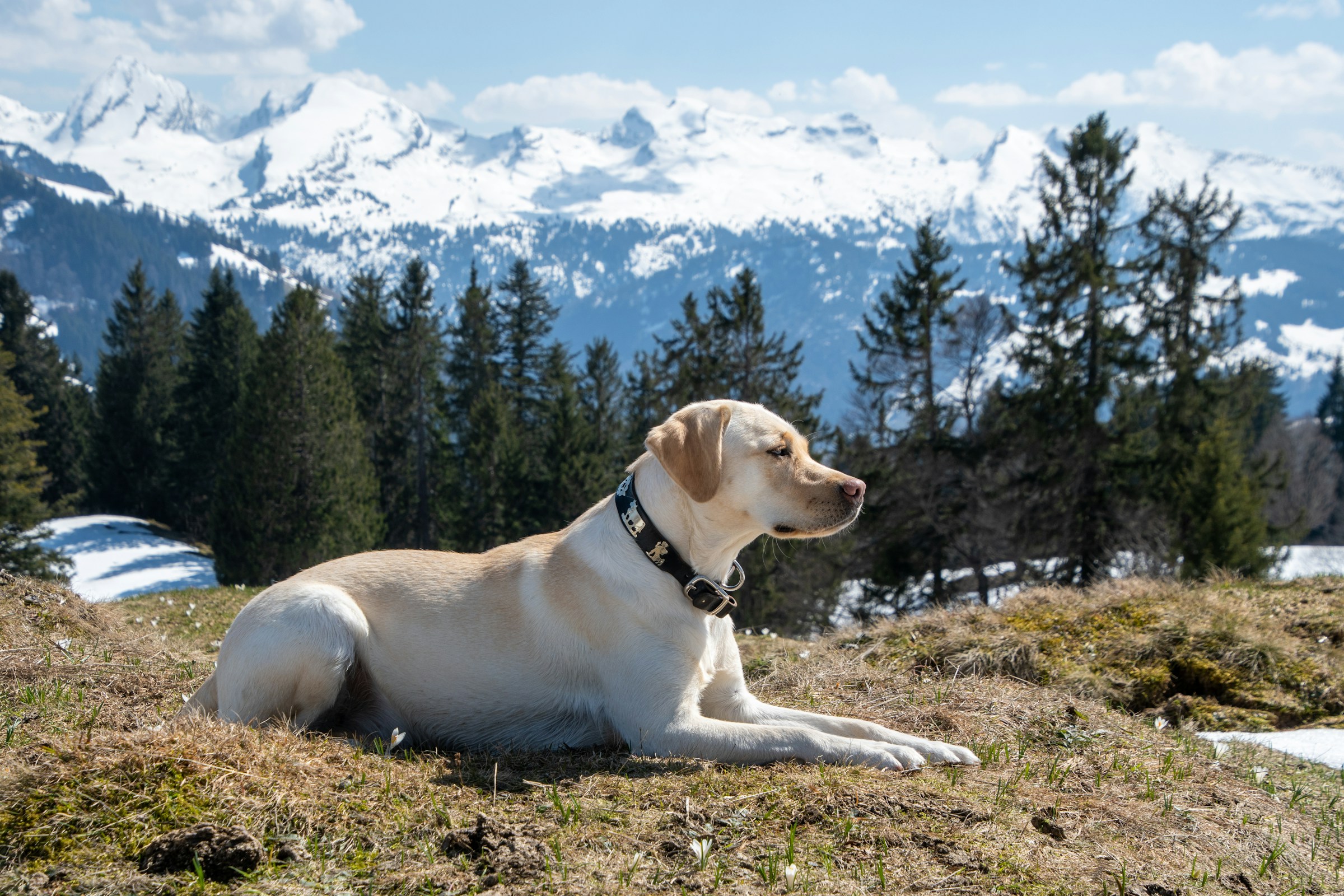
If it feels like there’s a Labrador retriever on every corner in some places, you’re not imagining it. Labs have been the most popular dog breed in the United States for many years, so they show up in huge numbers in certain regions and states. But which states really have the most Labradors, and why do they seem to fit some places like they were custom‑designed for the lifestyle there?
Because there’s no single perfect national registry that publicly lists Labradors by state, we have to read the clues: overall dog ownership rates, breed popularity rankings, hunting culture, suburban growth, and even climate and lifestyle trends. When you connect those dots, a clear pattern appears. Some states are practically built for Labs – water, woods, families, and an outdoorsy culture – while others have plenty of them, but not quite at the same “Lab on every dock” level. Let’s walk through the states where this big-hearted, ever-wagging breed truly dominates.
Why Certain States Are Labrador Powerhouses
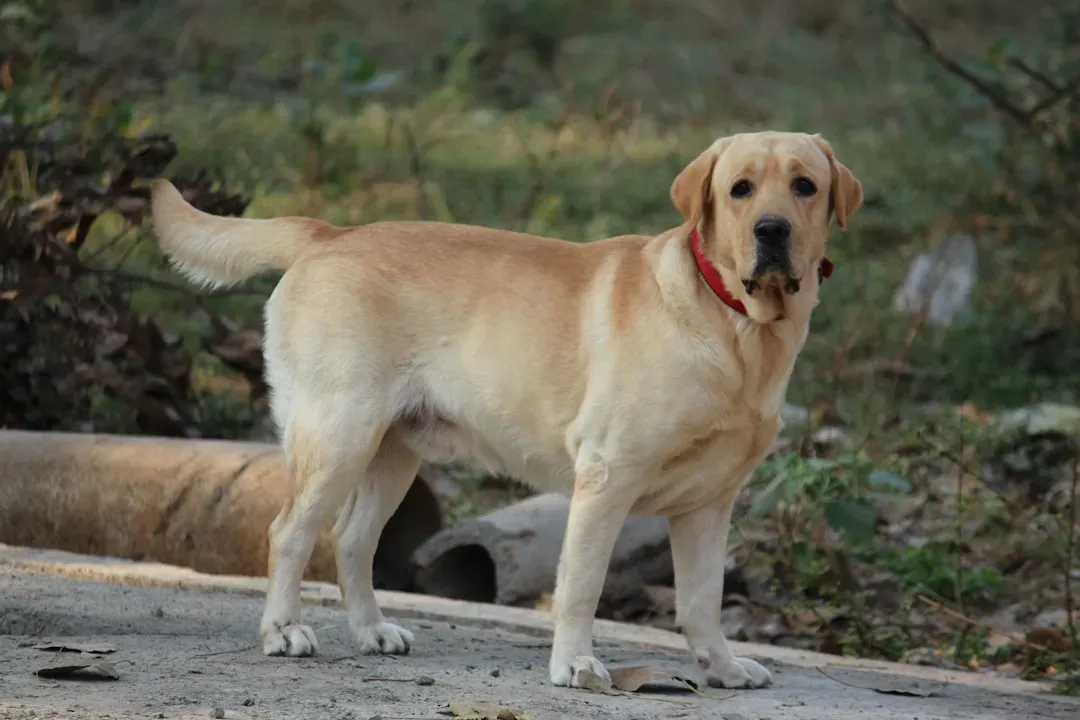
Here’s the surprising part: it’s not just about how many people live in a state. What really predicts Lab numbers is a mix of lifestyle and geography – things like easy access to lakes and rivers, a strong hunting tradition, and high homeownership. States where people have yards, trucks, and boats tend to be states where Labradors are practically honorary citizens. When you think about Labs as the Swiss Army knife of family and outdoor dogs, the map starts to make sense.
Another factor is culture. In some regions, owning a Lab is almost a default choice: families grow up with them, hunters trust them, and even people who “aren’t really dog people” will still say yes to a calm, steady Lab. Breeders, rescues, and shelters in those areas naturally lean into the demand, which further concentrates the breed. So the states below are not just where Labs exist in large numbers, but where they really match how people live day to day.
Texas: Big State, Big Yards, Big Love For Labs
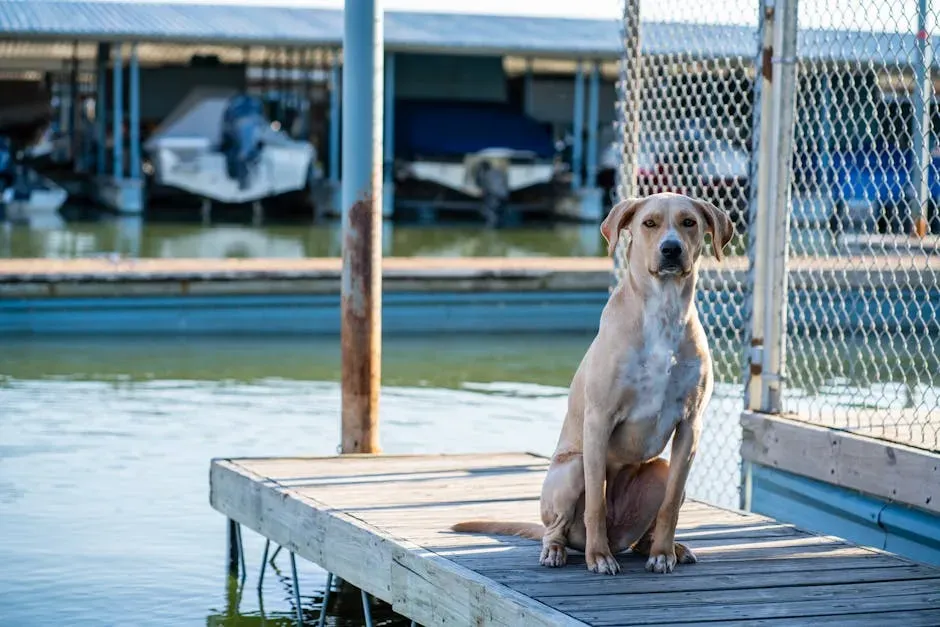
Texas is an obvious heavyweight simply because of its massive population and its deep outdoor culture. With millions of households, high rates of dog ownership, and a strong rural and exurban footprint, the state creates ideal conditions for a large Labrador population. From suburban neighborhoods around Dallas and Houston to ranch land and lakeside communities, there is space for a big dog to run, swim, and tag along in the truck.
The hunting and sporting culture across Texas also makes Labs a natural fit. Waterfowl hunting, fishing, and general “weekend at the lake” lifestyles reward a breed that’s sturdy in the heat, loves water, and can go from romping with the kids to retrieving ducks at dawn. In practice, this means you’re just as likely to see a Lab snoozing on a porch in a small town as you are to see one walking a city trail in Austin. Texas doesn’t just have many Labs by raw numbers; its way of life actively selects for them.
Florida: Water, Sunshine, And Endless Lab-Friendly Lifestyles
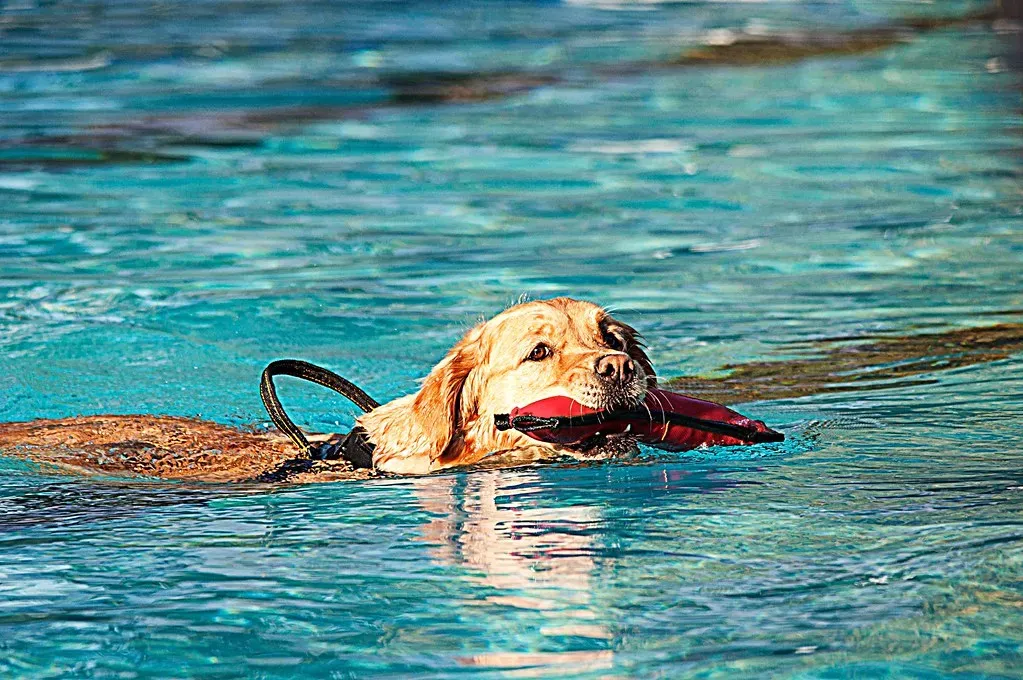
Florida’s combination of warm weather, water everywhere, and a massive population makes it a natural magnet for Labrador retrievers. Retirees, young families, and year-round outdoor enthusiasts all share something in common: plenty of opportunities to be outside with a dog. Labs thrive in this kind of environment, where they can swim, play fetch on the beach, or join their owners on boats and paddleboards.
Another piece of the puzzle is Florida’s strong suburban and exurban sprawl, where single-family homes with yards dominate. That layout naturally favors larger breeds over tiny apartment dogs. While you will certainly find small breeds in condo-heavy cities, in many neighborhoods the default “family dog” is still a medium-to-large, friendly, kid-safe companion. Labs fit that role better than almost any other breed, which helps keep their numbers high across the state.
California: Suburban Families And Outdoor Weekends
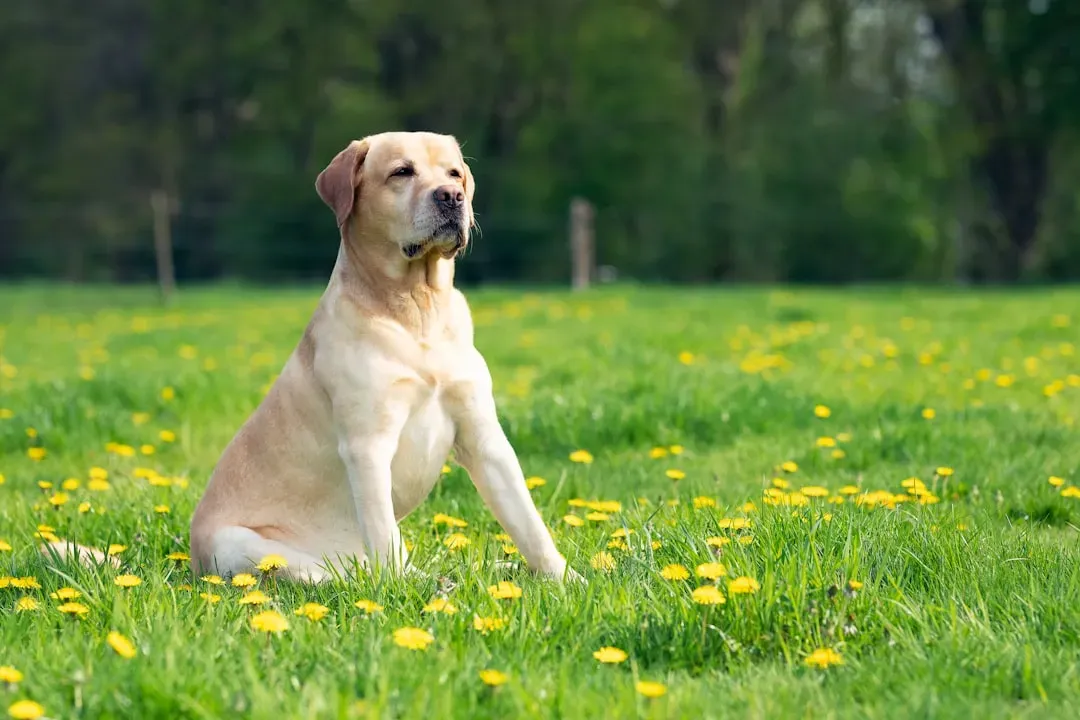
California might be famous for designer doodles and tiny urban dogs, but its sheer size and population mean there are also huge pockets of Labrador country. Look beyond downtown San Francisco or central Los Angeles and you’ll find sprawling suburbs, agricultural regions, and mountain and lake communities where Labs are everywhere. In these areas, people hike on weekends, head to the coast, or spend time on reservoirs and rivers, all of which line up perfectly with the strengths of a Labrador.
California’s culture of fitness and outdoor recreation also plays in the Lab’s favor. A dog that can run, swim, go camping, and still be calm at home after a long day checks a lot of boxes for active people. While breed trends in big coastal cities can change with fashion, the Lab’s reliability, trainability, and family-friendly temperament give it staying power in the broader state. The result is a surprisingly large Labrador population once you look past the stereotype of tiny “purse dogs” on city sidewalks.
Pennsylvania: Tradition, Hunting, And Reliable Family Dogs
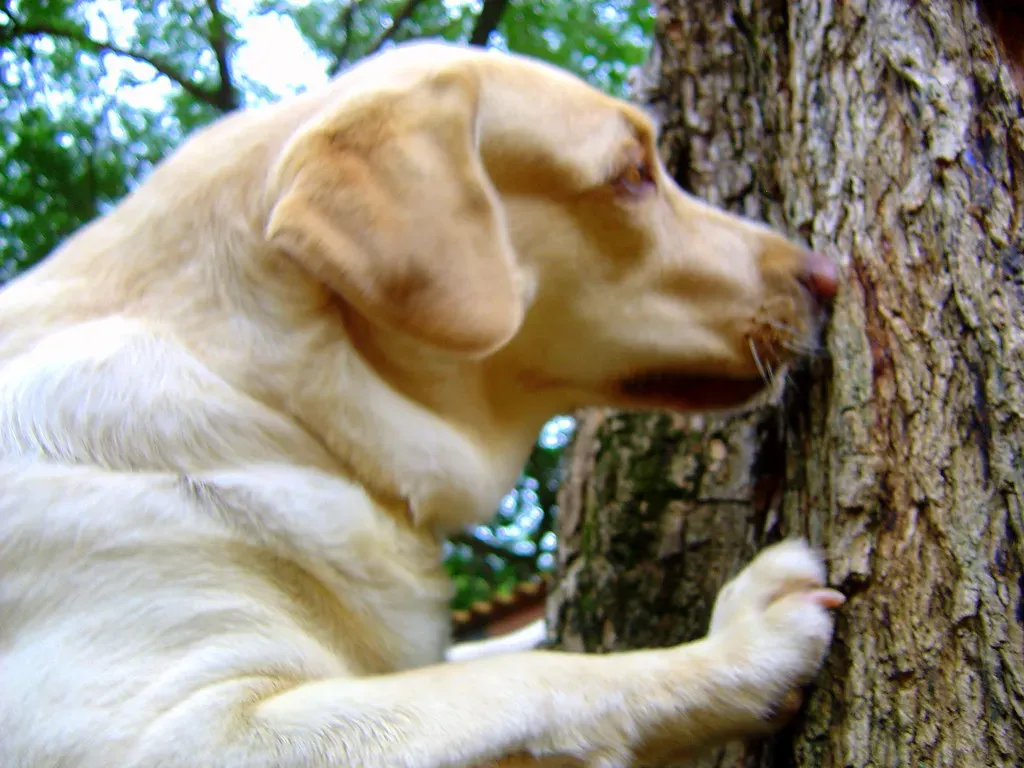
Pennsylvania tends to fly under the radar in dog conversations, but it blends old-school rural life with dense suburbs in a way that heavily favors Labradors. Many communities have long hunting traditions, and Labs have been a trusted gun dog choice for decades. A breed that can handle cold, wet autumn mornings and spend the rest of the year as a devoted family dog is almost too perfect for this environment.
Suburban corridors around cities like Philadelphia and Pittsburgh add another layer. In a lot of these neighborhoods, families want a dog that is social, trainable, and sturdy around kids. Labradors reliably check those boxes, which has kept them high on the list even as trendy breeds come and go. When you talk to people who grew up in Pennsylvania, you often hear about “the Lab we had when I was a kid,” which hints at just how ingrained the breed is in the state’s dog culture.
Ohio: Middle America’s Quintessential Family Lab Country
Ohio sits at a crossroads of Midwestern and Appalachian culture, with plenty of small towns, mid-sized cities, and suburbs in between. That mix quietly creates textbook Labrador territory: homes with yards, a practical mindset about dogs, and a strong emphasis on family life. In that context, a friendly, medium-to-large dog that loves fetch, tolerates cold weather, and is known for being easy to train naturally rises to the top.
The state’s lakes, rivers, and park systems add another piece to the picture. Whether it is weekend trips to reservoirs, cabin getaways, or hikes through state parks, Ohio residents have a lot of opportunities to bring a dog along. Labradors, with their eagerness to be involved in whatever the family is doing, become the default choice in many of these scenarios. You end up with a state where Labs are not just common but woven into the quiet, everyday routines of countless households.
Michigan: Lakes, Cabins, And Classic Sporting Labs

If you imagine a yellow Lab jumping off a dock into a crystal-clear lake, there is a good chance that mental picture could be Michigan. The state is ringed by the Great Lakes and packed with inland lakes and cottages, and those environments suit Labradors almost perfectly. Families who spend summers at cabins, go boating, or fish on weekends gravitate toward a breed that loves water and can handle a wide range of weather conditions.
Michigan also has a long-standing hunting and outdoor tradition that keeps Labs popular as working and sporting dogs. In many communities, the Lab fills a dual role: serious retriever in hunting season, and laid-back family companion the rest of the year. That mix of practical utility and emotional attachment helps sustain a strong Labrador presence year after year, even as urban areas experiment with newer or more fashionable breeds.
Southern And Midwestern States: A Wider Belt Of Lab Dominance
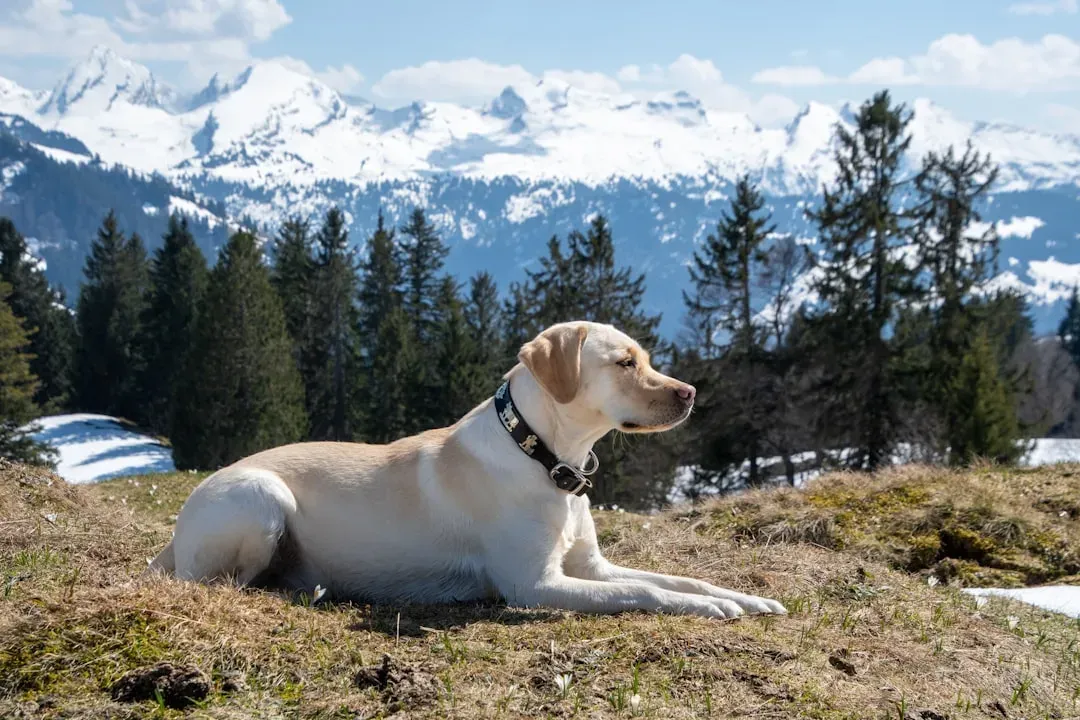
Beyond the headline states, there is a wide belt of Southern and Midwestern states where Labradors are almost the unofficial state dog. Places like Georgia, North Carolina, Minnesota, and Wisconsin share common ingredients: strong outdoor culture, substantial hunting and fishing communities, and a high proportion of single-family homes. These conditions repeatedly favor a breed that can handle everything from hot Southern summers to freezing Northern winters, while still being adaptable enough for suburban life.
In these regions, the Lab is often viewed less as a trendy choice and more as the safe, default answer when someone asks what kind of dog to get. That cultural baseline matters. It means breeders, trainers, and veterinarians are deeply familiar with the breed, and local communities have a long memory of positive experiences with Labs. Even if precise numbers are hard to pin down, you can feel their presence everywhere – from park trails to pickup trucks – forming a broad, Lab-heavy band through the heart of the country.
The Real Takeaway: Why Labs Cluster Where Life Fits Them Best
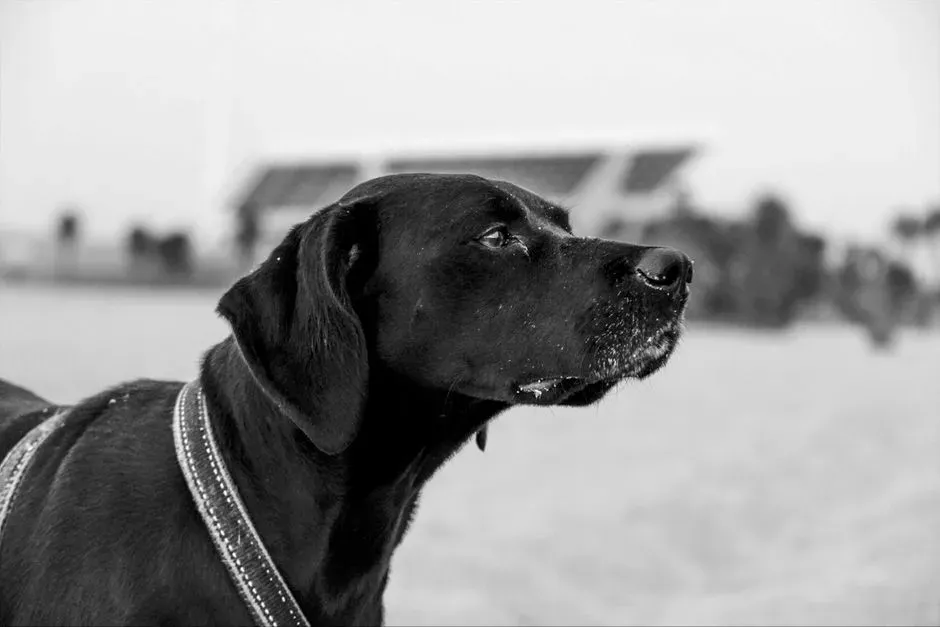
When you step back from the map, the states with the most Labradors share a simple pattern: they offer space, water, family life, and a culture that values practical, good-natured dogs. It is not that other breeds do not exist in those places; it is that the Lab is a kind of universal adapter that quietly beats the competition in everyday reality. From Texas ranches to Florida canals, California suburbs, and Great Lakes cabins, the same story repeats – if people are outside with kids, trucks, and boats, there is probably a Lab nearby.
My own bias is clear: I think the Labrador’s dominance in these states is deserved, but it also says something about us. We tend to choose dogs that reflect what we want our lives to be – active but grounded, social but not high drama, dependable more than flashy. That is exactly what the Lab offers, and why it keeps showing up in such huge numbers where lifestyle and landscape line up in its favor. So the real question isn’t just which states have the most Labs, but whether we are choosing them because they fit our world, or because deep down, we wish our world looked a little more like a Lab’s: simple, joyful, and always ready for the next adventure.


