
If you could step into a dog’s mind for a day, the world around you wouldn’t just look different – it would smell completely, astonishingly alive. Where we see a park, a dog experiences a layered symphony of scents: who walked by ten minutes ago, what they ate for breakfast, which direction they went, how they were feeling. That huge difference is not just cute trivia; it’s rooted in brain architecture.
Scientists have shown that the region of the brain devoted to smell in dogs is, proportionally, roughly forty times larger than the same region in humans. That single fact flips the way we should think about our pets: we are visual creatures dabbling in scent, while dogs are olfactory natives who happen to see. Once you really let that sink in, everyday things like walks, sniffing, and even “bad” behaviors start to look completely different.
The Science Behind a Dog’s Superpowered Nose
Imagine your favorite movie suddenly upgraded from a grainy old screen to a cutting-edge holographic experience; that’s roughly the gap between how we smell and how dogs do. The olfactory bulb, the part of the brain that processes smells, takes up a dramatically larger share of a dog’s brain than ours, even though their overall brain is smaller. In simple terms, they dedicate far more neural “budget” to decoding scent than we ever could.
On top of that, dogs carry hundreds of millions of scent receptors in their noses, far outnumbering the receptors in human noses by a wide margin. Those receptors act like tiny antennas, each tuned to different molecules lingering in the air or clinging to surfaces. When you add that dense forest of receptors to the massive olfactory bulb, you get an animal whose relationship to smell is not just stronger than ours but fundamentally different in kind.
Living in a World of Scent, Not Sight
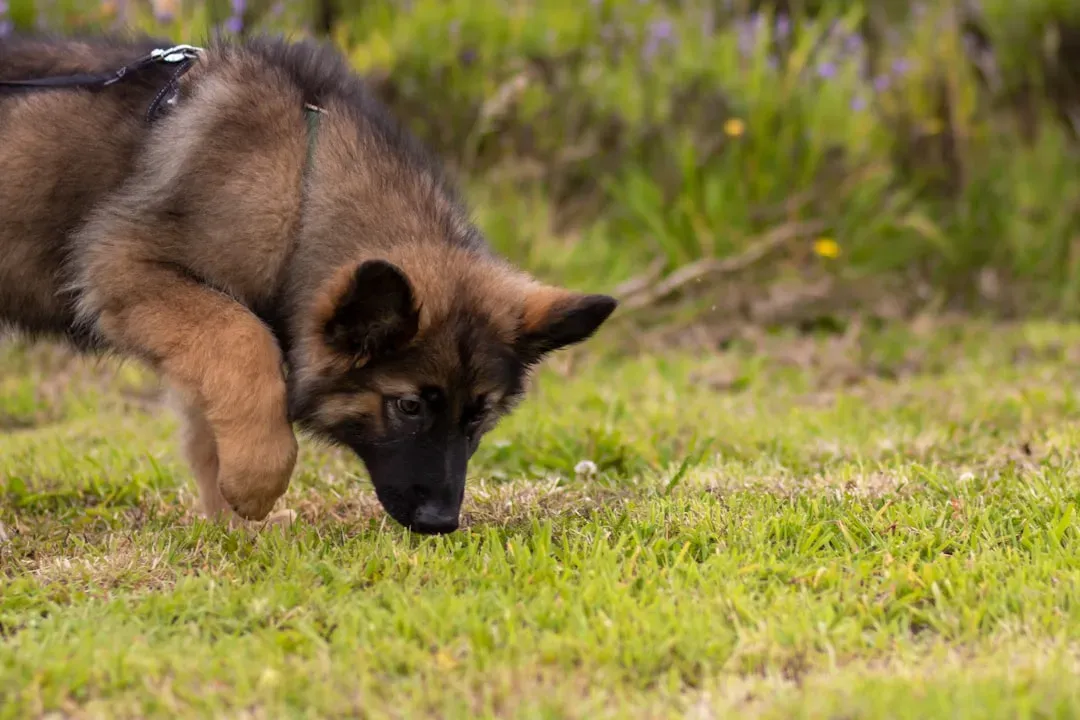
We often assume everyone experiences the world the way we do: mostly through eyes and ears, with smell as a kind of background extra. For dogs, it’s basically flipped. Smell is their headline sense, the way they gather the richest, most detailed information, while vision and hearing play supporting roles. When a dog walks into a room, they do not just see where the furniture is; they “see” who sat on the couch yesterday and whether someone spilled food last week.
This olfactory-first reality explains so many everyday quirks. The reason your dog spends what feels like ages at a single lamppost is that, to them, it is like a social media feed, loaded with messages from other dogs about identity, status, health, and mood. The sidewalk holds a layered history of who passed by and when, which is as obvious to them through their nose as a bright red sign is to your eyes.
How Dogs Read Emotions, Time, and Stories Through Smell
One of the most mind-bending parts of dogs’ smell-centered world is how much “extra” information they pick up that we miss entirely. Human bodies constantly release tiny odor molecules that change with stress, fear, happiness, illness, and even hormonal shifts. Dogs can detect many of these subtle changes and often respond before we consciously know something is wrong. That is why many people feel their dog seems to sense moods almost magically.
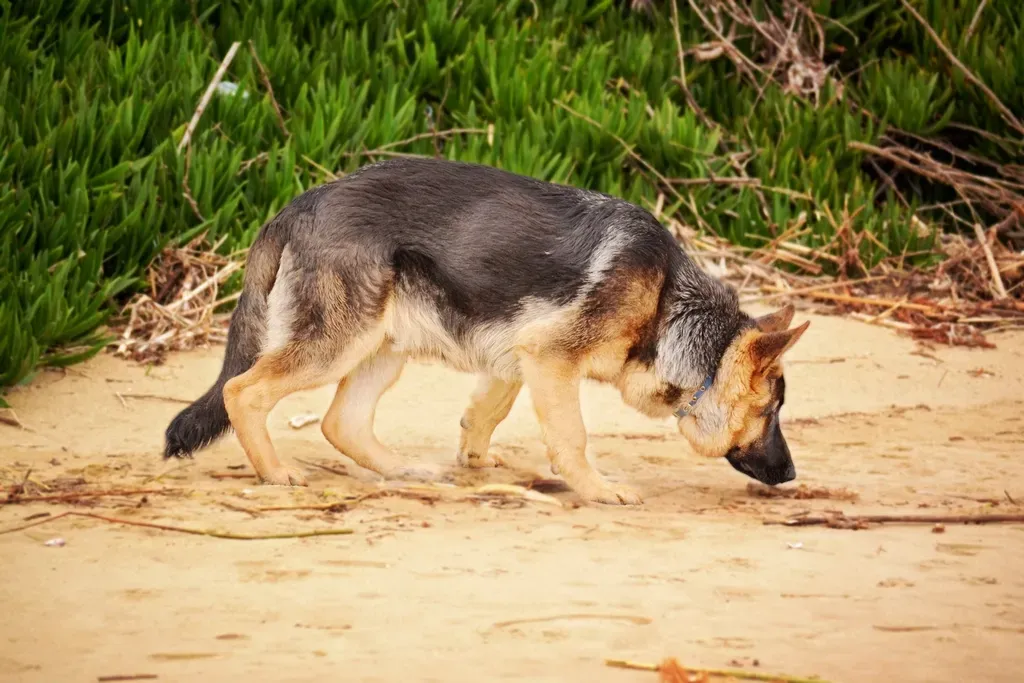
Smell also carries a form of time for dogs. As scent trails weaken and spread out, they can hint at how long ago someone or something passed through and in which direction it went. A walk for them is not just current stimuli; it is like reading a story written across the pavement, with chapters stretching minutes or hours into the past. What feels to you like “just another corner” might be to your dog the climax of that whole narrative.
Why Sniffing Is Not Just Enrichment, It Is Essential
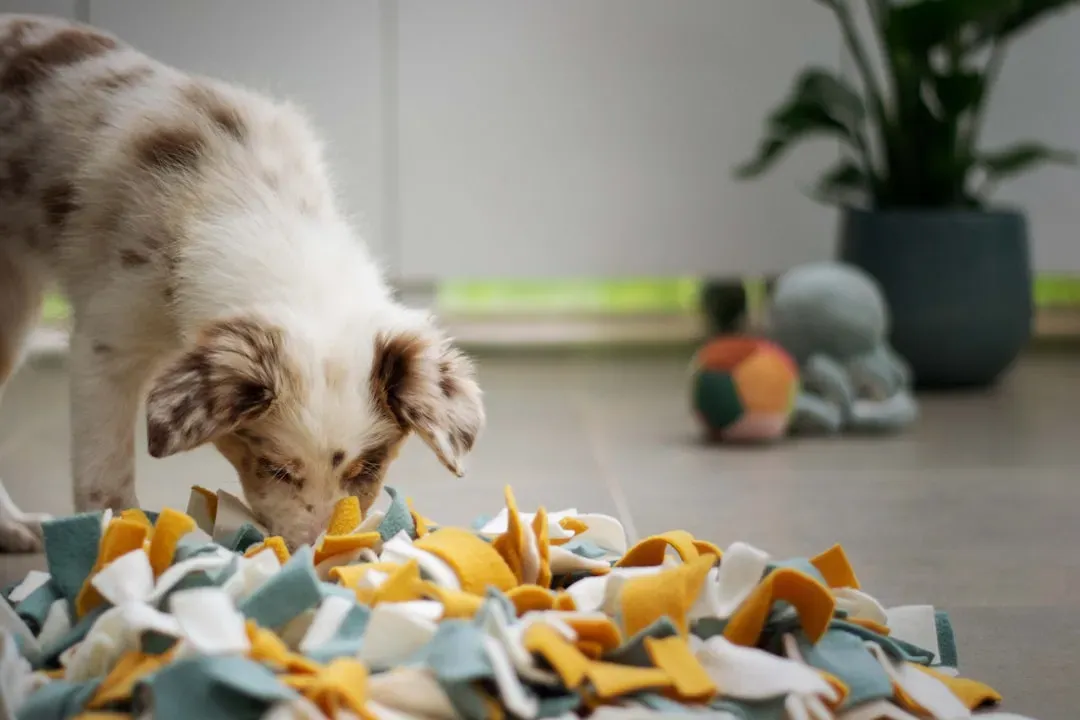
Because our own lives are dominated by sight, it can be easy to underestimate how vital smell-based activities are to a dog’s mental health. Telling a dog to stop sniffing and just heel along a perfectly straight route is a bit like forcing a human to walk through an art museum blindfolded, only allowed to touch the wall occasionally. Technically, you can do it, but it strips away the main point of the experience.
Letting dogs sniff, explore new scents, and track odor trails is not a luxury; it is the most natural way for them to learn and cope with their environment. This is one reason why “sniff walks” – slower walks where dogs are allowed to linger and investigate – can leave them more tired and satisfied than a fast power walk. Their brain, especially that huge olfactory region, gets a workout processing the constant flow of smell-based information.
How Dogs Use Their Noses to Work With Us
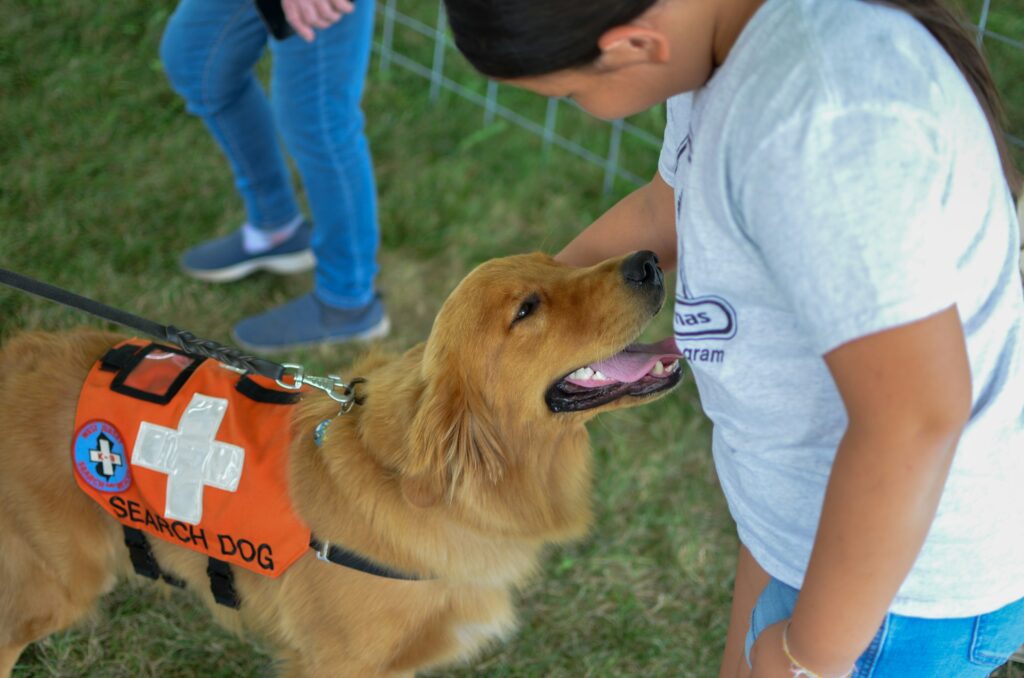
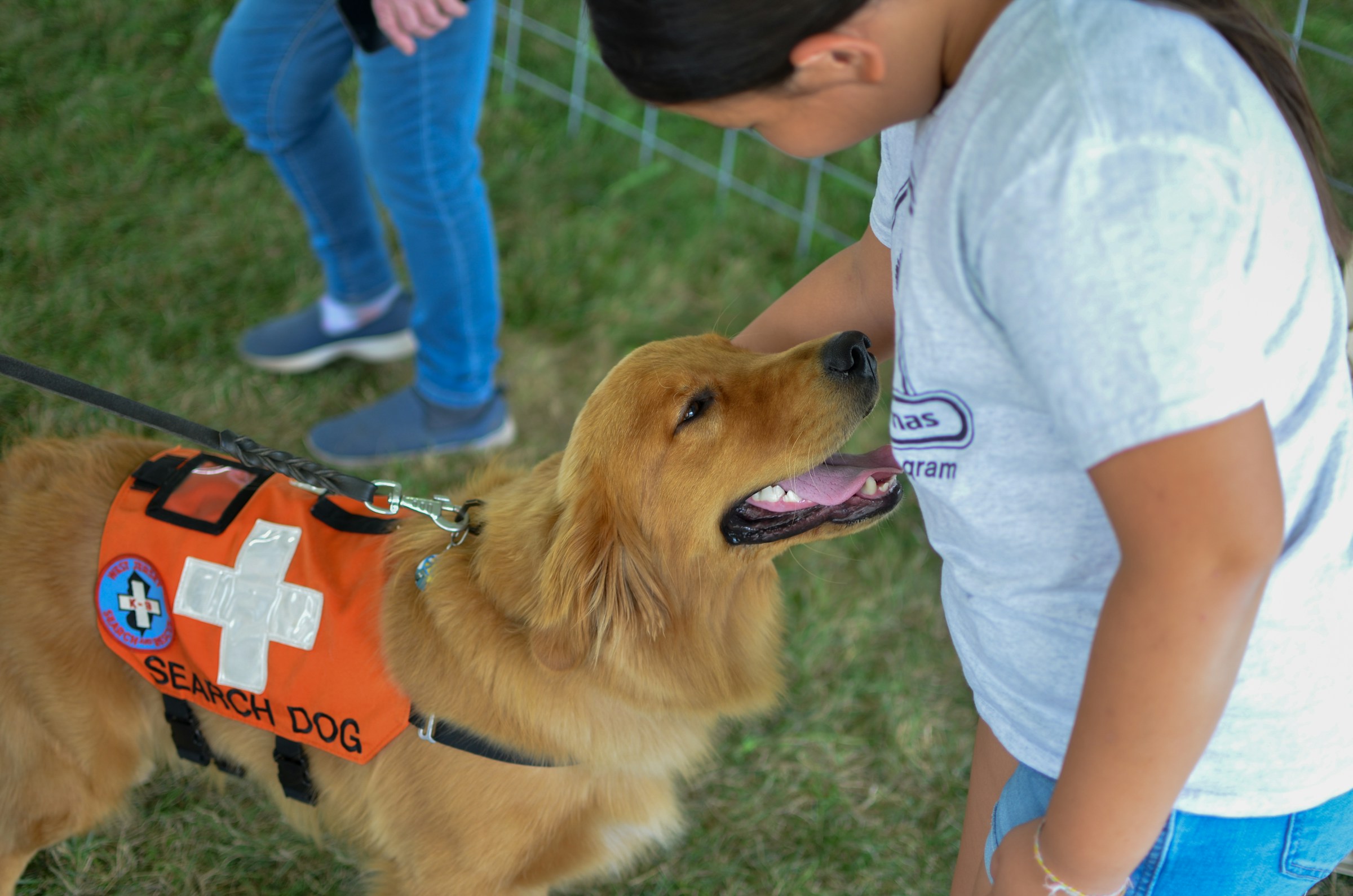
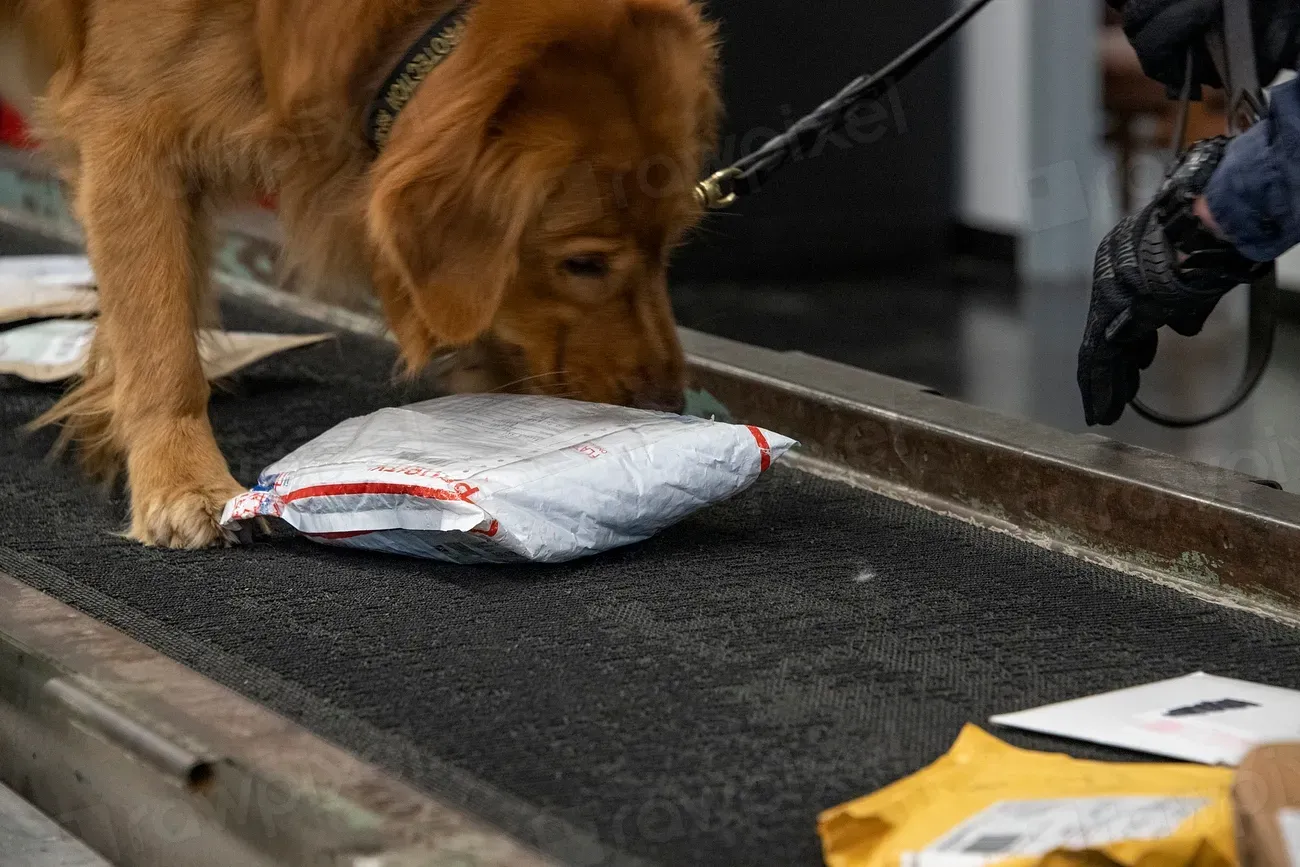
That forty-times-greater olfactory investment does more than help dogs enjoy walks; it has turned them into powerful partners in human tasks. Detection dogs in fields like search and rescue, medical alert, conservation, and law enforcement are basically athletes of the nose. They can find missing people, detect certain illnesses in early stages, and locate tiny traces of substances buried in layers of competing smells.
What is striking is that many of these abilities are not the result of us teaching dogs to invent new skills, but rather channeling instincts they already possess. We build structured games and reward systems around what their brains are wired to love: solving scent puzzles. When you see a detection dog at work, you are watching that oversized olfactory region light up and do exactly what evolution has been fine-tuning for generations.
What This Means for Everyday Dog Training and Behavior
Once you accept that a dog’s world is led by scent first, everyday “problems” start to look less like stubbornness and more like clashing priorities. A dog that pulls hard toward a patch of grass may not be defiant; they might be catching a powerful, emotionally loaded scent that is impossible for them to casually ignore. Expecting instant focus from a dog in a scent-rich environment is like expecting a teenager to ignore a flashing screen right in front of their face.
This perspective should shape how we train and live with dogs. Building in sniff breaks, using scent-based games at home, and understanding that some behaviors are driven by their need to process smells can reduce frustration on both sides. Even basic training can be improved by using scent rewards, scent trails, or nose-based tasks to tap into what their brain values most, instead of constantly fighting it.
Designing a Dog-Friendly Life in an Olfactory World
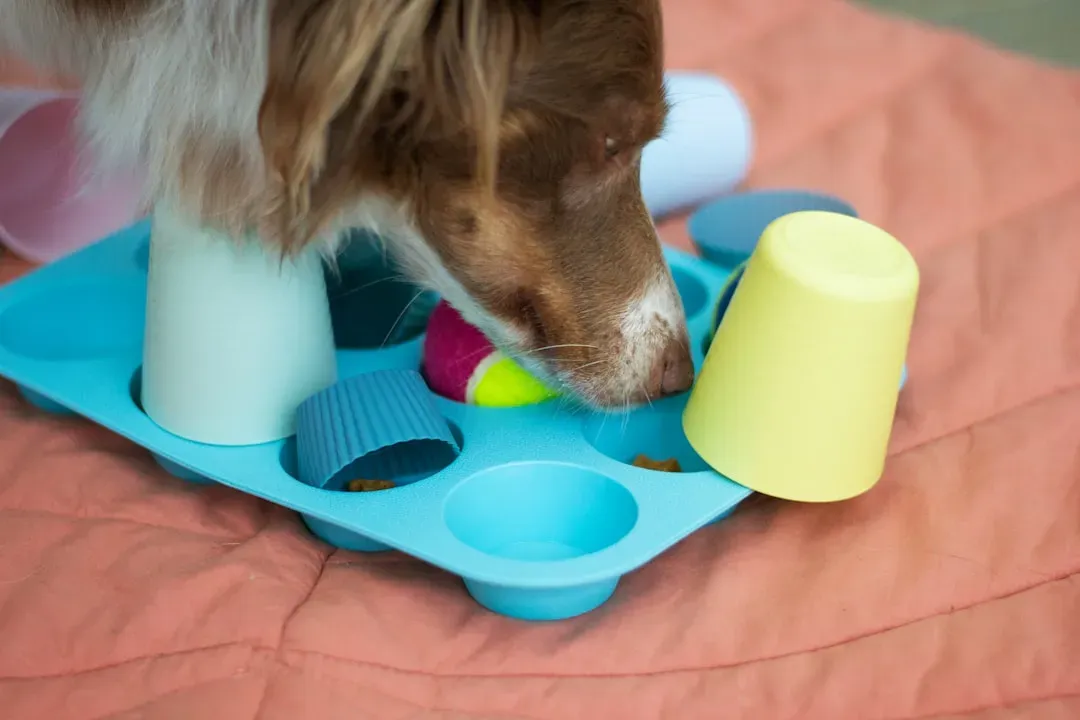
If dogs live in a universe dominated by scents, then a truly dog-friendly life is one that respects and enriches that universe. That can mean choosing walking routes with varied environments, like grass, dirt, trees, and buildings, rather than the same sterile sidewalk every day. It can also mean providing scent toys, hidden treats, or simple “find it” games at home, especially for dogs that spend long hours indoors.
We can also think about our own habits differently. Constantly scrubbing away every trace of natural smell, using overpowering artificial fragrances, or insisting on rigid, fast walks ignores who dogs are at their core. Instead, small shifts – like pausing a bit longer at interesting spots, rotating new smell objects, or letting them investigate safe, novel odors – acknowledge that their nose is not just a tool, but the main lens through which they experience being alive.
Rethinking Our Relationship With Dogs in Light of Their Nose
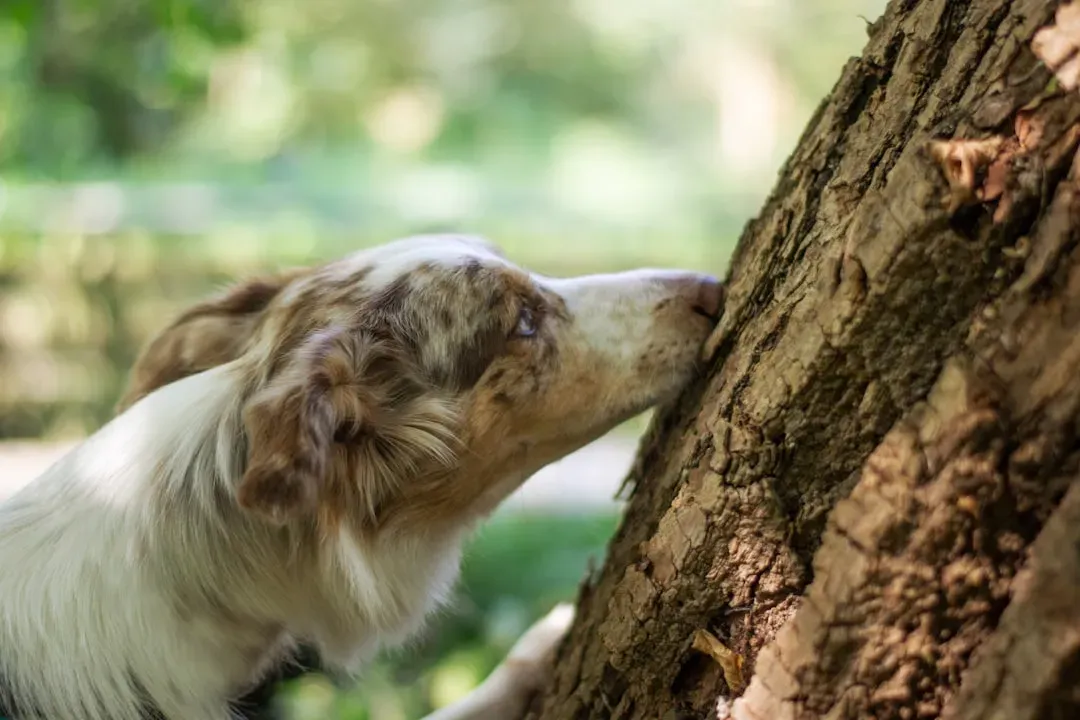
Knowing that dogs devote such a massive chunk of their brain to smell forces us, in my view, to admit something humbling: we have been underestimating their inner world. We tend to interpret everything they do through our human lens, then label them stubborn, distracted, or “too excited,” when often they are simply responding to a flood of information we cannot perceive. That is not misbehavior; it is a clash between two different versions of reality.
To me, the ethical takeaway is clear: if we invite dogs into our lives, we owe it to them to honor the sense that defines theirs. That means designing days that let their nose work, reading their sniffing as communication instead of nuisance, and giving up the illusion that human-style obedience is the only marker of a “good” dog. In the end, the real gift might be that by respecting their olfactory world, we become more curious, patient, and attentive in our own. After all, if their universe is painted in scent, how much of life have we been missing by relying mostly on sight?


