
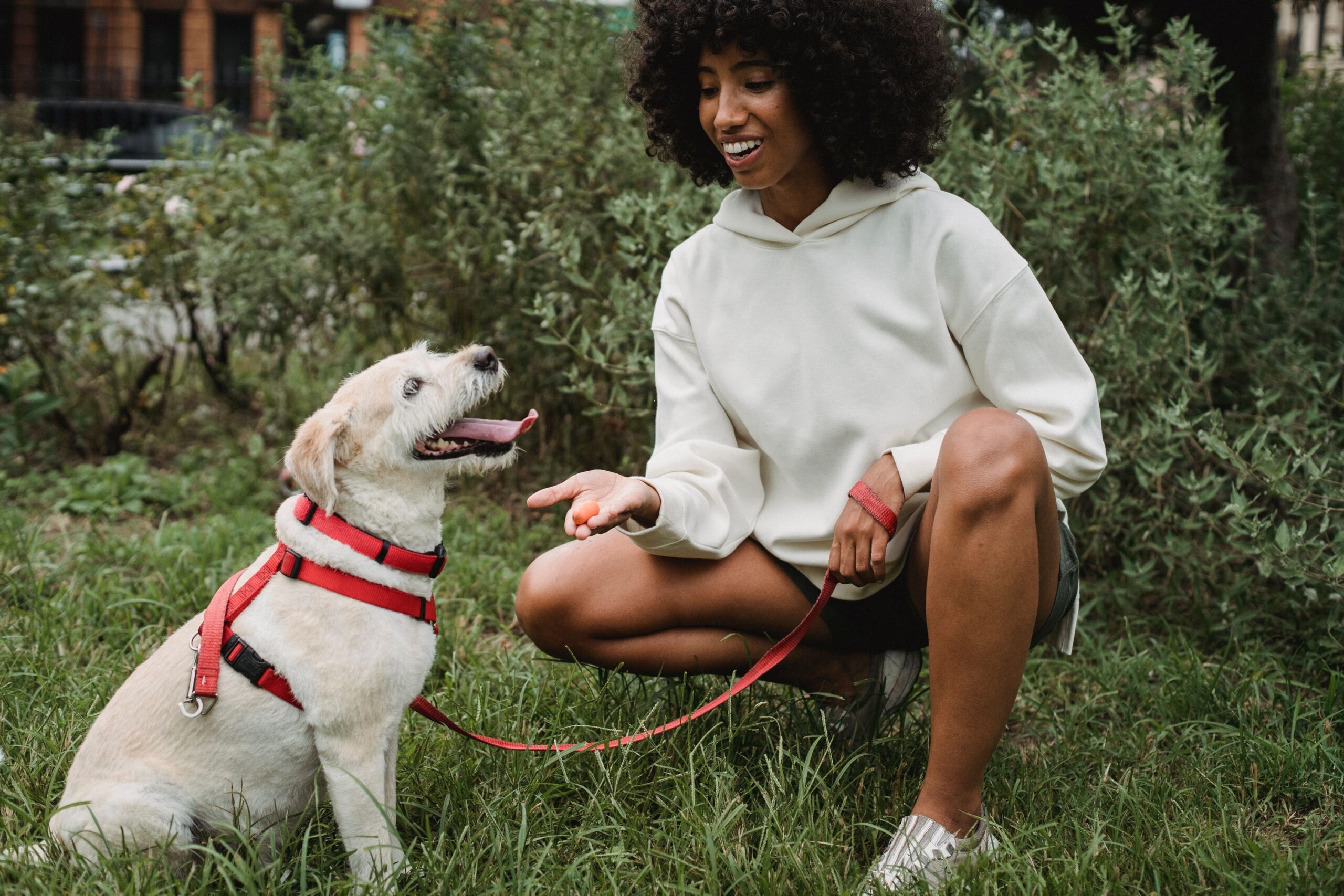
You probably already know your dog can tell when you are faking it. You say “good dog” after they just chewed your favorite shoes, and they give you that side‑eye that basically says: you’re not fooling anyone. As it turns out, neuroscience is on your dog’s side. Brain studies suggest dogs react much more strongly when the meaning of your words and the tone of your voice line up, especially when that combo is positive and genuinely warm.
In simple terms, “good dog” delivered like you actually mean it lights up their brain more than the same words tossed out in a flat, robotic voice. That difference is not just cute; it tells us a lot about how deeply dogs have adapted to human communication. Let’s break down what scientists are finding, what this means for your everyday life with your dog, and why your voice might be one of the most powerful training tools you have.
Dogs Hear More Than Just Words: How Their Brains Process Human Speech
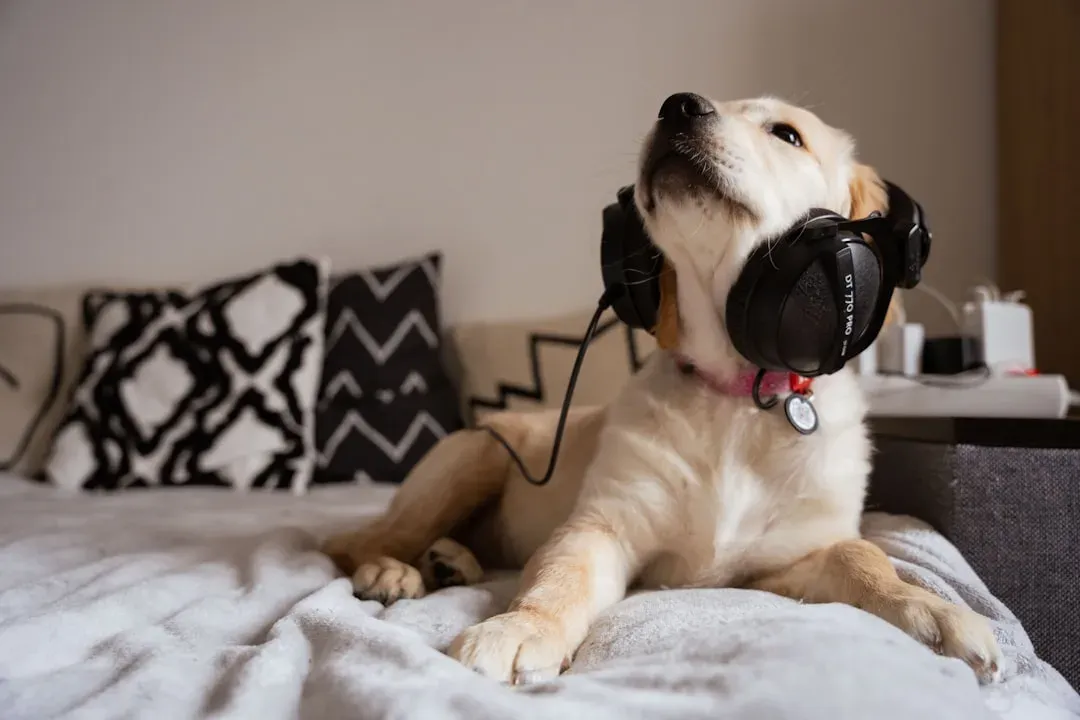
Imagine listening to a language you do not understand. You might not get the words, but you still pick up on excitement, anger, or calm just from the voice. Dogs live in that world with us almost all the time. Research using brain scans on awake, trained dogs has shown that they process both the basic sound of speech and some aspects of meaning, especially when it comes to familiar praise words.
In these studies, dogs heard different combinations of meaningful praise words and neutral nonsense words, spoken in both happy, praising tones and flat, neutral tones. Certain areas of their brains reacted differently depending on whether the words were familiar and whether the tone matched the message. The big takeaway: their brains are not just passively hearing noise; they are actively sorting what we say and how we say it.
Why Matching Tone and Words Creates a Stronger Brain Response
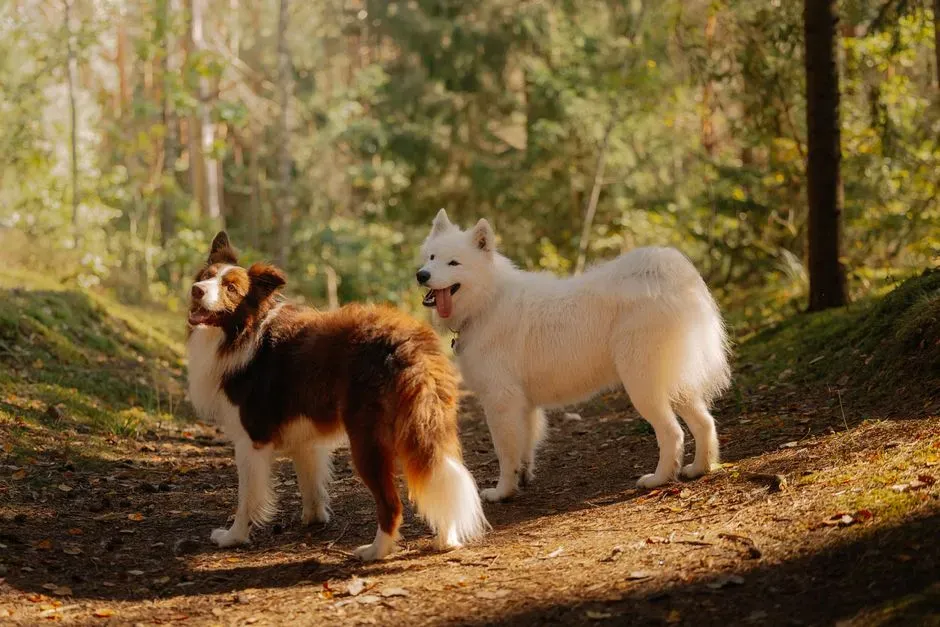
When scientists compared brain activity, dogs showed the strongest response when the word itself was a real praise word, like “good” or “well done,” and it was spoken in an upbeat, delighted tone. When the word and the tone matched in being positive, reward‑related regions in the brain lit up more strongly. That suggests dogs are not just reacting to the sound of someone being happy; they are responding to the combination of meaningful word and emotional delivery.
On the flip side, when researchers said a praise word in a flat or neutral voice, the response in those reward centers was weaker. The word alone was not enough. Saying “good dog” the way you would read a grocery list does not hit your dog’s brain the same way as when you say it with a smile they can hear. It is a bit like a friend mumbling “I’m so proud of you” while staring at their phone: technically the right words, but your gut knows something is off.
Intonation Matters: Dogs Are Experts at Emotional Tone

Dogs evolved alongside humans for thousands of years, and one of their superpowers is tuning into our emotional tone. Long before they ever learn specific words, puppies react to soft, singsong “baby talk” voices and tend to approach a person who sounds friendly rather than one who sounds harsh. That is emotional survival: in a mixed human‑dog household, the dog that reads the mood correctly stays safer and gets more affection and resources.
Studies show that areas of the dog brain process emotional tone in ways that are at least somewhat similar to humans. That means a cheerful, high‑energy “good job!” comes across very differently from a bored or irritated version of the same phrase. So when your words and your feelings match, your dog is getting a clear, strong signal. When they do not match, your dog has to work harder to figure out what you actually mean, and the emotional impact is dulled.
The Power of Genuine Warmth: Why Faking It Falls Flat
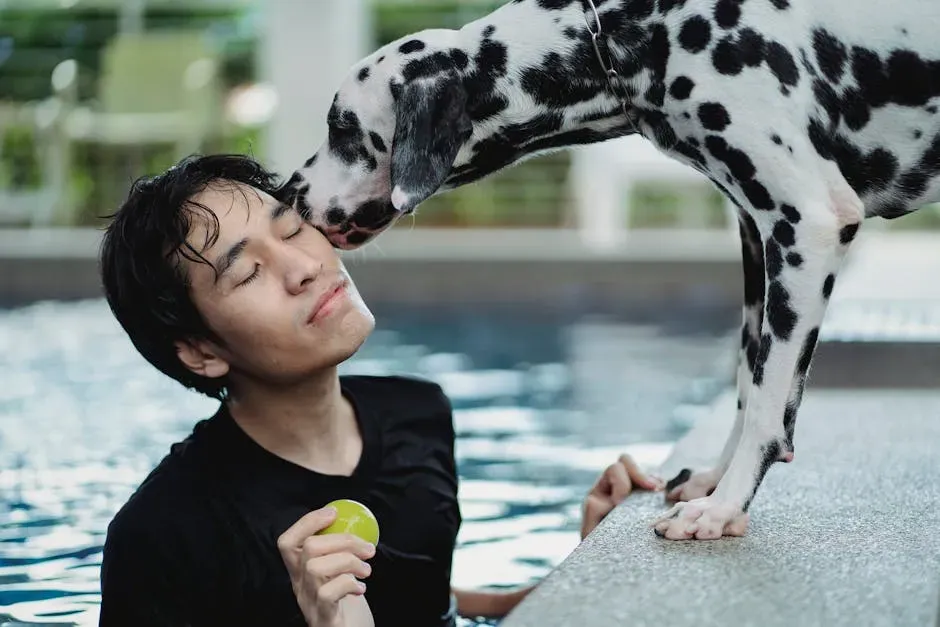
Anyone who has lived with a dog for a while will tell you they seem to sense when you are pretending. You can technically perform affection, but your dog picks up on the tiny cues that give you away: timing, body tension, micro‑changes in voice. Neuroscience backs up this everyday observation. When the emotional content of speech is inconsistent or half‑hearted, dogs simply do not show the same level of reward‑related brain activation.
Put bluntly, going through the motions with praise is like giving your dog emotional diet soda: all label, not much flavor. Authentic warmth, on the other hand, is like a rich, satisfying meal for their social brain. When you truly feel pleased with them and let that spill into your voice, posture, and timing, your dog experiences a clearer, more rewarding signal. Over time, that honest feedback shapes their behavior and deepens your bond much more than forced positivity ever could.
Practical Takeaways: How to Praise Your Dog So It Actually Counts

So what should you do differently at home? First, do not overthink the exact words; focus instead on being consistent and genuinely enthusiastic when your dog does something you like. Choose a few praise phrases you naturally say, like “good dog” or “nice work,” and pair them with a warm, upbeat tone you could honestly use with a child who just did something you are truly proud of. Your goal is to make praise feel like a little burst of joy, not a monotone checkbox.
Second, match your timing and body language to your voice. Praise works best when it comes right as your dog finishes the behavior you want to encourage, not ten seconds later. Lean in slightly, soften your shoulders, maybe add gentle touch if your dog enjoys that. Think of it as forming a short emotional “bubble” around that moment: clear words, happy tone, kind body language, all pointing in the same direction so your dog’s brain can say, this is good, do this again.
Beyond Obedience: Tone, Trust, and the Human–Dog Bond
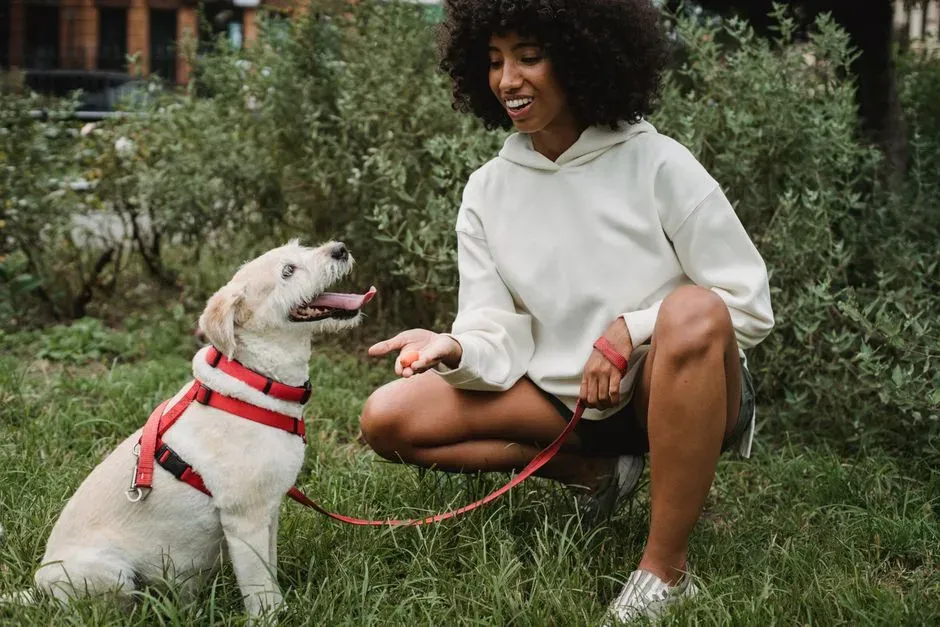
This is bigger than just training cues like sit or stay. The way you talk to your dog day in and day out helps shape how safe and connected they feel in your presence. A household where praise is warm and honest, and corrections are clear but not cruel, becomes a place where the dog can relax and explore without constantly bracing for mixed messages. In that kind of environment, matching tone and words turns everyday chatter into a steady, reassuring soundtrack.
When your dog repeatedly experiences your voice as predictable and trustworthy, their nervous system settles. You may notice they check in with you more often, bounce back from stress more quickly, and choose to stay near you even when they technically have the option to wander elsewhere. That is not just habit; it is a reflection of a brain that has learned your signals make sense most of the time. The better your communication, the deeper the bond tends to feel on both sides.
Dogs Are Listening Even When You Are Not Talking to Them

Here is something easy to forget: your dog hears the way you talk to other people, too. They learn what your angry voice sounds like, your fake polite voice, your stressed‑out mumbling voice. All of that becomes part of the background soundtrack of their life, and they are constantly comparing it to how you speak to them. If you only turn on a sweet tone when you want them to do something, but otherwise sound tense or indifferent, they will notice that pattern.
This does not mean you have to perform happiness every minute around your dog, which would be exhausting and fake. It does mean that, when you are actually praising them, it helps if that tone is a little special and clearly different from the noise of your daily stress. Think of it like a familiar melody that always means “you’re safe and I like what you’re doing.” The clearer and more consistent that melody is, the easier it is for your dog to pick it out of the mental clutter.
How Science Is Still Catching Up to What Dog People Already Suspected
Dog lovers have been insisting for ages that their pets understand not just words but feelings. For a long time, that was written off as sentimental projection. Modern brain imaging does not magically prove dogs grasp human language the way we do, but it does show that they are sensitive to the mix of meaning and tone in ways that are richer than many skeptics expected. When praise and warmth line up, reward circuits in their brains respond more strongly, and that is a hard, physical signal.
At the same time, scientists are cautious, and they should be. The number of dogs in brain‑scan studies is usually fairly small, and each dog is a bit different in training history, breed, and personality. So while the pattern that matching tone and word matters is pretty robust, the exact details of how each dog processes human speech will vary. The most sensible way to use this research is not as a rigid rulebook, but as a confirmation that your instincts about being sincere and warm with your dog are not just sentimental; they are grounded in how their brains actually work.
Conclusion: If You Mean It, Let Your Voice Show It
I will be honest: after reading the science and watching how my own dog reacts, I think flat, mechanical praise is almost worse than saying nothing at all. It teaches your dog that your words are flimsy and unreliable, like a broken traffic light that flashes green at random. When your voice carries real feeling and lines up with the words coming out of your mouth, you are handing your dog a clear emotional map of their world, and that has real power.
So the next time your dog nails a recall or calmly chooses not to bark at the delivery driver, do not just mutter “good dog” while scrolling your phone. Look up, let your satisfaction into your voice, and actually share the moment. In a world where our attention is scattered in a hundred directions, that tiny burst of honest, focused warmth might be one of the most valuable rewards you can give. If your dog could scan your brain the way researchers scan theirs, what would they see when you say “good dog” today?


