
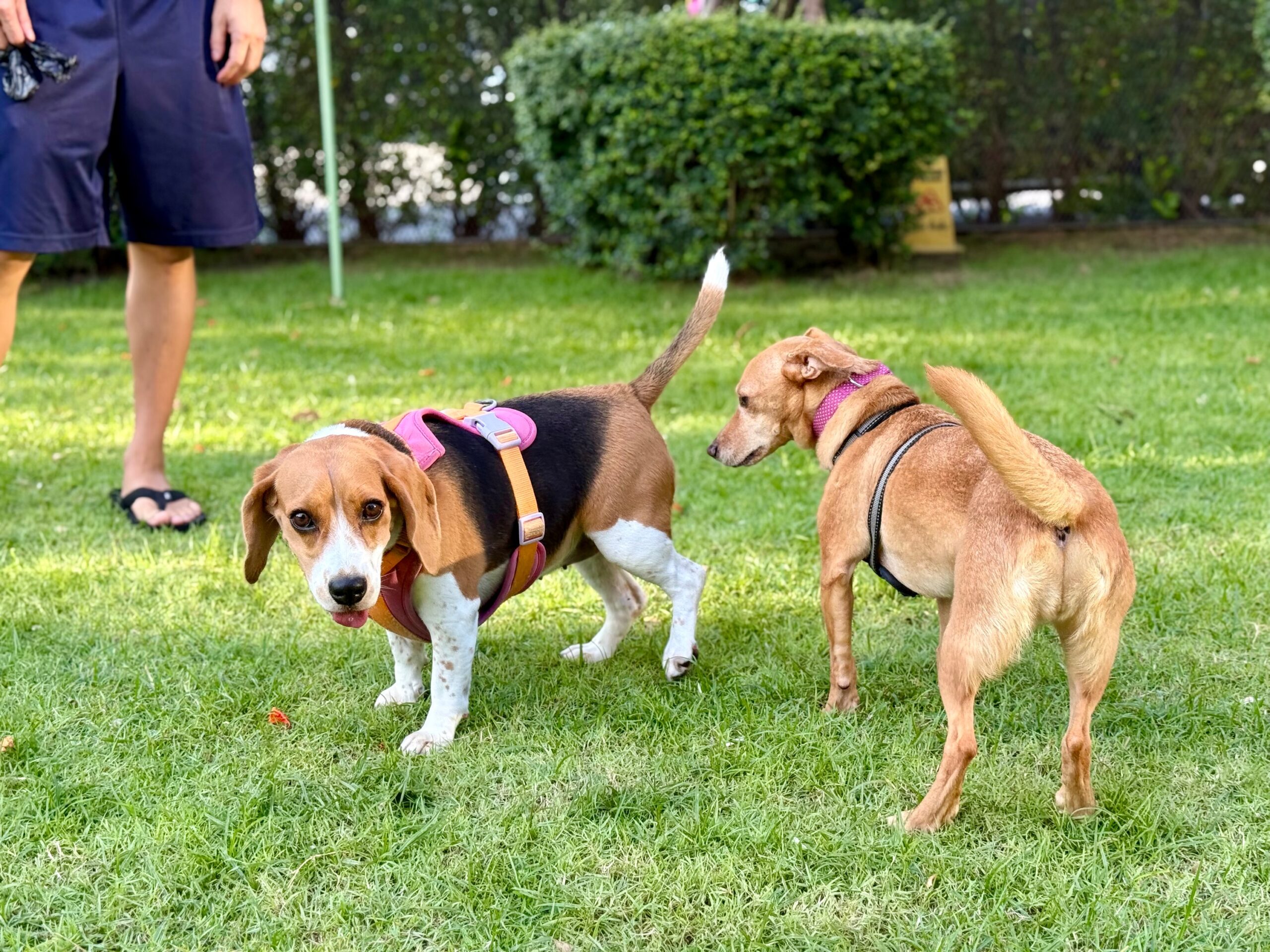
If you’ve ever watched two dogs meet and thought they were just randomly circling, you’re missing something quietly brilliant. That casual-looking curve, the sideways glance, the little sniff on the move – it’s not chaos, it’s etiquette.
Modern canine behaviour research suggests that when a dog approaches another dog in a curved arc instead of charging straight in, they’re following a deeply rooted social protocol that helps keep the peace. Once you know what you’re looking at, everyday walks start to feel like you’re watching a sophisticated, wordless negotiation in real time.
The Arc: A Subtle Move With Huge Social Impact
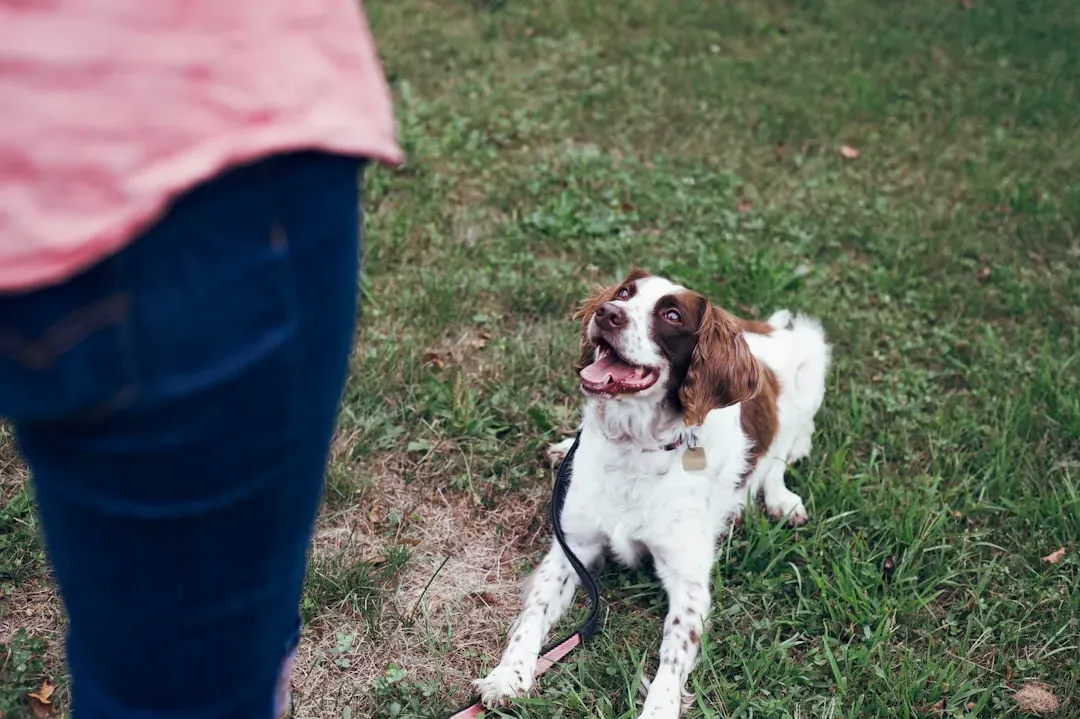
Picture how uncomfortable it feels when someone strides straight toward you, staring, barely breaking eye contact. That’s what a direct, head‑on approach can feel like to many dogs: pushy, intense, and a little confrontational. The curved arc, by contrast, is like saying, “Hey, I see you, I’m friendly, and I’m giving you space.”
In canine body language, space is a powerful signal. Approaching on a curve lets dogs read each other’s posture, sniff the air, and adjust their behaviour second by second. Instead of a high-pressure collision, the interaction becomes a slow-motion conversation where both dogs can opt in or quietly bow out.
Why Head-On Approaches Raise the Emotional Temperature
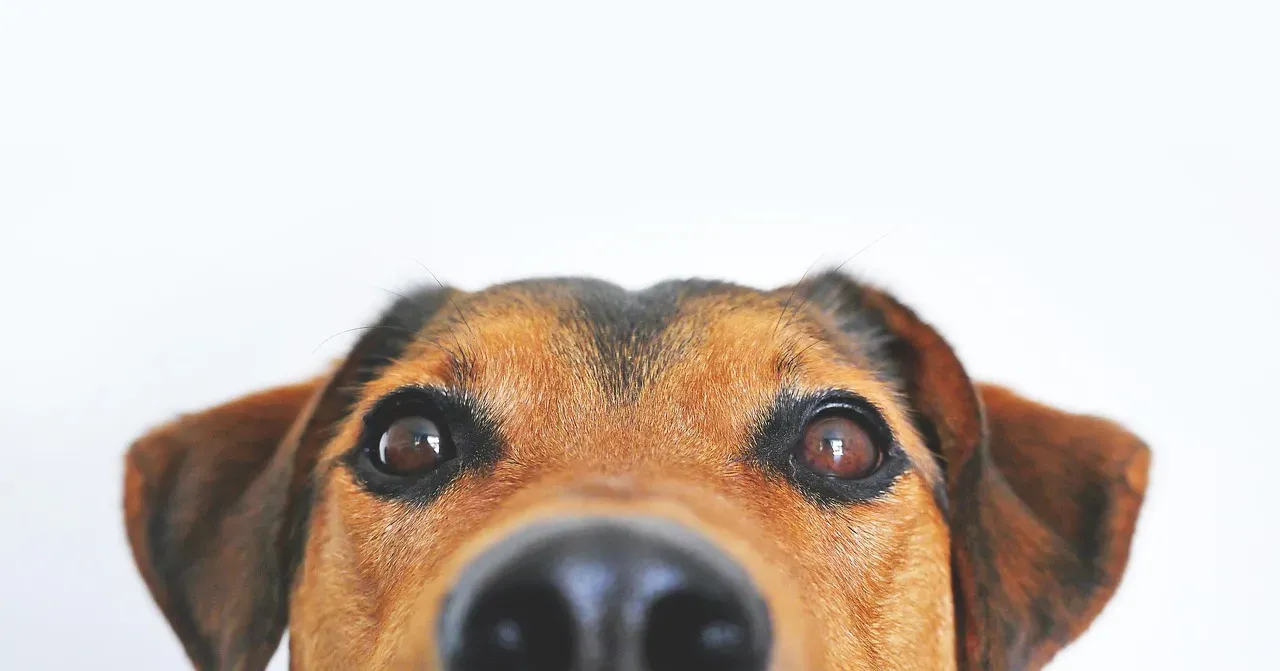
In the dog world, squaring up from the front – especially with stiff posture and hard eye contact – can feel less like a hello and more like a challenge. Many dogs will tolerate it, but tolerance is not the same as comfort, and that’s where trouble can start. You’ll often see tension build: the tail goes higher, the body stiffens, breathing changes, and suddenly a “normal greeting” explodes into snapping or barking.
We humans accidentally make this worse by walking our dogs straight down narrow pavements, tightening leashes, and forcing direct passes. The dog learns that other dogs appear suddenly, nose-to-nose, with no room to escape. Over time, some dogs start to anticipate this discomfort and react earlier and more intensely. It’s not that they are “bad” dogs; they’re simply trying to avoid being cornered in a social situation that feels all wrong to them.
Curved Greeting: A Built-In Conflict-Reduction Strategy
The curved arc greeting is like a pressure-release valve: it lowers the emotional stakes before things can go wrong. By moving side-on rather than front-on, dogs avoid staring each other down, which in dog language often signals threat or challenge. They also keep a flexible escape route, which instantly makes the interaction feel safer and less loaded.
In practical terms, this means the first few seconds of the encounter are softer and more adjustable. One dog can slow down, veer away slightly, or send calming signals like looking away, sniffing the ground, or loosening their body. All of this happens in a heartbeat, and because there’s no forced, frontal collision, the risk of a defensive outburst drops dramatically.
What Studies and Behaviourists Are Actually Seeing
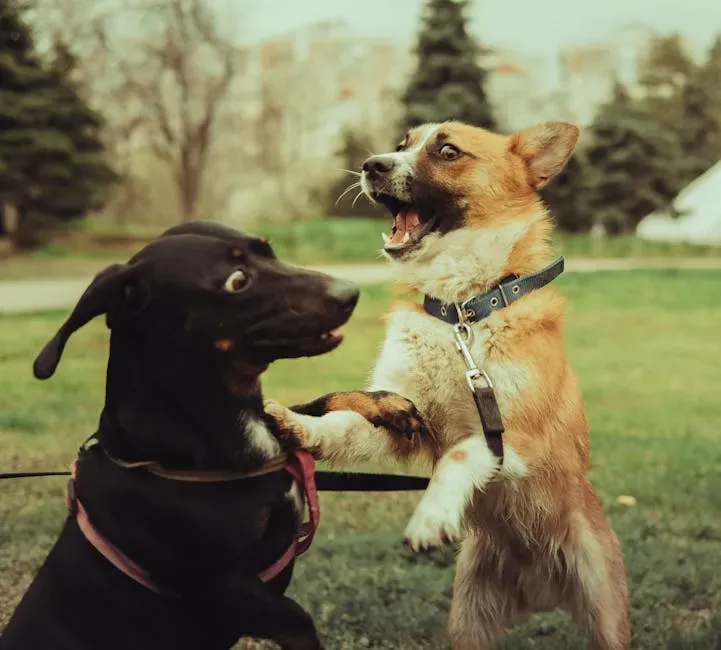
Modern canine behaviour research, along with countless hours of video analysis by trainers and behaviourists, has highlighted a clear pattern: neutral or friendly dogs are far more likely to choose curved, indirect paths when they are free to move naturally. You see this most clearly in open spaces, off leash, where humans aren’t silently choreographing the meeting with a tight lead.
When these natural arcs are blocked – by leads, pavements, narrow corridors, or human insistence on “just say hi” – the chance of visible stress and conflict goes up. Over many repeated experiences, some dogs become what we label “reactive,” when in reality they have been pushed into one uncomfortable, head‑on greeting after another. The data may not be dramatic headline material, but the consistent pattern speaks loudly to anyone willing to watch closely.
How You Can Support the Arc Greeting on Everyday Walks
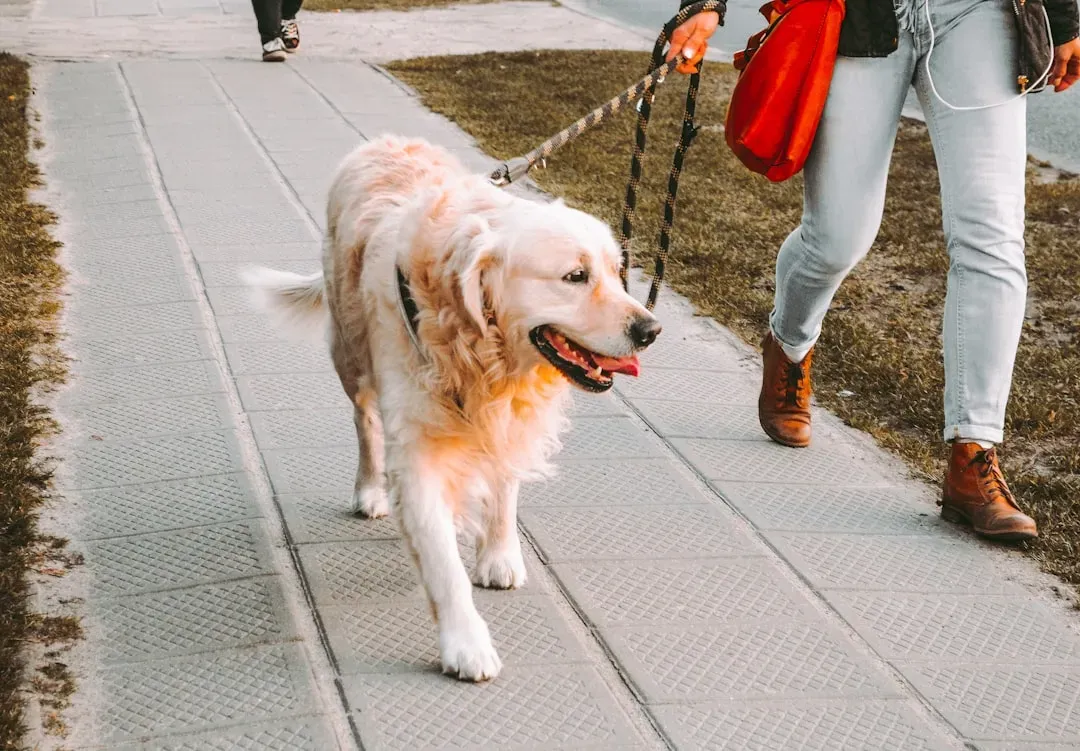
You don’t need to be a scientist to use this insight; you just need to be a bit more intentional on walks. If you see another dog ahead, instead of marching straight toward them, try gently curving your path, even if it means taking a small half-circle or stepping off to the side. Think of it as giving both dogs space to decide how close they really want to get.
Keep the leash loose enough that your dog can slightly arc and turn their head instead of being pulled into a face‑to‑face collision. If either dog looks tense, stiff, or eager to avoid the contact, honour that. Let them pass with distance, or move in a wide curve that feels easy and casual. You’re not being overprotective; you’re respecting a protocol your dog already understands better than most humans do.
Reading the Finer Details: Body Language Around the Curve
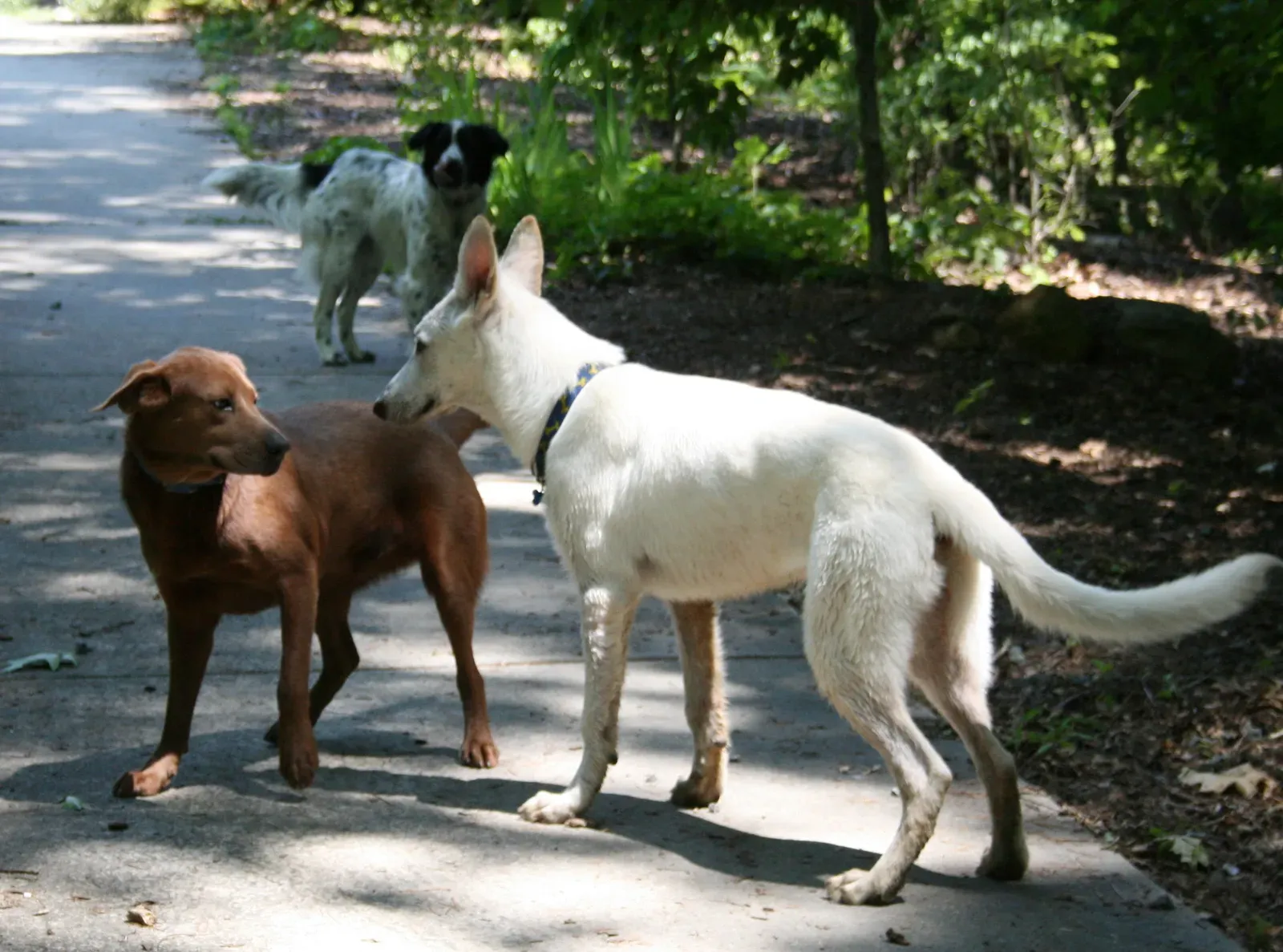
Once you know the curved greeting is a thing, you start noticing all the supporting details that go with it. A relaxed, slightly wiggly body, ears held softly, a tail that moves in easy, sweeping motions – these are all signs the arc is doing its job. You might also see quick glances away, a brief pause to sniff the ground, or a little detour before coming closer. These are not “distractions”; they are calming signals that help keep the interaction cool and polite.
In contrast, if you see a dog freezing, leaning forward, holding its tail high and rigid, or staring intensely as it approaches, that’s your cue that this greeting may not be going well, even if no one has growled yet. In those moments, widening the curve, increasing distance, or calmly guiding your dog away is not overreacting. It’s stepping in before your dog feels forced to speak up in a way you really won’t enjoy.
Why This Matters for Puppies, Rescues, and “Reactive” Dogs
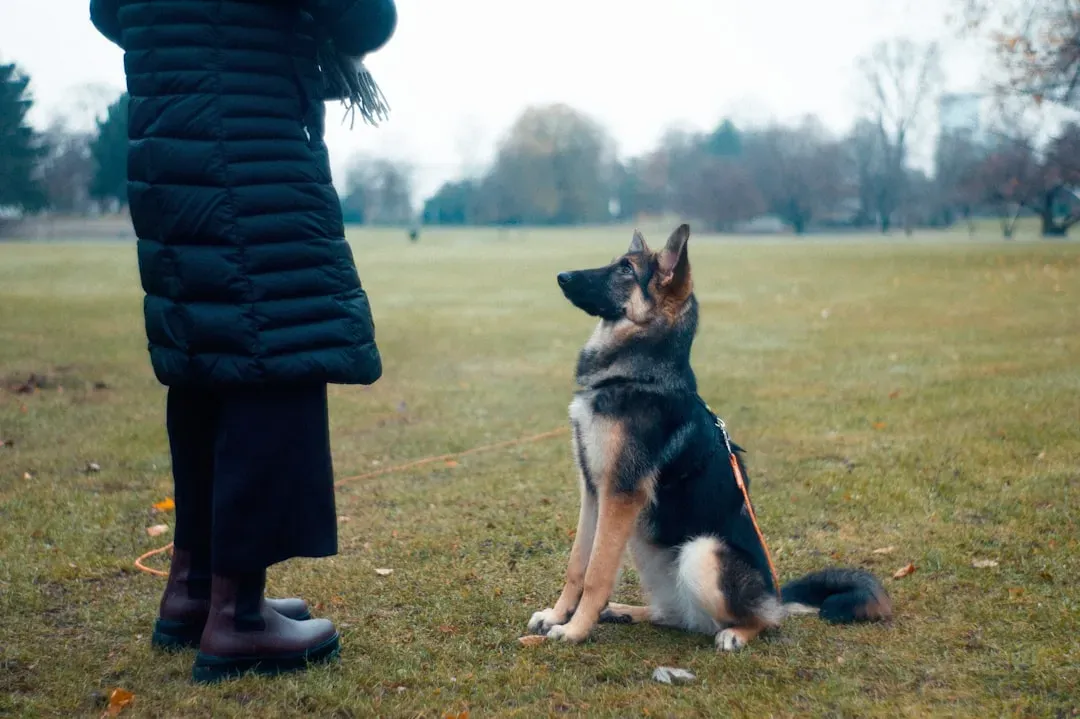
For puppies and young dogs, learning that other dogs can be met in a gentle, arcing, low-pressure way is huge. It sets the stage for a lifetime of calmer social skills. Instead of building associations between other dogs and sudden, tight, head‑on confrontations, they learn that they are allowed to take their time, curve, and choose how close they want to get. That choice is incredibly powerful for building confidence.
Rescue dogs and dogs already labeled as “reactive” often benefit the most from this approach. Many of them have a history full of awkward, forced greetings that felt scary or overwhelming. Giving them the option to curve, watch, and even skip greetings altogether can slowly rebuild trust in the presence of other dogs. It feels gentle, almost too simple, but respecting this natural protocol can be the difference between a dog who braces for battle and a dog who can finally breathe on a walk.
Opinionated Conclusion: The Arc Isn’t Optional – It’s Respect
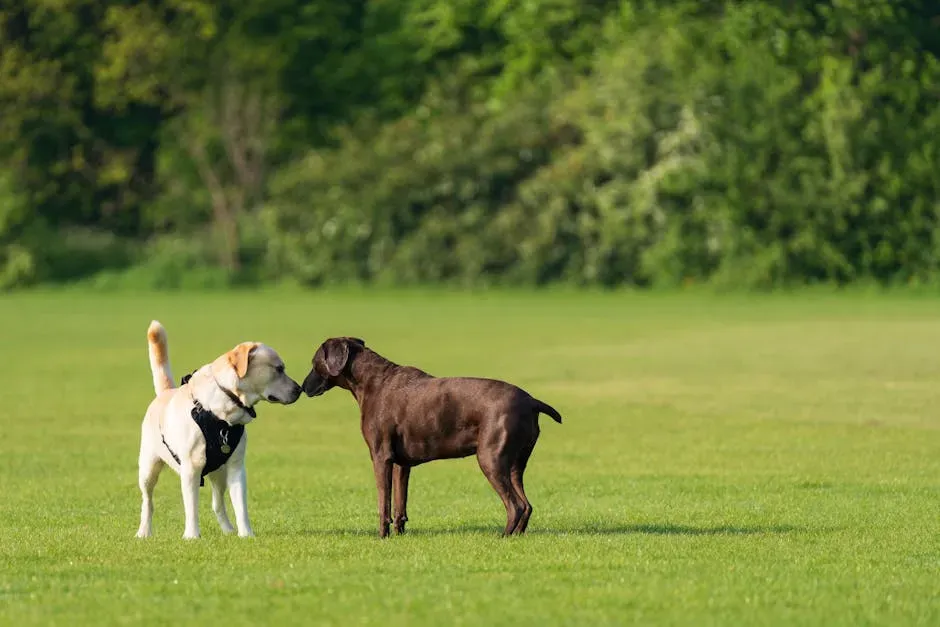
From my perspective, once you understand the curved arc greeting, treating it as a quirky extra rather than a core need is a mistake. This isn’t some fancy training trick; it’s a social safety rule that dogs have been quietly following long before humans started naming it. When we drag them into frontal, nose‑to‑nose collisions because it’s convenient for us, we’re ignoring the language they use to stay safe with each other.
If we truly claim to love dogs, we have to meet them halfway and honour the protocols their species has already worked out. Giving them space to arc, to choose, to approach sideways rather than head‑on is a small adjustment for us but a huge relief for them. Next time you’re on a walk and see two dogs slowly curving toward each other, maybe even sniffing the grass on the way, ask yourself: are you watching a boring routine – or a quiet masterpiece of canine diplomacy you never noticed before?


