
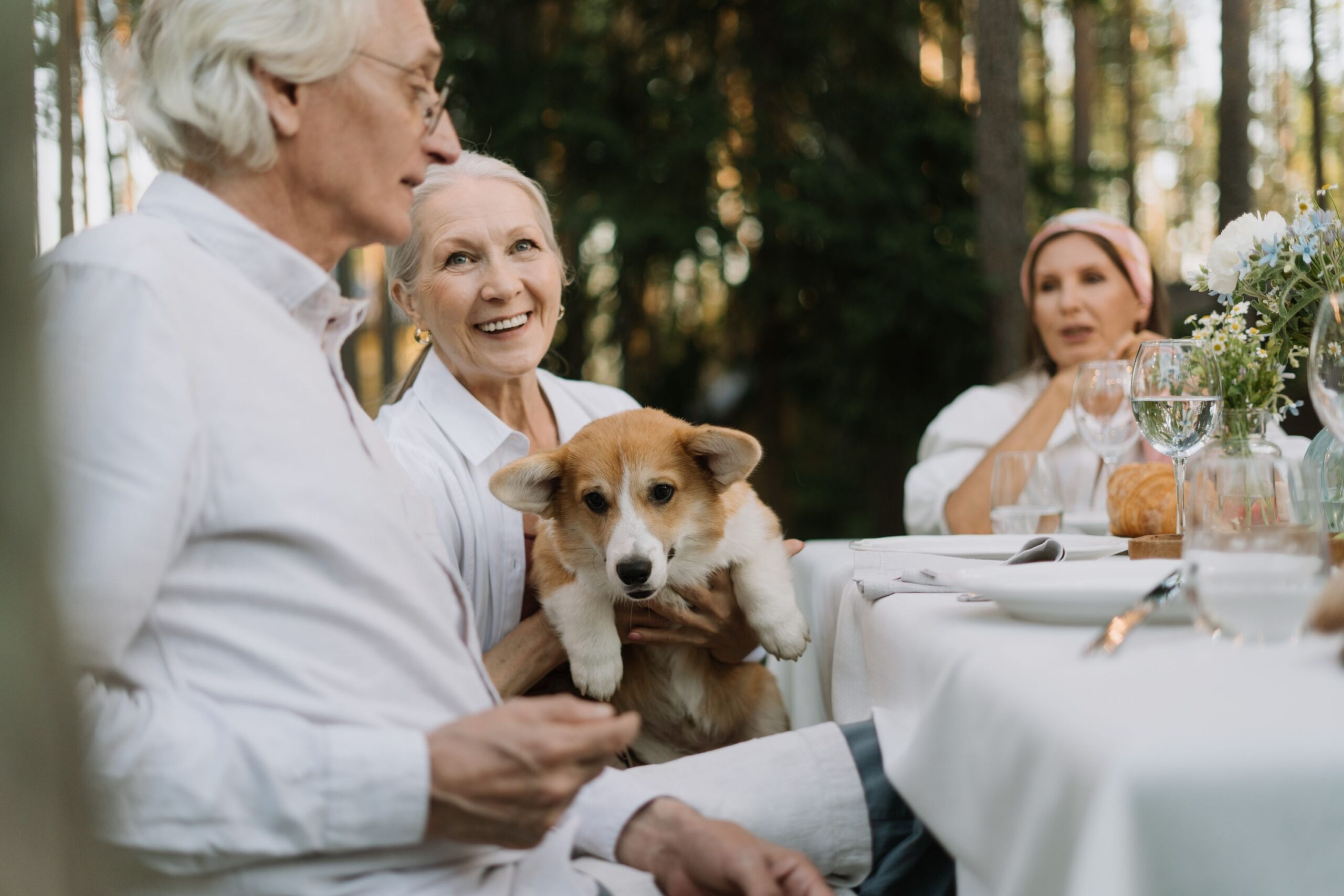
Think back to the last time your dog did something oddly specific, like racing to the door the second you picked up a certain jacket, or spinning in circles when you opened one particular cupboard. That is not random. Dogs are experts at linking your smallest gestures with big emotional outcomes, and some of those memories can stick for years. In a way, your dog is quietly keeping a highlight reel of your relationship in their mind.
What is wild is that many of the things they remember most are not grand gifts or expensive toys, but tiny, repeatable actions that make them feel safe, understood, and deeply connected to you. Below are ten simple gestures that can leave a long-lasting imprint on your dog’s brain and heart. Some are backed by solid behavioral science, others by what countless dog owners, trainers, and vets see every day. All of them are small things that, if you do them consistently, your dog is very unlikely to ever forget.
1. The Way You Greet Them When You Come Home
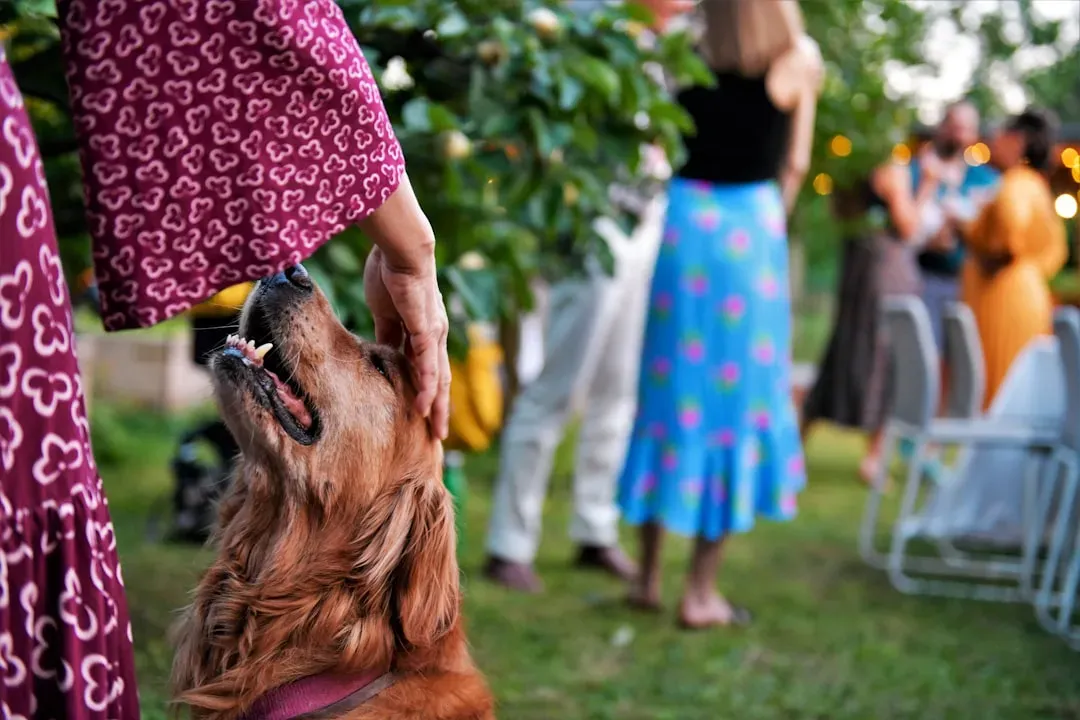
There is something almost cinematic about a dog waiting at the door, ears pricked, body tense, as they listen for your footsteps or your car in the driveway. Dogs quickly learn to recognize the unique combination of sounds and movements that predict your arrival, and over time, your homecoming becomes one of the emotional anchors of their day. Their brain releases feel-good chemicals when you walk through that door, and those moments build strong positive associations that can last even if your schedule changes later in life.
How you greet them matters just as much as the fact that you came back. A warm, calm hello, kneeling to their level, saying their name, and offering a gentle scratch or hug tells them you are safe, predictable, and happy to see them. Many dogs will remember this ritual for years and may even react to your old car sound or key jingle long after you move or switch routines. For them, that greeting is proof the world is still okay.
2. Consistent Mealtime Rituals
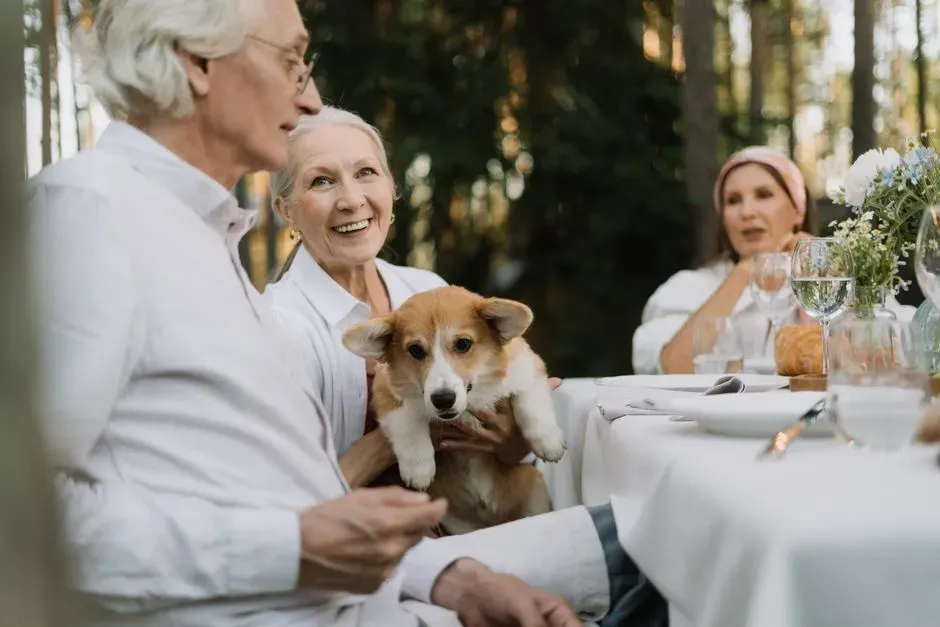
If you have ever watched your dog start hovering around the kitchen about twenty minutes before dinner, you have seen memory and routine in action. Dogs have an impressive sense of time based on patterns, smells, light, and your own habits, and they quickly tie your small pre-meal gestures – like picking up the food scoop, opening a specific cupboard, or saying a familiar phrase – to the joy of being fed. Over months and years, those repeated actions become deeply ingrained memories.
What sticks with them is not just the food, but the feeling of reliability and care. A dog that learns meals arrive in a fairly predictable way from the same person builds a strong emotional imprint around that routine. Even if life changes – new house, new schedule – they often perk up if they see the old bowl, hear the same “ready for dinner?” tone, or watch you move in that familiar pattern toward the feeding spot. To them, that simple ritual is a promise you keep over and over again.
3. The Special Way You Call Their Name
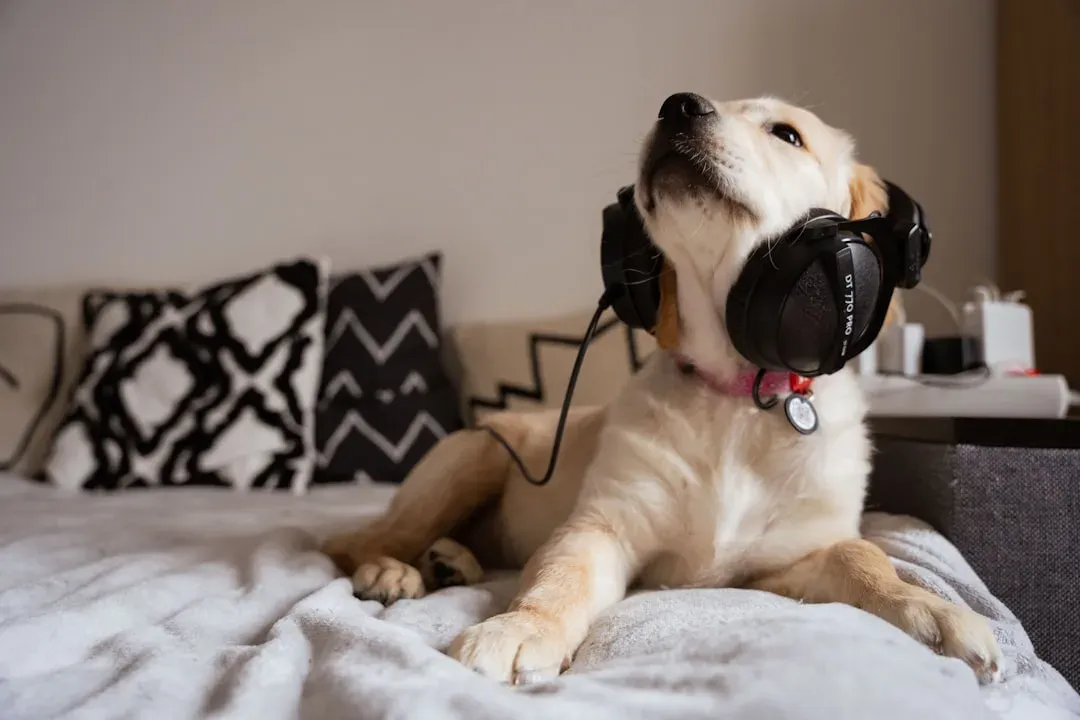
Most dogs do not respond just to their name as a word; they respond to your version of their name, with your unique tone, rhythm, and facial expression. Over time, they become experts at reading the tiny differences between your “playful” name-call, your “serious” recall, and your soft, comforting voice when they are unsure. These subtle variations carry emotional meaning, and dogs can remember them astonishingly well, even after long gaps in contact.
If you have ever reunited with a dog after being apart for months, you may have noticed that the moment you say their name in that special way, something clicks. The ears go up, the tail starts, and the body language shifts from cautious to joyful. Their brain is matching that sound pattern to a stored emotional file: this person is safe, kind, and familiar. That is why using your dog’s name thoughtfully, mostly paired with good experiences, is one of the simplest long-term gifts you can give them.
4. Gentle Touch and “Safe Hands”
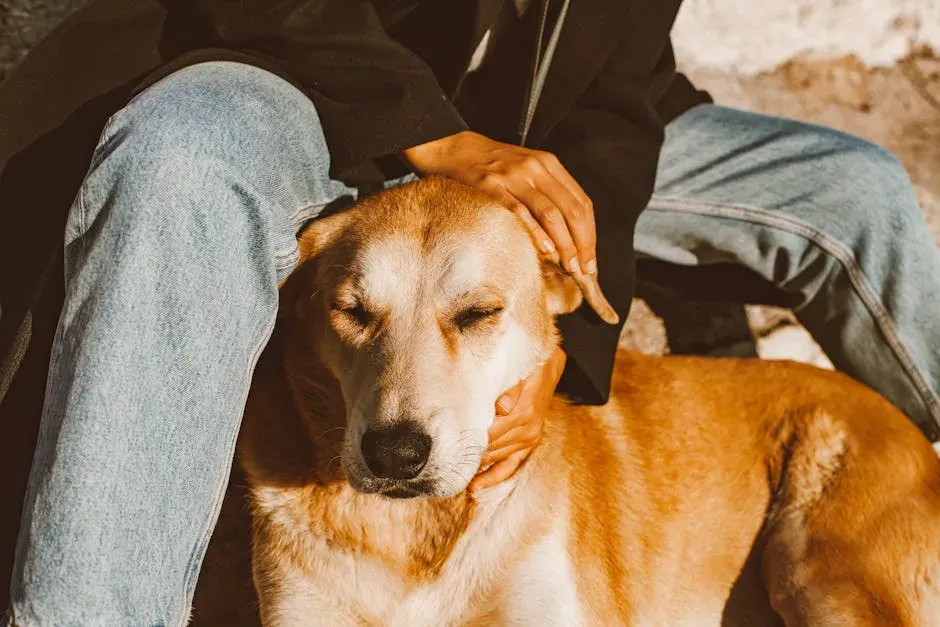
Dogs remember how your hands feel. For some, human hands have meant fear or punishment, and those memories can last a lifetime. For others, hands have meant comfort, massage, long ear rubs, and the kind of chest scratches that make their eyes half-close with contentment. When your dog learns that your hands are consistently gentle and predictable, that impression sinks deep into their nervous system and shapes how they react to being handled for years to come.
Simple gestures like pausing before petting, letting them sniff you, stroking slowly rather than slapping or grabbing, and respecting when they move away tell your dog that you are a safe place. Dogs tend to remember both the best and worst touch experiences very clearly, especially if they repeat. By making “safe hands” part of your daily routine, you are building a long-term memory that being near you feels good, literally from head to tail.
5. Sitting Quietly Beside Them When They Are Scared
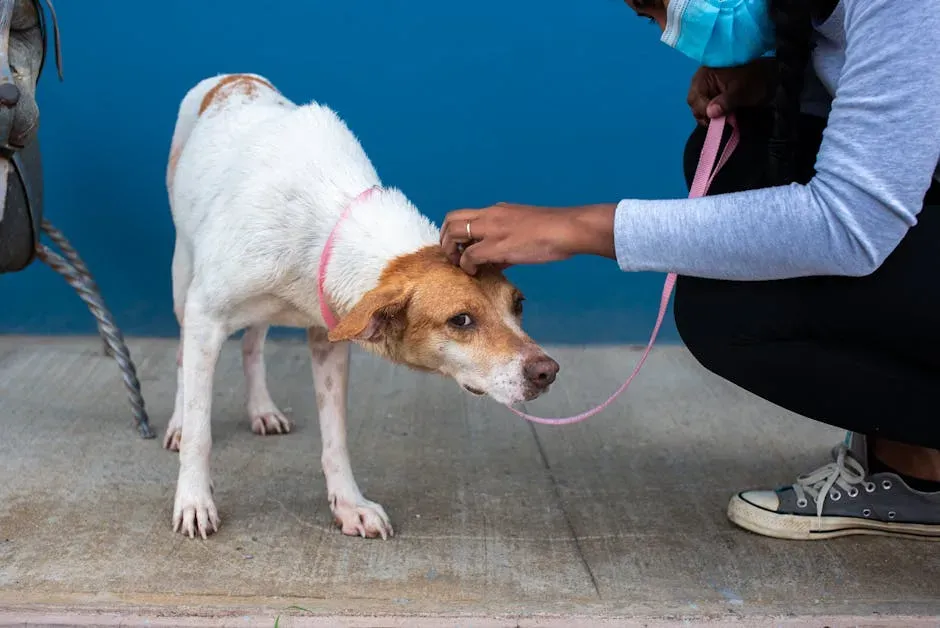
Think about thunderstorms, fireworks, vet visits, or the first night in a new home. For many dogs, those are some of the most intense, frightening experiences they will have, and animals are particularly good at remembering what or who was around them during high-stress moments. If, in those times, you sit quietly on the floor, speak softly, offer a hand to lean on, or just stay close without forcing interaction, your dog’s brain is busy encoding a powerful message: when the world is scary, you are there.
Unlike loud reassurance or forced cuddling, calm presence lets your dog choose how close they want to be, which can be deeply empowering and reassuring. Even if the storm or fireworks remain scary their whole life, they will probably remember that the safest place to be is wedged against your leg or under your arm. Those quiet, steady gestures often become part of their default coping strategy, and they can hold on to that association long after individual sounds or locations change.
6. Play Styles Only You Two Share
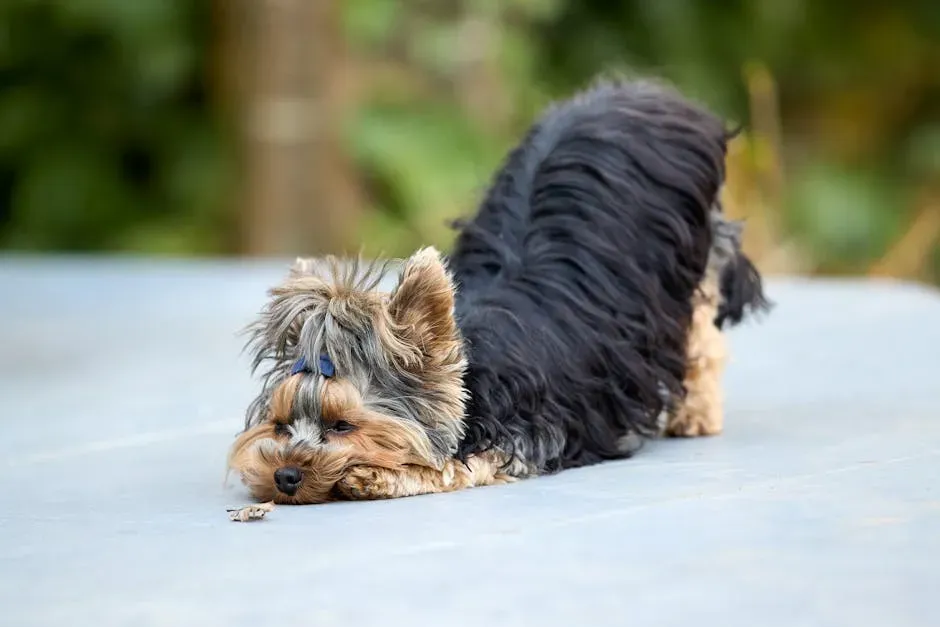
Many dogs have one specific game that feels almost like an inside joke between them and their person. Maybe it is a silly shoulder bump before you throw the ball, a fake “sneak attack” around a doorway, or a slow-motion tug game where you pretend they are impossibly strong. These tiny, quirky rituals are incredibly memorable because they combine movement, emotion, and social connection – all things a dog’s brain is wired to track and enjoy.
What really cements those memories is repetition with emotion. If, every evening, you do a short goofy routine before tossing their favorite toy, that becomes more than just play; it is a private language. Dogs can recognize that pattern years later, sometimes even after long separations. I still remember visiting an old family dog after a long time away and watching him instantly drop into the exact same play-bow and spin when I did our old “fake chase” move. That kind of shared pattern lodges itself firmly in both of your minds.
7. Letting Them Choose on Walks
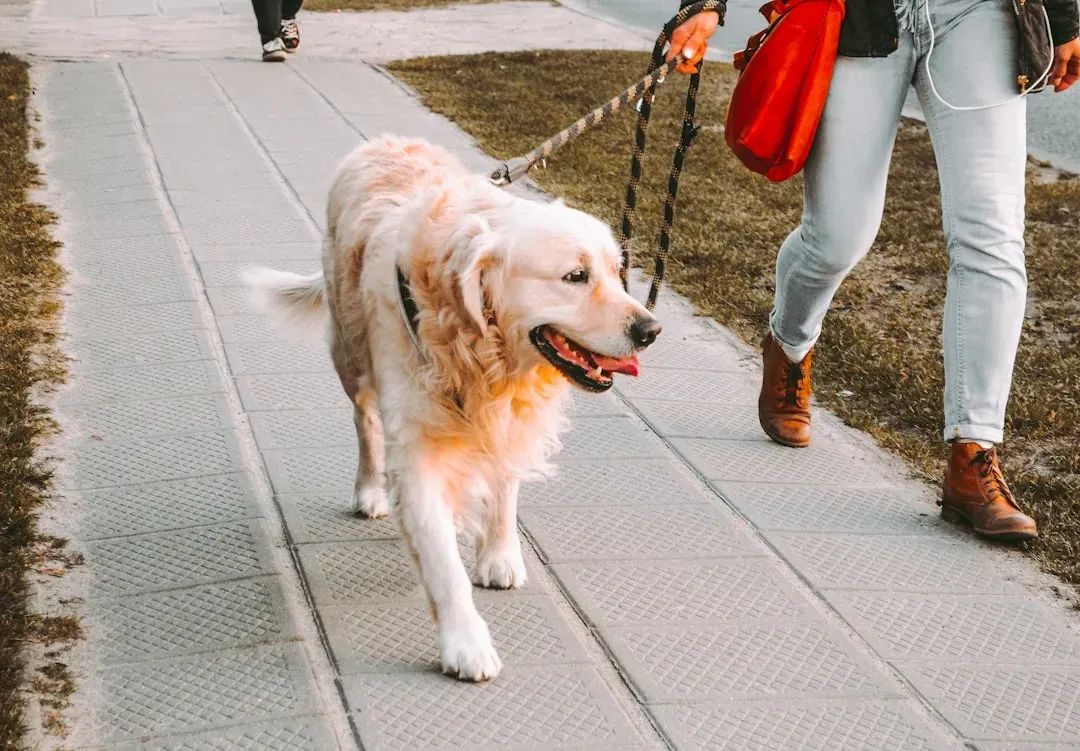
Walks are not just about exercise; they are full-on sensory adventures. When you occasionally let your dog decide which way to turn at the corner, which patch of grass to sniff for a while, or when to pause and just watch the world, you are doing more than being indulgent. You are giving them a rare sense of control in a human-run world, and animals tend to strongly remember situations where they had choices and felt free to explore safely.
Over time, those “you lead today” moments can turn into rich, layered memories linked to specific paths, smells, and your relaxed body language. Dogs often drag their owners enthusiastically back to a place where they once got to choose the route or found something fascinating. That is not just habit; it is memory plus emotion. The gesture of handing over the lead, even briefly, can be something your dog never quite forgets, because it told them their preferences actually mattered to you.
8. The Bedtime or Couch Cuddle Routine
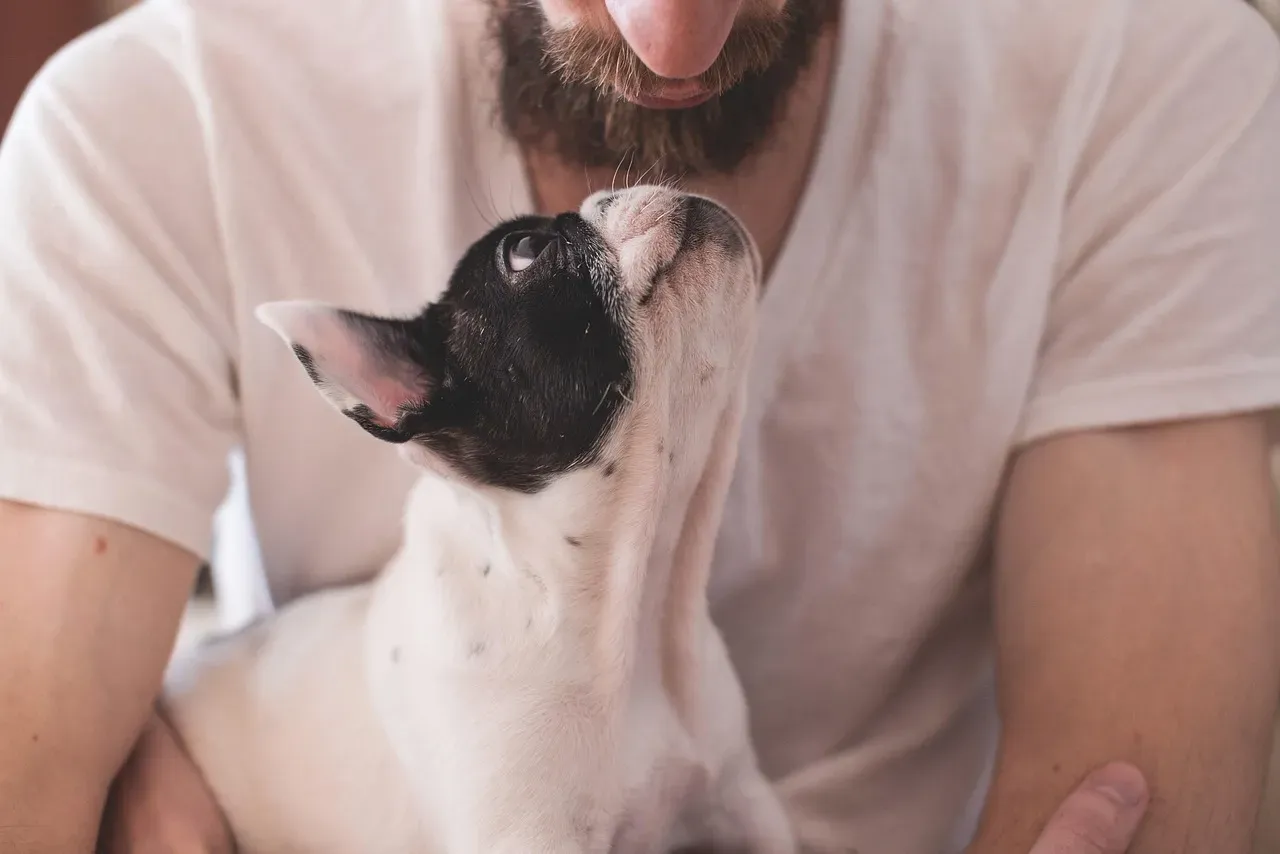
Whether you allow your dog on the bed, the couch, or a specific blanket on the floor, animals remember nighttime routines with surprising clarity. The world goes quieter, your energy slows down, and the predictability of curling up near you sends a very primal safety signal. For many dogs, that end-of-day gesture becomes one of the most comforting anchors in their lives, especially if the rest of the day is busy or unpredictable.
Maybe you always pat the side of the couch in the same way, lift the blanket for them, or say a little phrase that means “time to settle.” Repeated night after night, those small gestures take on a powerful emotional charge. Dogs that have had this kind of close, cozy routine often show a visible emotional response if they hear that old cue or see that blanket again, even in a different house or years later. To them, it is not furniture; it is a memory of belonging.
9. Respecting Their Boundaries When They Say “No”
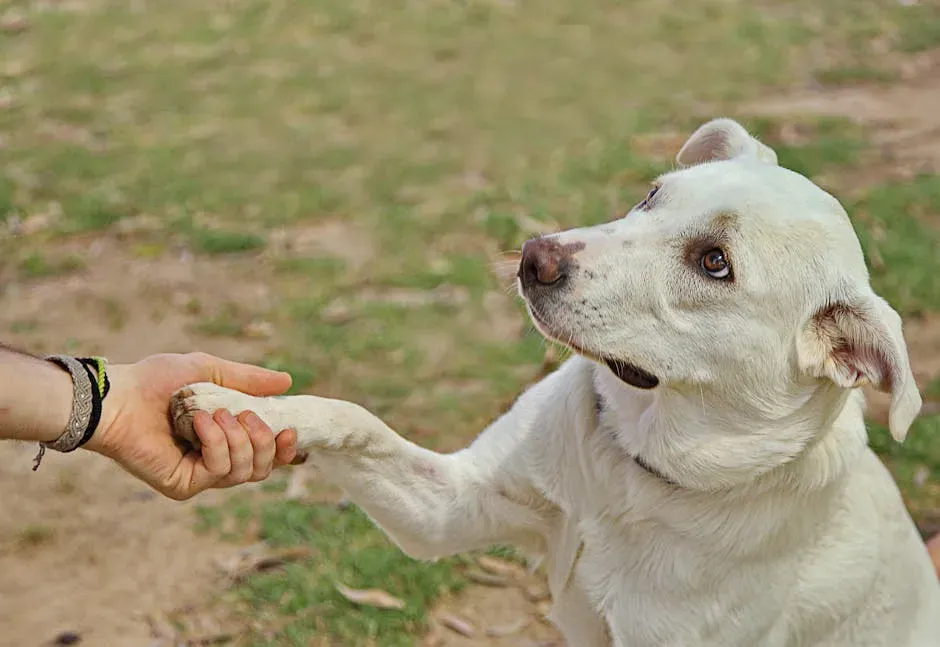
One of the most underrated gestures a human can offer a dog is simply listening when the dog quietly says no. Turning their head away from a hug, stiffening when a stranger reaches out, tucking their tail when you move toward a loud place – these are all subtle signals that can easily be ignored. When instead you pause, step back, or change the situation, your dog learns something that can shape their long-term trust in profound ways: you pay attention to their feelings.
Animals tend to remember both when their signals are respected and when they are repeatedly overridden. If you consistently notice and honor your dog’s small “no thanks” cues, their memory of you becomes tightly tied to safety and consent. Over time, that can actually make them more willing to approach new things, because their past experiences tell them you will not push them too far. That quiet, respectful gesture may not look dramatic, but its emotional footprint can last a lifetime.
10. Showing Up During Illness, Aging, or Hard Times
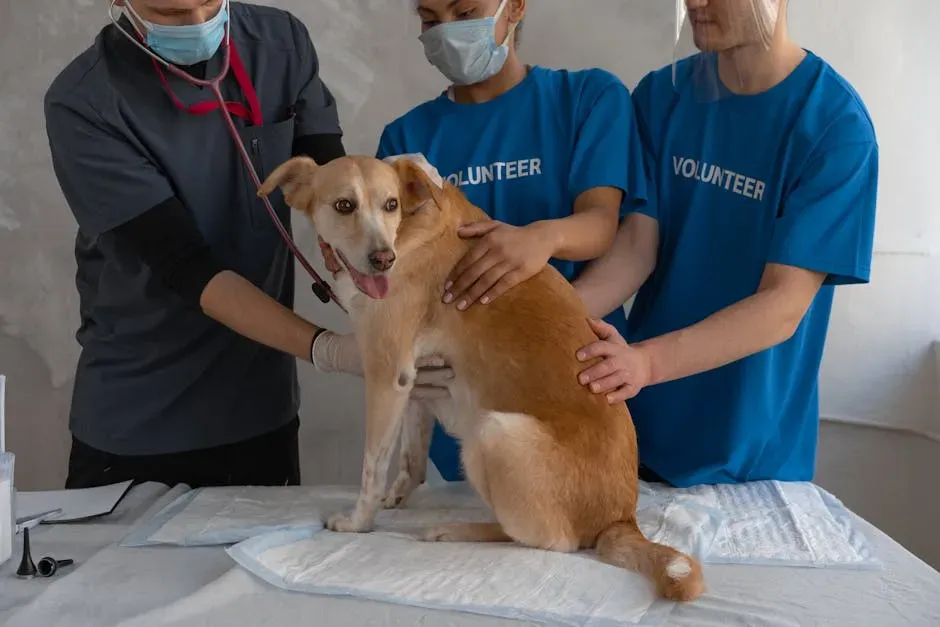
The heavier seasons of a dog’s life – injury, chronic illness, surgery recovery, or simple old age – tend to carve some of the deepest grooves in memory. Pain and vulnerability heighten awareness, and your gestures during those times, like lifting them gently into the car, sleeping on the floor beside them for a night, or hand-feeding when they will not eat, become woven into a powerful emotional narrative. Even if their body slows down or their senses fade, many dogs still seem to recognize the person who sat with them through the worst days.
These moments are hard on you too, and that shared difficulty can actually deepen the bond in a way that feels almost sacred. When you look back years later, you may find those late-night vet trips or quiet hours on the rug are the ones that stick in your own memory most sharply. For your dog, the core message is simple but enormous: when I was at my weakest, you stayed. That is not something a social, relationship‑driven animal is likely to forget.
Conclusion: The Small Things Your Dog Is Secretly Keeping Score Of
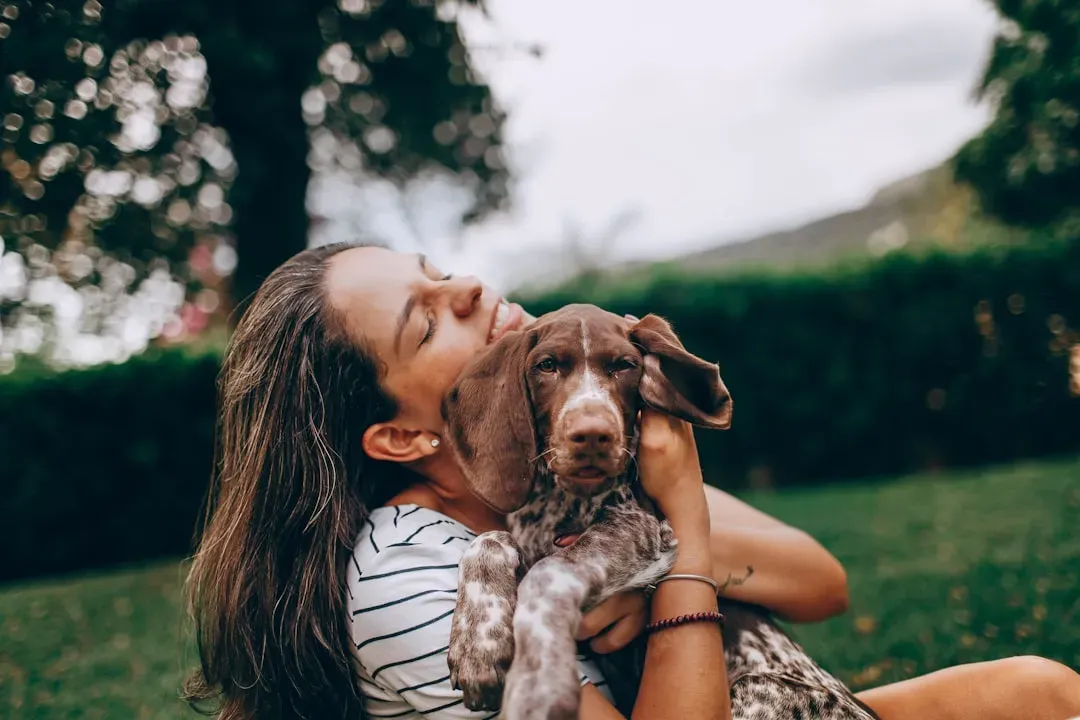
When you step back and look at these gestures together, a pattern appears: your dog remembers the moments when you were predictable, gentle, attentive, and willing to treat them as a feeling being rather than a furry accessory. It is less about flashy treats or perfect training, and more about the steady rhythm of how you greet them, touch them, play with them, and stand by them when life gets loud or scary. Those are the memories that help a dog feel secure in a world they do not control or fully understand.
In my view, that is the real magic of living with a dog: you get daily chances to become the character they remember as safe, kind, and worth trusting, even decades from now in your own mind. You do not need to be a perfect owner to leave that kind of mark; you just need to keep showing up in small, consistent ways. So the next time your dog races to the door or leans in a little closer during a storm, it is worth asking yourself: which of today’s tiny gestures might be the ones they never forget?


