
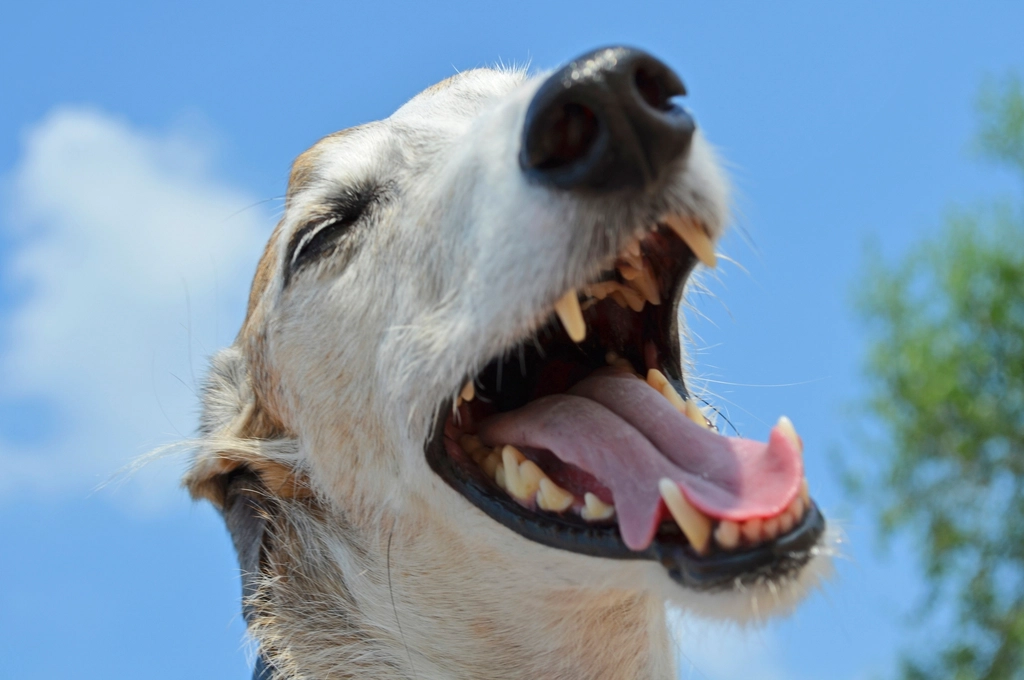
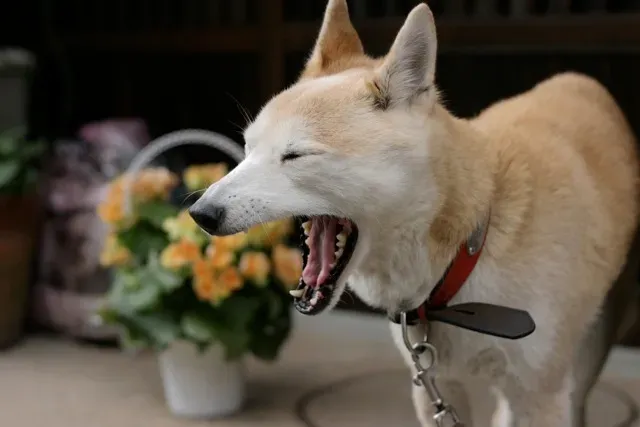
You know that moment: you’re frustrated, your voice gets sharper, and your dog suddenly lets out a big, slow yawn. It can feel almost insulting, like they’re bored or tuning you out right when you’re trying to be serious. But that sleepy-looking stretch of jaw is not disrespect. It is your dog quietly waving a white flag.
Modern research into canine stress, body language and social behavior has transformed how we understand signals like yawning. What used to be written off as tiredness or cheekiness is now recognized as a subtle, highly evolved way of reducing tension and avoiding conflict. Once you see it through that lens, you can’t unsee it – and it can seriously change the way you parent and train your dog.
The Myth of the “Disrespectful” Yawn
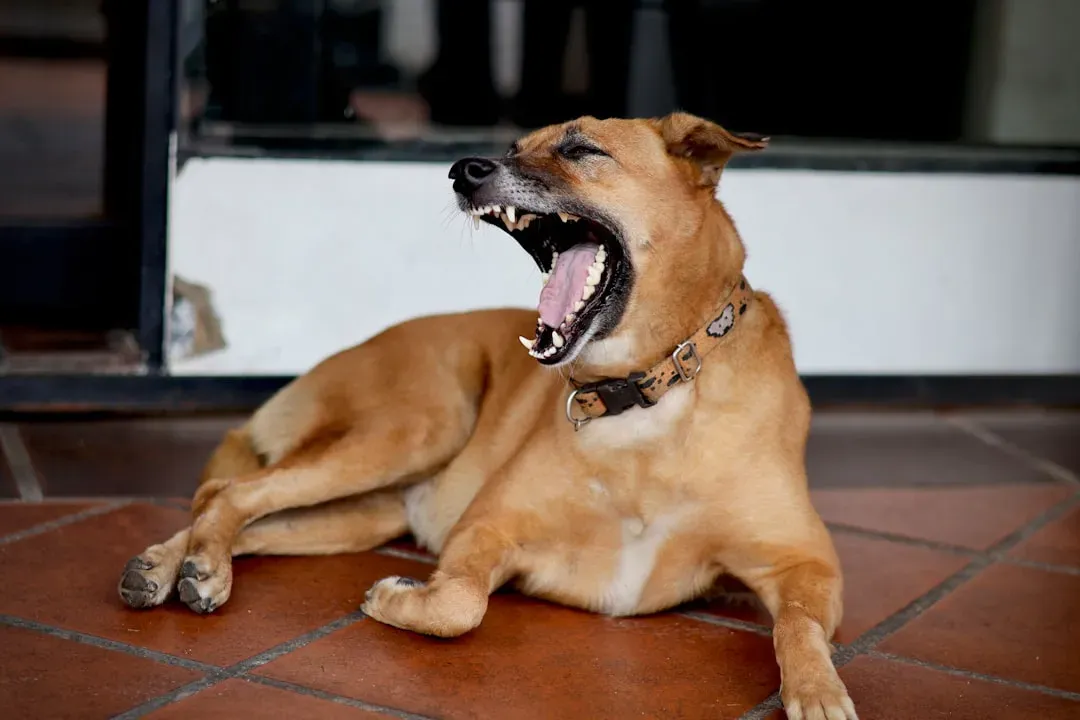
It is surprisingly common for people to interpret a dog’s yawn during a scolding as attitude. You might think your dog is rolling their eyes, checking out of the interaction, or trying to get under your skin by looking bored. That story makes sense emotionally when you’re already annoyed, but it is almost the exact opposite of what is really going on.
Yawning in that heated moment is usually a stress response, not an act of defiance. Your dog is not plotting a reaction; they are coping. They do not have the human concept of sarcasm or passive aggression. What they do have is a natural toolkit of body language signals designed to keep social situations from boiling over, and a yawn is one of the clearest of those signals.
Yawning as a Calming Signal and De‑Escalation Tool
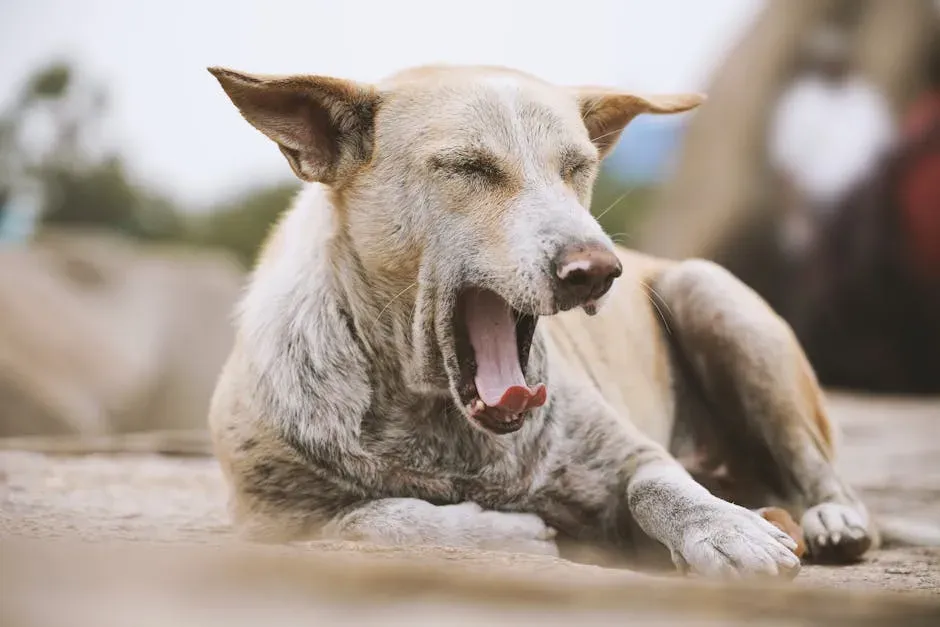
Canine behavior experts often group yawning with what are called calming signals or appeasement signals. These are small, non-threatening gestures dogs use to say something like: “I’m not a threat, can we dial this down?” When a dog yawns as voices rise, it can be a way of soothing themselves and gently asking you, or another dog, to soften the energy in the room.
Along with yawning, dogs may lick their lips, turn their head away, blink slowly, or shift their body sideways in tense situations. Think of it as the canine equivalent of someone raising both hands and backing up a step to keep an argument from escalating. It is not about winning or losing; it is about staying safe and trying to restore emotional balance.
The Stress Science Behind That “Sleepy” Look
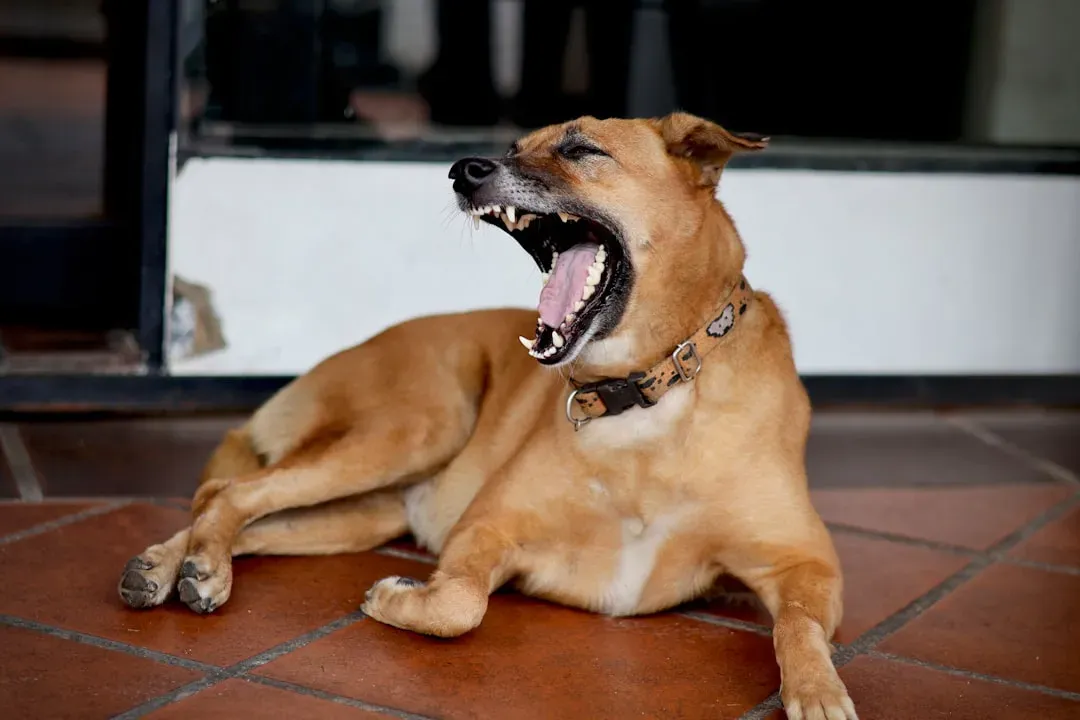
Physiologically, a yawn in a tense moment has more to do with arousal and the nervous system than with boredom. When stress rises, your dog’s body shifts gears: heart rate climbs, breathing changes, muscles tense. A yawn can help regulate breathing and may even play a role in modulating arousal levels, like a little reset button for a brain that is getting overwhelmed.
Researchers studying stress in dogs often look for clusters of behaviors rather than one sign alone. A stress yawn often shows up alongside other indicators: tight facial muscles, ears pulled slightly back, pupils more dilated than usual, a stiff tail or a body that is a bit frozen. When you see that whole picture, it becomes very clear this is not laziness; it is your dog trying to cope with emotional overload.
How Dogs Use Yawning in Social Communication
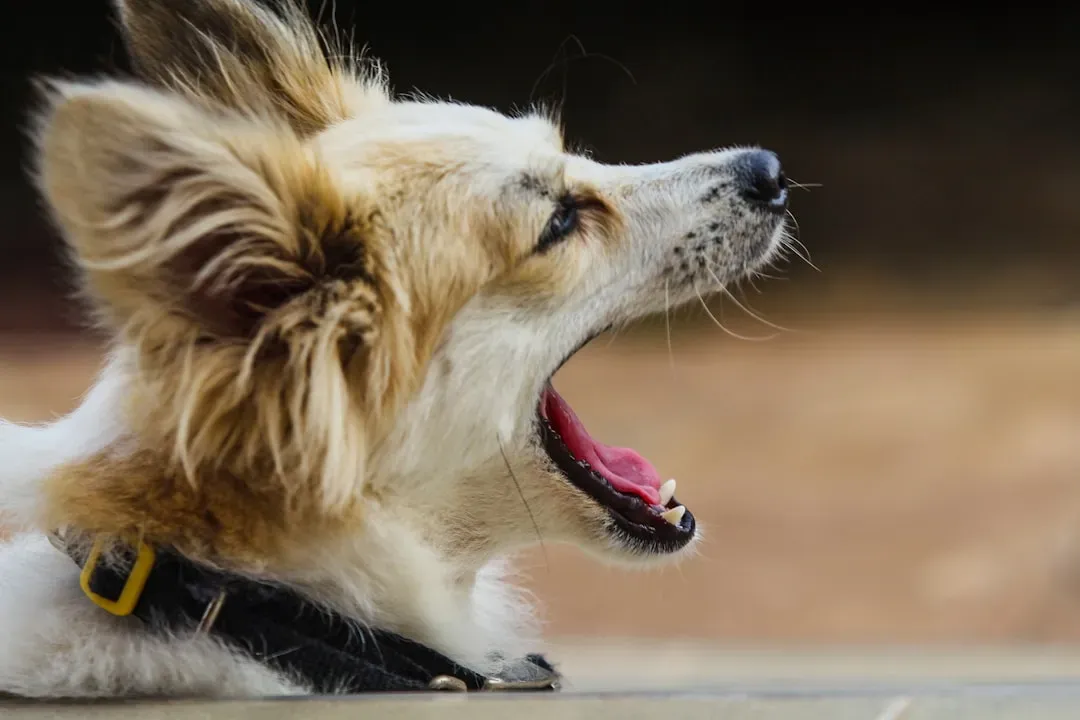
Dogs do not only yawn when humans raise their voices. They yawn around other dogs, during play that gets too rough, at the vet, in noisy environments, and even in training sessions when things become confusing. In social settings, that yawn is often part of a back‑and‑forth communication dance where each dog is reading and adjusting to the other’s signals.
For example, in a dog park you might see one dog get a bit too bouncy, while the other turns away, yawns, and sniffs the ground. That second dog is basically saying, in dog language: “This is too intense, I need you to relax.” Sometimes the energetic dog actually does dial down a notch. Your own dog is trying something similar with you when they yawn during a tense interaction – they just need you to be fluent enough in their language to notice and respond.
What Your Raised Voice Feels Like From Your Dog’s Perspective
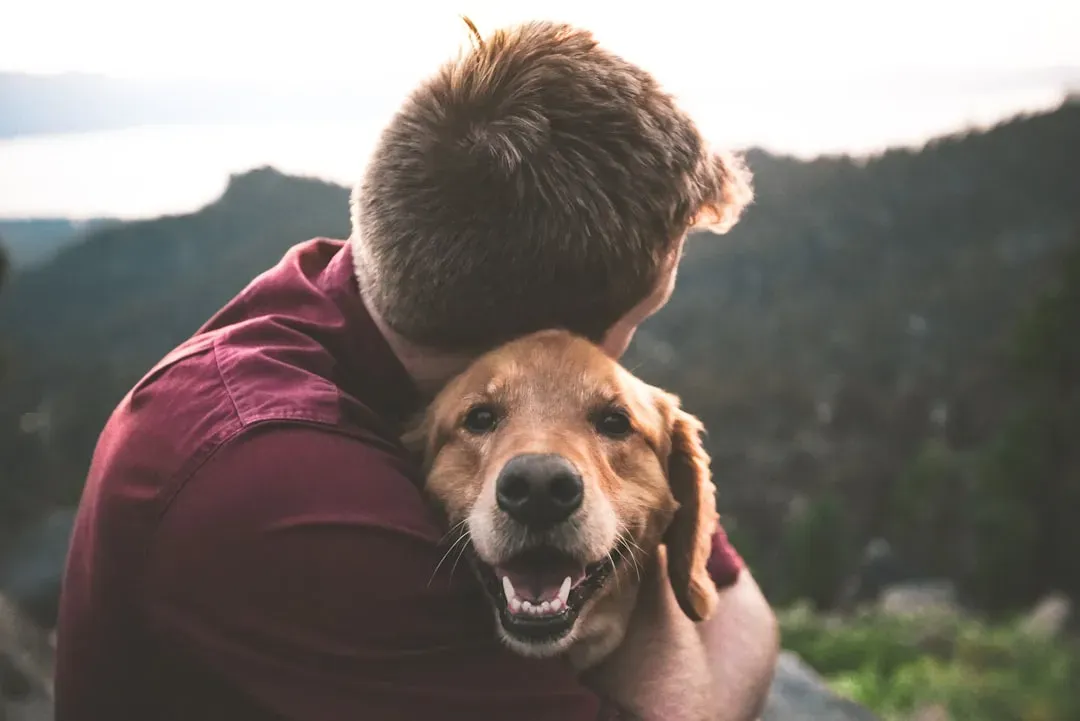
Humans argue with words; dogs experience arguments as changes in tone, volume, posture, and movement. A raised voice can feel to a dog like a storm rolling in: your body might lean forward, your gestures get bigger, and your facial expression tightens. To a sensitive animal that depends on you for safety, that can be genuinely scary or at least highly stressful.
Most dogs are not processing the content of what you are saying; they are reading your whole energy. When that energy spikes into anger or frustration, a conflict‑avoidant dog will often respond with displacement behaviors like yawning, looking away, or walking in a small circle. This is not them ignoring you, it is them trying to survive an emotional moment they do not fully understand but definitely feel in their body.
How to Respond When Your Dog Yawns in a Tense Moment
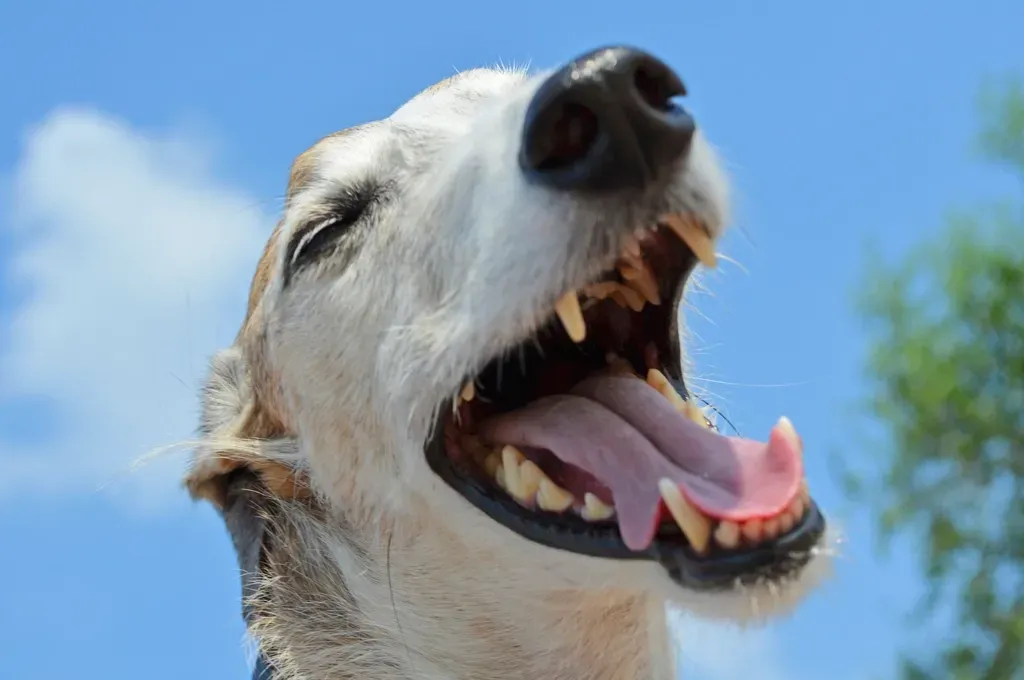
Once you recognize yawning as a de‑escalation signal, the most compassionate and effective response is to soften, not double down. If you catch your dog yawning when you raise your voice, try pausing, taking a breath, and lowering your tone. Sometimes even turning your body slightly sideways, relaxing your shoulders, and blinking slowly can help your dog feel safer again.
From there, you can redirect your dog in a calmer way – using clear cues, rewards, and management instead of scolding. For example, instead of yelling about something chewed, calmly remove the item, guide your dog to a safe space or give a suitable chew, and address the underlying issue later. Over time, responding to their calming signals with your own version of de‑escalation builds trust and makes your dog more likely to listen, not less.
Teaching Yourself to Read the Whole Body, Not Just the Behavior
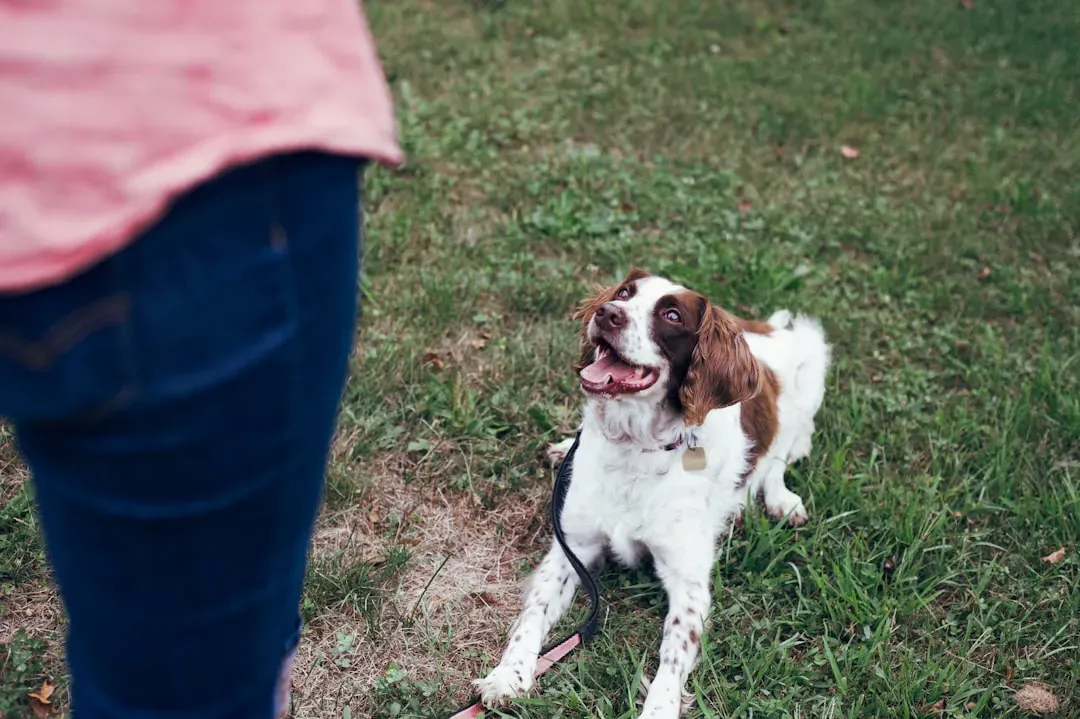
It’s easy to laser‑focus on the “bad behavior” that triggered your frustration: the barking, the jumping, the counter‑surfing. But your dog’s body is always telling you a deeper story. Alongside that yawn, notice their eyes – are they widening or squinting? Look at their tail – stiff, tucked, or softly wagging? Check their posture – leaning away, crouched, or loose and wiggly?
Learning to decode this bigger picture turns you from a referee into a partner. When you start spotting those early stress signals, you can step in sooner with a change of environment, a training break, or a calmer cue. It is a lot like learning to recognize when a child is overtired or overstimulated instead of labeling them as naughty; the behavior becomes information, not a moral failure.
Moving From Punishment to Partnership
Understanding yawning as a de‑escalation signal pushes us to rethink the entire idea of “dominance” and “obedience.” If your dog is using subtle body language to ask for safety and calm, responding with more intensity only teaches them that you are unpredictable. In my experience, the more we lean on yelling and punishment, the more anxious and confused our dogs become, and the less they are actually able to learn.
On the other hand, when you respond to their calming signals with empathy, you step into a different kind of relationship – one based on cooperation rather than fear. You can still have boundaries, rules, and solid training, but they are built on clear communication and consistency, not intimidation. That shift feels small at first, but it changes everything: you stop seeing your dog as stubborn, and start seeing them as a sensitive partner trying their best in a human world.
Conclusion: The Yawn That Could Change Your Relationship
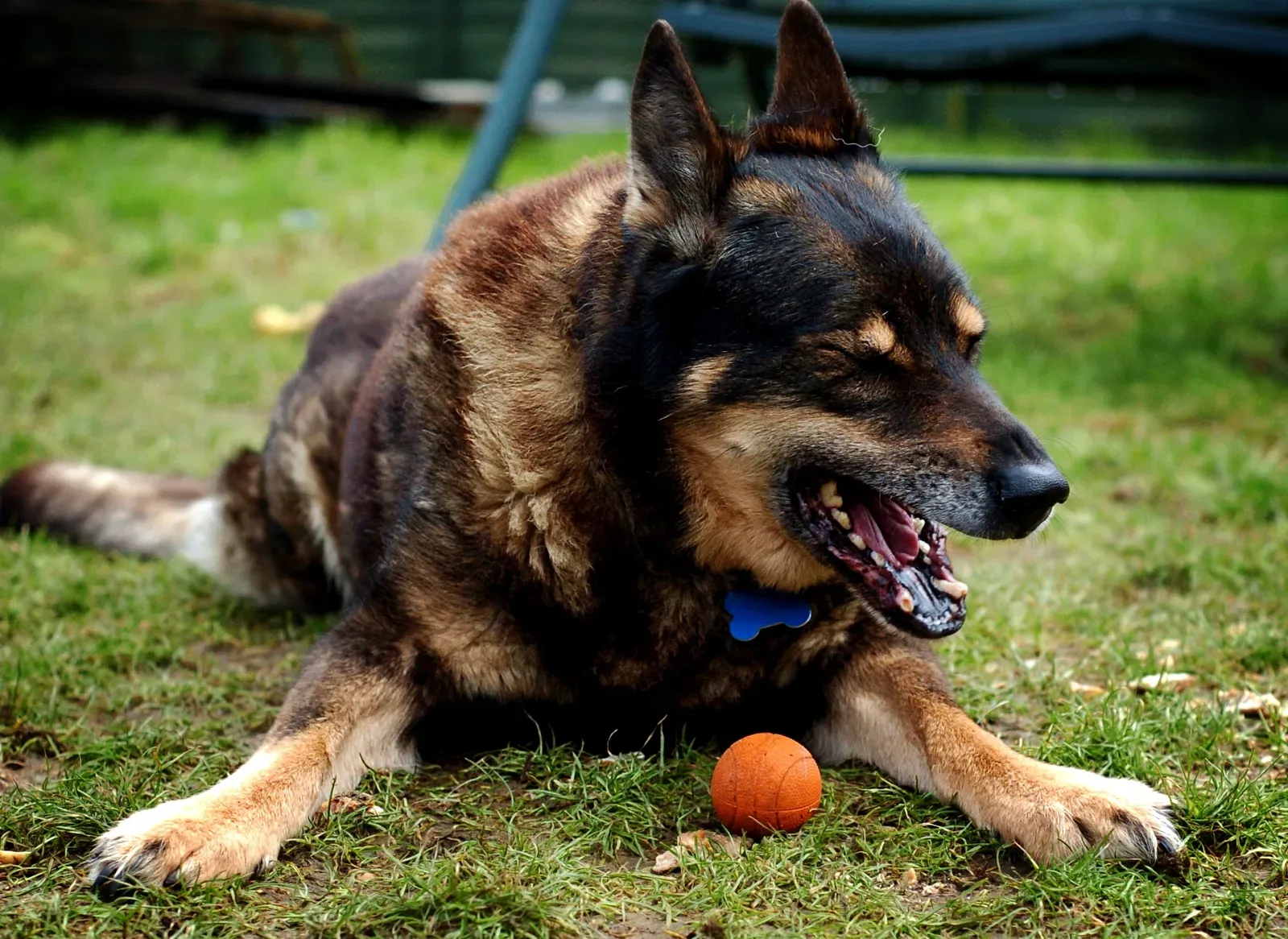
The next time your dog yawns just as your voice gets sharp, try to see it as a tiny, brave act of peacekeeping instead of an eye roll. That slow opening of the jaw is their way of saying they want things to feel safer, softer, and less confusing. It is a reminder that even in conflict, your dog is not plotting against you; they are reaching for connection in the only language they have.
In my opinion, once we know better, we really do have a responsibility to do better – for our dogs and for ourselves. Listening to that yawn means choosing de‑escalation over drama, curiosity over blame, and partnership over power struggles. And honestly, in a world that feels increasingly loud and reactive, that quiet little signal from your dog might be one of the most radical invitations to calm you will ever get. The question is, will you take it the next time you hear yourself start to shout?


