
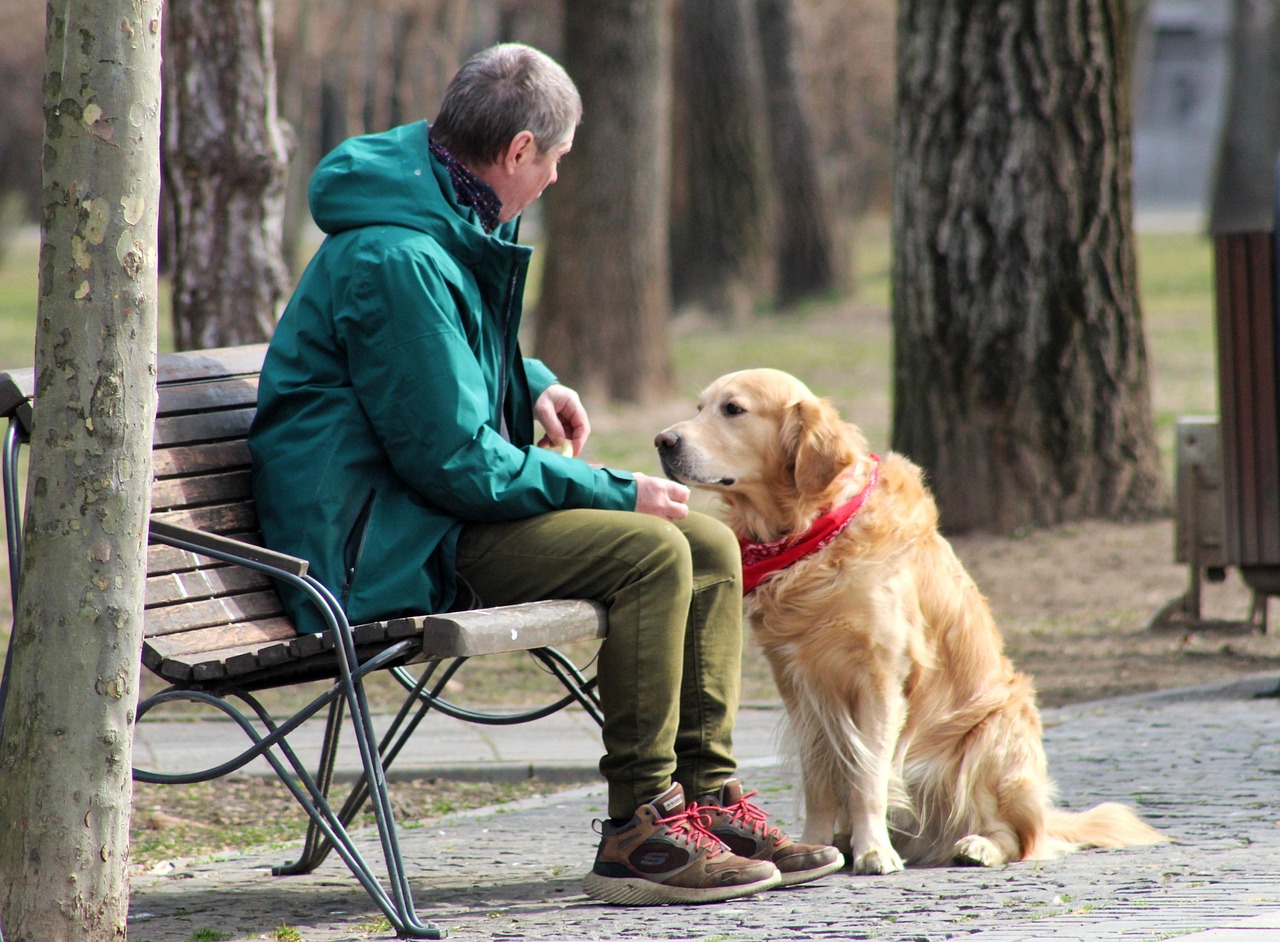
Watch two dogs sit for a treat and only one gets rewarded. The look on the other dog’s face is almost human: a mix of confusion, annoyance, and a quiet little “are you kidding me?” And here’s the wild part – that reaction is not you projecting emotions onto your pet. Experiments in animal psychology show that dogs really do notice unfair treatment and often respond by checking out, refusing to play along next time.
This simple moment at the treat jar opens a door into something much bigger: dogs have a sense of fairness, they compare what they get to what others get, and unequal rewards can damage their willingness to cooperate. When one dog is consistently rewarded while another is ignored, the unrewarded dog often becomes less engaged, slower to respond, or stops performing the task altogether. Let’s unpack what scientists have actually found, what it means for your relationship with your dog, and why “fairness” matters more in training than most people realize.
The Science of Canine Fairness: Dogs Really Do Notice Inequality
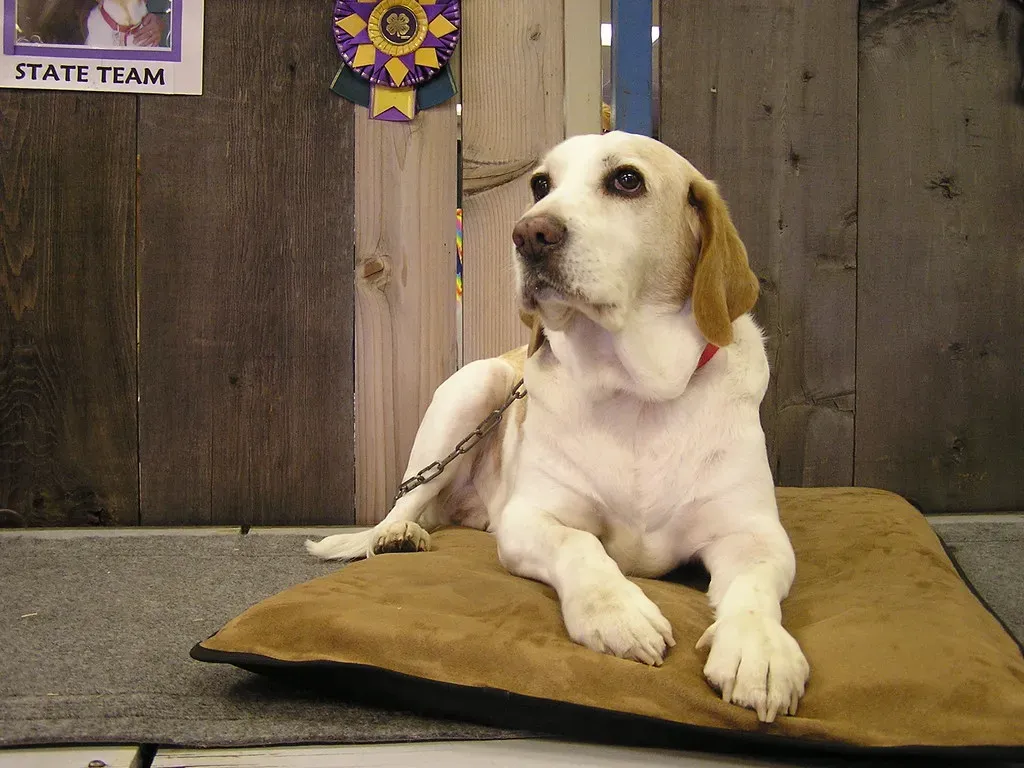
Animal psychologists have repeatedly shown that dogs react when they see another dog being rewarded while they are not, especially if they both performed the same task. In some of the most famous experiments, two dogs were asked to give their paw; one dog received a treat each time, while the other eventually got nothing or a lower-value reward. The dog being short-changed often started hesitating, turning away, or refusing to offer the paw at all, even though it knew the task perfectly well.
What stands out is that the unrewarded dog’s behavior changed not just because it stopped getting food, but because it saw the other dog still being rewarded. When the same task was done alone, many dogs kept working longer, even with inconsistent rewards. That suggests the crucial ingredient is social comparison: the dog is not just asking “did I get something?” but “did I get something compared to what that other dog got?” That is a subtle but powerful sign of what researchers call “inequity aversion” – an aversion to unfairness.
How Dogs Respond: From Frustration to Refusal
When one dog is rewarded and another is not, the unrewarded dog’s shift is often progressive. At first, it may still comply, just more slowly or with a bit of reluctance. You might see the dog look back and forth between the handler and the other dog, lick its lips, or show mild stress signals, as if it’s trying to figure out why the rules suddenly changed. After a few more unfair trials, many dogs simply stop cooperating – they turn their head away, ignore the cue, or walk off.
That refusal is not about the dog forgetting the behavior; it is more like a strike. The dog appears to decide the “job” is no longer worth it if the payoff is worse than what a partner is getting. Interestingly, dogs can sometimes tolerate unequal treatment if both are getting something decent, even if it is not perfectly equal. But when the gap gets too big – one dog gets a steady stream of good treats and the other gets nothing – the unrewarded dog’s motivation drops sharply, and you see cooperation dissolve.
Why This Matters: Fairness as a Social Survival Tool
From an evolutionary point of view, it makes sense that dogs care about fairness. Their ancestors survived in cooperative groups where sharing resources, hunting together, and reading social cues were essential. An individual that consistently accepted poor treatment might have been pushed aside, while those that resisted gross unfairness could have protected their access to food and allies. Sensitivity to inequity is not about being dramatic; it is about negotiating better terms in a social world.
In human life, we see similar patterns. If two coworkers do the same job and only one gets praised or promoted, the other eventually stops trying so hard. Dogs are not writing angry emails to HR, but their version of pushing back is refusing to perform a task that no longer feels “worth it.” Fairness, then, is not a cute luxury in multi-dog households or training groups – it is part of the deep social wiring that helps groups function without constant conflict.
Multi-Dog Households: Hidden Resentments at the Treat Jar
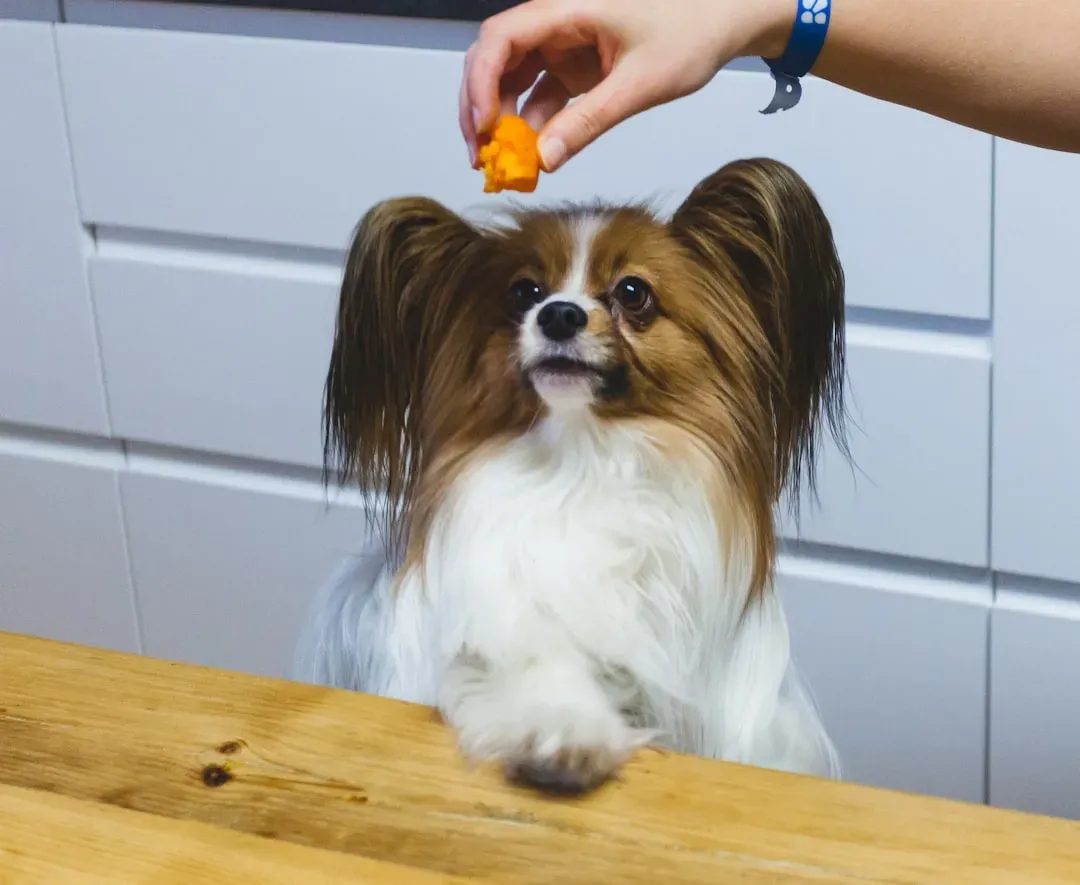
If you live with more than one dog, you are running a tiny social experiment every day without realizing it. When one dog always gets the first treat, the best toy, or more attention after doing a trick, the others are watching closely. Over time, the dog that routinely loses out may become less eager to respond to cues, slower to come when called, or less enthusiastic about training sessions, especially when the “favorite” dog is around.
I have seen this play out in a friend’s home: their older dog would leap into action for any cue, while the younger dog started hanging back whenever treats appeared. The younger dog was not “stubborn” for no reason; it had learned that even when it did what was asked, the older dog usually got the better deal. Once they started rewarding both dogs more evenly – sometimes even paying the younger dog first – the shift was striking. The younger dog became more responsive, more confident, and more willing to cooperate, which made the whole household calmer.
Venting is allowed here: it is frustrating when your dog suddenly “stops listening” in front of your other dog. But if you step back and look at it from the dog’s angle, it often looks less like defiance and more like a rational response to lopsided rewards. Nobody wants to play a game that feels rigged.
Training Implications: How to Reward Fairly Without Overcomplicating Things
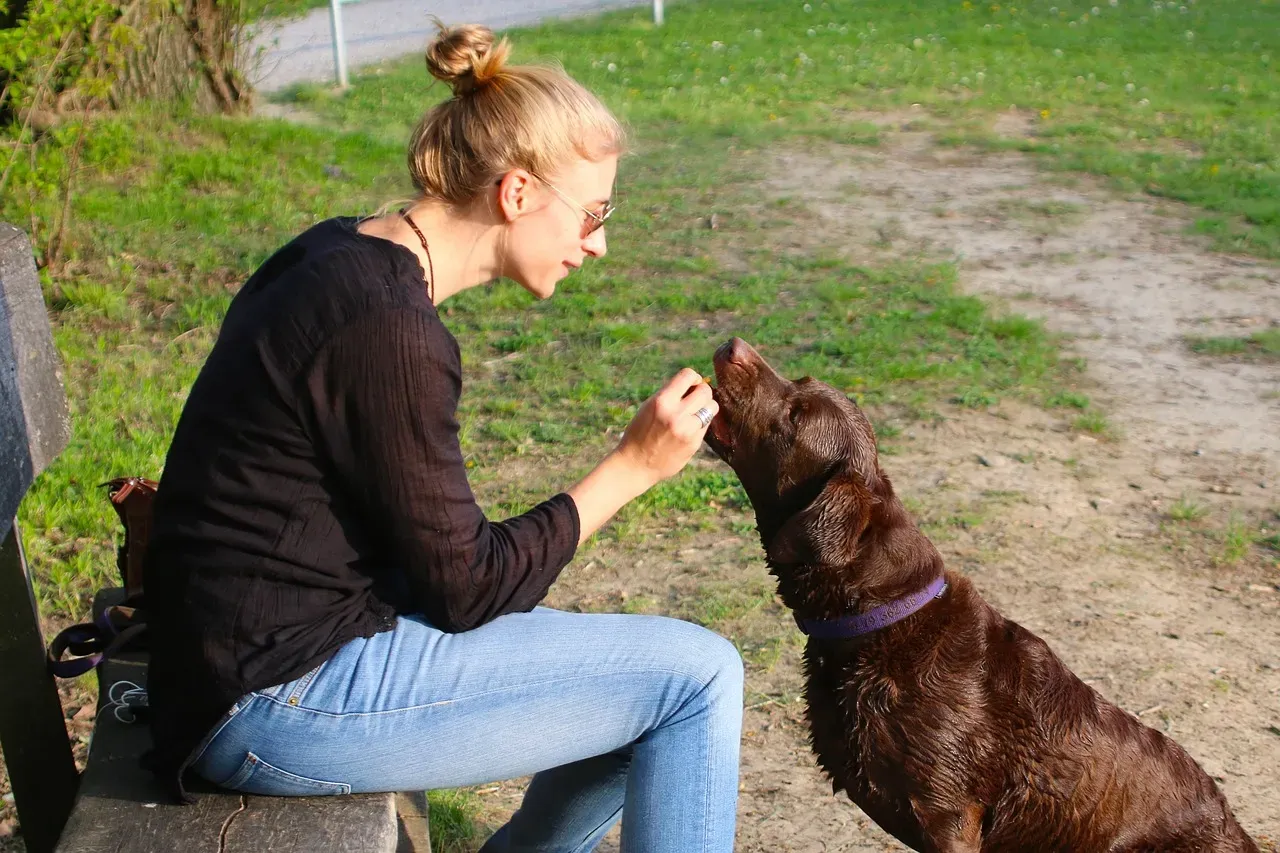
The good news is you do not need a lab coat or complicated protocols to apply this science to everyday training. A simple principle goes a long way: when multiple dogs perform the same task, try to reward them in broadly similar ways, especially in shared sessions. That does not mean identical rewards every single time, but it does mean avoiding obvious patterns where one dog consistently gets more or better treats in front of the others for the same amount of work.
One practical strategy is to rotate which dog you cue and reward first, and to make sure each dog regularly gets short one-on-one sessions where they are the sole focus. Another is to be careful with high-value rewards: if one dog gets a particularly special treat in full view of another dog that just worked for a basic biscuit, you might be planting the seed of future non-cooperation. Think of yourself as a manager in charge of bonuses; your team will forgive small differences, but obvious favoritism can quietly poison motivation.
Do Dogs Understand “Fair” Like Humans Do?
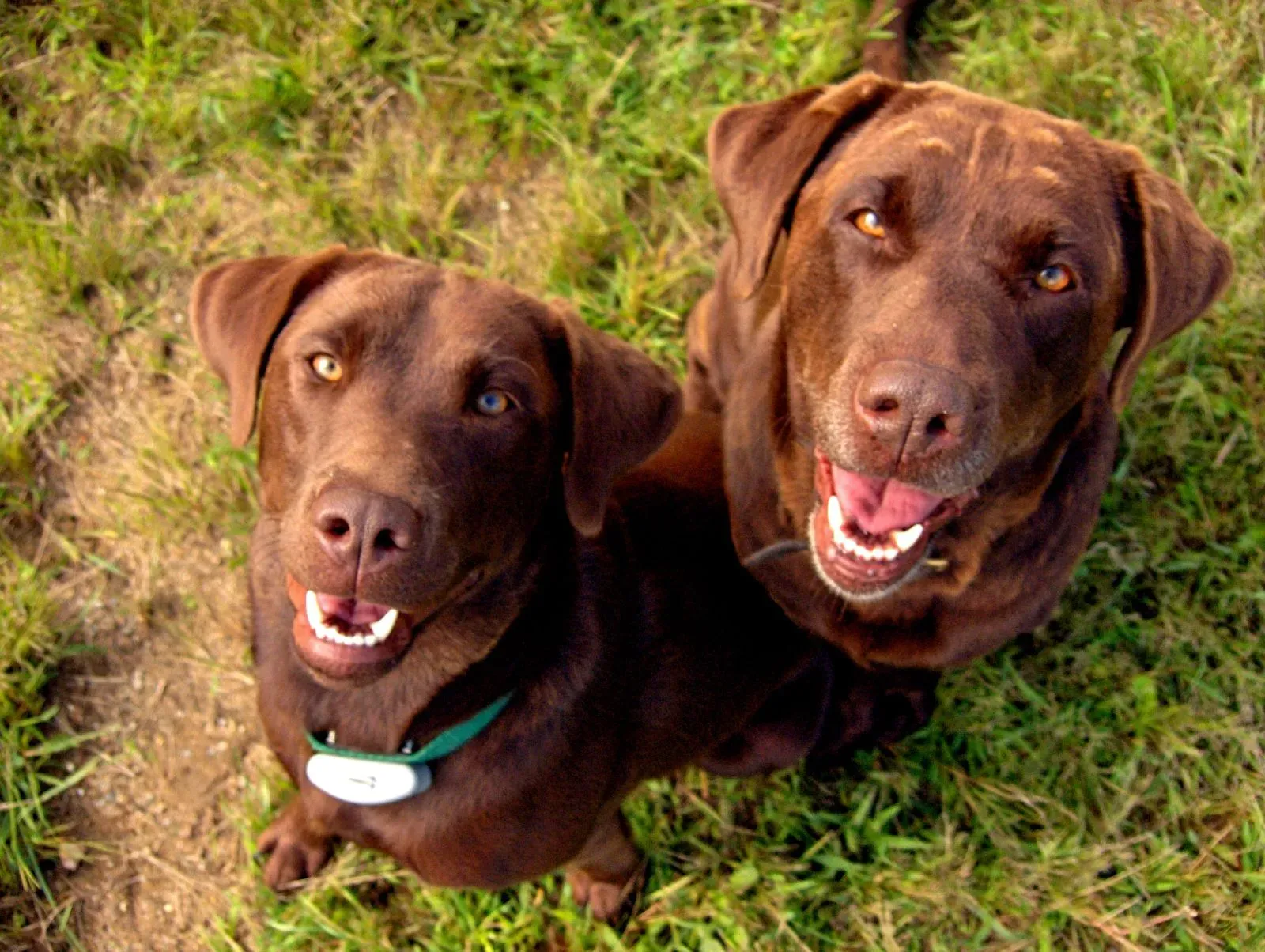
It is tempting to say that dogs “believe in justice” or “hate unfairness” in the same way humans do, but that is probably going too far. What the research really supports is that dogs are highly sensitive to differences in reward between themselves and a partner and that they adjust their willingness to cooperate based on those differences. They do not need a philosophical concept of fairness to behave in a way that looks, from the outside, very similar to a human reacting to unfair treatment.
In other words, your dog is not sitting there forming abstract moral judgments, but it is definitely keeping score at a very practical level: effort versus payoff, especially relative to the other dog standing right next to it. I actually find that more impressive, not less. It shows that what we call “fairness” might be grounded in simple, shared social instincts that helped many species survive, long before anyone wrote about ethics or justice.
Preventing Jealousy, Guarding, and Other Side Effects of Unequal Rewards
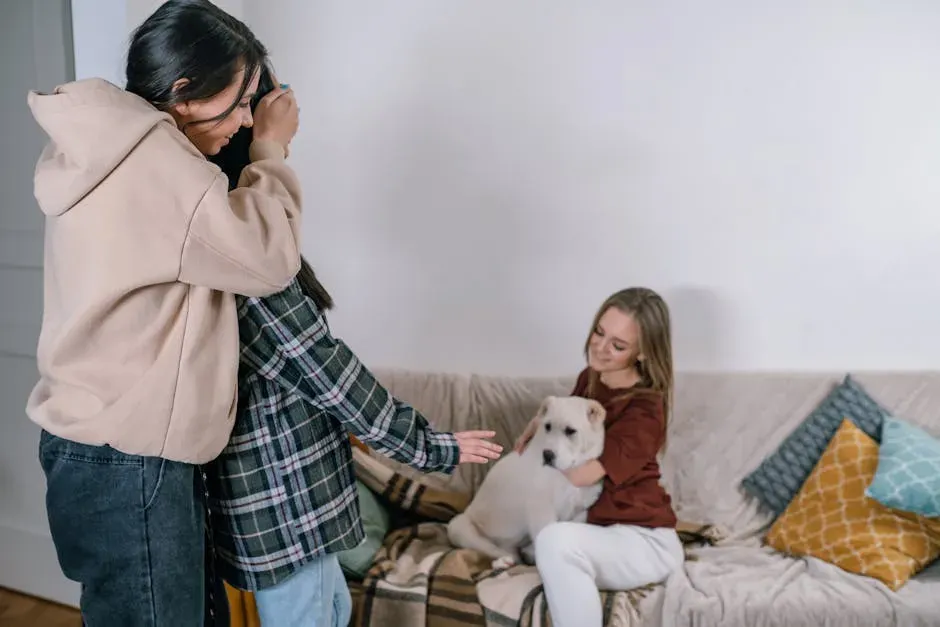
Unequal rewards do not just reduce cooperation; they can also feed into jealousy and resource guarding between dogs. If one dog repeatedly learns that another dog’s presence predicts missing out on good things, it is not surprising that it might start growling when the “favored” dog comes close during meals, treats, or cuddle time. That tension can simmer under the surface for a while and then pop up as seemingly sudden conflict.
To avoid that, you can deliberately pair the presence of each dog with good things for the other. That might look like handing out treats to both when you give something special to one, or occasionally giving the less confident dog an extra turn in training while the other waits calmly and still gets rewarded for that patience. Instead of making one dog the star and the other an afterthought, you are creating a pattern where cooperation, waiting, and sharing space all pay off for everyone. It is not about being mathematically perfect; it is about preventing one dog from repeatedly feeling like the losing player in your household game.
What This Reveals About Our Bond With Dogs
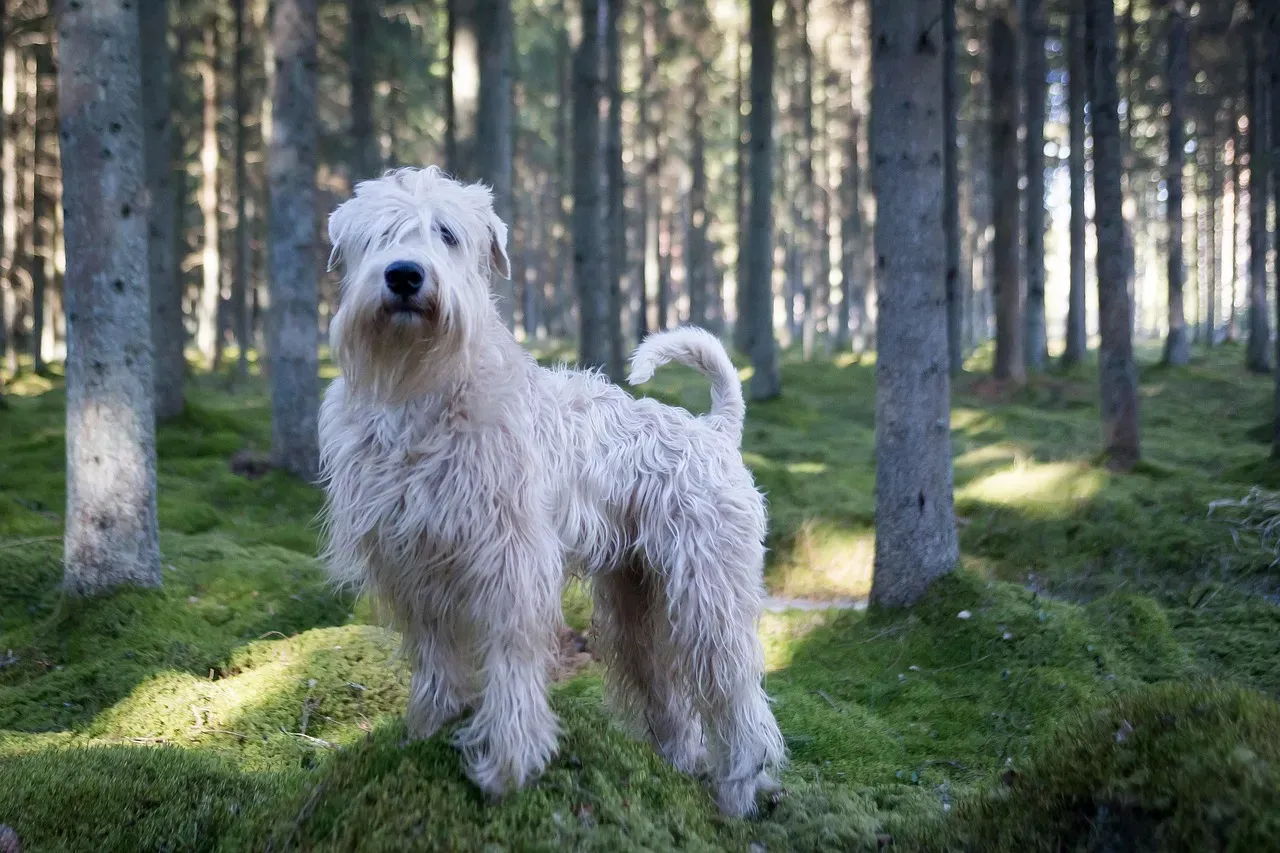
To me, the most striking thing about all of this research is how much closer it brings dogs to us psychologically. The fact that an unrewarded dog becomes less cooperative when it sees another dog being paid for the same work feels deeply familiar. It blurs the line between “human emotions” and “animal instincts” and suggests that our bond with dogs works so well partly because we share these basic reactions to fairness and unfairness.
It also puts a bit of pressure on us, in a good way. If our dogs are paying attention to how we dish out rewards, not just that we give them at all, then our role is not just to be generous, but to be thoughtfully fair. When we get that right, cooperation stops being a constant battle and starts feeling more like a partnership where everyone knows the deal and trusts it. That kind of quiet, everyday fairness might be one of the most underrated ingredients in a peaceful, happy home with multiple dogs.
Conclusion: Fairness Is Not Fluff – It Is Fuel for Cooperation
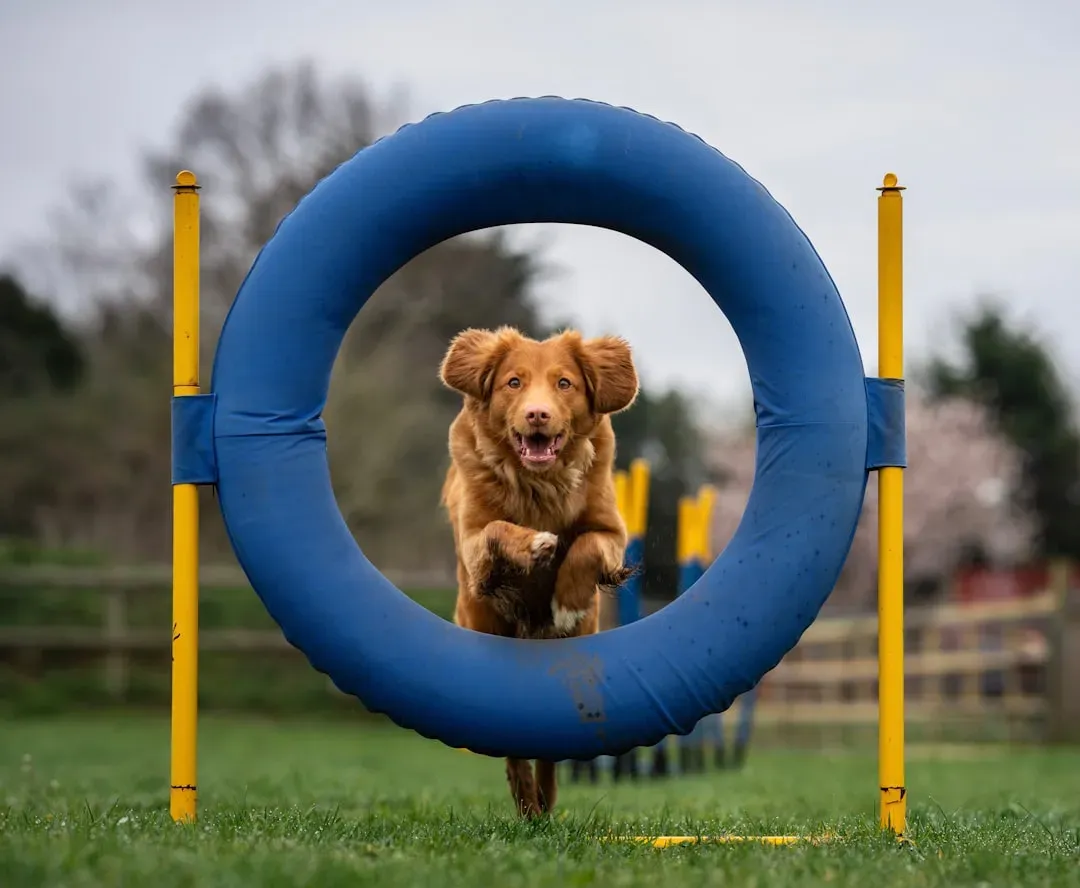
I have to admit, the first time I learned about these studies, I felt a little called out as a human. It is easy to laugh when a dog refuses to shake after seeing another dog get the good treats, but if we are honest, we would probably do the same in their place. The evidence is pretty clear: when one dog is rewarded for a task and another is not, the unrewarded dog often becomes less cooperative, not because it forgot the behavior, but because it is reacting – quite reasonably – to unequal treatment.
My opinion is that we underestimate how much this matters in real homes. People label dogs as stubborn, dominant, or “problematic” when, in reality, the dog may simply be opting out of a game that feels unfair. If we start treating fairness as a basic training tool rather than a soft, sentimental idea, we give our dogs better reasons to work with us and with each other. In the end, a fair household is not just kinder; it is more effective. Next time your dog seems to shut down during training, it might be worth asking yourself one uncomfortable question: if you were in their paws, would you still be cooperating?


