

Imagine chatting to your dog after a long day, and somewhere inside their brain, a little emotional center lights up in response to the sound of your happy voice. That is not just a cute idea anymore; it is something scientists have actually seen inside dog brains using MRI scanners. What started as a simple question about how dogs hear us turned into a surprisingly intimate look at how deeply our two species are wired together.
Researchers expected dogs to recognize our voices to some degree, but they did not expect to find such a close match between how dogs and humans process emotional sounds. When joyful human sounds played, a region in the dog’s brain lit up that strongly resembled the area humans use for emotional processing. That discovery does not just say something about dogs; it quietly challenges how we think about emotion, evolution, and the way we talk to non‑human minds.
Dogs in the MRI: How Scientists Even Managed This

The first question people usually ask is very simple: how on earth do you get a dog to lie still in an MRI machine? Researchers had to train dogs, often for months, to walk into the loud, narrow scanner, rest their heads on a special chin support, and stay completely still without sedation. That last part really matters, because sedatives change brain activity; to see genuine emotional responses, the dogs had to be awake, alert, and comfortable.
Instead of forcing them, trainers used reward‑based methods, turning the strange machine into something like a game. The dogs wore ear protection, heard recorded sounds, and were rewarded whenever they stayed calmly in place. The result was a group of dogs voluntarily participating in brain research, which in itself is kind of mind‑blowing. It also means that what scientists saw on the scans genuinely reflects how normal, awake dogs respond to the world around them.
The Surprise Inside the Brain: Emotional Sound Centers
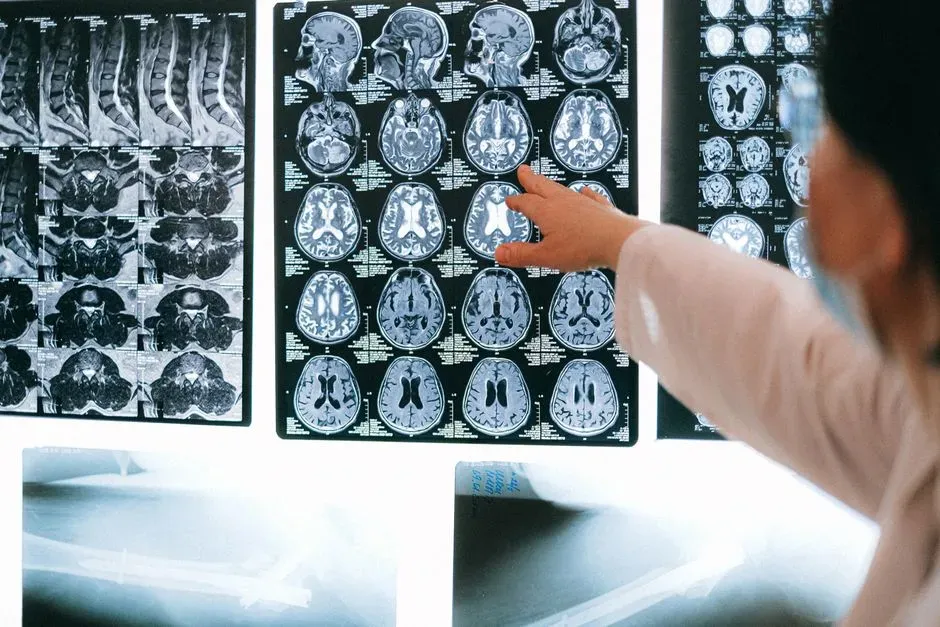
When scientists compared MRI scans from humans and dogs listening to different sounds, they noticed a striking pattern. Both species showed a cluster of activity in parts of the brain that respond to emotional tone, especially when the sounds were positive or socially meaningful. For dogs, happy human voices and joyful dog sounds lit up these regions far more than neutral noises.
What truly surprised researchers was not simply that dogs reacted, but that the pattern of activation appeared in a region roughly comparable to the human area involved in processing vocal emotion. This suggests that both species share a similar neural strategy for decoding how another being feels, based on sound alone. That is a pretty radical shift from the old idea that animal emotion was mostly guesswork or mere “instinct” with no clear overlap to human experience.
Happy Voices, Happy Brains: What Dogs Actually Respond To

The studies did not just play random beeps; they contrasted emotionally rich sounds, like laughter or joyful exclamations, with more neutral or mechanical noises. Dogs showed a much stronger brain response to happy, high‑energy human voices and positive dog sounds, such as friendly barks or playful growls. In simple terms, their brains lit up more when the sound carried emotional warmth.
Interestingly, the emotional tone seemed to matter more than the exact words. Dogs were not just responding to language in the way we think about it; they were tuned into the melody of feeling running through the sound. That helps explain why you can tell your dog nonsense in a cheerful tone and they wag, or why a single sharp, tense word can freeze them in place. Their brain is tracking your emotional weather, not just your vocabulary.
Why This Result Surprised Scientists

For a long time, many researchers drew a firm line between human emotional complexity and animal emotion. They knew dogs were responsive and clever, but they often assumed our shared life together was mainly about conditioning and simple associations. Finding a similar type of emotional sound processing area in both dogs and humans pushed back against the idea that our emotional brains are totally unique.
The surprise comes from evolution as well. Dogs and humans split from a common ancestor a very long time ago, yet we share this neural pattern tied to vocal emotion. That raises fascinating questions: did our brains end up similar because our ancestors already had this ability, or did dogs’ brains adapt in parallel as they lived beside us for thousands of years? Neither answer is boring, and both options make the dog‑human story feel deeper than just “pets and owners.”
Evolution, Domestication, and Emotional Tuning
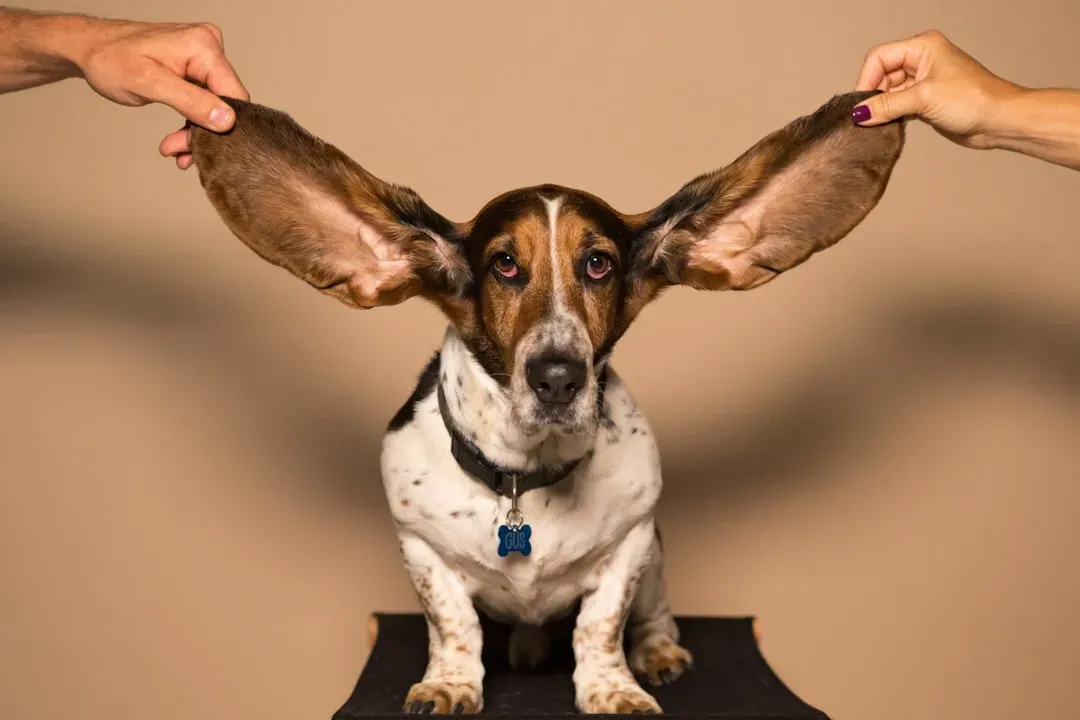
When you zoom out and look at evolution, the result makes a certain kind of sense. Animals that live in tight social groups need to pick up on others’ feelings quickly: who is safe, who is angry, who is playful. Sound is one of the fastest ways to do that. It would be extremely useful for both humans and dogs to have brain systems tuned to vocal emotion, especially in a shared environment where survival and cooperation are linked.
Domestication probably cranked that dial even higher. Over thousands of years, dogs that were better at reading human signals had an advantage: they were fed, protected, and bred. Bit by bit, dogs may have become specialists in decoding human emotion, especially through voice. The modern pet dog is like a living archive of this co‑evolution, carrying a brain that is partially shaped by life alongside us and strangely well‑adapted to our emotional noise.
What This Means for the Bond You Have With Your Dog

Knowing that your dog’s brain reacts in a special way to your happy voice changes how you see those everyday moments. When you walk in the door and greet them with that slightly ridiculous, high‑pitched “hello,” their brain is not just hearing a sound; it is engaging a system designed to pick up emotional signals. That goes a long way toward explaining why they seem to bloom in response to affection and verbal warmth.
On the flip side, it is a reminder that sharp, harsh, or angry tones probably hit much harder than we like to admit. If their brain is tuned to emotional tone, then raised voices and tense sounds might feel like an emotional storm they cannot escape. When I think about the times I snapped at my own dog out of stress, I cringe a little now, because I imagine those sound‑sensitive regions in her brain lighting up in a very different, unpleasant way.
Rethinking “Just a Dog”: Emotional Minds Beyond Words
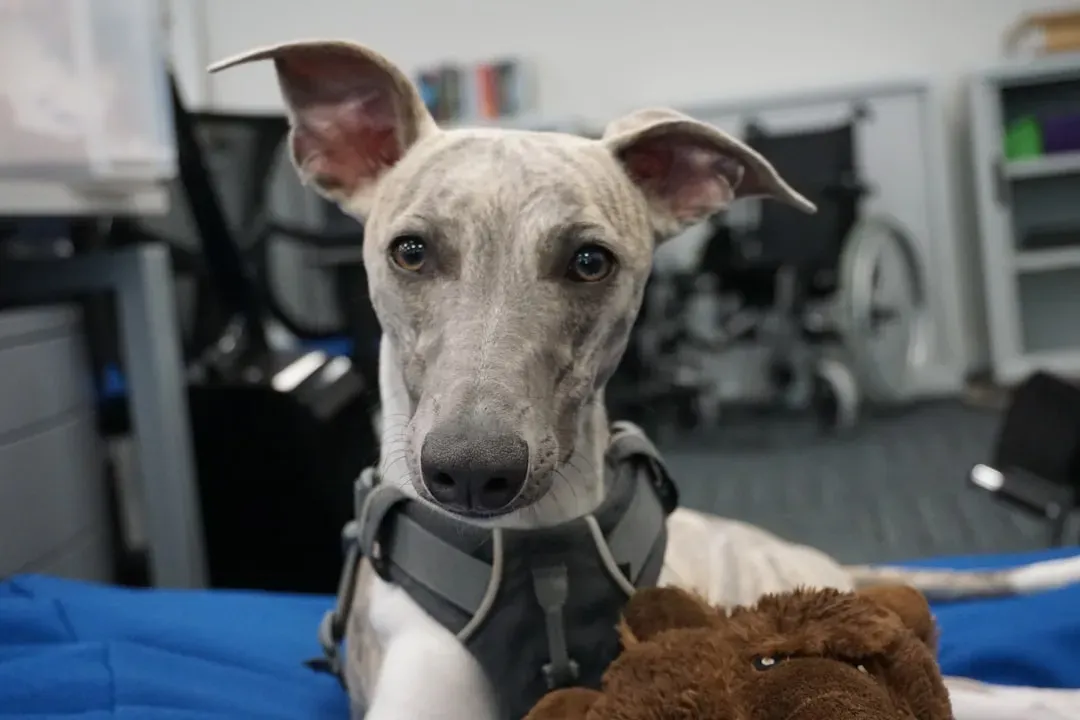
These MRI findings quietly undermine that old phrase people toss out when they want to minimize animal feeling: “it’s just a dog.” If dogs share a similar brain region for processing emotional sounds, then their inner world is not an empty space we project feelings onto. It is a responsive, structured system that reacts to joy, comfort, tension, and probably a lot of subtle shades in between.
No, that does not mean dogs are tiny fur‑covered humans, and it does not prove they experience emotion exactly as we do. But it does suggest there is more continuity between our minds than many people were comfortable admitting a few decades ago. To me, that is both humbling and a bit unsettling, because it forces us to think harder about responsibility, kindness, and what it really means to live with another emotional species in our homes.
Where the Science Goes Next: Beyond Cute Headlines

As tempting as it is to stop at the feel‑good takeaway that “dogs understand our happiness,” the serious work is only getting started. Researchers are now exploring how different types of sounds, voices, and even languages shape this emotional processing in dogs. They are asking whether some breeds are more sensitive than others, and how early experiences, such as socialization and training methods, might strengthen or weaken these brain responses.
There is also growing interest in how this knowledge can improve welfare. If we know certain sounds or environments are emotionally overwhelming, shelters, vet clinics, and homes can be designed to reduce stress. For working dogs, such as service animals, better understanding of their emotional sound processing might guide more humane training and support. Underneath the adorable mental image of “dog brains lighting up for human happiness,” there is a very practical question: how can we use this insight to make their lives, and ours, genuinely better?
Conclusion: A Shared Emotional Frequency We Can No Longer Ignore

These MRI studies do something important: they shove aside the comfortable myth that animals are emotional blank screens and show us that dogs, at least, are tuned into a frequency we once thought was mostly our own. When a dog’s brain responds to a happy human voice in a region similar to our emotional processing area, it is hard to keep pretending the bond is only about food, habit, or blind loyalty. There is a real, measurable overlap in how we process emotional sound, and ignoring that now feels less like skepticism and more like denial.
My honest opinion is that this science should change how we talk about, live with, and legislate around animals, especially those who share our daily lives. If our voices can literally stir their emotional brain, then kindness stops being an optional extra and becomes a basic obligation. Maybe the next time your dog tilts their head at your laughter, you will remember that somewhere in both your brains, similar circuits are humming along together. And really, did you ever expect the evidence to show that your silly dog‑talk mattered this much?


