
Some dogs can snooze the day away while you’re at work. Others? They act like the world just ended the moment you pick up your keys. If you’ve ever come home to shredded cushions, heartbreaking howls from the hallway, or a dog glued to your shadow for an hour after you walk in, you already know: not all breeds cope with alone time the same way.
In my own life, the biggest shock was discovering that “smart” and “sensitive” often means “this dog will lose their mind if I leave for more than ten minutes.” The breeds below are loving, brilliant, and often hilarious – but they’re also the ones that, on average, tend to . That doesn’t mean you shouldn’t own them; it just means you need to go in with open eyes, a bit of science, and a lot of empathy.
Labrador Retriever: The Social Butterfly Who Hates an Empty Room
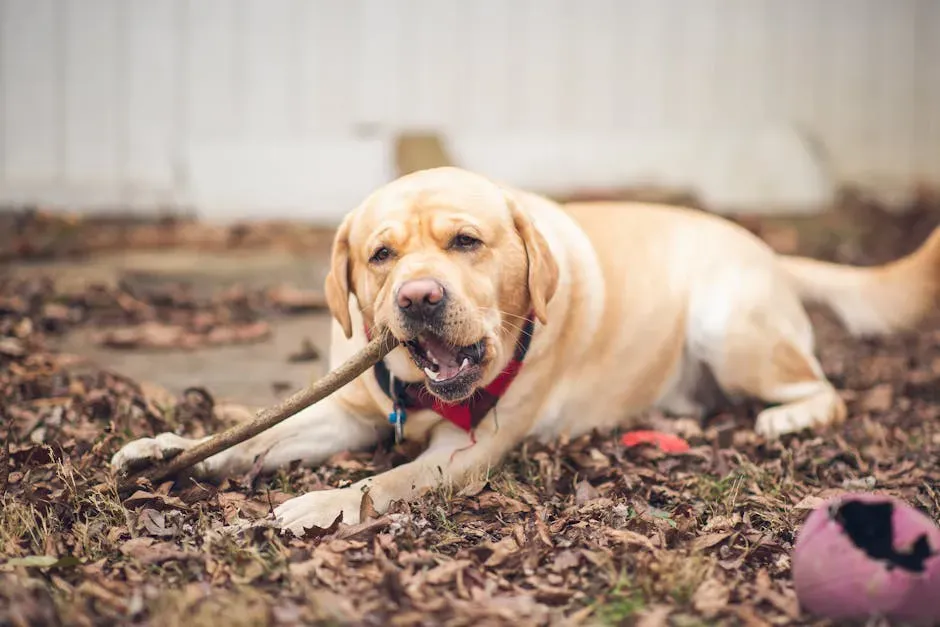
Labrador Retrievers top so many “best family dog” lists for a reason: they’re affectionate, people-focused, and eager to be part of every little thing you do. That same people-obsession is exactly why many Labs struggle with being left alone for long stretches, especially in their younger years. A Lab that spends all day by itself with little mental or physical outlet is basically a bored toddler with super strength and a mouth full of tools.
Behaviorists often point out that Labradors were bred to work closely with humans in retrieving and hunting roles, which means they’re wired to be part of a team, not lone operators. When that team disappears for eight or ten hours, many Labs cope by chewing, barking, or pacing. If you share your life with a Lab and work long hours, things like dog walkers, interactive food puzzles, proper exercise before you leave, and even doggy daycare can make the difference between a calm companion and a frustrated wrecking ball.
Border Collie: Genius Brain, Zero Chill When Bored
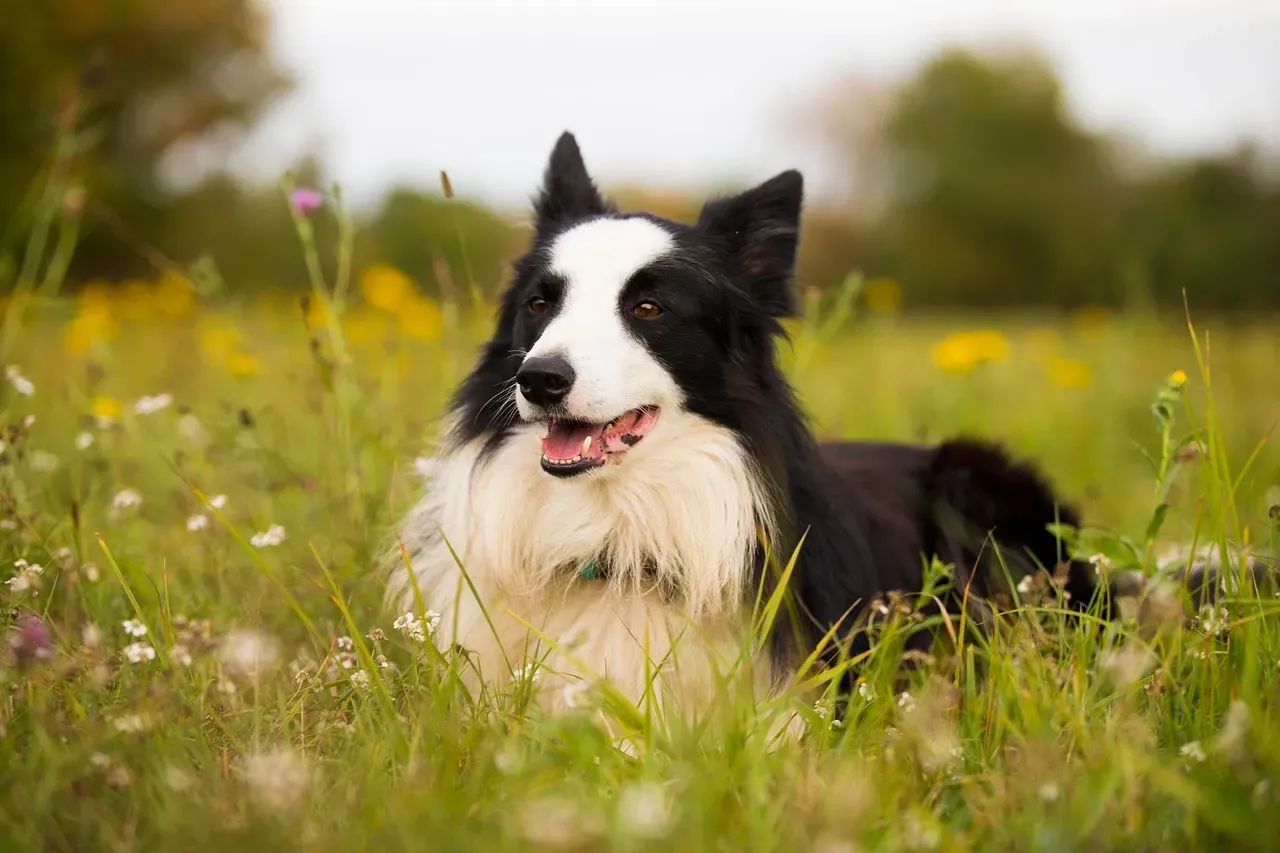
Border Collies are often called one of the most intelligent dog breeds, and it shows in everything from their problem-solving skills to their laser-like focus. But that big brain is a double-edged sword: without a job, company, or challenge, many Border Collies spin up endless mental energy into anxiety. Being left alone too frequently or for too long can push some of them toward frantic behaviors, obsessive pacing, or destructive chewing, simply because they have no constructive outlet.
These dogs were bred to work side by side with shepherds, reading subtle cues and constantly monitoring moving livestock, so “sit quietly in an empty apartment all day” is about as opposite to their original purpose as it gets. Owners of Border Collies often find they need to think more like activity planners than casual pet parents. That can mean structured exercise, advanced training games, scent work, or even dog sports – plus thoughtful alone-time training – so that solo hours feel manageable instead of unbearable.
German Shepherd: Devoted Guardian Who Feels Lost Without a Job
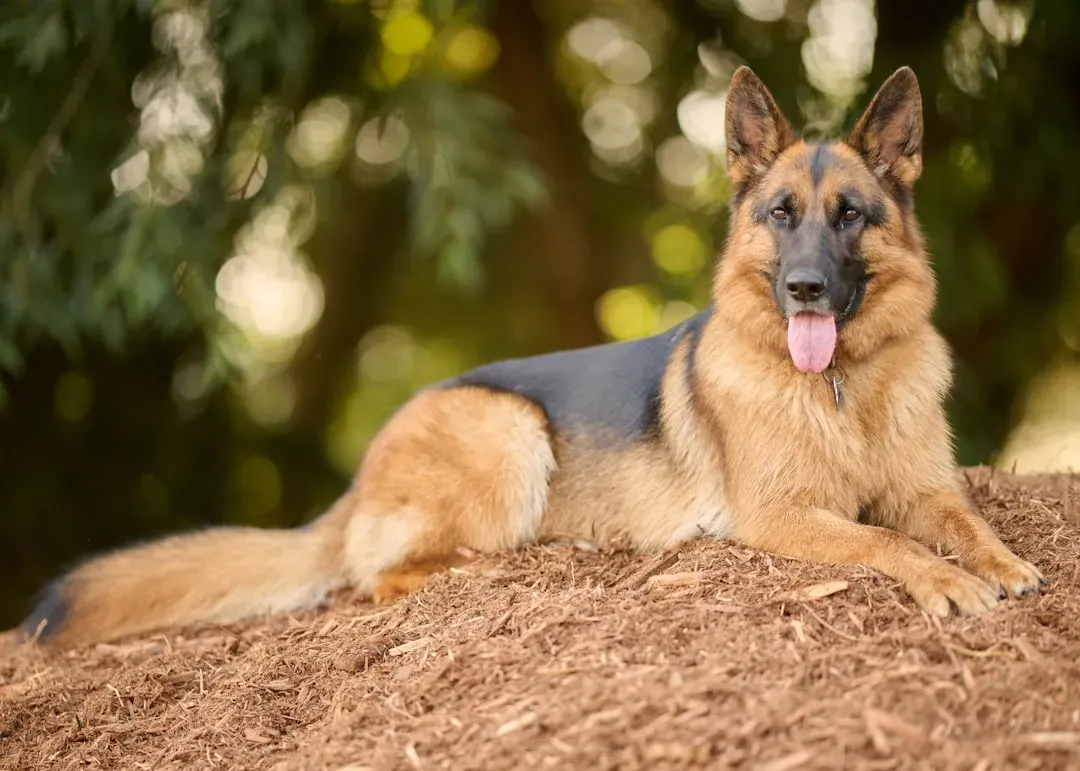
German Shepherds are famous for their loyalty and protective instincts, and those traits are exactly why they can struggle mightily with isolation. These dogs are natural guardians, bred to watch over flocks and later to work in police, military, and service roles right at a handler’s side. When a dog like that is suddenly alone in a quiet home with no human to monitor and no duty to perform, many become anxious, vocal, or hyper-alert at every sound.
Some German Shepherds express their distress by barking at the slightest noise, pacing through the house, or trying to escape confinement. Because they form such strong bonds, abrupt changes in routine – like a new job with longer hours or a move to a busier neighborhood – can hit them hard. Gentle crate training, gradual desensitization to departures, and consistent physical and mental exercise are especially important with this breed. For many Shepherds, having a structured role, even something as simple as “go to your mat when the doorbell rings,” helps them feel more secure when they do have to be alone.
Cavalier King Charles Spaniel: The Velcro Lapdog With a Fragile Heart
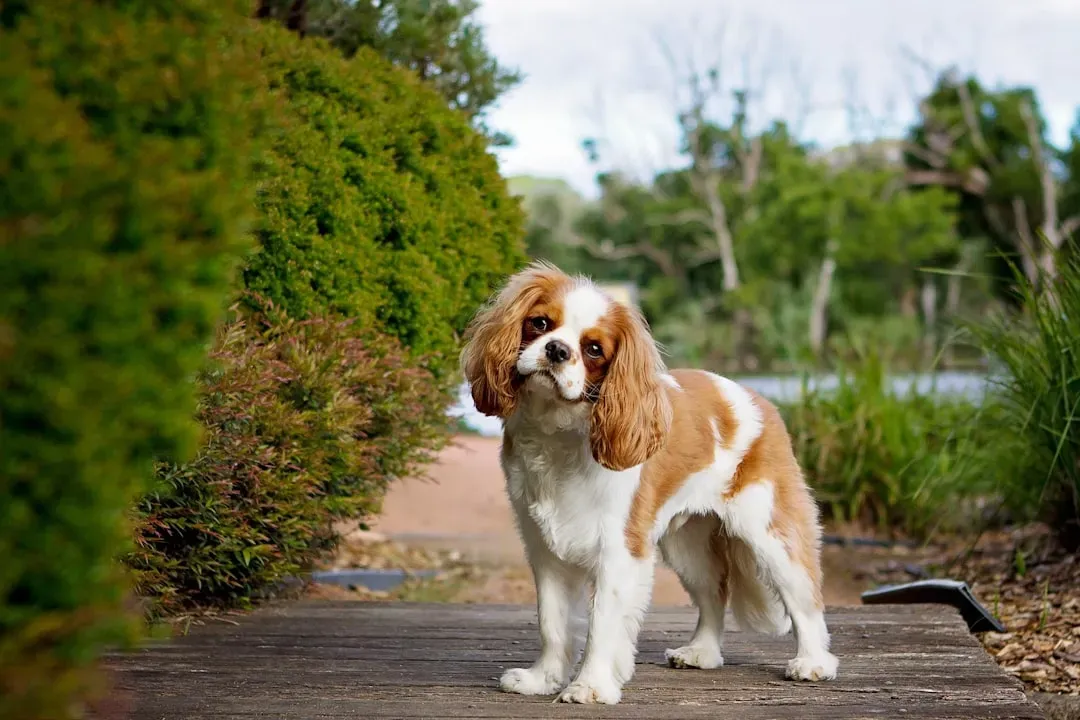
Cavalier King Charles Spaniels might look delicate and dainty, but their emotional intensity is no joke. They’re often described as “Velcro dogs” because they’d like nothing more than to follow their favorite person from room to room all day long. Historically, they were bred as companion dogs for nobility, literally designed to sit in laps and keep people company, so solitude simply does not come naturally to many of them.
When Cavaliers are left alone too often, their distress tends to show up as crying, barking, or anxious pacing near doors and windows, sometimes even house soiling despite being otherwise fully trained. They usually thrive best in homes where someone is around much of the day or where there is another calm, friendly dog for company. With Cavaliers, slow alone-time training, comforting routines, and soft, predictable departures (instead of big emotional goodbyes) can go a long way toward easing that panicky “you’re leaving me forever” feeling.
Australian Shepherd: High-Energy Workhorse Trapped in a Quiet House
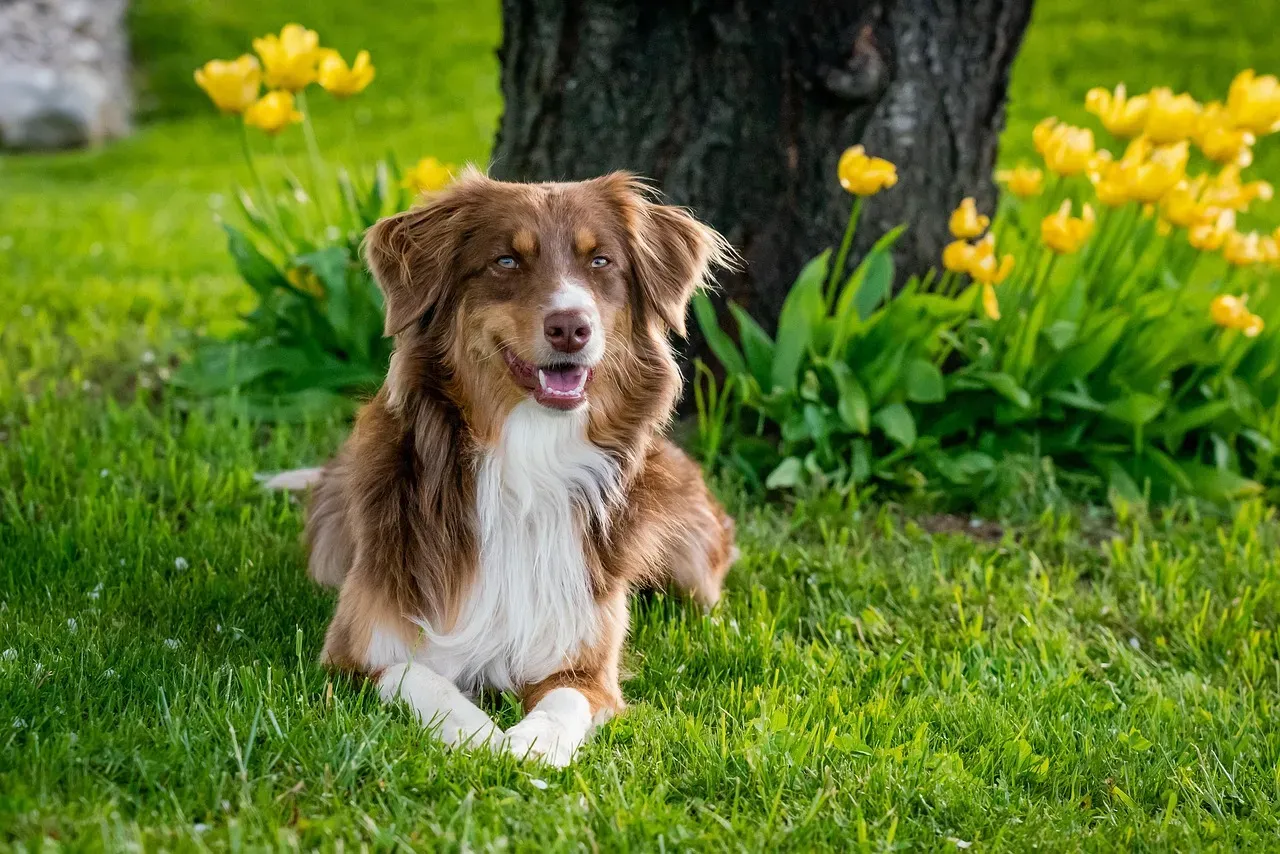
Australian Shepherds are lively herding dogs known for their stamina, responsiveness, and need to be busy. They excel in agility, herding trials, and intense outdoor activities, but that same drive can turn into restlessness and anxiety when they’re stuck at home alone. Many Aussies are sensitive and hyper-aware of their surroundings, so being left with nothing to do and no person to follow can feel like being cut off from the very job they were meant to do.
Owners often report that an under-stimulated Aussie will invent its own “work,” which unfortunately might involve herding the kids too intensely, dismantling the couch, or barking at imaginary intruders out the window. If you live with an Australian Shepherd and know your schedule involves regular long absences, it helps to design the dog’s week almost like an athlete’s training plan: structured exercise, brain games, supervised social time, and carefully built-up independence. That way, solo hours become rest periods instead of lonely marathons.
Vizsla: The “Velcro Dog” Who Wants Full-Body Contact, Always
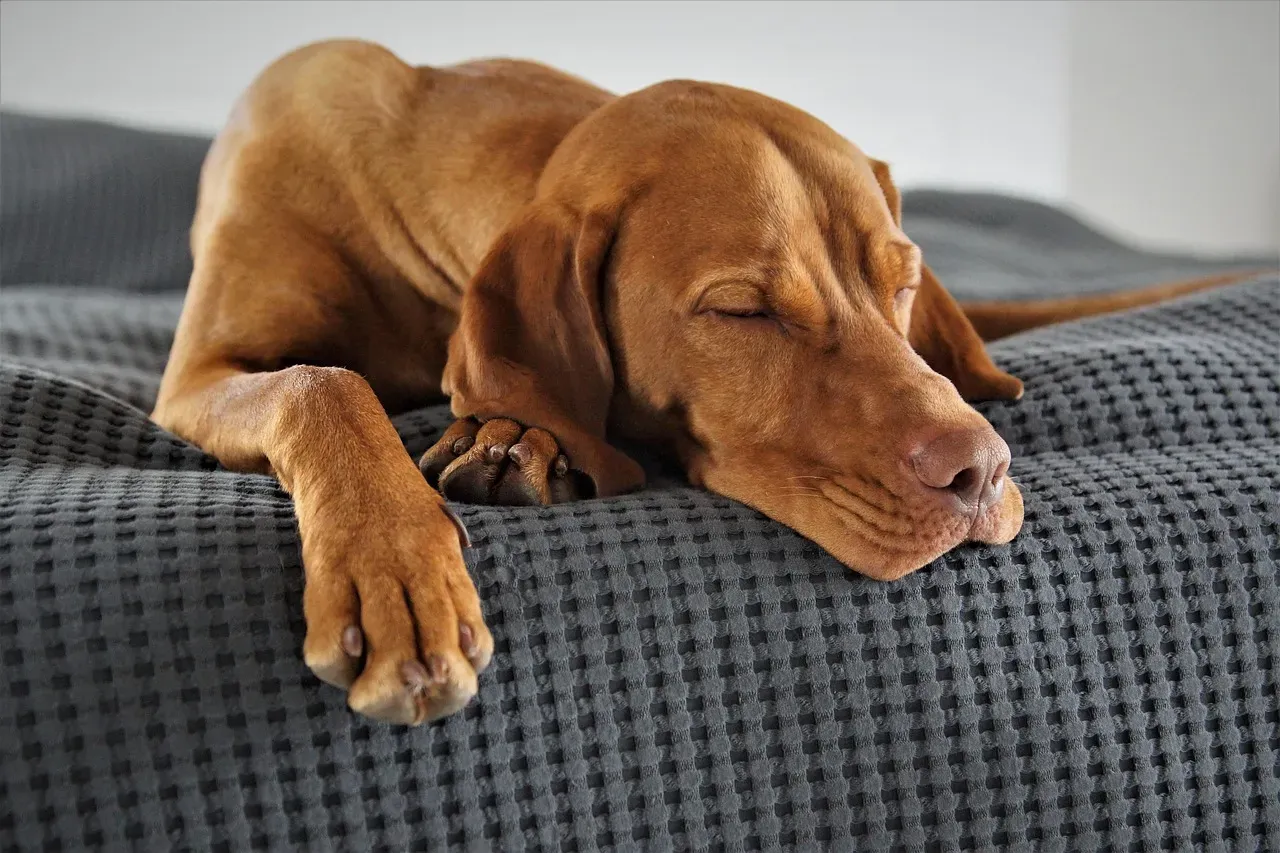
Vizslas have a reputation for being incredibly affectionate, almost clingy, and that’s not an exaggeration. They were developed as hunting dogs who worked hand in hand with humans in the field and then relaxed with the family in the home, which means they’re used to near-constant human presence. Many Vizslas like to lie pressed against their person, sometimes even insisting on full-body contact, so being suddenly alone can feel like a serious emotional shock.
This breed is particularly prone to becoming vocal or destructive when alone if their need for exercise and closeness has not been met beforehand. They’re not just energetic; they’re emotionally intense. Success with a Vizsla often comes from embracing that intensity rather than fighting it: giving them active outdoor time, including them in daily routines whenever possible, and then slowly, patiently helping them learn that alone time is safe through short, positive departures that gradually increase in length.
Poodle (Standard and Miniature): Sensitive Thinkers Who Overanalyze Everything
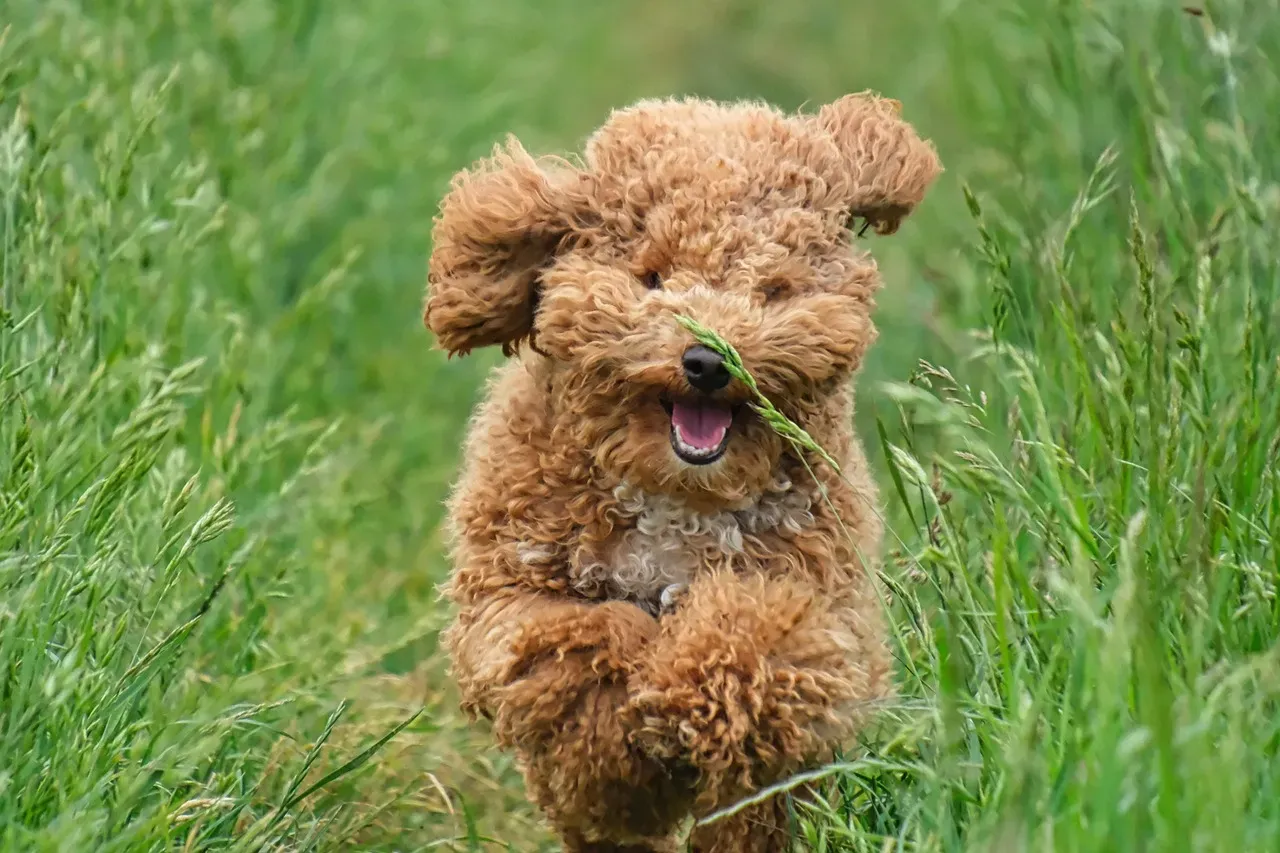
Poodles, especially Standard and Miniature varieties, combine high intelligence with surprising emotional sensitivity. They often read human body language with uncanny accuracy, which is wonderful for training but can backfire when it comes to departures. A Poodle that notices subtle “I’m leaving soon” cues – picking up a bag, putting on makeup, grabbing keys – may start fretting long before you’re even out the door.
Because they’re thinkers, Poodles can get stuck in anxious patterns, rehearsing their worries every time you leave if they haven’t learned that you always come back and that solitude can be comfortable. Many do best with clear, consistent goodbye rituals, plenty of mental enrichment like food puzzles and training games, and a calm, predictable schedule. The goal is to turn alone time into a normal, almost boring part of life instead of something that triggers a storm of overthinking.
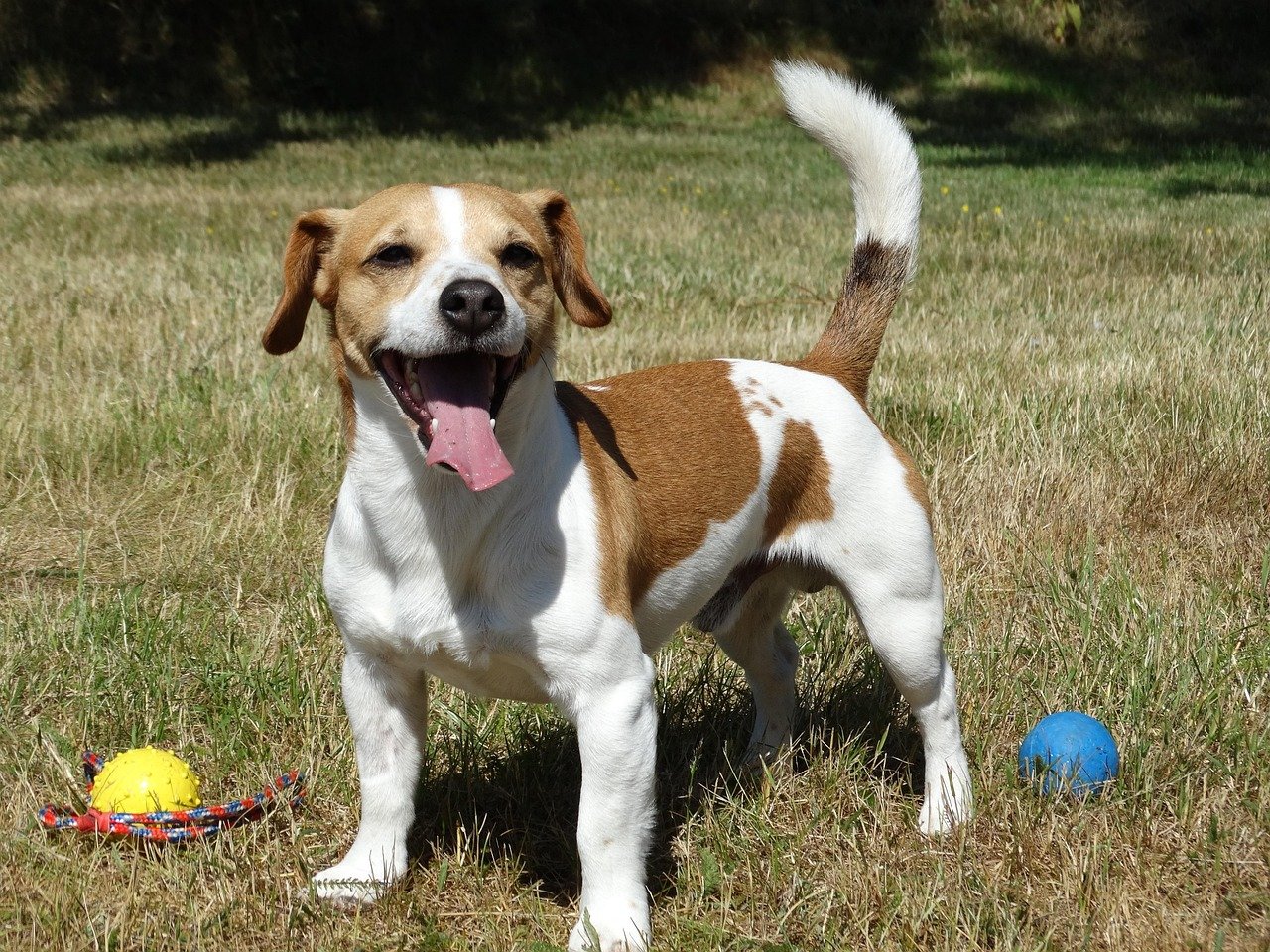
Jack Russell Terrier: Tiny Body, Explosive Energy, Big Feelings
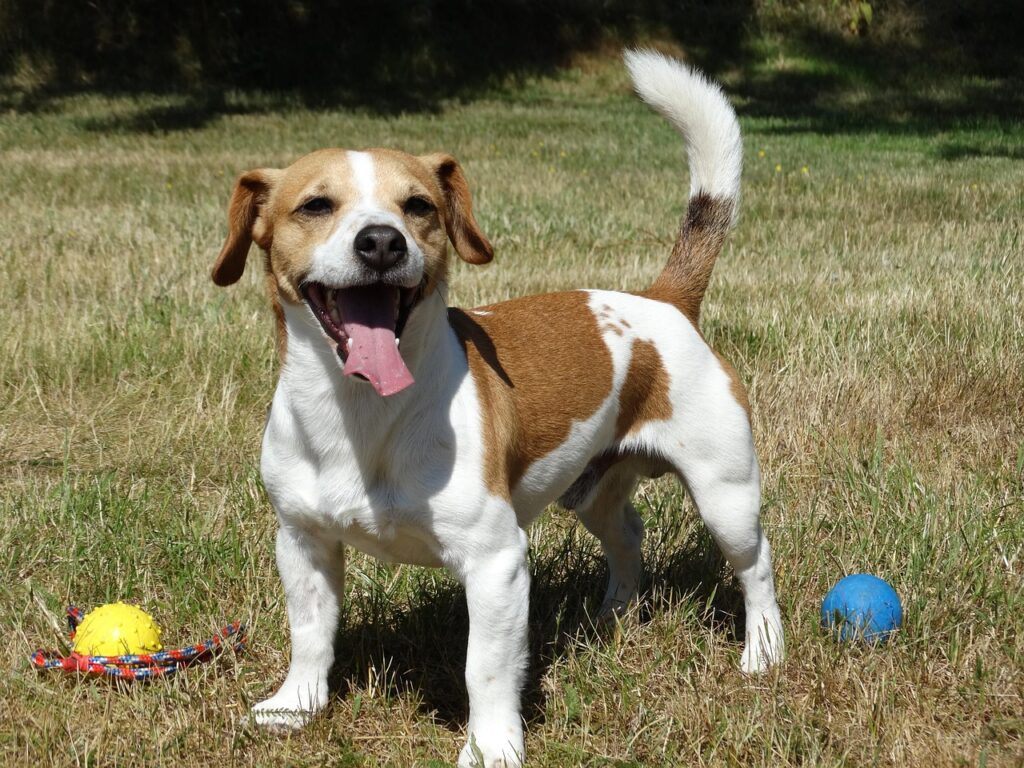
Jack Russell Terriers are small in size but larger than life in personality and drive. Originally bred for intense hunting and digging tasks, they’re wired to be active and alert for much of the day. Left on their own with no outlet, that volcanic energy often turns inward, and many Jack Russells respond to isolation with nonstop barking, scratching at doors, or dismantling anything they can get their teeth on.
Although they sometimes get labeled as “naughty,” what you’re really seeing in many cases is a dog that is too bright and too driven to accept a life of long, uneventful solitude. For people who love the breed’s spark, the key is to respect it: plan for proper exercise, training that challenges their brain, and management strategies like safe spaces and interactive toys when you have to be away. With Jack Russells, thinking in terms of “pre-emptive energy budgeting” before alone time can prevent a lot of frustration on both sides.
Bichon Frisé: Cheerful Companion Who Feels Abandoned Quickly
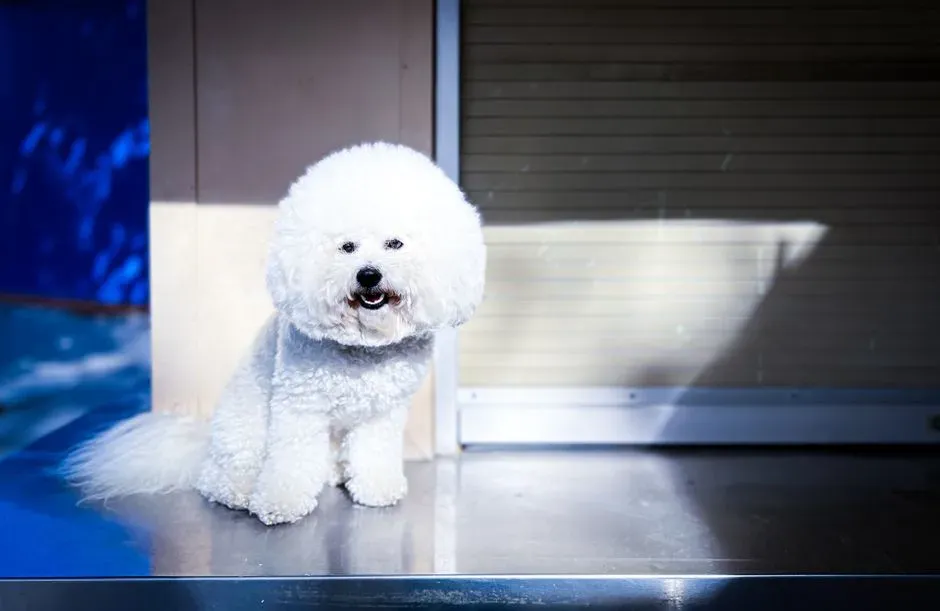
The Bichon Frisé is often seen as a cheerful, fluffy little cloud of joy, and that’s mostly accurate. Underneath that happy-go-lucky exterior, though, is a dog that was historically bred to be a constant human companion, performing tricks and offering company on ships and in cities. Many Bichons become deeply attached to their people and can feel abandoned surprisingly quickly when left alone, especially if they haven’t been gradually taught independence from puppyhood.
In practice, this can show up as whining, barking, or clingy behavior even before you’ve left the house, followed by distress vocalizations and pacing after you’re gone. Bichons typically thrive in households where they can be near someone for much of the day or where alone time is kept fairly short and predictable. Teaching them that time alone is paired with cozy spaces, special chew items, and calm departures can help their naturally sunny temperament shine instead of drooping under stress.
Conclusion: Matching the Right Dog to Your Real Life
Reading through this list, you might notice a common thread: most of these breeds were designed to work closely with humans, often all day long, at tasks that required focus, movement, and emotional connection. When we drop them into a modern lifestyle built around long commutes, open-plan offices, and late-night screen time, it’s no wonder some of them fall apart when left alone in a silent house. The “problem” is rarely the dog’s personality; it’s the mismatch between their wiring and our routines.
My own bias is clear: I think we underestimate how much responsibility comes with choosing these gorgeous, intense, people-loving breeds. They can be incredible partners if we respect their needs and build our expectations around reality instead of wishful thinking. Whether you already live with one of these dogs or you’re just daydreaming about your next companion, the most loving question you can ask is simple: does my actual day-to-day life fit what this breed was born to be?


