
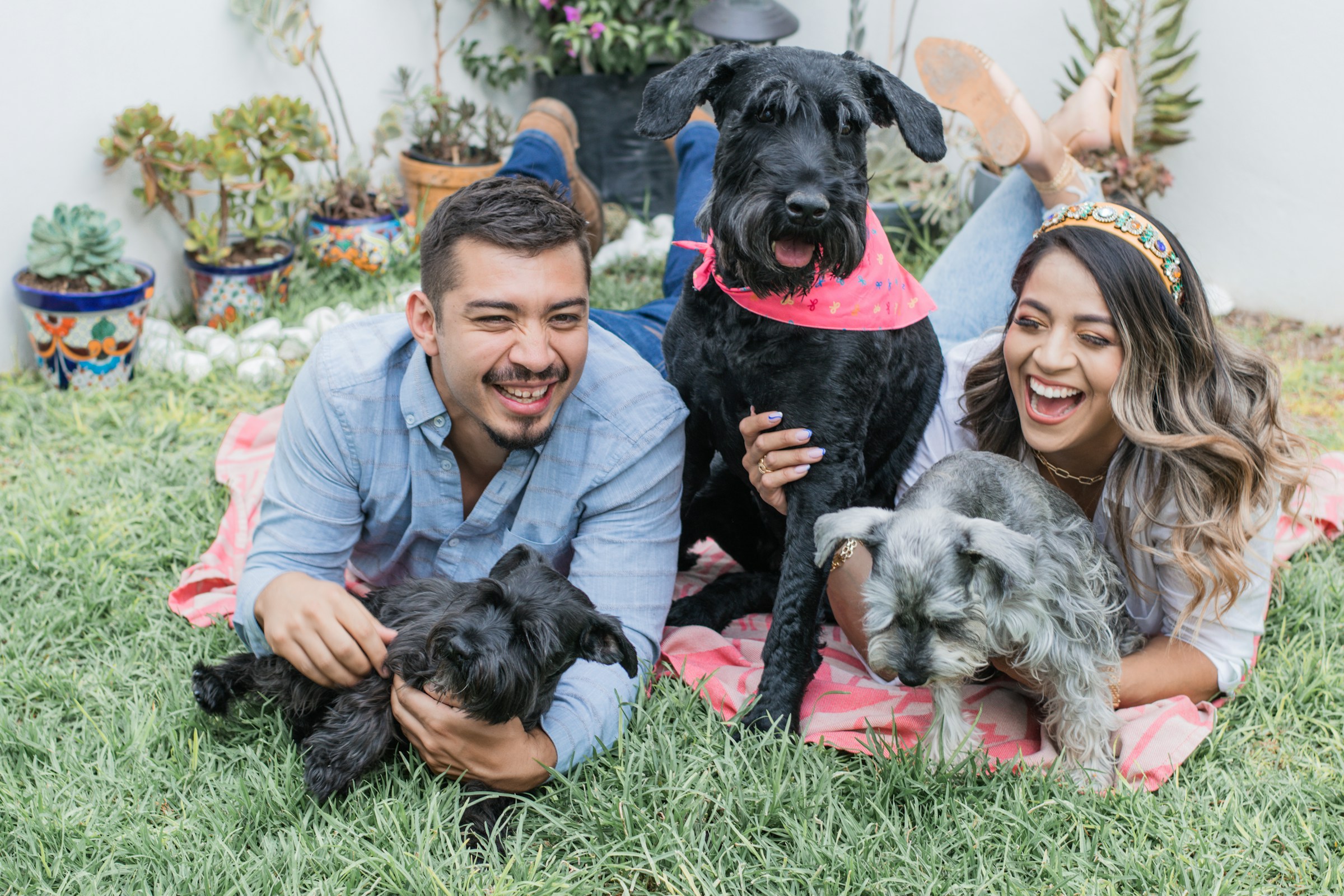
Most people assume the family dog forgets everything the second a treat hits the floor. Short attention span, no memory, just vibes. If that were true, though, nobody could explain why your dog is standing by the door at 3:10 p.m. every single afternoon in September, tail already wagging, before the bus is even in sight.
Dogs don’t track school years the way we do, with calendars and countdowns. But they build something just as precise: routines, emotional associations, and quiet seasonal patterns that shape how they move through every single school year. Some of what they remember is sweet. Some of it, honestly, is a little heartbreaking. Here’s what’s actually going on in your dog’s head every August through June.
#14 – The First Day Chaos (And Your Stress Level)
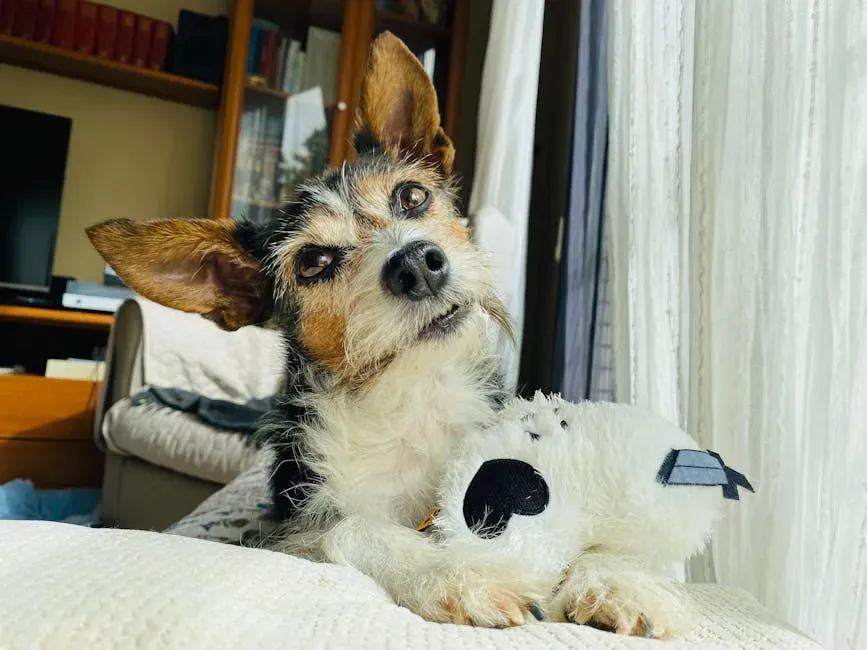
Every school year kicks off with the same thing your dog never forgets: chaos and tension. Dogs are shockingly tuned into body language, tone, and stress levels, and the first day back practically screams “we’re running late” from the moment the alarm goes off.
Rushed breakfasts, raised voices, backpacks flying, doors slamming. Your dog reads all of it as emotional static, and over time they start linking specific signals – earlier alarms, lunches lined up on the counter, unfamiliar new-school-year outfits – to a stressed-out morning, not just a busy one. They also notice who snaps at whom and whose affection disappears when everyone’s in a hurry, which is often why some dogs turn clingy in late August while others go strangely quiet.
#13 – The Sudden Quiet After Everyone Leaves
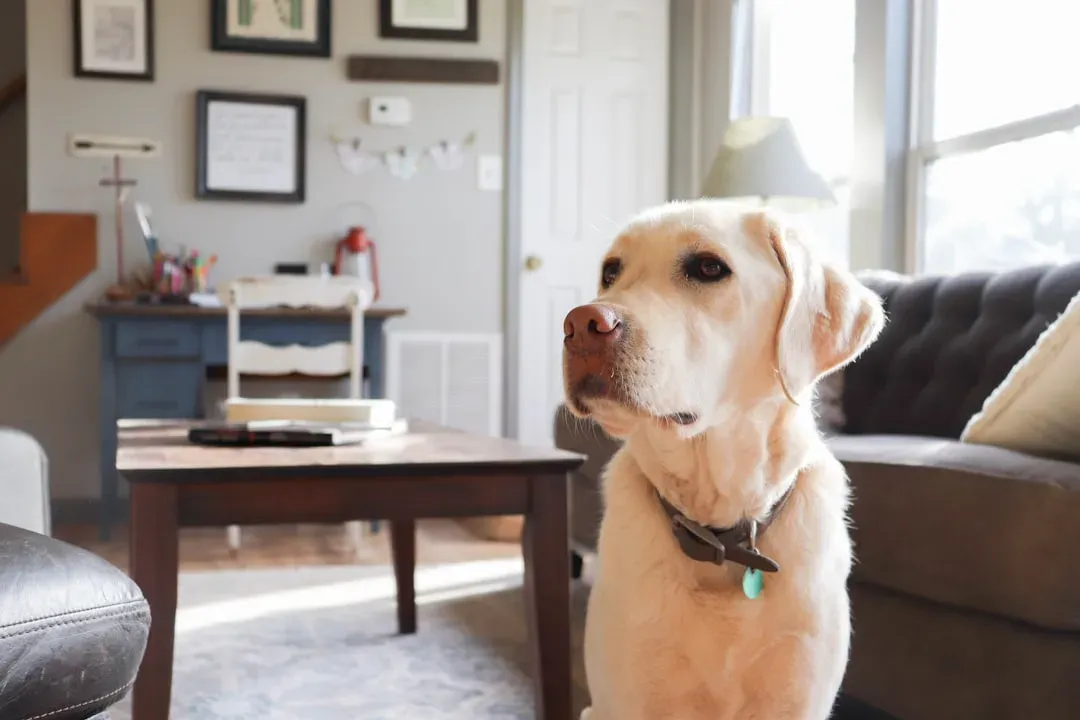
Once the front door slams and the car pulls out of the driveway, there’s a silence your dog knows intimately. All summer the house hums with noise – cartoons, arguments, laughter, snack wrappers. Then school starts, and by 8 a.m. it’s like someone hit mute.
Dogs remember that seasonal switch, and many actually adjust their sleeping patterns around it, napping harder through the empty daytime hours and snapping alert right before the house is due to fill back up. For some dogs this quiet becomes soothing, almost meditative. For others, it’s the seed of real separation anxiety. Either way, most learn the difference between “lonely forever” and “lonely until 3 p.m.,” which is why the second week of school is always calmer than the first.
#12 – The Exact Sound of the After-School Door
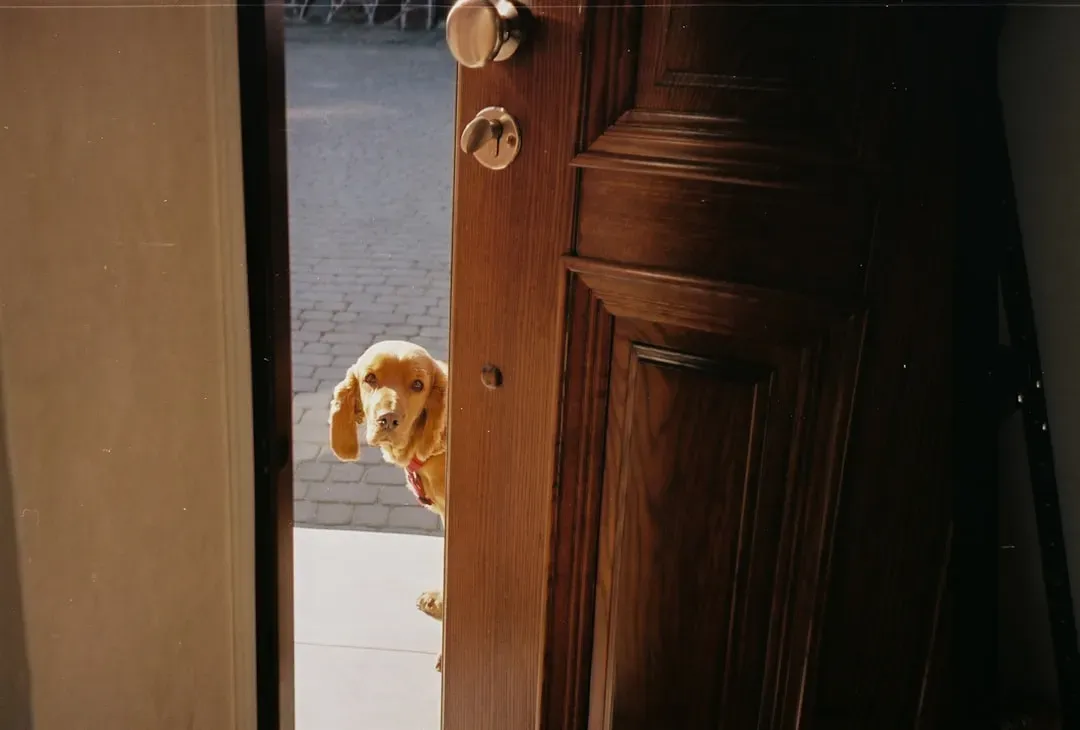
Ask any parent: the dog knows who’s home before anyone even yells “I’m back!” Dogs are elite-level sound detectives. They can pick apart your car’s specific engine noise, the hiss of bus brakes down the street, the rhythm of footsteps in the driveway, and the particular rattle of one kid’s backpack against the doorknob.
Over weeks, that 3 p.m. window becomes a deeply wired pattern – you’ll catch a dog who’s been dead asleep all day suddenly stand, stretch, and post up by the door two full minutes before the bus even arrives. It’s not just timing, either. Your dog remembers the emotional payoff waiting on the other side: the shriek of “HI PUPPY,” the dropped lunchbox, the floor-level hug. That rush becomes the best part of their entire day, and it’s why the sound alone can trigger pure joy.
Fast Facts
- Dogs can hear frequencies up to roughly 45,000 Hz, well beyond the human ceiling of about 20,000 Hz.
- Their ears rotate independently, letting them pinpoint the direction of a sound almost instantly.
- A familiar engine, footstep rhythm, or backpack rattle can become a recognizable cue after just a few weeks of repetition.
- Dogs often detect an approaching bus or car well before any human in the house notices.
#11 – Which Backpack Means Treats (And Which Means Getting Ignored)
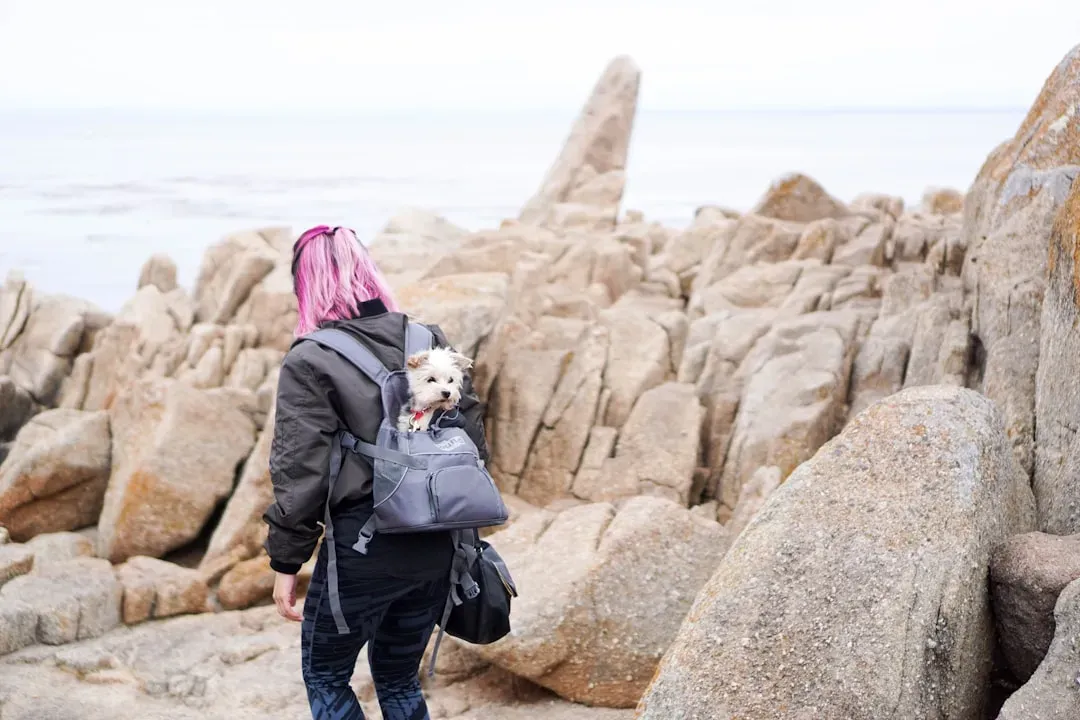
Not every backpack is equal in your dog’s mental filing system. Dogs are relentless pattern-matchers, and they clock exactly which kid slips them a leftover sandwich crust or a stray chicken nugget – and which one blows straight past them toward video games without so much as a glance.
That means your dog will genuinely hover closer to one specific child after school, tail going harder for them than for anyone else. It’s not favoritism out of nowhere; it’s months, sometimes years, of tracked data on who delivers food and attention and who doesn’t. That remembered gap quietly shapes a ranking system in your dog’s world, one backpack at a time.
#10 – The Weekday vs. Weekend Pattern
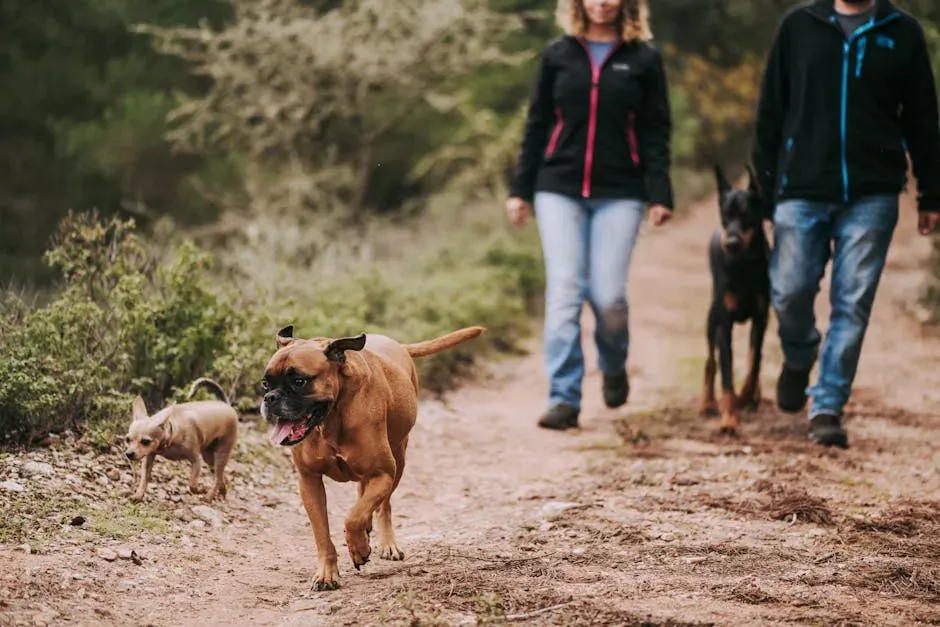
Your dog doesn’t know the word “Wednesday,” but they absolutely know when it isn’t a school day. Over time they separate the “early alarm, rushed goodbye, long quiet house” days from the “slow morning, more cuddles, kids in pajamas” days – and their whole mood shifts to match.
Their internal rhythm bends around this weekly cycle, often making them more patient on weekdays and noticeably more playful or demanding on weekends. Watch closely on a Saturday during the school year and you’ll see dogs glue themselves to the kids all morning, almost like they’re trying to hoard the extra time before Monday takes it back.
#9 – The Homework Zone (And When They’re Not Welcome)

Every house has a homework spot, and your dog knows exactly where it is – and exactly how they’re treated there. Maybe it’s the dining table, a couch corner, or a desk in someone’s bedroom. Whatever the spot, dogs notice the second laptops and worksheets come out, the rules change.
Suddenly “who’s a good dog” turns into “not now,” and toys get ignored mid-toss. That specific setup becomes a visual cue that affection is temporarily on hold. Some dogs respond by curling up nearby and quietly standing guard. Others push their luck, nudging elbows or dropping toys directly on top of open notebooks, because they remember that persistence occasionally wins. A few behaviorists even suspect repeated homework rejection nudges sensitive dogs to lean harder on adults for reassurance instead.
#8 – The After-School Snack Ritual
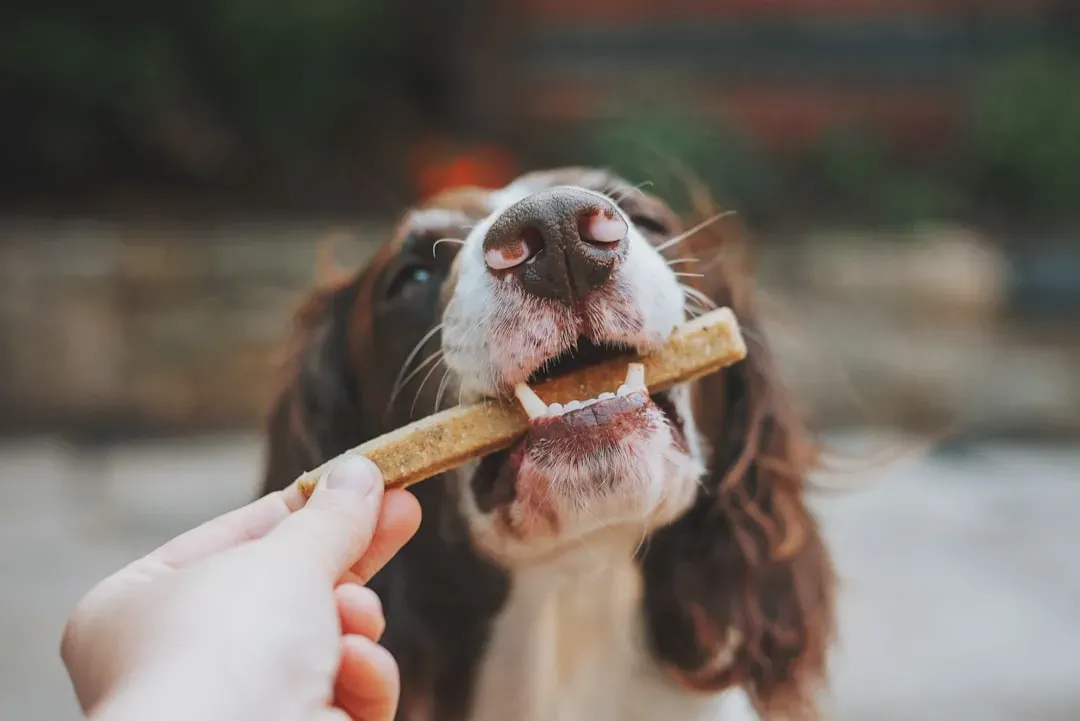
Here’s the truth: your dog tracks snack routines better than any kid does. Every school year, families fall into a rhythm – granola bars at the counter, chips on the couch, a rushed microwave pizza, fruit at the kitchen island. Your dog isn’t just watching. They’re compiling data.
They remember where the crumbs usually land, which kid eats the messiest, and who’s most likely to “accidentally” drop a bite. This ritual becomes one of the best fifteen minutes of a dog’s entire day: noise, food smells, reunions, energy, all colliding at once. That’s why you’ll see a dog sprint to the kitchen the moment a pantry door creaks open around 3 p.m., every single school day, without fail.
#7 – The Emotional Debrief: Happy Days vs. Bad Days
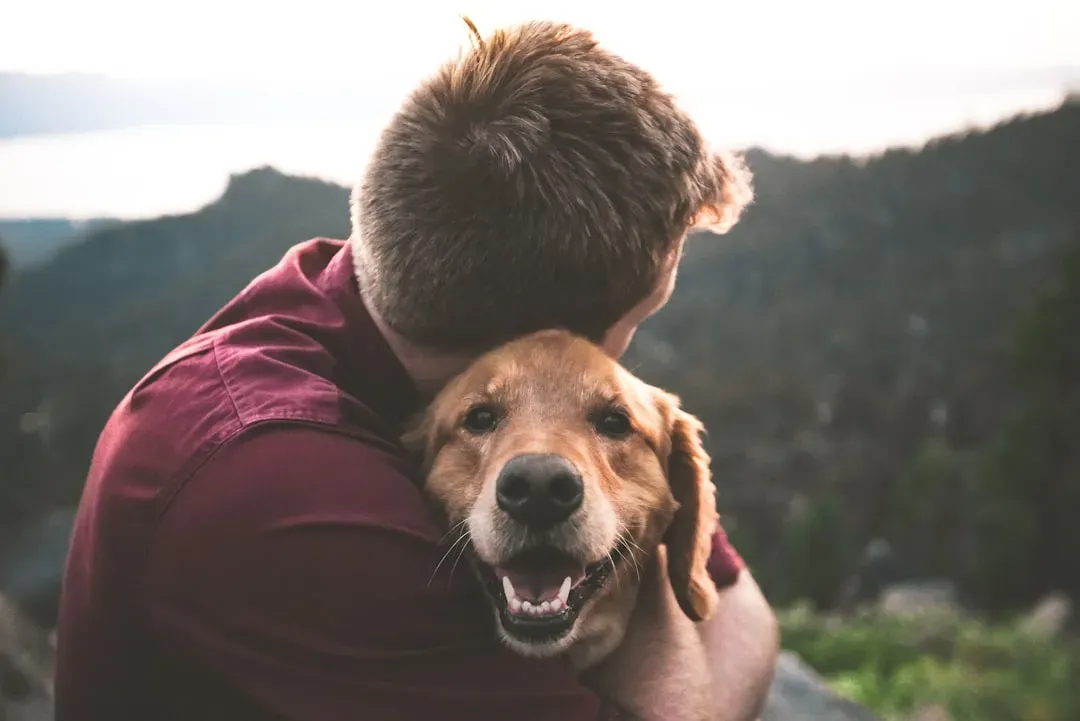
Dogs don’t understand algebra, but they absolutely understand a bad day. A kid who comes home buzzing, laughing, dropping their bag to hug the dog creates one kind of memory. A kid who drags their feet and slams the door creates a completely different one.
Dogs read posture, breathing, even subtle shifts in scent tied to stress, and over time they remember which child runs hotter emotionally and how to respond to it. Some press their head into a crying kid’s lap without being asked. Others quietly bring over a toy on the rough days. In a lot of houses, the dog ends up being the only one who witnesses every single mood swing of the school year – and never forgets a single one of them.
Worth Knowing
- Researchers describe dogs as capable of emotional contagion, picking up and mirroring a person’s mood.
- Canine cognition studies suggest dogs can distinguish happy, sad, and angry human facial expressions.
- A stressed tone of voice can shift a dog’s behavior before a single word is understood.
- Leaning, nudging, or resting a head on a lap are common comfort responses dogs show toward visible distress.
#6 – The Seasonal Shift: Dark Evenings and Earlier Goodbyes
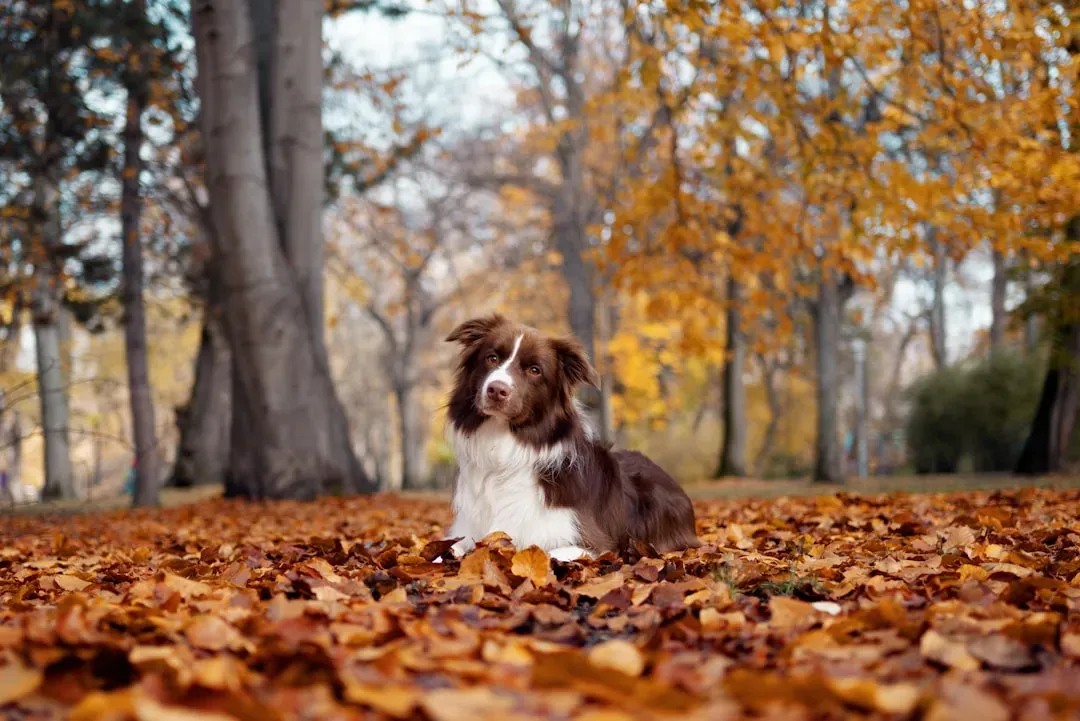
The school year isn’t just a schedule – it’s light and weather, and dogs feel that shift too. As fall creeps in, mornings turn darker and colder, walks get shorter, and evening playtime shrinks around sports, clubs, and extra homework.
Dogs learn that back-to-school eventually means more time indoors, earlier bedtimes, and less spontaneous backyard chaos. The smell of jackets, wet leaves on shoes, and heavier backpacks becomes its own yearly sensory marker. For some dogs this season feels cozy – more blankets, more feet to lie against while someone studies. For others it registers as loss: fewer long, sunny afternoons with their favorite humans. Either way, it repeats every single year, and the dog files it away as simply “what school time feels like.”
#5 – Who Actually Walks Them (Not Who Promised To)
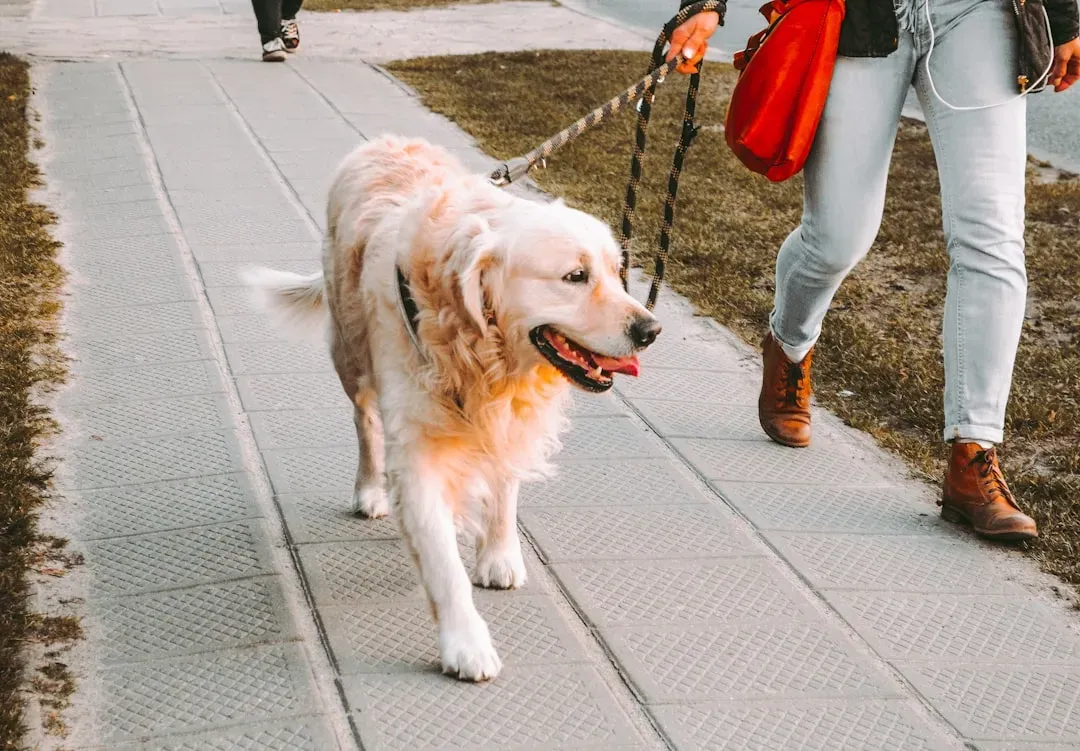
Every family has “that” kid who swears they’ll handle walks once school starts. Your dog knows exactly who followed through and who didn’t. They track who actually clips on the leash, who takes them out before school, who remembers them after dinner – and they build loyalty around consistent action, not empty promises.
That means the quiet kid who shows up every night at 7 p.m. can quietly become the dog’s emotional favorite over the louder sibling who only plays on weekends. It’s uncomfortable for some parents to hear, but it’s real: when one kid drops the ball as school ramps up, the dog doesn’t get mad. They just update their expectations, and you’ll see the difference in who they trail from room to room all season long.
#4 – The Pre-Departure Anxiety Ritual
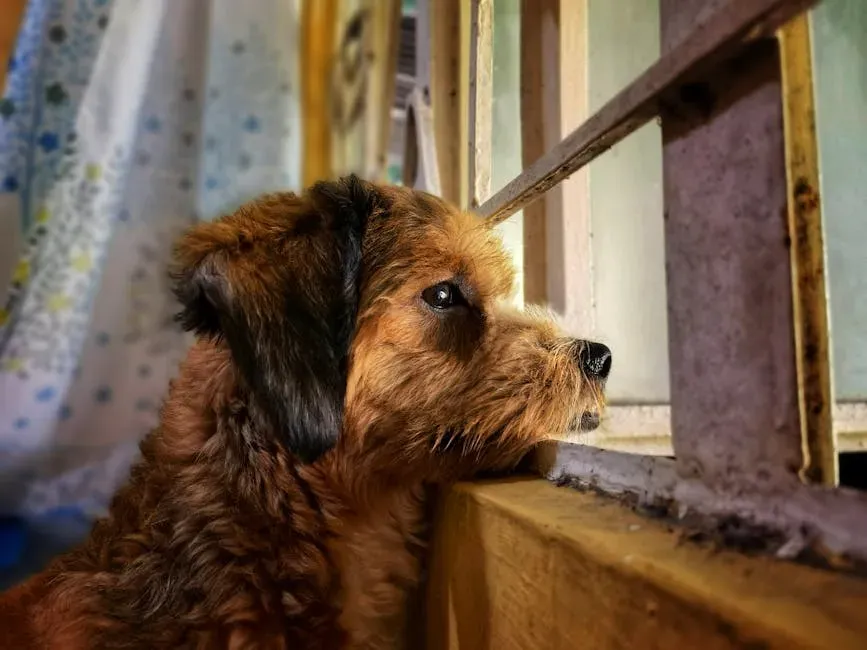
There’s a whole ritual before school your dog could practically narrate. Keys get picked up. Someone yells “we’re late!” Backpacks get slung on. And the dog starts pacing, whining, or planting themselves right in front of the door, because they remember exactly what this sequence means: hours alone, starting now.
For dogs prone to separation anxiety, this morning routine becomes a trigger long before anyone even reaches the car. Some families unintentionally make it worse with extra-dramatic goodbyes right at the door, which only sharpens the emotional drop once everyone’s gone. Calm, low-key exits tend to help dogs accept the pattern faster. Either way, that leaving script gets burned into their memory year after year.
Dogs live in the now, but their now is built entirely out of patterns they remember.
Patricia McConnell, animal behaviorist
#3 – Special Events: Picture Days, Sports, and Late Nights
Not every school day feels the same, and your dog remembers the weird ones best. Mornings when outfits look different, everyone’s yelling “where’s your jersey?!”, or the car leaves earlier than usual all get flagged as out-of-routine.
Late-night returns from games or dances get logged too – the changed smells of uniforms, sweat, or stadium food, the different arrival time, the shift in noise level, all become distinct memory spikes. A kid who comes home crushed after a loss gets one kind of comfort. A kid who bursts through the door with a trophy gets tackled with tail wags. Some owners swear their dog gets visibly hyped just seeing a certain uniform, because by now they know it usually means extra hugs are coming.
At a Glance
- Picture day mornings bring unfamiliar clothing smells and rushed routines dogs quickly flag as “different.”
- Post-game or post-recital arrivals carry new scent cues: sweat, gym floors, stadium snacks.
- Celebratory tones and trophies often trigger some of the most excited reunions of the year.
- Comfort-seeking behavior tends to spike on nights a child comes home visibly disappointed.
#2 – The End-of-Year Energy Shift

Just like they sense when school starts, dogs absolutely feel when it’s winding down. The weeks before summer break have a different texture: less homework tension, more talk of field days and trips, more “only three days left!” energy floating around the house.
Dogs read that late-spring shift as the slow return of “my people are around more,” and they respond with more toy-dropping, more invitations to run outside, more attempts to sneak onto laps mid-afternoon. In their mental calendar, this is the joyful reversal of everything the school year took from them – the silence, the lonely mornings, the endless waiting by the window.
#1 – The Unshakeable Memory: You Always Come Back
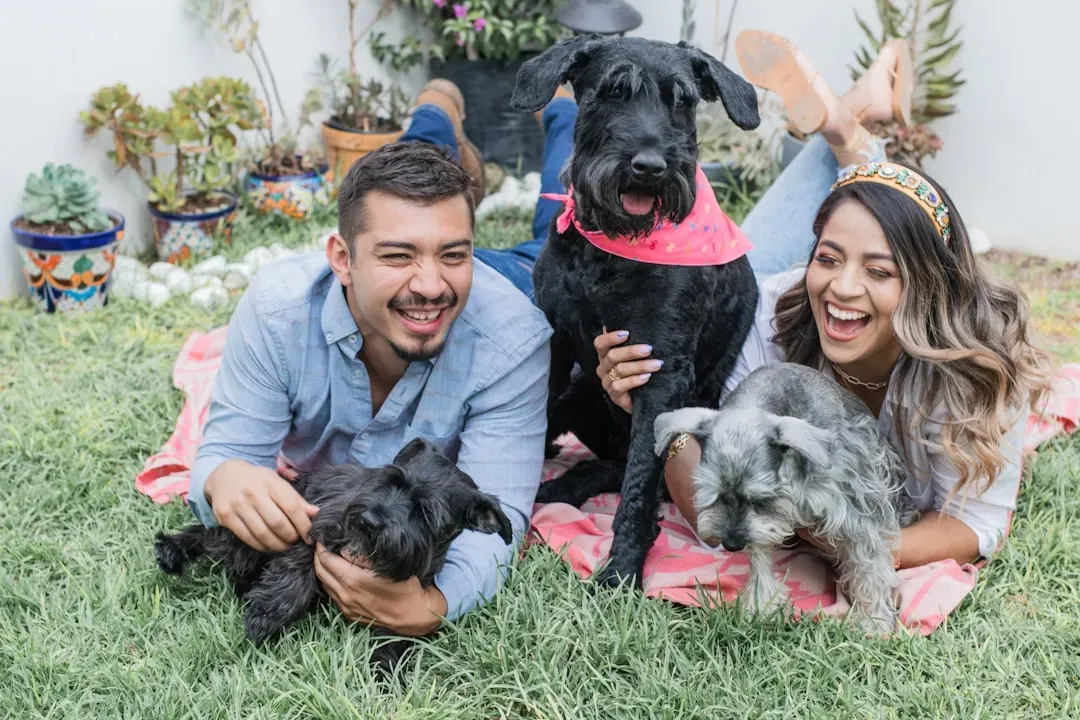
Underneath every other detail, this is the one thing the family dog carries from school year to school year: proof that you leave, and you return. Dogs don’t understand calendar years, but they deeply understand repeated reunions. Every September brings a fresh wave of goodbyes. Every single afternoon brings a reunion right back.
Over time that builds into something bigger than routine – a bone-deep sense that “these people disappear every morning, but they always come back to me.” That belief becomes their whole foundation of safety. It’s why, even after whining at the keys or pacing when the bus pulls away, they still sprint to the door with total hope every single afternoon, remembering your voice, your hands, the exact way you say their name the second you walk back in.
Why It Stands Out
- Reunion moments are linked to a release of oxytocin, the same bonding hormone active between parents and infants.
- Eye contact, voice recognition, and scent combine to help dogs identify family members instantly, even after hours apart.
- Consistent daily reunions are widely considered a core building block of a dog’s long-term sense of security.
- Predictable routines tend to calm anxious dogs more reliably than treats or toys alone.
The Bottom Line
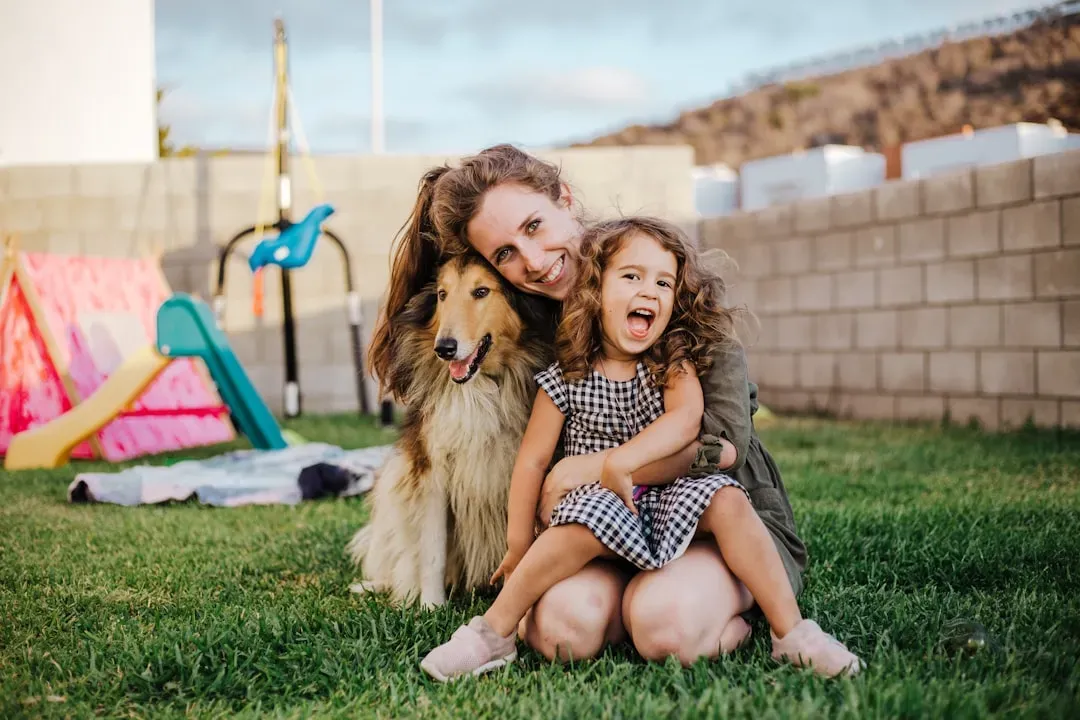
The family dog remembers far more about every school year than most people give them credit for. They track the chaos of first days, the sting of being brushed off during homework, the thrill of the after-school snack rush, and the quiet ache of long, empty mornings.
Their memory isn’t a list of dates. It’s a map of routines, emotions, and who actually shows up for them, day after day, year after year.
For a lot of kids, that dog ends up as the silent witness to every bad grade, secret victory, and tear-stained afternoon nobody else saw. And here’s the part worth sitting with: your dog has already decided which parts of the school year feel safe and fair, and which ones feel like a small yearly heartbreak. The good news is you get to rewrite that story, one calm goodbye and one joyful reunion at a time. So which of these did your dog prove right – or wrong – in your house? Be honest in the comments.


