
Imagine walking through a moonlit forest and suddenly realizing: if you were a wild canine, which one would you be? Not just in looks, but in instincts, habits, social style, and secret strengths. That question is more than a fun quiz; it taps into deep patterns in your personality, your relationships, and even how you handle stress and success.
Wild canines are a surprisingly good mirror for human behavior. Some of us are bold like coyotes, some steady and loyal like wolves, and others quiet observers like foxes at the edge of a field. As you read through these types, notice which one makes you think uncomfortably, oh… that’s me. You might find your inner animal is not the one you’d expect.
The Gray Wolf: The Loyal Strategist
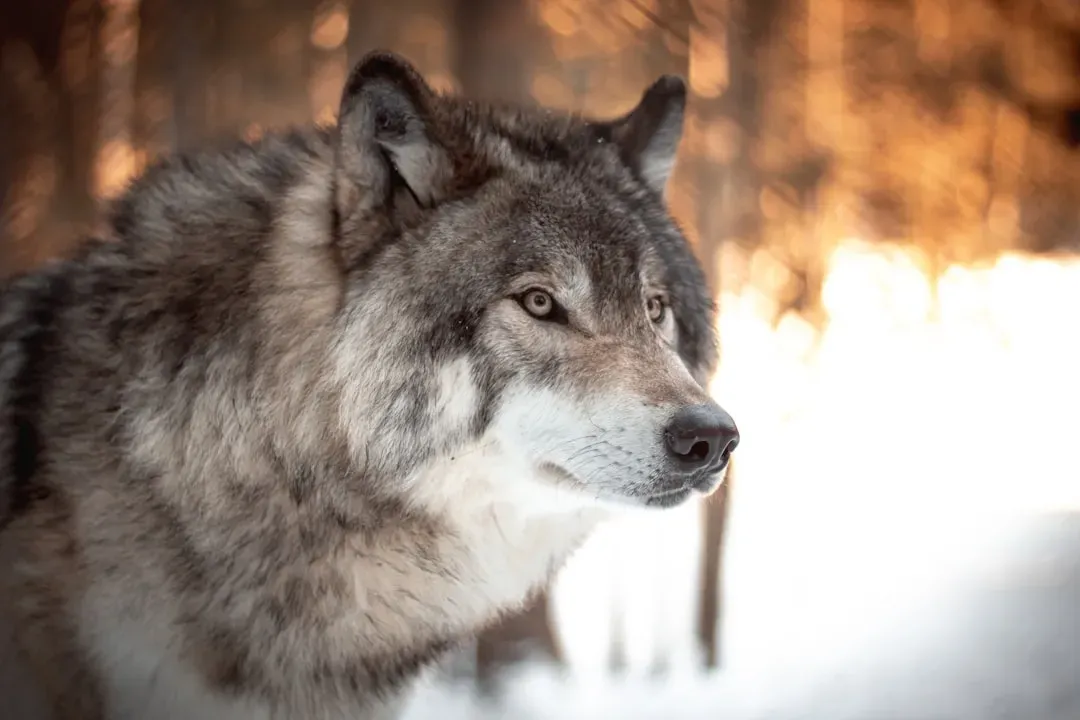
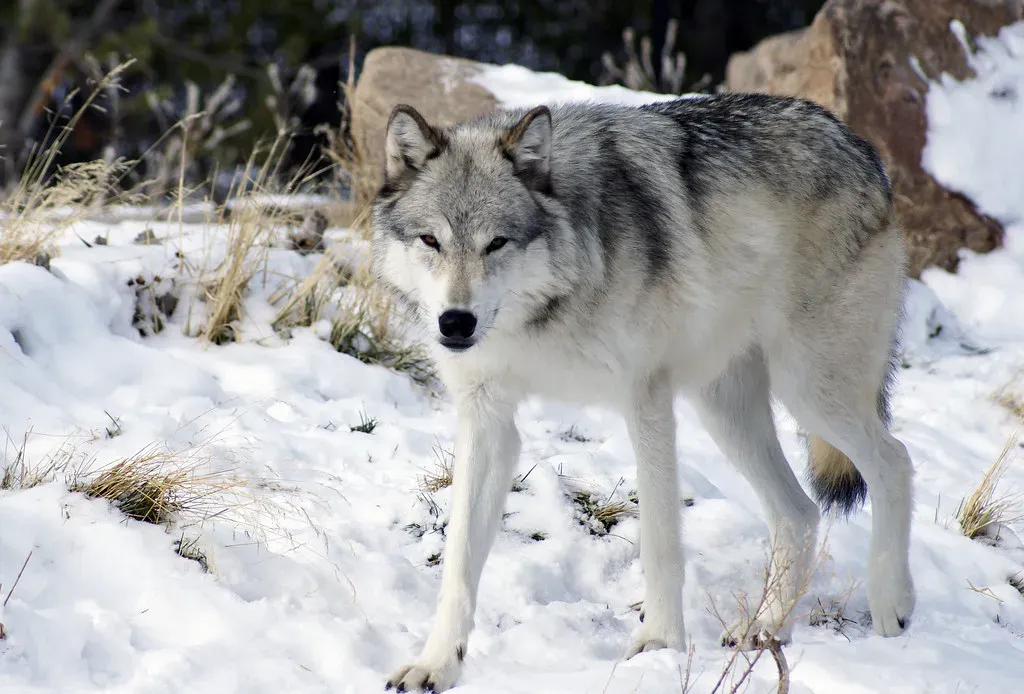
Are you the friend everyone calls when things fall apart? Then you might be a gray wolf. Wolves are famous for their packs, but what really defines them is structure: clear roles, deep bonds, and long-term cooperation. They are planners, not impulsive wanderers, and they survive harsh environments by working as a team with almost military precision.
Wolf personalities in humans tend to value loyalty over popularity. You probably keep a tight circle rather than a crowd, and once someone is in, you defend them fiercely. You might not be the loudest in the room, but you notice everything: who is stressed, who is drifting away, who needs support. You thrive when there is a shared mission – whether that is a work project, a family goal, or a cause you care about.
The Red Fox: The Clever Introvert
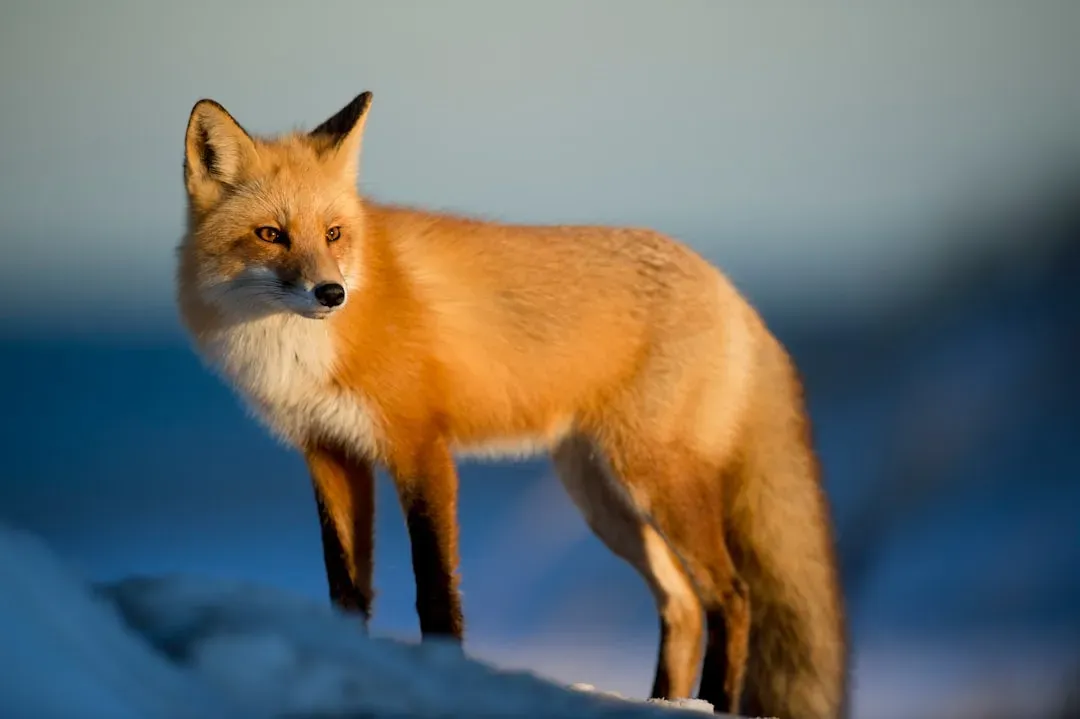
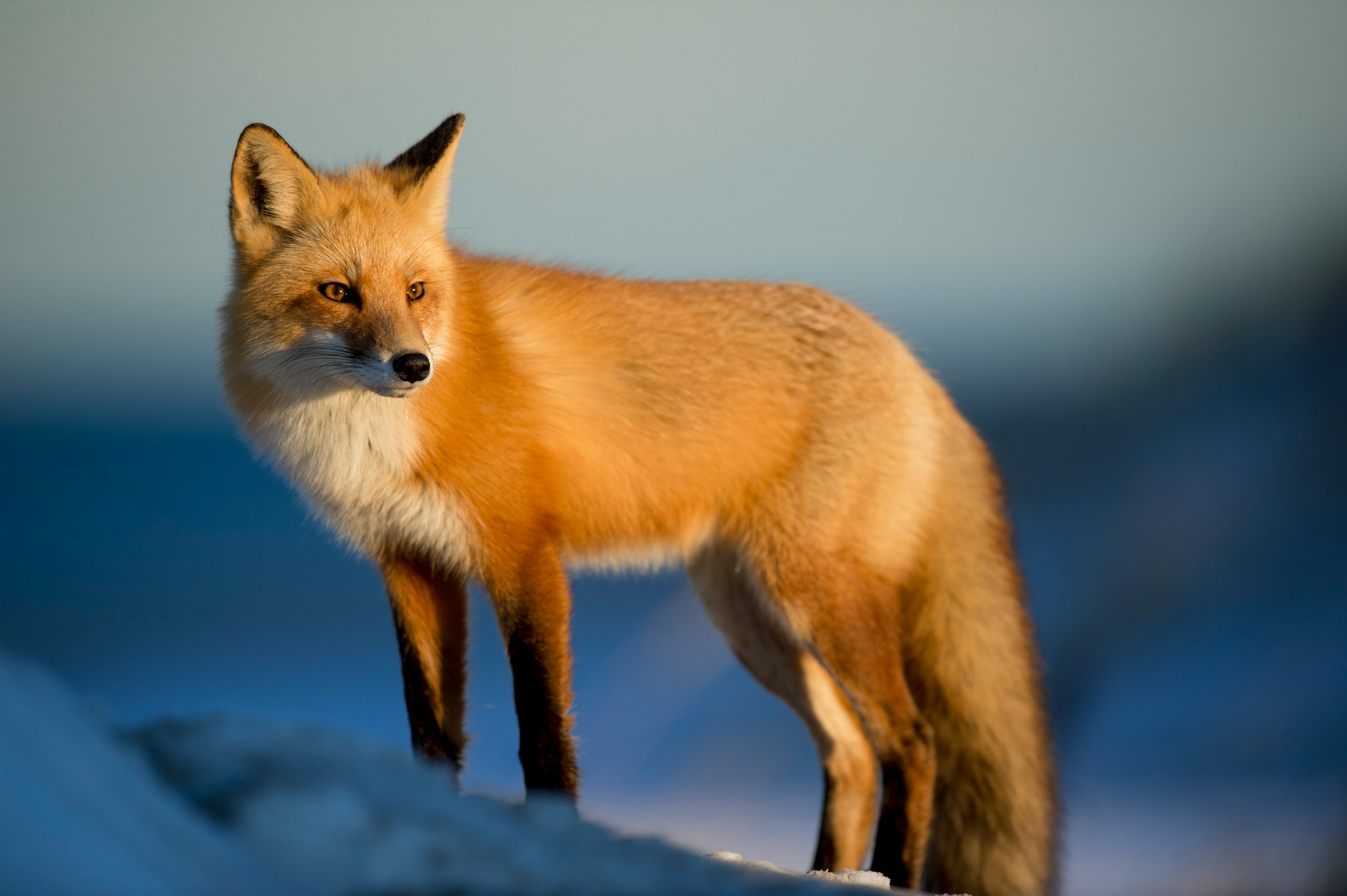
If you feel most alive when you’re quietly observing, thinking three steps ahead while others rush around, the red fox might be your match. Foxes are light on their feet, moving mostly at dawn and dusk, blending into the background. They survive not through brute strength, but through cunning, flexibility, and an almost playful curiosity.
Fox-like people tend to be introverts who are highly perceptive. You might avoid the spotlight, yet you always seem to know what’s really going on beneath the surface. You adapt quickly when plans change, and you often find unconventional solutions that others miss. You probably love your independence, but you also form a few very deep, almost secret, connections that feel like home.
The Coyote: The Street-Smart Survivor
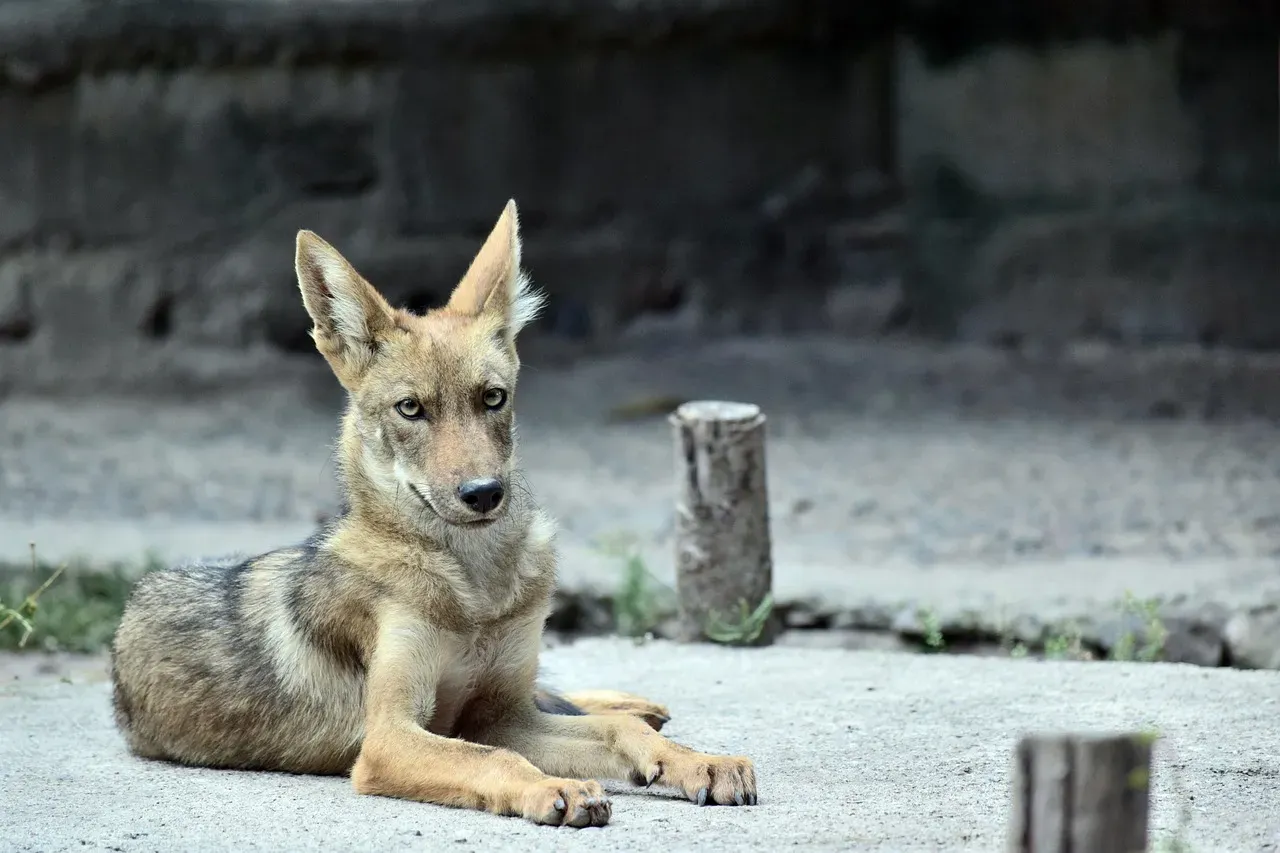
Do you bounce back quickly, even when life throws you the weirdest curveballs? That is pure coyote energy. Coyotes have learned to live almost everywhere – from remote deserts to busy city suburbs. They switch diets, routes, and habits constantly, proving that adaptability can be more powerful than raw power. They are the ultimate improvisers of the wild canine world.
Coyote personalities often seem lucky, but it is really their mindset. You probably experiment a lot, try new things without overthinking, and learn on the fly. People might underestimate you because you do not always follow traditional paths, but somehow you land on your feet. You are likely witty, a little mischievous, and not easily embarrassed by failure because, to you, it is just another data point.
The African Wild Dog: The Energetic Team Player
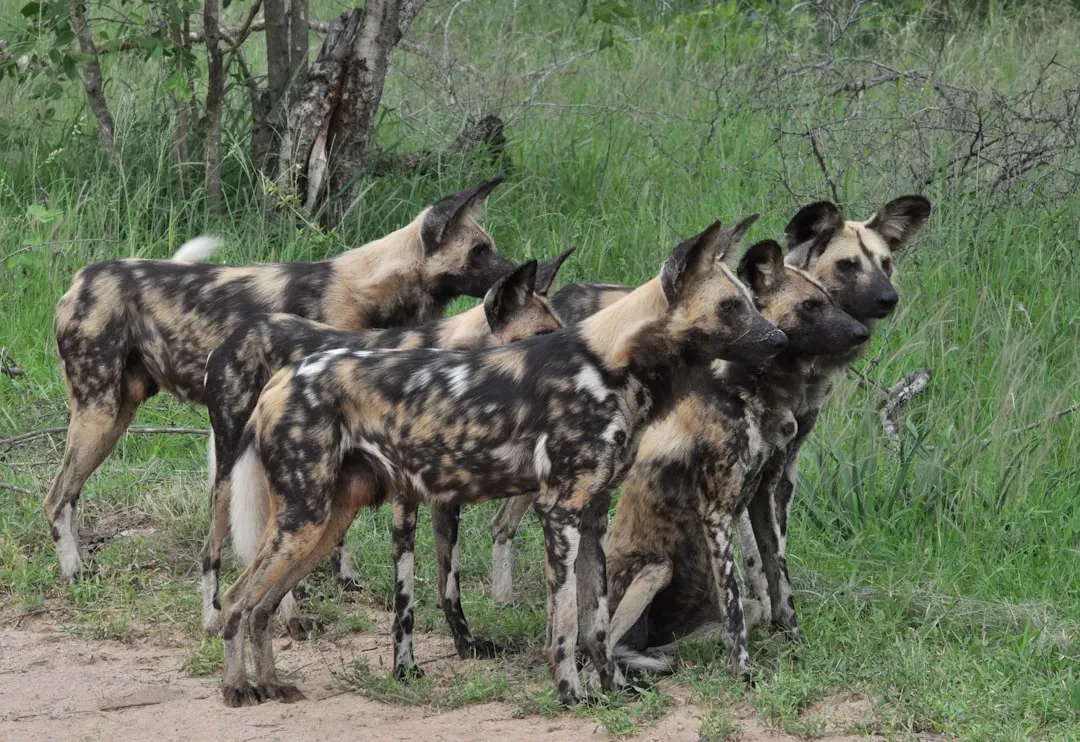
If you light up in group projects and hate half-hearted teamwork, you are channeling the African wild dog. These canines have some of the most cooperative hunting strategies in the animal kingdom. They communicate constantly, wait for weaker members, and share food generously. Their success depends on intense coordination and shared effort.
As a wild-dog type, you probably cannot stand disorganized, selfish groups. You are at your best when everyone is pulling together and the goal is crystal clear. You bring energy, encouragement, and a kind of contagious enthusiasm that pulls quieter members in. You might struggle in environments that reward solo stars over team wins, but when you find a truly collaborative space, you become unstoppable.
The Golden Jackal: The Flexible Collaborator
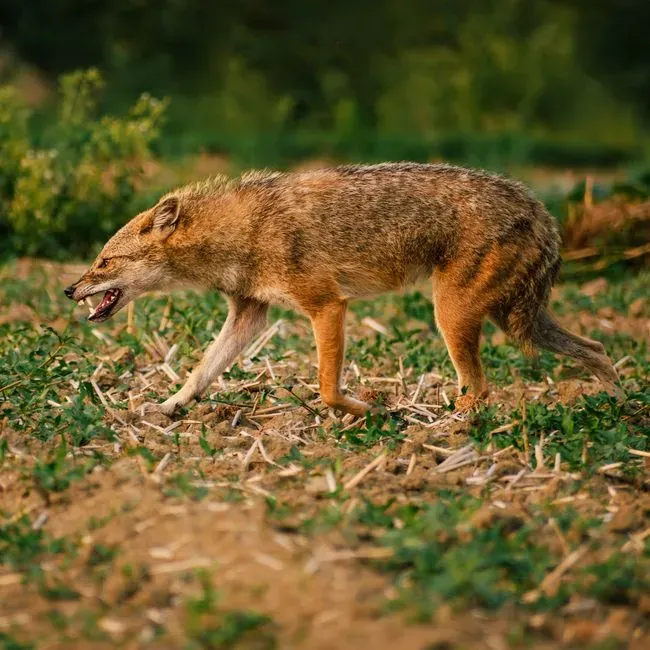
Golden jackals live in a middle zone: not as solitary as foxes, not as pack-bound as wolves. They form pairs or small family groups, sometimes teaming up with others when it benefits them. Their strength is flexibility in both social life and diet. They can hunt, scavenge, and opportunistically switch strategies depending on what the environment offers.
If you are a jackal at heart, you probably move easily between different social circles without fully belonging to any single one. You can work alone or in small teams, and you are comfortable playing a supporting role one day and leading the next. People might describe you as resourceful and practical; you spot opportunities that others overlook, and you are not precious about how success is supposed to look, as long as it works.
The Dhole: The Quiet Powerhouse
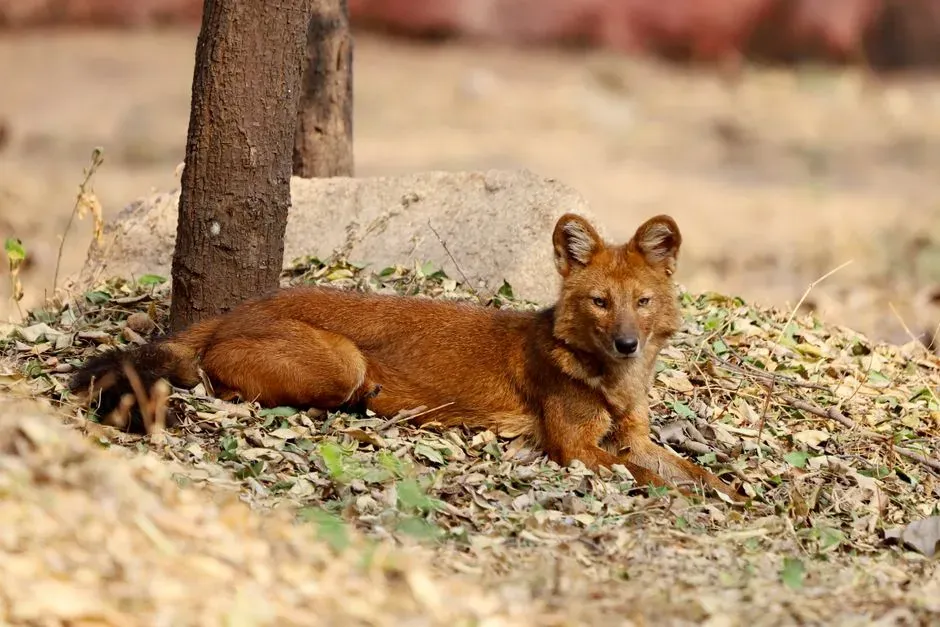
Dholes, sometimes called Asiatic wild dogs, are not as famous as wolves or foxes, but they are extraordinary. They are lean, fast, and extremely cooperative, often taking down prey much larger than themselves through coordination. They communicate with high-pitched whistles and adjust their behavior in surprisingly sophisticated ways during hunts.
Dhole-type personalities are often underestimated because they are calm rather than flashy. You might not talk the most in meetings, but when you do speak, it is usually well-timed and on point. You take a big-picture view, caring more about shared success than personal credit. You tend to notice details in group dynamics, quietly making adjustments – pairing the right people, smoothing tensions – that help the whole group function better, even if nobody realizes you were the one who nudged things into place.
The Maned Wolf: The Eccentric Independent
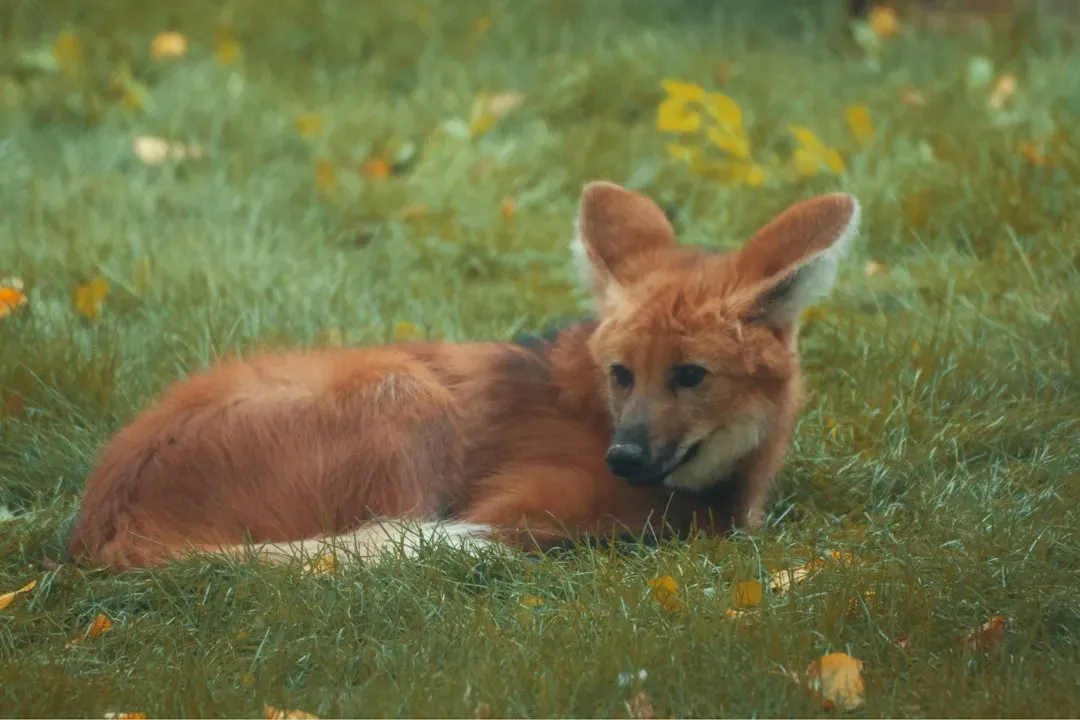
The maned wolf looks like it was designed by committee: long legs like a deer, a fox-like face, and a distinctive mane. It mostly lives alone, drifting through wide territories, eating a mix of small animals and a surprising amount of plant food for a canid. It does not fit neatly into anyone’s stereotype of a “wolf.” That is exactly what makes it fascinating.
If you are a maned-wolf personality, you are probably the one people describe as different – but in a good way. You value your space, your routines, and your unusual mix of interests. You may connect deeply with a very small number of people, but you do not crave constant social noise. You are most yourself when you have the freedom to explore odd ideas, strange hobbies, or unconventional lifestyles, even if others do not fully get it.
Conclusion: Your Inner Canine Is Your Hidden Advantage
The fun part of asking which wild canine you are is that it feels like a game, but beneath it is something serious: how you handle stress, how you love, how you chase goals, and what kind of environment you truly thrive in. Wolf types need clear roles and trusted allies, foxes need quiet and mental space, coyotes need freedom to experiment, wild dogs crave real teamwork, jackals live on versatility, dholes move in thoughtful cooperation, and maned wolves flourish in being unapologetically different.
My own mix is part fox, part coyote: I overthink everything, then suddenly leap into experiments and figure it out on the way down. The point is not to force yourself into one category, but to notice which patterns feel like home and start honoring them instead of fighting them. When you stop trying to be the wrong animal for your nature, life gets simpler and oddly more powerful. So, now that you have met the pack, which wild canine do you secretly know you have always been?


