
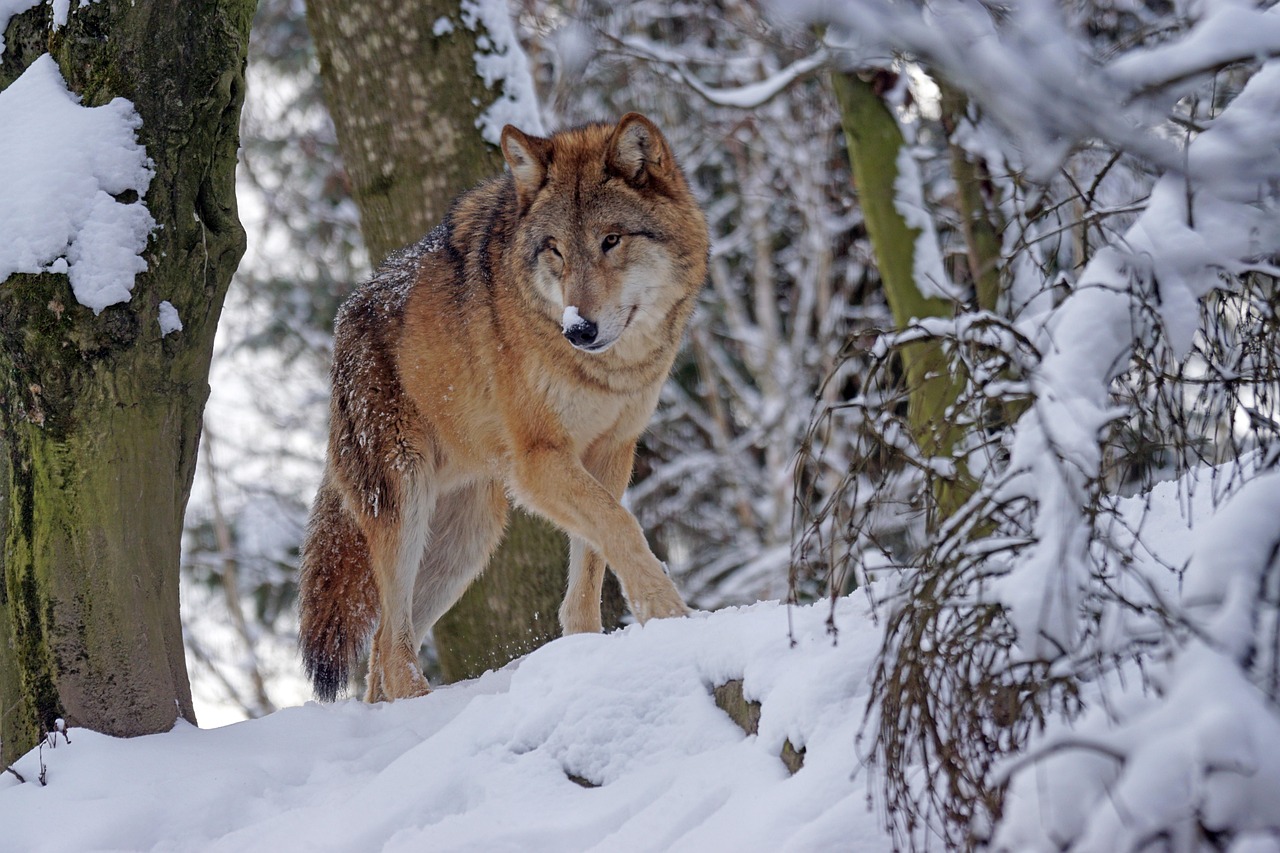
If you ever lock eyes with a wild wolf, your instincts will probably scream at you to run. Your heart will race, your legs will tense, and every cell in your body will yell: get out. But in the world of predators and prey, turning your back and bolting can be the exact move that turns a dangerous situation into a truly life‑threatening one.
Wolves are not movie monsters, but they are powerful, intelligent predators with lightning‑fast reflexes and a strong chase instinct. Understanding what really happens when a human runs from a wolf is not just a curiosity; it is practical survival knowledge. Once you see how a wolf thinks and reacts, you will never look at that urge to sprint away in quite the same way.
The Predator–Prey Switch: Why Running Can Trigger a Chase
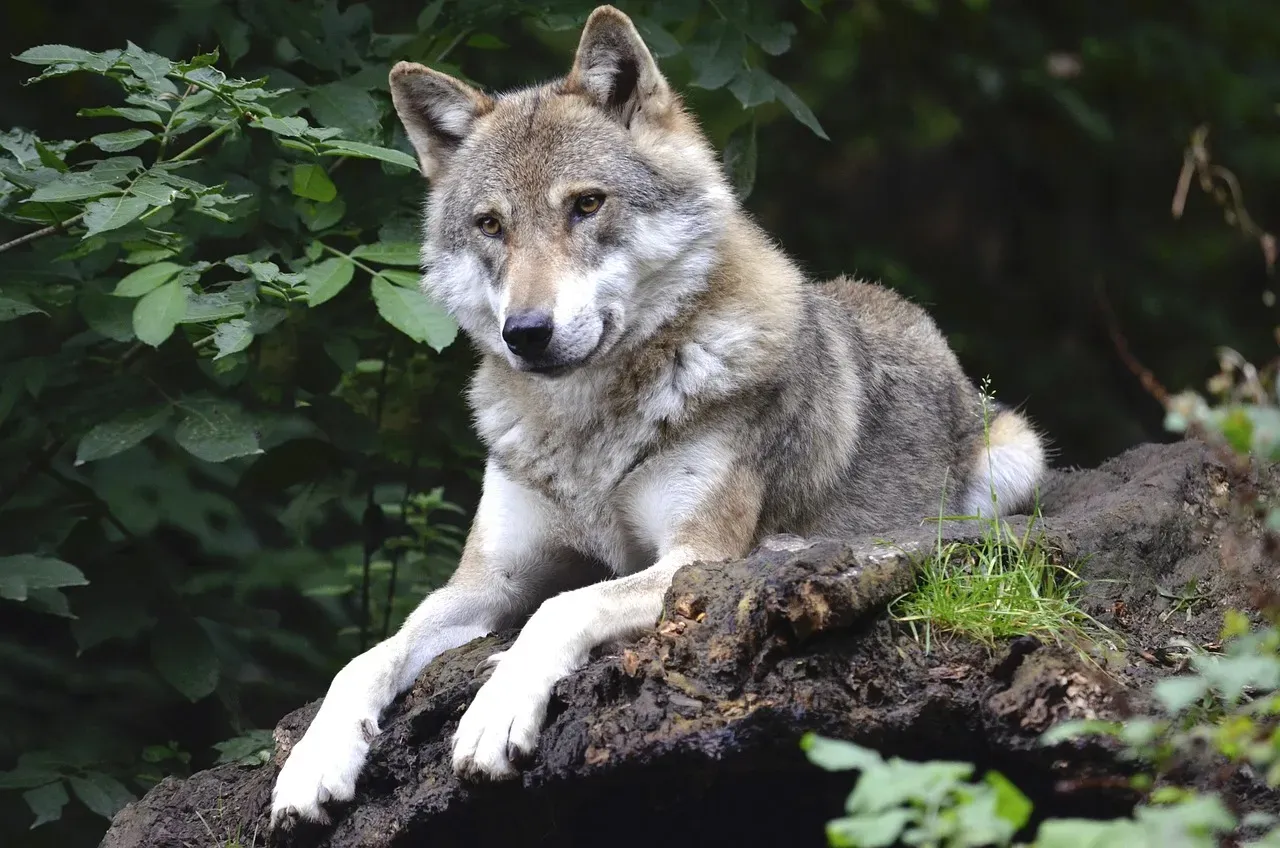
The harsh truth is that when you run from a wolf, you can flip a psychological switch in its brain. Even a wolf that was only curious a moment ago can suddenly see you as prey once you start fleeing. In nature, prey animals nearly always run, so sprinting away is like speaking the wolf’s native language: it says you are something to be chased, not something to be respected or avoided.
Wolves are built to respond to movement. Quick, panicked motion grabs their attention far more than a calm, still figure. It does not mean every wolf will automatically chase you, but running raises the odds that you become interesting in all the wrong ways. Think of it like slamming your foot on the gas next to a police car; you might have gone unnoticed, but your sudden acceleration begs for a reaction.
How Fast a Wolf Really Is (And Why You Will Not Outrun One)
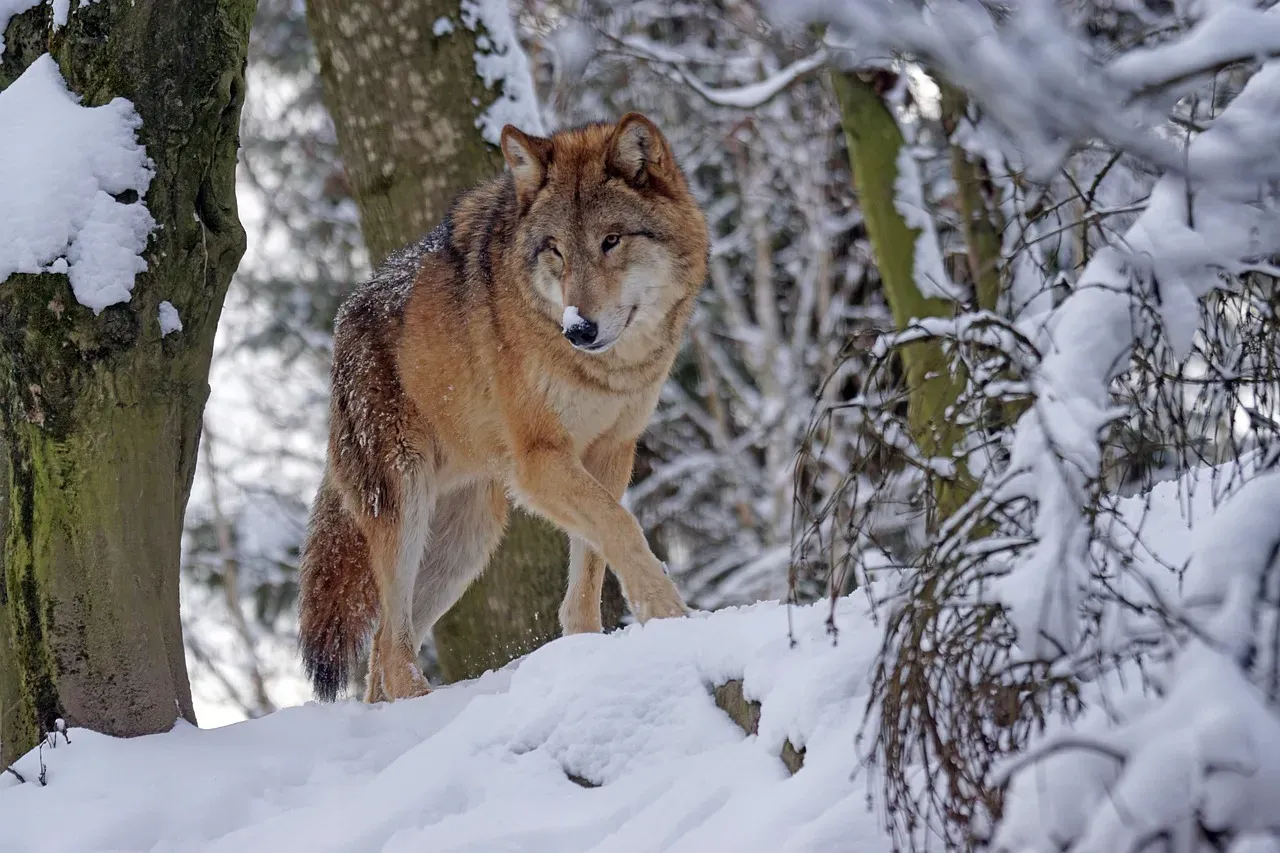
A lot of people secretly believe they could outrun danger if they really had to. That illusion vanishes the moment you compare human speed to a wolf’s. A healthy wolf can reach sprinting speeds that leave even well‑trained athletes in the dust, and it can hold a strong ground‑eating pace over rugged terrain far longer than most people can manage.
Now add in the landscape where wolves typically live. You are not on a track with perfect shoes and a starting block; you are in uneven forests, snowy trails, rocky slopes, or wetlands. Wolves are made for this terrain. Their paws, balance, stamina, and awareness mean they can dodge, leap, and weave while you are busy trying not to roll an ankle. If you decide to run, you are effectively entering a race that you are almost guaranteed to lose.
What Wolves Usually Want (And Why Most Do Not Attack)
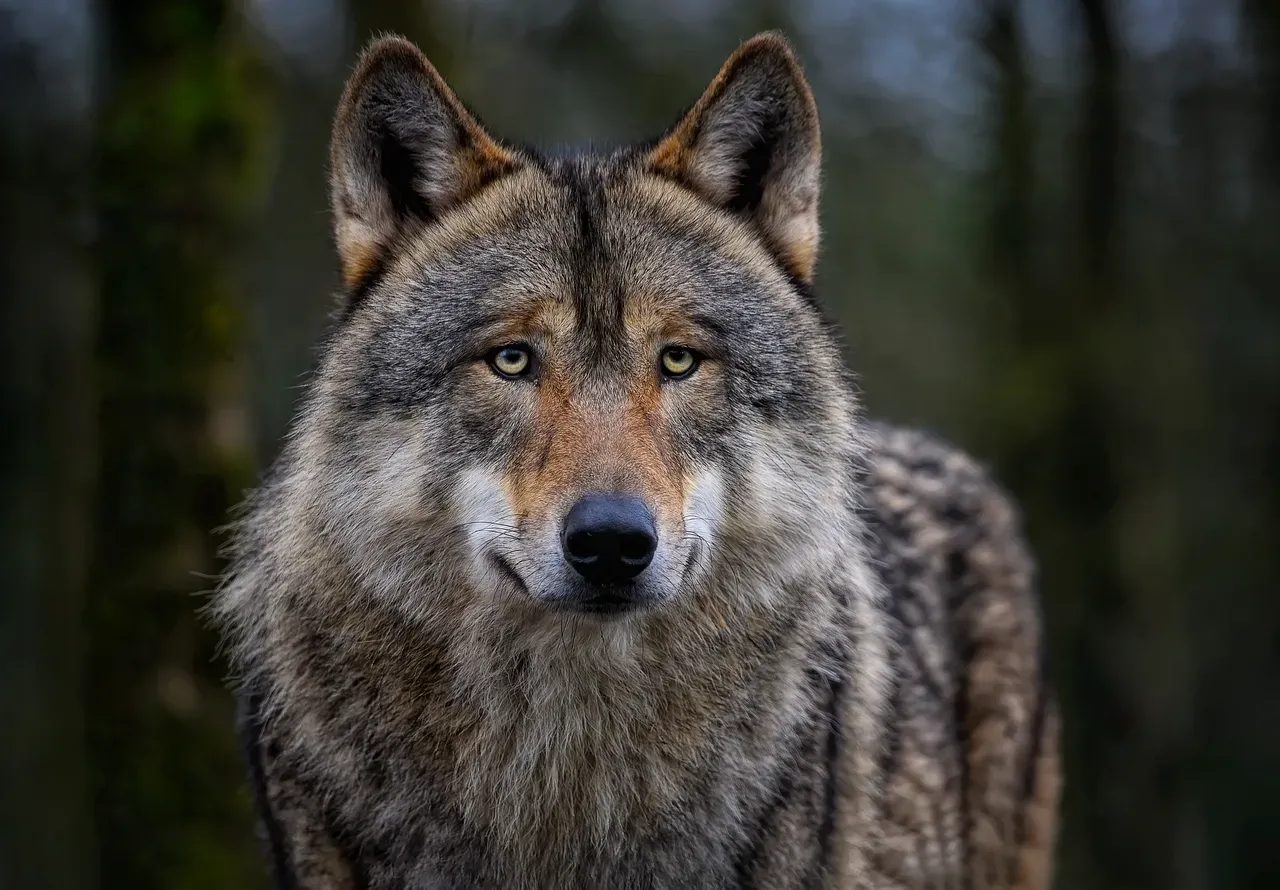
The story gets more nuanced when you look at wolf behavior in general. In most wild settings, wolves do not look at humans as food. They are far more likely to avoid people entirely, slipping away without you ever knowing they were nearby. Attacks on humans are rare relative to how often people hike, camp, or work in wolf country.
That said, rare does not mean impossible, and behavior can change in specific situations. Wolves that have become habituated to humans through feeding, wolves defending pups or a kill site, or wolves exposed to disease or extreme hunger can behave very differently. Running in front of a stressed, defensive, or food‑conditioned wolf can shift you, in its mind, from “strange upright animal” to “problem that needs chasing or driving off.”
Fight, Flight, or Freeze: What Your Body Does vs. What You Should Do
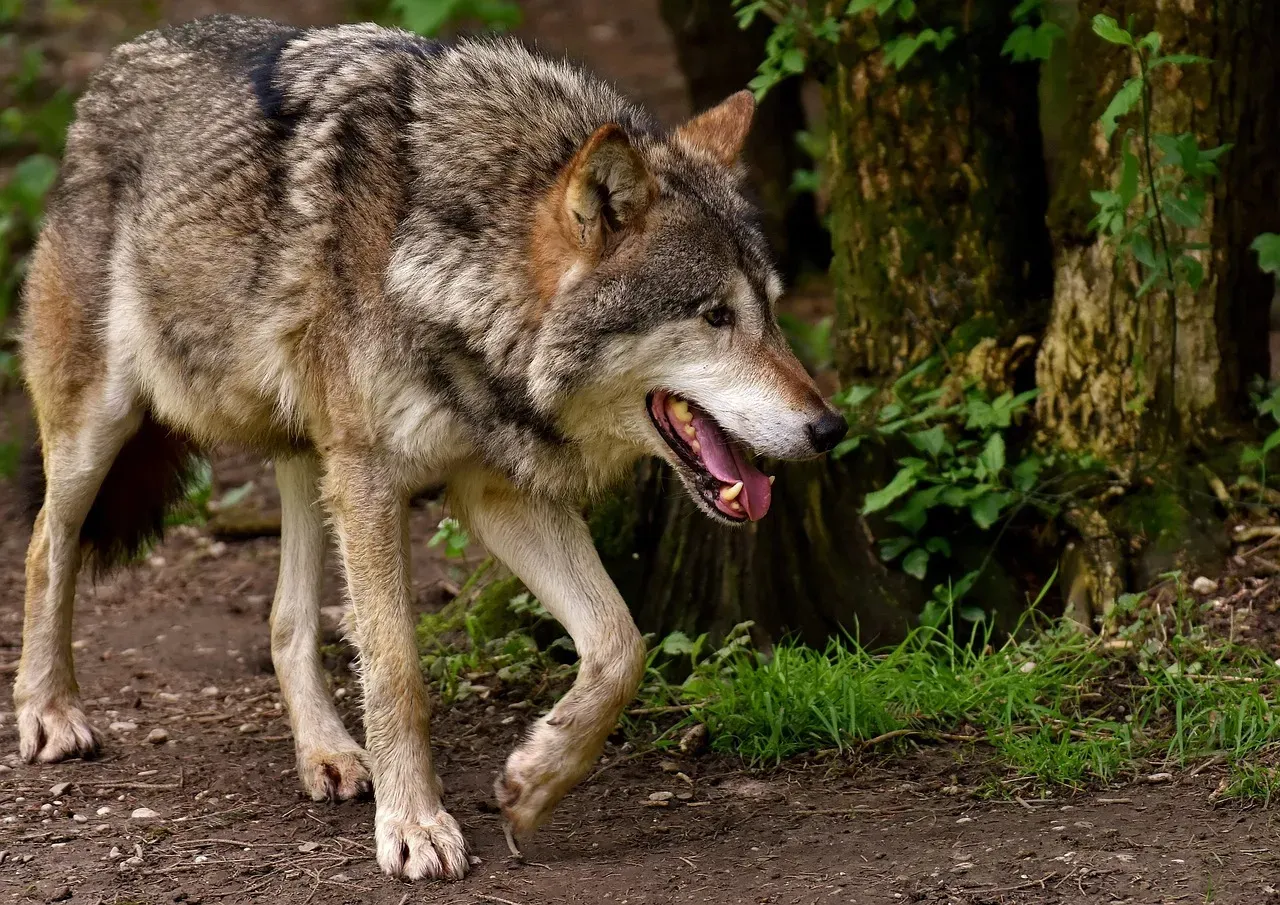
When a wolf appears, your nervous system does not care about wildlife biology textbooks; it cares about survival. Your fight‑or‑flight response floods your body with adrenaline, speeding your heart and priming your muscles to act. For most people, the default is flight: run first, think later. Unfortunately, what feels natural is not what experts recommend.
The advice from wildlife professionals tends to go against every instinct. Instead of sprinting, you should try to remain facing the wolf, keep your movements controlled, and back away slowly while appearing as large and confident as possible. Acting like prey and acting like a problem are two very different things in a predator’s mind. Your goal is to signal that you are not something to be chased, cornered, or tested.
What Experts Recommend You Actually Do If You See a Wolf
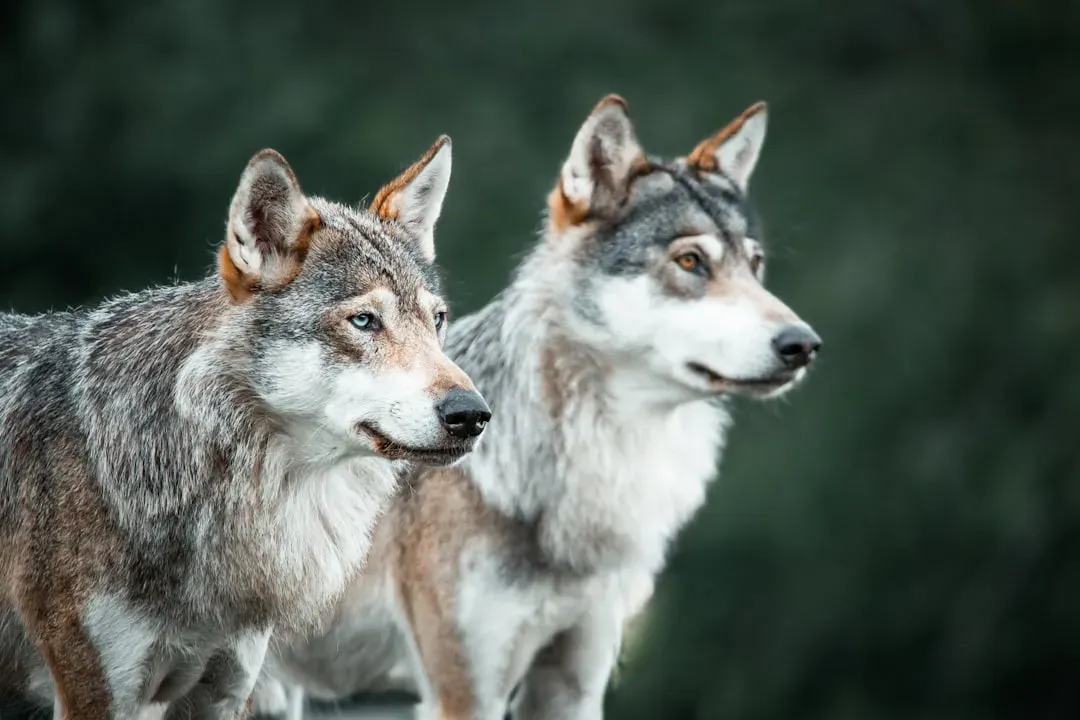
So if running is the wrong move, what is the right one? The general guidance is to stand your ground at first, face the wolf, and make yourself look bigger by raising your arms or opening a jacket. You want to project calm dominance rather than fear and chaos. Speaking firmly, clapping, or making noise can also send the message that you are not prey and that coming closer will not be worth it.
If the wolf does not immediately leave but is not charging, you should begin to back away slowly without turning your back. Keep your eyes on the animal, maintain your size, and move toward shelter, a vehicle, or a group of people if possible. If a wolf ever closes the distance aggressively, experts recommend fighting back with anything you have – sticks, rocks, trekking poles, even your fists. Playing dead is for bears, not wolves; a wolf that commits to attacking needs to be discouraged as hard as possible.
Why Running Can Endanger More Than Just You
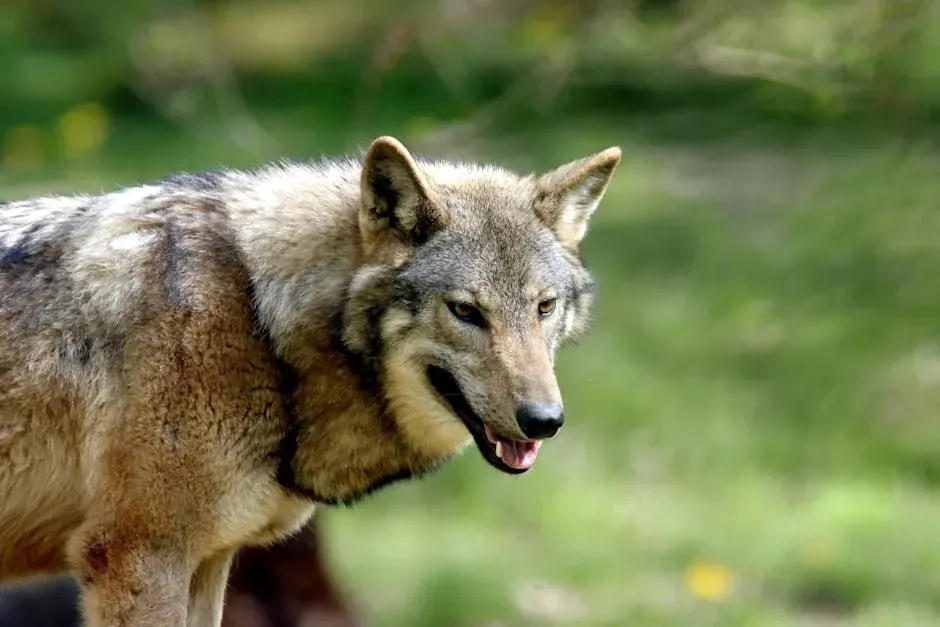
There is another side to the story that people rarely think about: your behavior affects not only your safety, but the wolf’s future. If you run, panic, throw food, or drop your pack to distract the animal, you may unintentionally teach it that humans equal opportunity. A wolf that learns people are easy to scare, chase, or get food from is more likely to repeat that behavior, putting others at risk later.
When wolves develop a pattern of approaching or testing humans, wildlife managers sometimes have to intervene. That can mean relocating animals, but in the worst cases it leads to wolves being killed for public safety. A single bad interaction, fueled by fear and poor decisions, can spiral into long‑term consequences for both people and wolves. Standing firm, managing your fear, and following expert advice is a quiet form of responsibility, not just self‑defense.
How to Lower Your Chances of Ever Being in This Situation
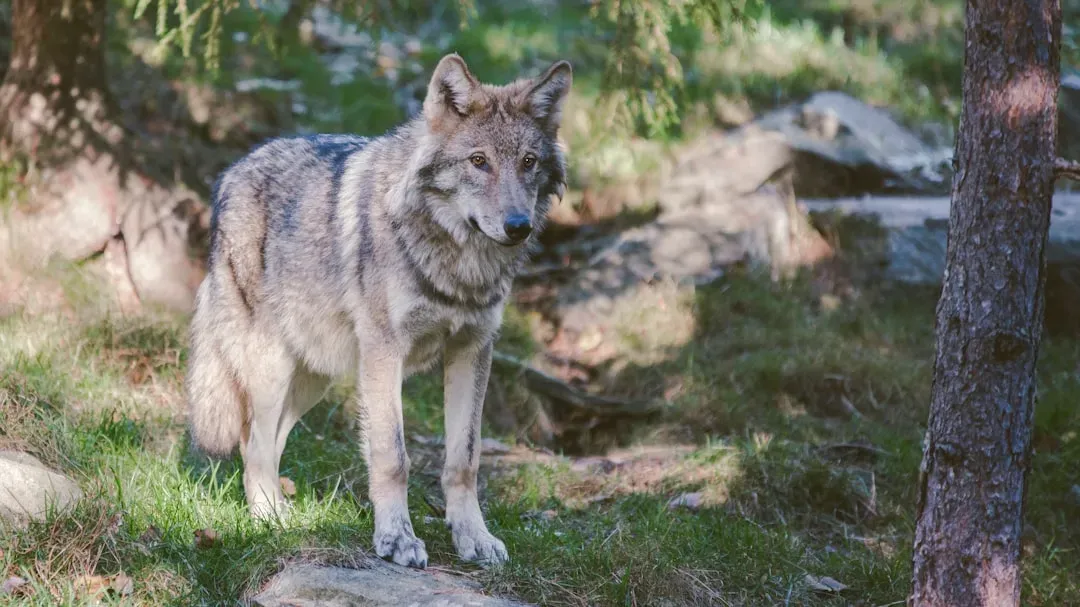
The safest wolf encounter is the one that never gets serious in the first place. Staying in groups, keeping dogs leashed, making noise while hiking, and avoiding leaving food or garbage around camp all greatly reduce the odds of a close‑range surprise. Wolves that do not receive food rewards from humans are far more likely to stay cautious and invisible.
Simple habits matter more than dramatic heroics. Storing food properly, respecting closures or warning signs, and learning the basics of predator behavior before you head into wild areas go a long way. A little preparation can mean that, if you do glimpse a wolf at a distance, it remains a powerful, beautiful moment instead of a crisis that forces you to test your nerve.
When Fear Meets Reality: A Straightforward Opinion
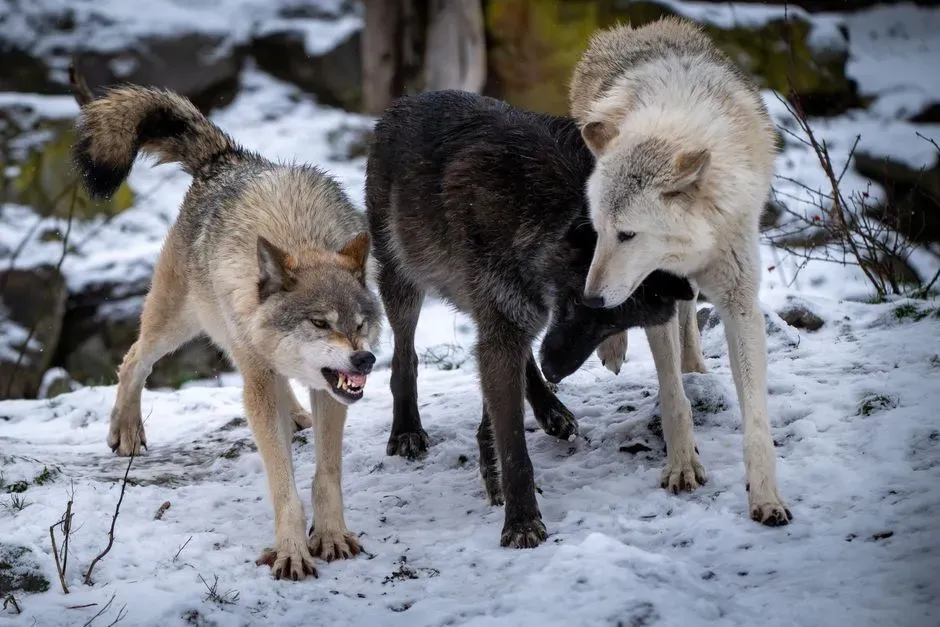
From a cold, practical standpoint, running from a wolf is almost always a losing strategy. You cannot win on speed, you cannot win on terrain, and you absolutely cannot win by playing the part of prey in front of a predator that evolved to exploit that exact behavior. The logic is brutal but simple: the more you look like something that should be chased, the more likely you are to be chased.
In my view, the hardest and bravest choice is to override that primal urge to flee. Standing tall, facing the animal, backing away with control, and being ready to fight if necessary feels terrifying, but it aligns with how wolves actually think and act. That combination of respect for their power and refusal to behave like prey is your best shot at walking away safely. The next time you imagine that nightmare scenario, ask yourself: will you trust your fear, or will you trust what we know about predators and act accordingly?


