
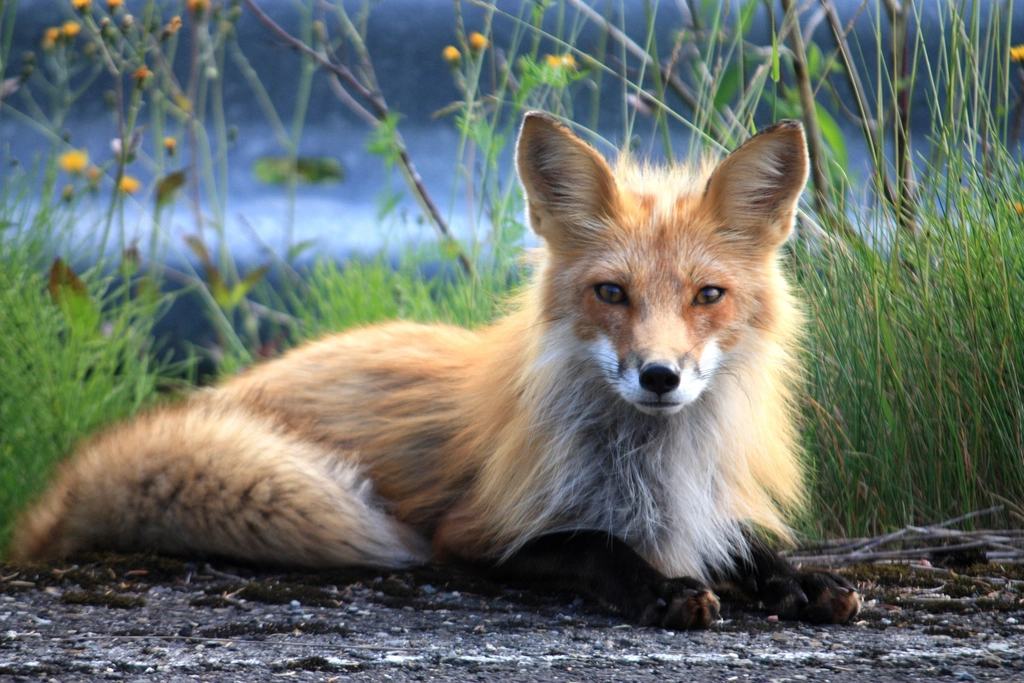
If there were an Olympic Games for animals thriving in a human-dominated world, the red fox would probably take home a medal. These ginger-coated survivors have quietly spread from wild forests to city streets, learning to live alongside us with an almost shocking ease. Their story is not just about being cute and clever; it is about biology, behavior, and a level of adaptability that most animals simply do not have.
Once you start digging into how red foxes live, hunt, think, and even communicate, you realize they are not just “smart dogs in the wild.” They are problem solvers, strategists, and opportunists with a tool kit that explains why they have made it across almost every kind of landscape on Earth. Let’s unpack fifteen of the most remarkable facts that reveal how they pulled this off.
1. They Are One of the Most Widely Distributed Carnivores on the Planet
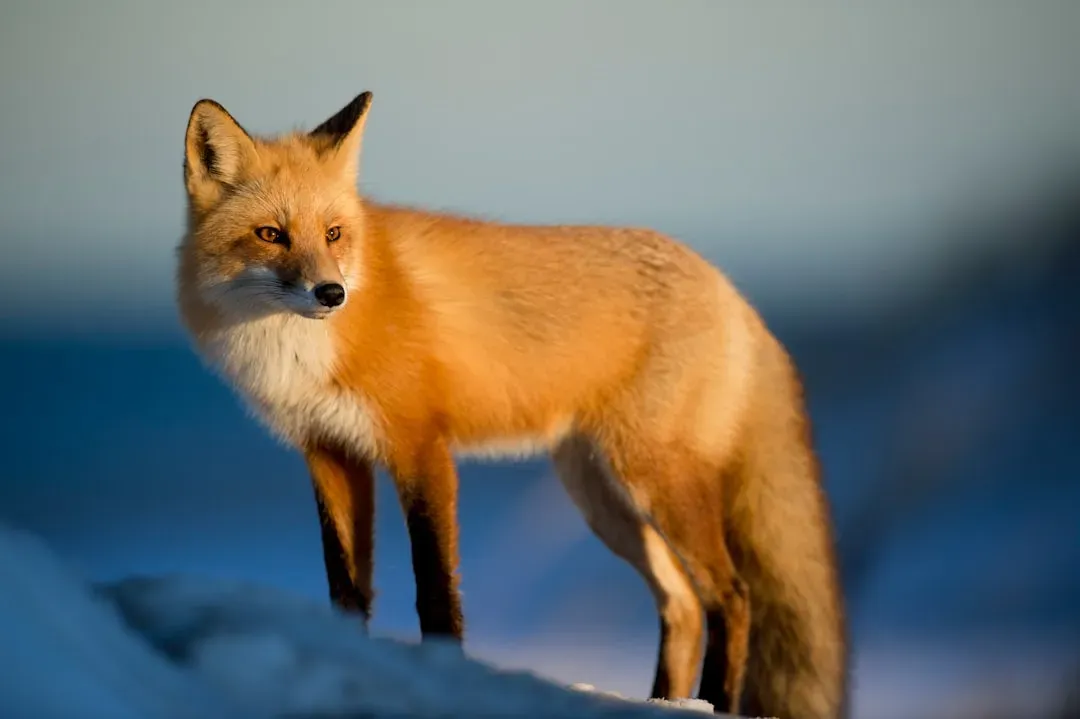
Red foxes are natural world travelers. They are native across most of the Northern Hemisphere, from the icy stretches of the Arctic tundra to temperate forests, grasslands, farmlands, and even deserts. On top of that, humans have intentionally or accidentally introduced them to places like Australia, where they rapidly spread and became a major predator.
What makes this so impressive is that most carnivores are picky; they need specific climate conditions or particular prey. Red foxes, by contrast, treat the globe like a buffet. They adjust their lifestyle, diet, and even behavior to match whatever environment they land in, which is a huge reason for their global success story.
2. Their Omnivorous Diet Is Basically a Survival Superpower
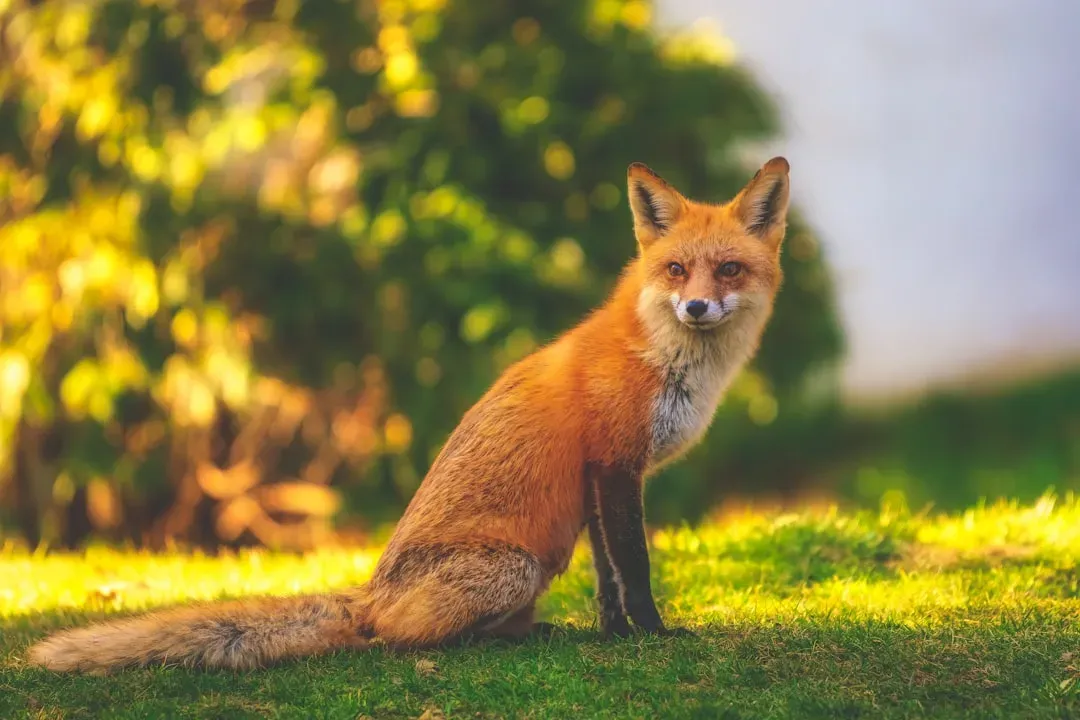
Red foxes do not live by meat alone. They will happily eat rodents, rabbits, insects, birds, fruits, berries, carrion, and even human food waste when it is available. Think of them as nature’s flexible diners, switching from steaks to salad depending on what is easiest to get that day.
This omnivorous approach is incredibly powerful in a changing world. When prey numbers crash or habitats are altered, strict carnivores can struggle. Red foxes just shift to whatever is next best on the menu, whether that is fallen apples in an orchard, beetles in a field, or leftovers from a trash bag behind a restaurant.
3. Their Hearing Is So Sharp They Can Hunt Under the Snow
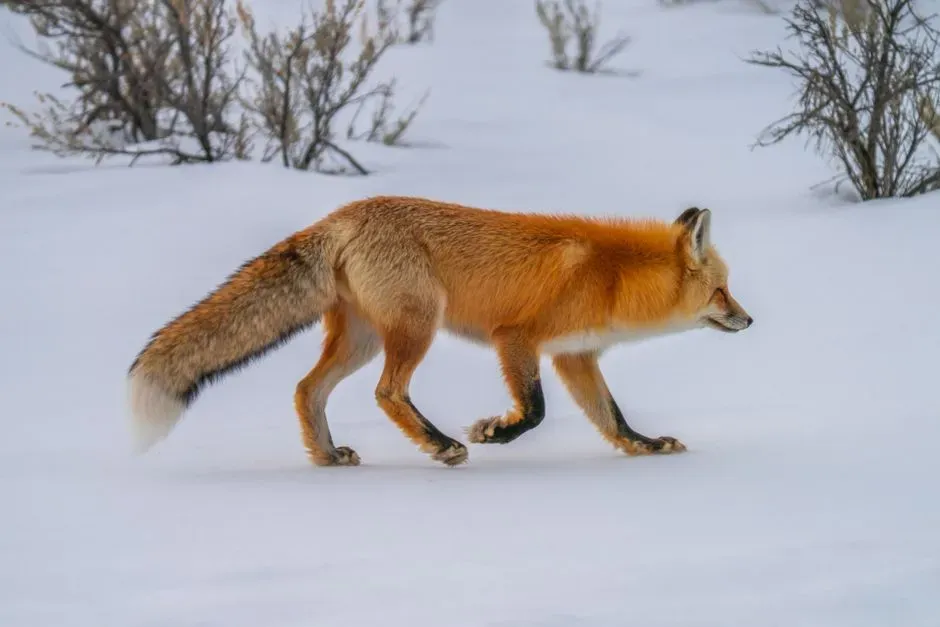
One of the most famous fox moments is that dramatic leap into deep snow, nose first, and coming up with a hidden mouse. They are not guessing when they do that. Red foxes have extremely sensitive hearing and can detect small animals moving under layers of snow or vegetation, guided by the faintest rustles and squeaks.
In winter, when visibility is poor and prey is hidden, this is a game-changing skill. It lets them hunt in conditions that would cripple many other predators. If you have ever watched a fox “mouse” in a snowy field, it is like seeing a natural radar system in action, tuned perfectly for survival in harsh seasons.
4. They Have a Built-In Compass for Snow Jumps
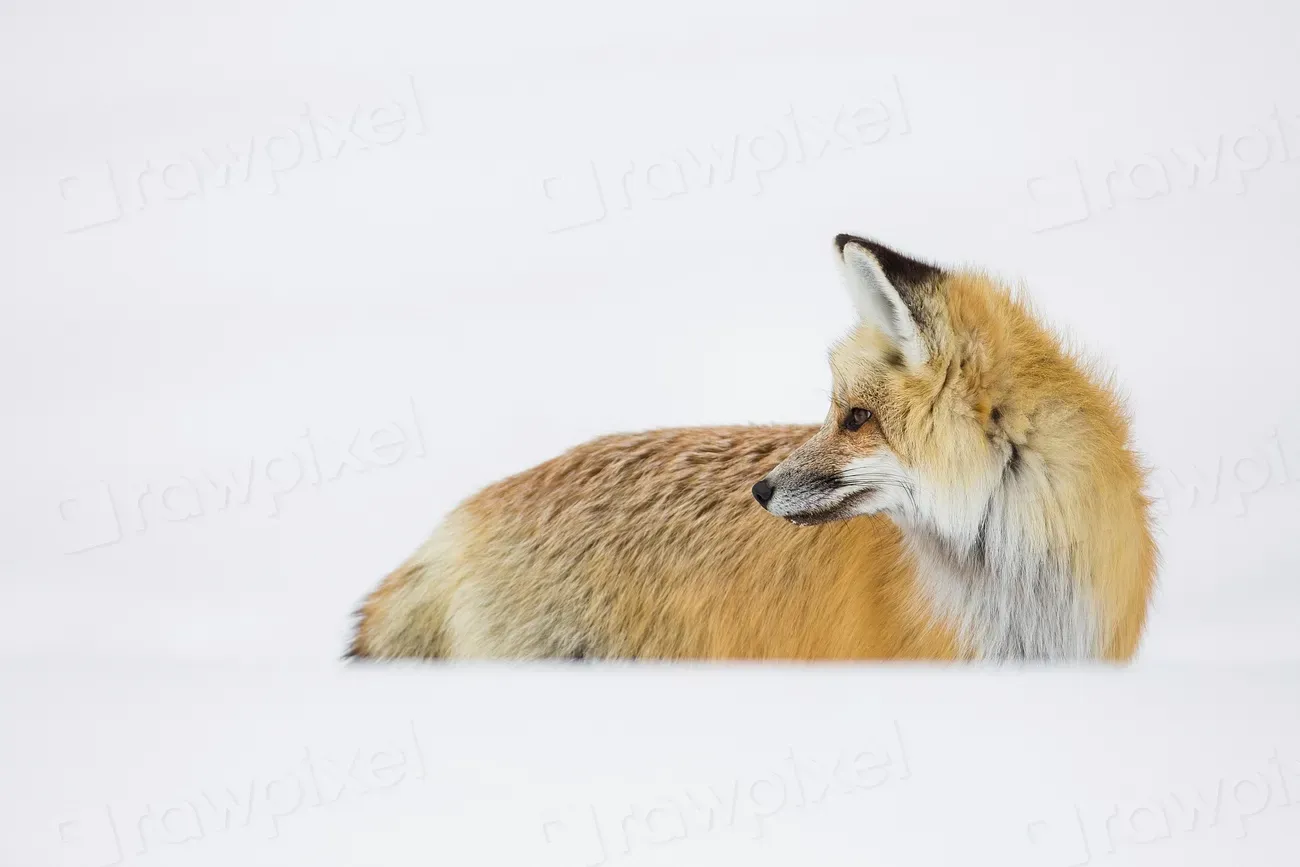
Here is a strange but fascinating detail: many red foxes in snowy habitats tend to pounce in a roughly consistent direction when hunting, often aligned with the Earth’s magnetic field. Researchers have suggested that they may be using magnetic cues, combined with sound, to judge distance and angle before they dive into the snow.
If that is what is really happening, it means foxes are doing something many animals cannot: blending sensory data from sound with an invisible environmental signal to pinpoint hidden prey. It is like having a compass layered on top of a high-end sound system, giving them a kind of precision targeting in three-dimensional space.
5. They Are Masters of Living in Human-Dominated Landscapes
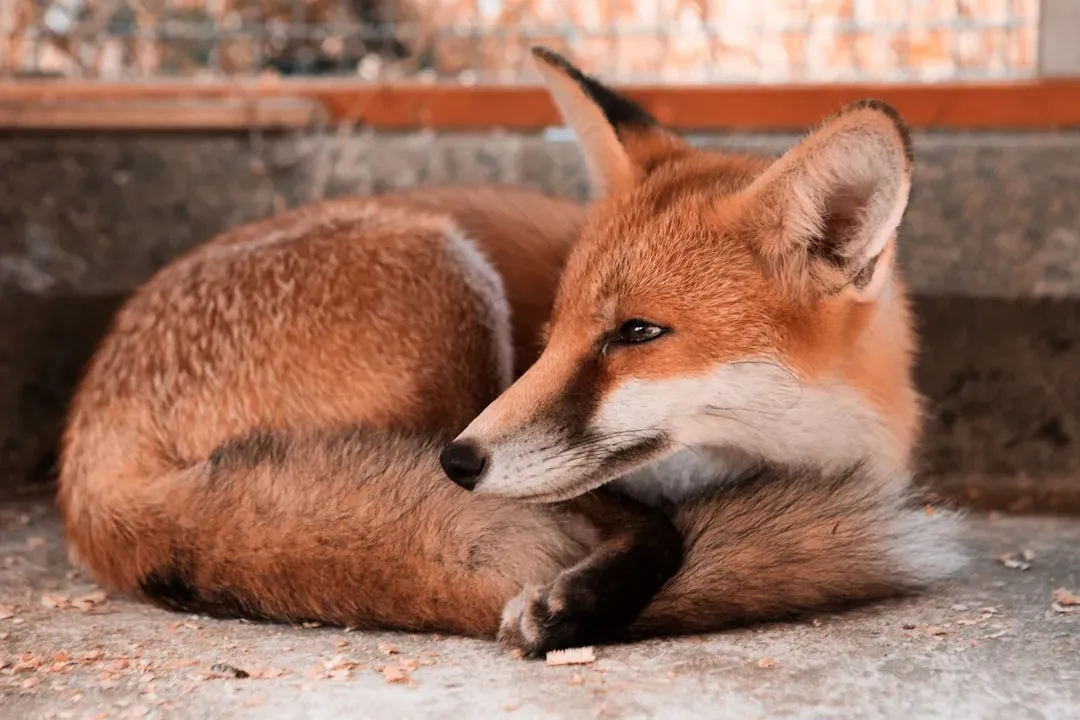
Walk through some cities at night and you might realize you are sharing the streets with foxes. Red foxes have moved into suburbs and cities across parts of Europe, North America, and beyond, using gardens, parks, railways, and alleys as their highways. They learn traffic patterns, explore backyards, and sometimes even recognize regular feeding spots humans create, intentionally or not.
This urban adaptability is not just about boldness; it is about learning. Foxes that live in cities tend to change their activity patterns, taking advantage of quieter nighttime hours and scavenging more from human waste. In a way, they have turned our overbuilt, noisy landscapes into just another habitat to figure out and exploit.
6. Their Intelligence Shows Up in Problem-Solving and Cunning Tactics
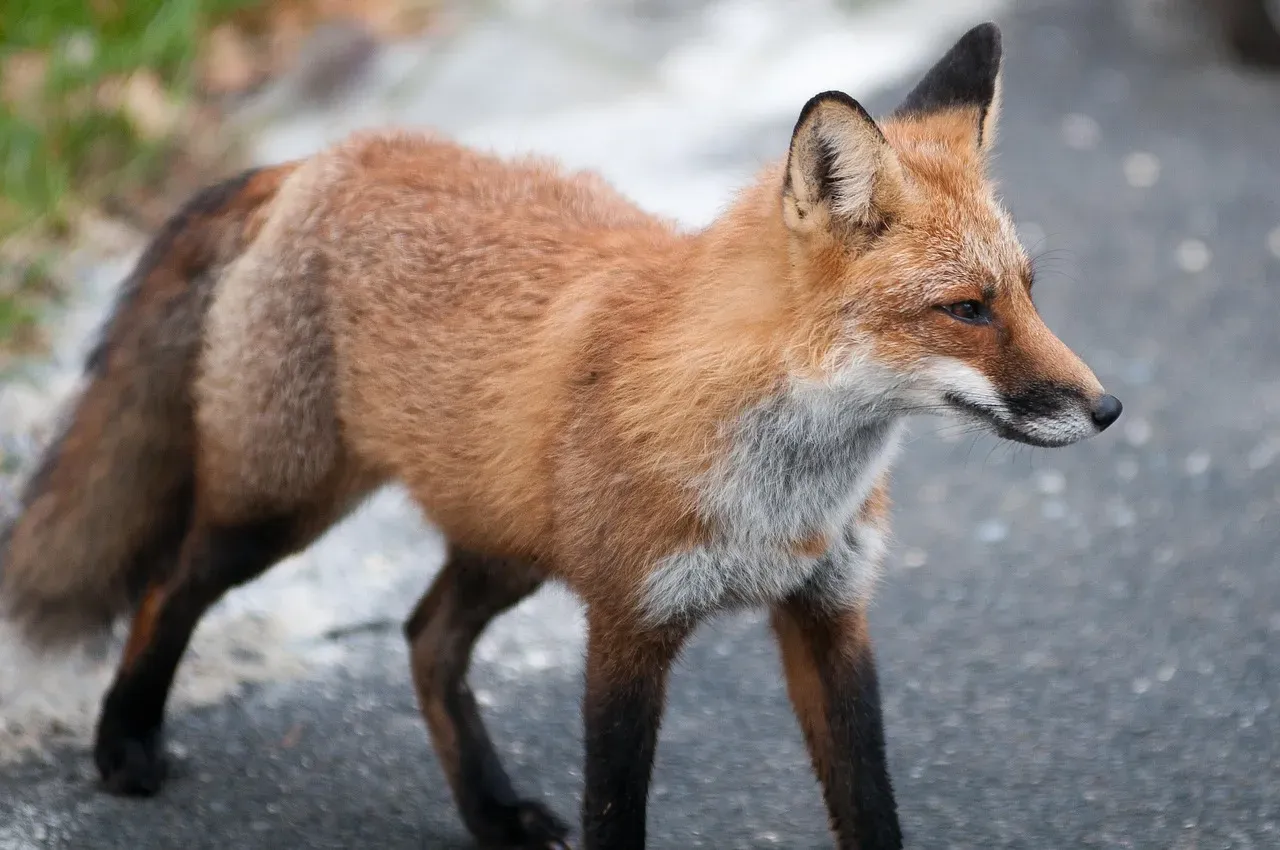
The stereotype of the “sly fox” did not come from nowhere. Red foxes are quick learners and flexible thinkers. Field observations and controlled experiments have shown that they can solve simple puzzles, remember where food is hidden, and alter their behavior based on previous outcomes. They will try, fail, and try again with a new approach.
On the ground, that can look like a fox testing a fence line until it finds a weak spot, or quietly watching human routines to figure out when a chicken coop is least guarded. Their success as a species is not just physical; it is cognitive. They are constantly gathering information and using it, which is exactly what you need to thrive in a rapidly changing world.
7. They Communicate with a Surprisingly Complex Range of Sounds and Signals
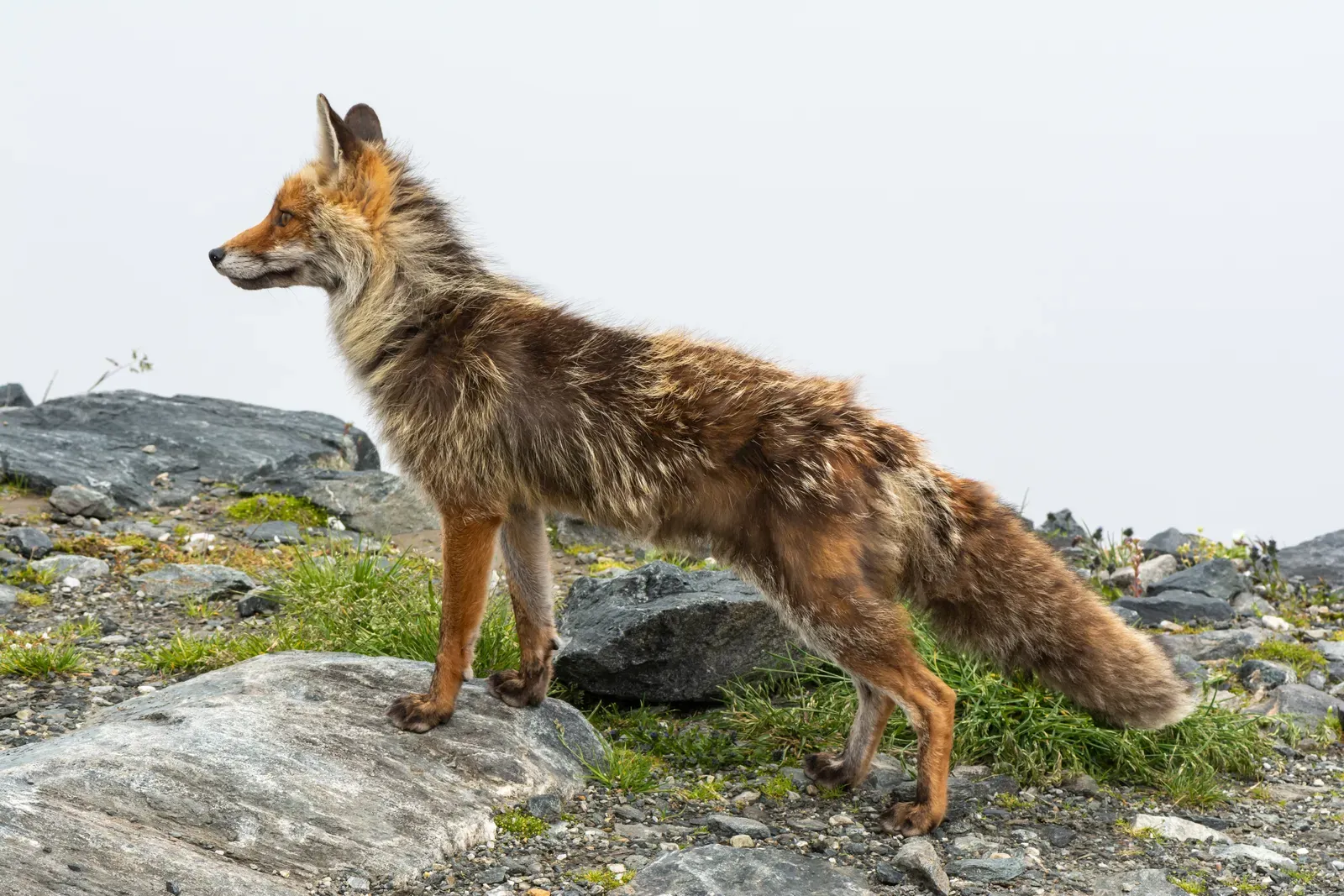
Red foxes are not silent stalkers. They use an impressive variety of vocalizations – barks, screams, yelps, whines, and chatter-like sounds – to communicate with each other. Some calls help keep family members in touch, others serve as warnings, and some are used during the breeding season to find or attract mates.
On top of that, they rely heavily on body language and scent marking. Tail positions, ear angles, and posture can signal everything from submission to curiosity. Scent marks laid out across their territory relay information about identity, reproductive status, and boundaries. This layered communication system helps them navigate social life without needing large groups or constant physical contact.
8. Their Family Life Is Flexible, Not One-Size-Fits-All
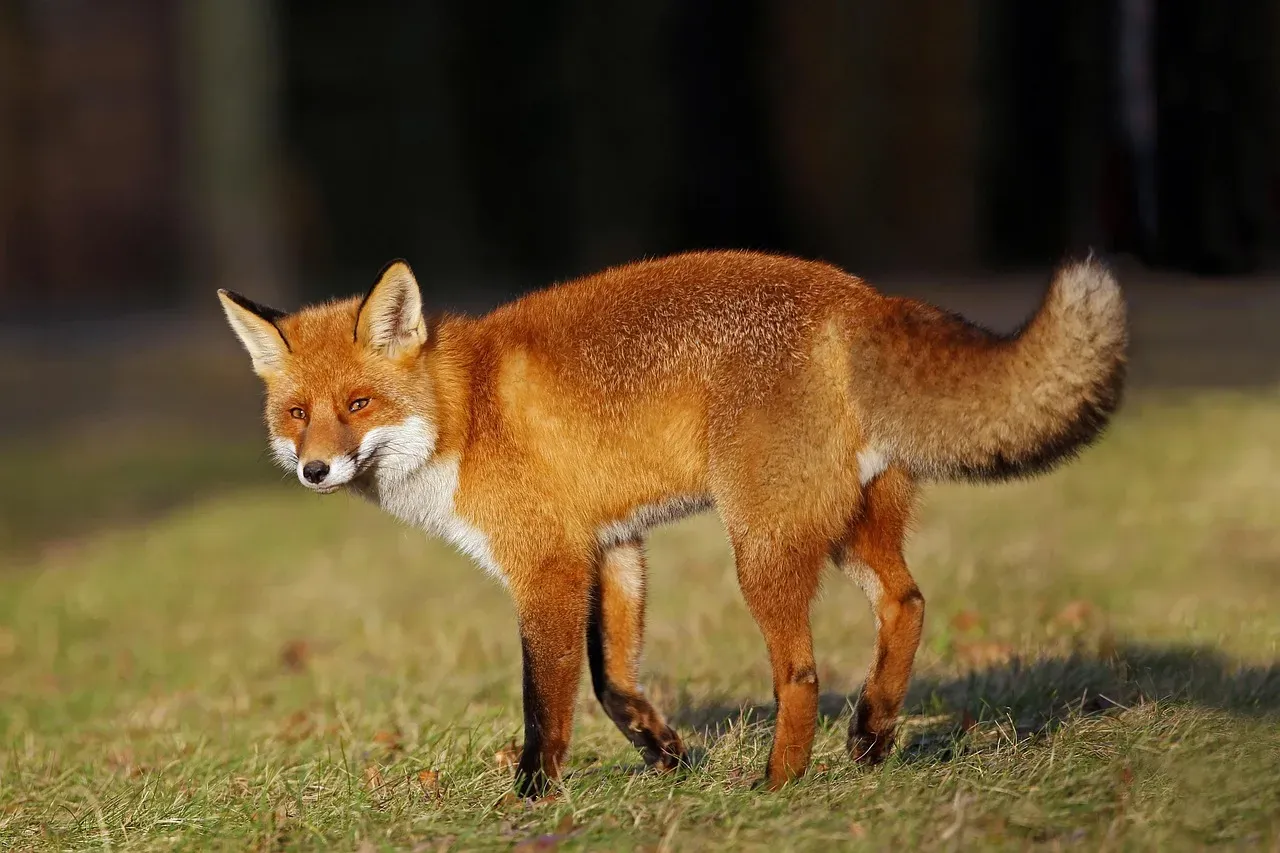
We often picture foxes as solitary, but their social structure is more flexible than that. In many areas, a breeding pair raises pups together, with the male often helping to provide food and defend the territory. In some cases, older daughters or related females stay on and assist with raising the next litter, forming small family groups.
This adaptability in social life is another key to their success. Instead of being locked into rigid pack structures or total solitude, red foxes can adjust to what the environment offers. If resources are rich and space is limited, helpers can improve pup survival. If conditions are harsh, striking out alone might be the better bet. They play the social game according to the local rules.
9. Their Coats Are More Versatile Than They Look
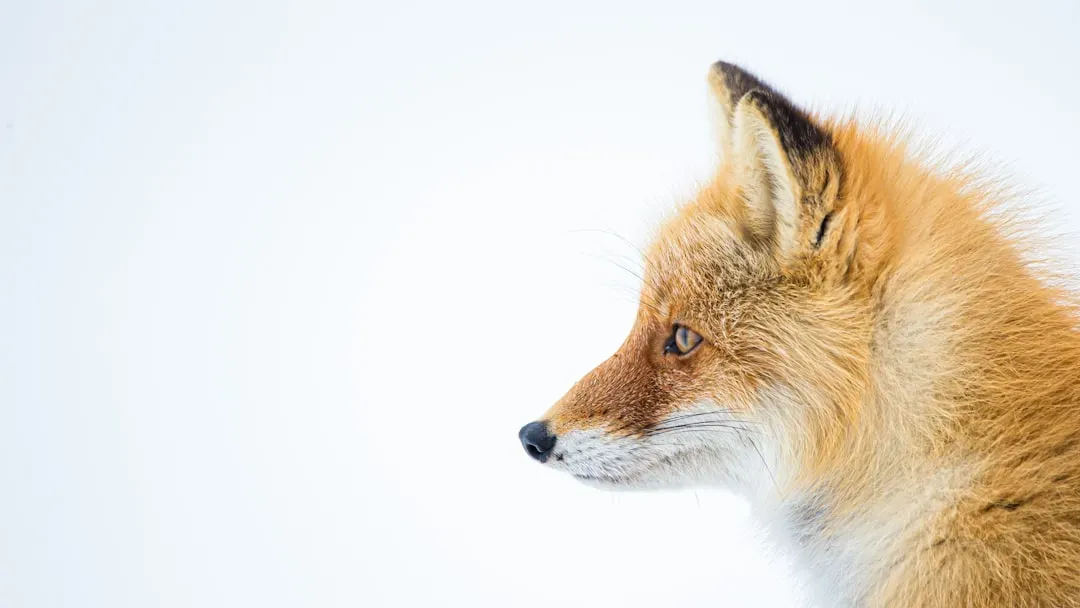
The classic red fox image is that fiery orange coat with a white-tipped tail and dark legs, but reality is much more varied. Red foxes can range from pale, sandy shades to deep, rusty reds, and even melanistic (very dark) or cross patterns where dark bands cross the back and shoulders. These color variations can be influenced by genetics and local environmental pressures.
This flexibility in coloration is not just about looks. A coat that blends better with snow, rock, or forest floor can provide real advantages in both hunting and avoiding larger predators. On top of that, their fur adjusts seasonally, growing thicker and denser in winter to insulate against the cold and thinning out in warmer months to keep them cooler and more mobile.
10. Their Tails Are Multifunctional Tools, Not Just Decorations
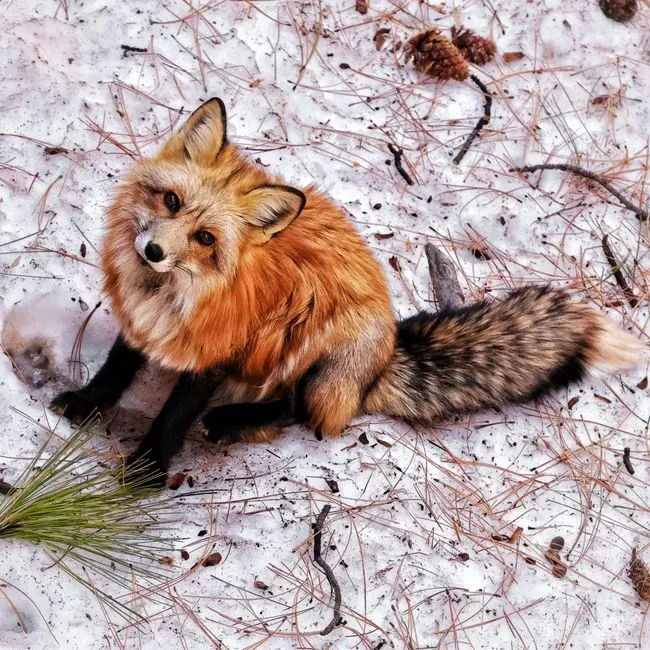
The iconic fox tail, often called a brush, is more than a pretty feature. It is used for balance when running and turning sharply, like a built-in counterweight. When a fox makes those quick pivots while chasing prey or dodging obstacles, the tail helps stabilize the body, similar to how a tightrope walker uses a long pole.
The tail also serves as a communication flag and a personal blanket. Position and movement can signal mood or intention to other foxes, while in harsh weather a fox can curl up and wrap its tail around its body and face to reduce heat loss. It is a single piece of anatomy doing several important jobs at once, which is exactly the kind of efficiency evolution rewards.
Red foxes are incredibly efficient breeders. A single vixen can give birth to a relatively large litter, often several pups at once, depending on conditions and food availability. This means that when times are good and survival chances are high, populations can increase rapidly and colonize new areas with surprising speed.
At the same time, their reproduction is not reckless. In lean years, fewer pups may survive, and fox numbers can dip, which helps prevent total collapse from overuse of local resources. This balance between strong reproductive potential and natural checks from the environment keeps them resilient across boom-and-bust cycles.
12. They Learn Fast from Humans – For Better or Worse
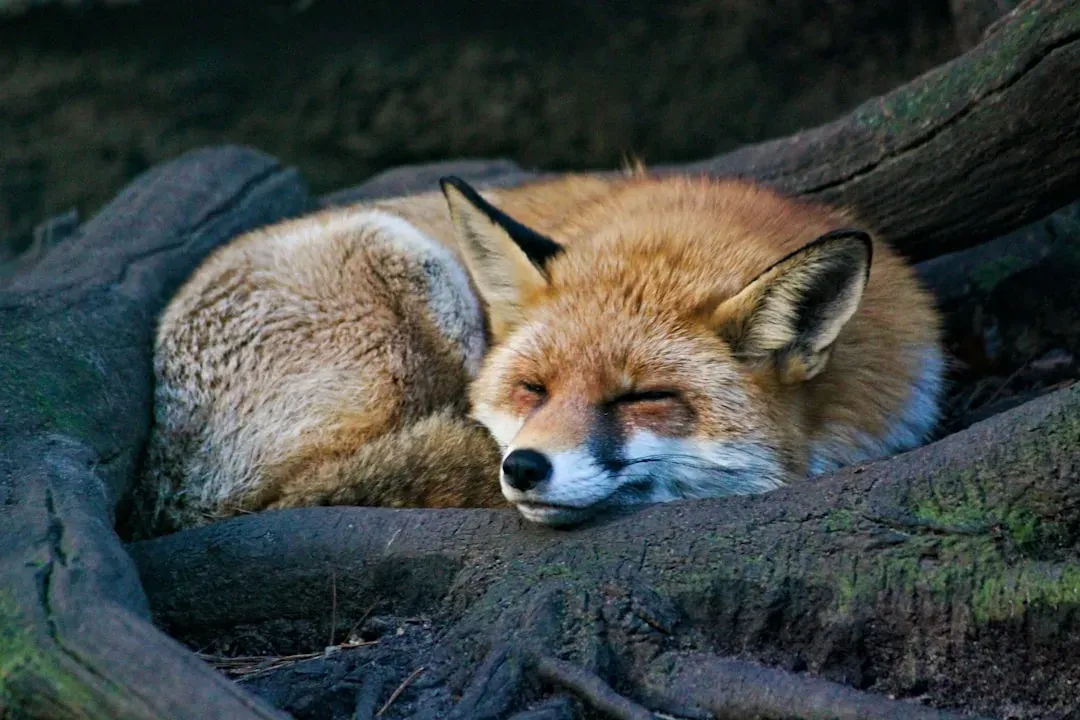
One uncomfortable truth is that red foxes learn from us. In areas where they are heavily hunted or trapped, they often become more cautious, shifting activity to avoid humans and altering their movement patterns. In places where they are tolerated or even fed, they may become bolder, approaching houses and people more closely at night.
This ability to change behavior based on human pressure is both impressive and complicated. On one hand, it is a clear sign of behavioral flexibility that helps them survive our presence. On the other, it can bring them into conflict with farmers, conservationists, and city residents. They are quick studies in the school of human behavior, which makes coexistence a moving target.
13. They Play – And That Matters More Than It Seems
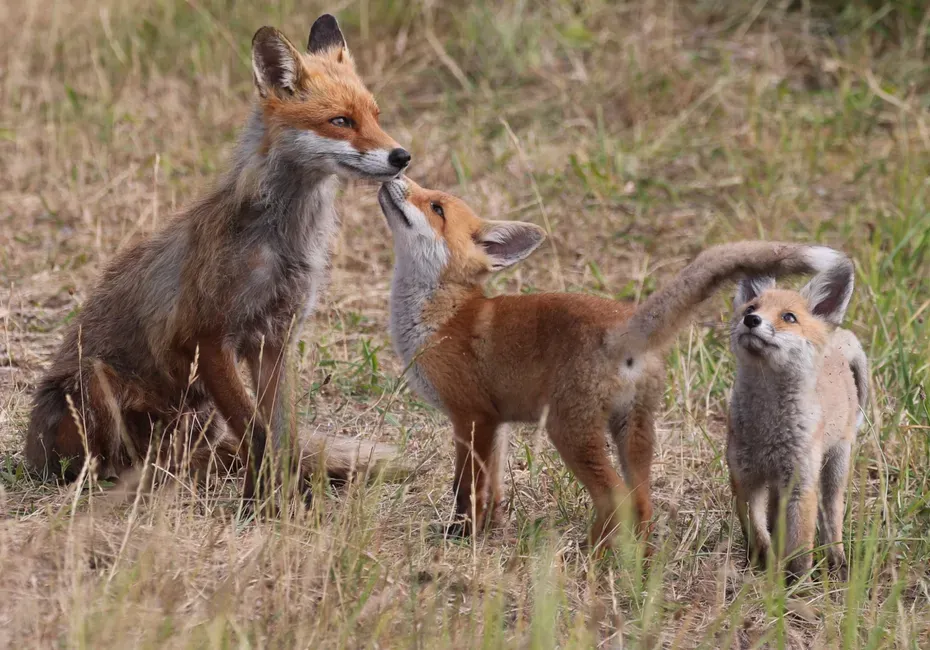
Watch young foxes for a while and you will see chasing, pouncing, mock fighting, and object play with sticks or food scraps. It is easy to label this as pure cuteness, but play actually builds skills they will need later: coordination, social reading, hunting techniques, and even emotional resilience. It is nature’s way of offering a low-stakes training ground.
Play also hints at a certain level of cognitive complexity. Animals that engage in rich, varied play often show more flexible behavior overall. In foxes, that means the same curiosity that drives a pup to pounce on a leaf can, years later, translate into trying a new route, testing a fence, or figuring out how to open a tricky container in someone’s backyard.
14. They Can Alter Ecosystems – Sometimes in Powerful Ways
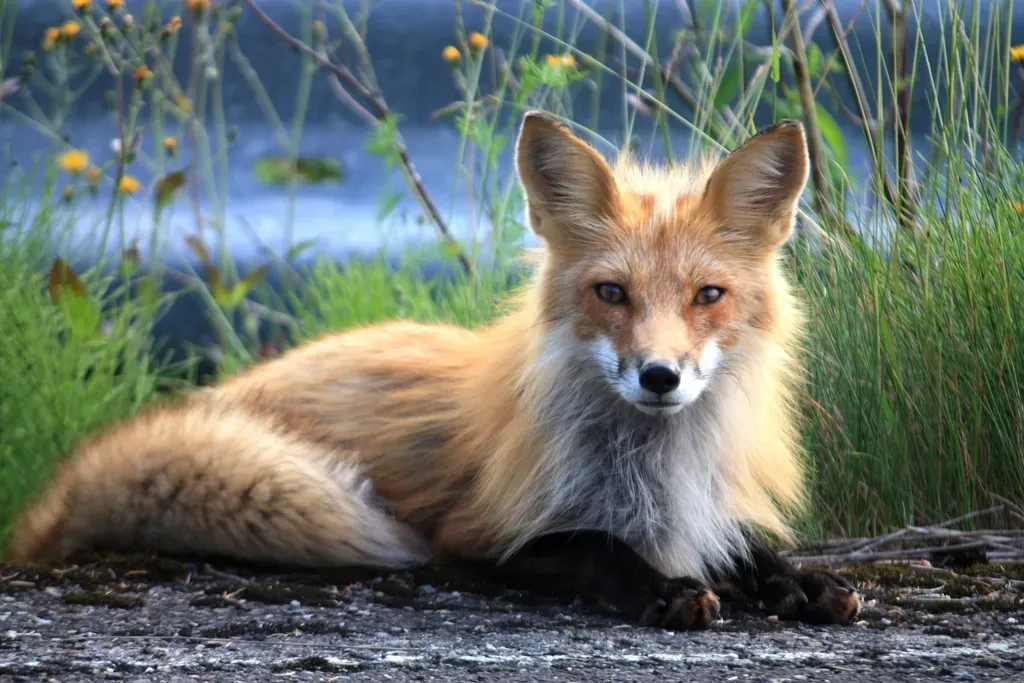
As mid-sized predators, red foxes do more than just pick off the occasional mouse. They can have strong effects on local food webs, particularly where they are not native. In some regions, their presence has contributed to declines in ground-nesting birds, small mammals, and even certain reptiles. When you add an efficient, adaptable predator to a system that did not evolve with it, the ripple effects can be huge.
In their native ranges, they can help keep rodent populations in check and influence how prey species behave and move. But where humans have introduced them, especially on islands or in vulnerable ecosystems, they can become a serious conservation problem. Their success, in other words, is not neutral; it shapes the world around them in both helpful and harmful ways.
15. Their Story Is a Mirror of Our Changing Planet
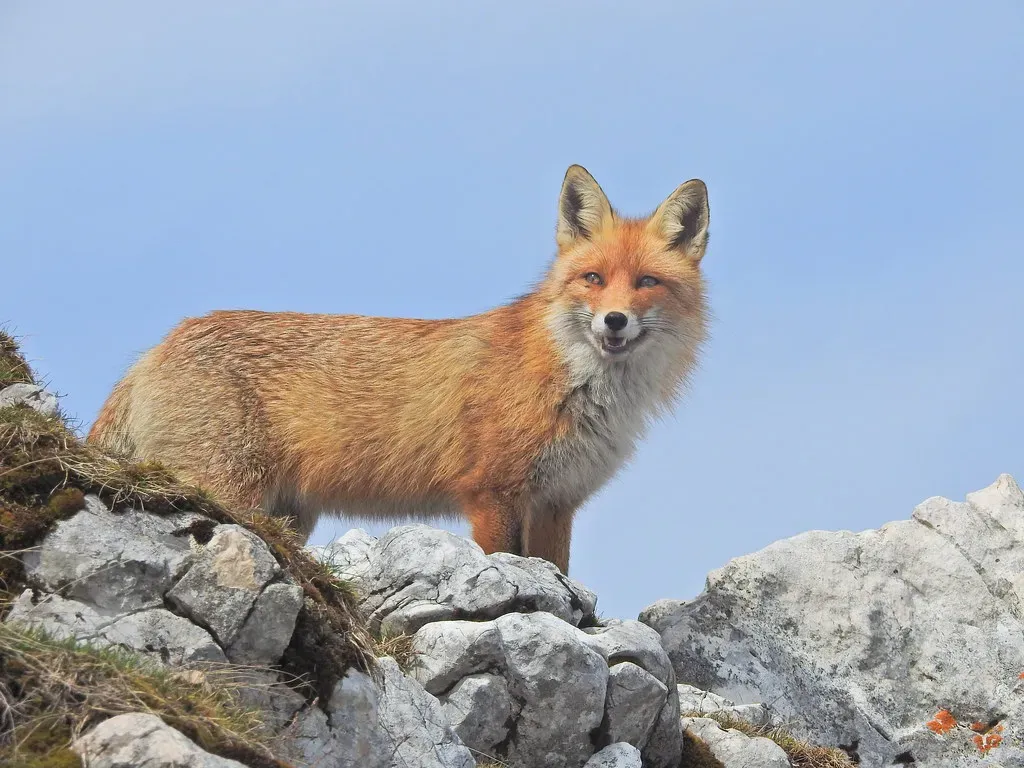
Perhaps the most remarkable thing about red foxes is how clearly they reflect the era we live in. They thrive in landscapes we have fragmented, in climates we have pushed off balance, and in cities we have built for ourselves. Their rise is not a separate story from ours; it runs in parallel, shaped by the same forces of expansion, disruption, and adaptation.
Seeing foxes this way can be a bit uncomfortable. Their global success shows how some species can ride our wake and flourish, while countless others struggle or disappear. It raises a hard question: in a human-shaped world, are we okay with only the flexible, opportunistic survivors sticking around?
Conclusion: Admiring the Survivor Without Forgetting the Cost
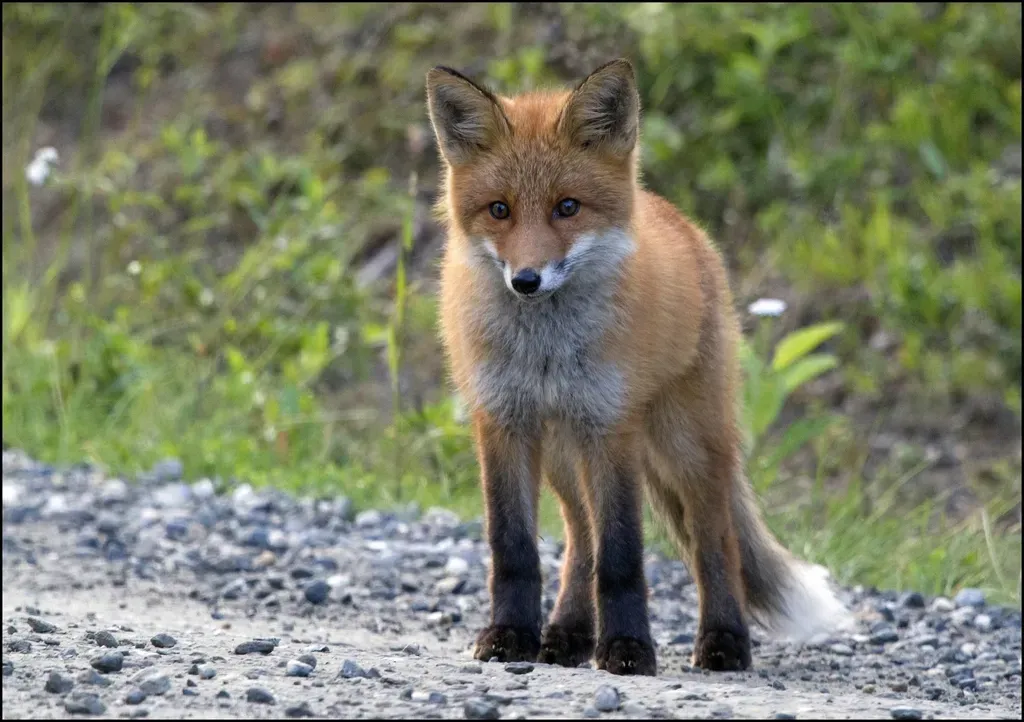
Red foxes are, in many ways, the ultimate survivors of the modern age. They are quick learners, dietary generalists, skilled hunters, and social opportunists who have turned forests, farmlands, suburbs, and cities into stages they know how to work. I cannot help but admire that. On some level, their story feels familiar: stay curious, adapt fast, and make the best of whatever chaos you are handed.
But admiration should not blind us to the impact. Their success sometimes comes at the expense of native species, fragile ecosystems, and already stressed wildlife communities. To me, the red fox has become a symbol of both resilience and imbalance – a reminder that the winners of our changing planet are not always the ones we expected or wanted. When you see that russet shape slip through the edge of your headlights at night, do you see just a clever animal, or a sign of the world we are building without quite meaning to?


