

Retirement is when you finally have time for long walks, quiet mornings, and a furry friend snoring softly next to you. But as lovely as that sounds, a dog can quietly turn into one of your biggest monthly expenses if you are not careful. Food, grooming, vet bills and surprise emergencies can hit a fixed pension or savings plan harder than many people expect.
This guide walks through ten dog breeds that typically fit better with a predictable retirement budget, and five that often bring bigger, more surprising costs. It is not about saying some breeds are “good” and others are “bad” – it is about matching your lifestyle, health, and finances with the reality of what different dogs need. Think of it as choosing a travel destination: they can all be beautiful, but some are all-inclusive and others are more like a five‑star city break with hidden fees.
1. Chihuahua – Tiny Dog, Manageable Costs

It is hard to ignore the financial advantage of a dog that might weigh less than a bag of groceries. Chihuahuas generally eat very little, which means a standard sack of high‑quality food can stretch surprisingly far, something that matters when every monthly bill is carefully tracked. Their small size also makes them easier and often cheaper to accommodate in apartments or senior living communities where pet fees might scale with weight.
Grooming needs are usually modest, especially for short‑haired Chihuahuas that just need regular brushing and occasional baths at home. They can be prone to dental issues, patellar (knee) problems, and heart conditions, so budgeting for annual vet checkups and dental cleanings is smart. Still, compared with many larger or more delicate breeds, their overall lifetime cost often remains on the lower side, particularly if you stay on top of preventative care instead of waiting for problems to snowball.
2. Mixed‑Breed “Mutt” – Often Healthier, Often Cheaper

Mixed‑breed dogs from shelters can be budget‑friendly in ways that go beyond the adoption fee. Many shelters include initial vaccinations, microchipping, and spay or neuter surgery in the adoption cost, which immediately removes several big upfront vet bills. On top of that, mixed heritage can reduce the risk of some inherited diseases that are more common in highly bred, single‑lineage dogs.
Of course, “mixed breed” covers a huge range of sizes and energy levels, so choosing with your lifestyle in mind is crucial. Staff at reputable shelters will usually help match you with a dog that fits your mobility, activity level, and budget, rather than just sending you home with the cutest face. When you avoid extreme sizes or exaggerated body shapes, you often avoid the expensive medical issues that come with them, making a well‑chosen mutt one of the most practical options for retirees.
3. Bichon Frise – Small, Cheerful, and Senior‑Friendly

The Bichon Frise is popular among older adults because of its gentle personality and manageable size, often weighing less than a small carry‑on bag. They do not require massive exercise sessions; a few short walks and some indoor play usually keep them content. For retirees with limited stamina or joint problems, that lower activity requirement can mean fewer costs tied to dog walkers or doggy daycare.
The main ongoing expense with a Bichon is grooming, since their fluffy coat needs regular trims to avoid matting and discomfort. However, many owners learn to handle basic maintenance at home, stretching out the time between professional grooming appointments. On the health side, Bichons can be prone to skin and allergy issues, but with routine vet care and a steady diet, many live long, happy lives without the heavy medical costs seen in some larger breeds.
4. Cavalier King Charles Spaniel – Affectionate but Plan for Health

Cavalier King Charles Spaniels are heart‑melters: gentle, loving, and usually very in tune with their people, which can feel especially comforting in retirement. They are small enough that food and housing costs remain relatively low, and their moderate exercise needs fit nicely with peaceful walks rather than intense hikes. For many retirees, the emotional payoff of their deep attachment feels priceless.
However, this breed is known for serious heart conditions and other inherited health issues, which can mean ongoing cardiology visits and medication later in life. If you love the Cavalier temperament, it is crucial to budget more generously for veterinary care and to look for a breeder or rescue group that screens carefully for health problems. In financial terms, they sit in a gray zone: manageable day‑to‑day costs, but a higher risk of big future vet bills that could squeeze a tight retirement budget.
5. Pug – Compact Clown with Hidden Medical Risks

Pugs have a way of turning even the grumpiest day into something lighter, thanks to their goofy faces and people‑oriented personalities. They are compact, which helps with food costs and makes them suitable for smaller homes or apartments where space is limited. Their short coat is also relatively easy to care for at home with routine brushing and cleaning.
The challenge is that Pugs are brachycephalic, meaning their flat faces can create breathing difficulties, eye problems, and other health complications. Surgeries to improve breathing, manage airway issues, or treat eye injuries can be expensive. Retirees who fall for Pugs need to go in with eyes open: day‑to‑day expenses may be reasonable, but the risk of major medical bills is significantly higher than with many other small breeds, so emergency savings or pet insurance becomes more important.
6. Toy Poodle – Smart, Hypoallergenic, and Long‑Lived

Toy Poodles hit a sweet spot for many retirees: small size, high intelligence, and a coat that sheds very little and is often more tolerable for allergy sufferers. Their brains mean they are quick to learn house rules, which reduces stress and potential damage to furniture or floors that sometimes comes with less trainable dogs. Mentally engaging games, short walks, and simple indoor activities can meet most of their needs, which suits people who want companionship more than intense exercise.
The main ongoing cost is professional grooming, since their curly hair needs regular trims to stay comfortable and neat. On the plus side, Toy Poodles tend to be a relatively healthy, long‑lived breed, so the cost per year of companionship can actually be quite reasonable compared with breeds that face early, chronic health issues. For someone on a fixed retirement income, the predictability of grooming costs can feel easier to plan for than surprise medical crises.
7. Shih Tzu – Lapdog Lifestyle with Manageable Needs

Shih Tzus were historically bred as companions, and they still excel at that job today. They are usually happy to spend long stretches relaxing, which pairs well with a quieter retired lifestyle that includes reading, hobbies, and gentle strolls. Their small size keeps food bills and many medication doses relatively low, which helps steady a monthly budget.
Their long, flowing coat looks luxurious but demands attention. Owners either pay for regular grooming visits or choose shorter “puppy cuts” that are easier to maintain at home with brushing and bathing. Healthwise, Shih Tzus can have eye issues and some breathing challenges due to their short noses, but many do very well with steady, routine care. If you are willing to factor predictable grooming costs into your budget, they can be a very retirement‑friendly choice.
8. Greyhound – Big Dog, Surprisingly Low Maintenance

Greyhounds often surprise people: they are tall and athletic, yet indoors they behave more like oversized cats, content to nap for much of the day. After a few short walks or a burst of zooming in a secure area, many Greyhounds are perfectly happy lounging on a soft bed. Their short coat needs minimal grooming, usually just occasional brushing and baths, which keeps grooming expenses extremely low.
Because they are larger, you will spend more on food and some medications than you would with a toy breed. However, retired racing Greyhounds from reputable adoption groups often come already spayed or neutered, vaccinated, and health‑checked, which sharply reduces upfront veterinary costs. As long as you budget for big‑dog food and ensure you have the physical ability to manage a tall dog on leash, they can be surprisingly affordable companions.
9. French Bulldog – Trendy but Potentially Very Expensive

French Bulldogs have become incredibly popular, especially in cities and among people who want a small, stocky companion that does not need hours of exercise. On the surface, their petite size and moderate activity level might look perfect for retirement: smaller food bills, short walks, and lots of cuddling on the couch. Their short coat also suggests low grooming needs, which can be appealing when you are watching every expense.
The financial problem is their health. Many French Bulldogs struggle with serious breathing issues, spinal problems, skin infections, and allergies due to their body structure and skin folds. Surgeries and ongoing treatments can cost thousands over a lifetime. For retirees with tight budgets, the combination of a high initial purchase price and a high risk of expensive medical care can make Frenchies one of the riskiest choices, no matter how charming their personalities are.
From here onward, we will highlight more breeds that tend to work well with fixed incomes before closing with a few that regularly push budgets to the breaking point.
10. Boston Terrier – Compact Companion with Moderate Costs

Boston Terriers are often described as sturdy little gentlemen: small, sociable, and usually eager to be part of family life. Their size keeps monthly food costs reasonable, and their short coat is easy to maintain with basic home grooming. For many retirees, that combination of lower ongoing costs and bright, affectionate temperament feels like a good balance.
They are another flat‑faced breed, but many Boston Terriers have fewer severe breathing issues than some other brachycephalic dogs, especially when bred responsibly. Still, they can develop eye problems, allergies, and joint issues, so it is important to budget for regular vet visits and not assume they will be maintenance‑free. When chosen from health‑focused breeders or reputable rescues, Boston Terriers can fit quite comfortably into a modest retirement budget.
11. Cocker Spaniel – Sweet Nature, Mixed Financial Picture

Cocker Spaniels are gentle, expressive dogs that often bond closely with their families, making them emotionally rewarding companions in later life. They are a medium‑sized breed, so food and day‑to‑day care fall in a middle cost range: more than a toy breed but much less than a giant. Their exercise requirements are moderate, usually satisfied by regular walks and playtime, making them manageable for reasonably active retirees.
Their silky coats and pendulous ears can lead to higher grooming and healthcare needs. Professional grooming appointments are common, and ear infections can be recurring if not carefully monitored and cleaned. Cockers can be prone to eye diseases and some autoimmune issues as well. They are not necessarily a financial red flag, but retirees should avoid seeing them as “cheap” and instead treat them as a moderate‑cost option that requires steady, preventative care and a realistic grooming budget.
12. Labrador Retriever – Loving Family Dog with High Ongoing Costs

Labrador Retrievers are one of the most loved breeds for good reasons: they are friendly, trainable, and usually great with grandchildren and visitors. For active retirees who enjoy hiking, swimming, or long walks, a Lab can be a joyful partner that keeps you moving and socially engaged. Emotionally, they can be incredible companions in this chapter of life.
Financially, though, Labs are large, energetic dogs that eat a lot and can be prone to joint problems, obesity, and conditions like cruciate ligament tears or hip dysplasia. The cost of quality food, joint supplements, larger doses of medications, and potential orthopedic surgeries can climb quickly over the years. If your retirement budget is tight or your own health limits you from giving them enough exercise, a Lab can end up being more expensive and challenging than expected, both in money and in physical demands.
13. German Shepherd – Noble but Often Costly to Maintain
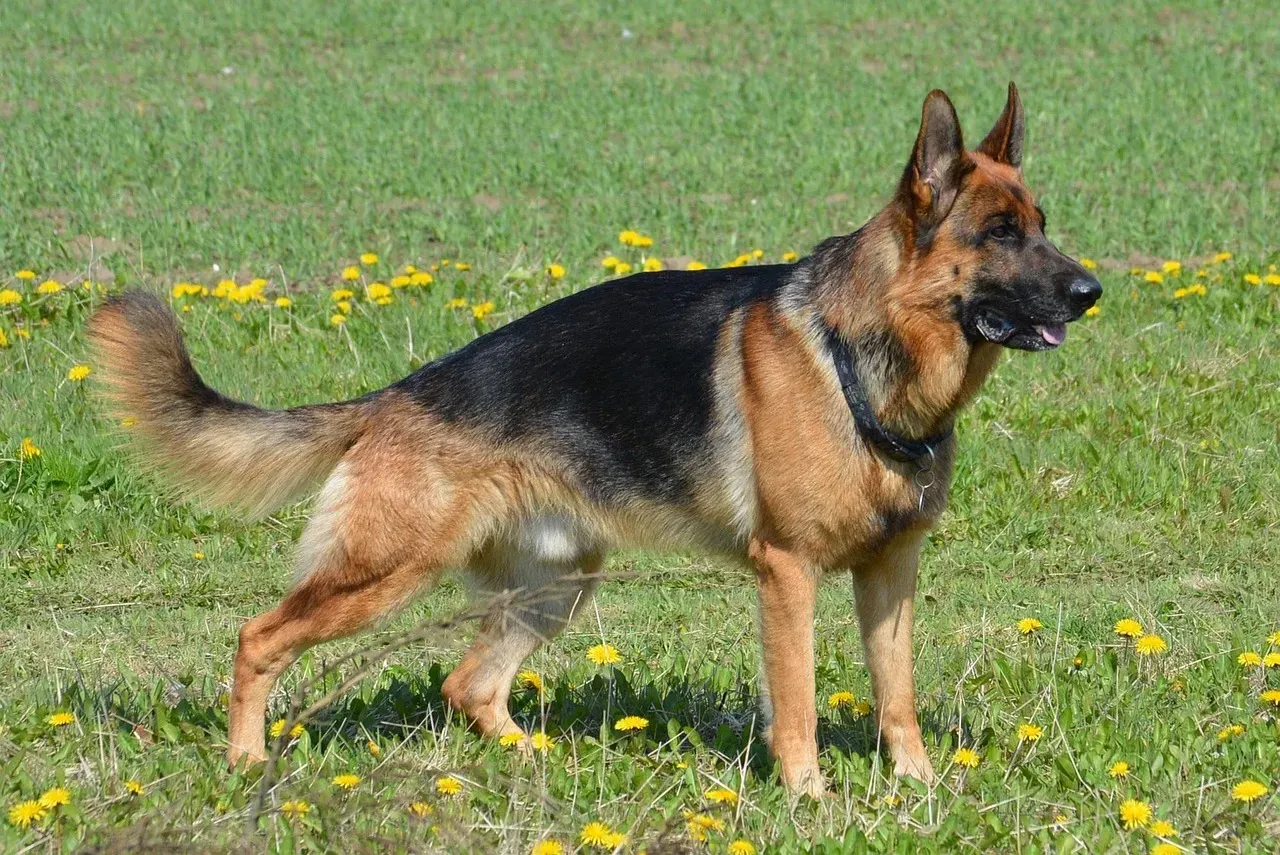
German Shepherds are impressive, loyal, and intelligent, which makes them very appealing to people who admire their working‑dog heritage. However, they are large, powerful dogs that need consistent training, mental stimulation, and regular exercise to thrive. Those needs can translate into costs for training classes, secure fencing, and sometimes professional help if behavioral issues develop from boredom or under‑stimulation.
On top of that, German Shepherds are known to be at higher risk for hip and elbow dysplasia, degenerative spinal conditions, and some digestive or skin problems. Imaging, surgeries, and long‑term medications for these issues can seriously strain a fixed income. While some retirees with ample resources and strong mobility do wonderfully with this breed, they are generally not a low‑cost or low‑maintenance option, and choosing them without a generous budget can set you up for financial stress.
14. Great Dane – Gentle Giant, Giant Bills
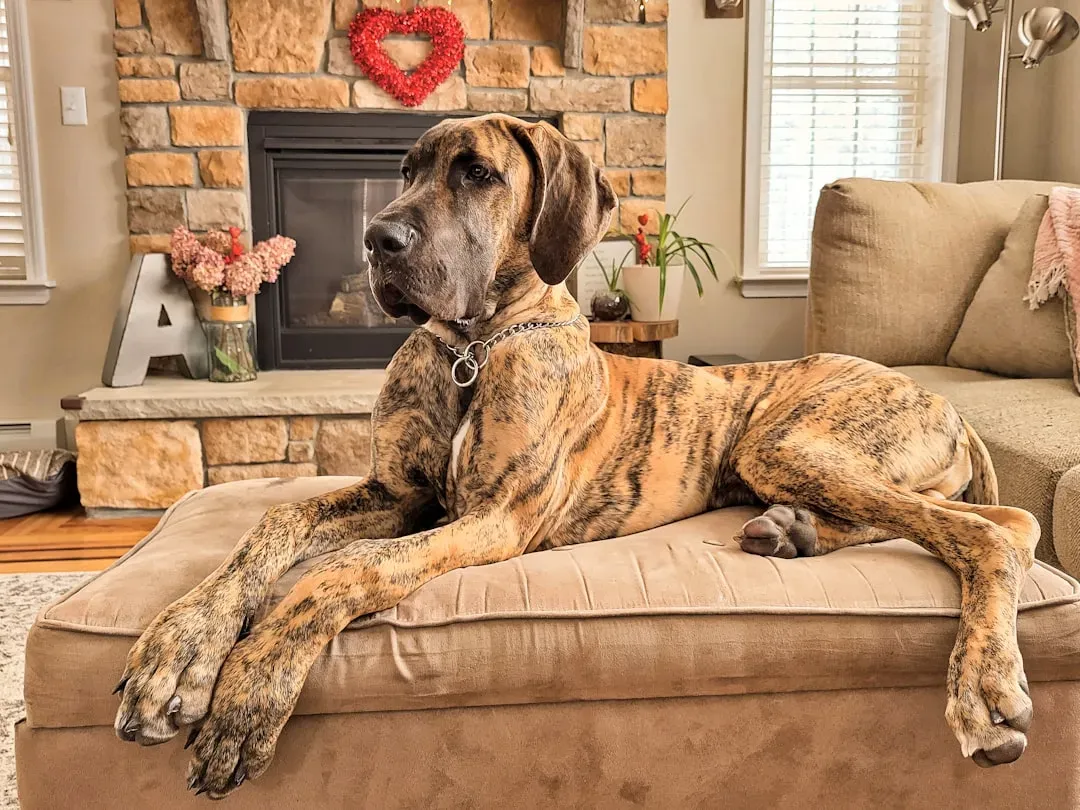
Great Danes are often called gentle giants, and many of them truly are calm, sweet, and easygoing in the home. Their slower pace and affectionate nature can seem like a perfect fit for someone who wants a big, comforting presence without a hyperactive personality. Unfortunately, almost everything about a Great Dane is large – and that includes the bills.
They consume significant amounts of food, require larger crates and beds, and often have higher doses of medications and preventatives because of their size. On the health side, they are at increased risk for bloat, heart disease, and bone or joint issues, all of which can involve emergency surgeries or specialized care. When you add in a generally shorter lifespan, the cost per year of life with a Great Dane can be painfully high for retirees on a fixed income, even if the emotional reward is substantial.
15. Yorkshire Terrier – Tiny Body, Manageable but Not Minimal Costs

Yorkshire Terriers, or Yorkies, combine a small frame with a big personality, which many retirees find delightful. Their tiny size helps keep food, boarding, and some medication costs relatively low over their lifetime. They are often content with indoor play and short walks, making them well suited for people who cannot manage long hikes or heavy physical activity.
Their fine, silky hair does require regular grooming, whether at home or with a professional, and they can be prone to dental problems, collapsed trachea, and some eye issues. These health concerns do not automatically make them high‑cost, but they do underline the importance of preventative care like dental cleanings and weight management. For retirees who plan and budget for grooming and routine vet visits, Yorkies can be a good compromise between manageable costs and lively, long‑lived companionship.
Opinionated Conclusion: Matching Your Heart to Your Wallet

When I think about dogs and retirement, I always come back to this uncomfortable truth: love does not cancel out vet bills. I have seen people choose a dream breed, only to feel guilty and trapped later when medication, surgeries, or special diets start to compete with rent, groceries, or their own medical care. It is not a lack of love; it is simple math clashing with a fixed income.
The breeds that usually make the most sense for retirement are smaller, sturdier, and less extreme in body shape: Chihuahuas, Toy Poodles, mixed‑breeds, and many of the compact companion dogs that thrive on routine and moderate exercise. The breeds that tend to blow up budgets are the very large, heavily engineered, or ultra‑popular ones with known health risks, no matter how adorable or impressive they are. In my view, the kindest choice you can make – for yourself and for the dog – is to pick a breed or individual whose needs you can reliably meet for their entire life, not just while everything goes smoothly. Looking at your heart and your bank account at the same time may feel unromantic, but it is one of the most loving things you can do; if you had to decide today, which dog would let you sleep at night knowing both of you are truly cared for?


