
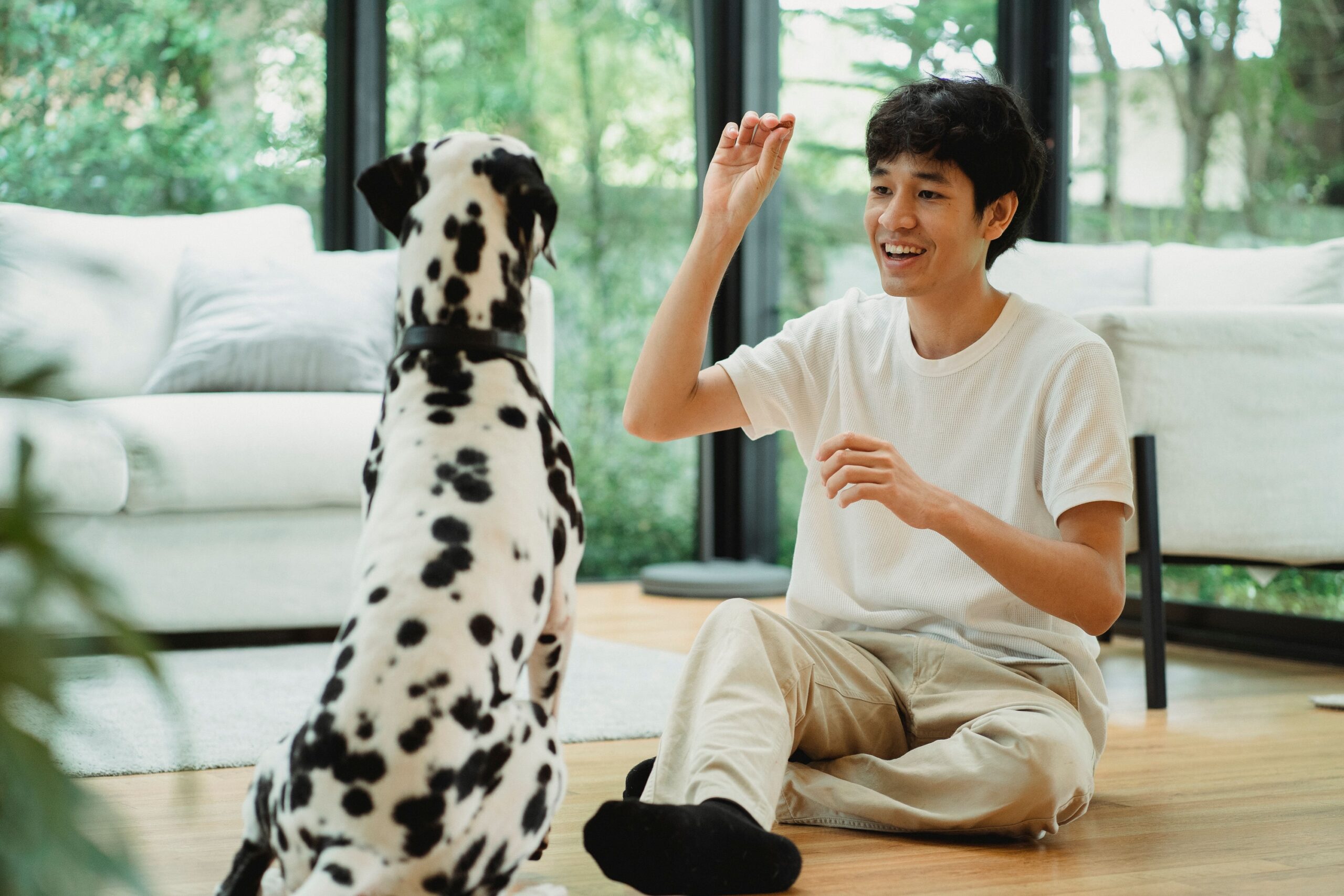
If you live with a dog long enough, you start to notice something almost spooky: they don’t just share your life, they quietly reshape themselves around it. A bouncy puppy somehow learns to tiptoe around a sleeping baby, a wild adolescent settles into a slower rhythm with an older person, and a high-octane herding dog can become a couch companion for a gamer who rarely leaves the house. It looks like magic, but there’s a lot of biology, learning, and emotional attunement underneath.
What fascinates me most is how subtle it often is. Your dog doesn’t sit down and think through a game plan; they just keep reading your body language, habits, and mood, and then adjust. Over time, those tiny adjustments add up into a dog that feels “made” for you. Let’s unpack how that actually happens, and look at twelve specific level.
1. Matching Your Daily Activity Level (From Marathon Buddy to TV Twin)
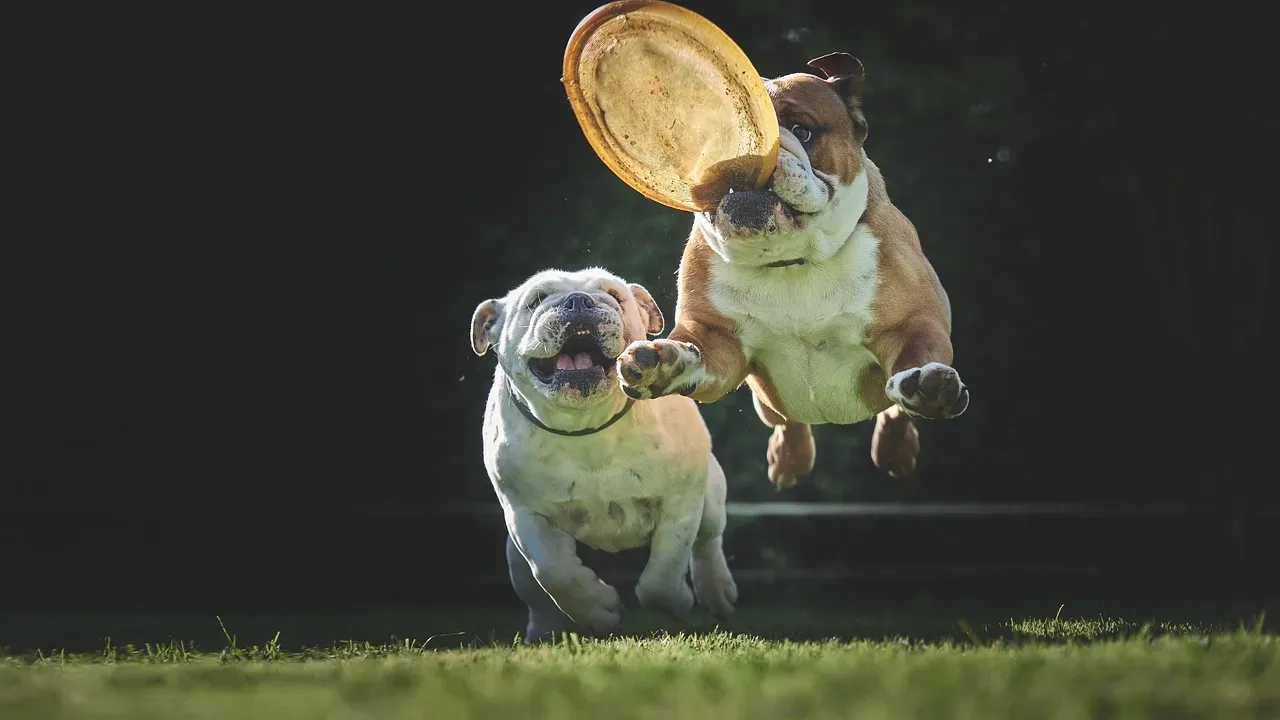
One of the most striking ways dogs adapt is by syncing to your overall pace of life. Highly active owners tend to end up with dogs that are always ready to go, while more sedentary people often report dogs that are oddly content to nap a lot, even if the breed is known for being energetic. Dogs do have genetic baselines, but they also learn what “normal” looks like in your household and begin to treat that as their default.
Over months and years, a dog raised with a runner is likely to develop more endurance, better muscle tone, and a strong expectation that mornings or evenings mean movement. The same dog in a quieter home might learn to expend short bursts of energy in play and then settle for long stretches. It is not that the dog becomes a different species; it is that their natural flexibility allows them to widen or narrow their “energy budget” to fit how you live.
2. Adjusting Sleep–Wake Cycles to Your Schedule
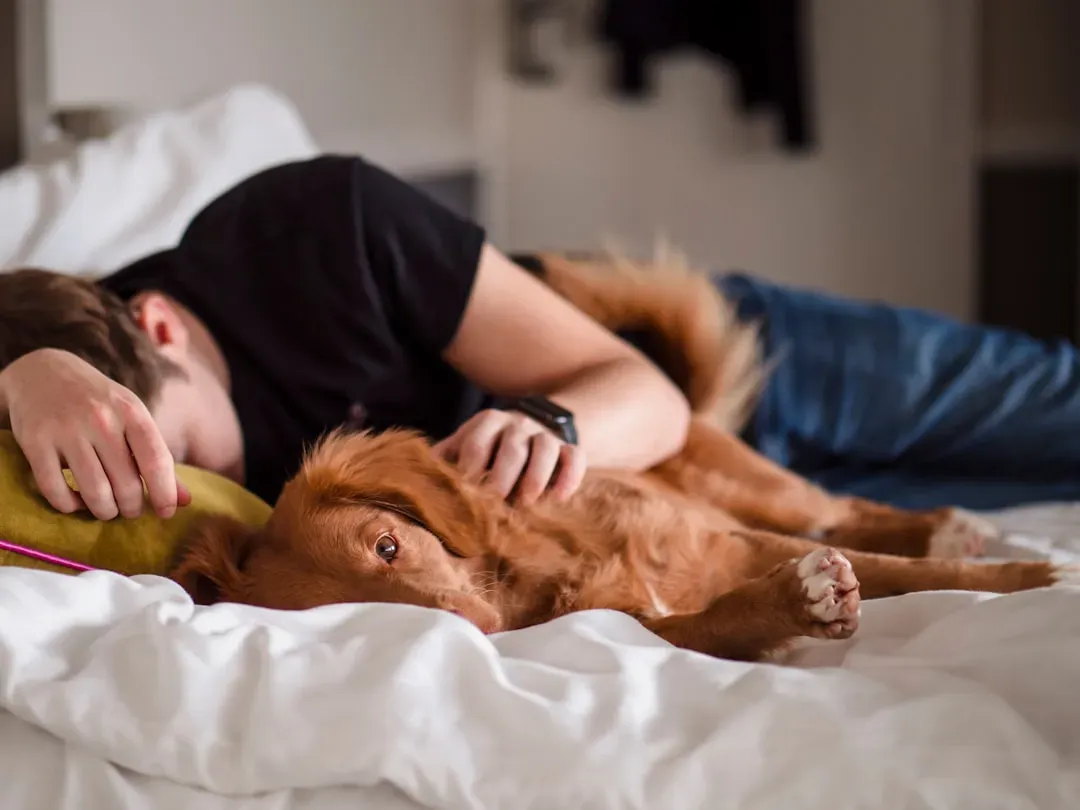
Dogs are naturally flexible sleepers, and they use that gift to adapt to their owner’s age and routine. A student staying up late gaming will often find their dog napping nearby at 1 a.m. and then sleeping in later the next morning. In contrast, a retired person who wakes before sunrise may notice their dog becoming a surprisingly reliable furry alarm clock, awake and ready as soon as feet hit the floor.
This is not just convenience; it is biology adapting to context. Dogs watch for patterns in light, sound, and movement in the home, then tune their internal body clock to match. Over time, older owners who take afternoon naps may notice their dog curling up with them at that exact time every day, while families with kids may see their dog perk up during after-school hours, when the house consistently becomes more energetic and noisy.
3. Modulating Play Style for Kids vs. Adults vs. Seniors
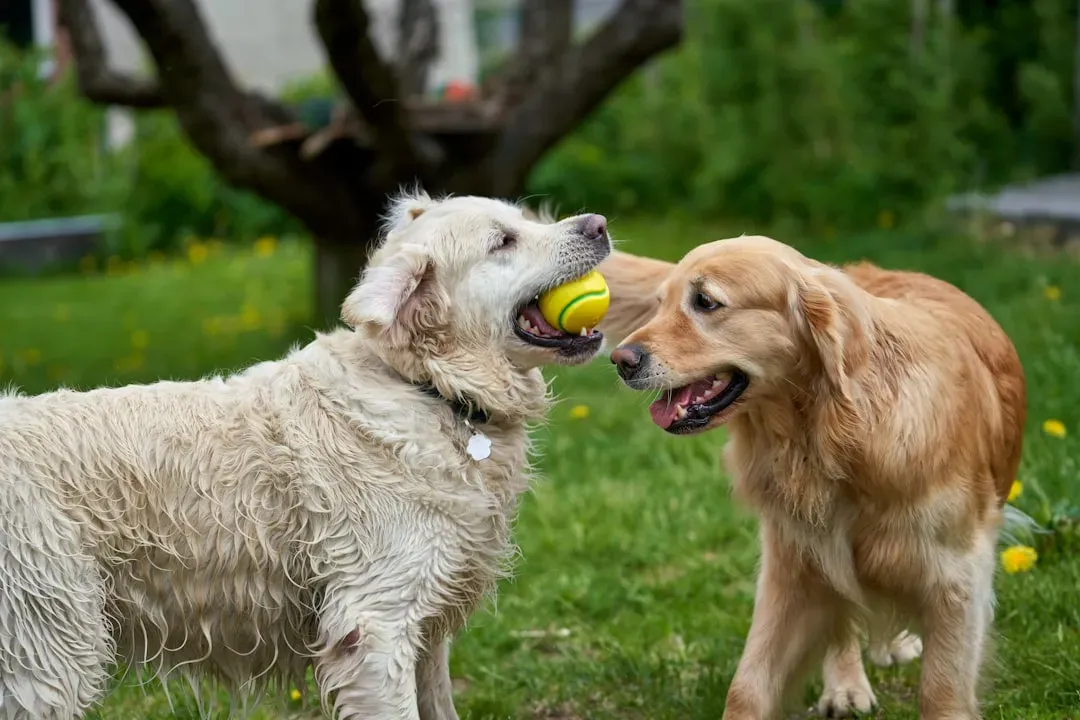
Many dogs are remarkably good at shifting how they play depending on who they are with and how fragile or solid that person seems. With children, a dog may switch to gentler mouthing, slower movements, or more fetch and less wrestling. Around older adults, they may become more careful around feet, avoid jumping up, or swap chaotic zoomies for quieter toy games on the floor.
This ability comes from a blend of feedback and learning. Rough play with a strong, athletic adult might be rewarded with laughs and more play, while the same intensity around a toddler quickly leads to negative consequences or anxious human reactions. Dogs that are socially aware notice this difference, and over time they sort people into “play modes,” adjusting their energy level and body language case by case, almost like a person using different tones of voice with a child versus a boss.
4. Tuning Their Emotional Radar to Your Stress and Fatigue
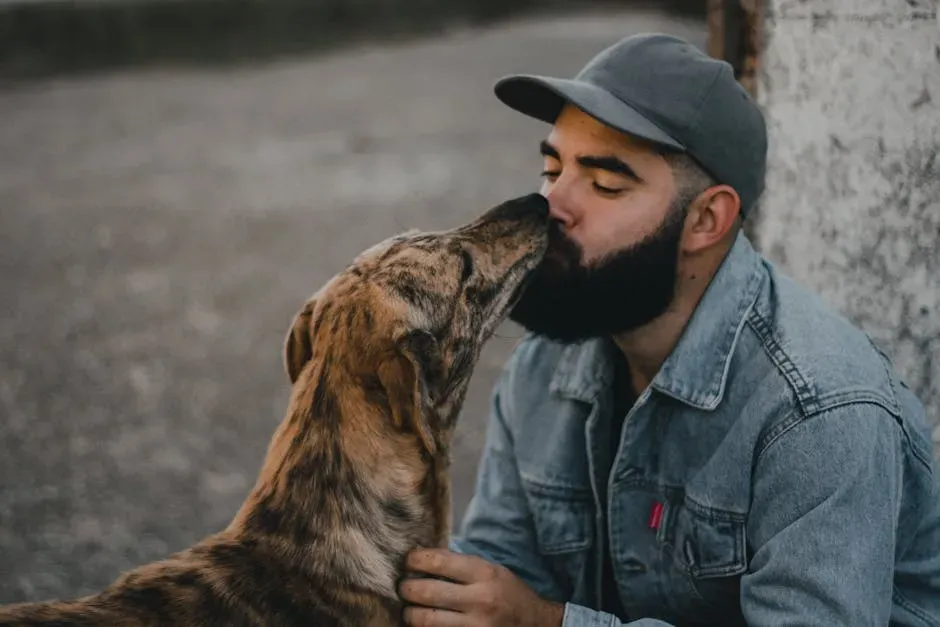
Dogs are unusually sensitive to human emotional cues, and this plays a huge role in how they adapt to an owner’s energy and age. A tired parent juggling work and kids might find the dog becoming calmer and more clingy in the evenings, lying nearby instead of begging for an intense game. A teenager going through a rough patch may notice the dog nudging in for quiet contact more than usual when there is crying or long silent stretches.
This is not just guessing. Dogs respond to subtle changes in posture, facial expression, voice tone, and even body chemistry, such as stress-related hormones that can alter our scent. Over time, a dog living with a chronically tired or older person who moves more slowly may learn that gentle companionship and low-key affection yield more connection than frenetic demands. That learning gradually shapes a dog that seems mysteriously “in tune” with a calmer, more vulnerable human.
5. Shifting Their Communication Style for Different Ages
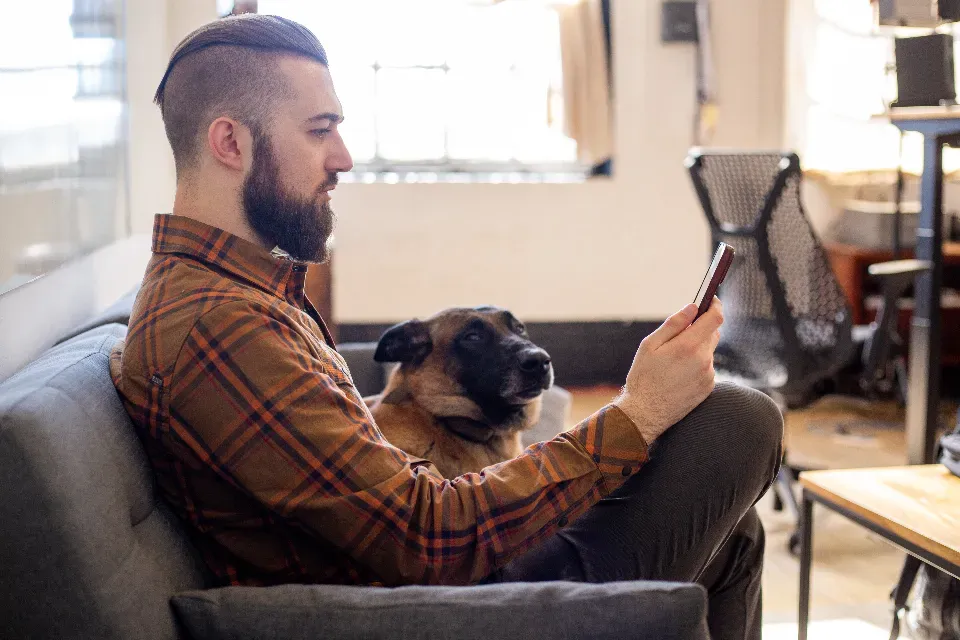
Just as humans talk differently to a toddler than to a grandparent, dogs often change how they “speak” depending on their owner’s age and responsiveness. Around active, quick-moving adults, they may use more overt signals like leaping, barking, or big play bows to initiate interaction. With older adults or people with limited mobility, dogs frequently rely more on eye contact, gentle nudges, and soft vocalizations instead of explosive body language.
Dogs learn which signals actually work with which people. If jumping up on a strong teenager gets immediate play, that behavior is reinforced. If the same jumping leads an older person to stumble or react strongly, the dog may receive negative feedback or simply fail to get what they want. Over time, they refine their style, using calmer, clearer signals with more vulnerable humans, like resting their head on a knee or quietly following someone into a room instead of dashing in front of them.
6. Calibrating Physical Contact: From Wrestling Buddy to Gentle Leaner

Physical touch is one of the main ways dogs adapt to the energy and fragility of their humans. A dog living with strong, roughhousing teens may learn that full-body tackles and rolling on the floor are perfectly acceptable forms of affection. The same dog, if kept by an elderly person with joint issues, is more likely to become a gentle leaner, pressing lightly against a leg or curling carefully beside them without putting much weight on sensitive areas.
Dogs learn to read how much pressure and intensity a particular human can tolerate, often with surprising nuance. They adjust how often they paw, where they rest their body, and how they climb into laps. It is common to see the same dog give a careful, delicate greeting to a grandparent, then immediately switch to boisterous bouncing with a middle-schooler in the same family, as if flipping a physical contact dial up and down on command.
7. Adapting Leash Behavior and Walking Pace
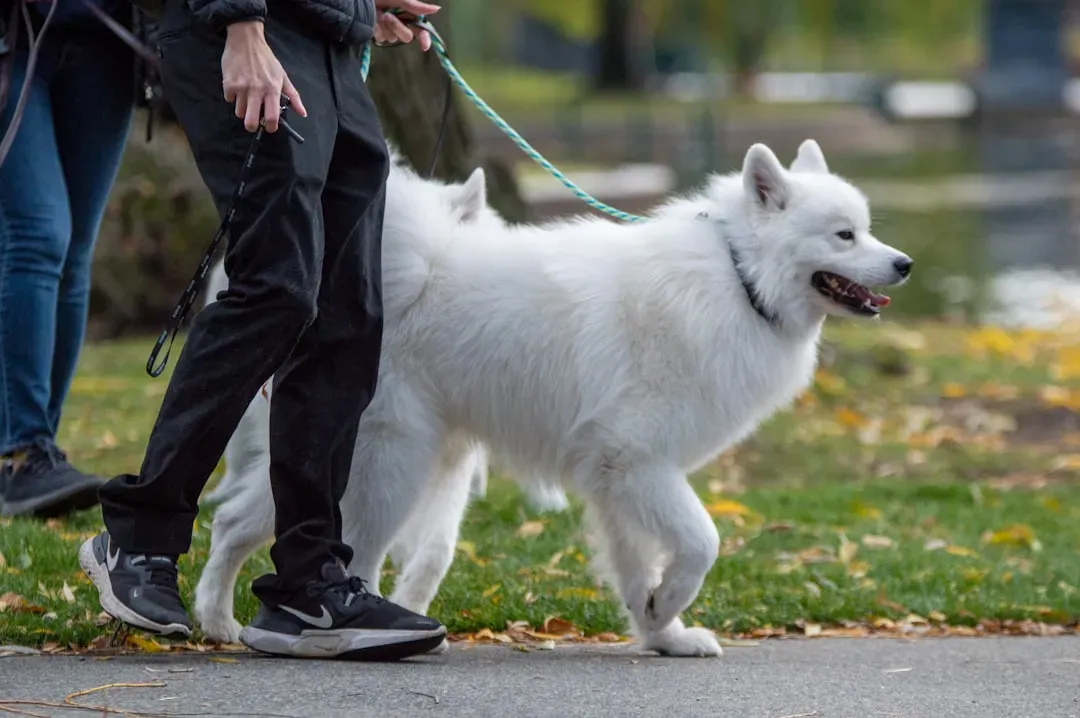
Walks are where the difference between a high-energy twenty-something and a slower, older adult becomes very visible, and many dogs adapt impressively. An energetic person may naturally walk faster, reward the dog for jogging, and tolerate more pulling or zig-zagging. In response, their dog may adopt a brisk, exploratory walking style that matches that energetic rhythm.
By contrast, dogs with older or less mobile owners often learn to slow down, keep closer, and stop less abruptly. Part of this comes from direct training, but part is simply repetition: if walks are always short, steady, and deliberate, that pattern becomes the new normal. Over time, the dog may check in with the owner more often, glance back to see if they are keeping up, and stand more still when the leash tightens rather than plowing ahead with youthful force.
8. Editing Their Vocal Habits for Noise-Tolerant vs. Quiet Homes
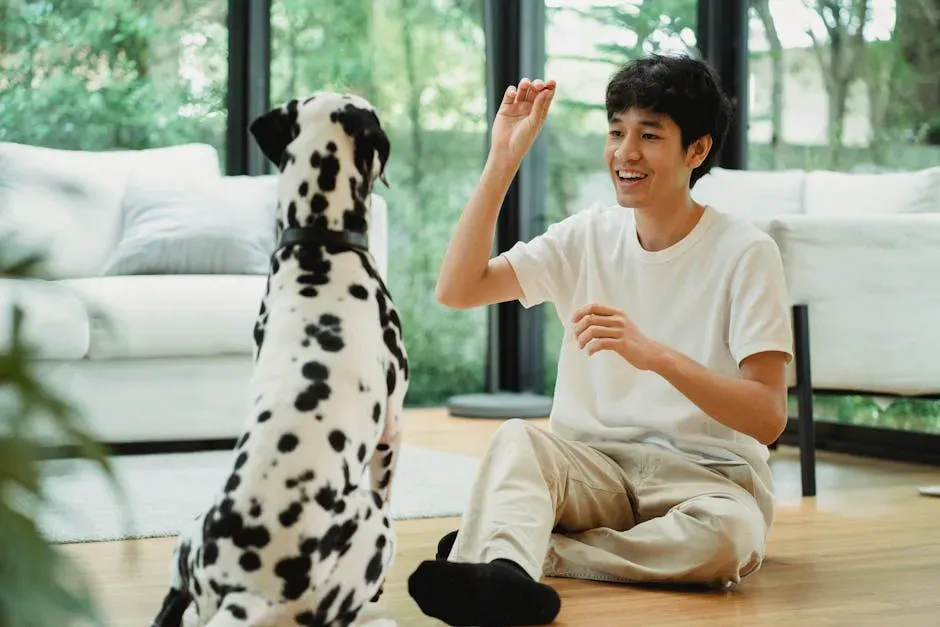
Dogs are not robots, but they do adjust their vocal patterns based on the reactions they get, and this often lines up with the owner’s age and tolerance for noise. Younger adults or families with kids may respond playfully to excited barking during games, reinforcing a more vocal personality. In those homes, barking can become part of the shared energy, almost like the dog is another loud family member hyping everyone up.
In contrast, people who crave peace – often older adults or those who tire easily – may consistently discourage barking, gently redirect it, or design the environment to prevent triggers. Dogs in these settings, especially the more sensitive ones, may learn that quiet attention, soft whines, or simply sitting and staring gets them what they want more effectively than noise. Over time, their entire “conversation style” can shift to fit the soundscape that feels comfortable for their human.
9. Adjusting Curiosity and Exploration to Your Lifestyle
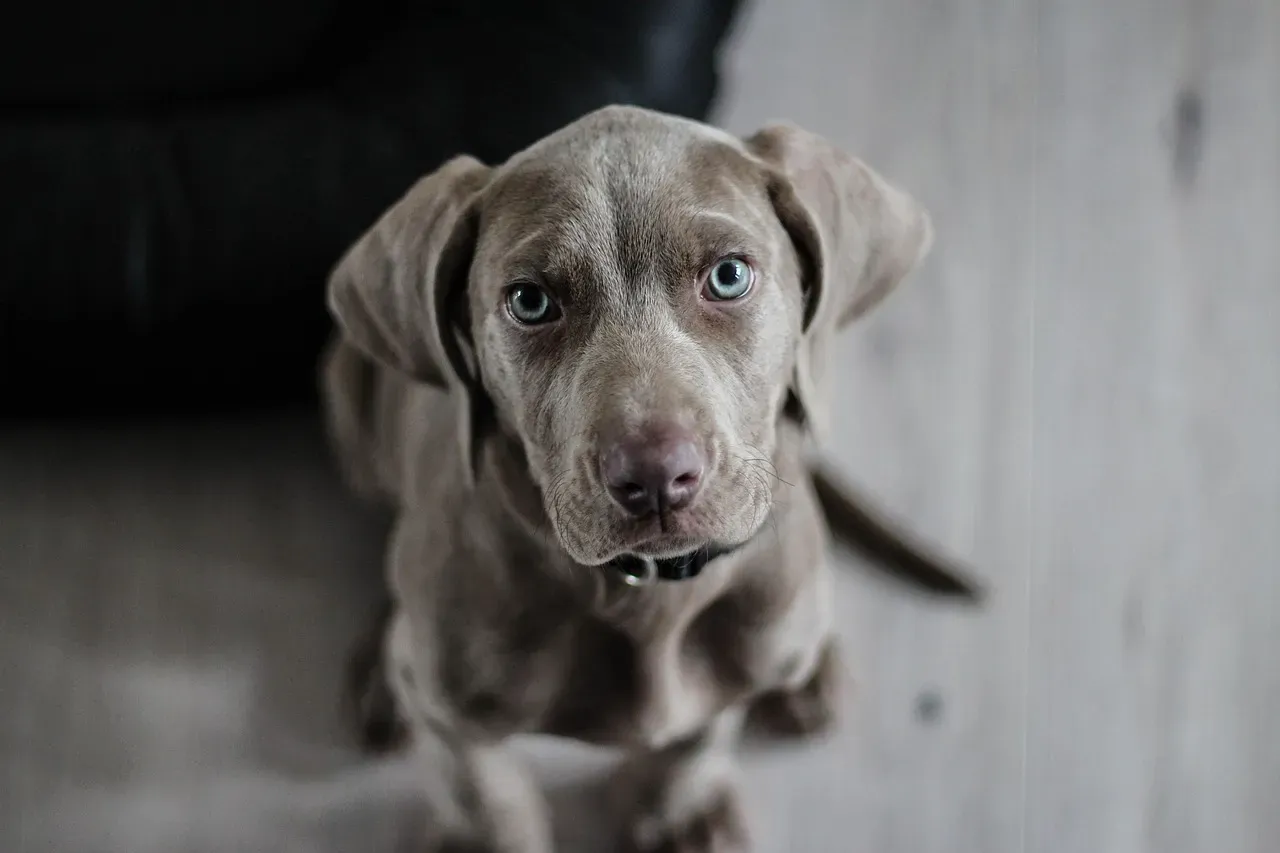
Dogs naturally vary in curiosity, but how much they explore the world often reflects their owner’s habits and age. Active owners who hike, travel, or socialize a lot tend to bring their dog into many different environments – parks, cafes, friends’ houses. In that context, a dog may become bolder, more exploratory, and more mentally stimulated, because the world keeps offering new puzzles to solve and smells to catalog.
On the other hand, an older or more home-based owner may have a simpler daily routine, with fewer new places and people. Dogs in those homes often focus their curiosity inward: they become experts in the micro-world of the house and yard, tuned into tiny changes like a moved chair, a new plant, or a neighbor’s schedule. Their mental energy is still there, but they funnel it into mastering a smaller, more predictable universe, mirroring the owner’s tighter life radius.
10. Tailoring Guarding and Watchdog Behavior to Perceived Need

Dogs often adjust their protective and watchdog instincts according to how vulnerable or capable their human seems. A large, confident person who moves quickly and reacts assertively may unintentionally teach the dog that the human can handle most things, so the dog focuses on alerting lightly and then standing down. In that environment, overprotectiveness is less rewarded and may even be corrected more firmly.
With a frailer or older person, especially one who lives alone, some dogs become more vigilant, positioning themselves between the owner and the door or reacting more intensely to knocks and strange sounds. The dog may be responding both to the owner’s subtle anxiety and to the quieter, emptier home environment, where unusual noises stand out more. Across time, the pattern of which behaviors get comforted, praised, or tolerated nudges the dog toward a protective style that feels tailored to that specific human’s apparent needs.
11. Matching Mental Stimulation to Your Cognitive Pace
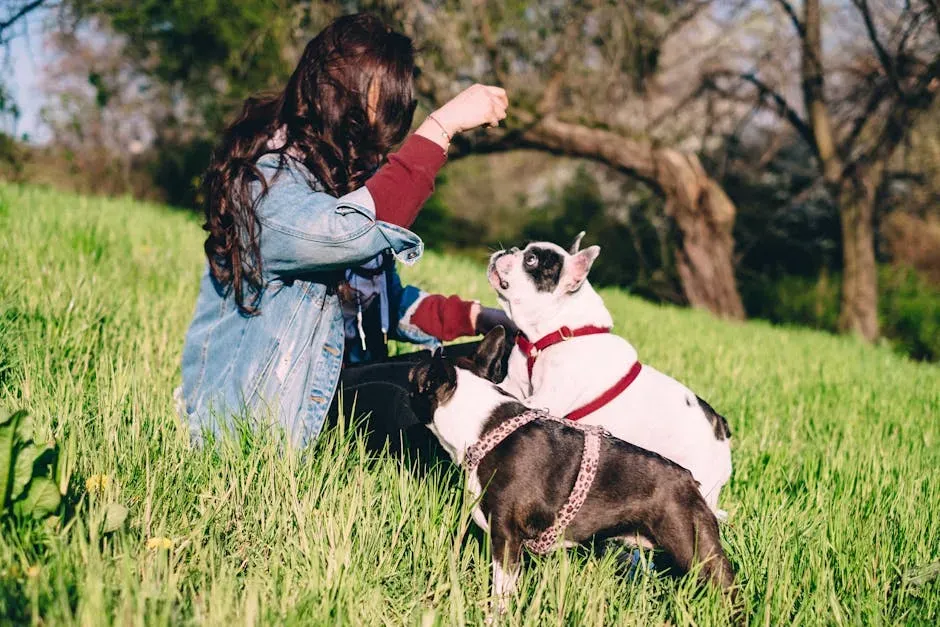
Dogs do not just match physical energy; they also align somewhat with their owner’s mental tempo. People who enjoy teaching tricks, puzzle games, or scent work usually have dogs that are mentally sharper and more persistent, because their brains get regular workouts. Those dogs may develop a habit of offering new behaviors, testing ideas, and seeking out new challenges, all of which reflect a higher “cognitive energy” at home.
In quieter, slower-paced homes, especially with older adults who may prefer routine and fewer surprises, dogs often lean into predictability as well. They may become masters of a few well-rehearsed cues and daily rituals rather than constantly pushing for novelty. This does not mean they are less intelligent; it just means their mental world is organized around comfort, repetition, and emotional connection more than innovation and mental aerobics.
From my own experience, living with a dog while recovering from burnout was eye-opening. When my energy dropped, my dog naturally started choosing calmer games and shorter training sessions, even though I had raised him on fast-paced activities. He still waited hopefully by the toy basket, but when I suggested a quiet cuddle instead, he adjusted without resentment, as if he sensed that my bandwidth had shifted.
12. Gradually Aging in Sync With You
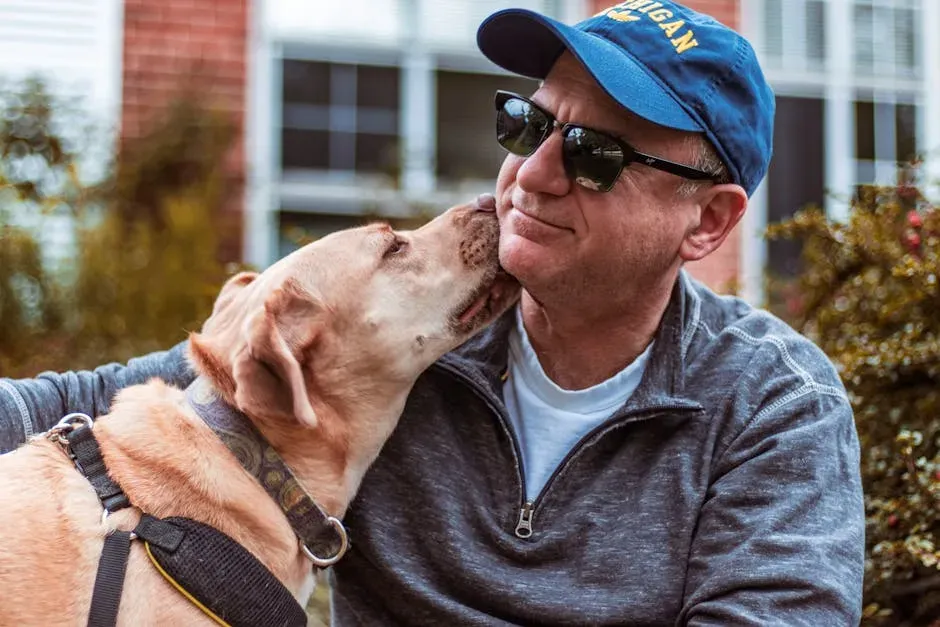
Perhaps the most moving adaptation of all is how many dogs seem to “age with” their people. A dog that is hyperactive at two years old can be peacefully padding alongside a middle-aged owner at ten, both of them a little slower but perfectly matched. The dog’s natural aging process interacts with the owner’s changing lifestyle – career shifts, health changes, parenthood, or retirement – so that the pair often end up in a similar energy range later in life.
Owners sometimes describe this as their dog becoming wiser, more soulful, or more considerate with age. From a scientific point of view, there is a blend of physical decline, accumulated learning, and long-term emotional bonding going on. Yet from the inside, it simply feels like two beings growing old together, continuously adjusting to each other’s new limits and comforts, the way long-time friends quietly fall into the same pace on a familiar walk.
Conclusion: Dogs Don’t Just Fit Our Lives – They Shape Themselves Around Them
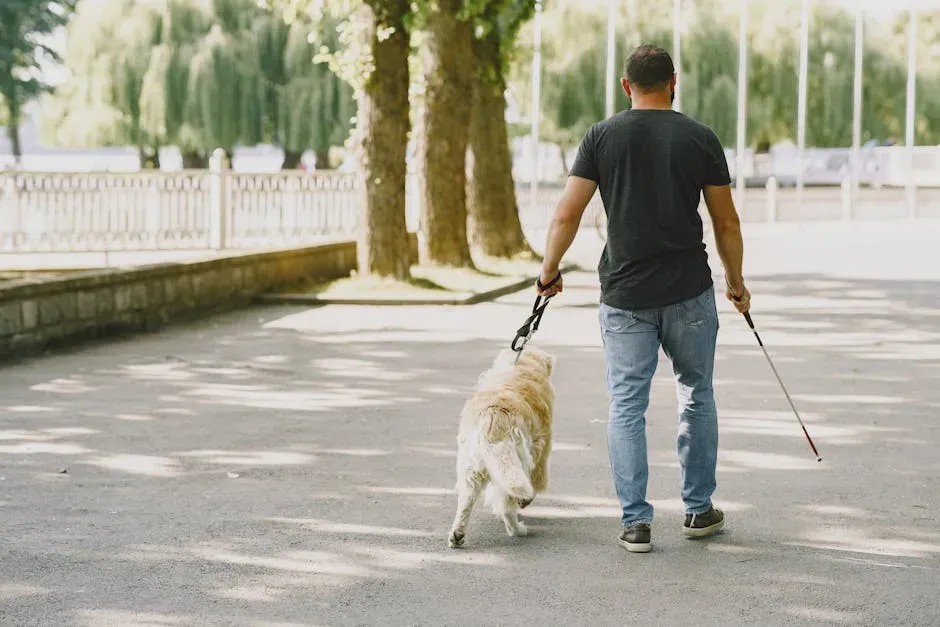
When you really look at all these small adjustments, it is hard not to see dogs as one of the most adaptable companions humans have ever lived with. They do not just tolerate our age and energy; they bend around it, learning when to sprint and when to settle, when to be loud and when to whisper, when to guard and when to simply lean in and breathe with us. That adaptability is not perfect and not every dog can thrive in every situation, but the underlying willingness to meet us where we are is extraordinary.
In my opinion, we owe them the same effort back: if they are constantly reshaping themselves to our phase of life, the least we can do is notice, respect their needs, and give them a lifestyle that suits their own body and mind as well. A young working breed in a retired household still needs outlets, and a senior dog in a marathon runner’s life deserves gentler expectations. Maybe the real magic happens when both sides adapt, not just the dog. When you look at your own dog, can you see the ways they have quietly edited themselves to match the person you are today?


