
There’s something quietly heartbreaking about an old dog who still follows you from room to room, even when every step costs a little more than it used to. Senior dogs rarely make grand gestures; instead, they give us a thousand tiny sacrifices, offered so gently we barely notice them until we stop and really look.
When you understand what’s going on in their aging bodies and minds, those “little” things hit different. The way they struggle off the bed when you stand up, the way they hold their bladder longer than they should, the way they sleep lighter just to listen for you. None of it is accidental. These are deliberate choices, shaped by years of bonding, habit, and love.
1. Forcing Their Aging Joints to Move, Just to Follow You
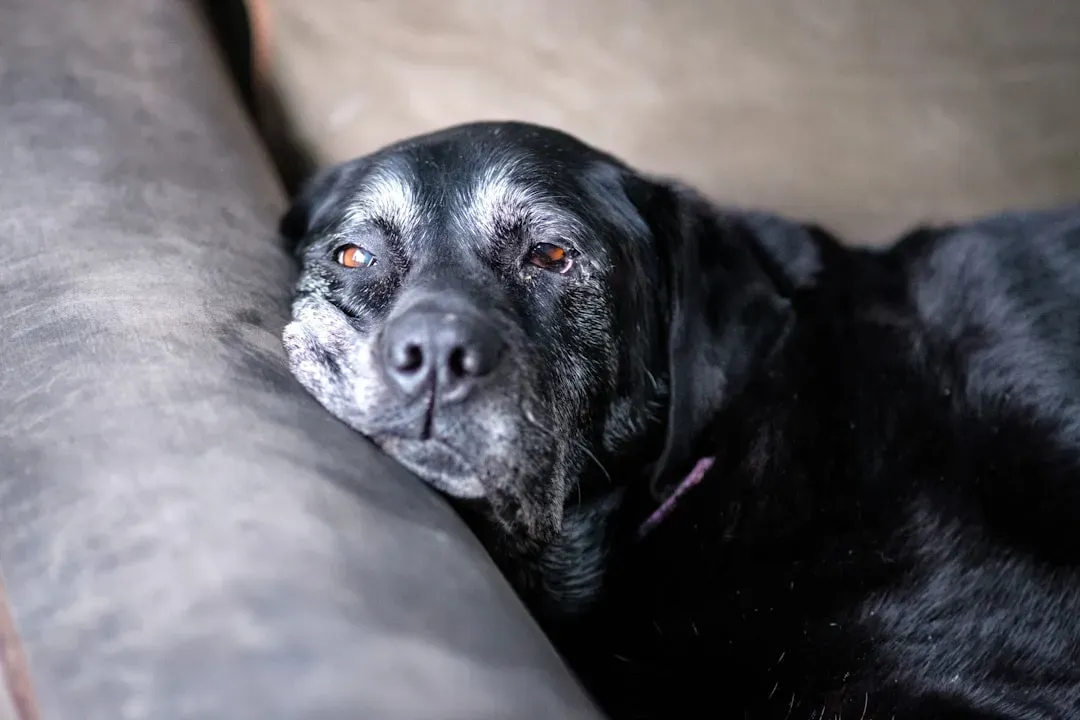
One of the most visible sacrifices senior dogs make is simply deciding to get up. Arthritis, reduced muscle mass, and joint degeneration are extremely common in older dogs, and even a short walk from the couch to the kitchen can feel like climbing a steep hill. Yet many older dogs will still heave themselves up, hips stiff and gait uneven, just because they saw you leave the room.
This is not just “routine” or mindless habit; it is attachment in motion. Dogs form strong social bonds, and proximity to their human is part of how they feel safe and calm. So your dog might ignore the discomfort of creaky joints and rising pain signals just to lie down at your feet again. It’s like a grandparent insisting on standing at the door to wave goodbye, even when sitting would hurt less. They know it would be easier to stay put, but being with you still matters more.
2. Holding Their Bladder Longer So They Don’t Miss You
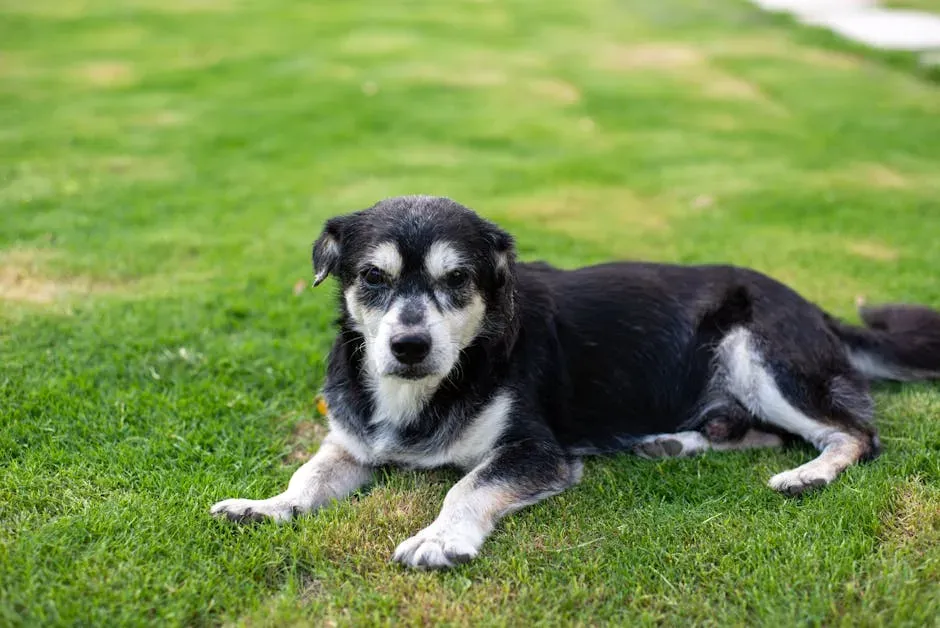
A lot of senior dogs develop some degree of urinary incontinence or reduced bladder control. Paradoxically, many of them also work harder than ever not to have accidents in front of you. That can mean holding it longer than is comfortable if going outside or to a pee pad means leaving the room where you’re sitting. They may wait until you get up to move, even when their body was ready ten minutes earlier.
This is partly learned house-training and partly emotional. Dogs generally do not like soiling the spaces where their family spends time, and older dogs who have “known the rules” for years often cling to them even more tightly. So they sacrifice physical ease and comfort to keep doing what they think you want. It’s a quiet kind of loyalty: ignoring their own needs for a while so they can keep lying next to your chair or on the rug by your bed.
3. Sleeping Lightly So They Can Hear You Move
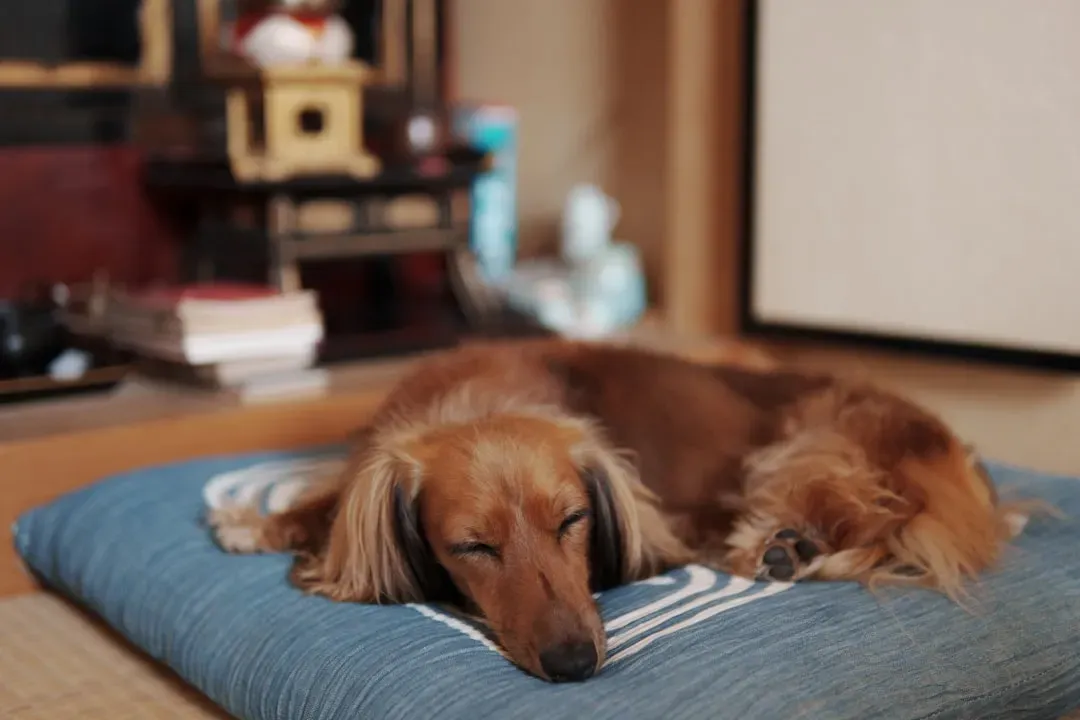
Senior dogs tend to sleep more hours overall, but the quality of that sleep can be surprisingly shallow, especially when you are home. You might notice that your older dog dozes with one ear half-cocked, or wakes up as soon as you shift in your seat or stand up. Even with age-related hearing loss, many will still rouse at the subtle sounds of you walking across the room or opening a door.
From a biological standpoint, dogs are wired to monitor their social group and adjust their behavior to stay close. For older dogs, that means sacrificing deep, restorative sleep to keep track of you. They are essentially trading better rest for the chance not to miss your next move. It’s like choosing to nap on a noisy couch instead of a quiet bedroom, simply because that noisy couch is near the person you love.
4. Tolerating More Touch, Even When Their Body Is Tender
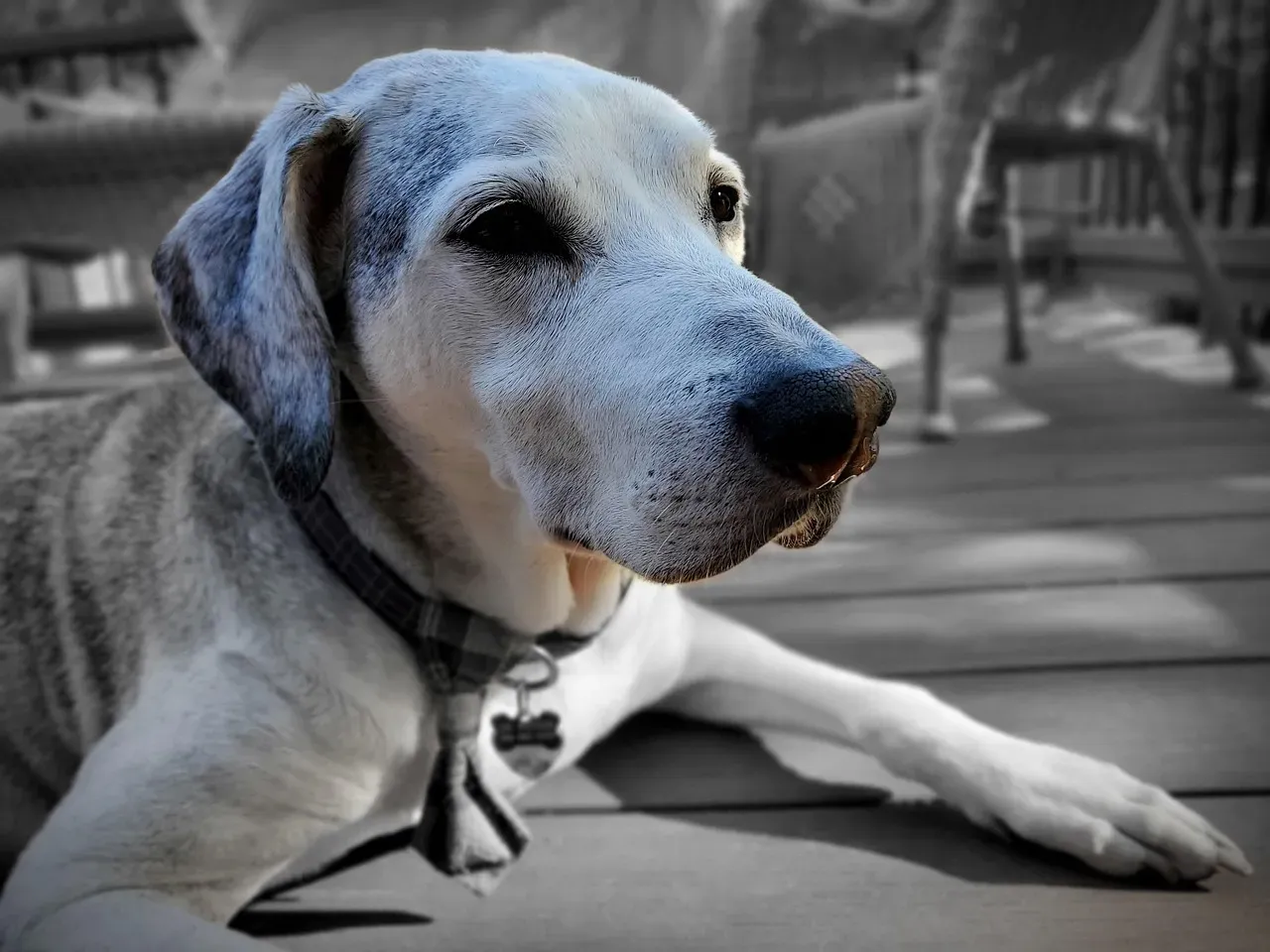
As dogs age, their tolerance for certain types of touch can actually decrease, not because they love you less, but because their bodies hurt more. Arthritic joints, sensitive spines, and stiff necks can make hugging, rough petting, or being lifted uncomfortable. Yet many senior dogs still put up with clumsy affection from kids, enthusiastic guests, or even from us when we forget to be gentle.
You can sometimes see the sacrifice in the tiny flinch, the brief lip lick, or the way their eyes soften even as their muscles tense. They are choosing connection over comfort, allowing contact that is a bit too much simply because they sense it matters to you. This is not a reason to ignore their signals, of course; it’s a reminder to pay even closer attention. When a dog is willing to endure mild discomfort just to keep you happy, the least we can do is learn what “too much” looks like for them and adjust.
5. Pretending to Be Braver Than They Feel
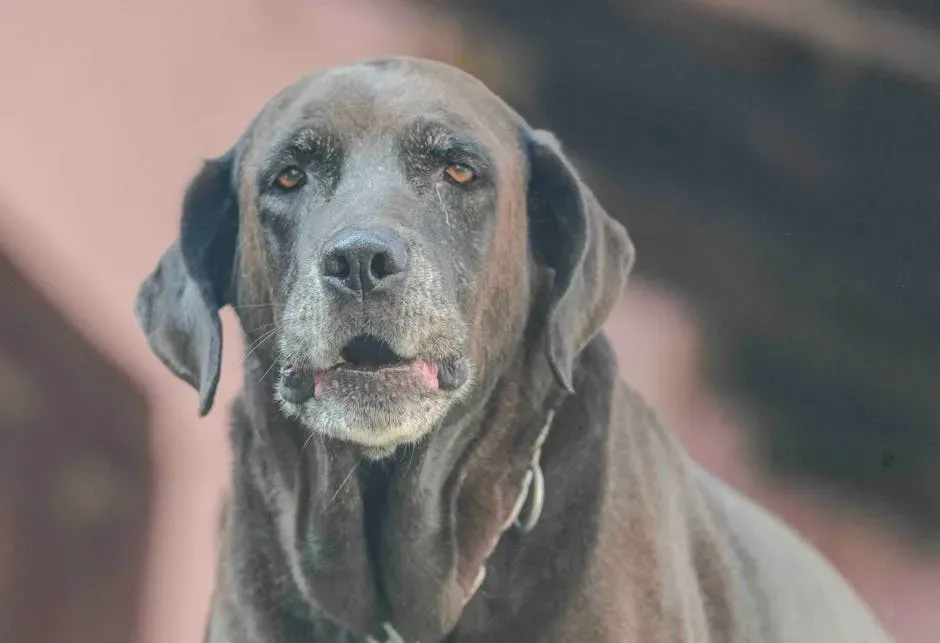
Cognitive changes and sensory loss in senior dogs can make the world feel more confusing and sometimes a bit frightening. Shadows look different, stairs feel steeper, and sudden sounds can be more startling when vision and hearing are dulled. Yet many older dogs will still push through their anxiety to stand beside you at the door, ride in the car, or walk into a new vet’s office because you are there.
What looks like calm bravery is often trust in disguise. Their heart may be thumping faster, their body language a little tense, but they follow your lead anyway. They are choosing to enter situations that feel risky or stressful to them in order to remain close. It’s the canine version of sitting through a turbulent flight for the sake of a family trip: not enjoyable, not easy, but worth it, as long as they are with their person.
6. Giving Up Their Favorite Spots to Stay Near You
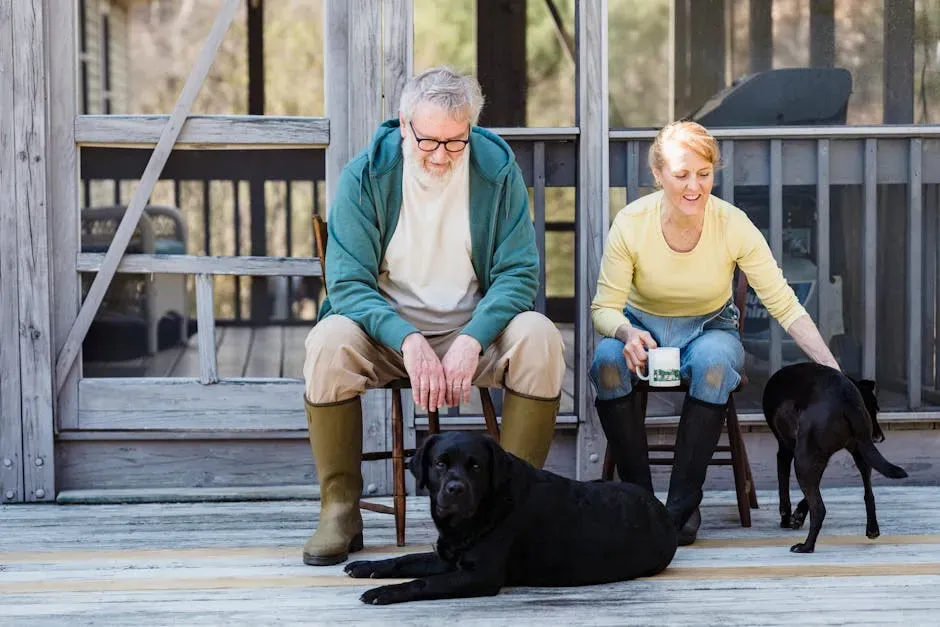
If you pay attention, you might notice your senior dog gradually abandoning the physically easiest places to rest in favor of just being closer to you. Maybe they used to love the cool tiles in the hallway but now struggle across the house to lie on a thinner, less supportive rug in your office. Or they leave a perfectly soft dog bed in the living room to curl up on a narrow mat by your desk where they can feel your feet.
From a comfort standpoint, this does not make sense; softer, thicker, warmer spots are usually better for aging joints. But emotional comfort often wins. They are sacrificing ideal physical conditions to maximize social closeness. In a way, it mirrors how humans will sometimes sleep on a lumpy old couch just to be in the same room as a loved one watching television, instead of going to a comfortable bed alone.
7. Pushing Through Cognitive Confusion to Maintain Routines
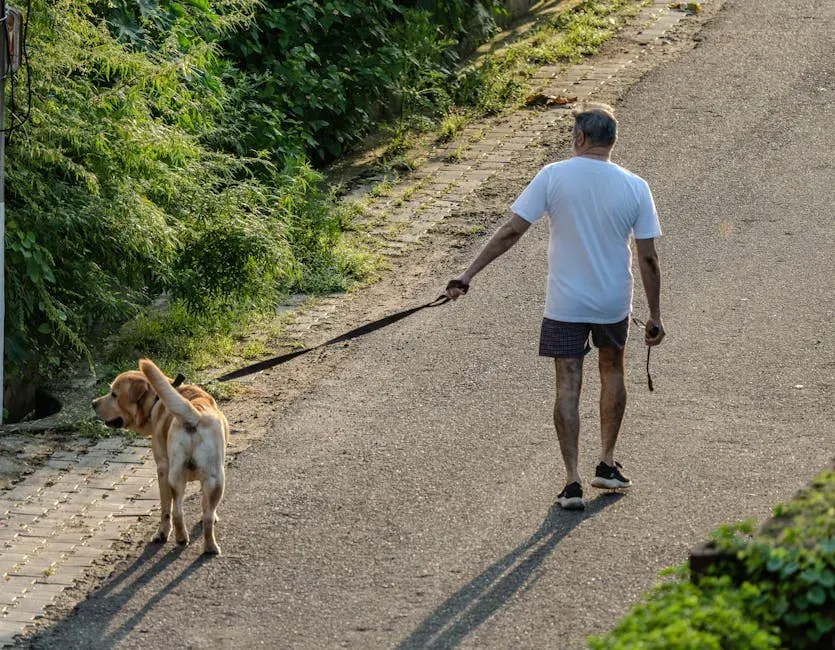
Senior dogs can experience cognitive decline, sometimes called canine cognitive dysfunction, which has similarities to dementia in humans. This can make time, space, and routine feel fuzzy. They may pause at doorways, forget why they walked into a room, or get momentarily turned around in familiar spaces. And yet, many of them will still do their best to perform the daily rituals they know you value.
You might see your older dog hesitating for a beat but then forcing their brain to catch up so they can trot to the door when you pick up the leash, or come to the kitchen at the sound of their bowl. They are working cognitively harder than they did as youngsters just to keep up with “normal life.” That extra mental load is a sacrifice too. They are choosing to push their aging brain to stay in sync with you, rather than drifting completely into their own quiet world.
8. Accepting Boredom Just to Be in the Same Room
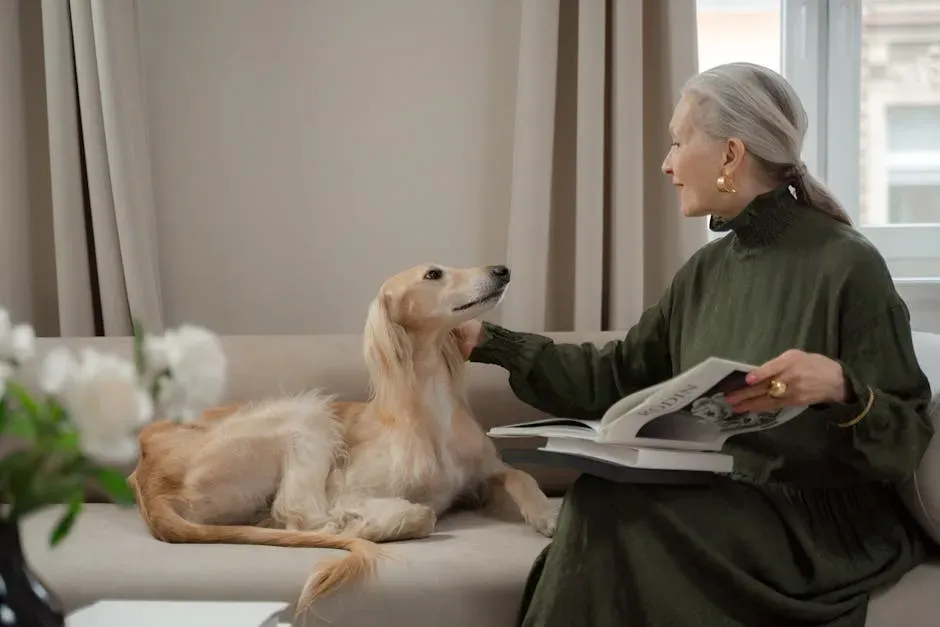
Older dogs may not need the same intensity of play as puppies, but that does not mean they stop craving stimulation or variety. Many senior dogs remain curious and interested, yet they willingly settle into long stretches of inactivity when the household is busy with work, screens, or chores. Instead of seeking out richer sensory experiences in the yard or another room, they often lie down where nothing is happening, simply because that is where you are.
In behavioral terms, they are choosing social contact over environmental enrichment. That might mean giving up the excitement of watching birds through the window or sniffing around outside in order to snooze under your desk while you type. It sounds small, but over weeks and months, that is a real trade-off. They are prioritizing emotional security over entertainment, betting that a quiet afternoon next to you is better than a more interesting afternoon alone.
9. Enduring More Vet Visits and Handling for Your Peace of Mind
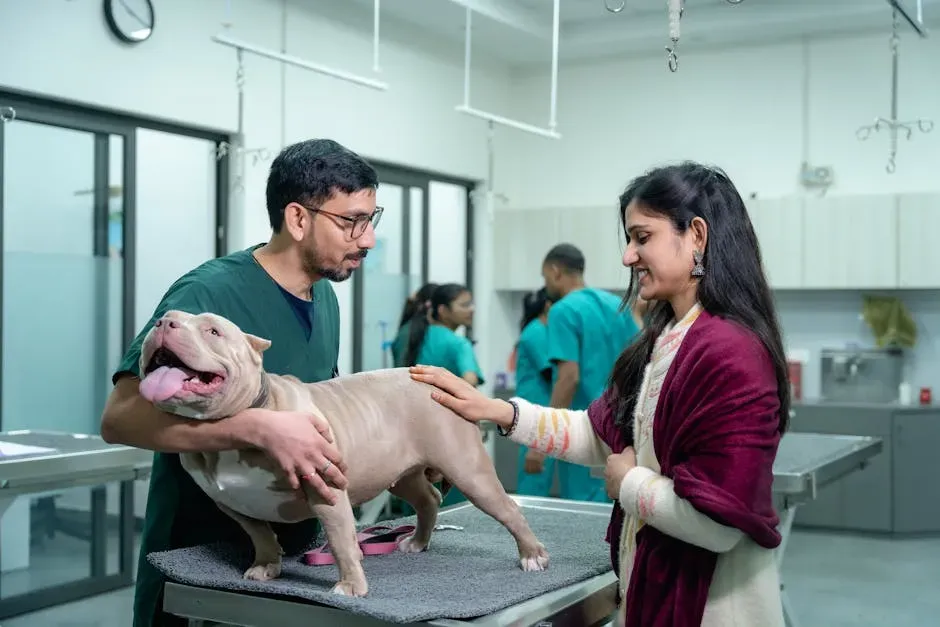
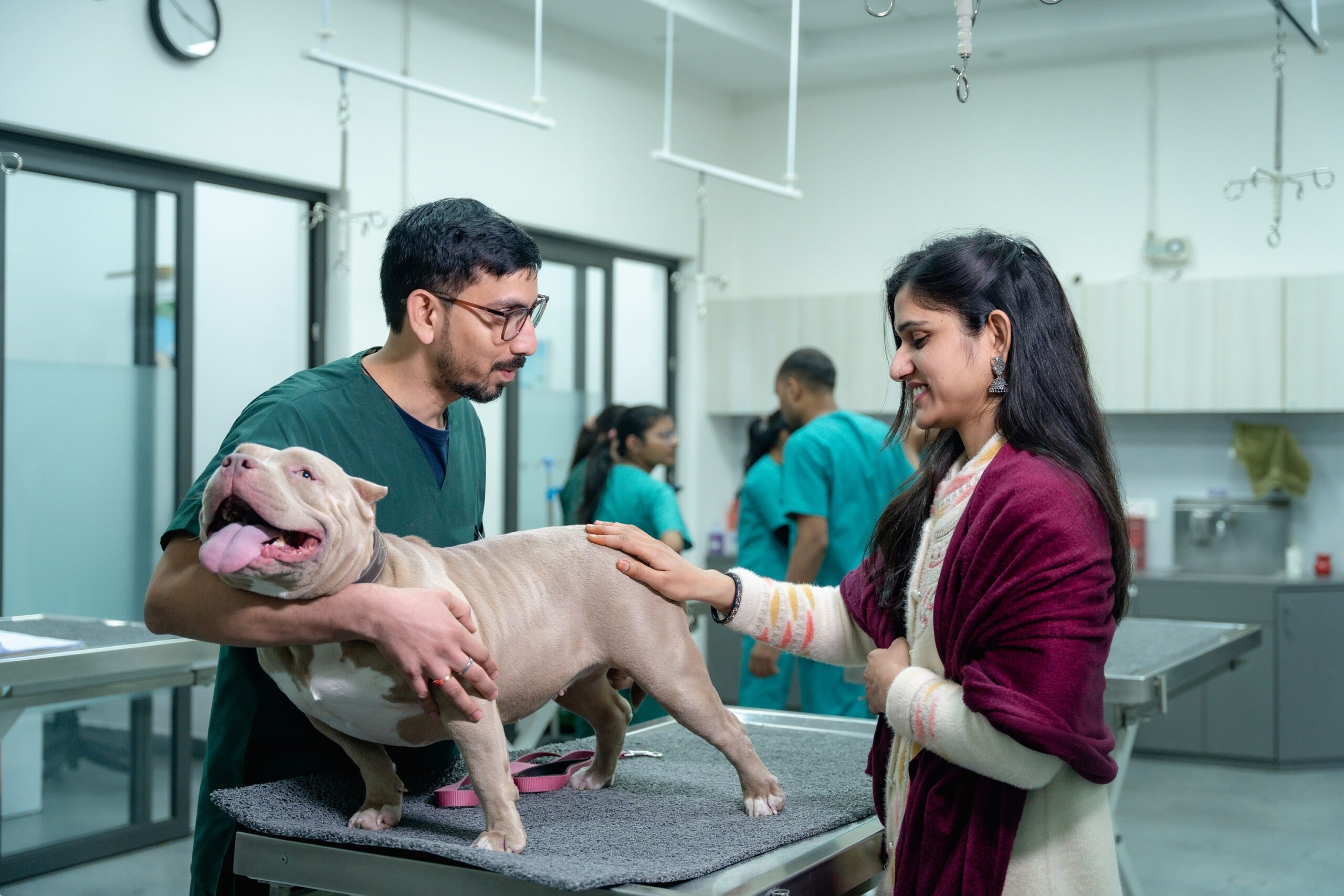
As dogs age, medical care naturally ramps up: more checkups, more blood draws, more poking and prodding to make sure everything is still functioning as well as it can. Many senior dogs do not love this increased handling. Their skin can be thinner and more sensitive, joints more painful, and being restrained can feel especially vulnerable when balance is not what it used to be.
And yet, again and again, they let it happen. They let strangers lift their paws, feel their bellies, draw blood, trim nails, and hold them still, primarily because they trust the human who brought them there. From their perspective, they are tolerating a lot of unpleasantness they cannot fully understand, all anchored by the one thing they do understand: you wanted this to happen, and you are there. It is a sacrifice of comfort in exchange for your reassurance and, hopefully, better health down the line.
10. Masking Discomfort So They Don’t Worry You
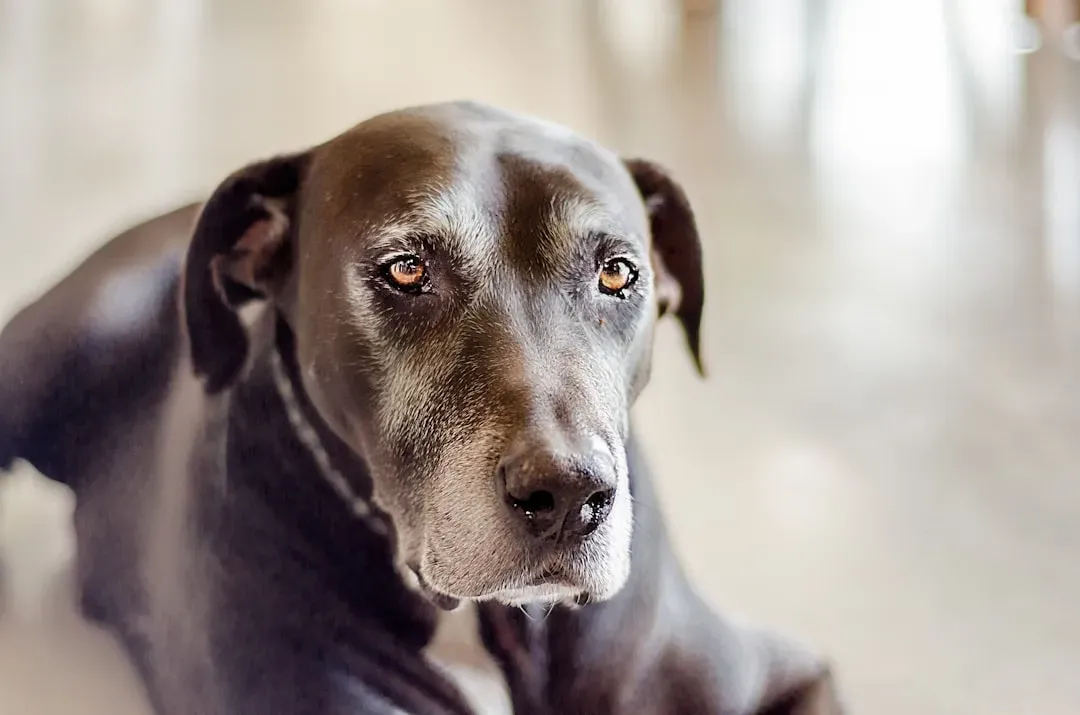
Dogs, like many animals, have an instinct to hide weakness. This tendency can persist even as they age, which means a senior dog may subtly mask pain, nausea, or dizziness in your presence. They might push themselves to stand up a little straighter, walk a few extra steps, or wag more enthusiastically when you come home, only collapsing into deeper rest once you leave the room.
Some of this is evolutionary, but part of it is also learned over a lifetime of reading you. They notice your tone of voice change when they seem “off,” and many dogs respond by trying to appear more normal. That means they are sacrificing honesty about how they feel in the moment to keep the emotional temperature in the room gentle and positive. It is bittersweet: the very love that makes them want to reassure you can also make it harder for you to see how much help they really need.
11. Staying in a Noisy, Busy Space When a Quieter One Would Be Easier
Senior dogs often have lower stress thresholds. Loud televisions, clattering dishes, visiting kids, and general household chaos can be more overwhelming than it was in their younger years. Their nervous systems may not filter noise and motion as smoothly, and they can get tired or overstimulated more quickly. Still, many of them will choose to stay in the middle of the commotion instead of retreating to a quieter room.
From a self-preservation standpoint, a peaceful back bedroom would be the smarter choice. But love is not always logical. By staying in the hub of the house, they are saying yes to a bit of sensory overload and mental fatigue, just to avoid being apart from their family. It is one more example of how senior dogs consistently pick togetherness over ease, even when their aging bodies and brains would probably vote the other way.
Conclusion: The Quiet Heroism of Old Dogs
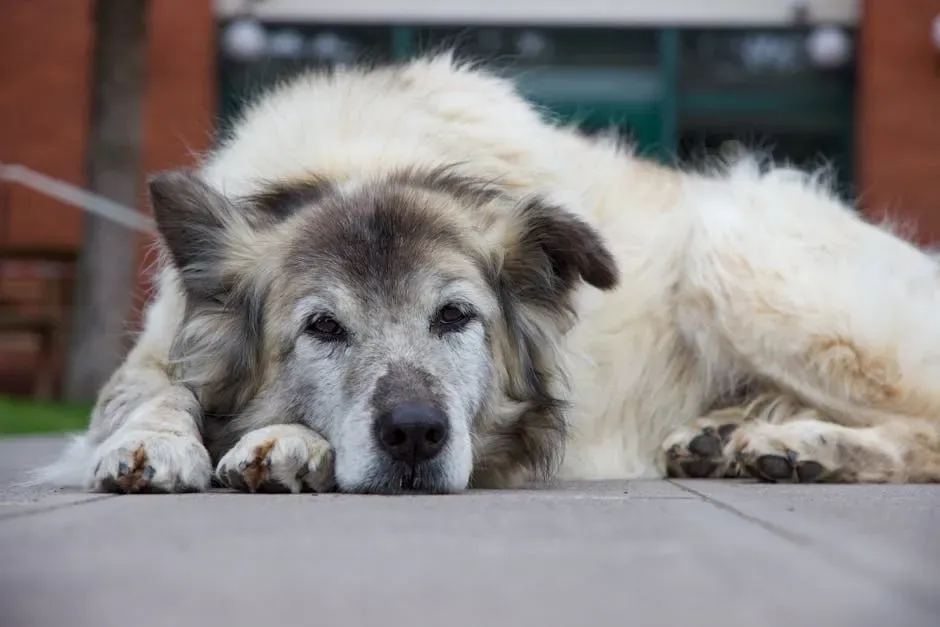
I think the most humbling thing about senior dogs is how un-dramatic their love is. They don’t make speeches or grand declarations. They just quietly choose, over and over, to trade a bit of comfort, a bit of safety, a bit of ease, for one more moment at your side. When you start noticing those choices, the way they creak to their feet when you move or give up a soft bed to lie next to your chair, it changes how you see them.
If anything, I’ve come to believe we romanticize puppyhood and underestimate the deep, steady devotion of old dogs. They have already done the hard work: learning you, sticking with you, shaping their entire day around your patterns. The least we can do is meet them halfway in their final years: softer beds where we spend time, gentler hands, more frequent vet checks, and a bit more patience when their bodies and brains lag behind their hearts. When you look at your old dog today, can you spot even one small sacrifice they are making just to stay close to you?


