
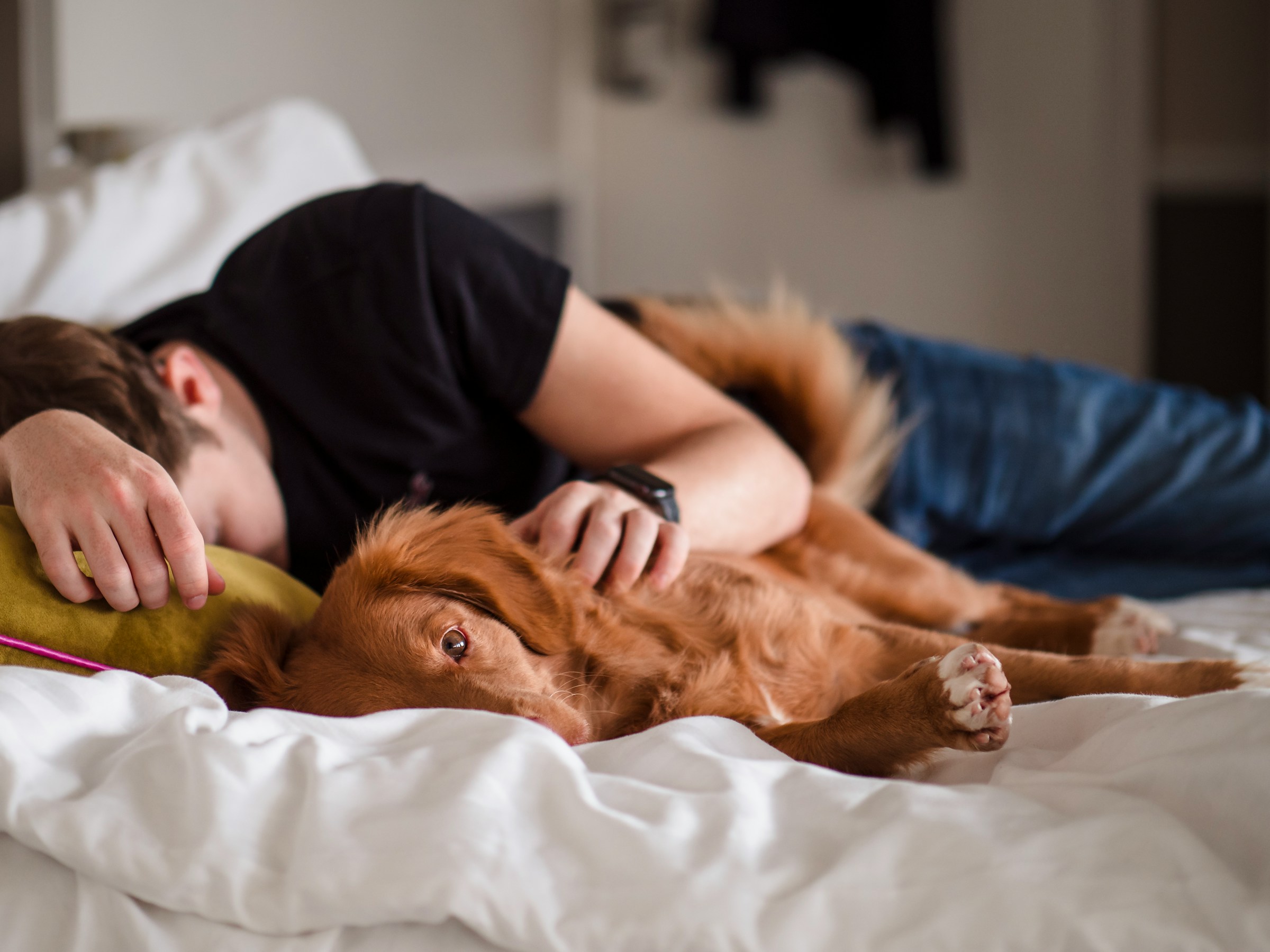
Dogs live in the same house, follow the same routes, hear the same sounds every day – and still, their tails wag like it’s all brand new. While we rush through our routines half-distracted, your dog is quietly clocking the minutes until the next tiny highlight of their day. They are experts at finding joy in moments you barely register.
Once you start to see the world from your dog’s perspective, your home looks different. The sound of your alarm, the creak of a cupboard, the click of the front door lock – these are plot twists in the movie your dog is living in their head. Let’s walk through eight surprisingly meaningful moments your dog waits for every single day, even if you hardly notice them.
The Moment You First Wake Up and Acknowledge Them
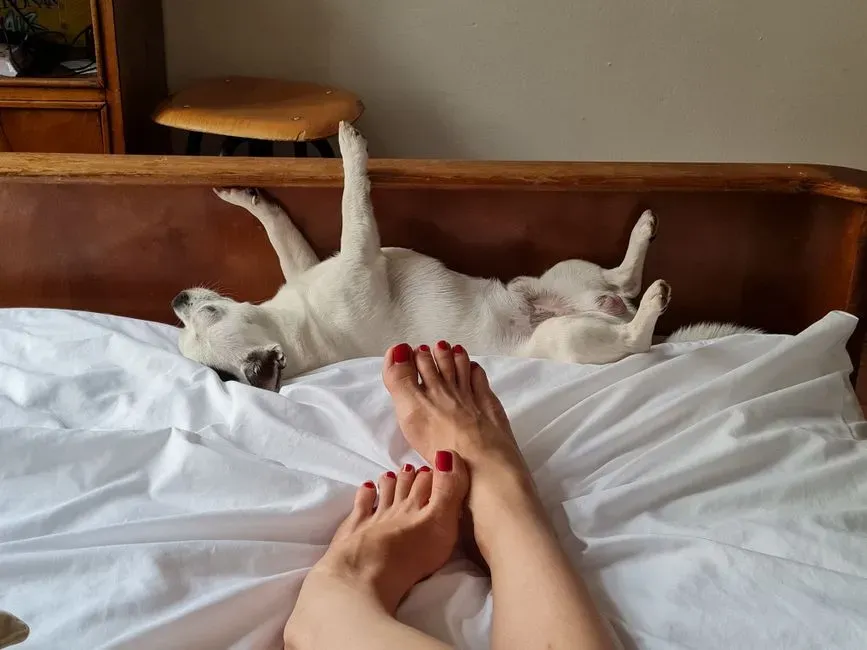
That split second when you open your eyes and make eye contact with your dog can be the emotional sunrise of their entire day. Long before you grab your phone, your dog has probably been half-awake, listening to your breathing change, waiting for that signal that you’re coming back into their world. To them, your first sleepy look, stretch, or muttered “hey buddy” is a green light that the pack is officially awake and together again.
Dogs are social animals wired to feel safest when their group is present and responsive. That first moment of attention confirms that everything is okay, the bond is intact, and the day can begin. Skipping it or brushing past them without a glance might not look like much to you, but to your dog it can feel like the emotional equivalent of someone walking into a room and ignoring you on purpose.
Predictable “Transition” Sounds in Your Routine
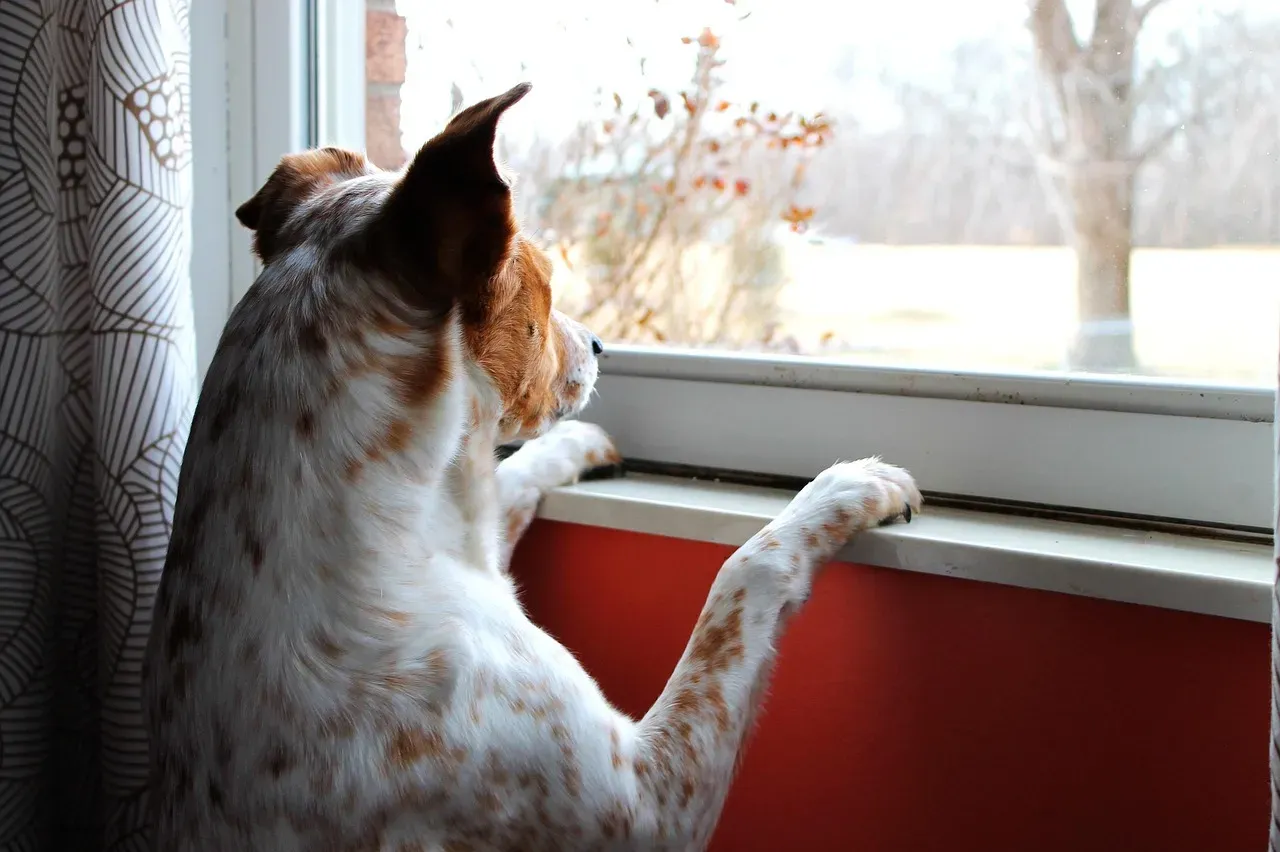
Dogs are masters of pattern recognition, often better than we are. The faint whine of the kettle, the jingle of your keys, the opening of a dresser drawer, the buzz of your electric toothbrush – your dog logs all of these as reliable signals for what happens next. A lot of the time, what they look forward to is not the event itself, but the build-up: pacing before a walk, hovering while you put on shoes, or trotting behind you as you move from room to room.
That anticipation is stimulating in a good way, like the feeling you get when you hear the theme music of your favorite show and know something enjoyable is coming. These cues help your dog predict their world, which is comforting and mentally enriching. When routines suddenly change or sounds disappear, some dogs become anxious or clingy, because their internal “schedule” has been scrambled.
Sniffing the Same Spots on Walks (Not Just the Walk Itself)
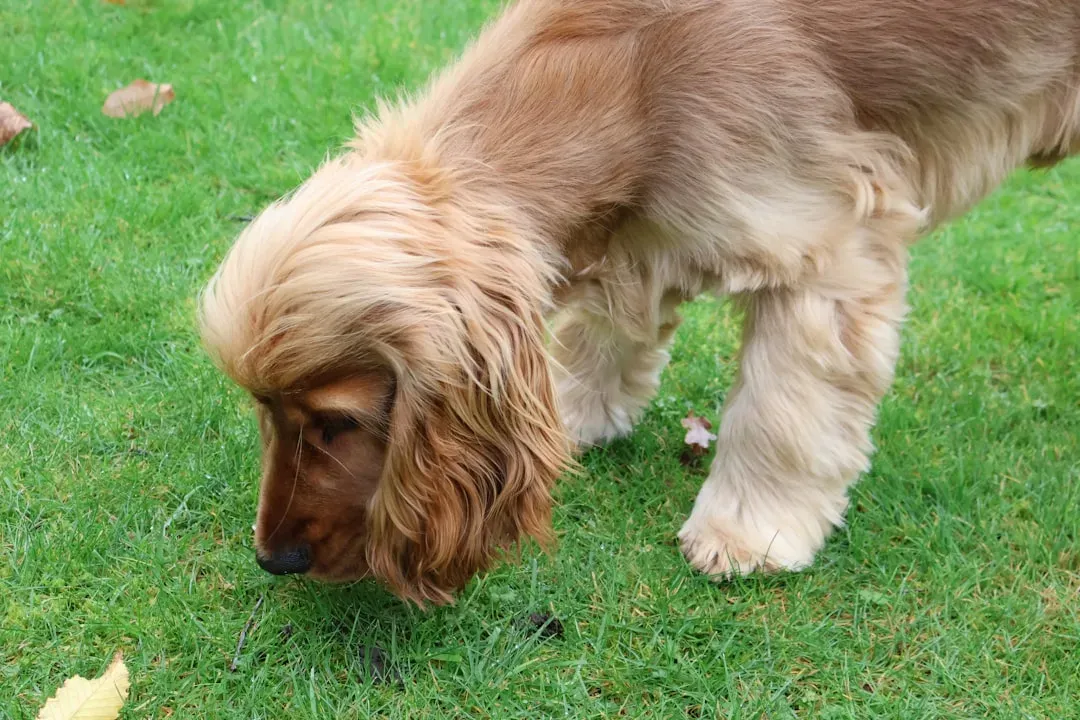
Most humans think the highlight of a walk is the distance, the pace, or the exercise. Your dog often cares more about sniff time than step count. Smelling the same patch of grass or the base of the same tree every day is like checking their neighborhood social media feed. They are reading who has been there, how recently, what mood they were in, and sometimes even what they ate.
When you rush them past those “boring” spots because you are in a hurry, it is similar to someone snatching your phone away while you are halfway through a message. Letting your dog pause to sniff is not spoiling them; it is meeting a biological need. Scent work engages parts of their brain that simple walking does not, and many dogs finish a sniff-heavy stroll more satisfied and tired than after a fast power walk with no time to investigate.
The Tiny Training Moments You Treat as Throwaway
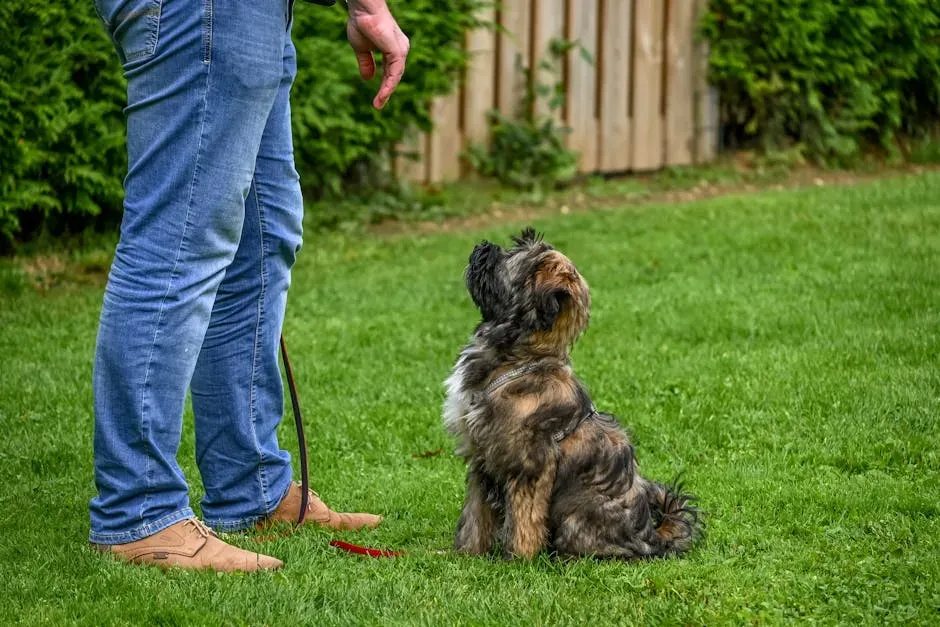
That one minute when you ask for a sit before dinner, or cue a down before opening the door, might feel like nothing to you. For your dog, it is a rare chance to “work” and earn your clear, focused attention. Many breeds were originally developed to use their brains and bodies for specific jobs, and in modern life they rarely get that full sense of purpose. A few micro-training sessions sprinkled through the day can light them up more than you expect.
When you ask your dog to perform a simple behavior and then genuinely reward them, it satisfies their need for structure, communication, and success. It is a shared language moment where both of you understand each other. Over time, these little drills become something they quietly look forward to, almost like short, private games where they get to be the star and win every time.
The Way You Come Home, Not Just That You Came Back
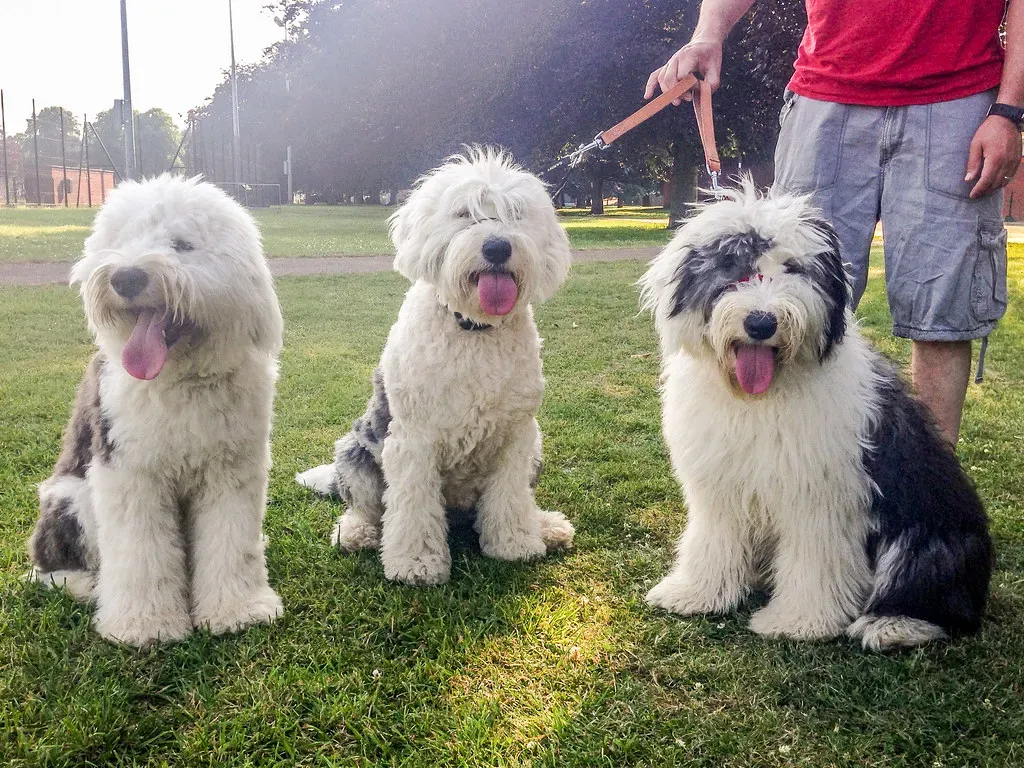
Most people assume their dog is just glad they walked through the door, and that is true. But dogs also notice how you come home. Do you burst in while still on a call, walk straight past them, and dump bags before offering a distracted pat? Or do you at least give them ten seconds of full, undivided reunion – crouching down, greeting them with warmth, letting them smell where you have been?
Dogs do not understand commutes, traffic, or inboxes, but they absolutely understand emotional availability. The daily reunion is one of the biggest highlights in their routine, and they often anticipate it for hours, listening for your specific footsteps or the exact sound of your car. When that buildup ends in a rushed half-greeting, it is like hyping up for a concert and then getting only the opening chord. A calm but wholehearted hello can reset your dog’s nervous system and your own.
Quiet Companion Time When “Nothing” Is Happening
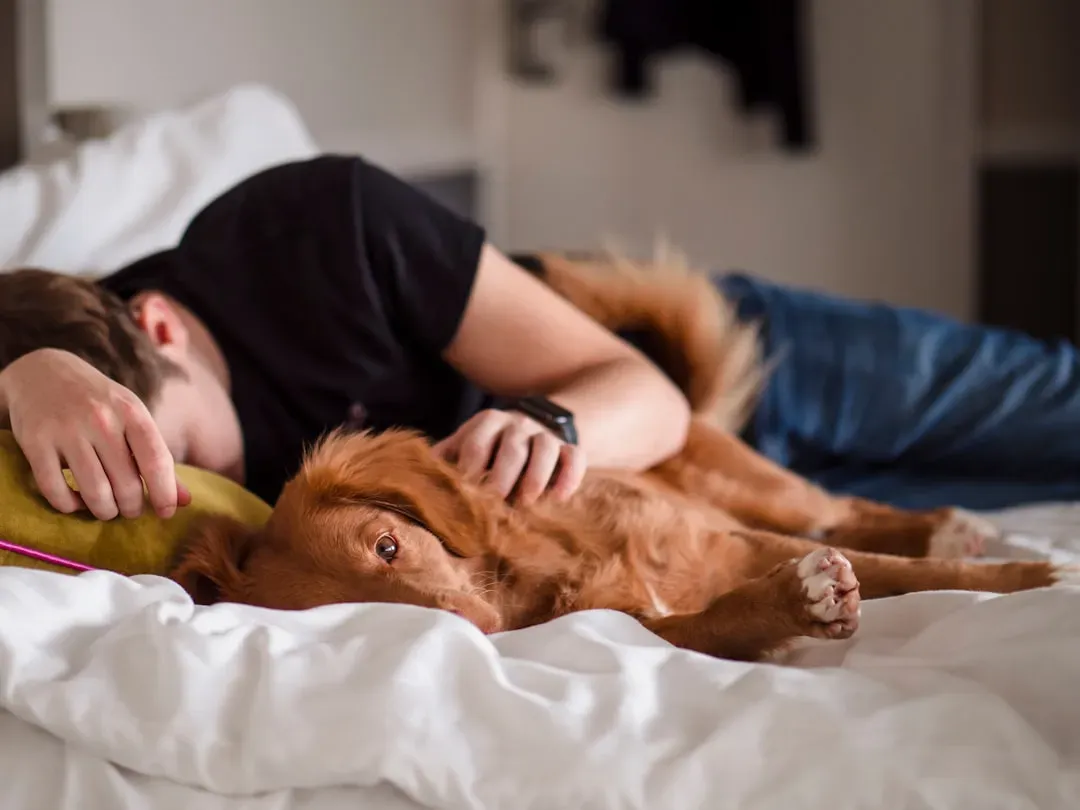
We tend to look for obvious events: walks, meals, playtime. Your dog is often most content during what we consider the boring in-between moments: you reading on the couch, working at your laptop, or watching a show. They are tuned into your breathing, your posture, the rhythm of your day, and just being allowed to exist in your orbit feels deeply rewarding.
Many dogs will quietly migrate to wherever you settle – lying at your feet, curling beside you, or just resting in the same room. They do not need you to interact nonstop; they just want to be near the person their entire life revolves around. If you regularly move them away or close doors between you and them, you may be cutting off one of the simplest joys they count on: peaceful, shared “nothing time.”
Short, Spontaneous Bursts of Play or Affection
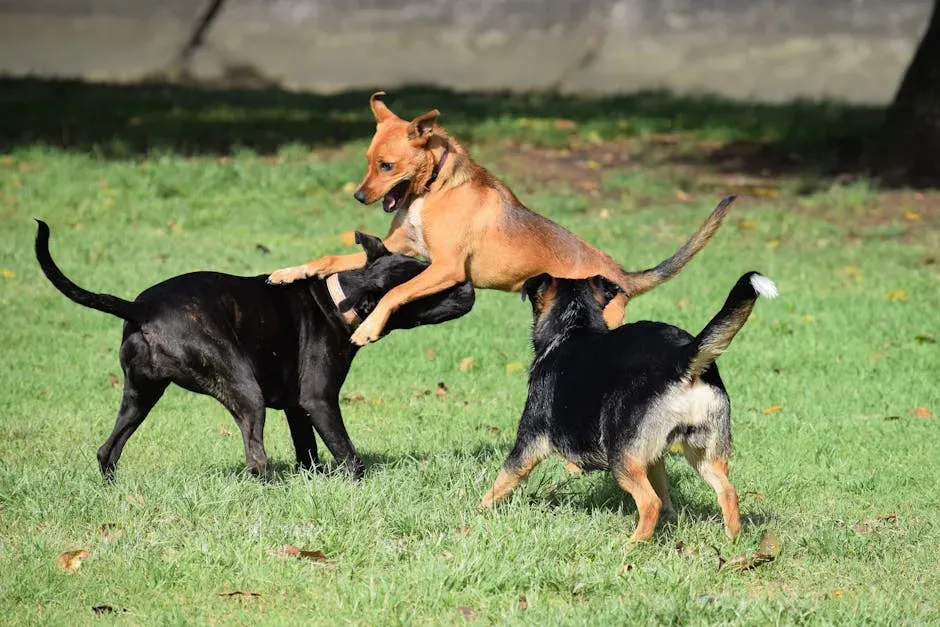
Dogs rarely expect an hour-long play session every day, but they often anticipate those quick, joyful bursts: a 30-second tug game in the hallway, a goofy voice and belly rub while you wait for the microwave, a sudden chase game from the living room to the kitchen. These tiny, unplanned bursts of fun can be emotional high points they silently hope will happen again today.
Because they are so short and spontaneous, humans tend to forget them as soon as they happen, but dogs often remember the pattern. If you always flick a toy once when you pass the basket, your dog will start watching you at that exact moment. These micro-doses of play tell your dog that you are not only a food source and rule-maker, but a partner in joy, and that mix is powerful for your bond.
The Pre-Meal Ritual, Not Just the Food Bowl Itself
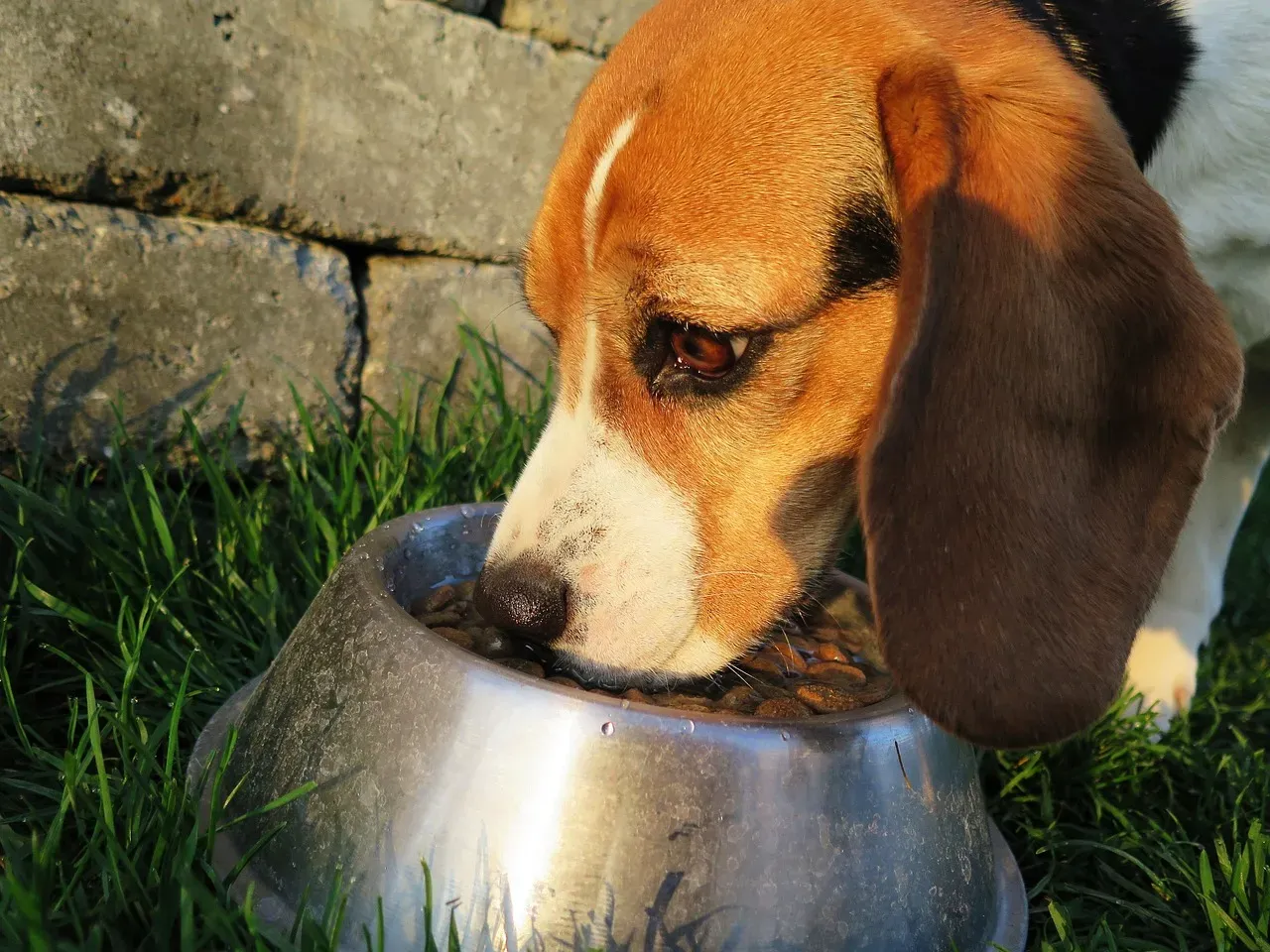
Yes, your dog cares about the food. But just as important is the entire ritual leading up to it: the sound of the bag or can, the clink of kibble, the way you move around the kitchen, the moment you ask them to sit or wait. Dogs are highly attuned to sequences, and the pre-meal routine can be one of the most predictable, exciting arcs in their day, especially if everything else feels random or chaotic.
When you make mealtimes rushed, chaotic, or inconsistent, it can actually be stressful. A calm, repeated pattern – same spot, same basic order, clear cues – not only builds anticipation but also security. Many dogs visibly relax once they know the “story” is unfolding the way it always does. They are not just hungry; they are enjoying the comfort of a familiar ritual that tells them they are cared for and that their basic needs will be met again today.
The Wind-Down Cue Before Bed
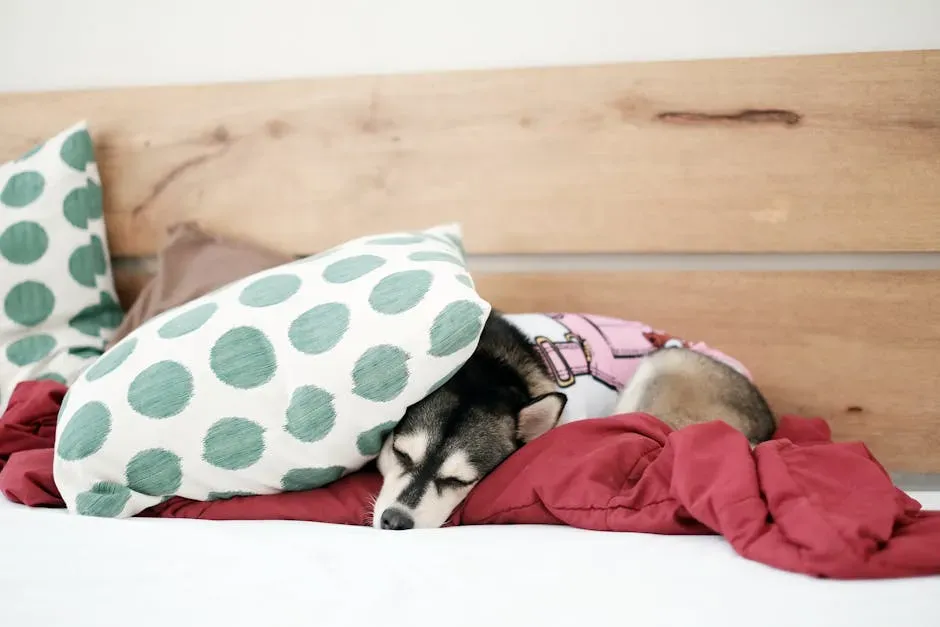
Just like children, many dogs rely on a bedtime pattern to understand that the day is ending and it is safe to let their guard down. Maybe you turn off the TV, switch off certain lights, brush your teeth, then say a particular word or phrase as you head to the bedroom. These repeated steps become a soothing soundtrack for your dog’s nervous system, telling them it is time to rest, not to stay on alert for more action.
When the evening routine is stable, your dog may start heading to their bed or your bedroom before you do, quietly nudging you toward that familiar closing scene. Skipping the wind-down pattern or wildly changing it day to day can leave some dogs restless or pacing, as if they are waiting for the finale that never comes. A predictable bedtime ritual, even if it is only a few minutes long, is something many dogs quietly, deeply look forward to every single night.
Conclusion: Your Dog’s Life Is Built From the Moments You Barely Notice
So much of your dog’s happiness hangs on tiny pieces of your day that you probably do on autopilot: the way you wake up, how you walk through the door, whether you pause for a sniff or a silly game in the hallway. They do not need a perfect life packed with adventures; they need consistency, connection, and small, meaningful rituals with you. That realization can be both humbling and oddly comforting, because it means you have more power to improve their world than you might think.
In my view, one of the kindest things we can do for our dogs is to deliberately slow down for the moments they already treasure instead of constantly inventing bigger ones. Let them sniff the same tree, greet them like they matter, protect their bedtime routine like it is a sacred little ceremony. When you start valuing their quiet joys, you might notice something surprising: your own days feel richer too. Which of these tiny moments will you start treating like the big deal it already is to your dog?


